Category: Posts (Page 9 of 47)

Seed Saving: A Lost Art Making a Comeback in Local Gardens

In recent years, there has been a resurgence in interest in the practice of seed saving. Once a commonplace activity in rural households and small farms, this tradition began to fade as industrial agriculture took over and modern convenience became more accessible. However, in local gardens across the world, people are rediscovering the profound benefits of saving seeds, not just for the sake of their gardens, but for the broader ecological and cultural reasons that this ancient practice entails. Seed saving is more than just a method of maintaining a garden; it’s an act of resilience, sustainability, and self-sufficiency.

The growing awareness around environmental concerns, coupled with the desire for healthy, organic food, has prompted many gardeners to reconnect with the rich heritage of seed saving. The shift toward seed saving is a reflection of a broader movement focused on food sovereignty, biodiversity preservation, and the revitalization of local agriculture. In this article, we explore the importance of seed saving, its historical significance, and why it’s making such a strong comeback in modern local gardens.

The Importance of Seed Saving in Today’s Gardens

The simple act of saving seeds can have far-reaching implications for gardeners and communities. As the global population continues to grow, the pressure on agricultural systems intensifies. By engaging in seed saving, gardeners are reclaiming some of that pressure and ensuring that they are more in control of their food sources.

One of the most compelling reasons for saving seeds is biodiversity. When we rely on commercial seed companies for all our planting needs, we risk losing the variety of plant species that have been adapted over centuries to thrive in specific local conditions. Industrial agriculture often focuses on a limited range of varieties, leading to a genetic bottleneck that diminishes resilience in crops. By saving seeds from one season to the next, gardeners contribute to maintaining genetic diversity, which makes their plants more adaptable to environmental changes, pests, and diseases.

Another significant benefit of seed saving is food security. In a world where the effects of climate change, political instability, and economic hardship are increasingly threatening global food systems, saving seeds provides a vital layer of resilience. In the event of crop failures, a gardener with a stash of saved seeds is more likely to be able to continue producing food without relying on external sources. Seed saving empowers individuals and communities to grow their own food sustainably, even in times of uncertainty.

Moreover, the act of saving seeds connects gardeners to a deeper sense of self-sufficiency. Instead of being dependent on outside sources for seeds every season, those who save seeds can cultivate plants that are specially adapted to their environment, thus reducing their reliance on commercial seed companies. This is particularly important in the face of rising seed costs and the increasing control of large corporations over the seed supply.

Historical Significance of Seed Saving

Seed saving has been an essential practice for millennia. Early humans relied on this skill to ensure that they could grow crops year after year, selecting the best specimens to harvest seeds from and pass down to the next generation. Before the advent of the seed industry, it was common for every family and every community to save seeds from the plants they grew, creating a cycle of renewal and adaptation to local climates.

In many indigenous cultures, seed saving is not just a practical activity but a cultural one. Seeds were treated with respect, and the knowledge of how to save and share them was passed down through generations. In fact, many of the heirloom varieties we cherish today are the result of this knowledge and care. Over the centuries, these saved seeds have adapted to local conditions, resulting in plants that thrive in specific environments. This deep connection between the gardener, the plant, and the land is a testament to the sustainability of seed saving.

Unfortunately, as agriculture became more industrialized in the 20th century, the art of saving seeds began to decline. With the rise of commercial seed companies, the practice of saving seeds was overshadowed by the convenience of purchasing seeds that were often genetically modified or treated with chemicals. This shift led to the loss of many traditional varieties, and a dependency on large agricultural companies for the supply of seeds.

How Seed Saving Works: A Practical Guide

Saving seeds is not as difficult as it might sound, and it can be done with relative ease, even by beginners. The key is understanding the basic principles of seed saving, such as how to properly harvest, store, and preserve the seeds to ensure they remain viable for future planting.

The first step in seed saving is to select the best plants from which to harvest seeds. Ideally, these should be plants that are healthy, robust, and have produced good-quality crops. It’s important to choose plants that are free of disease and pests, as saving seeds from these plants can result in the perpetuation of problems in future generations.

Once you’ve chosen the best plants, the next step is to allow the seeds to mature. For many vegetables, this means letting the plant fully ripen before harvesting the seeds. For example, tomatoes should be left on the vine until they are fully ripe, and beans should be allowed to dry on the plant before harvesting. In some cases, seeds need to be cleaned and dried after harvesting. For instance, beans or peas should be shelled and left to dry thoroughly in a cool, dry place before being stored.

After cleaning the seeds, it’s important to properly store them to ensure they stay viable for the next growing season. The key to successful seed storage is keeping seeds dry and cool. A dry environment prevents mold and rot, while a cool environment slows down the process of seed degradation. You can store seeds in small paper envelopes, glass jars, or even airtight containers, as long as they are kept in a dry and cool place. Proper labeling is also essential, as this helps you remember what varieties of seeds you’ve saved and when they were harvested.

The Role of Heirloom Seeds in Seed Saving

One of the primary reasons that seed saving has gained so much attention in recent years is the preservation of heirloom varieties. Heirloom seeds are those that have been passed down through generations, often within families or communities. These seeds have been carefully saved and cultivated for their adaptability, flavor, and resilience. Heirloom plants tend to be more genetically diverse and resistant to pests and diseases compared to their commercial counterparts.

By saving heirloom seeds, gardeners are not only preserving the genetic integrity of these varieties but also ensuring that they remain available for future generations. Heirloom varieties are often more flavorful, nutritious, and resilient than modern hybrid varieties, making them a vital part of any garden. When you save seeds from heirloom plants, you are helping to preserve the cultural heritage of your region and contribute to a more diverse and resilient food system.

Heirloom varieties can be particularly important in the context of local food movements. By saving seeds from plants that have adapted to specific regional climates, gardeners are preserving crops that are uniquely suited to their environment. This helps ensure that these varieties continue to thrive, even in the face of changing climate conditions or shifting agricultural practices.

The Future of Seed Saving: A Growing Movement

Seed saving is not just a nostalgic practice; it is an essential part of the sustainable agriculture movement. As concerns about climate change, genetically modified organisms, and food security continue to rise, more and more people are turning to seed saving as a way to ensure a reliable and sustainable food source. Community-based seed banks, where individuals and groups can share saved seeds, are gaining popularity as a way to protect and distribute valuable heirloom varieties. These seed banks act as repositories of genetic diversity, ensuring that even in the face of disaster or economic hardship, local gardeners can continue to grow the food they need.

In addition to providing food security and preserving biodiversity, seed saving fosters a sense of community and connection. It encourages gardeners to exchange knowledge, share resources, and support one another in their efforts to cultivate and sustain local food systems. As the movement continues to grow, more gardeners, farmers, and activists are realizing that the practice of seed saving is an act of solidarity—not just with future generations, but with the planet itself.

In conclusion, seed saving is not merely a practice for those with green thumbs; it is a vital tool for gardeners, communities, and the planet. By learning how to save seeds, we are helping to preserve the diversity of our crops, ensuring that we are more resilient in the face of climate change, and taking part in a larger movement toward sustainability and food sovereignty. The future of our food system depends on our ability to nurture and protect the seeds that sustain us, and the resurgence of seed saving is an encouraging sign that we are ready to take that responsibility seriously.

Cosmetic Dermatology in LA: Botox, Fillers, and PRF for Radiant Skin

Los Angeles is known for its innovation in the beauty and wellness industries, and cosmetic dermatology is no exception. With non-invasive treatments such as Botox, dermal fillers, and Platelet-Rich Fibrin (PRF), residents and visitors alike can achieve a more youthful, refreshed appearance without going under the knife. These procedures, each with its own unique benefits, are designed to address a variety of skincare concerns and help individuals maintain their skin’s natural glow.

Botox: Smoothing Wrinkles with Precision

Botox has become a household name, synonymous with wrinkle reduction and facial rejuvenation. This neurotoxin works by temporarily paralyzing the muscles responsible for fine lines and wrinkles, particularly around the eyes, forehead, and between the eyebrows. Botox is highly effective for reducing dynamic wrinkles caused by repetitive facial expressions, such as frown lines and crow’s feet.

  • Targeted Treatment: Botox offers precision, allowing for targeted treatment to specific areas of concern, ensuring natural-looking results.
  • Quick and Convenient: The procedure is minimally invasive, requiring only a few small injections, and there is little to no downtime.
  • Long-Lasting Effects: While results are temporary, Botox can provide smooth skin for three to six months, making it a great option for individuals seeking long-term rejuvenation.

Dermal Fillers: Restoring Volume and Enhancing Features

As we age, our skin loses collagen and elasticity, leading to a decrease in facial volume and the formation of deeper wrinkles. Dermal fillers help to restore lost volume, smooth out wrinkles, and enhance facial contours, such as the cheeks, lips, and jawline. There are several types of dermal fillers available, including hyaluronic acid-based fillers, which are the most commonly used due to their versatility and natural results. If you’re looking for professional treatments, fillers in Los Angeles can provide the rejuvenating effects you desire.

  • Immediate Results: Fillers provide immediate results, with many patients noticing a fuller, smoother appearance right after treatment.
  • Customizable Treatment: The types of fillers and the amount used can be tailored to each patient’s needs, ensuring personalized results.
  • Non-Surgical Enhancement: Dermal fillers offer an excellent alternative to surgery, offering significant enhancements without the need for recovery time.

PRF: Revitalizing Skin with Your Body’s Natural Growth Factors

Platelet-Rich Fibrin (PRF) is an advanced treatment that uses your body’s own growth factors to rejuvenate the skin and promote healing. Unlike traditional PRP (Platelet-Rich Plasma), PRF is a more concentrated form of the patient’s own blood, which is injected into the skin to stimulate collagen production, improve skin texture, and reduce fine lines.

  • Natural and Safe: Since PRF uses your own blood, it carries little risk of adverse reactions, making it a safe and natural option for skin rejuvenation.
  • Minimal Downtime: Like other non-invasive treatments, PRF requires minimal recovery time, allowing patients to return to their daily activities shortly after the procedure.
  • Long-Term Benefits: PRF can continue to improve skin quality over time, with results typically becoming more noticeable after a few weeks and lasting for several months.

Conclusion

Whether you’re interested in Botox for wrinkle reduction, dermal fillers for volume restoration, or PRF for natural skin rejuvenation, Los Angeles offers cutting-edge treatments to help you maintain radiant, youthful skin. Each procedure provides unique benefits and can be customized to meet individual needs. With the expertise of skilled cosmetic dermatologists in LA, achieving glowing, youthful skin is more accessible than ever.

Rooted in Zen: How to Grow Bamboo at Home for Tranquility, Privacy, and Green Aesthetics

There’s something almost poetic about bamboo. It sways in the wind with quiet resilience, stretches toward the sun with unwavering grace, and brings with it a peaceful energy that feels almost spiritual. Whether standing tall in a corner of your living room or lining the edges of your garden, bamboo carries a subtle yet striking presence. Rooted in centuries of Zen philosophy and deeply woven into Asian cultural symbolism, bamboo isn’t just a plant—it’s a way of life. And when brought into the home, it can transform any space into a serene sanctuary.

Growing bamboo at home is more than a botanical experiment; it’s an exercise in mindfulness. It’s about learning patience, appreciating balance, and cultivating a living space that reflects harmony between nature and human intention. Whether you’re craving privacy from nosy neighbors, looking to soften the architecture of your patio, or simply yearning for a greener aesthetic, bamboo offers solutions that are both practical and soulful.

The Spiritual and Cultural Significance of Bamboo

Before diving into the how-to, it’s worth pausing to understand why bamboo holds such a revered place in many cultures, especially in Eastern traditions. In Chinese philosophy, bamboo is one of the “Four Gentlemen” of plants, representing integrity, endurance, and humility. In Japanese Zen gardens, its elegant structure and hollow stem embody simplicity and the idea of emptiness—a key concept in Buddhist thought that relates to openness and acceptance.

In Feng Shui, bamboo symbolizes good fortune, resilience, and prosperity. Its fast growth and flexibility are seen as metaphors for adaptability and inner strength. Many homes and offices around the world keep “lucky bamboo” arrangements, not just for their minimal care requirements, but for the promise of positive energy. Similarly, natural elements like magic mushrooms in Canada are often associated with wellness and alternative practices.

Bringing bamboo into your home garden is a subtle way of inviting these values into your daily life. It’s not just about the plant—it’s about what it invites you to feel, what it softens, and what it hides.

Choosing the Right Bamboo for Your Space

Not all bamboo is created equal. Some varieties are aggressive and fast-spreading, while others are clumping and more suitable for controlled environments. The first step to a thriving bamboo sanctuary is choosing the right type for your goals. Many wellness retreats that offer experiences like a happy Asian massage also use bamboo gardens to create a calming and natural atmosphere.

If you’re looking for a privacy screen, fast-growing running bamboos like Phyllostachys nigra (Black Bamboo) or Phyllostachys aurea (Golden Bamboo) are great options. They grow tall and dense, creating natural walls that absorb sound and block unsightly views. But beware—running bamboo can become invasive if not properly contained. A root barrier or deep container is essential to prevent unwanted spread.

For smaller gardens or indoor use, clumping varieties like Bambusa multiplex or Fargesia rufa are ideal. These types grow in tight clusters, making them easier to manage and less likely to overtake your yard. They’re graceful, compact, and respond well to pruning, which makes them perfect for decorative planters or patio corners.

When selecting bamboo, consider your climate. Some varieties thrive in tropical heat, while others, especially mountain bamboos, can withstand colder temperatures. A local nursery or botanical expert can guide you toward the best fit for your zone. If you’re planning a project, consulting professionals experienced in landscape design in Hingham can help ensure your bamboo thrives.

Creating a Bamboo Sanctuary: Where and How to Plant

The location of your bamboo is just as important as the variety you choose. Bamboo thrives in sunny spots with well-draining soil, though some species can tolerate partial shade. If you’re planting outdoors, find a spot that receives morning sun and afternoon shade—this balance keeps the leaves vibrant and prevents scorching. Just like choosing the right spot for bamboo, selecting the appropriate diet is crucial for pets, so consider options like small kibble dog food for easier digestion.

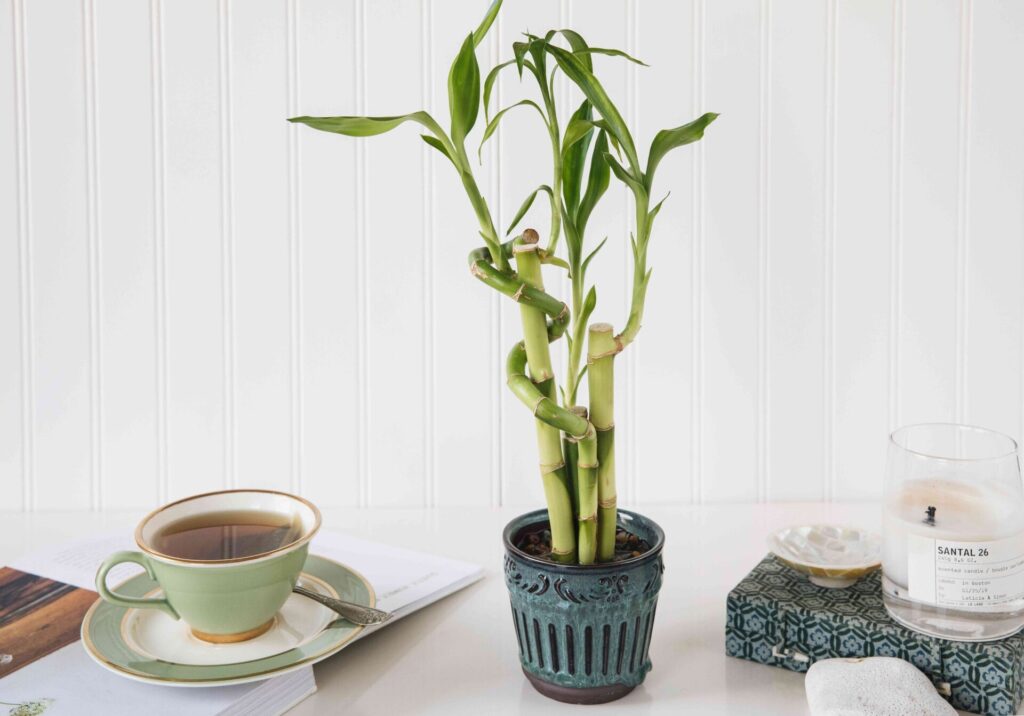
For indoor bamboo, especially the ornamental Dracaena sanderiana commonly marketed as “lucky bamboo” (even though it’s not a true bamboo), indirect light is best. Too much sun can bleach the leaves, while too little will stunt its growth.

Soil preparation is crucial. Bamboo likes loamy, slightly acidic soil rich in organic matter. Before planting, mix compost into the soil to improve drainage and nutrient content. Once planted, cover the base with a layer of mulch. This helps retain moisture and keeps the roots cool, especially during hot summers. For landscaping near buildings, consider using commercial decorative window film to enhance privacy without affecting sunlight for your bamboo.

If you’re working with limited space or worried about invasiveness, container gardening is a wonderful alternative. Large pots or raised planters give you full control over growth while still allowing your bamboo to flourish. Choose containers with good drainage and be prepared to repot every few years as the roots expand.

Watering, Feeding, and Pruning for Zen-like Growth

Bamboo is resilient but not invincible. Like any living thing, it thrives with consistent care. Watering is perhaps the most essential task. Bamboo loves moisture but hates soggy roots. The trick is to keep the soil consistently damp without overwatering. For homeowners, proper planning and protection, including consulting with an insurance agency in Florida, can help safeguard your garden investment.

In the first year after planting, water deeply several times a week to establish a strong root system. Once mature, most outdoor bamboos are fairly drought-tolerant but still appreciate regular hydration during dry spells. For indoor plants, water when the top inch of soil feels dry, and never let the roots sit in standing water.

Feeding your bamboo can encourage lush, vibrant growth. A high-nitrogen fertilizer applied in the spring and again in midsummer helps fuel its fast-growing nature. Organic options like compost tea or fish emulsion are ideal for eco-conscious gardeners and support soil health. If you’re planning an outdoor event, thriving bamboo can even enhance the ambiance of party venues in Washington, MO.

Pruning may seem counterintuitive when trying to grow tall privacy screens, but strategic trimming helps bamboo maintain its shape and keeps it from looking unruly. Remove dead canes at the base, thin out crowded sections, and trim leaf tips to control height. A well-pruned bamboo grove has a rhythm and openness that invites calm rather than chaos.

Designing with Bamboo for Privacy and Aesthetics

Beyond the plant itself, bamboo brings design potential that few other species offer. Its upright growth habit and geometric lines make it a natural choice for minimalist landscapes, Zen-inspired patios, or meditative corners. In cities like Vancouver, incorporating bamboo into your garden can even increase the appeal and value of your property, connecting to trends in Vancouver real estate.

For privacy, consider planting a living bamboo fence along property lines. Space the plants closely together and let them grow tall to form a thick, green screen that muffles sound and shields your space from view. The effect is more organic and soothing than wood or metal fencing—and far more beautiful.

Bamboo can also be used to frame pathways, soften architectural edges, or create a secluded meditation nook in the garden. Combine it with stones, water features, and moss for a full Zen effect. The rustle of bamboo leaves in the wind becomes its own kind of music, turning your garden into a living symphony of stillness and sound. For homeowners updating both their indoor and outdoor spaces, it’s also important to consider practical upgrades, such as kitchen hood services in Los Angeles, to maintain a harmonious and functional home environment.

Indoors, tall potted bamboos add vertical interest and purify the air. Use them to anchor a reading nook, break up open-concept spaces, or bring a touch of green to sunlit corners. Smaller arrangements of lucky bamboo on desks or shelves offer a low-maintenance way to stay connected with nature, even in busy modern lives.

Handling the Common Challenges of Bamboo Care

Even the most peaceful plant can present a challenge or two. The key is to remain observant and proactive. Yellowing leaves may signal overwatering or poor drainage. Sparse growth might mean too little sunlight. Pests like spider mites or aphids can occasionally appear, especially on indoor plants, but they’re easily managed with neem oil or gentle soap sprays.

One of the biggest concerns with bamboo is invasiveness. Running bamboo, if not contained, can spread aggressively through underground rhizomes. Installing root barriers (plastic or metal sheets buried vertically around the plant) helps keep it in check. Alternatively, planting in containers offers foolproof control. For an elegant outdoor setup, consider placing your bamboo planters on a cotton table runner to protect the surface beneath.

Bamboo also sheds its leaves, especially during seasonal transitions. Don’t panic—this is normal and often part of the plant’s natural cycle. Rake up fallen leaves and use them as mulch to return nutrients to the soil.

The Emotional Return on Growing Bamboo

Gardening is often touted as a form of therapy, and with bamboo, the benefits seem amplified. Watching a bamboo shoot emerge from the soil, grow inches in days, and unfurl its delicate leaves is a quiet marvel. It teaches us patience and persistence, offering daily reminders of growth, resilience, and the subtle beauty of nature’s rhythms. Many gardeners document this process for a production company to showcase the calming effects of bamboo cultivation.

For those living in urban environments, bamboo offers a reconnection to the earth. It turns balconies into forests, transforms patios into peaceful refuges, and brings a touch of the wild into domestic life. And in a world full of concrete, noise, and relentless pace, that reconnection can be profoundly healing.

There’s also a sense of empowerment in growing bamboo. You’re cultivating a living thing that gives back—offering not just aesthetics, but clean air, privacy, and a calming presence that can be felt more than seen. Bamboo doesn’t just grow in your home; it grows on you. Some enthusiasts even use bamboo as a key ingredient when building alcohol stills for home distilling projects.

Closing Thoughts

Rooted in Zen, bamboo is more than a botanical choice—it’s an invitation. An invitation to slow down. To create space. To listen to the wind and embrace green in all its meditative glory. Whether you grow it for privacy, peace, or pure visual pleasure, bamboo stands tall as a reminder that elegance often lies in simplicity, and tranquility is something we can cultivate, one shoot at a time. Pairing your bamboo garden with a quiet moment for a massage in Las Vegas can elevate this sense of calm even further.

Caring for English Ivy: The Essential Guide to Growing and Maintaining This Indoor Beauty

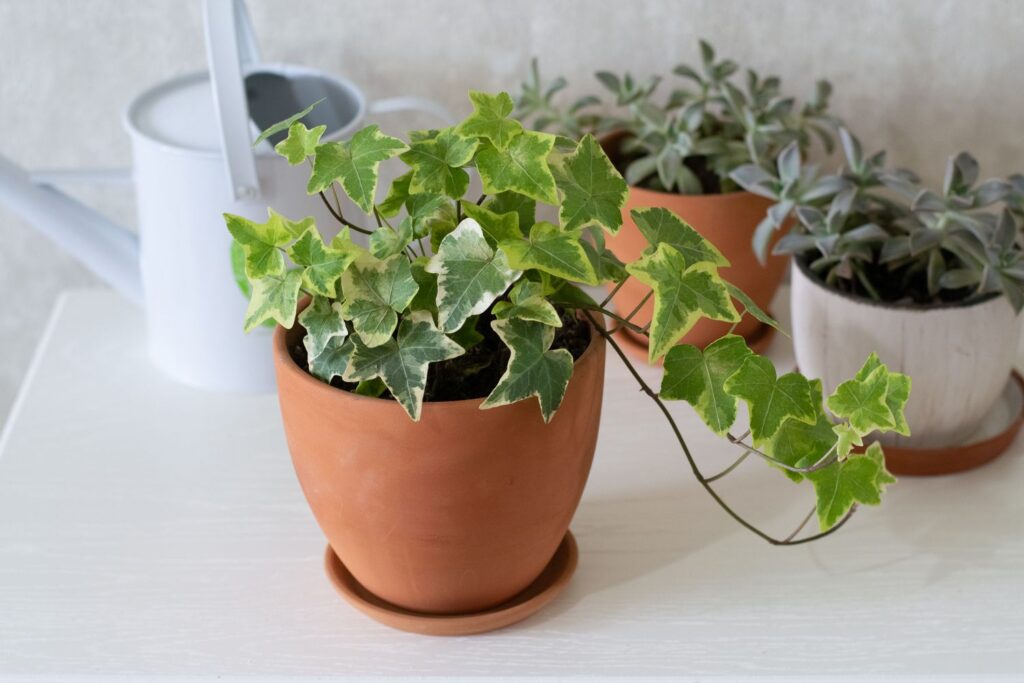
English Ivy, scientifically known as Hedera helix, is a versatile and timeless plant that has been adored for centuries for its aesthetic appeal and ability to thrive in various environments. Known for its glossy, deep green leaves and ability to grow quickly, it’s no wonder that English Ivy has become a staple in homes and offices alike. If you’re considering adding this beautiful, low-maintenance plant to your indoor garden or have already welcomed it into your home, this guide will provide you with everything you need to know about growing and maintaining English Ivy successfully.

Why Choose English Ivy for Your Home?

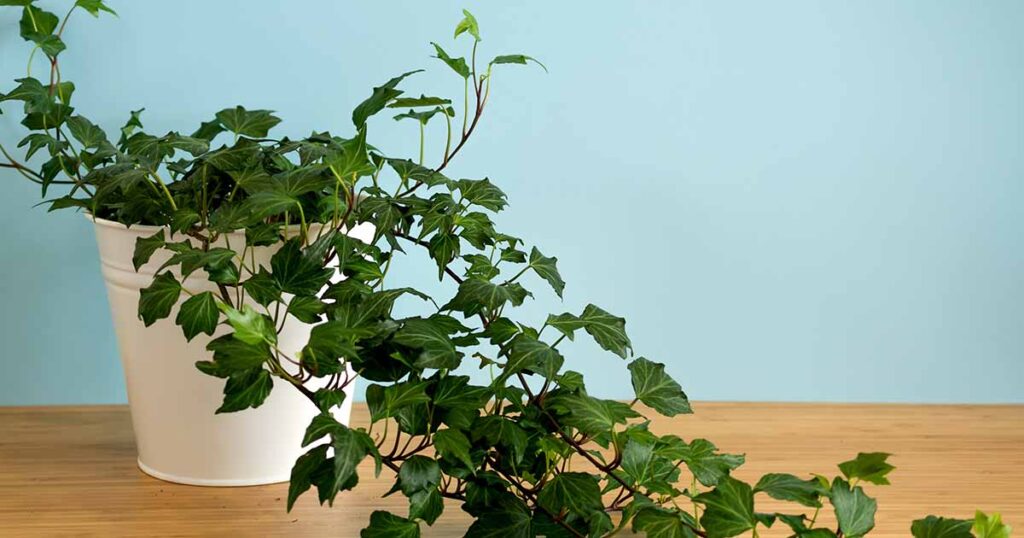
One of the main reasons English Ivy has remained so popular in indoor spaces is its remarkable adaptability. It’s incredibly resilient, able to grow in a variety of conditions, and requires minimal care once established. Whether you have a bright, sunny window or a dimly lit corner, English Ivy can flourish. Its ability to climb and trail makes it perfect for creating lush hanging baskets, cascading over shelves, or wrapping around trellises. Additionally, English Ivy is an excellent air purifier, helping to remove toxins like formaldehyde and benzene from the air, making it not just a beautiful addition to your space but also a health-conscious one.

Choosing the Right Spot for Your Ivy

Before you start caring for English Ivy, it’s crucial to choose the right location in your home. Though it is quite adaptable, English Ivy will thrive best when given the proper conditions. Ideally, place your ivy in a location that receives bright, indirect light. Direct sunlight can scorch its leaves, while too little light can slow down its growth and lead to leggy, sparse vines—similar to how accuracy in medical coding services ensures healthy, balanced workflows in healthcare environments.

If you’re working with a room that has limited natural light, don’t worry. English Ivy can tolerate low light but will need some extra care to keep it healthy. To ensure that your ivy is thriving, it’s best to rotate the plant occasionally so that all sides receive some exposure to light, preventing uneven growth.

For hanging baskets or trailing vines, high shelves or spots near windows work well, as the ivy can cascade down beautifully. If you’re using English Ivy as a climbing plant, placing it near a wall or trellis is ideal. The ivy will naturally cling to surfaces, creating an elegant green wall, much like the way whole body health in Washington, MO emphasizes creating harmony and balance across different aspects of wellness.

Watering Your English Ivy

One of the most important aspects of caring for English Ivy is finding the right watering balance. Overwatering is a common mistake, as it can lead to root rot and yellowing leaves. On the other hand, letting the plant dry out completely can stress it, causing leaves to wilt and drop.

Generally, English Ivy prefers the soil to be kept evenly moist, but not soggy. To determine when to water, insert your finger about an inch into the soil. If it feels dry at that depth, it’s time to water. If it still feels moist, hold off on watering for a few more days. When you do water, ensure that excess water can drain out of the pot to avoid waterlogging the roots.

During the colder months, English Ivy’s growth slows down, so it requires less frequent watering. It’s also a good idea to reduce watering during winter to help prevent root rot, as the plant is not actively growing.

The Importance of Humidity

English Ivy is native to Europe and Asia, where it typically grows in cooler, shaded environments with moderate humidity levels. While it can tolerate normal indoor humidity, it will thrive best in conditions with slightly higher moisture levels. This is especially true in the winter months when indoor air tends to be drier due to heating systems, much like homes in the desert benefit from professional mold removal in Apache Junction to restore clean and healthy air quality.

To help maintain humidity around your Ivy, you can mist the leaves occasionally, or place the pot on a humidity tray filled with water and pebbles. Just ensure that the base of the pot doesn’t sit directly in the water, as this can lead to root rot. If you have multiple plants in your home, grouping them together can also help to create a more humid microclimate, benefiting your ivy and other plants—similar to how a beauty salon in Flatiron groups together different treatments to create a nourishing environment for self-care.

Soil and Potting for English Ivy

English Ivy isn’t too picky when it comes to soil, but it does prefer a well-draining mix. A general-purpose potting soil will work fine, but for optimal growth, consider using a blend that includes some perlite or sand to improve drainage. Good drainage is key to preventing root rot, which is the most common issue for English Ivy, just as a hotel in Washington, Missouri relies on thoughtful design and upkeep to ensure comfort and long-lasting guest satisfaction.

When repotting your Ivy, choose a pot that’s one size larger than the current container to allow for growth. Be sure the pot has drainage holes to allow excess water to escape. It’s usually a good idea to repot your ivy every 1-2 years, especially if it’s become root-bound (when the roots fill the pot and start growing in circles). The precision of this process mirrors the careful engineering seen in rotary tube end forming machines, which shape and adapt materials with accuracy to support expansion.

Fertilizing Your English Ivy

English Ivy is a relatively low-maintenance plant in terms of fertilization. However, feeding it occasionally can promote healthy growth, particularly if your ivy has been in the same pot for a while and the nutrients have been used up. During the growing season (spring and summer), you can fertilize your Ivy once a month with a balanced liquid fertilizer that’s diluted to about half the recommended strength. In the winter months, when growth slows down, you can skip fertilizing altogether.

It’s important not to over-fertilize your ivy, as too many nutrients can lead to leggy growth and poor foliage. A little fertilizer goes a long way, and you’ll find that your ivy responds best when it’s fed lightly but regularly.

Pruning and Maintenance

Pruning your English Ivy is essential to keeping it looking tidy and preventing it from becoming overgrown. Ivy can grow rapidly, and if left unchecked, it can quickly take over a room or outgrow its space. Regular trimming will help keep the vines in shape, especially if you want to encourage a bushier look rather than long, trailing stems—an approach not unlike the way innovative male masturbators are designed to balance function with form, offering control while enhancing overall experience.

To prune, simply use a clean pair of scissors or pruning shears to cut back any excess growth, cutting just above a leaf node (the small bumps along the stem where leaves grow). This will encourage the plant to branch out and grow more densely. Just as regular visits to an infrared sauna in Stuart can help people rejuvenate and recharge, consistent pruning keeps your ivy vibrant and full of life.

If you notice any yellow or dead leaves, remove them promptly to keep the plant healthy and to prevent pests from being attracted to the decaying material. Keep an eye out for spider mites or aphids, which sometimes affect ivy plants, especially in dry conditions.

Repotting and Propagation

One of the joys of caring for English Ivy is its ability to propagate easily. If your ivy has grown too large or you want to create more plants, simply take a cutting from a healthy vine. Snip a piece that includes several leaves and place it in a jar of water, ensuring that the cut end is submerged. In a few weeks, roots will begin to form, and the cutting can be transferred into a pot with soil—an exercise in patience not unlike the steady progress someone might experience while working with a neck pain chiropractor in Salem.

If your ivy becomes too large for its current pot or is growing too vigorously, repotting it into a larger container will help the plant continue to thrive. Ivy can also be propagated through stem cuttings placed directly in soil if you prefer to skip the water rooting stage. This kind of hands-on care mirrors the way ABA therapy in Annapolis supports steady growth and development, with small, consistent steps that lead to lasting improvements.

Common Problems and Solutions

While English Ivy is generally hardy, it can still face a few challenges. If you notice that your ivy’s leaves are turning yellow, this may be a sign of overwatering or poor drainage. Make sure the pot has good drainage, and adjust your watering schedule accordingly. Gardeners often find that the right setup—like using raised beds or mobile chicken coops in farming—can make a big difference in maintaining healthy growth.

If your ivy seems to be growing very slowly or becoming leggy, it may not be receiving enough light. Try moving it to a brighter location, or consider supplementing with a grow light if natural light is insufficient.

Pests such as spider mites or aphids can sometimes invade your ivy, especially in dry indoor environments. If you notice small webs or tiny pests on the leaves, try wiping the leaves down with a damp cloth and use insecticidal soap if necessary. A self-help blog on plant care can also be a valuable resource, offering practical solutions from other gardeners who have faced the same issues.

Conclusion

Caring for English Ivy is a rewarding experience that can bring both beauty and fresh air to your home. By providing the right light, water, humidity, and occasional attention, you can enjoy the lush, green beauty of this plant year-round. Whether you’re looking to add a cascading vine to your windowsill or create a stunning wall of greenery, English Ivy is the perfect plant for the job. Its resilience, ease of care, and air-purifying benefits make it a must-have for any indoor gardener. Much like selecting a high-quality glass waterpipe enhances a relaxing ritual, choosing the right tools and care routine ensures your ivy thrives in style.

The Swiss Cheese Plant Revolution: How to Transform Your Living Space with Monstera Deliciosa

There’s a reason why the Swiss Cheese Plant, scientifically known as Monstera Deliciosa, has become one of the most sought-after houseplants in recent years. What began as a niche interest among plant enthusiasts has quickly turned into a revolution, with this tropical beauty now gracing homes, offices, and apartments across the globe. The Monstera, with its dramatic leaves, easy care, and striking appearance, is much more than just another plant—it’s a statement piece that can breathe life into any living space. But how exactly does one go about transforming their home with this bold and captivating plant? Let’s explore the Swiss Cheese Plant revolution and how you can incorporate Monstera Deliciosa into your interior design for maximum impact.

A Brief Introduction to Monstera Deliciosa

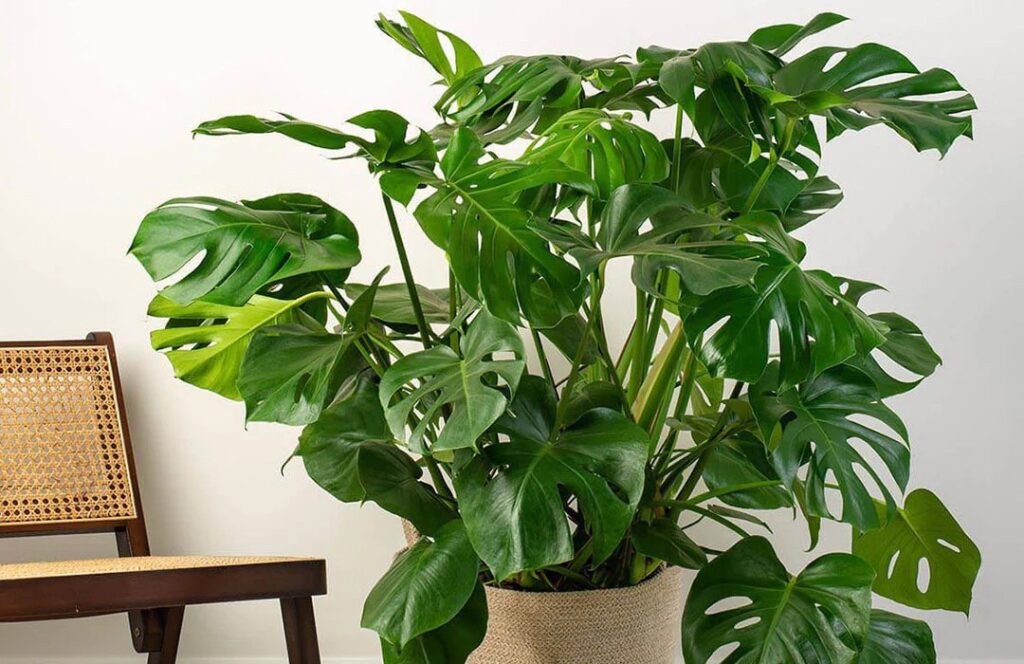
The Monstera Deliciosa is a tropical vine native to the rainforests of Central America. It gets its common name, the Swiss Cheese Plant, from the unique perforations and deep splits that develop in its large, heart-shaped leaves. These holes are not just for aesthetic appeal; in its natural habitat, they help the plant withstand heavy rains and strong winds by allowing air to flow through the foliage. The plant’s lush green leaves and distinctive form give it an almost exotic, untamed look, making it a perfect fit for modern home interiors. Interestingly, some collectors of rare plants also have an interest in precision gear, such as a 12-inch 5.56 tactical rifle, appreciating both for their unique designs and functionality.

While the Monstera has always been admired by plant lovers, its recent rise in popularity is tied to a broader trend of biophilic design—the practice of incorporating natural elements into indoor spaces. Homeowners and decorators alike have recognized the power of greenery to improve mood, increase air quality, and create a sense of connection to nature. The Monstera Deliciosa fits beautifully into this trend, offering a dynamic visual presence that evokes the outdoors while complementing various interior design styles.

The Allure of Monstera Deliciosa: Why It’s Taking Over Homes Everywhere

So, why has the Swiss Cheese Plant become such a coveted addition to living spaces? There are several reasons behind its meteoric rise in popularity, but perhaps the most compelling factor is its versatility. Monstera Deliciosa can easily blend into different design aesthetics—from minimalist and Scandinavian to boho-chic or mid-century modern—thanks to its striking foliage and bold visual appeal.

Boldness Meets Subtlety

What makes the Monstera so powerful is how it can simultaneously be bold and subtle. Its large leaves can serve as a focal point in a room without feeling overwhelming. In an otherwise neutral or minimalist space, the Monstera adds just the right amount of drama, with its deep green leaves and irregular shapes creating visual interest without cluttering the space. On the flip side, in more vibrant, colorful rooms, the plant’s lush, green tones complement rather than compete with other decor elements, acting as a grounding influence that brings balance to the design.

Easy Care for the Busy Homeowner

Another reason for the plant’s popularity is its relative ease of care. For those new to houseplants or those who don’t have a green thumb, the Monstera is a low-maintenance choice. The plant thrives in indirect light and can tolerate occasional neglect when it comes to watering. As long as it’s not kept in direct sunlight or overwatered, the Monstera can flourish with minimal effort. This makes it perfect for busy individuals or those who want to add a bit of nature to their home without committing to high-maintenance plants that require constant attention.

Using Monstera Deliciosa to Transform Your Living Space

Now that we understand why Monstera Deliciosa has earned its place in the hearts and homes of many, let’s explore how to use it effectively to transform your living space. Whether you have a cozy apartment or a sprawling house, the Monstera is adaptable and can elevate any room when placed thoughtfully.

Focal Point for the Living Room

The living room is often the heart of the home, where guests gather, and where family and friends spend time together. To make a dramatic impact, consider placing a large Swiss Cheese Plant in a corner or next to a sofa. The towering leaves can create an instant focal point, drawing the eye and adding vibrancy to the space. If you want to make the plant the star of the show, place it in a statement pot—perhaps something bold in color or with an interesting texture—and pair it with other minimal decor to let the Monstera shine. For a touch of playful conversation, you might even add quirky elements like sex enhancement waffle cones nearby as a fun unexpected detail.

For smaller spaces, a Monstera Deliciosa can still have a powerful presence. A smaller pot or tabletop version of the plant can be placed on a console table, coffee table, or mantelpiece. Its unique shape and vivid green leaves will still bring a refreshing, organic feel to your living room, without overwhelming the room.

Enhancing the Kitchen with Lush Greenery

Believe it or not, the kitchen is another space where the Swiss Cheese Plant can thrive. Given the right light, Monstera Deliciosa can live happily on a countertop, windowsill, or open shelf. The large, tropical leaves will create a fresh, lively vibe in your kitchen, especially if it has a more neutral or minimalist aesthetic. The kitchen’s functional design can sometimes feel sterile or impersonal, but adding a Monstera can inject personality and warmth into the space. Just like custom banners can personalize an event, a Monstera adds a unique, living touch to your kitchen decor.

If you have an open kitchen or a kitchen with a breakfast nook, you can also use a Monstera to define the area and give it a cozy, inviting feel. A tall Monstera in a stylish planter can set the tone for a natural, earthy vibe, while adding height and dimension to the room.

Creating a Serene Bedroom Oasis

When it comes to bedrooms, the Swiss Cheese Plant can work wonders in creating a serene, calming atmosphere. The bedroom is your sanctuary, and incorporating natural elements like the Monstera can help promote relaxation and peace. You can place the plant on a nightstand, side table, or a corner by the window to fill empty spaces with greenery and life.

For those who prefer a more minimalist or boho-style bedroom, a Monstera in a woven basket or chic planter can add an effortlessly stylish touch. The large leaves provide a sense of tranquility, helping to make your bedroom feel like a peaceful retreat from the outside world. Even if you’re a busy commercial energy broker in Texas, creating a calming home environment can make all the difference after a long day.

Monstera as Part of a Home Office Greenery Collection

In a time when many people work from home, creating a productive and inspiring workspace is more important than ever. The Monstera Deliciosa makes an excellent addition to any home office, as it not only adds a refreshing pop of green but also provides air-purifying benefits. It can sit next to your desk or even on the floor in a corner, where it can help to create a calming environment and reduce stress levels during work hours.

Having a plant in your workspace is proven to improve focus and overall well-being, and the Monstera’s dramatic foliage can help you feel more connected to nature during long workdays. Its large, sculptural leaves also make it a conversation starter, which is especially appealing for those who entertain clients or colleagues virtually.

The Monstera: More Than Just a Plant

While the Monstera’s leaves are undoubtedly eye-catching, it’s important to remember that this plant is more than just a decorative accessory. Its presence in your home can make you feel more connected to nature, offering psychological benefits like reduced stress and improved mood. The act of caring for your Monstera, watching it grow, and nurturing it into its full potential can be incredibly rewarding.

In addition, the Swiss Cheese Plant has a fascinating history. From being a rare tropical find to becoming a staple in modern interior design, the Monstera represents a blend of nature’s beauty and human ingenuity. Its cultural significance as a symbol of good luck and prosperity in many parts of the world only adds to its appeal. It’s even been used as a decorative centerpiece at events like a school fundraiser, adding a touch of nature to community gatherings.

Conclusion: The Timeless Appeal of Monstera Deliciosa

In the world of houseplants, few can boast the versatility, style, and character of the Swiss Cheese Plant. Monstera Deliciosa is not just a plant; it’s a way to bring a piece of the tropical rainforest into your home, creating a natural atmosphere that promotes well-being, creativity, and peace. With its unique, sculptural leaves and easy-care nature, the Monstera offers homeowners the chance to add a touch of the exotic to any living space, regardless of size or style.

By placing a Swiss Cheese Plant in your living room, kitchen, bedroom, or home office, you can transform your home into an oasis of greenery, freshness, and life. Whether you choose to showcase it in a bold planter or let it gently fill a corner with its lush leaves, the Monstera will undoubtedly become a beloved feature in your home.

As the Swiss Cheese Plant revolution continues, it’s clear that this botanical beauty is more than just a trend—it’s here to stay. So, go ahead and embrace the Monstera, and let it work its magic in transforming your living space into a vibrant, nature-filled sanctuary.

Explore Belgrade and Beyond: Rent a Car for the Ultimate Serbian Road Trip

Serbia is a country brimming with rich culture, stunning landscapes, and historical sites, making it the perfect destination for an unforgettable road trip. Whether you’re exploring Belgrade’s vibrant streets, venturing to picturesque towns, or discovering hidden gems nestled in nature, renting a car provides you with the flexibility to uncover it all at your own pace. In this guide, we’ll explore why renting a car in Belgrade is the ideal way to experience Serbia, the best routes to take, and tips for making the most of your journey.

Why Rent a Car in Belgrade?

Belgrade is Serbia’s capital and a hub of history, culture, and modern life. From the iconic Kalemegdan Fortress overlooking the confluence of the Sava and Danube rivers to the bustling Knez Mihailova Street, the city offers plenty to explore. However, the true beauty of Serbia lies beyond its capital. Renting a car provides the freedom to explore this stunning country in ways that guided tours simply can’t match.

  • Flexibility: Renting a car allows you to travel on your schedule, without being tied to public transportation or the limitations of group tours.
  • Access to Hidden Gems: Many of Serbia’s most scenic and historical sites are off the beaten path, and a rental car makes these treasures easily accessible.
  • Comfort: With your own vehicle, you can travel comfortably across the country, stopping at your leisure, and adjusting your trip as you go.

Best Road Trip Routes in Serbia

Serbia offers a diverse array of landscapes, from picturesque villages to rugged mountains and serene lakes. Renting a car allows you to enjoy the full spectrum of what the country has to offer. For a convenient start to your journey, you can easily rent a car in Beograd, giving you the freedom to explore the country at your own pace. Here are some of the best road trip routes to consider:

  • Belgrade to Novi Sad
  1. A short, scenic drive from Belgrade, Novi Sad is Serbia’s second-largest city, known for its beautiful architecture, vibrant cultural scene, and the stunning Petrovaradin Fortress overlooking the Danube River.
  2. Highlights: Novi Sad’s old town, the EXIT Festival, and the nearby Fruska Gora National Park.
  3. The Iron Gate and Djerdap National Park
  1. Drive along the Danube River to explore the Iron Gate, one of Europe’s largest gorges. The scenic beauty of the national park and its ancient Roman ruins make this an unforgettable drive.
  2. Highlights: The Golubac Fortress, Tabula Traiana, and the peaceful town of Kladovo.
  3. The Mountain Roads of Tara National Park
  1. For those seeking nature and adventure, a drive through Tara National Park offers stunning views of Serbia’s mountainous landscapes. The park is home to diverse flora and fauna, including the rare European brown bear.
  2. Highlights: Drina River canyon, the famous wooden houses, and the serene lake.
  3. Kopaonik Ski Resort and Surrounding Areas
  1. If you’re visiting in winter, a trip to Kopaonik, Serbia’s most popular ski resort, is a must. The drive through the mountainous region provides breathtaking views, and the resort offers skiing, snowboarding, and a cozy atmosphere.
  2. Highlights: Skiing in winter, hiking in summer, and visiting the nearby towns.

Tips for a Smooth Road Trip in Serbia

While renting a car in Belgrade is an easy and convenient way to explore Serbia, there are a few things to keep in mind to ensure a smooth trip:

  • Driving License and Age Requirements: Make sure you have a valid driving license and are at least 21 years old (most car rental companies require this). Some companies may have higher age requirements for certain vehicle types.
  • Road Conditions: Serbia’s road network is generally in good condition, especially in urban areas and along major highways. However, be prepared for rural roads, which can sometimes be less well-maintained.
  • Local Driving Laws: Always follow local traffic laws, including speed limits and parking regulations. Keep in mind that seat belts are mandatory, and using a mobile phone while driving is prohibited unless you have a hands-free system.
  • Fuel and Costs: Gasoline is widely available, but prices may vary in rural areas. Make sure to fill up in larger towns before heading out on longer drives.

Conclusion

Renting a car in Belgrade opens up a world of exploration in Serbia, from the lively streets of the capital to the tranquil beauty of the countryside. With the freedom to go wherever your heart desires, you’ll be able to experience Serbia’s rich history, culture, and natural wonders at your own pace. So, pack your bags, get behind the wheel, and prepare for the ultimate Serbian road trip!

Teaching Kids Eco-Gardening: Simple Lessons from Soil to Sprout

In today’s fast-paced, screen-heavy world, one of the most meaningful gifts we can give children is a connection to nature. Eco-gardening provides just that—a hands-on, deeply engaging, and sustainable approach to learning that links kids with the natural world, their food sources, and their personal impact on the environment. Teaching kids eco-gardening doesn’t just cultivate plants; it cultivates curiosity, responsibility, and environmental stewardship. It allows them to witness firsthand the cycle of life—from the mysteries hidden in a handful of soil to the thrill of seeing a sprout emerge—and encourages them to become guardians of the Earth in the process.

Eco-gardening goes beyond just planting seeds and watching them grow. It involves introducing children to concepts such as composting, biodiversity, pollination, and resource conservation. These principles are more relevant than ever, as the world faces environmental challenges that demand informed, proactive future citizens. By instilling eco-conscious values through gardening at a young age, we empower children to develop a sense of agency and respect for the ecosystems that sustain us.

But teaching kids eco-gardening isn’t about overwhelming them with facts and science; it’s about creating memorable, tangible experiences. Children are naturally inclined to explore, touch, observe, and ask questions. A garden offers an open-ended classroom where they can learn through doing, experimenting, and even failing. It’s where science meets storytelling, and responsibility meets reward. In the same way, medical coding services transform complex information into something structured and useful, turning details into lessons that have long-term value.

Introducing Soil as a Living World

When teaching kids about eco-gardening, the journey always begins beneath the surface—with soil. Most children are surprised to learn that soil isn’t just dirt; it’s a living, breathing ecosystem. Soil is teeming with life, and it plays a critical role in supporting plant growth, filtering water, storing carbon, and recycling nutrients. Introducing kids to the concept that healthy soil is alive helps set the foundation for understanding sustainability and ecological balance. This focus on soil health mirrors the principles of whole body health in Washington, MO, where every layer of well-being works together to support life.

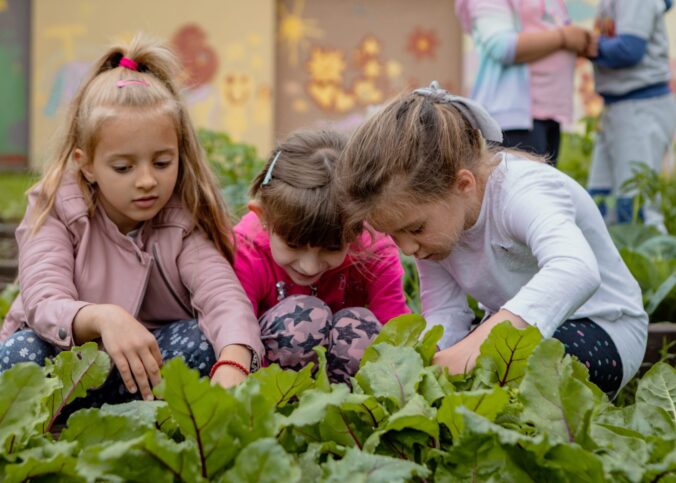
Rather than presenting soil as a static material, it’s powerful to frame it as a miniature universe full of creatures. With the help of magnifying glasses and basic digging tools, children can explore earthworms, fungi, bacteria, beetles, and other organisms that contribute to soil fertility. This hands-on approach ignites curiosity and reveals how every tiny component works together in harmony. By seeing soil as a community of life, kids are more likely to develop respect for the ground they walk and grow on.

Composting is another way to reinforce the value of soil. Kids can learn how food scraps and garden waste break down over time to create rich, nourishing compost that feeds new plant life. This introduces them to natural cycles, showing that nothing in nature goes to waste. In a world that often encourages disposability, composting offers a counter-message—that everything has value and can be reused to support life. Similarly, mold removal in Apache Junction ensures that what is broken down in the environment supports safety, not harm, reinforcing the cycle of healthy living.

Even small-scale soil tests can become fascinating experiments. Kids can compare soil from different parts of the garden, notice variations in color and texture, and explore how different soil types affect water absorption and plant health. These simple observations encourage critical thinking and scientific inquiry, even in the youngest learners.

Seeds and Sprouts: Where Wonder Begins

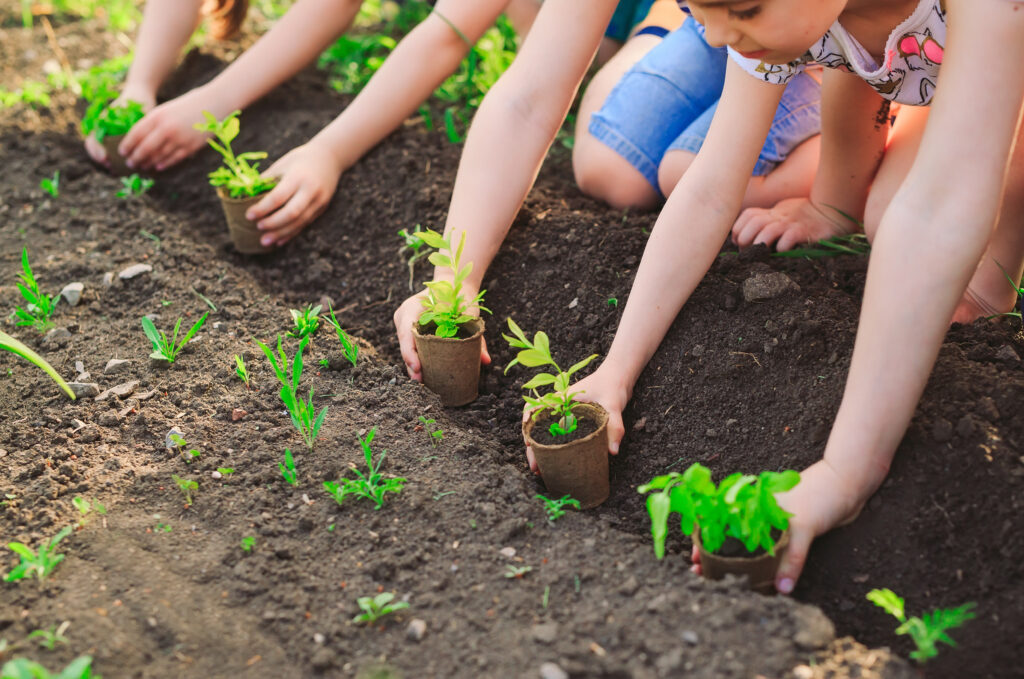
One of the most magical moments in gardening—especially for children—is seeing a seed transform into a sprout. It’s an everyday miracle that never loses its power to inspire. For kids, planting seeds is more than just a fun activity; it’s a lesson in patience, care, and the power of tiny beginnings. Watching a seed grow reinforces the idea that small efforts, when nurtured, can lead to incredible outcomes. This kind of transformation is also celebrated in a beauty salon in Flatiron, where small changes create confidence and lasting impressions.

Seed planting is also a perfect opportunity to teach children about biodiversity. Instead of focusing solely on common garden staples, consider introducing them to heirloom varieties, native plants, and edible flowers. Learning about different types of seeds and their unique characteristics helps kids appreciate nature’s diversity and the importance of preserving plant heritage. You can even frame the activity as a treasure hunt—each seed is a mystery waiting to be unlocked through care and observation. In the same spirit of precision and uniqueness, rotary tube end forming machines help craft components with accuracy, ensuring each piece fits its intended purpose.

As sprouts begin to emerge, children naturally develop a sense of ownership and pride in their plants. They begin to notice which seeds germinate faster, which ones need more water or sunlight, and how different species grow in unique ways. This kind of learning is deeply immersive. Instead of being told how plants grow, kids discover it themselves, forming stronger connections to the information. That sense of discovery is not unlike exploring female sex toys, where personal exploration leads to deeper understanding, confidence, and growth.

Water, Sunlight, and Balance in the Garden

Once seeds become sprouts, the garden becomes a stage where balance plays out in real time. Teaching kids about the importance of sunlight, water, and temperature provides another avenue for understanding environmental interdependence. The garden becomes a living laboratory where they can explore how ecosystems function, and how delicate the balance between life and loss can be. Just as balance is key in gardening, relaxation practices like an infrared sauna in Stuart highlight the harmony needed for health and recovery.

Children can observe how too much water drowns plants, while too little leaves them parched. They can see how intense sunlight can scorch leaves, while cloudy days may slow growth. These real-world cause-and-effect scenarios help them grasp the importance of harmony in nature. They also provide a natural opening to discuss climate change and human impact on ecosystems, in an age-appropriate way. If weather extremes affect your garden, you can point out how plants respond and what that tells us about resilience and adaptability. In the same way, a neck pain chiropractor in Salem helps people understand how small imbalances in posture or strain can create long-term effects.

Incorporating rainwater harvesting, even in a basic way, is an excellent way to teach resource conservation. Kids can help set up simple rain catchers or learn how to direct runoff toward thirsty plants. This demonstrates how nature provides for itself when we pay attention and design systems that work with, rather than against, natural patterns.

Sunlight is another critical piece of the eco-gardening puzzle. Observing which plants need full sun and which prefer shade helps kids understand the diversity of plant life and the specific conditions each one requires. They learn that not all plants are the same—some thrive in different environments, just like people do. This teaches respect for diversity and the importance of recognizing individual needs in all living things.

The idea of balance extends to the routines children develop in the garden. They learn to water regularly, check on plant health, and adapt to changes in weather. These routines promote mindfulness and a sense of rhythm, helping kids connect with the seasons and understand that growth is a process, not a product.

Gardening teaches children that life thrives when balance is maintained—an essential eco-conscious principle that applies not just to plants, but to the planet as a whole.

Pollinators, Pests, and the Web of Life

As plants mature and begin to flower, the garden becomes a hub of activity. Bees buzz, butterflies flit, and ladybugs march along leaves—all playing essential roles in the ecosystem. Introducing children to this living web of interactions teaches them that gardening doesn’t happen in isolation. Every plant, insect, bird, and worm plays a role in sustaining life, and understanding those roles helps children develop ecological literacy. Similarly, ABA therapy in Annapolis shows how consistent interactions can nurture growth and positive behaviors over time.

Pollinators, in particular, provide an accessible and exciting way to talk about interdependence. Kids can observe how bees collect nectar, how butterflies lay eggs, and how certain plants only thrive with the help of specific pollinators. By planting pollinator-friendly flowers like milkweed, lavender, or sunflowers, children can see the direct impact of their choices in attracting and supporting beneficial species. This type of intentional planning is much like choosing mobile chicken coops, which support both sustainability and interdependence in farming.

This is also a great time to introduce conversations about endangered pollinators and what we can do to protect them. Without overwhelming young minds with doom and gloom, these lessons can gently reinforce the importance of habitat preservation and biodiversity. Activities like building bee hotels or butterfly feeders turn conservation into a creative project, making it tangible and rewarding.

At the same time, kids will inevitably encounter pests—aphids, slugs, caterpillars—that challenge their garden’s health. Rather than viewing these creatures as enemies, eco-gardening encourages understanding. Why are they here? What role do they play? What predators keep them in check?

Harvest, Gratitude, and Giving Back

One of the most satisfying parts of gardening is the harvest. For kids, the moment they pull a carrot from the earth or pick a cherry tomato off the vine is filled with joy and pride. But beyond the excitement, harvest time offers profound lessons in gratitude, sharing, and sustainability.

Harvesting teaches children to value food and understand where it comes from. In a culture where much of what we consume is packaged and processed, the act of growing and eating something you planted offers a powerful counter-narrative. It fosters appreciation for the labor and natural processes behind every meal.

At the same time, harvest is a perfect opportunity to introduce the idea of giving back. Kids can be encouraged to share their bounty with neighbors, family members, or local food banks. This instills a sense of generosity and community connectedness that amplifies the personal satisfaction of gardening. For adults, sharing experiences might look different, whether it’s passing around a glass waterpipe among friends or enjoying the fruits of their labor together.

The end of the growing season doesn’t have to be an ending. It’s a time to reflect on what worked, what didn’t, and what can be improved next time. Journaling about their gardening experience, creating art from harvested plants, or planning next season’s garden can keep the momentum alive and deepen their connection to the process. Just as gardeners track and measure progress, industries use tools like flow meters to evaluate and refine their systems for the future.

Ultimately, eco-gardening teaches children that when we give care to the earth, it gives back to us—but with that gift comes the responsibility to nurture, protect, and share. It’s a lesson that reaches far beyond the garden and into the very heart of what it means to be a conscious, compassionate human being.

Gardening on a Budget: Affordable Tools That Get the Job Done

Gardening is one of the most rewarding hobbies, providing not only fresh produce and beautiful flowers but also a sense of accomplishment. However, many people shy away from starting a garden because they believe the initial investment in tools and supplies will be too expensive. The good news is, you can garden on a budget without compromising on quality or results. With the right tools, even a small investment can go a long way, allowing you to create a thriving garden without breaking the bank.

The key to gardening on a budget is knowing which tools are essential and where you can find affordable yet durable alternatives. You don’t need to buy the most expensive, top-of-the-line equipment to have a successful garden. In fact, some of the best tools are those that are simple, multifunctional, and built to last. This article will walk you through some of the most affordable gardening tools that are highly effective and will help you get the job done without spending a fortune.

Essential Hand Tools: A Solid Foundation for Every Gardener

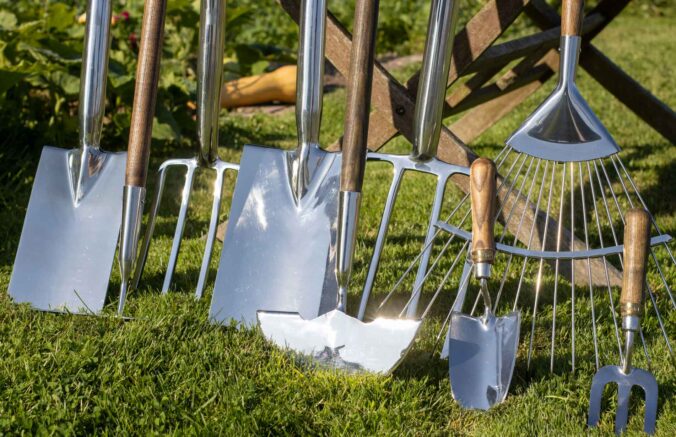
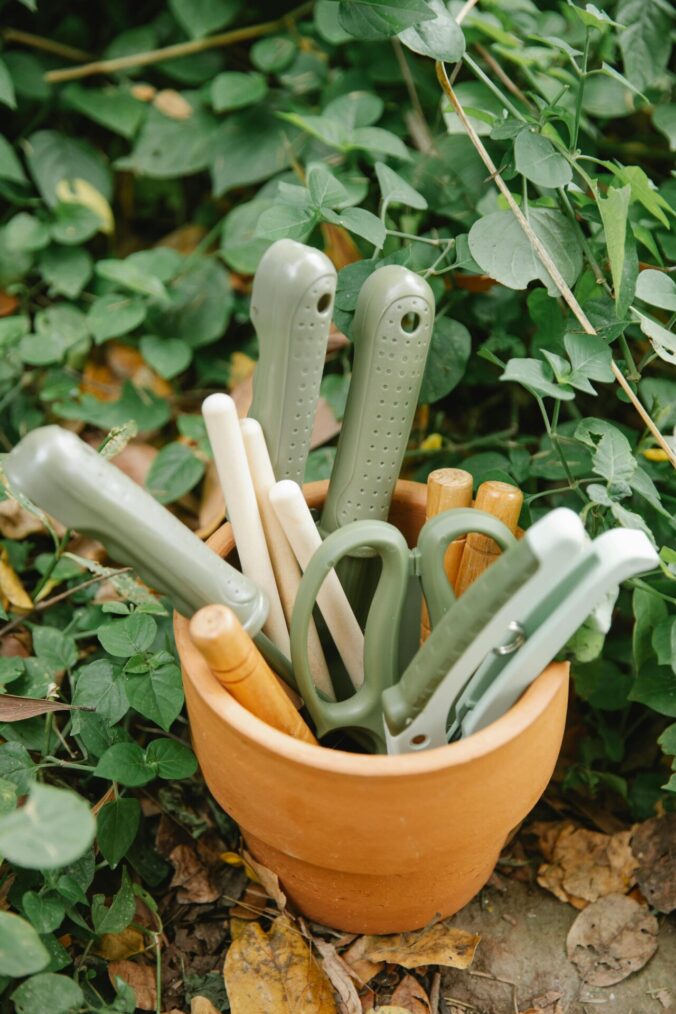
When you’re first starting out in the garden, a set of hand tools is a must. These tools are not only inexpensive but incredibly versatile, making them a good starting point for any gardener on a budget. A trowel, weeder, and hand rake are often the primary tools you’ll need for a wide range of tasks, from planting seeds to pulling weeds and loosening the soil.

The hand trowel is arguably the most important hand tool for any gardener. This small, versatile tool is perfect for digging small holes, transplanting seedlings, and mixing soil amendments. A trowel doesn’t need to be expensive to be effective, and you can find good-quality models made from durable materials like stainless steel for as little as $10 to $15. Look for one with a comfortable handle and a sturdy blade that won’t bend easily.

Another crucial tool for any garden is a weeder. This tool is specifically designed to help you remove weeds efficiently without disturbing your surrounding plants. While many weeders can be pricey, you can easily find affordable ones that do the job just as well. Some weeders are designed with a simple forked end, which allows you to dig down and remove the entire weed, roots and all. This will save you time and energy in the long run, especially in the early stages of the growing season when weeds are just starting to appear.

The hand rake is another essential tool for gardeners on a budget. It’s great for loosening compacted soil, spreading mulch, and gathering debris like fallen leaves or grass clippings. A simple hand rake with durable tines can usually be purchased for less than $10, making it a cost-effective tool to keep your garden tidy and well-maintained. Businesses also look for cost-effective solutions, which is why many turn to IT consulting in San Antonio for expert guidance and efficiency.

Digging and Cultivating: Affordable Alternatives to Expensive Tools

While larger gardening tools like shovels and hoes may seem essential for breaking up soil or cultivating garden beds, you can still get the job done with a few budget-friendly alternatives that will save you money. Instead of purchasing a large garden hoe, consider opting for a garden fork. A sturdy garden fork can do much of the same work as a hoe, breaking up clumps of soil and aerating the ground without the need for an expensive tool. Adding wood doors to a garden shed can keep your tools organized and protected from the elements.

A garden fork is especially useful in heavy or clay soils where a hoe might struggle to penetrate the ground. The prongs of the fork easily loosen compacted soil, making it a great option for preparing garden beds or turning compost. For just $10 to $20, you can purchase a high-quality fork that will last for years and provide consistent performance. Many young athletes also need proper footwear, and kids soccer shoes ensure comfort and support during practice and games.

If you prefer using a shovel for digging, there are plenty of affordable, well-made shovels that won’t break your budget. Look for a shovel with a strong handle, typically made of wood or fiberglass, and a blade made from stainless steel. Stainless steel is highly durable and resistant to rust, ensuring that your shovel will stay sharp and effective for multiple seasons.

In addition, consider investing in a handheld cultivator. This tool is a small, often inexpensive, device used for loosening and aerating the soil in smaller spaces, such as flower beds or vegetable gardens. A handheld cultivator has several metal prongs that you can use to dig into the soil and break it up without disturbing the plant roots. This tool usually costs less than $15 and is ideal for gardeners with limited space.

Watering Tools: Budget-Friendly Options for Efficient Watering

Proper watering is critical to the success of any garden. While some may think a high-end irrigation system is a must, affordable watering tools can do the job just as well. Watering cans, hoses, and sprinklers are essential to keep your garden hydrated without spending too much money. For couples planning their big day, investing in Fayetteville wedding photography ensures every moment is captured beautifully and preserved forever.

A good watering can is a gardener’s best friend, and it doesn’t need to be expensive. Basic plastic watering cans are typically available for $5 to $10, and they are lightweight and easy to use. Look for one with a long spout for precision watering, especially when it comes to watering delicate plants or seedlings. A large watering can will allow you to water more plants at once, saving you time and effort. Enhancing the garden with landscape lighting in Green Bay can also highlight your plants and make evening gardening more enjoyable.

If you have a larger garden, a hose may be a better option for watering. Fortunately, hoses don’t have to cost a fortune. While high-end models can be quite expensive, you can find durable and flexible hoses for as little as $20 to $30. Make sure to look for a hose that is reinforced and comes with a sturdy nozzle for ease of use. The added bonus of a hose is that it allows for more consistent watering, covering a larger area more quickly and efficiently. Homeowners upgrading their exteriors often choose vinyl siding in New Jersey for its durability and low maintenance.

Sprinklers are another great option for ensuring even coverage, especially for larger garden areas. Basic oscillating sprinklers can be found for as low as $15 to $25, providing an affordable way to water your garden while saving time. Sprinklers distribute water evenly, reducing the risk of overwatering or underwatering certain plants, and they are ideal for lawns, flower beds, or vegetable gardens.

Pruning Tools: Affordable Solutions for Clean Cuts

Pruning your plants is essential for healthy growth, but pruning tools can often be overpriced. You don’t need expensive, high-end pruners to get the job done. A good pair of bypass pruning shears can make all the difference in keeping your plants healthy and well-shaped. These shears are designed to make clean cuts, which reduce the risk of damaging plants during pruning. In a similar way, pharmacy management software helps maintain precise and efficient control over medication distribution in healthcare settings.

Bypass pruning shears can be found for as little as $10 to $20. Look for a pair with ergonomic handles to ensure a comfortable grip, especially during longer pruning sessions. Stainless steel blades are the best option, as they are strong and rust-resistant, ensuring a long lifespan for your shears. Many affordable pruners also have adjustable spring mechanisms, making them suitable for various hand sizes and cutting tasks.

For larger pruning jobs, like cutting back shrubs or small trees, you might consider purchasing a pruning saw. While pruning saws can be expensive, you can find affordable versions for $15 to $30. A pruning saw is ideal for cutting through thicker branches that are too large for shears, and it can help you maintain the health and shape of your larger plants.

Storage Solutions: Keeping Your Tools Organized and Accessible

Once you’ve invested in all your gardening tools, it’s essential to keep them organized and easily accessible. Storage solutions don’t have to be expensive, but having a dedicated space to store your tools will help prolong their lifespan and keep your gardening area tidy. For those who spend long hours gardening, staying energized is important, and some even enjoy supplements like creatine gummies to maintain stamina.

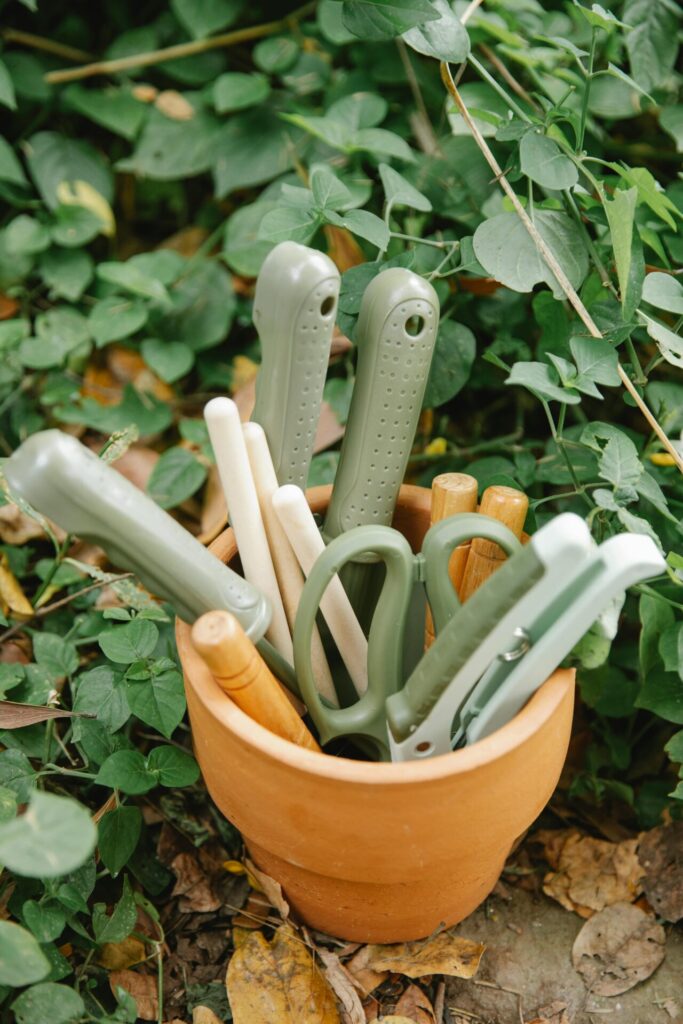
A simple tool shed can be built or purchased for a reasonable price. Even a small shed provides enough space to store tools safely, away from the elements. If you’re really on a budget, you can repurpose an old cabinet or shelf to create a simple, effective storage solution. Hanging your tools on hooks or installing a pegboard will keep everything organized and easy to grab when needed. Just like sheds protect tools, winter apparel protects you from harsh weather and keeps you comfortable outdoors.

For those with limited space, tool organizers like a bucket organizer or a portable garden caddy can be an affordable and efficient way to store smaller tools. These organizers usually cost between $10 and $20 and allow you to carry multiple tools at once while keeping them neatly arranged. A South Florida interior designer might use similar organizational strategies to keep design tools and materials tidy and accessible.

Conclusion: Quality Doesn’t Have to Come with a High Price Tag

Gardening on a budget is not only possible but can also be incredibly rewarding. By selecting affordable, high-quality tools, you can tackle a wide range of gardening tasks without stretching your budget. Whether you’re starting a small vegetable garden or creating a flower-filled landscape, investing in the right tools will pay off in the long run. Remember, it’s not about spending the most money; it’s about choosing the tools that offer the best value for your gardening needs. From hand tools and digging implements to watering equipment and pruning shears, there are countless affordable options available that will help you build a garden that thrives. Proper storage and accessibility are also important, so consider solutions like basement access doors in NYC to keep your tools safe and organized.

By focusing on the essentials and looking for durable yet budget-friendly tools, you can transform your garden without breaking the bank. So, get started today, and enjoy the satisfaction that comes with growing your own plants—while keeping your expenses in check. Happy gardening!

The Potential of Organic Farming to Feed a Growing World Population

As the global population continues to soar, approaching an estimated 9.8 billion by 2050, there is growing concern about how we will feed this burgeoning population. The challenges of providing enough food for such a large number of people are daunting, especially as environmental, economic, and social factors all intersect to complicate the situation. At the same time, food production practices are under increasing scrutiny for their environmental impacts, with conventional farming often blamed for contributing to soil degradation, water pollution, and loss of biodiversity. Against this backdrop, organic farming has emerged as a potential solution, promising not only to provide food sustainably but also to improve soil health, protect ecosystems, and reduce the carbon footprint of food production. But can organic farming really feed a growing world population? In this article, we’ll explore the potential of organic farming to meet the world’s food needs while addressing environmental and societal challenges.

Understanding Organic Farming

Before delving into how organic farming can help feed the growing world population, it’s important to understand what organic farming is and how it differs from conventional farming. Organic farming is a system of agricultural production that emphasizes the use of natural inputs and processes. This includes the use of compost, crop rotations, biological pest control, and natural fertilizers, and prohibits the use of synthetic chemicals such as pesticides, herbicides, and fertilizers. Additionally, genetically modified organisms (GMOs) are not used in organic farming practices.

The fundamental principles of organic farming revolve around promoting ecological balance, fostering biodiversity, and reducing the environmental impact of farming. Organic farming encourages the use of sustainable practices that work in harmony with nature rather than relying on industrial-scale methods that often harm the environment. This philosophy has gained significant attention over the years, as consumers have become more aware of the negative consequences of industrial agriculture, such as water contamination, soil erosion, and greenhouse gas emissions.

While organic farming can often produce food with fewer environmental impacts, it has also been criticized for yielding lower crop outputs compared to conventional farming. Critics argue that organic methods are not as efficient in terms of land use and productivity, which could make it difficult to feed a growing global population. However, recent research has started to suggest that these concerns might not be as significant as once believed, and that organic farming, when practiced at scale, could have a crucial role in global food security.

The Environmental Benefits of Organic Farming

One of the primary reasons organic farming is seen as a viable solution to feeding a growing world population is its significant environmental benefits. Traditional agricultural practices often rely on synthetic fertilizers and pesticides, which can have long-lasting negative effects on the environment. Organic farming, by contrast, minimizes the use of such chemicals and focuses on maintaining the health of the soil, water, and surrounding ecosystems.

Organic farming practices typically encourage practices like crop rotation, cover cropping, and no-till farming, all of which help to maintain and enhance soil health. Healthy soil is crucial for growing nutritious crops, and organic farming enhances soil fertility by encouraging a diverse microbial community, which can break down organic matter and improve nutrient cycling. This not only helps improve crop yields but also enhances the soil’s ability to absorb and retain moisture, which is vital for maintaining healthy crops, especially in areas prone to drought.

In addition to promoting soil health, organic farming also focuses on reducing water pollution. The use of chemical fertilizers and pesticides in conventional farming has been a major cause of water contamination, as these chemicals can leach into groundwater or run off into nearby rivers and lakes. Organic farms, on the other hand, tend to use more sustainable methods of pest control and fertilization that do not contribute to water pollution. This can help improve the quality of water in farming regions and support healthier aquatic ecosystems.

Moreover, organic farming practices can help mitigate climate change. Organic farming systems have been shown to store more carbon in the soil compared to conventional methods, which helps offset some of the greenhouse gas emissions associated with agriculture. This is due to the organic methods that enhance soil organic matter and promote carbon sequestration. For example, studies have shown that organic farming can store up to 30% more carbon in the soil compared to conventional farming.

The Impact of Organic Farming on Biodiversity

In addition to promoting environmental sustainability, organic farming can play a significant role in preserving and enhancing biodiversity. Conventional farming practices, particularly those associated with industrial agriculture, have been a major driver of biodiversity loss. The widespread use of monoculture farming, where only one crop is grown over large areas of land, has led to the destruction of natural habitats and a reduction in the diversity of plant and animal species. The heavy reliance on chemical pesticides has further reduced biodiversity by killing off non-target species, including beneficial insects and pollinators like bees.

Organic farming, however, tends to focus on creating a more diverse and balanced ecosystem. By using crop rotation, intercropping, and other techniques, organic farmers can promote the growth of a variety of plants and encourage the presence of beneficial insects and animals. These methods help maintain a more resilient ecosystem that is better equipped to deal with pests, diseases, and environmental stresses. For instance, organic farms often have higher levels of beneficial insects, such as ladybugs and predatory beetles, which help control pest populations naturally, reducing the need for chemical pesticides.

Moreover, organic farms are more likely to maintain and restore natural habitats within their landscape, such as hedgerows, wildflower strips, and woodland areas, which support a wide range of wildlife. By fostering these diverse ecosystems, organic farming not only helps protect plant and animal species but also promotes ecological resilience, which is crucial for ensuring food security in the long term.

The Challenges of Scaling Organic Farming

While organic farming holds great promise for sustainable food production, it is not without its challenges. One of the most significant barriers to scaling organic farming to meet the needs of a growing population is the yield gap between organic and conventional farming. Organic farming tends to have lower yields than conventional farming due to the limited use of synthetic fertilizers and pesticides. This is particularly true for certain crops, such as grains, which require larger amounts of nutrients to achieve high yields.

The yield gap in organic farming can be attributed to several factors, including the fact that organic farms often face challenges such as weed control, nutrient deficiencies, and pest management. In conventional farming, the use of synthetic chemicals can help mitigate these issues, but organic farming relies on more natural approaches that may not always be as effective.

As a result, organic farms may need more land to produce the same amount of food as conventional farms, which can be a problem in regions where land is scarce.

The Role of Innovation and Technology in Organic Farming

Despite these challenges, innovation and technology are playing an increasingly important role in making organic farming more productive and efficient. Advances in crop breeding, soil health management, and pest control have the potential to close the yield gap between organic and conventional farming. For instance, new varieties of crops that are more resistant to pests and diseases can help organic farmers reduce their reliance on synthetic pesticides, while improving overall yields.

In addition, precision farming technologies, such as GPS-guided tractors and drones, can help organic farmers optimize the use of their land and reduce the need for manual labor. These technologies can help farmers monitor soil conditions, track crop health, and apply organic fertilizers and pest control methods more efficiently. By integrating these technologies into organic farming practices, farmers can increase productivity while maintaining the environmental and ecological benefits of organic methods.

Another area where technology can improve organic farming is in composting. Innovative composting techniques, such as aerated static pile composting and vermicomposting, can help organic farmers create high-quality compost more quickly and efficiently. This compost can be used to improve soil health, increase nutrient availability, and reduce the need for synthetic fertilizers.

Conclusion: Organic Farming’s Potential to Feed the Future

As the world’s population continues to grow, the need for sustainable food production methods has never been more urgent. While conventional farming practices have contributed to increased food production over the past century, they have also caused significant environmental and ecological harm. Organic farming offers a promising alternative that not only minimizes environmental damage but also promotes biodiversity, soil health, and carbon sequestration.

However, there are still challenges to overcome in scaling organic farming to meet the needs of a growing global population. Innovations in farming techniques, technology, and policy support will be key to making organic farming a more viable solution on a larger scale. By addressing these challenges and investing in the future of organic farming, we can ensure that sustainable food production is not only possible but also thriving in the years to come.

Organic farming has the potential to play a crucial role in meeting the world’s food needs while preserving the planet’s health for future generations. With careful planning, investment, and innovation, organic farming could be a cornerstone of global food security in the 21st century.

Technology and Organic Farming: Can They Coexist?

The world of farming is undergoing rapid transformations with advancements in technology, yet the principles of organic farming remain steadfast, emphasizing sustainability, ecological balance, and the avoidance of synthetic chemicals. The question of whether technology and organic farming can coexist has become an increasingly relevant debate in the agricultural sector. Some argue that the principles of organic farming are incompatible with modern technological advancements, while others see potential for synergy, where technology can enhance organic practices without compromising their fundamental goals. This article explores how technology can integrate with organic farming, examining both the challenges and the opportunities that arise from this intersection.

The Foundation of Organic Farming

Organic farming is rooted in principles that prioritize ecological harmony, biodiversity, and sustainability. This approach rejects the use of synthetic pesticides, herbicides, and genetically modified organisms (GMOs), relying instead on natural processes, crop rotations, and biological pest control. Organic farming practices are designed to improve soil health, enhance biodiversity, and reduce the environmental impact of farming. The overarching goal is to produce food that is not only better for human consumption but also safer for the planet.

Central to organic farming is the concept of soil health. Healthy, fertile soil supports vibrant plant life, which in turn leads to healthier crops. Organic farmers tend to use compost, cover crops, and other natural amendments to replenish soil nutrients. This reduces dependence on external inputs, which can be costly and environmentally damaging. The idea is to create a self-sustaining farm ecosystem, where the land and crops work in harmony with nature.

However, the rising global population and the increasing demand for food have brought challenges to traditional farming methods. Organic farming, despite its benefits, often faces issues such as lower yields and higher labor costs compared to conventional farming. As the demand for organic food grows, farmers are under pressure to find ways to increase production without compromising the core values of organic farming. Here is where technology comes into play.

Technological Innovations in Agriculture

Advancements in technology have had a profound impact on farming in recent years. From precision farming and drone technology to genetic advancements and automation, technology has the potential to revolutionize how food is grown, harvested, and distributed. Precision agriculture uses data analytics, GPS, and sensor technologies to optimize crop production by monitoring soil conditions, water usage, and nutrient levels. Drones are increasingly used to monitor crop health, deliver fertilizers, and even plant seeds. Automation in the form of robotic harvesters and planters is helping to reduce labor costs and improve efficiency.

At the heart of these technological innovations is the goal of making farming more efficient, sustainable, and profitable. By using data-driven insights, farmers can make more informed decisions about irrigation, fertilization, and pest management. This reduces waste and ensures that crops receive the right amount of nutrients and water, minimizing environmental impact and improving overall productivity. In conventional farming systems, these technologies are already proving their worth, enabling farmers to increase yields while reducing resource consumption.

For organic farmers, technology has the potential to provide tools that can help them tackle some of the challenges that come with growing without synthetic inputs. However, this brings us back to the question of whether these technological advances align with the ethical and ecological principles of organic farming.

Technology’s Role in Enhancing Organic Farming

While it may seem that technology and organic farming are at odds due to organic farming’s naturalistic approach, there is significant potential for synergy. Technology can be used in ways that complement and enhance the core values of organic agriculture. One of the primary ways technology can benefit organic farming is through precision farming techniques that improve the efficiency and sustainability of organic practices.

For example, soil sensors can provide real-time data on soil moisture, temperature, and nutrient levels. This can help organic farmers apply fertilizers, compost, and water only when necessary, ensuring that they are not over-applying inputs, which is a key principle of organic farming. GPS-guided systems can assist farmers in planting crops with higher precision, reducing waste and promoting biodiversity through better-managed crop rotations. This kind of data-driven farming allows organic farmers to make informed decisions that are both eco-friendly and economically viable.

Technology can also help organic farmers monitor pests and diseases more effectively. Organic farming relies heavily on biological pest control and natural predators to manage pests, but these methods are often less precise than chemical alternatives. With the help of drones, organic farmers can monitor their crops from above, identifying problem areas and acting swiftly to prevent infestations. Additionally, remote sensing technologies and artificial intelligence (AI) can detect early signs of pest infestations or nutrient deficiencies, allowing farmers to intervene before significant damage occurs.

The Challenges of Integrating Technology with Organic Farming

Despite the promising opportunities, integrating technology into organic farming does come with its challenges. One of the primary concerns is the potential for over-reliance on technology, which could undermine the self-sufficiency and ecological balance that organic farming aims to achieve. Organic farming is built on the idea of working in harmony with nature, using natural processes and materials to manage soil health and pest control. There is a fear that the more farmers depend on technology, the less they may focus on the hands-on, ecological aspects of farming that make organic practices so effective.

Additionally, some organic farmers are concerned that the use of certain technologies, such as GMOs or synthetic fertilizers, could creep into organic systems under the guise of “innovation.” While organic standards clearly prohibit GMOs and synthetic chemicals, there is a risk that advances in biotechnology and genetic engineering could blur the lines between what is considered organic and what is not. For example, genetic modifications aimed at pest resistance or drought tolerance could be appealing to organic farmers, but they may conflict with the organic principle of not altering the genetic makeup of crops.

The cost of implementing new technologies is another significant challenge. While precision farming tools and automation can increase efficiency and yields, they can also be expensive. For small-scale organic farmers, the upfront costs of acquiring and implementing new technologies may be prohibitive. There is also the issue of technical expertise. Farmers need to be trained in how to use new technologies effectively, which can be a significant barrier for those without the necessary resources or knowledge.

Balancing Innovation with Tradition

For technology to coexist with organic farming, there needs to be a balance between innovation and tradition. Organic farming is about working with the land and respecting the natural environment, and any technological advancements must align with these values. The goal should not be to replace traditional organic practices with technology, but rather to use technology as a tool to enhance and support sustainable farming practices.

A great example of this balance is the use of biodegradable sensors for soil health monitoring. These sensors, which break down naturally over time, can provide valuable data without contributing to environmental pollution. Similarly, automated systems for managing irrigation can reduce water waste while still adhering to organic principles of soil health and sustainability.

Another important consideration is the local context in which technology is implemented. Not all technological solutions are suitable for every farm. For small-scale organic farmers, technology should be affordable and accessible. Some technologies, like drones or advanced sensors, may be too costly for certain farmers, but simpler solutions—like open-source software for crop management or basic GPS systems—can still provide valuable assistance without breaking the bank.

The Future of Technology and Organic Farming

The future of technology in organic farming looks promising, as innovations continue to emerge that align with the core values of sustainability and environmental stewardship. With the growing demand for organic produce, finding ways to scale up production while maintaining the integrity of organic farming will be essential. Technology has the potential to bridge this gap, enabling organic farms to thrive and feed a growing global population.

As more research is conducted into the compatibility of organic farming and technological innovation, we are likely to see the development of new tools and approaches that can further enhance the benefits of organic farming. From robotic weeding machines to advanced composting technologies, there is a wealth of possibilities for organic farmers to leverage technology in ways that minimize labor, reduce costs, and improve environmental outcomes.

The key to success will be collaboration between technologists, organic farmers, and policymakers to ensure that the technology developed is in line with organic farming principles. By working together, it’s possible to create a future where technology and organic farming coexist, benefiting both the environment and the people who rely on it for sustenance.

Conclusion

The intersection of technology and organic farming presents both challenges and opportunities. While technology may seem at odds with the natural principles of organic farming, there is potential for these two forces to work together in a way that benefits both farmers and the environment. By leveraging precision farming techniques, drones, and automation, organic farmers can improve efficiency, reduce resource consumption, and increase yields while still adhering to the values of sustainability and ecological balance.

However, it’s essential to maintain a balance between innovation and tradition. Organic farming is rooted in ecological principles, and technology should be used to enhance these principles, not replace them. With the right approach, technology and organic farming can coexist, creating a sustainable and productive future for agriculture. The key lies in finding ways to innovate responsibly and ensure that new technologies align with the core values of organic farming.

« Older posts Newer posts »