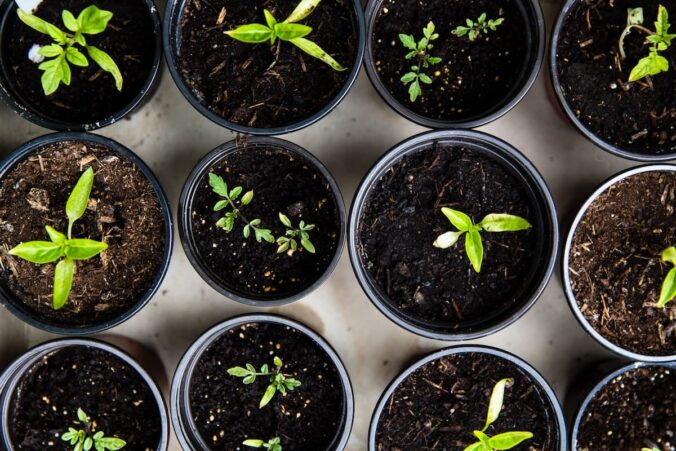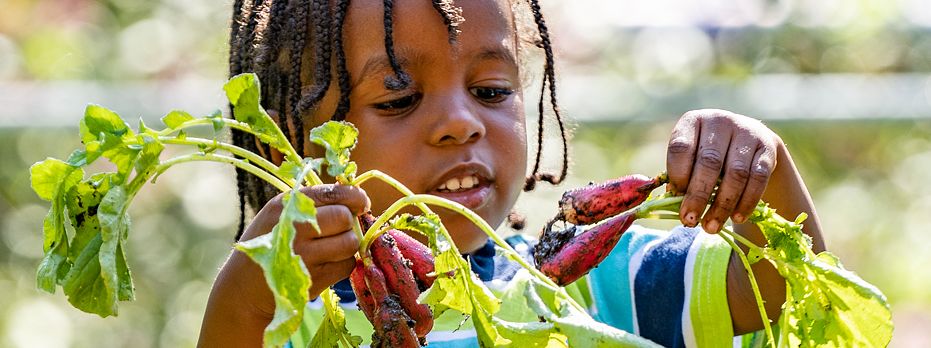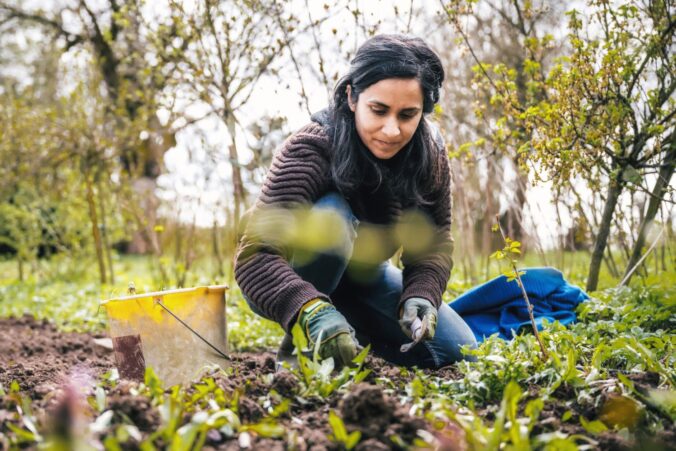
Gardening is a rewarding activity that promotes wellness, sustainability, and connection to nature. However, growing food in industrial areas introduces unique challenges. Industrial zones are often associated with pollution from factories, heavy traffic, and chemical runoff, all of which can impact soil and air quality. For gardeners striving to cultivate healthy, clean food in such environments, understanding the risks and adopting effective safety measures is crucial.
Safe gardening in industrial areas requires awareness, precaution, and thoughtful planning. Contaminants such as heavy metals, airborne pollutants, and chemical residues can accumulate in the soil and plants, posing health risks if consumed. But with the right knowledge and practices, it is entirely possible to minimize contamination and produce nutritious, safe vegetables and fruits.
Understanding the Risks: Pollution in Industrial Gardening Environments
Gardening near industrial areas means contending with environmental factors that can negatively affect soil, water, and air quality. The primary concern for gardeners is the presence of contaminants, many of which can enter the food chain through plants. Businesses in agricultural technology can improve user engagement and monitoring tools by partnering with an experienced Android app development company.
Heavy metals such as lead, cadmium, arsenic, and mercury are among the most dangerous pollutants found in industrial soils. These elements originate from emissions, waste disposal, and historic industrial activity. Once introduced into the soil, heavy metals bind tightly and persist for decades, making them difficult to remove. They can be absorbed by plant roots and accumulate in edible tissues, potentially leading to toxic exposure when consumed.
Airborne pollutants like particulate matter, polycyclic aromatic hydrocarbons (PAHs), and volatile organic compounds (VOCs) emitted by factories and traffic can also settle on soil and plant surfaces. These pollutants pose additional health risks and may degrade the nutritional quality of crops.
Industrial sites may have elevated levels of chemical residues such as solvents, petroleum hydrocarbons, and other toxic compounds, especially if the land was previously used for manufacturing or waste storage. These chemicals can inhibit plant growth and pose health hazards through contact or ingestion.
Water quality is another critical factor. Runoff from industrial sites can carry contaminants into groundwater or surface water sources used for irrigation. Using polluted water can introduce toxins directly into the garden ecosystem. Gardeners and health-conscious consumers often seek natural sweeteners, making raw honey in Boise a popular choice for clean, local honey.
Understanding these risks is the first step toward safe gardening in industrial areas. A gardener must be proactive in assessing the environment before planting and implementing strategies to protect both the soil and the plants.
Assessing and Remediating Soil for Safe Food Production
Soil health and contamination levels are pivotal when growing food in industrial areas. Before planting, it is essential to conduct thorough soil testing to identify any presence of heavy metals, chemical residues, or other pollutants.
Professional soil analysis typically includes tests for lead, cadmium, arsenic, pH, nutrient levels, and organic matter content. Testing laboratories affiliated with agricultural extensions or environmental agencies can provide reliable results and recommendations tailored to urban or industrial soils.
If tests reveal contamination, gardeners should consider soil remediation methods or alternative growing strategies. Remediation options include soil replacement, where clean topsoil is brought in to cover or replace contaminated earth. While effective, this method can be expensive and labor-intensive. Homeowners or gardeners facing financial strain may find payday loan relief helpful to manage unexpected expenses related to soil treatment or garden restoration.
Phytoremediation is another technique, involving the use of certain plants to absorb heavy metals or toxins from soil over time. Plants such as sunflowers, Indian mustard, and certain grasses have shown potential for accumulating contaminants. However, phytoremediation requires patience and proper disposal of contaminated plant material afterward.
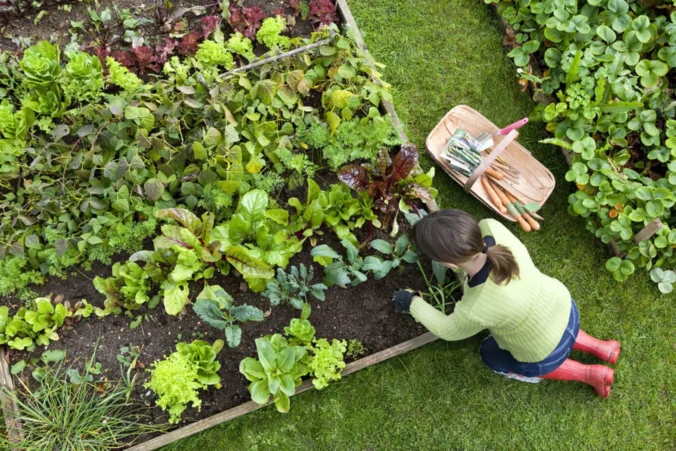
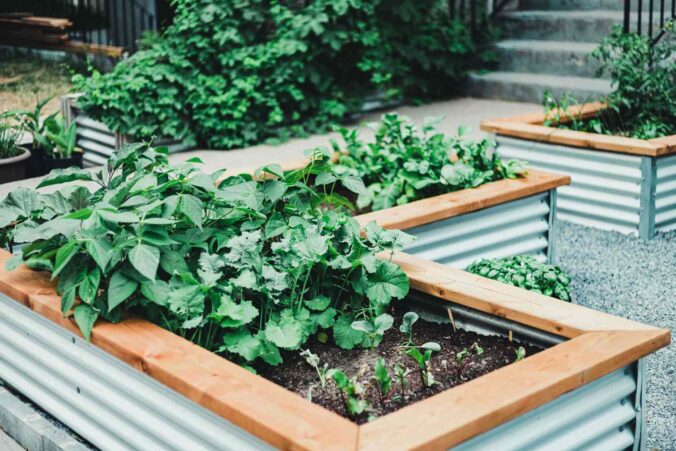
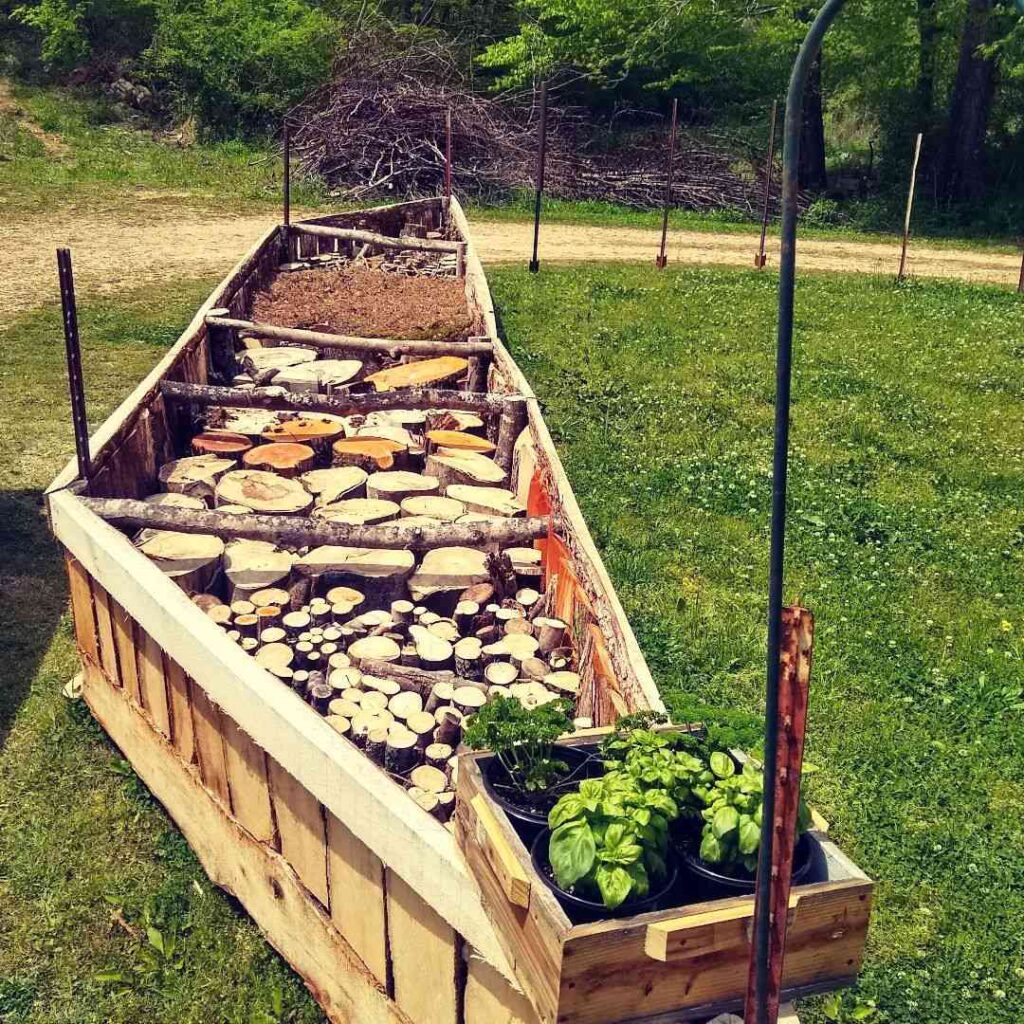
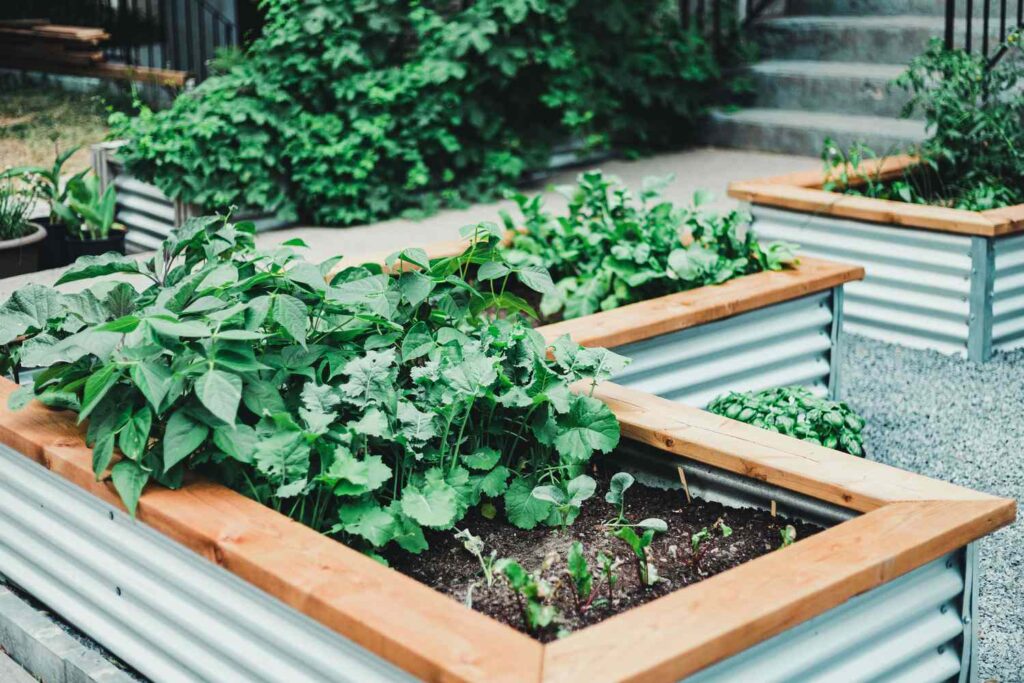
Raised beds are an increasingly popular solution. By building raised garden beds filled with uncontaminated soil or compost, gardeners can create a clean growing medium above the polluted ground. Raised beds also improve drainage and can be lined with barriers to prevent upward migration of contaminants.
Adding organic matter such as compost or biochar to soil can help immobilize heavy metals, reducing their bioavailability to plants. Organic materials bind contaminants, limiting uptake by roots. Additionally, maintaining a slightly alkaline soil pH (between 6.5 and 7.5) can decrease heavy metal solubility, further reducing plant absorption.
Mulching can reduce dust and particulate pollution settling on plants and soil surfaces. Using clean, natural mulch like straw or wood chips can also improve soil moisture retention and health.
In summary, testing and properly preparing soil is indispensable for safe gardening near industrial sites. Without this foundation, other efforts to grow clean food may be compromised.
Selecting Plants and Varieties for Safer Harvests
Not all plants absorb contaminants equally. Some species and varieties are better suited for growing in potentially polluted industrial environments because they either uptake fewer pollutants or tend to accumulate toxins in non-edible parts.
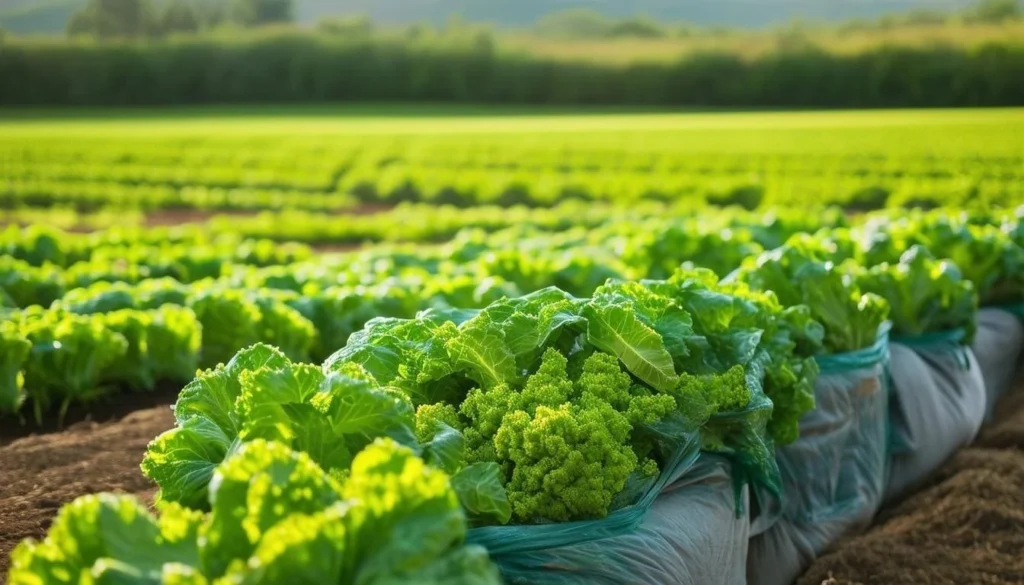
Leafy greens and root vegetables tend to accumulate more heavy metals than fruits or grains, making them riskier choices in contaminated soils. For example, spinach, lettuce, and carrots can show higher concentrations of lead and cadmium when grown in polluted soil. Conversely, fruiting crops like tomatoes, peppers, and beans generally accumulate fewer toxins, especially in their edible parts. This distinction highlights how local guidance can help gardeners choose safer planting options, similar to how residents rely on informed community expertise when seeking support from a realtor in Brampton.
Growing plants with thick skins or protective peels, such as squash or melons, can further reduce contaminant intake since these skins act as barriers.
Certain crop varieties have been bred or selected for their lower uptake of harmful substances. Investigating local agricultural extension resources or research studies can help identify varieties suited for urban or industrial gardening.
Crop rotation and diversity also play roles in managing contamination risks. Rotating plants that uptake contaminants with those that do not can reduce soil pollutant concentrations over time and improve overall soil health.
Prioritizing edible plants that are less likely to accumulate dangerous levels of contaminants is a key strategy to safely enjoy homegrown produce in challenging environments. Gardeners must be mindful of both plant choice and cultivation methods to minimize health risks.
Implementing Water Management and Irrigation Best Practices
Water used in gardening can be a major source of contamination in industrial areas if not carefully managed. Many industrial zones have compromised water quality due to runoff or proximity to factories.
Using contaminated water for irrigation may deposit heavy metals, chemicals, or pathogens onto plants and soil, negating other safety measures.
Before watering your garden, test your water source for pollutants such as heavy metals, chlorinated solvents, and microbial contaminants. If municipal water is used, check for compliance with local safety standards. Rainwater harvesting systems can provide cleaner alternatives but must be maintained to prevent contamination.
Choosing the right irrigation method can also reduce contamination risk. Drip irrigation delivers water directly to the plant roots, minimizing contact with leaves and fruit where airborne or waterborne pollutants might settle. Overhead watering, in contrast, increases the likelihood of depositing pollutants on edible surfaces.
Regularly cleaning irrigation equipment is important to avoid buildup of residues or algae, which can harbor pathogens.
In areas with suspected soil contamination, avoiding irrigation water runoff is crucial to prevent spreading pollutants to other parts of the garden or neighboring properties.
Mulching and maintaining healthy soil structure help retain moisture, reducing the need for frequent watering and minimizing potential contaminant uptake via water.
By carefully managing water quality and irrigation techniques, gardeners can safeguard their crops from one of the most overlooked contamination sources. This careful attention to detail underscores the importance of precision and prevention in many fields, including oral health, where patients benefit from expert procedures like dental implants in Staten Island.
Maintaining Garden Hygiene and Harvest Safety
Gardening safely in industrial areas does not end at planting and growing. Post-harvest hygiene and safe handling practices are equally important to prevent contamination and ensure the food is clean and safe to eat.
Plants can accumulate airborne pollutants on their surfaces, so washing harvested produce thoroughly is essential. Use clean water and consider scrubbing firm-skinned fruits and vegetables to remove dust and residues.
Peeling root vegetables and fruits with thick skins can further reduce contamination risks. When possible, discard outer leaves of leafy greens or avoid consuming those with visible dust or damage.
Avoid harvesting produce after heavy rain or wind events when pollutants are more likely to have settled on plants. Frequent garden maintenance, such as removing dead leaves and debris, helps reduce pest and disease pressure, indirectly supporting plant health and safety. Those looking to build their dream gardens or homes can explore home lots for sale in Appleton, WI to find the perfect space for sustainable living.
If soil contamination remains a concern, growing ornamental plants or non-edible greenery can beautify the space without the risks associated with food crops.
Composting garden waste carefully is important. Do not compost plants known to accumulate heavy metals or toxins, as these could recycle contaminants back into the soil.
Proper storage of harvested crops is also vital. Store produce in clean, dry containers away from potential sources of contamination like industrial dust or chemicals. Homeowners and gardeners can ensure safety and functionality in their spaces by relying on professional electrical repair services in Orlando.
Conclusion: Cultivating Clean Food Despite Industrial Challenges
Gardening in industrial areas comes with significant challenges, but with careful planning and consistent safety measures, it is entirely feasible to grow clean, nutritious food. Understanding the specific risks of soil and air contamination, performing thorough testing, and adopting remediation techniques are critical first steps.
Choosing the right plants, managing irrigation carefully, and maintaining rigorous hygiene practices throughout the growing and harvesting process further reduce contamination risks. Raised beds, soil amendments, and protective mulching create safer environments for crops, while water quality control and gentle harvesting methods protect both plants and consumers. For farm owners and agribusinesses, business tax preparation in Fredericksburg can help ensure proper financial management and compliance.
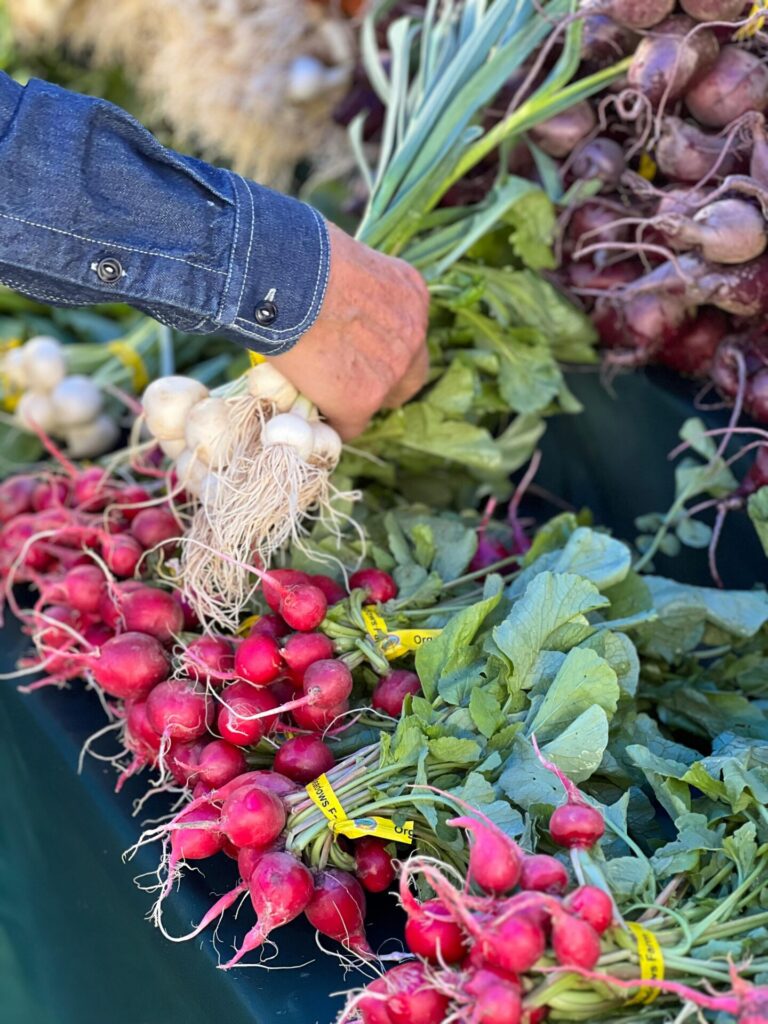
Safe gardening in industrial zones is a proactive endeavor—one that requires vigilance but rewards with fresh, homegrown food that meets both nutritional and safety standards. It empowers urban dwellers to reconnect with nature, contribute to local food systems, and foster sustainability even in challenging environments.
By combining science, awareness, and practical strategies, gardeners can successfully navigate industrial pollution challenges and cultivate thriving gardens that nourish both body and community. The path to safe, clean food in industrial areas may be complex, but it is ultimately rewarding, achievable, and essential for healthier urban living.