
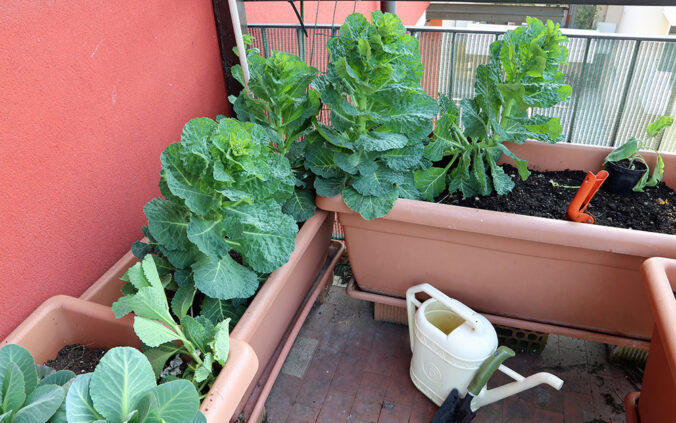
English Ivy, scientifically known as Hedera helix, is a versatile and timeless plant that has been adored for centuries for its aesthetic appeal and ability to thrive in various environments. Known for its glossy, deep green leaves and ability to grow quickly, it’s no wonder that English Ivy has become a staple in homes and offices alike. If you’re considering adding this beautiful, low-maintenance plant to your indoor garden or have already welcomed it into your home, this guide will provide you with everything you need to know about growing and maintaining English Ivy successfully.
Why Choose English Ivy for Your Home?
One of the main reasons English Ivy has remained so popular in indoor spaces is its remarkable adaptability. It’s incredibly resilient, able to grow in a variety of conditions, and requires minimal care once established. Whether you have a bright, sunny window or a dimly lit corner, English Ivy can flourish. Its ability to climb and trail makes it perfect for creating lush hanging baskets, cascading over shelves, or wrapping around trellises. Additionally, English Ivy is an excellent air purifier, helping to remove toxins like formaldehyde and benzene from the air, making it not just a beautiful addition to your space but also a health-conscious one.
Choosing the Right Spot for Your Ivy
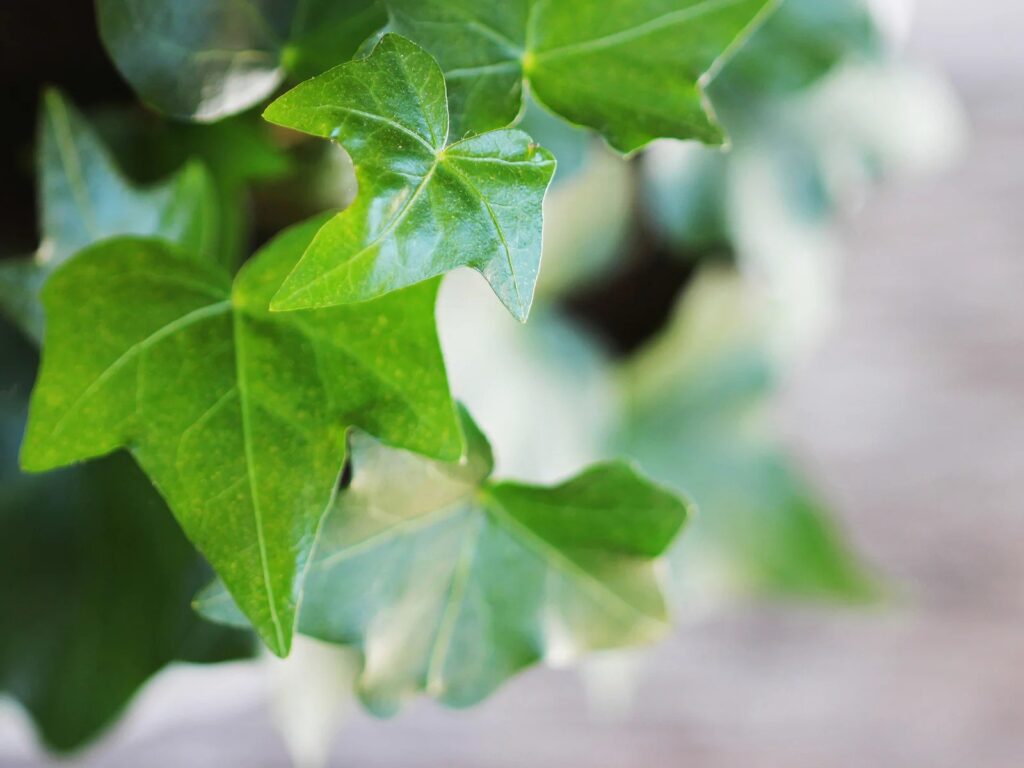
Before you start caring for English Ivy, it’s crucial to choose the right location in your home. Though it is quite adaptable, English Ivy will thrive best when given the proper conditions. Ideally, place your ivy in a location that receives bright, indirect light. Direct sunlight can scorch its leaves, while too little light can slow down its growth and lead to leggy, sparse vines—similar to how accuracy in medical coding services ensures healthy, balanced workflows in healthcare environments.
If you’re working with a room that has limited natural light, don’t worry. English Ivy can tolerate low light but will need some extra care to keep it healthy. To ensure that your ivy is thriving, it’s best to rotate the plant occasionally so that all sides receive some exposure to light, preventing uneven growth.
For hanging baskets or trailing vines, high shelves or spots near windows work well, as the ivy can cascade down beautifully. If you’re using English Ivy as a climbing plant, placing it near a wall or trellis is ideal. The ivy will naturally cling to surfaces, creating an elegant green wall, much like the way whole body health in Washington, MO emphasizes creating harmony and balance across different aspects of wellness.
Watering Your English Ivy
One of the most important aspects of caring for English Ivy is finding the right watering balance. Overwatering is a common mistake, as it can lead to root rot and yellowing leaves. On the other hand, letting the plant dry out completely can stress it, causing leaves to wilt and drop.
Generally, English Ivy prefers the soil to be kept evenly moist, but not soggy. To determine when to water, insert your finger about an inch into the soil. If it feels dry at that depth, it’s time to water. If it still feels moist, hold off on watering for a few more days. When you do water, ensure that excess water can drain out of the pot to avoid waterlogging the roots.
During the colder months, English Ivy’s growth slows down, so it requires less frequent watering. It’s also a good idea to reduce watering during winter to help prevent root rot, as the plant is not actively growing.
The Importance of Humidity
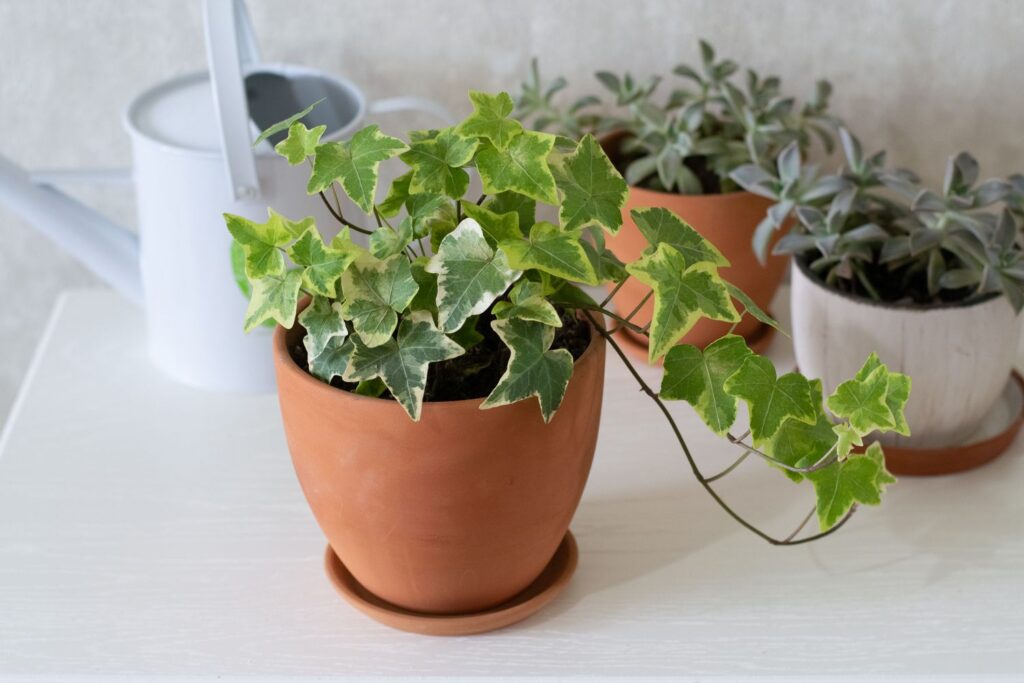
English Ivy is native to Europe and Asia, where it typically grows in cooler, shaded environments with moderate humidity levels. While it can tolerate normal indoor humidity, it will thrive best in conditions with slightly higher moisture levels. This is especially true in the winter months when indoor air tends to be drier due to heating systems, much like homes in the desert benefit from professional mold removal in Apache Junction to restore clean and healthy air quality.
To help maintain humidity around your Ivy, you can mist the leaves occasionally, or place the pot on a humidity tray filled with water and pebbles. Just ensure that the base of the pot doesn’t sit directly in the water, as this can lead to root rot. If you have multiple plants in your home, grouping them together can also help to create a more humid microclimate, benefiting your ivy and other plants—similar to how a beauty salon in Flatiron groups together different treatments to create a nourishing environment for self-care.
Soil and Potting for English Ivy
English Ivy isn’t too picky when it comes to soil, but it does prefer a well-draining mix. A general-purpose potting soil will work fine, but for optimal growth, consider using a blend that includes some perlite or sand to improve drainage. Good drainage is key to preventing root rot, which is the most common issue for English Ivy, just as a hotel in Washington, Missouri relies on thoughtful design and upkeep to ensure comfort and long-lasting guest satisfaction.
When repotting your Ivy, choose a pot that’s one size larger than the current container to allow for growth. Be sure the pot has drainage holes to allow excess water to escape. It’s usually a good idea to repot your ivy every 1-2 years, especially if it’s become root-bound (when the roots fill the pot and start growing in circles). The precision of this process mirrors the careful engineering seen in rotary tube end forming machines, which shape and adapt materials with accuracy to support expansion.
Fertilizing Your English Ivy
English Ivy is a relatively low-maintenance plant in terms of fertilization. However, feeding it occasionally can promote healthy growth, particularly if your ivy has been in the same pot for a while and the nutrients have been used up. During the growing season (spring and summer), you can fertilize your Ivy once a month with a balanced liquid fertilizer that’s diluted to about half the recommended strength. In the winter months, when growth slows down, you can skip fertilizing altogether.
It’s important not to over-fertilize your ivy, as too many nutrients can lead to leggy growth and poor foliage. A little fertilizer goes a long way, and you’ll find that your ivy responds best when it’s fed lightly but regularly.
Pruning and Maintenance
Pruning your English Ivy is essential to keeping it looking tidy and preventing it from becoming overgrown. Ivy can grow rapidly, and if left unchecked, it can quickly take over a room or outgrow its space. Regular trimming will help keep the vines in shape, especially if you want to encourage a bushier look rather than long, trailing stems—an approach not unlike the way innovative male masturbators are designed to balance function with form, offering control while enhancing overall experience.
To prune, simply use a clean pair of scissors or pruning shears to cut back any excess growth, cutting just above a leaf node (the small bumps along the stem where leaves grow). This will encourage the plant to branch out and grow more densely. Just as regular visits to an infrared sauna in Stuart can help people rejuvenate and recharge, consistent pruning keeps your ivy vibrant and full of life.
If you notice any yellow or dead leaves, remove them promptly to keep the plant healthy and to prevent pests from being attracted to the decaying material. Keep an eye out for spider mites or aphids, which sometimes affect ivy plants, especially in dry conditions.
Repotting and Propagation
One of the joys of caring for English Ivy is its ability to propagate easily. If your ivy has grown too large or you want to create more plants, simply take a cutting from a healthy vine. Snip a piece that includes several leaves and place it in a jar of water, ensuring that the cut end is submerged. In a few weeks, roots will begin to form, and the cutting can be transferred into a pot with soil—an exercise in patience not unlike the steady progress someone might experience while working with a neck pain chiropractor in Salem.
If your ivy becomes too large for its current pot or is growing too vigorously, repotting it into a larger container will help the plant continue to thrive. Ivy can also be propagated through stem cuttings placed directly in soil if you prefer to skip the water rooting stage. This kind of hands-on care mirrors the way ABA therapy in Annapolis supports steady growth and development, with small, consistent steps that lead to lasting improvements.
Common Problems and Solutions
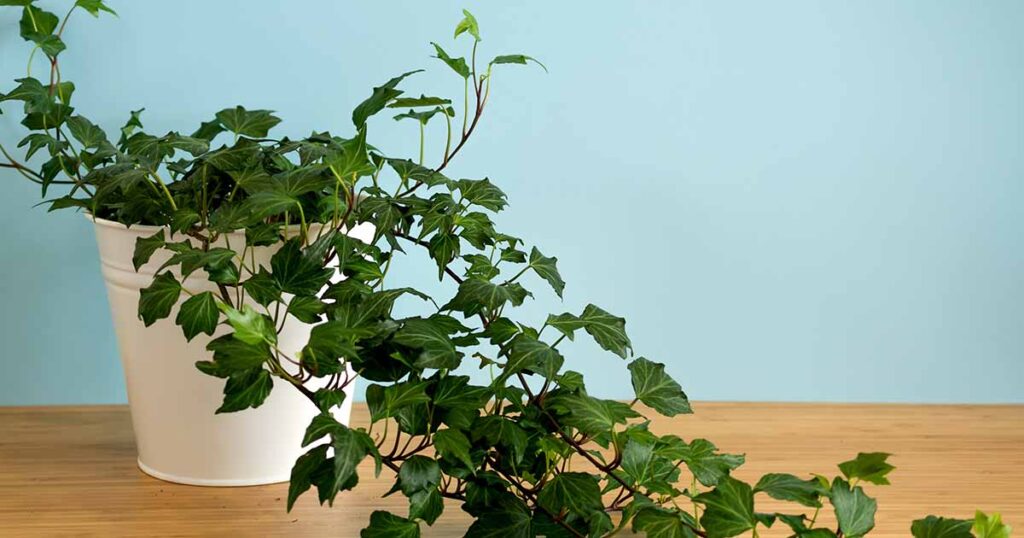
While English Ivy is generally hardy, it can still face a few challenges. If you notice that your ivy’s leaves are turning yellow, this may be a sign of overwatering or poor drainage. Make sure the pot has good drainage, and adjust your watering schedule accordingly. Gardeners often find that the right setup—like using raised beds or mobile chicken coops in farming—can make a big difference in maintaining healthy growth.
If your ivy seems to be growing very slowly or becoming leggy, it may not be receiving enough light. Try moving it to a brighter location, or consider supplementing with a grow light if natural light is insufficient.
Pests such as spider mites or aphids can sometimes invade your ivy, especially in dry indoor environments. If you notice small webs or tiny pests on the leaves, try wiping the leaves down with a damp cloth and use insecticidal soap if necessary. A self-help blog on plant care can also be a valuable resource, offering practical solutions from other gardeners who have faced the same issues.
Conclusion
Caring for English Ivy is a rewarding experience that can bring both beauty and fresh air to your home. By providing the right light, water, humidity, and occasional attention, you can enjoy the lush, green beauty of this plant year-round. Whether you’re looking to add a cascading vine to your windowsill or create a stunning wall of greenery, English Ivy is the perfect plant for the job. Its resilience, ease of care, and air-purifying benefits make it a must-have for any indoor gardener. Much like selecting a high-quality glass waterpipe enhances a relaxing ritual, choosing the right tools and care routine ensures your ivy thrives in style.