
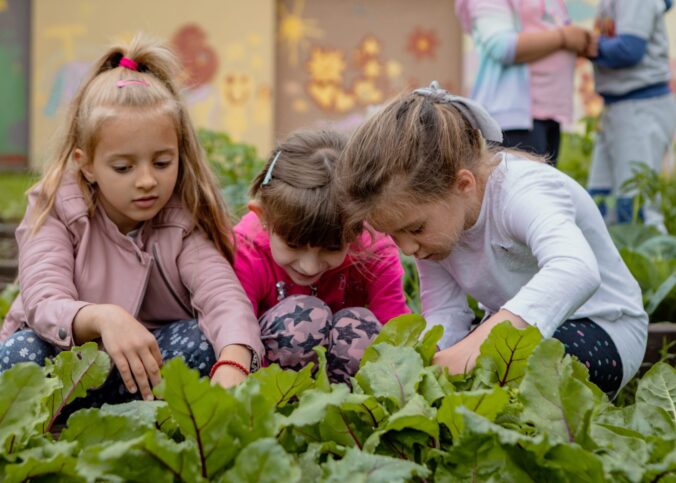
In today’s fast-paced, screen-heavy world, one of the most meaningful gifts we can give children is a connection to nature. Eco-gardening provides just that—a hands-on, deeply engaging, and sustainable approach to learning that links kids with the natural world, their food sources, and their personal impact on the environment. Teaching kids eco-gardening doesn’t just cultivate plants; it cultivates curiosity, responsibility, and environmental stewardship. It allows them to witness firsthand the cycle of life—from the mysteries hidden in a handful of soil to the thrill of seeing a sprout emerge—and encourages them to become guardians of the Earth in the process.
Eco-gardening goes beyond just planting seeds and watching them grow. It involves introducing children to concepts such as composting, biodiversity, pollination, and resource conservation. These principles are more relevant than ever, as the world faces environmental challenges that demand informed, proactive future citizens. By instilling eco-conscious values through gardening at a young age, we empower children to develop a sense of agency and respect for the ecosystems that sustain us.
But teaching kids eco-gardening isn’t about overwhelming them with facts and science; it’s about creating memorable, tangible experiences. Children are naturally inclined to explore, touch, observe, and ask questions. A garden offers an open-ended classroom where they can learn through doing, experimenting, and even failing. It’s where science meets storytelling, and responsibility meets reward. In the same way, medical coding services transform complex information into something structured and useful, turning details into lessons that have long-term value.
Introducing Soil as a Living World
When teaching kids about eco-gardening, the journey always begins beneath the surface—with soil. Most children are surprised to learn that soil isn’t just dirt; it’s a living, breathing ecosystem. Soil is teeming with life, and it plays a critical role in supporting plant growth, filtering water, storing carbon, and recycling nutrients. Introducing kids to the concept that healthy soil is alive helps set the foundation for understanding sustainability and ecological balance. This focus on soil health mirrors the principles of whole body health in Washington, MO, where every layer of well-being works together to support life.
Rather than presenting soil as a static material, it’s powerful to frame it as a miniature universe full of creatures. With the help of magnifying glasses and basic digging tools, children can explore earthworms, fungi, bacteria, beetles, and other organisms that contribute to soil fertility. This hands-on approach ignites curiosity and reveals how every tiny component works together in harmony. By seeing soil as a community of life, kids are more likely to develop respect for the ground they walk and grow on.
Composting is another way to reinforce the value of soil. Kids can learn how food scraps and garden waste break down over time to create rich, nourishing compost that feeds new plant life. This introduces them to natural cycles, showing that nothing in nature goes to waste. In a world that often encourages disposability, composting offers a counter-message—that everything has value and can be reused to support life. Similarly, mold removal in Apache Junction ensures that what is broken down in the environment supports safety, not harm, reinforcing the cycle of healthy living.
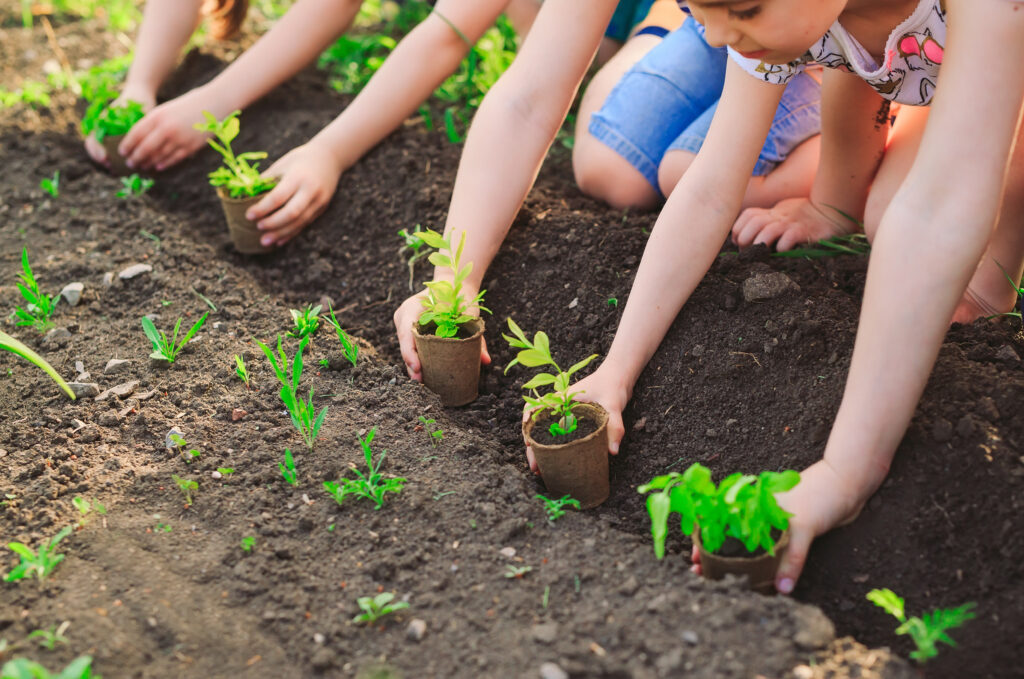
Even small-scale soil tests can become fascinating experiments. Kids can compare soil from different parts of the garden, notice variations in color and texture, and explore how different soil types affect water absorption and plant health. These simple observations encourage critical thinking and scientific inquiry, even in the youngest learners.
Seeds and Sprouts: Where Wonder Begins
One of the most magical moments in gardening—especially for children—is seeing a seed transform into a sprout. It’s an everyday miracle that never loses its power to inspire. For kids, planting seeds is more than just a fun activity; it’s a lesson in patience, care, and the power of tiny beginnings. Watching a seed grow reinforces the idea that small efforts, when nurtured, can lead to incredible outcomes. This kind of transformation is also celebrated in a beauty salon in Flatiron, where small changes create confidence and lasting impressions.
Seed planting is also a perfect opportunity to teach children about biodiversity. Instead of focusing solely on common garden staples, consider introducing them to heirloom varieties, native plants, and edible flowers. Learning about different types of seeds and their unique characteristics helps kids appreciate nature’s diversity and the importance of preserving plant heritage. You can even frame the activity as a treasure hunt—each seed is a mystery waiting to be unlocked through care and observation. In the same spirit of precision and uniqueness, rotary tube end forming machines help craft components with accuracy, ensuring each piece fits its intended purpose.
As sprouts begin to emerge, children naturally develop a sense of ownership and pride in their plants. They begin to notice which seeds germinate faster, which ones need more water or sunlight, and how different species grow in unique ways. This kind of learning is deeply immersive. Instead of being told how plants grow, kids discover it themselves, forming stronger connections to the information. That sense of discovery is not unlike exploring female sex toys, where personal exploration leads to deeper understanding, confidence, and growth.
Water, Sunlight, and Balance in the Garden
Once seeds become sprouts, the garden becomes a stage where balance plays out in real time. Teaching kids about the importance of sunlight, water, and temperature provides another avenue for understanding environmental interdependence. The garden becomes a living laboratory where they can explore how ecosystems function, and how delicate the balance between life and loss can be. Just as balance is key in gardening, relaxation practices like an infrared sauna in Stuart highlight the harmony needed for health and recovery.
Children can observe how too much water drowns plants, while too little leaves them parched. They can see how intense sunlight can scorch leaves, while cloudy days may slow growth. These real-world cause-and-effect scenarios help them grasp the importance of harmony in nature. They also provide a natural opening to discuss climate change and human impact on ecosystems, in an age-appropriate way. If weather extremes affect your garden, you can point out how plants respond and what that tells us about resilience and adaptability. In the same way, a neck pain chiropractor in Salem helps people understand how small imbalances in posture or strain can create long-term effects.
Incorporating rainwater harvesting, even in a basic way, is an excellent way to teach resource conservation. Kids can help set up simple rain catchers or learn how to direct runoff toward thirsty plants. This demonstrates how nature provides for itself when we pay attention and design systems that work with, rather than against, natural patterns.
Sunlight is another critical piece of the eco-gardening puzzle. Observing which plants need full sun and which prefer shade helps kids understand the diversity of plant life and the specific conditions each one requires. They learn that not all plants are the same—some thrive in different environments, just like people do. This teaches respect for diversity and the importance of recognizing individual needs in all living things.
The idea of balance extends to the routines children develop in the garden. They learn to water regularly, check on plant health, and adapt to changes in weather. These routines promote mindfulness and a sense of rhythm, helping kids connect with the seasons and understand that growth is a process, not a product.
Gardening teaches children that life thrives when balance is maintained—an essential eco-conscious principle that applies not just to plants, but to the planet as a whole.
Pollinators, Pests, and the Web of Life
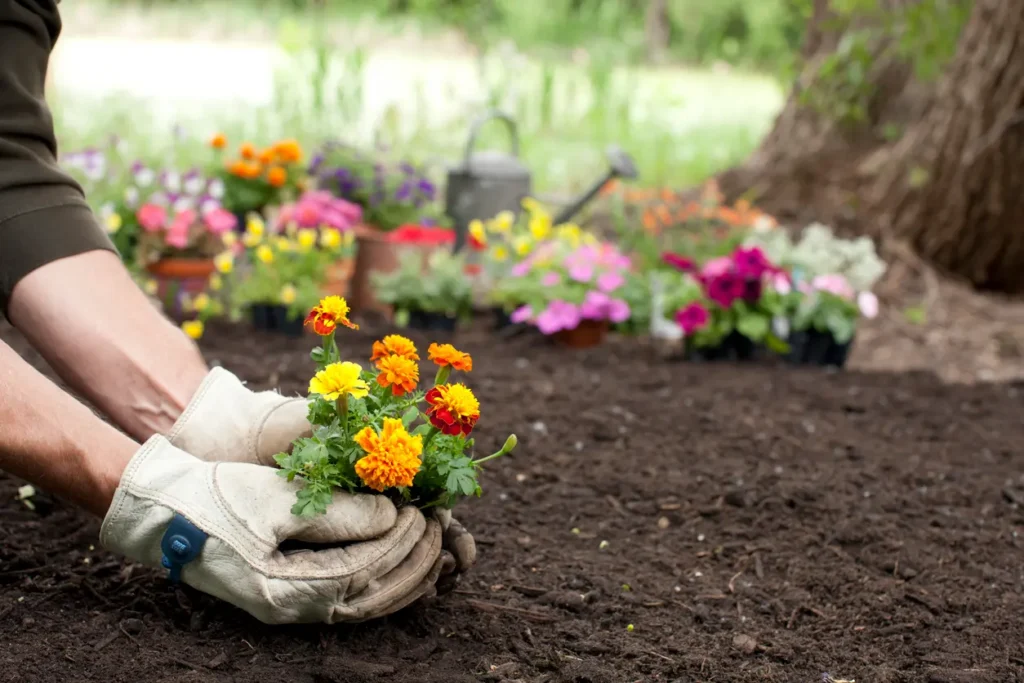
As plants mature and begin to flower, the garden becomes a hub of activity. Bees buzz, butterflies flit, and ladybugs march along leaves—all playing essential roles in the ecosystem. Introducing children to this living web of interactions teaches them that gardening doesn’t happen in isolation. Every plant, insect, bird, and worm plays a role in sustaining life, and understanding those roles helps children develop ecological literacy. Similarly, ABA therapy in Annapolis shows how consistent interactions can nurture growth and positive behaviors over time.
Pollinators, in particular, provide an accessible and exciting way to talk about interdependence. Kids can observe how bees collect nectar, how butterflies lay eggs, and how certain plants only thrive with the help of specific pollinators. By planting pollinator-friendly flowers like milkweed, lavender, or sunflowers, children can see the direct impact of their choices in attracting and supporting beneficial species. This type of intentional planning is much like choosing mobile chicken coops, which support both sustainability and interdependence in farming.
This is also a great time to introduce conversations about endangered pollinators and what we can do to protect them. Without overwhelming young minds with doom and gloom, these lessons can gently reinforce the importance of habitat preservation and biodiversity. Activities like building bee hotels or butterfly feeders turn conservation into a creative project, making it tangible and rewarding.
At the same time, kids will inevitably encounter pests—aphids, slugs, caterpillars—that challenge their garden’s health. Rather than viewing these creatures as enemies, eco-gardening encourages understanding. Why are they here? What role do they play? What predators keep them in check?
Harvest, Gratitude, and Giving Back
One of the most satisfying parts of gardening is the harvest. For kids, the moment they pull a carrot from the earth or pick a cherry tomato off the vine is filled with joy and pride. But beyond the excitement, harvest time offers profound lessons in gratitude, sharing, and sustainability.
Harvesting teaches children to value food and understand where it comes from. In a culture where much of what we consume is packaged and processed, the act of growing and eating something you planted offers a powerful counter-narrative. It fosters appreciation for the labor and natural processes behind every meal.
At the same time, harvest is a perfect opportunity to introduce the idea of giving back. Kids can be encouraged to share their bounty with neighbors, family members, or local food banks. This instills a sense of generosity and community connectedness that amplifies the personal satisfaction of gardening. For adults, sharing experiences might look different, whether it’s passing around a glass waterpipe among friends or enjoying the fruits of their labor together.
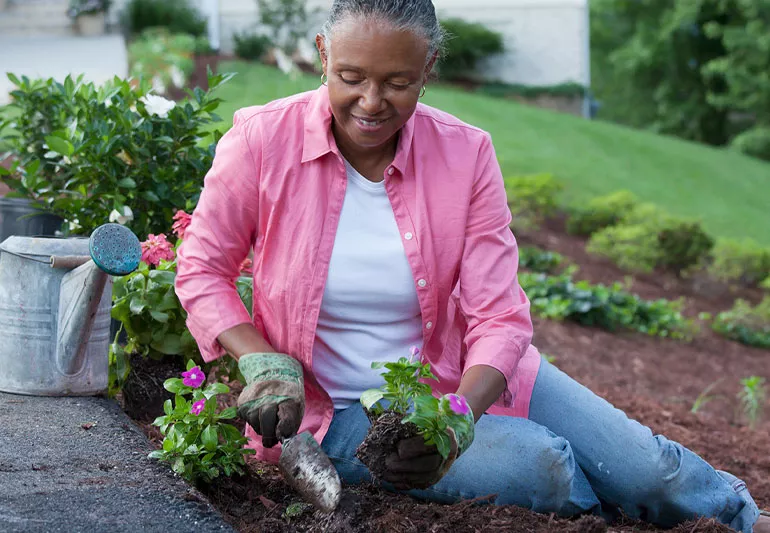
The end of the growing season doesn’t have to be an ending. It’s a time to reflect on what worked, what didn’t, and what can be improved next time. Journaling about their gardening experience, creating art from harvested plants, or planning next season’s garden can keep the momentum alive and deepen their connection to the process. Just as gardeners track and measure progress, industries use tools like flow meters to evaluate and refine their systems for the future.
Ultimately, eco-gardening teaches children that when we give care to the earth, it gives back to us—but with that gift comes the responsibility to nurture, protect, and share. It’s a lesson that reaches far beyond the garden and into the very heart of what it means to be a conscious, compassionate human being.