
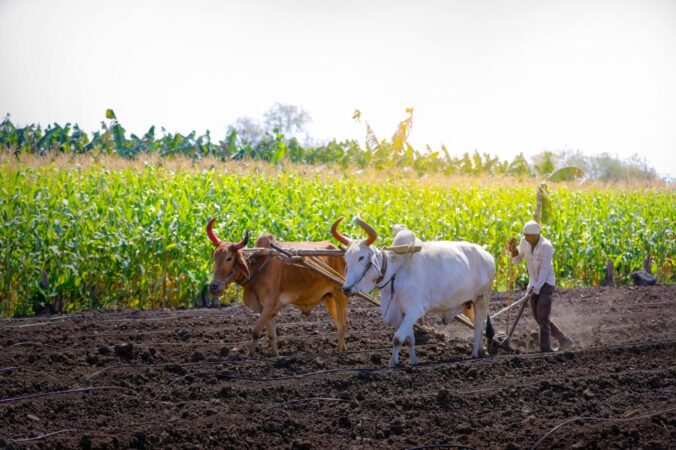
The world of farming is undergoing rapid transformations with advancements in technology, yet the principles of organic farming remain steadfast, emphasizing sustainability, ecological balance, and the avoidance of synthetic chemicals. The question of whether technology and organic farming can coexist has become an increasingly relevant debate in the agricultural sector. Some argue that the principles of organic farming are incompatible with modern technological advancements, while others see potential for synergy, where technology can enhance organic practices without compromising their fundamental goals. This article explores how technology can integrate with organic farming, examining both the challenges and the opportunities that arise from this intersection.
The Foundation of Organic Farming
Organic farming is rooted in principles that prioritize ecological harmony, biodiversity, and sustainability. This approach rejects the use of synthetic pesticides, herbicides, and genetically modified organisms (GMOs), relying instead on natural processes, crop rotations, and biological pest control. Organic farming practices are designed to improve soil health, enhance biodiversity, and reduce the environmental impact of farming. The overarching goal is to produce food that is not only better for human consumption but also safer for the planet.
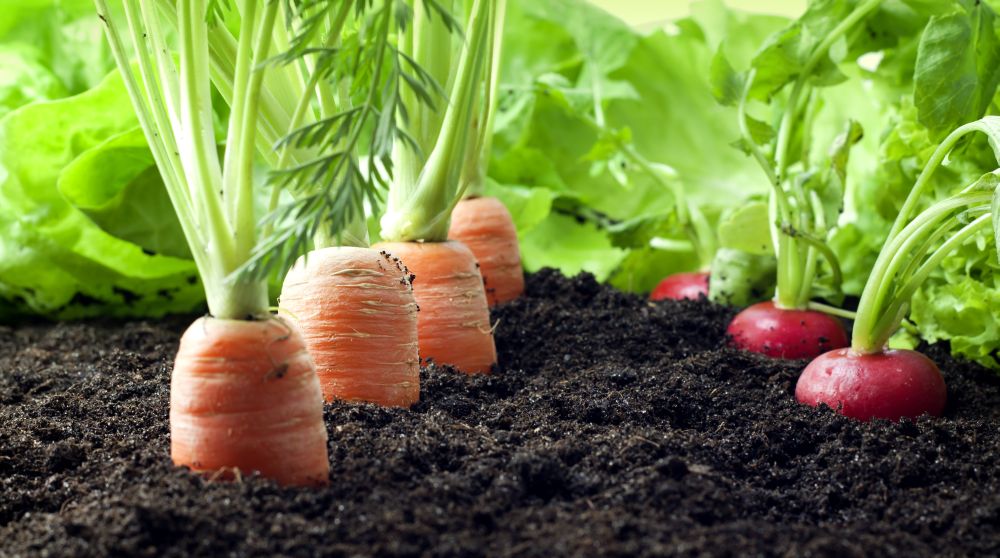
Central to organic farming is the concept of soil health. Healthy, fertile soil supports vibrant plant life, which in turn leads to healthier crops. Organic farmers tend to use compost, cover crops, and other natural amendments to replenish soil nutrients. This reduces dependence on external inputs, which can be costly and environmentally damaging. The idea is to create a self-sustaining farm ecosystem, where the land and crops work in harmony with nature.
However, the rising global population and the increasing demand for food have brought challenges to traditional farming methods. Organic farming, despite its benefits, often faces issues such as lower yields and higher labor costs compared to conventional farming. As the demand for organic food grows, farmers are under pressure to find ways to increase production without compromising the core values of organic farming. Here is where technology comes into play.
Technological Innovations in Agriculture
Advancements in technology have had a profound impact on farming in recent years. From precision farming and drone technology to genetic advancements and automation, technology has the potential to revolutionize how food is grown, harvested, and distributed. Precision agriculture uses data analytics, GPS, and sensor technologies to optimize crop production by monitoring soil conditions, water usage, and nutrient levels. Drones are increasingly used to monitor crop health, deliver fertilizers, and even plant seeds. Automation in the form of robotic harvesters and planters is helping to reduce labor costs and improve efficiency.
At the heart of these technological innovations is the goal of making farming more efficient, sustainable, and profitable. By using data-driven insights, farmers can make more informed decisions about irrigation, fertilization, and pest management. This reduces waste and ensures that crops receive the right amount of nutrients and water, minimizing environmental impact and improving overall productivity. In conventional farming systems, these technologies are already proving their worth, enabling farmers to increase yields while reducing resource consumption.
For organic farmers, technology has the potential to provide tools that can help them tackle some of the challenges that come with growing without synthetic inputs. However, this brings us back to the question of whether these technological advances align with the ethical and ecological principles of organic farming.
Technology’s Role in Enhancing Organic Farming
While it may seem that technology and organic farming are at odds due to organic farming’s naturalistic approach, there is significant potential for synergy. Technology can be used in ways that complement and enhance the core values of organic agriculture. One of the primary ways technology can benefit organic farming is through precision farming techniques that improve the efficiency and sustainability of organic practices.
For example, soil sensors can provide real-time data on soil moisture, temperature, and nutrient levels. This can help organic farmers apply fertilizers, compost, and water only when necessary, ensuring that they are not over-applying inputs, which is a key principle of organic farming. GPS-guided systems can assist farmers in planting crops with higher precision, reducing waste and promoting biodiversity through better-managed crop rotations. This kind of data-driven farming allows organic farmers to make informed decisions that are both eco-friendly and economically viable.
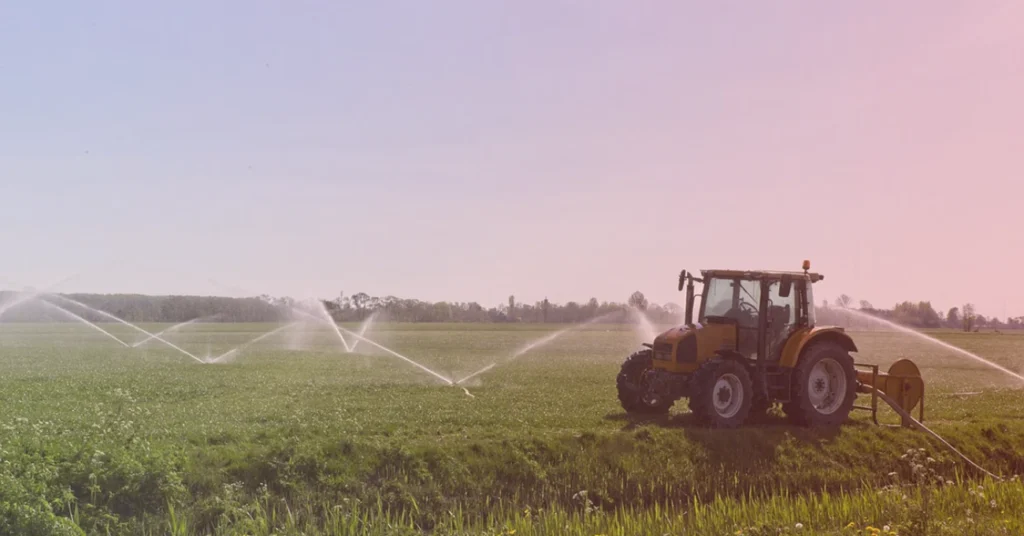
Technology can also help organic farmers monitor pests and diseases more effectively. Organic farming relies heavily on biological pest control and natural predators to manage pests, but these methods are often less precise than chemical alternatives. With the help of drones, organic farmers can monitor their crops from above, identifying problem areas and acting swiftly to prevent infestations. Additionally, remote sensing technologies and artificial intelligence (AI) can detect early signs of pest infestations or nutrient deficiencies, allowing farmers to intervene before significant damage occurs.
The Challenges of Integrating Technology with Organic Farming
Despite the promising opportunities, integrating technology into organic farming does come with its challenges. One of the primary concerns is the potential for over-reliance on technology, which could undermine the self-sufficiency and ecological balance that organic farming aims to achieve. Organic farming is built on the idea of working in harmony with nature, using natural processes and materials to manage soil health and pest control. There is a fear that the more farmers depend on technology, the less they may focus on the hands-on, ecological aspects of farming that make organic practices so effective.
Additionally, some organic farmers are concerned that the use of certain technologies, such as GMOs or synthetic fertilizers, could creep into organic systems under the guise of “innovation.” While organic standards clearly prohibit GMOs and synthetic chemicals, there is a risk that advances in biotechnology and genetic engineering could blur the lines between what is considered organic and what is not. For example, genetic modifications aimed at pest resistance or drought tolerance could be appealing to organic farmers, but they may conflict with the organic principle of not altering the genetic makeup of crops.
The cost of implementing new technologies is another significant challenge. While precision farming tools and automation can increase efficiency and yields, they can also be expensive. For small-scale organic farmers, the upfront costs of acquiring and implementing new technologies may be prohibitive. There is also the issue of technical expertise. Farmers need to be trained in how to use new technologies effectively, which can be a significant barrier for those without the necessary resources or knowledge.
Balancing Innovation with Tradition
For technology to coexist with organic farming, there needs to be a balance between innovation and tradition. Organic farming is about working with the land and respecting the natural environment, and any technological advancements must align with these values. The goal should not be to replace traditional organic practices with technology, but rather to use technology as a tool to enhance and support sustainable farming practices.
A great example of this balance is the use of biodegradable sensors for soil health monitoring. These sensors, which break down naturally over time, can provide valuable data without contributing to environmental pollution. Similarly, automated systems for managing irrigation can reduce water waste while still adhering to organic principles of soil health and sustainability.
Another important consideration is the local context in which technology is implemented. Not all technological solutions are suitable for every farm. For small-scale organic farmers, technology should be affordable and accessible. Some technologies, like drones or advanced sensors, may be too costly for certain farmers, but simpler solutions—like open-source software for crop management or basic GPS systems—can still provide valuable assistance without breaking the bank.
The Future of Technology and Organic Farming
The future of technology in organic farming looks promising, as innovations continue to emerge that align with the core values of sustainability and environmental stewardship. With the growing demand for organic produce, finding ways to scale up production while maintaining the integrity of organic farming will be essential. Technology has the potential to bridge this gap, enabling organic farms to thrive and feed a growing global population.
As more research is conducted into the compatibility of organic farming and technological innovation, we are likely to see the development of new tools and approaches that can further enhance the benefits of organic farming. From robotic weeding machines to advanced composting technologies, there is a wealth of possibilities for organic farmers to leverage technology in ways that minimize labor, reduce costs, and improve environmental outcomes.
The key to success will be collaboration between technologists, organic farmers, and policymakers to ensure that the technology developed is in line with organic farming principles. By working together, it’s possible to create a future where technology and organic farming coexist, benefiting both the environment and the people who rely on it for sustenance.
Conclusion
The intersection of technology and organic farming presents both challenges and opportunities. While technology may seem at odds with the natural principles of organic farming, there is potential for these two forces to work together in a way that benefits both farmers and the environment. By leveraging precision farming techniques, drones, and automation, organic farmers can improve efficiency, reduce resource consumption, and increase yields while still adhering to the values of sustainability and ecological balance.
However, it’s essential to maintain a balance between innovation and tradition. Organic farming is rooted in ecological principles, and technology should be used to enhance these principles, not replace them. With the right approach, technology and organic farming can coexist, creating a sustainable and productive future for agriculture. The key lies in finding ways to innovate responsibly and ensure that new technologies align with the core values of organic farming.