
Growing Thuja at home is more than just adding greenery to your surroundings; it is about creating a space that feels alive, serene, and private. These evergreen trees, often recognized for their graceful, conical shapes and vibrant green foliage, have been cherished in gardens and landscapes around the world for centuries. Thuja, commonly known as arborvitae, offers a unique blend of aesthetic charm, functional advantages, and environmental benefits that make it an ideal choice for homeowners seeking both beauty and practicality.
Enhancing Aesthetic Appeal with Thuja
One of the most immediate benefits of cultivating Thuja at home is the striking visual appeal it brings to any landscape. Unlike many seasonal plants, Thuja maintains its lush green color throughout the year, providing a constant sense of vitality even during the bleak winter months. Its dense foliage creates a rich, textured backdrop that complements flowers, shrubs, and other ornamental plants, making your garden appear fuller and more vibrant.
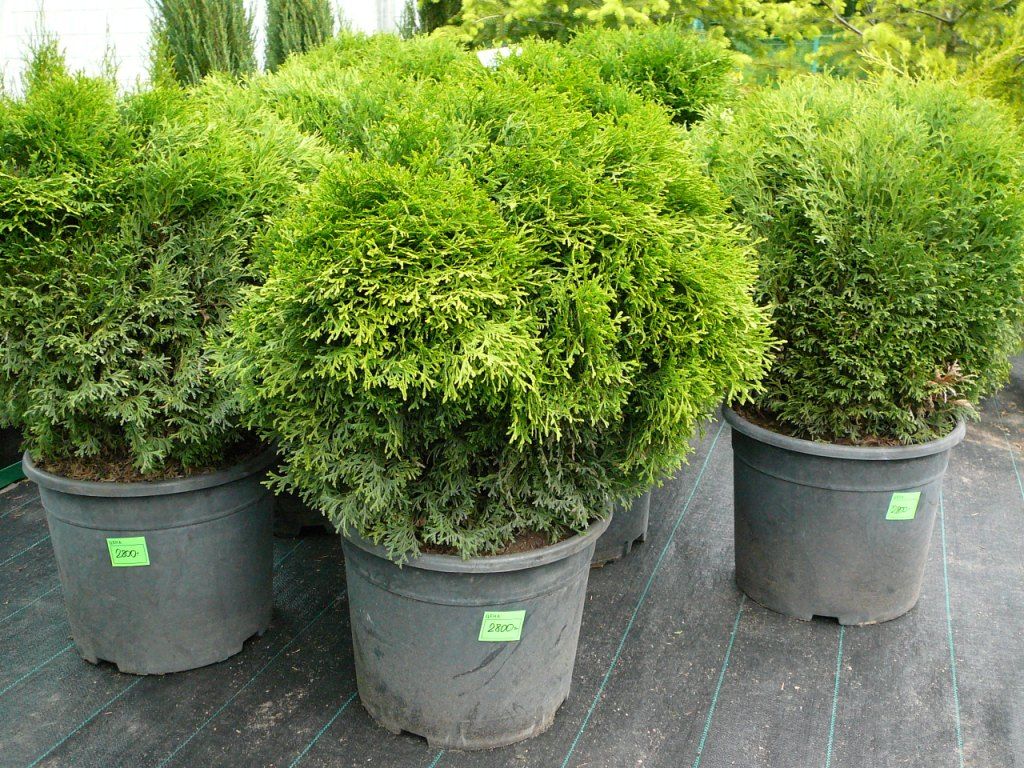
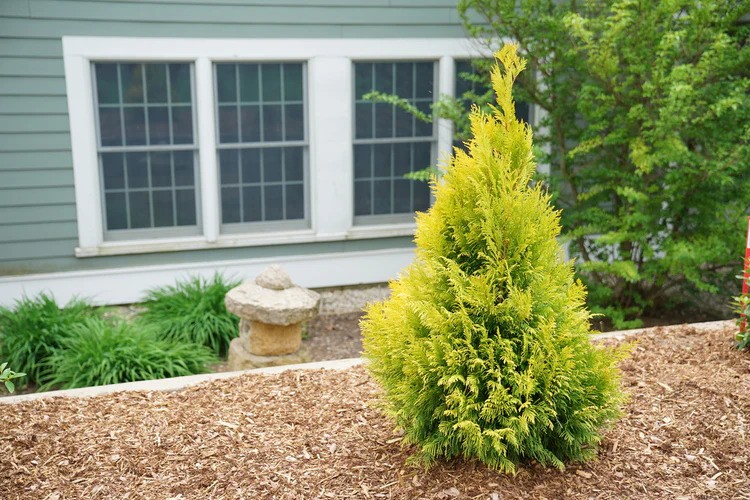
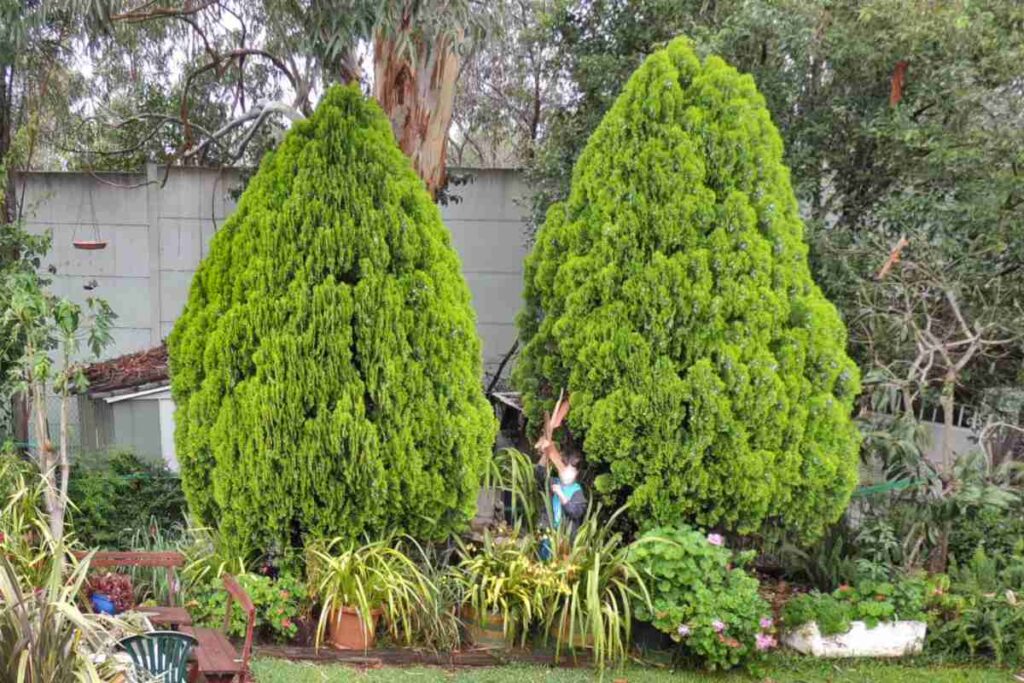
Thuja is available in several varieties, from compact dwarf species suitable for small gardens and container planting to towering trees that can serve as stunning focal points. Their symmetrical shape and natural elegance offer an architectural quality to outdoor spaces, subtly guiding the eye and enhancing the overall harmony of your garden design. When strategically planted along pathways, terraces, or in clusters, Thuja trees can turn an ordinary backyard into a visually captivating retreat, inviting relaxation and enjoyment.
Creating Natural Privacy Screens
Beyond aesthetics, Thuja is incredibly effective as a natural privacy barrier. In urban or suburban environments, where homes are often close together, maintaining privacy can be a challenge. Thuja’s fast-growing, dense foliage makes it an excellent choice for hedges or windbreaks, forming a living wall that shields your outdoor space from prying eyes without the harshness of artificial fencing.
Unlike standard fences or walls, Thuja hedges offer a soft, organic feel. They absorb noise, create a sense of enclosure, and enhance the intimacy of your outdoor space, allowing you to enjoy your garden, patio, or deck without feeling exposed. Thuja’s natural height and fullness can be tailored through careful pruning, giving homeowners flexibility to design a hedge that meets both aesthetic and functional needs. This combination of beauty and utility is why so many landscapers and home gardeners favor Thuja for creating private sanctuaries right outside their doors.
Improving Air Quality and Environmental Health
Thuja does more than look good and provide privacy; it contributes to a healthier environment. Like all trees, Thuja absorbs carbon dioxide and releases oxygen, playing a small but significant role in improving air quality around your home. Its thick, evergreen foliage captures dust, pollen, and other airborne particles, reducing pollutants that can affect respiratory health.
The environmental impact of growing Thuja at home extends to temperature regulation as well. Strategically planted Thuja trees can provide shade during hot summer months, cooling surrounding areas and reducing the need for energy-intensive air conditioning. In colder climates, a row of Thuja can act as a windbreak, protecting your home and garden from harsh winds and lowering heating costs. These environmental benefits, while often overlooked, highlight the practical ways in which Thuja contributes to a sustainable and comfortable living environment.
Low Maintenance Yet Rewarding Growth
One of the most appealing aspects of growing Thuja at home is its adaptability and low maintenance requirements. Thuja thrives in a range of soil types and can tolerate both full sun and partial shade, making it suitable for various garden conditions. Once established, Thuja requires minimal attention beyond occasional watering, fertilizing, and pruning.
This resilience makes Thuja a perfect choice for busy homeowners or gardening beginners. Unlike delicate flowers that demand constant care, Thuja’s evergreen nature ensures that your investment in greenery pays off year-round. The satisfaction of nurturing a plant that grows steadily and flourishes with relatively little effort is deeply rewarding. Watching a Thuja hedge or tree mature over several seasons provides a tangible sense of accomplishment and connection to the natural world.
Supporting Local Wildlife
Growing Thuja at home also benefits local wildlife. Its dense foliage offers shelter for birds, small mammals, and beneficial insects, creating a mini-ecosystem within your garden. Birds may use Thuja for nesting, while insects may find refuge or food among its branches. By providing habitat and protection, Thuja helps support biodiversity even in urban settings, allowing homeowners to foster a closer relationship with the rhythms of nature.
This ecological benefit adds another layer of satisfaction for gardeners who value sustainability. Your Thuja trees not only beautify your property and enhance privacy but also contribute positively to the surrounding ecosystem, helping to maintain balance in local wildlife populations.
Seasonal Charm and Year-Round Presence
Unlike many plants that fade with the seasons, Thuja remains visually appealing throughout the year. Its vibrant green needles provide a sense of freshness during spring and summer, a warm natural backdrop during autumn, and life and color amidst winter snow. This year-round presence allows homeowners to enjoy a sense of continuity in their gardens, no matter the season.
Additionally, Thuja can be easily shaped and pruned to fit seasonal decor or special occasions. During winter holidays, for example, Thuja hedges and trees can be adorned with lights or ornaments, transforming them into natural festive decorations without compromising their health. This versatility enhances their value as both a practical and decorative addition to any home landscape.
Mental and Emotional Benefits of Home Gardening
While the aesthetic, functional, and environmental benefits of Thuja are clear, growing these trees at home also supports mental and emotional well-being. Gardening, in general, has been shown to reduce stress, improve mood, and foster a sense of accomplishment. Thuja, with its steady growth and enduring presence, reinforces these positive effects.
Tending to Thuja allows homeowners to engage in mindful activity, observing subtle changes in growth, caring for the foliage, and adjusting care routines as needed. This interaction fosters a deep connection to the natural world and cultivates patience and mindfulness. For families, involving children in Thuja care can teach responsibility, the basics of plant biology, and an appreciation for nature, creating lasting memories and valuable life lessons.
Long-Term Investment in Property Value
Thuja trees and hedges can also be seen as a long-term investment in your property. Well-maintained Thuja can enhance curb appeal, making a home more attractive to potential buyers and potentially increasing market value. A thoughtfully designed Thuja hedge or strategically placed trees can create the impression of a mature, well-cared-for landscape, a factor that often weighs heavily in real estate decisions.
Furthermore, Thuja’s low maintenance and longevity mean that this investment requires minimal ongoing costs while delivering consistent aesthetic and functional benefits. The combination of beauty, privacy, and environmental contribution makes Thuja one of the most cost-effective ways to improve a home’s exterior in both practical and emotional terms.
Tips for Successful Home Cultivation
While Thuja is relatively easy to grow, a few considerations can ensure optimal health and growth. Choosing the right variety for your climate and garden space is essential, as some types grow taller or denser than others. Planting Thuja in well-drained soil and providing consistent watering during the initial growth stages helps establish strong roots. Mulching around the base retains moisture and protects against temperature extremes, while occasional fertilization encourages vibrant growth.
Pruning is another important aspect of successful Thuja cultivation. Light pruning helps maintain shape and density, especially for privacy hedges. Thuja responds well to shaping, so homeowners can customize the appearance of their trees to suit their landscape design. Monitoring for common pests, such as spider mites or bagworms, ensures that the plant remains healthy and continues to provide the myriad benefits it promises.
Conclusion
Growing Thuja at home offers an extraordinary combination of beauty, functionality, and environmental benefits. Its evergreen foliage enhances garden aesthetics year-round, while its dense structure provides natural privacy and noise reduction. Beyond its visual and practical appeal, Thuja contributes to cleaner air, supports local wildlife, and promotes mental well-being through mindful gardening.
With low maintenance requirements, adaptability to various climates, and the ability to shape and mold it to fit your space, Thuja represents an investment that rewards patience and care. From creating serene private sanctuaries to boosting property value, the advantages of cultivating Thuja at home are manifold. For homeowners seeking a plant that combines elegance, practicality, and ecological responsibility, Thuja is an exceptional choice, offering beauty, privacy, and environmental perks that last for years to come.