

Growing cranberries at home may seem like a daunting task at first glance. These vibrant red berries, iconic in holiday dishes and revered for their health benefits, are often associated with sprawling bogs in the northern United States or Canada. But the truth is, with patience, attention, and the right techniques, you can cultivate your own cranberry patch—even in a backyard or on a small balcony. This guide will walk you through everything you need to know to turn your home into a flourishing cranberry haven.
Understanding Cranberries and Their Needs
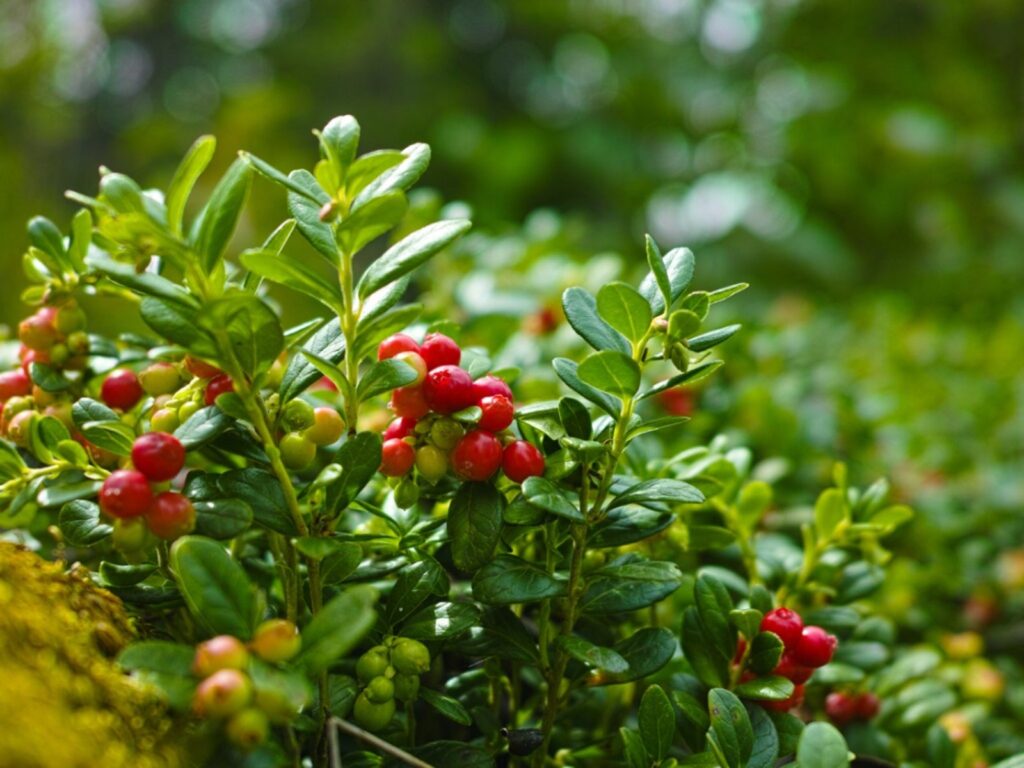
Before diving into planting, it’s essential to understand what makes cranberries unique. Unlike most berries that thrive in neutral or slightly acidic soil, cranberries require highly acidic conditions with a pH between 4.0 and 5.5. They naturally grow in bogs, wetlands, and sandy, peat-rich soils. The plants are low-growing, trailing vines with wiry stems that can spread across the ground, creating a dense mat. They are hardy perennials, which means once established, they can produce berries for many years if properly cared for.
Cranberries also have specific water requirements. In the wild, they flourish in areas where water levels can be managed—flooding in winter helps protect the vines from extreme cold, while shallow water in summer keeps the plants hydrated. Understanding this dual need for moisture and drainage is crucial for successful cultivation at home.
Choosing the Right Location
Selecting the right location is the first and arguably most critical step. Cranberries require full sunlight to grow optimally, so pick a spot in your yard that receives at least six hours of direct sun each day. While they can tolerate partial shade, reduced sunlight will likely result in fewer berries. The soil must be well-draining but capable of retaining moisture. If your natural soil is too alkaline, which is common in many areas, you may need to amend it with peat moss or sulfur to lower the pH to the desired range.
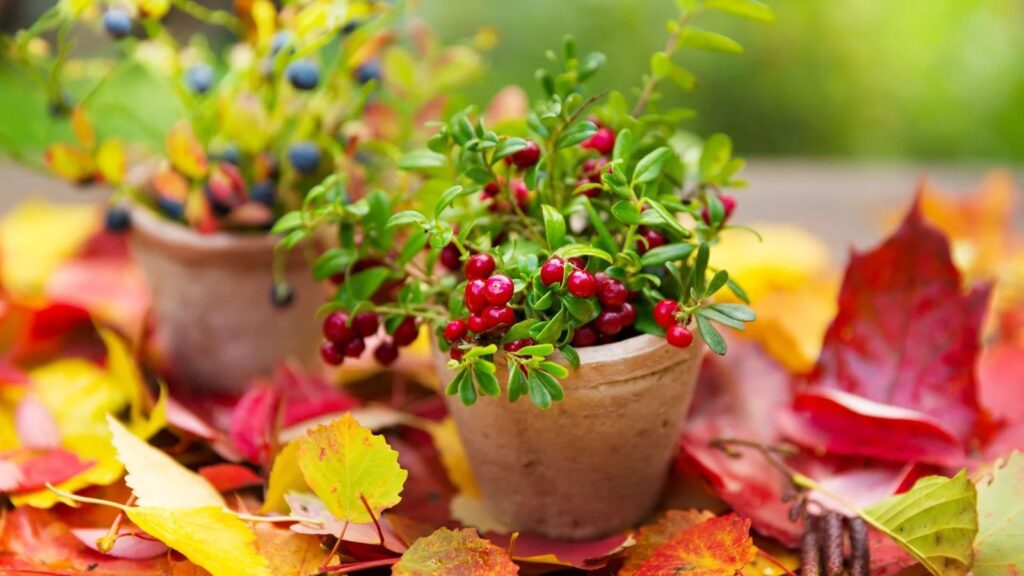
If you don’t have a suitable garden plot, cranberries can also thrive in containers. Raised beds or large planters offer excellent control over soil composition and moisture. The container must be deep enough to accommodate the vine’s roots, typically 12 to 18 inches, and wide enough to allow the plants to spread.
Preparing the Soil
Cranberries are famously finicky about soil, so preparation is key. Start by loosening the soil to improve aeration. Mix in plenty of peat moss, which helps acidify the soil and improve water retention. Some gardeners also incorporate sand to mimic the natural sandy soil found in wild cranberry bogs. Testing the soil’s pH is critical; kits are readily available, and adjusting with sulfur or other acidifying amendments may be necessary.
Once your soil is prepared, create a slightly raised bed. Cranberries prefer a surface that allows water to drain slowly but avoids stagnant puddles. This approach also reduces the risk of root rot, a common problem in poorly drained soils.
Planting Your Cranberries
Cranberries are usually propagated through cuttings or small plants rather than seeds because this method produces faster and more reliable growth. When planting, space the vines about 12 inches apart. Though they are low-growing, cranberries spread outward, and giving them room to expand will ensure a fuller harvest over time.
Plant the vines in late spring or early summer when the soil is warm. Firm the soil gently around the roots to eliminate air pockets, then water thoroughly. Watering is especially critical in the early weeks, as the young vines establish themselves.
Watering and Moisture Management
Watering cranberries is an art as much as a science. The plants need consistent moisture, but too much water can drown the roots. A good rule of thumb is to keep the soil evenly damp but not soggy. In container settings, this may mean daily watering during hot summer days, while in raised beds, less frequent watering may suffice depending on rainfall.
Some advanced home gardeners even replicate traditional bog conditions by creating shallow water channels around the plants. This setup helps maintain humidity and provides a natural barrier against pests while simulating the cranberry’s natural environment. Regardless of method, monitoring soil moisture carefully is crucial for healthy growth.
Fertilization and Nutrient Needs
Cranberries are not heavy feeders, but they do benefit from balanced nutrition. Organic fertilizers rich in nitrogen, such as fish emulsion or seaweed extracts, support leafy growth and flowering. Apply fertilizer sparingly during the growing season to avoid over-stimulating the plants, which can lead to excessive vegetative growth at the expense of fruit production.
It’s also important to understand that cranberries respond well to soil amendments that replicate their native bog conditions. Incorporating a thin layer of sphagnum moss or pine needles around the base can help maintain acidity, suppress weeds, and retain moisture.
Pruning and Maintenance
Unlike shrubs or trees, cranberries don’t require heavy pruning. However, light trimming in late winter or early spring can help control the spread and encourage healthy growth. Remove any dead or diseased vines and thin crowded areas to improve air circulation, which reduces the risk of fungal diseases.
Regular maintenance also includes weeding, though cranberries’ dense growth habit naturally suppresses many invasive plants. Still, keeping an eye on aggressive weeds or grasses will ensure that your vines aren’t competing for nutrients or water.
Protecting Your Cranberries from Pests and Diseases
Cranberries are surprisingly resilient, but they are not immune to pests and diseases. Birds are notorious for snacking on ripe berries, so netting your plants during harvest season may be necessary. Insects such as cranberry fruitworms or tipworms can also damage crops. Regular inspection and the use of organic insecticidal sprays or beneficial insects can help manage these threats.
Fungal diseases, including fruit rot and leaf spot, are another concern, especially in humid climates. Proper spacing, adequate sunlight, and good airflow are your best defenses. In severe cases, targeted fungicidal treatments may be required.
Flowering and Pollination
Cranberries produce small, delicate pink flowers in late spring or early summer. Pollination is essential for fruit production, so encouraging bees and other pollinators is vital. If your area lacks natural pollinators, you may need to hand-pollinate using a small brush or gently shaking the plants. Successful pollination leads to the formation of green berries that gradually ripen to a deep red by late fall.
Harvesting Cranberries
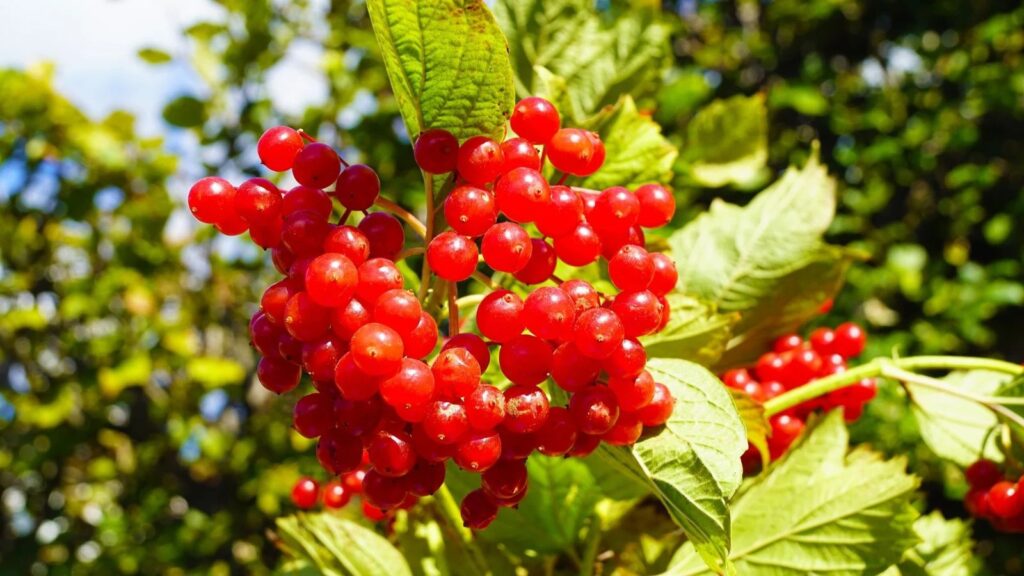
Patience is the key to harvesting cranberries. Unlike some fruits that ripen quickly, cranberries take several months to mature fully. The berries are ready to harvest when they turn a vibrant, firm red. In traditional bogs, growers often flood the fields to float the berries for easier collection. While flooding isn’t practical in most home gardens, gentle shaking or hand-picking works just as well.
Cranberries store exceptionally well, making them ideal for long-term use. Refrigerated, they can last several weeks, while freezing preserves their freshness for months. Homegrown cranberries are perfect for sauces, juices, baking, and even creative desserts.
Overwintering Cranberries
Cranberries are cold-hardy plants, but winter protection can improve their long-term productivity. In colder climates, mulching with straw, pine needles, or sphagnum moss insulates the vines and protects them from extreme frost. For container-grown cranberries, consider moving the plants to a sheltered area or insulating the pots to prevent root damage during freezing temperatures.
The Joy of Growing Your Own Cranberries
Growing cranberries at home is more than just cultivating a fruit; it’s cultivating patience, connection with nature, and a sense of accomplishment. Watching the tiny vines expand, the delicate flowers bloom, and the bright red berries appear is deeply satisfying. Each step—from soil preparation to harvest—is a lesson in balance, care, and attentiveness. Whether you aim to enjoy a few fresh berries with breakfast or envision a full backyard cranberry patch, the experience is rewarding beyond the tangible fruit.
Homegrown cranberries also provide a unique opportunity to experiment with recipes and preserve food in ways store-bought berries cannot match. From homemade sauces to jams, pies, and holiday treats, the taste of berries you nurtured yourself is unmistakable and far richer in flavor.
Final Thoughts
Starting a cranberry patch at home may seem challenging, but the process is incredibly rewarding for those willing to invest time and care. Understanding the plant’s specific soil, water, and sunlight requirements is the foundation of success, while attention to maintenance, pest control, and seasonal care ensures a long-lasting yield. Cranberries are a symbol of resilience, thriving in specialized conditions, and with dedication, your home can become a small slice of that natural world.
Whether you are a beginner gardener seeking a new challenge or an experienced green thumb looking to expand your repertoire, cranberries offer a unique and gratifying gardening experience. By following the steps outlined in this guide, you can cultivate a thriving cranberry patch that delivers vibrant, flavorful berries year after year. The journey may require patience and persistence, but the reward is a bountiful harvest and the joy of growing something truly special with your own hands.