
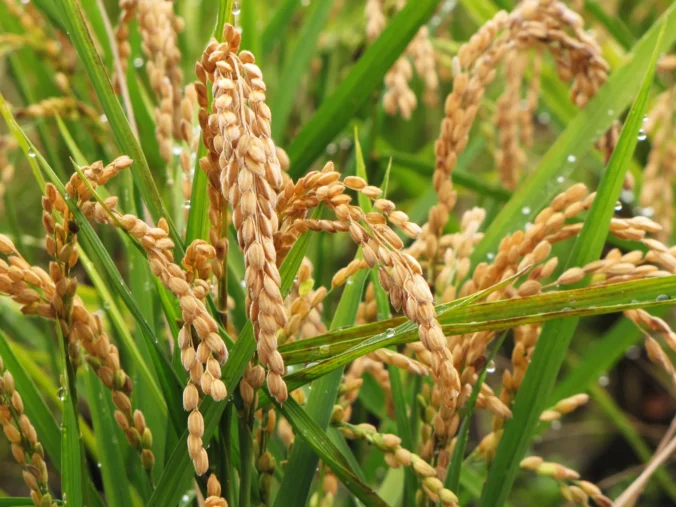
The concept of organic farming dates back centuries, though it became formally recognized as a movement in the early 20th century. Organic agriculture is grounded in the philosophy that farming should work in harmony with nature rather than rely on synthetic chemicals. Its origins can be traced to pioneers like Sir Albert Howard, who in the 1920s emphasized the importance of healthy soil, composting, and natural methods of pest control. Howard’s experiments in India highlighted that soil fertility and plant health are interconnected, setting the stage for a farming revolution that valued sustainability over short-term yield.
The organic movement gained momentum in the post-World War II era, partly as a reaction to the rapid industrialization of agriculture. The Green Revolution introduced synthetic fertilizers, pesticides, and high-yield crop varieties that dramatically increased food production. While this innovation addressed food scarcity, it also sparked concerns over chemical residues, soil degradation, and environmental damage. Organic advocates argued that such methods compromised long-term agricultural sustainability and human health.
In practice, organic farming emphasizes crop rotation, composting, natural pest control, and avoidance of synthetic inputs. This approach aims to preserve biodiversity, maintain healthy ecosystems, and produce food that is considered cleaner and more nutritious. Certification systems began emerging in the mid-20th century, particularly in Europe and the United States, to ensure that organic products met defined standards. Organizations such as IFOAM (International Federation of Organic Agriculture Movements) were created to codify best practices and promote international recognition.
The appeal of organic food is not merely environmental or ethical; it is also cultural. Consumers often associate organic products with health, authenticity, and traditional agricultural wisdom. This perception has helped drive the market for organic produce, which now accounts for billions in global sales annually. The historical roots of organic farming illustrate a broader societal desire to reconcile modern agriculture with natural principles. By tracing this origin, one can see that the debate between organic and modern biotechnologies is as much about values as it is about science.
The Emergence of Genetically Modified Organisms
While organic farming looked backward to traditional methods, genetically modified organisms (GMOs) represent a forward-looking approach to agriculture. GMOs emerged in the late 20th century with the advent of molecular biology and genetic engineering. Scientists discovered that they could manipulate the DNA of plants to express desired traits, such as resistance to pests, tolerance to herbicides, or improved nutritional content. This innovation promised to address many of the challenges that organic farming could not, including crop losses, inconsistent yields, and global food security.
The first commercially successful GMO crop was the Flavr Savr tomato, introduced in the early 1990s, which was engineered for delayed ripening. Soon after, crops like Bt corn and Roundup Ready soybeans became widely adopted. Bt corn incorporated genes from the bacterium Bacillus thuringiensis, producing proteins that repel certain insects naturally, while Roundup Ready crops could survive applications of glyphosate herbicide, simplifying weed control. These breakthroughs revolutionized agriculture by allowing farmers to increase yields while reducing labor and, in some cases, pesticide use.
The rise of GMOs sparked both excitement and controversy. Proponents highlight their potential to combat hunger, reduce chemical inputs, and create crops with enhanced nutritional profiles. Critics, however, question the long-term environmental and health effects of genetically engineered organisms. Concerns about gene transfer, biodiversity loss, and corporate control over seeds fueled public debate, leading to stringent regulatory frameworks in many countries. Despite these controversies, GMO adoption has continued to expand, particularly in major agricultural regions like the United States, Brazil, and Argentina.
The Philosophical Divide: Naturalism vs. Technological Optimism
At the heart of the organic vs. GMO debate lies a profound philosophical divide. Organic farming embodies naturalism, emphasizing ecological balance, long-term sustainability, and minimal human interference. Proponents argue that humans should work with natural systems, not override them, and that the soil, water, and biodiversity are as important as the yield itself. This worldview sees agriculture not merely as production but as stewardship, advocating a precautionary approach to new technologies.
In contrast, GMOs represent technological optimism. This philosophy assumes that human ingenuity, particularly through science and engineering, can solve problems more effectively than natural methods alone. GMO advocates argue that in a world facing climate change, population growth, and resource scarcity, biotechnology is essential for ensuring food security. They assert that ethical stewardship involves using all available tools to increase yields, reduce pesticide reliance, and develop crops capable of thriving under increasingly harsh environmental conditions.
The debate between these philosophies extends beyond the field into politics, culture, and consumer behavior. Organic certification emphasizes transparency, traceability, and strict standards, appealing to consumers who prioritize health, ethics, and environmental sustainability. Meanwhile, GMO technology often intersects with corporate interests, intellectual property rights, and global trade, leading to broader discussions about equity, regulation, and the power of agribusiness.
Scientific Evidence and Health Considerations
A major battleground in the organic vs. GMO debate is science and health implications. Organic food advocates argue that avoiding synthetic pesticides and fertilizers reduces exposure to potentially harmful chemicals, while GMOs provide engineered resistance that can reduce pesticide use but introduce new concerns about long-term consumption. Research on the nutritional differences between organic and conventionally grown crops has produced mixed results. Some studies suggest that organic produce may contain higher levels of certain antioxidants, while others find no significant difference in macro-nutrients like protein, carbohydrates, or vitamins.
Regarding GMOs, decades of research have largely found that currently approved genetically modified crops are safe for human consumption. Regulatory agencies such as the FDA, EFSA, and WHO have repeatedly concluded that GMOs do not pose greater health risks than conventional crops. However, opponents raise concerns about indirect effects, such as the development of herbicide-resistant weeds, unintended allergenicity, and ecosystem impacts, which may eventually influence human health indirectly.
In terms of pesticide exposure, the picture is nuanced. Organic crops generally reduce reliance on synthetic chemicals, but organic pesticides, which are naturally derived, are still used and can be toxic at high doses. On the other hand, GMO crops like Bt corn have been shown to reduce the overall need for chemical insecticides, potentially lowering environmental contamination. The health debate thus intersects with environmental considerations, emphasizing that no farming system exists in isolation; each has trade-offs that affect both human and ecological health.

Environmental and Economic Impacts
Beyond health, the organic vs. GMO debate has significant environmental and economic implications. Organic farming often prioritizes soil conservation, water quality, and biodiversity, but it can also result in lower yields and higher costs. Producing the same quantity of food organically often requires more land, which could indirectly contribute to habitat loss if scaled up to meet global demand. Additionally, organic methods may be less efficient in controlling pests and diseases, leading to occasional crop losses. However, organic agriculture encourages long-term ecological balance, reducing chemical runoff, improving soil structure, and supporting pollinators and other beneficial species.
GMO agriculture, in contrast, aims for maximum efficiency and high yields, often reducing the land needed for cultivation. Traits such as drought tolerance, pest resistance, and herbicide tolerance allow farmers to produce more food with fewer inputs, theoretically reducing the environmental footprint per unit of food. Critics, however, highlight concerns such as monoculture practices, herbicide overuse, and loss of genetic diversity, which can compromise ecosystem resilience. Additionally, the consolidation of seed markets by large corporations has raised economic concerns, including seed costs, farmer dependence, and intellectual property issues.
Both approaches intersect with global food security. Organic farming may be ideal for small-scale, sustainable production or local markets, while GMO technology can help feed millions in regions facing chronic hunger or challenging climates. Economically, organic farming often commands premium prices, appealing to affluent consumers, whereas GMOs are designed for mass production and affordability. The tension between sustainability, yield, and accessibility underlies much of the historical and ongoing debate over how humanity should produce food.
Conclusion
The debate between organic and GMO foods is deeply historical, philosophical, and practical, shaping what we eat and how we farm. Organic farming draws on centuries of knowledge, emphasizing natural processes, ecological stewardship, and consumer trust, while GMOs leverage cutting-edge science and technology to increase yields, reduce chemical use, and address global food challenges. Both approaches offer advantages and face criticisms, particularly regarding health, environmental sustainability, and economic impacts.
Ultimately, the discussion is not about declaring a single winner but understanding the trade-offs and synergies between these two approaches. As global populations grow, climate change intensifies, and food systems become increasingly interconnected, the lessons of history, combined with ongoing research and innovation, will continue to shape agriculture. Consumers, policymakers, and scientists alike must weigh ethical, ecological, and technological considerations to make informed choices.
The historical debate between organic and GMO foods remains vital and unresolved, reflecting society’s evolving relationship with technology, nature, and health. It reminds us that every bite of food carries a story—of tradition and innovation, risk and reward, and the ongoing human endeavor to feed the world responsibly and sustainably.