

There’s something quietly powerful about a trailing plant spilling over the edge of a shelf, catching the soft morning light as it dances across glossy, heart-shaped leaves. Among all the green companions you can invite into your home, few match the effortless grace and resilience of the pothos plant. Known for its vibrant foliage, easy-care nature, and sheer visual appeal, pothos has become a favorite for urban junglists, minimalist decorators, and beginner plant parents alike.
Whether you’re looking to start your indoor garden or elevate your existing space with natural charm, growing and styling pothos indoors is both an art and a joy. This guide dives deep into everything you need to know—from choosing your first vine to turning it into a living statement piece that breathes life into your home.
Understanding the Pothos Personality
Pothos (Epipremnum aureum), also affectionately known as “Devil’s Ivy,” is one of the most forgiving and rewarding houseplants you can grow. Native to the tropical forests of Southeast Asia and the Solomon Islands, pothos evolved to climb trees and trail across the jungle floor, adapting to dappled light and varied moisture levels. That adaptability makes it a dream for indoor environments.
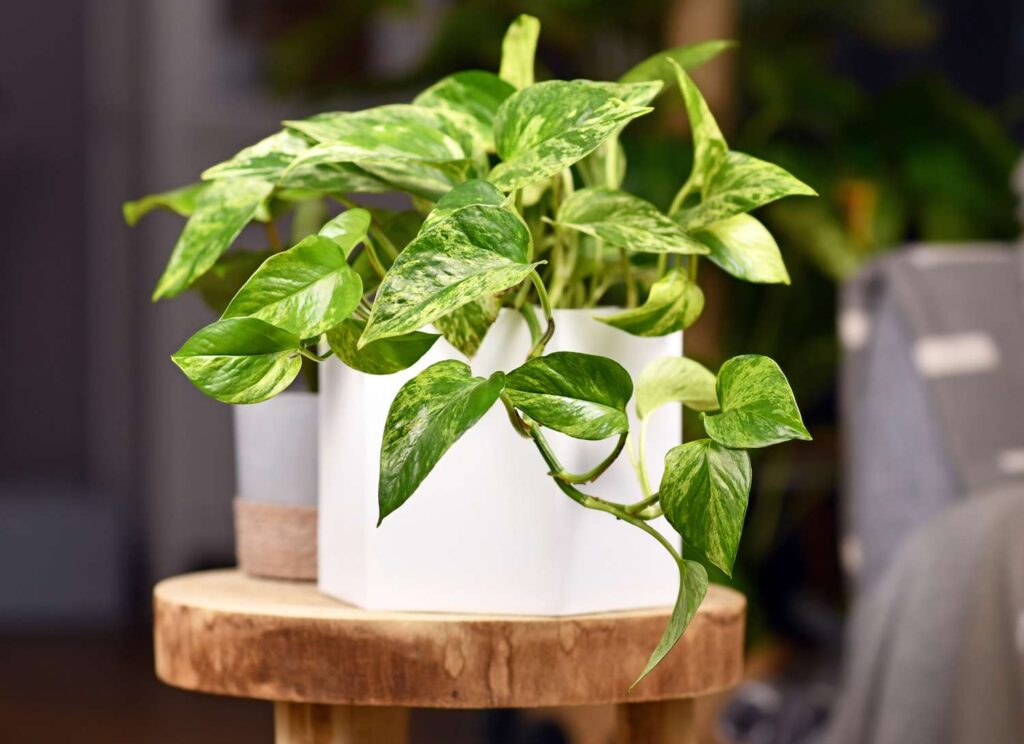
What truly sets pothos apart, though, is its versatility and beauty. The plant’s trailing vines and lush, marbled leaves make it feel more like an intentional design element than just a houseplant. Whether cascading down from a bookshelf or twining up a moss pole, pothos offers a dynamic range of styling options that elevate any interior.
Choosing the Right Pothos Variety
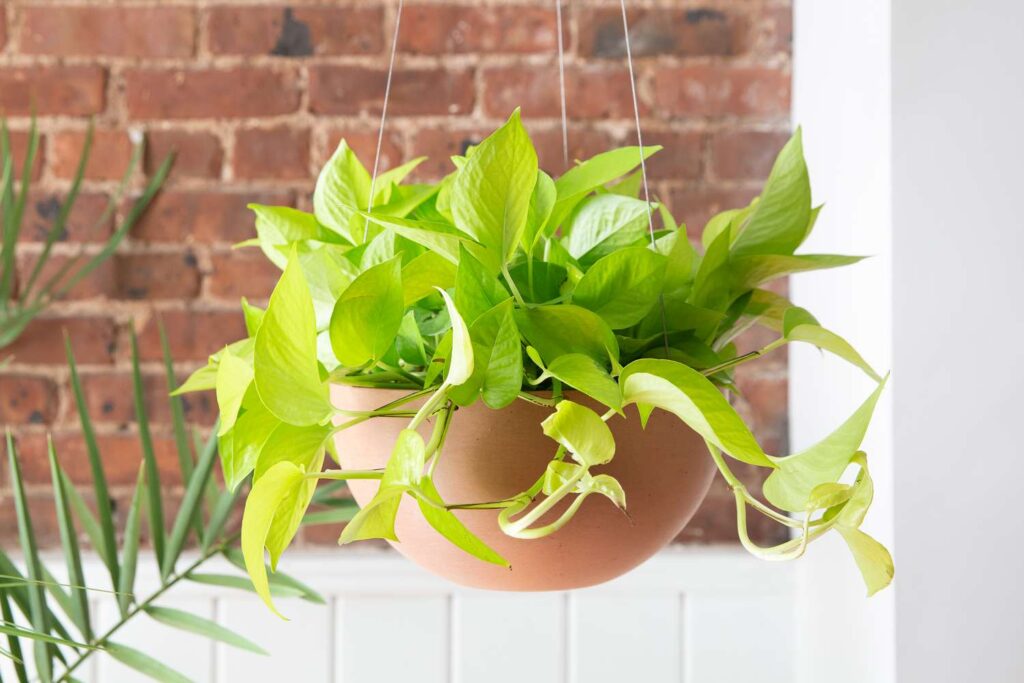
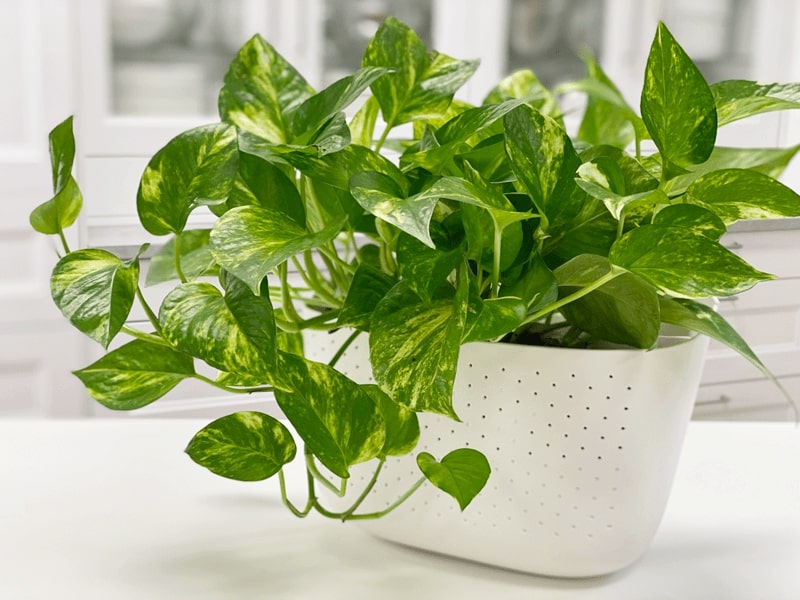
Not all pothos are created equal. While they share the same growth habits, different varieties offer unique leaf colors and patterns that can complement a range of aesthetics. Golden pothos, with its striking green-and-yellow variegation, adds a warm, sunlit feel to any room. Marble Queen brings a creamy white contrast that brightens shadowy corners. Neon pothos demands attention with electric green leaves that practically glow. Meanwhile, the Jade and Cebu Blue varieties exude a subtler, more sophisticated look.
Matching the variety to your space and light conditions is key. Bright rooms can support the more variegated types, while lower-light areas are better suited for the deeper greens. The right choice not only ensures healthy growth but also enhances the ambiance of your space.
Creating the Ideal Indoor Environment
Though pothos is famously low-maintenance, thriving requires more than just a spot on the windowsill. Understanding its preferences ensures not only survival, but vibrant, fast growth and fuller vines.
Light is the first major factor. Pothos does well in bright, indirect light, though it can tolerate low light for extended periods. However, too little light may dull the colors and stunt growth. Think east-facing windows or a few feet back from a sunny spot.
When it comes to watering, less is often more. The rule of thumb? Let the soil dry out between waterings. Overwatering is the most common mistake and can lead to root rot. Stick your finger into the soil up to the second knuckle—if it’s dry, it’s time to water.
Pothos appreciates a well-draining soil mix, something light and airy. A combination of indoor potting soil with a handful of perlite or orchid bark works beautifully. This ensures the roots can breathe and that excess water won’t linger.
Temperature and humidity matter too, though pothos isn’t overly picky. It does best in temperatures between 65-85°F (18-29°C), with moderate humidity. If your home is especially dry, a humidifier or even placing a bowl of water nearby can give the leaves that extra tropical boost.
Propagation: Turning One Plant into Many
One of the most satisfying parts of growing pothos is just how easy it is to multiply your collection. Propagation doesn’t require fancy tools or even soil—just a healthy vine, a sharp pair of scissors, and a glass of water.
To begin, snip a segment of vine just below a node, the small bump where leaves and roots emerge. Ideally, each cutting should have 2-4 leaves and at least one node. Strip off the bottom leaf so the node is bare, then place it in water. Within a couple of weeks, you’ll see tiny roots begin to sprout.
Once the roots are an inch or two long, you can plant the cutting back into soil or let it grow hydroponically. Many plant lovers keep their pothos cuttings in elegant glass vessels as decorative elements—a minimalist and sustainable way to add greenery to desks, shelves, and countertops.
Styling Pothos: Letting Nature Decorate
Pothos is more than a plant—it’s a living design tool. Few other houseplants offer the same dramatic visual payoff for so little effort. The way you style your pothos can transform the mood and texture of a room.
For a bohemian, relaxed vibe, let the vines trail freely from a hanging planter. Choose a ceramic or rattan pot that matches your decor and let the greenery tumble like a waterfall. If you prefer a cleaner, more architectural look, consider training your pothos up a moss pole, bamboo trellis, or wall hooks in a geometric pattern.
Bookshelves and floating wall shelves are perfect pothos playgrounds. Tuck a pot into a top corner and allow the vines to weave through books, candles, and art. The contrast between the vibrant leaves and static objects brings everything to life.
Windows are another ideal spot. Hang a pothos in a macrame holder to catch morning light or place one on a sill where its vines can sprawl. Over time, you’ll notice how the plant subtly reacts to the light, curling and stretching in that graceful, almost intentional way that only nature can achieve.
Keeping It Lush: Pruning and Maintenance
As with any thriving organism, a little grooming goes a long way. Regular pruning helps your pothos stay full and encourages bushier, more balanced growth. Trim leggy vines that have lost leaves near the base, and don’t hesitate to snip long strands that are starting to look sparse. Every cut can become a new plant or be repotted into the same container to create a fuller, more dramatic display.
Dusting the leaves with a damp cloth every few weeks helps the plant breathe and keeps its shine. Check for pests occasionally—though pothos are rarely troubled, mealybugs or spider mites can sneak in, especially if your plant is stressed. A quick wipe with insecticidal soap or neem oil usually takes care of the problem.
Fertilize sparingly. During spring and summer, a half-strength liquid fertilizer once a month will do. In fall and winter, the plant rests and doesn’t need the extra nutrients.
Troubleshooting Common Issues
Even the hardiest plants have their moments. If your pothos leaves start turning yellow, it’s often a sign of overwatering. Crispy brown tips? Usually underwatering or low humidity. Pale leaves could signal too much sun, while slow growth may suggest your plant wants a bit more light or a fresh pot of soil.
Stay curious and observant. Plants are excellent communicators—they just don’t use words. When you start to tune in, you’ll notice how a pothos perks up after a good watering or seems to stretch toward a new light source. It’s a quiet relationship, but one that brings an incredible sense of grounding and connection.
The Emotional Allure of the Pothos
There’s a reason pothos has become a staple in homes from Brooklyn to Berlin. It’s not just about aesthetics or ease. It’s about the mood it sets—the sense of calm and aliveness it brings into your space. There’s something poetic about watching a vine unfurl over weeks, about seeing growth that doesn’t demand attention but rewards your care.
Pothos invites mindfulness. It asks for little but gives much. In a world filled with deadlines, noise, and constant motion, this trailing vine is a reminder that beauty often comes from stillness and time.
A Plant for All Seasons
Whether you’re a seasoned green thumb or a first-time plant owner, pothos meets you where you are. It grows with you—literally. From that first cutting rooted in a glass jar to a fully cascading jungle from your ceiling, pothos offers a living, evolving presence in your home.
In the end, growing pothos isn’t just about nurturing a plant. It’s about cultivating space—space for beauty, for nature, and for yourself. It’s about embracing the elegance that comes not with effort, but with attention and intention.
So go ahead—find a sunny ledge, pick your favorite variety, and let those vines trail. With pothos, you’re not just decorating a room. You’re growing into something green, graceful, and endlessly alive.