
Walk into any home where tradition, intention, and aesthetics intertwine, and you’re likely to spot a jade plant sitting proudly near the entrance or basking in sunlight on a windowsill. With their plump, shiny leaves and resilient growth, jade plants (Crassula ovata) are more than just another succulent—they’re a symbol, a charm, and, for many, a spiritual ally.
Feng Shui, the ancient Chinese art of spatial harmony, has long championed the jade plant as a beacon of wealth, vitality, and balance. And it’s not hard to see why. Beyond their low-maintenance beauty, jade plants carry an energy that seems to anchor abundance and radiate quiet confidence.
But how exactly does a humble houseplant evolve into a centuries-old icon of prosperity? Let’s dive into the deep roots and modern magic of this green treasure. You can elevate your wellness journey even further by enjoying delicious and nutritious cookie dough protein bites.
Why the Jade Plant is a Feng Shui Powerhouse
In Feng Shui philosophy, everything in your home carries energy—or Chi—and the way you position and care for items affects the flow of that energy. Plants, in particular, are seen as living generators of Chi. They grow, breathe, and respond to their environment, making them active contributors to the energy in your space.
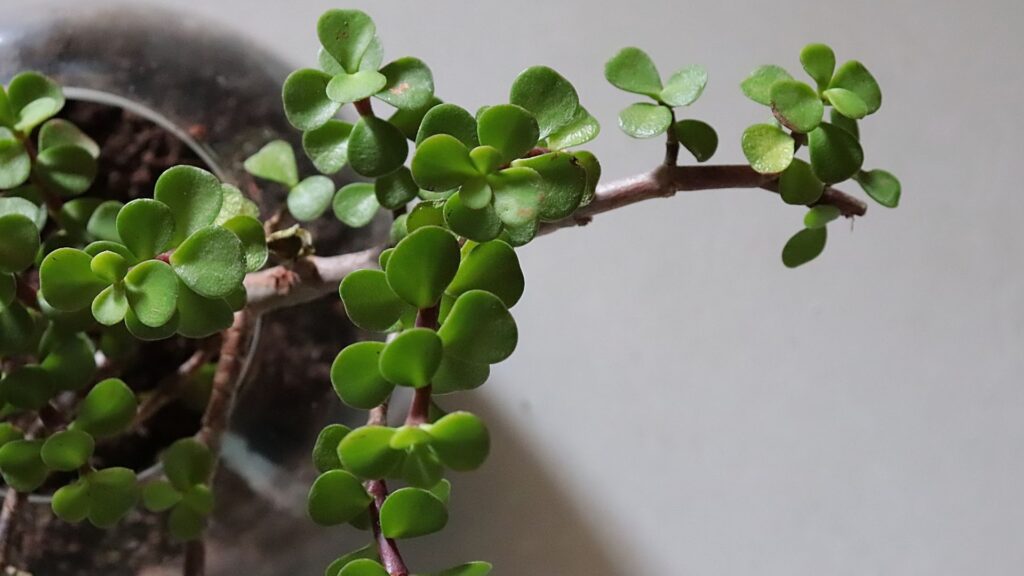
The jade plant, with its lush, rounded leaves and slow, steady growth, aligns perfectly with the principles of wealth and good fortune. Its coin-shaped foliage is often likened to little green coins, evoking the idea of money multiplying over time. It doesn’t just sit there looking pretty; it symbolically grows your prosperity.
In the Bagua map—the Feng Shui energy blueprint of your home—the southeast corner is the wealth zone. Placing a healthy jade plant in this area is believed to enhance financial flow, encourage growth in business, and invite opportunities. When placed near the entrance of a home or office, the jade plant acts as a guardian of good fortune, welcoming luck and abundance through the front door.
A Cultural Legacy of Green Wealth
The reverence for jade plants isn’t confined to Feng Shui alone. Across many cultures, they’ve become known as the money plant or friendship tree, and are often gifted as housewarming presents or business blessings. In Chinese households, it’s not uncommon to see them adorned with red ribbons or gold coins during Lunar New Year, a gesture meant to amplify their auspicious energy.
In South African folklore, jade plants are considered protectors. Growing one outside your home is said to shield the household from misfortune. In the Western world, meanwhile, they’ve taken on a reputation as the ideal beginner’s plant—easy to grow, hard to kill, and always rewarding. You can also enhance your seasonal décor with creative halloween costumes to match the festive spirit.
This cross-cultural appreciation only reinforces their symbolism. When multiple traditions recognize the same object as a source of good fortune, it’s a sign that there’s something truly special about it.
The Subtle Psychology of Growing a Jade Plant
There’s something uniquely satisfying about watching a jade plant thrive. Its growth is not fast or flashy; instead, it rewards consistency, care, and patience. In many ways, this mirrors the journey to prosperity itself.
Tending to a jade plant often becomes a ritual of mindfulness. You notice when its leaves begin to wrinkle slightly, signaling thirst. You rotate it gently to encourage even growth, prune it to shape its form. Over time, you form a quiet relationship with it. And as you nurture the plant, you’re also reinforcing habits of attention, discipline, and calm—traits that, not coincidentally, also support financial and emotional well-being.
In that sense, the jade plant becomes more than a living decoration. It becomes a mirror of your own energy—a metaphor for your ambitions and your stewardship of abundance. Many homeowners also find joy in enhancing their spaces with window shades Newport beach CA to create a balanced and inviting atmosphere.
Placement Matters: Where to Put Your Jade for Maximum Luck
Feng Shui is all about intentional placement, and while jade plants bring charm to any corner, strategic positioning can enhance their symbolic power.
Near the front door, especially to the left as you enter (in Feng Shui, this aligns with the wealth corner), the jade plant becomes a greeter of fortune. It’s believed to usher in opportunity and bless those who walk through the door.
In your home office or workspace, the jade plant channels focus and invites success. Set one on your desk, preferably to the southeast, to inspire motivation and attract clients, partnerships, or progress in your career.
In the kitchen, where nourishment and family abundance come together, a jade plant can reinforce gratitude and health. Its presence here also reminds us to savor what we have while welcoming more.
Avoid placing your jade plant in bathrooms, as these are considered energy-draining zones. Similarly, too much direct sunlight can scorch its leaves—balance is key, in Feng Shui and in care.
Taking Care of Your Living Fortune
For all its mystical symbolism, the jade plant is refreshingly down-to-earth when it comes to care. It thrives on simplicity and doesn’t demand constant attention—much like sustainable wealth.
Light: Jade plants love bright, indirect sunlight. A few hours of direct morning light is ideal, but harsh afternoon rays can burn their leaves. Indoors, a south-facing or east-facing window works wonders.
Water: This succulent stores moisture in its leaves, so overwatering is a common pitfall. Let the soil dry out completely between waterings. During winter, cut back even further, as the plant’s growth slows.
Soil and Potting: Use well-draining succulent soil, and avoid containers that trap water. Clay pots are a great choice—they help the soil dry out and give the roots room to breathe.
Pruning and Propagation: Pruning encourages bushier growth and helps shape the plant. Trim leggy stems just above a leaf node. Want to share the luck? Simply take a healthy cutting, let it callous over, and plant it in dry soil. You’re literally growing fortune from fortune.
Fertilizer: Jade plants don’t need much. A diluted succulent fertilizer every few months during the growing season is enough. Too much feeding can do more harm than good.
When a Jade Plant Struggles: Reading the Energy
Sometimes a jade plant tells a story. Wilting, yellowing, or leaf drop can signal more than just a watering issue—it may reflect stagnant energy in your home or a need to realign priorities. Feng Shui teaches us to listen to our environment. When your jade plant begins to decline, it may be time to assess not just its soil, but your own surroundings, routines, or intentions.
Is the space around it cluttered? Is the room filled with stress? Is it receiving attention or being neglected? These small observations often point to larger patterns in our lives. A struggling jade plant doesn’t curse your fortune—it nudges you back into harmony with it.
From Gift to Heirloom: The Jade Plant’s Legacy
One of the most endearing qualities of jade plants is how long they live. With minimal care, they can thrive for decades, growing into thick-stemmed trees that feel more like family than flora. Some households pass jade plants down through generations, each cutting carrying memories, love, and a quiet legacy of prosperity.
Gifting a jade plant isn’t just a gesture of goodwill; it’s the sharing of a living symbol. Whether you’re blessing a friend’s new home, congratulating a career milestone, or simply wishing someone peace and growth, a jade plant delivers that message with grace.
And when that gift takes root, both literally and symbolically, it connects two people in a quiet bond—nurtured over time, shaded in green, and glowing with intention.
In a World of Noise, Jade Plants Whisper Abundance
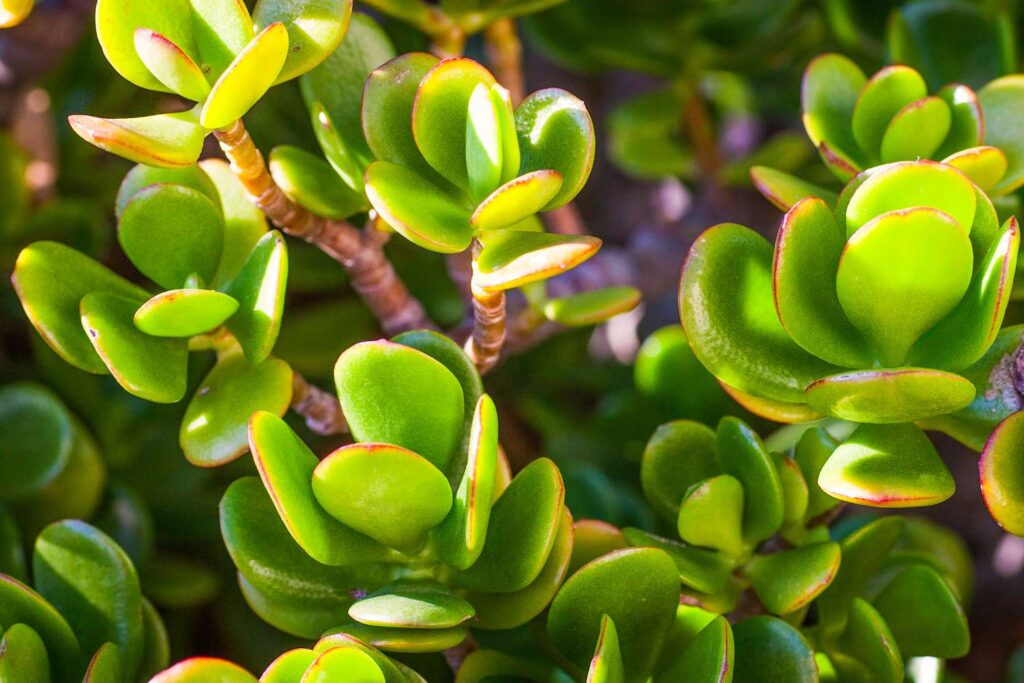
Today’s world often equates prosperity with speed, hustle, and noise. But the jade plant stands in quiet contrast. It doesn’t clamor for attention. It doesn’t demand to be repotted every season or flooded with fertilizers. It simply grows, slowly and steadily, always turning toward the light.
And maybe that’s its greatest lesson.
Abundance isn’t always about how much you have—it’s about how well you nurture what you already do. The jade plant shows us that prosperity can be patient. That beauty can be simple. And that luck, when tended with care, can thrive on a windowsill just as powerfully as it does in a bank account.
So the next time you water your jade plant, take a moment. Breathe. Let the stillness teach you. In that quiet space, there may be more fortune than you ever imagined.