Category: Posts (Page 6 of 47)

The Myth of Zero Chemicals: What “Organic” Really Means in Pesticide Use

The word “organic” has become a powerful label in the food industry, conjuring images of natural, pure, and chemical-free produce. Many consumers believe that organic farming means absolutely no chemicals are used — no pesticides, no herbicides, no synthetic additives. This perception has fueled a growing market for organic products, driven by the desire for healthier food options and environmental sustainability. However, the reality behind organic farming and pesticide use is more nuanced than most people realize.

Organic agriculture does not mean zero chemical use. Instead, it involves the use of certain types of chemicals—often derived from natural sources—while strictly regulating or prohibiting synthetic substances. Understanding this distinction is critical to making informed decisions about food, agriculture, and the environment. It also challenges the simplistic narrative that conventional farming is “chemical-heavy” and organic farming is “chemical-free.”

This article explores the complexities of pesticide use in organic farming, dispels common myths, and highlights what “organic” truly means when it comes to chemicals and pest management. By looking beyond marketing labels, consumers can better appreciate the trade-offs and realities of agricultural practices.

The Origin of the Organic Movement and Its Philosophy on Chemicals

The organic farming movement began as a reaction to industrial agriculture, which started to dominate in the mid-20th century with its reliance on synthetic fertilizers, herbicides, and pesticides. Early organic advocates emphasized working with nature rather than against it, promoting soil health, biodiversity, and natural pest control methods. The movement sought to avoid the harmful environmental and health effects associated with synthetic chemical overuse.

One of the core tenets of organic agriculture is minimizing synthetic chemical inputs. But this does not mean a complete ban on all substances classified as chemicals. After all, everything in the natural world is made up of chemicals, including water, soil, and plants themselves. What organic standards aim to restrict are synthetic chemicals that are non-biodegradable, persistent, or toxic to humans and wildlife.

Over time, organic certification bodies such as the USDA Organic program and the European Union organic label established lists of approved substances. These lists include certain natural pesticides derived from plants, minerals, or microorganisms that have been deemed relatively safe and environmentally compatible. Examples include neem oil, pyrethrin (extracted from chrysanthemum flowers), and copper sulfate.

While these natural pesticides are allowed, organic farming prioritizes cultural, mechanical, and biological pest control methods. Crop rotation, cover cropping, beneficial insect release, manual weeding, and maintaining healthy soil are all techniques designed to reduce pest pressure without relying heavily on chemicals. When pesticides are used, organic farmers are encouraged to use the least toxic options and apply them in a targeted, responsible manner.

This philosophy reflects a broader approach to farming that balances productivity with ecological stewardship. The organic movement’s rejection of synthetic chemicals does not translate to a zero-chemical policy, but rather to a selective and cautious use of inputs that align with natural processes.

What Counts as a “Chemical” in Organic Farming?

A fundamental source of confusion around organic farming is the definition of “chemical.” In scientific terms, a chemical is any substance composed of matter—essentially everything around us is chemical. However, in everyday language, “chemicals” often implies synthetic or man-made substances that are harmful or artificial.

Organic standards focus on limiting synthetic chemicals, not all chemicals outright. This means many substances labeled “natural chemicals” are permitted in organic agriculture. These include compounds extracted directly from plants, animals, or minerals that serve pest control or soil fertility purposes.

For instance, pyrethrin, a common organic pesticide, is a natural insecticide extracted from chrysanthemum flowers. While considered safer than many synthetic insecticides, it is still a chemical compound with active biological effects on insects. Similarly, rotational copper sulfate applications help control fungal diseases in organic vineyards but involve a heavy metal that can accumulate in the soil if misused.

Moreover, substances like sulfur, lime, and insecticidal soaps are widely approved in organic farming. These substances are chemicals in the truest sense but are accepted because they have a natural origin and a relatively favorable environmental profile.

On the flip side, many synthetic chemicals such as glyphosate (Roundup), chlorpyrifos, and neonicotinoids are strictly prohibited in organic farming due to their toxicity, persistence, or negative effects on non-target organisms including pollinators and humans.

This distinction underscores the reality that organic farming uses some chemicals but carefully controls their source, toxicity, and environmental impact. The term “chemical-free” is a myth; instead, it’s about using “natural or approved chemicals” responsibly.

Comparing Pesticide Use in Organic vs. Conventional Farming

When discussing pesticide use, it is essential to compare organic farming with conventional agriculture accurately. Both systems use chemicals to protect crops from pests and diseases, but the types and quantities vary widely.

Conventional farming primarily relies on synthetic pesticides and herbicides that are designed for high efficacy and broad-spectrum activity. These include systemic insecticides, fungicides, and herbicides engineered to last longer in the environment and target specific pests aggressively. While this often results in higher yields and less visible crop damage, concerns have risen about environmental contamination, pest resistance, and impacts on human health. To better understand these broader health concerns, many communities also look at how prolonged exposure to agricultural chemicals may influence long-term wellness trends observed by professionals in cosmetic dentistry in Salt Lake City.

Organic farming, in contrast, uses natural or non-synthetic pesticides that are generally less persistent but may require more frequent application or higher quantities to achieve the same effect. Because natural pesticides often degrade quickly in the environment, organic growers may need to reapply treatments more often. For example, spinosad, a natural pesticide derived from soil bacteria, targets certain pests but breaks down rapidly in sunlight, limiting its residual protection.
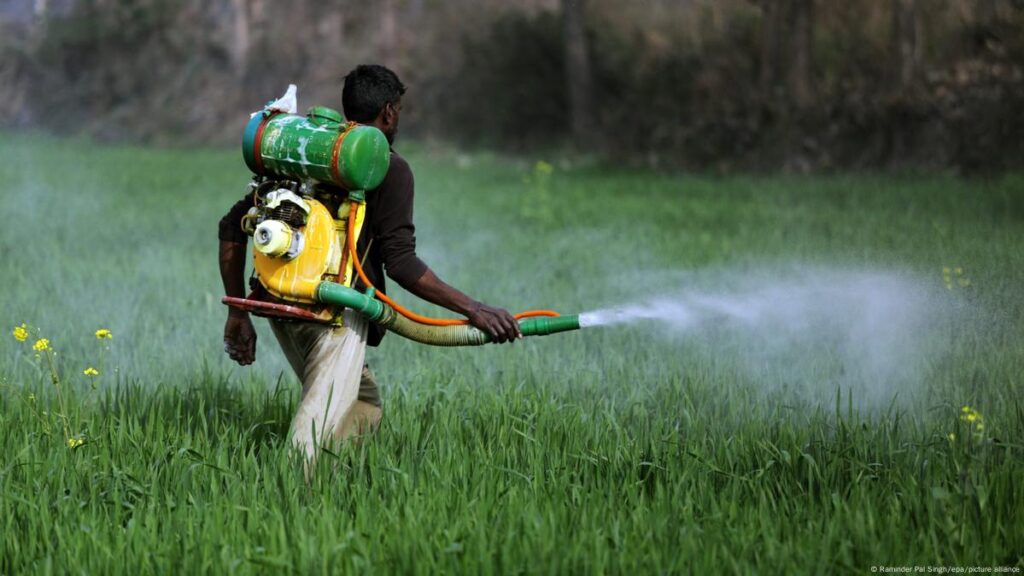
Studies comparing pesticide residues on organic and conventional produce consistently find that organic fruits and vegetables have lower pesticide residues overall, which is reassuring for consumers. However, this does not mean organic crops are pesticide-free. Residues of approved organic pesticides like pyrethrin, spinosad, or copper compounds may be detected, though usually at lower levels than synthetic pesticide residues. These considerations highlight why some consumers seek facilities that track how environmental exposures influence long-term health patterns, including resources offered by the Chattanooga Sleep Center for a more comprehensive understanding.

In terms of environmental impact, organic pesticides tend to be less toxic to beneficial insects, soil microorganisms, and aquatic life. However, the cumulative effects of some natural pesticides, like copper, raise concerns about soil health in long-term organic farming systems. This points to the importance of integrated pest management and careful stewardship in both organic and conventional systems.

Ultimately, neither system is entirely without pesticide use, but the types of chemicals, their persistence, and ecological effects differ markedly. Consumers should understand that organic means more natural and regulated pesticide use, not pesticide elimination.

Why the “Zero Chemicals” Myth Persists and Its Impact

The myth that organic farming involves zero chemical use has become deeply entrenched, partly due to marketing and partly because of the understandable desire for cleaner, safer food. “Organic” has been positioned as a healthful, chemical-free alternative to conventional food, feeding into concerns about pesticide exposure and environmental degradation. Maintaining routine checkups is essential for overall health, making visits to a trusted dental office in San Jose a practical part of a balanced wellness routine.

This oversimplified narrative appeals emotionally to consumers but can also lead to confusion and unrealistic expectations. Some people may assume organic farming means no pesticides, no environmental impact, and no risk—none of which is entirely true. This misunderstanding can cause disillusionment when people learn that organic produce sometimes contains pesticide residues or when organic farmers must spray approved natural pesticides.

Moreover, the “zero chemicals” myth can undermine trust in both organic and conventional farming systems. It creates a false dichotomy where conventional farming is demonized as toxic and harmful, while organic farming is idealized as perfect and harmless. This black-and-white view ignores the complexities and challenges all farmers face in protecting crops sustainably.

On a practical level, this myth sometimes fuels polarization around agricultural practices, hindering productive conversations about how to reduce pesticide use overall, improve soil health, and protect ecosystems. It also overshadows advances in integrated pest management, agroecology, and precision agriculture that seek to combine the best practices of both systems. For individuals who experience anxiety or discomfort during dental visits, seeking care that integrates relaxation techniques can be highly beneficial, such as consulting a sleep dentistry in Las Vegas practice.

The key takeaway is that organic farming is not about chemical elimination but about choosing safer, natural alternatives and managing ecosystems thoughtfully. Consumers deserve transparent information so they can make informed choices that align with their values, whether it’s minimizing pesticide exposure, supporting local farms, or reducing environmental impact.

Moving Beyond Myths: How Consumers Can Make Informed Choices

Understanding the realities behind organic pesticide use empowers consumers to shop smarter and advocate for better food systems. While organic certification guarantees certain standards around pesticide types and farming practices, it does not guarantee a chemical-free product. Instead, organic assures consumers that synthetic chemicals banned from conventional farming were not used, and only approved natural substances were applied under strict regulations.

Consumers concerned about pesticide residues can look for labels such as USDA Organic, EU Organic, or other credible certifications that verify compliance with organic standards. Additionally, washing fruits and vegetables thoroughly can reduce residues, though it cannot eliminate systemic pesticides absorbed into plant tissues.
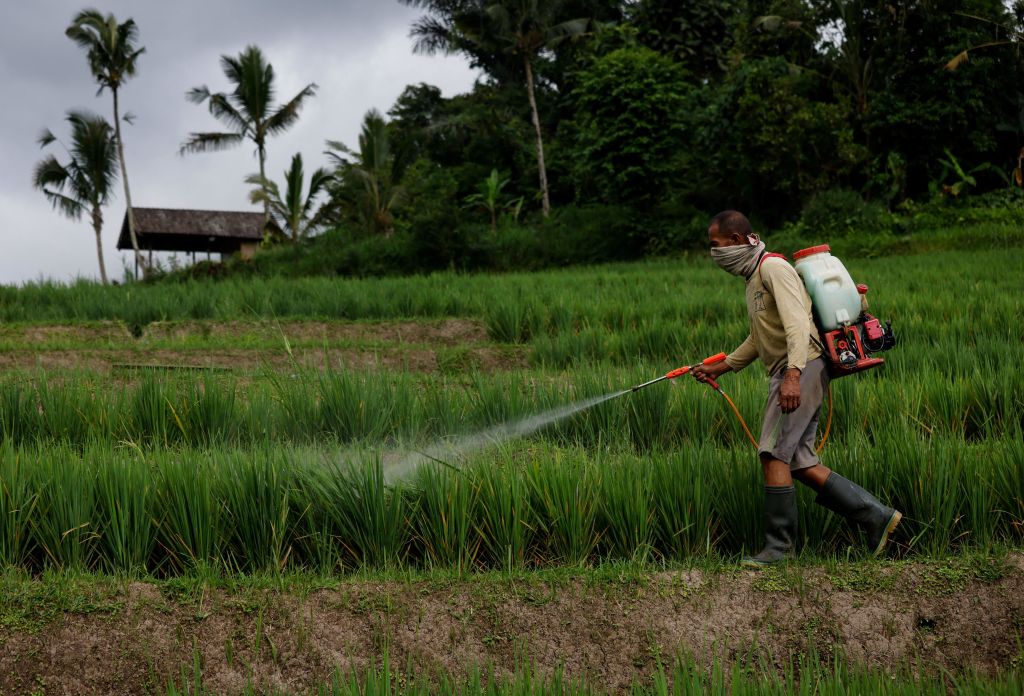
For those wanting to minimize chemical exposure further, buying from local farmers who practice integrated pest management or regenerative agriculture may offer added reassurance. These farmers often use a combination of organic and non-organic methods focused on sustainability and minimal chemical use. Enhancing a home’s ambiance while maintaining a sense of timeless style can be achieved through carefully chosen fixtures, including classic wrought iron chandeliers.

Education is also crucial. By learning about the benefits and limitations of both organic and conventional systems, consumers can support policies that promote safe, effective pest management while protecting the environment. Supporting research into non-chemical pest controls, improving soil health, and enhancing biodiversity are vital steps to a more sustainable agricultural future.

Ultimately, the myth of zero chemicals in organic farming obscures the reality that all farming involves managing pests and plant health with inputs—some natural, some synthetic. The best approach is transparency, education, and informed consumer choices rather than idealized assumptions.

The Global Divide: How Organic Standards Differ in Europe, the U.S., and Asia

In today’s increasingly health-conscious world, organic food has gained massive popularity across the globe. Consumers are more aware than ever about what they eat, how it is produced, and the impact of agricultural practices on the environment. However, the definition of what constitutes “organic” food is far from universal. In fact, organic standards vary widely between regions, shaped by cultural values, governmental policies, agricultural history, and trade agreements.

The three major markets—Europe, the United States, and Asia—each maintain distinct organic certification systems and regulatory frameworks that reflect their priorities and challenges. These differences not only influence farmers and producers but also impact global trade, consumer trust, and the development of sustainable agriculture worldwide. Understanding these divides helps to clarify what organic means in different contexts and why consumers may encounter varying standards in the global marketplace.

Europe’s Rigorous and Holistic Approach to Organic Standards

Europe is often viewed as the gold standard in organic agriculture, with a well-established and comprehensive regulatory framework that emphasizes environmental sustainability, animal welfare, and ecosystem preservation. The European Union (EU) Organic Regulation, which governs all member states, was most recently updated in 2018 and came into effect in 2021, creating some of the strictest and most unified organic rules worldwide.

A key feature of the European organic system is its holistic approach to farming practices. It requires not only the prohibition of synthetic pesticides and fertilizers but also mandates crop rotation, soil fertility management, and biodiversity preservation. Farmers must demonstrate that their entire production system fosters natural processes and cycles, promoting long-term soil health. This goes beyond merely avoiding chemicals—it encourages regenerative agricultural methods.

In Europe, the use of genetically modified organisms (GMOs) is strictly forbidden in any organic product, including feed and processing aids. Moreover, the list of allowed inputs, such as fertilizers and pest control substances, is very limited and closely monitored. This ensures that organic production truly maintains ecological balance without resorting to synthetic interventions.

Animal welfare standards in Europe are also among the highest globally. Organic livestock must have access to the outdoors, be fed organic feed, and be raised without routine antibiotics or growth hormones. The EU standards emphasize natural behaviors and living conditions, reflecting a broader philosophy of respect for the animal and the environment.

European organic certification extends to imports as well, requiring foreign producers to comply with EU standards or have equivalent certification recognized through bilateral agreements. This creates a unified market with high-quality assurance but also poses challenges for exporters from countries with less stringent regulations.

The U.S. Organic Standards: A Balance of Regulation and Market-Driven Growth

The United States’ organic certification system, governed by the USDA National Organic Program (NOP), shares many similarities with the European model but differs in key areas that reflect the country’s regulatory philosophy and agricultural landscape. Established in 2000, the USDA organic standards have been instrumental in driving the growth of the organic market in the U.S., now one of the largest organic consumer bases globally.

The USDA standards prohibit synthetic fertilizers, pesticides, GMOs, irradiation, and sewage sludge in organic production. However, the U.S. system is sometimes seen as less restrictive or prescriptive than Europe’s in certain respects, particularly regarding the use of approved substances and the flexibility given to producers. For example, the USDA allows some synthetic substances on its National List of Allowed and Prohibited Substances if they are deemed essential and have no harmful alternatives, which occasionally sparks debate within the organic community. Enjoying an extra strength chocolate cones edibles variety pack can add a fun, indulgent moment while learning about food standards.

One significant difference is in the animal welfare criteria. While the USDA organic standards require organic feed and prohibit antibiotics and hormones, they do not have explicit requirements for outdoor access or specify detailed welfare practices. This has led some critics to argue that the U.S. organic label focuses more on inputs and less on animal welfare outcomes compared to European standards. Reflecting carefully on why is my MCAT score not improving can be similar to analyzing gaps in standards versus outcomes in organic farming.

The U.S. organic certification process is managed by accredited third-party certifiers who conduct inspections and verify compliance. However, the decentralized nature of certification can sometimes result in variations in enforcement and interpretation. The USDA has sought to standardize procedures and increase oversight, but critics note that inconsistent application remains a concern.

The U.S. also maintains organic equivalency agreements with several countries, including Canada, the EU, Japan, and others. These agreements simplify trade by recognizing each other’s organic standards as equivalent, though the U.S. maintains its own regulatory system and continues to evolve its rules in response to industry needs and consumer demands.

Asia’s Diverse and Developing Organic Certification Landscape

Asia presents a vastly different picture when it comes to organic standards, characterized by a high degree of diversity and varying levels of regulatory development across countries. Unlike the EU or U.S., which have centralized national programs, many Asian nations have nascent or fragmented organic certification systems that reflect local agricultural practices, market demands, and government priorities.

Japan and South Korea have some of the most developed organic frameworks in Asia. Japan’s JAS (Japanese Agricultural Standard) organic certification, for example, closely mirrors the EU and USDA systems, banning synthetic chemicals and GMOs and requiring strict inspection and certification. JAS certification is mandatory for products to be labeled as organic in Japan, and its logo is well recognized domestically and internationally. South Korea has similarly established organic standards aligned with global practices and promotes domestic organic production through government support.

In contrast, many Southeast Asian countries are still in the early stages of developing comprehensive organic standards. Countries like Thailand, Indonesia, and Vietnam have a mix of government-backed certification programs, private labels, and international certifications such as EU organic or USDA organic used by exporters. This patchwork approach can create confusion and inconsistency, particularly for consumers and smaller farmers.

China represents a unique case in Asia. It is one of the largest producers of organic products globally but has faced challenges related to trust and enforcement. The Chinese organic certification system is government-regulated through the CNCA (Certification and Accreditation Administration) and the China Organic Product Certification, but issues like fraud and inadequate inspection have historically plagued the industry. Efforts to improve standards and increase transparency are ongoing, partly driven by export demands and domestic consumer awareness.

Another important factor in Asia is the prevalence of traditional and indigenous farming methods that align with organic principles but may not meet formal certification criteria. Smallholder farmers often rely on natural inputs, crop diversity, and low chemical use but lack the resources or knowledge to obtain certification. This gap highlights the tension between formal certification systems and grassroots sustainable agriculture.

Implications of Divergent Organic Standards for Global Trade and Consumers

The differences in organic standards between Europe, the U.S., and Asia have profound implications for the global organic food market. For producers, navigating the complex web of certification requirements is a major challenge. Exporters must often obtain multiple certifications to access different markets, each with its own inspection regime, allowed substances, and labeling rules. This adds significant cost and complexity, which can be prohibitive for small-scale farmers and producers in developing countries.

Consumers are also affected by these disparities. The meaning of “organic” on a label can vary significantly depending on the country of origin and the certification system. European consumers generally expect a high bar for environmental stewardship and animal welfare, while U.S. consumers may encounter a broader spectrum of organic products with varying levels of certification stringency. In Asia, the variability can be even greater, and consumer education about what organic means is still evolving.

This divergence also complicates efforts to promote sustainable agriculture globally. While all organic systems share core principles—avoiding synthetic chemicals, promoting biodiversity, and fostering soil health—the degree of enforcement and the specific requirements differ widely. This makes it difficult to establish a truly unified organic movement or standard that transcends borders.

In the meantime, transparency and traceability are becoming essential tools. Technologies like blockchain and improved labeling initiatives can help consumers verify product origins and certification credentials. Educating consumers about regional differences and encouraging critical evaluation of organic claims will empower better purchasing decisions.

Conclusion: Navigating a Complex Global Organic Landscape

The global divide in organic standards is a reflection of differing historical, cultural, and economic contexts across Europe, the United States, and Asia. While the core ideals of organic agriculture—environmental protection, chemical avoidance, and sustainability—are shared, the specific rules and enforcement mechanisms vary substantially.

Europe leads with its comprehensive, stringent, and holistic regulatory framework, prioritizing environmental integrity and animal welfare. The United States offers a robust but somewhat more flexible system focused on input restrictions and market-driven growth. Asia’s organic standards are highly diverse, ranging from advanced national programs in countries like Japan and South Korea to emerging systems and mixed certification landscapes in many others.

These differences shape the global organic market in profound ways, influencing trade flows, consumer perceptions, and farming practices. For consumers seeking organic products, awareness of these regional distinctions is crucial to understanding what they are buying and the standards behind those claims.

Looking forward, increased dialogue and collaboration among international regulatory bodies, producers, and consumers will be essential to harmonize standards, improve transparency, and support the sustainable development of organic agriculture worldwide. As the organic movement continues to grow, bridging the divide between regions will strengthen consumer trust and encourage farming practices that benefit people and the planet.

The Ultimate Guide to Bird’s Nest Fern Care: Bringing Lush Greenery Into Your Home

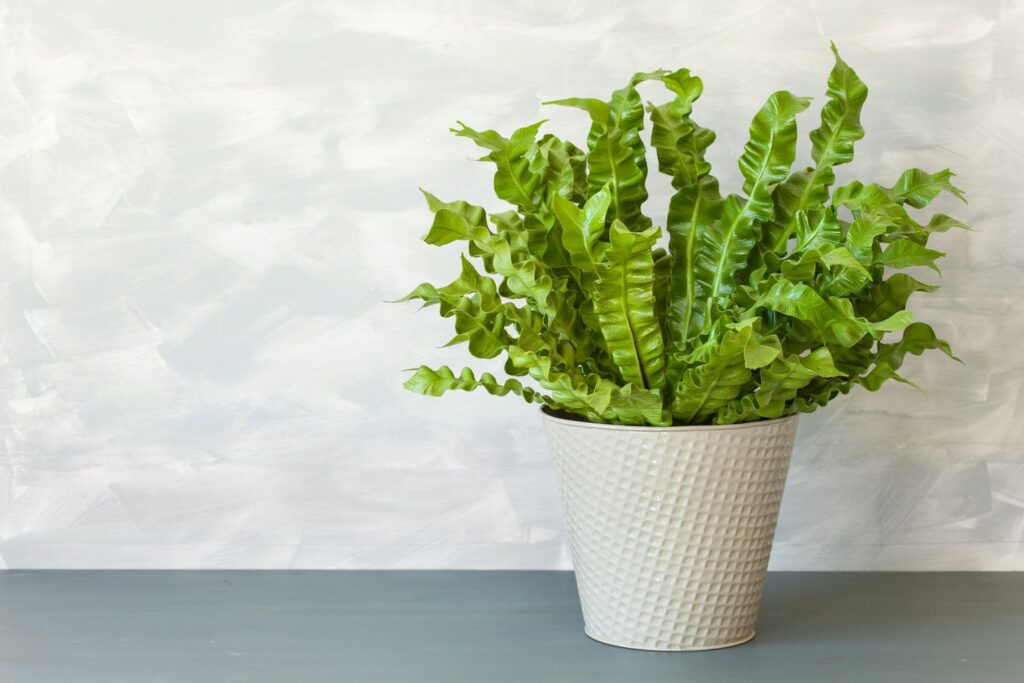
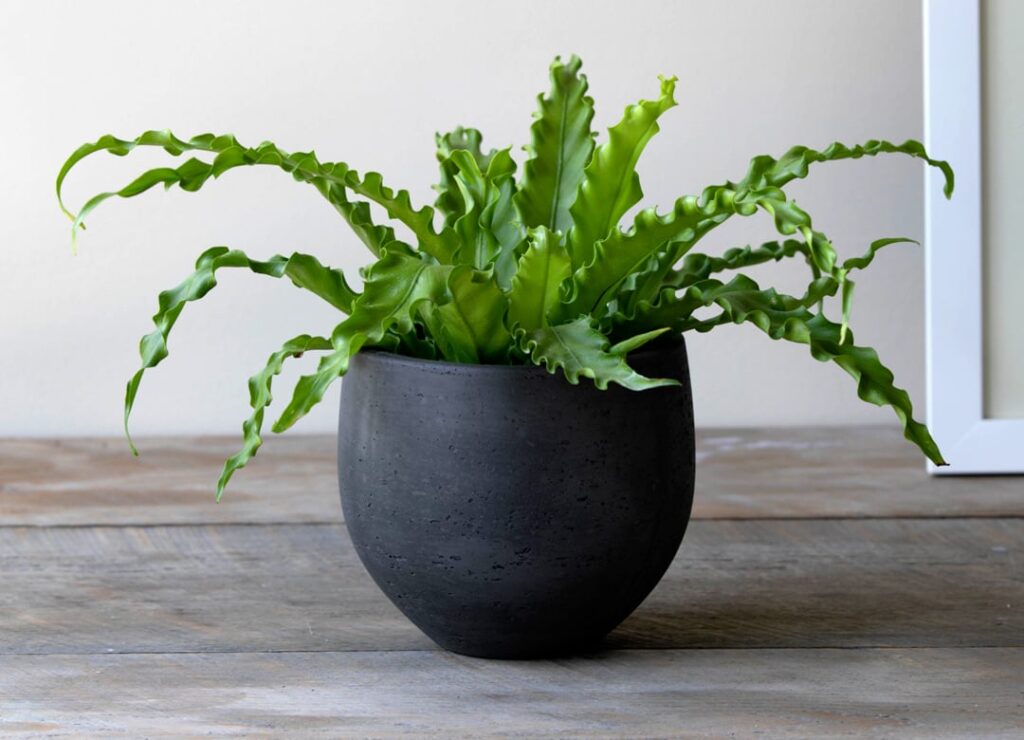
There’s something undeniably captivating about the Bird’s Nest Fern. With its lush, wavy fronds unfurling from a central rosette, this tropical beauty brings a sense of calm and vibrant life into any home. Unlike many other ferns, the Bird’s Nest Fern (Asplenium nidus) stands out for its architectural form, almost like a natural sculpture with deep green, glossy leaves that arch gracefully outward. It’s a plant that not only beautifies your space but also offers a breath of fresh air, literally, by improving indoor air quality. If you’ve been searching for a houseplant that combines ease of care with a striking aesthetic, the Bird’s Nest Fern deserves a place on your shelf, table, or hanging basket.

Bringing a Bird’s Nest Fern into your home means inviting a piece of the rainforest inside. However, to truly enjoy its tropical charm, you need to understand its unique care requirements. This plant thrives under specific conditions, and knowing how to replicate its natural habitat is key to keeping it healthy and vibrant. From lighting and watering to humidity and soil, every factor plays a role in helping this fern flourish. This guide is here to walk you through everything you need to know to master Bird’s Nest Fern care and transform your home into a lush, green sanctuary.

Understanding the Bird’s Nest Fern

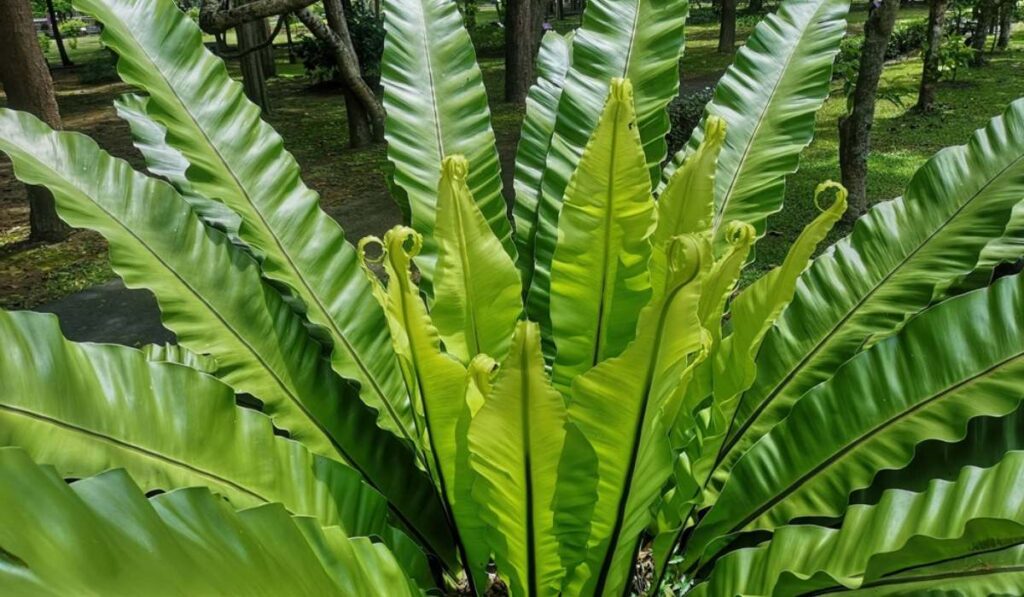
Before diving into care tips, it’s helpful to appreciate where the Bird’s Nest Fern comes from and what makes it special. Native to the tropical forests of Southeast Asia, Australia, and some Pacific islands, this fern thrives in warm, humid environments under the canopy of taller trees. Unlike many ferns that have feathery leaves, the Bird’s Nest Fern boasts broad, simple fronds that radiate outwards in a circular fashion, resembling a bird’s nest—hence its name. The fronds’ bright green hue and glossy texture make it stand out in the world of indoor plants.

The fern is an epiphyte in the wild, meaning it often grows on other plants or trees, not rooted in soil like typical garden plants. This natural tendency influences its care needs indoors, particularly in regard to watering and soil composition.

Lighting Requirements: Finding the Perfect Spot

One of the first challenges new Bird’s Nest Fern owners face is finding the right light for their plant. Too much direct sunlight can scorch the leaves, causing brown patches and dulling their vibrant green color. However, too little light will stunt its growth and may lead to yellowing fronds.

The ideal lighting condition is bright, indirect light. Placing your fern near a north or east-facing window is usually best, where it receives filtered sunlight throughout the day without harsh rays. If your home doesn’t have ideal natural light, Bird’s Nest Ferns can tolerate lower light conditions, but growth will slow down. In those cases, supplemental fluorescent or LED grow lights can help keep your plant healthy, especially during darker winter months.

The key is balance—too little light and your fern will struggle; too much direct light and its delicate fronds will suffer.

Watering: Mimicking Rainforest Moisture

Watering a Bird’s Nest Fern isn’t simply about soaking the soil regularly; it’s about replicating the fern’s rainforest environment where moisture is plentiful but roots aren’t waterlogged. Overwatering is a common mistake, often leading to root rot and other fungal problems.

When watering, it’s important to keep the soil consistently moist but not soggy. The best method is to water thoroughly until you see water draining out of the pot’s bottom, then allow the top inch of soil to dry slightly before watering again. This watering rhythm keeps the roots happy and prevents stagnation.

Avoid watering directly into the center rosette or “nest” of the plant because trapped water can cause crown rot—a potentially fatal condition for the fern. Instead, water the soil around the base gently.

Bird’s Nest Ferns also thrive in humid conditions, so misting the leaves regularly or placing the plant on a humidity tray with water and pebbles can boost moisture levels in drier indoor environments. If your home uses central heating or air conditioning, which tends to dry out the air, consider using a humidifier nearby.

Soil and Potting: What Makes the Best Home for Your Fern

Choosing the right soil and pot can dramatically affect your Bird’s Nest Fern’s health. Since this fern is accustomed to loose, well-draining organic matter in the wild, it doesn’t do well in heavy or compacted soils. Theracycle encourages similar balance and care—creating environments where growth and vitality can truly thrive.

A rich, well-aerated potting mix designed for tropical plants or epiphytes is ideal. You can also create your own blend by combining standard potting soil with components like peat moss, perlite, and orchid bark. This combination ensures good drainage while retaining enough moisture.

The pot should have drainage holes to allow excess water to escape, preventing root rot. A terra cotta pot is often recommended because it allows air to circulate through its porous walls, helping the soil dry out at a healthy pace.

Repotting your Bird’s Nest Fern every two to three years refreshes the soil and provides room for new growth. Spring or early summer is the best time to do this, when the plant is actively growing. For those who enjoy nurturing nature indoors, visiting an organic restaurant in Chicago can offer a similar sense of renewal and connection to the earth.

Feeding Your Bird’s Nest Fern

While Bird’s Nest Ferns are not heavy feeders, occasional fertilizing encourages lush, vibrant growth. During the growing season—spring through summer—use a balanced liquid fertilizer diluted to half strength once a month.

Avoid fertilizing in fall and winter when the plant’s growth naturally slows. Too much fertilizer can burn the roots or cause excess salt buildup in the soil.

Natural alternatives like compost teas or organic liquid feeds also work well and support healthy microbial life in the soil.

Temperature and Humidity: Recreating the Tropics Indoors

Temperature preferences for Bird’s Nest Ferns mirror their tropical origins. They enjoy warm conditions between 65°F and 80°F (18°C to 27°C). Temperatures dipping below 55°F (13°C) can cause stress, slowing growth and potentially damaging the plant. Just like a turbine flow meter performs best within a specific range, maintaining the right environment keeps your fern thriving and balanced.

Humidity is equally critical. This fern thrives in environments with humidity levels around 60% or higher. Homes with dry air, especially during winter, often require supplemental humidity support. Frequent misting, grouping plants together to create a micro-habitat, or using a humidifier nearby can make all the difference.

It’s important to keep your Bird’s Nest Fern away from cold drafts, heaters, and air conditioners that cause rapid fluctuations in temperature or dry out the air.

Pruning and Grooming: Keeping Your Fern Looking Its Best

Pruning Bird’s Nest Ferns is more about maintenance than shaping. Removing dead, yellow, or damaged fronds keeps the plant looking fresh and prevents disease. Much like an online smoke shop that curates quality over quantity, it appealed to those who value individuality, craftsmanship, and experience over convention.

Use clean, sharp scissors or pruning shears to cut fronds at their base. Avoid cutting the central nest or crown, as this is where new growth emerges.

Regularly wiping the leaves with a damp cloth removes dust and allows the plant to photosynthesize efficiently. Keeping the leaves clean also enhances the fern’s natural glossy appearance.

Common Challenges and How to Overcome Them

Despite its reputation as a relatively easy plant, Bird’s Nest Ferns can face challenges. Leaf browning or curling often signals low humidity or inconsistent watering. Brown tips may indicate too much direct sunlight or buildup of salts from fertilizers. With proper care and the right environment, even delicate plants can thrive—much like how mobile chicken coops offer a balanced, nurturing space for healthier, happier hens.

Yellowing fronds usually point to overwatering or poor drainage. Root rot can become an issue if the soil remains soggy for too long. If this happens, remove the fern from its pot, prune away affected roots, and repot in fresh soil.

Pests such as scale insects or mealybugs sometimes appear but are generally manageable with insecticidal soap or neem oil treatments.

Patience and careful observation are key—understanding what your fern is telling you through its leaves will help you adjust care and ensure its longevity.

Decorating With Bird’s Nest Fern: A Touch of Tropical Elegance

The Bird’s Nest Fern’s sculptural form makes it a versatile decor element. Its vibrant green, glossy fronds contrast beautifully against minimalist interiors, brightening up dark corners or adding softness to modern, clean lines.

Because of its moderate size, it fits well on tabletops, shelves, or as a hanging plant in a stylish basket. Pair it with other tropical plants like monstera or philodendron to create a mini indoor jungle that soothes the senses.

Besides aesthetic appeal, its air-purifying qualities contribute to a healthier home environment, making it a thoughtful choice for bedrooms, living rooms, or office spaces.

Bringing It All Together: Your Green Sanctuary Awaits

Caring for a Bird’s Nest Fern is a rewarding experience that goes beyond just plant maintenance. It invites you to slow down, observe nature’s rhythms, and create a nurturing space in your home. This fern’s graceful, undulating leaves whisper stories of distant rainforests and misty mornings, reminding us of the beauty and vitality that plants bring into our lives.

By mastering the essentials—proper light, consistent watering, humidity, and occasional feeding—you’ll enjoy a lush, vibrant Bird’s Nest Fern that grows stronger and more enchanting year after year. This plant is more than just a decorative touch; it’s a living piece of nature’s artistry that transforms your home into a calming, green sanctuary where both you and your fern can thrive.

Whether you’re a seasoned plant enthusiast or a beginner stepping into the world of indoor gardening, the Bird’s Nest Fern offers a wonderful blend of beauty, resilience, and tropical elegance. Your journey to a greener home starts with just one fern—and the promise of endless growth and tranquility.

From Soil to Sanctuary: Mastering Areca Palm Care in Urban Apartments

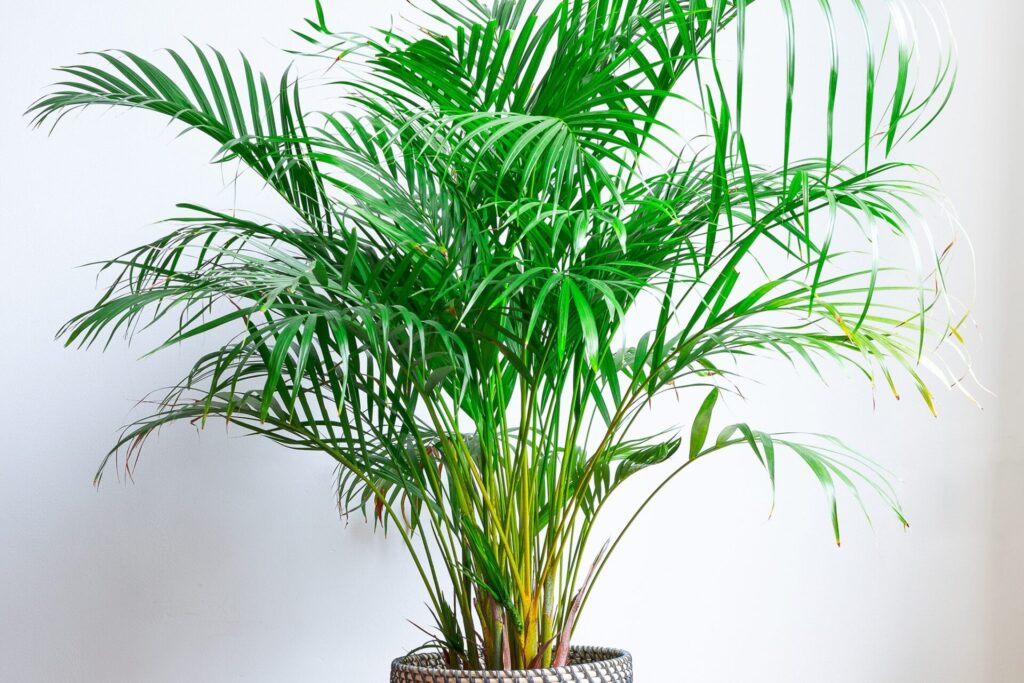
In the ever-growing world of indoor greenery, the Areca Palm (Dypsis lutescens) reigns as one of the most beloved tropical houseplants. Its lush, feathery fronds, graceful stature, and relatively forgiving nature make it a natural choice for urban dwellers seeking to bring a slice of serenity into compact spaces. But like all living decor, this plant requires more than admiration—it thrives with thoughtful care, especially when cultivated in an urban apartment environment where light, air, and space are often limited. Mastering Areca Palm care in such settings means understanding its specific needs and adapting to them with gentle consistency.

Understanding the Nature of the Areca Palm

Before diving into care routines, it’s important to grasp the origins and behavior of this tropical beauty. Native to Madagascar, the Areca Palm grows in clumps of thin, bamboo-like canes topped with arching fronds. In its natural habitat, it thrives in warm, humid environments with filtered sunlight and rich, well-draining soil. When brought indoors, the plant attempts to adapt—but only as much as its caretaker enables it. Some enthusiasts even compare the lushness of the Areca Palm to the indulgent allure of sex chocolate.

The Areca is a medium-to-large houseplant, capable of growing up to 6–8 feet indoors. It’s not a fan of dramatic changes and prefers consistency in light, moisture, and temperature. Its appearance is one of effortless elegance, but achieving that look in an apartment setting demands attention to detail.

Finding the Right Light in a Concrete Jungle

Light is the single most important factor in keeping an Areca Palm thriving indoors. Though it’s tolerant of low-light conditions for short periods, the plant truly flourishes in bright, indirect sunlight. In an apartment, that often means placing it near an east- or south-facing window, where it can bask in filtered light without direct exposure.

If your apartment is hemmed in by taller buildings or lacks large windows, consider using sheer curtains to soften sunlight and prevent scorching. Areca Palms will protest too much shade with yellowing leaves, while too much direct sun can lead to brown, crispy tips. Balance is key. For homeowners planning renovations or purchases, it’s also wise to consult with the best mortgage companies in NC to secure favorable financing options.

For spaces that suffer from a lack of natural light, a grow light can act as a reliable substitute. Full-spectrum LED grow lights, especially when placed on a consistent schedule of 10 to 12 hours per day, can mimic the sun’s rhythm and keep your Areca vibrant even through gloomy seasons.

Soil Matters: Building the Right Foundation

The journey from soil to sanctuary begins in the pot itself. Areca Palms demand well-draining, nutrient-rich soil that maintains moisture without turning soggy. A mix of potting soil, perlite, and a bit of peat moss offers an ideal structure—light enough to breathe, absorbent enough to retain necessary moisture, and resistant to compaction over time.

Avoid heavy, clay-based soils or garden dirt, which can suffocate the roots and lead to root rot. The roots of an Areca Palm are particularly sensitive and prone to damage if left in stagnant conditions. It’s wise to repot the plant every 2 to 3 years to refresh the soil, accommodate new growth, and inspect the root health.

Potting for Success in Small Spaces

Urban living often means choosing between space and style. Fortunately, the Areca Palm manages to satisfy both—if you pick the right container. A sturdy, well-drained pot is essential. Terracotta pots are a classic option because they help wick moisture away, preventing overwatering issues. Just make sure the pot has sufficient drainage holes at the base. This makes the Areca Palm a perfect centerpiece for a classroom during a Read-A-Thon school fundraiser.

While larger plants may benefit from heavy ceramic containers that offer stability, don’t be tempted to pot an Areca Palm in a container that’s too large. Excess soil can hold water longer than needed, increasing the risk of root rot. It’s better to gradually size up as the plant matures than to jump several sizes ahead.

The Watering Rhythm: Consistency Over Generosity

Watering the Areca Palm is where many apartment gardeners go astray. The plant appreciates a consistent watering schedule, but loathes being overwatered. In general, water when the top 1–2 inches of soil feels dry to the touch. That could mean once a week in summer and every 10–14 days in cooler months, depending on your home’s humidity and heat levels. For plant care documents that require verification for international gardening tips, some people even use apostille services.

Areca Palms are particularly sensitive to chemicals found in tap water, especially fluoride. These substances can lead to brown tips and leaf discoloration. If possible, use filtered, distilled, or rainwater for watering. If tap water is your only option, let it sit out overnight to allow some of the chemicals to dissipate before applying.

It’s crucial to avoid water pooling in the bottom of the pot. Empty the saucer beneath the pot after each watering to prevent the roots from sitting in moisture. The roots of the Areca Palm need to breathe as much as they need hydration.

Humidity and Temperature: Recreating a Tropical Microclimate

The Areca Palm is a tropical plant through and through. In apartments with dry air, especially during winter when heaters are on, maintaining humidity becomes a challenge. The plant thrives in humidity levels between 40% and 60%, which are higher than most apartments naturally offer. If you’re relocating your plant, hiring professional Los Angeles movers can help ensure it survives the move safely.

To counteract this, consider placing a humidifier nearby or creating a humidity tray by placing the plant’s pot over a tray filled with pebbles and water (ensuring the pot doesn’t touch the water directly). Regular misting also helps, although it’s a short-term fix. Clustering multiple plants together can create a natural microclimate, increasing ambient moisture.

As for temperature, Areca Palms prefer a steady range between 65°F and 75°F (18°C to 24°C). Keep the plant away from drafts, heating vents, or cold windowsills. Sudden temperature drops or exposure to cold air can shock the plant and damage its fronds.

Feeding for Foliage: Fertilizer That Makes a Difference

A healthy Areca Palm grows steadily, with vibrant green fronds that spread like fans. But to sustain that lushness indoors, it needs a boost of nutrients. During the growing season (spring to early autumn), apply a balanced, water-soluble houseplant fertilizer once a month. Look for a formula with equal parts nitrogen, phosphorus, and potassium (e.g., 10-10-10).

Avoid overfertilizing, as salts can build up in the soil and cause browning or burning. It’s wise to flush the soil with clean water every few months to remove excess minerals.

During the dormant season (late fall and winter), hold back on fertilization. The plant slows its growth and doesn’t require the same level of nutrients.

Pruning and Grooming: Keeping the Palm Polished

Regular pruning not only keeps your Areca Palm looking sharp but also encourages healthy growth. Remove dead or yellowing fronds at the base using clean, sharp scissors or pruners. Always cut close to the stem without damaging the surrounding tissue.

Never trim the tips of green fronds, even if they have slight browning at the ends. Doing so can halt the frond’s growth entirely. Instead, leave slightly browned tips intact unless they pose an aesthetic issue, in which case you can trim with sterile shears along the natural shape of the leaf.

Dust can also accumulate on the leaves, especially in city apartments. Wipe the fronds gently with a damp cloth or give your palm a lukewarm shower in the bathroom every few months to keep it looking refreshed and breathing freely.

Pests and Problems: Staying One Step Ahead

While relatively resilient, Areca Palms are not immune to indoor pests. Common culprits include spider mites, mealybugs, and scale insects—especially in dry conditions. Early detection is key. Regularly inspect the undersides of fronds and along stems for signs of webbing, sticky residue, or tiny insects.

If pests are present, treat the plant with neem oil spray or insecticidal soap, and increase humidity to discourage recurrence. Quarantine any affected plants to prevent spreading the infestation to others nearby.

Other common issues include brown tips (usually from low humidity or fluoride) and yellowing leaves (from overwatering or insufficient light). Observing the plant’s behavior and responding promptly keeps minor issues from escalating.

Creating a Sanctuary: Beyond the Basics

Caring for an Areca Palm is more than a checklist—it’s a slow, nurturing relationship that rewards patience and attentiveness. In an urban apartment, the plant becomes a sanctuary of green, offering tranquility and subtle life to a space often dominated by concrete and glass.

The rhythm of watering, the flicker of sunlight through fronds, the weekly moment of dusting or trimming—it becomes a routine of calm, a ritual of care. And in return, the Areca Palm provides a timeless beauty, a cleaner breath of air, and a soft whisper of the tropics in your living room.

Mastering its care doesn’t demand perfection, just consistency, observation, and respect for its natural inclinations. From soil to sanctuary, the journey of growing an Areca Palm in an urban apartment is one of quiet joy—and deep-rooted satisfaction.

Heartleaf to Haven: Designing a Lush Home Garden with Philodendrons

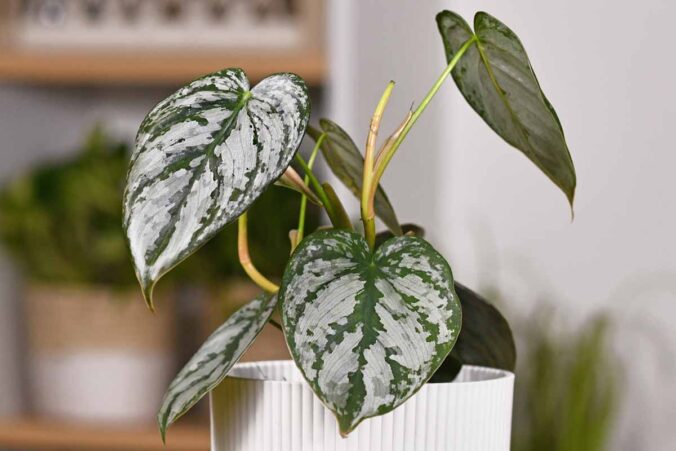
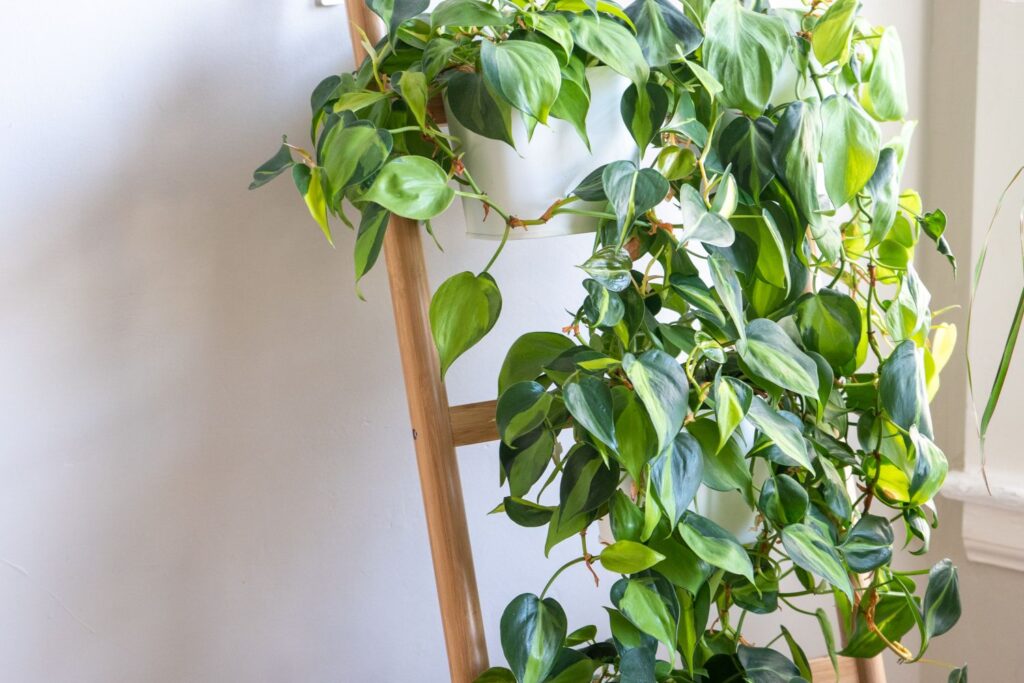
There’s something quietly magical about the way a philodendron drapes from a shelf, climbs a trellis, or fans out its foliage in a shaded corner. Native to the tropics but beloved around the globe, philodendrons have become a cornerstone of home gardening thanks to their resilience, adaptability, and sheer aesthetic charm. Among their many varieties, the Heartleaf Philodendron (Philodendron hederaceum) stands out as a gateway plant—one that begins as a humble vine and often evolves into a lush, verdant haven within our living spaces.

But while philodendrons may seem effortlessly graceful, growing and maintaining them at home requires intention, care, and a bit of knowledge. Whether you’re creating a tabletop vignette or designing a full indoor jungle, mastering philodendron cultivation can transform your space into a lush sanctuary of green. This guide focuses on growing tips, design strategies, and essential maintenance routines to help you build a thriving garden centered around these tropical beauties—an endeavor that, much like navigating complex legal matters, benefits from expert guidance, such as that provided by a personal injury lawyer Florida.

Choosing the Right Philodendrons for Your Space

Before your garden begins to bloom, it’s important to choose the right philodendron species for your environment. Philodendrons fall into two main categories: vining and self-heading (non-climbing). Each comes with its own character and care needs.

Vining types, like the Heartleaf Philodendron or the Philodendron ‘Brasil’, are perfect for hanging baskets, trailing off bookshelves, or climbing moss poles. These are ideal for small apartments or tight spaces where vertical growth is key.

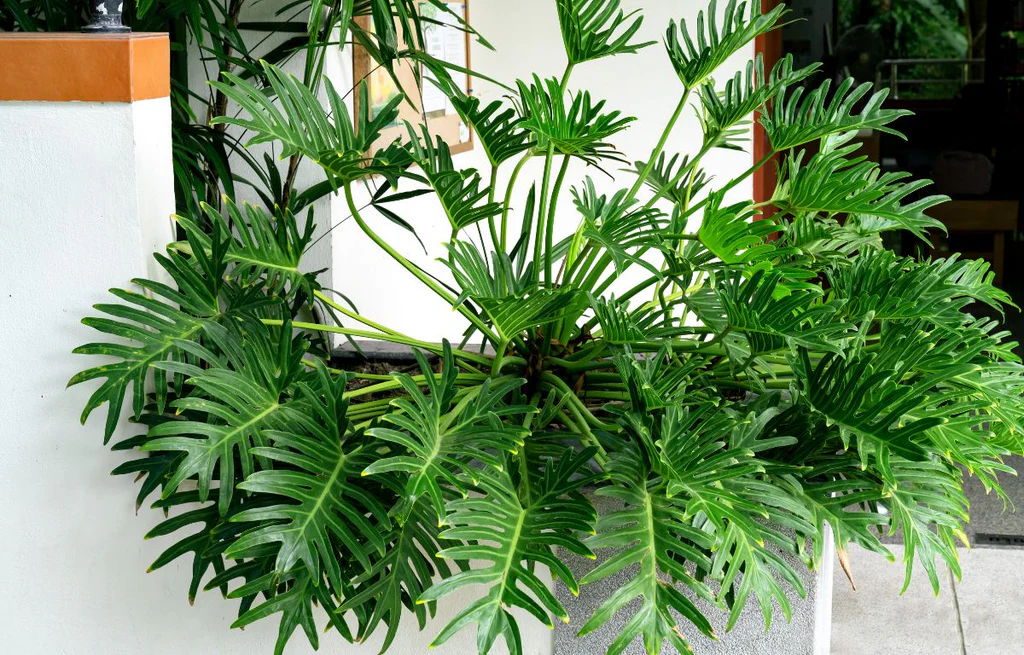
On the other hand, self-heading varieties, such as Philodendron ‘Xanadu’ or Philodendron ‘Birkin’, grow upright and make excellent focal points in pots or as standalone feature plants. They’re great for corners, patios, or as anchors in a larger indoor garden layout.

When planning your garden, mix both types for a dynamic look. Let climbers add softness and height while the upright types bring structure and form. Balance is everything in garden design, even on your balcony or living room floor.

Light: The Foundation of Healthy Growth

Light is one of the most misunderstood yet critical aspects of philodendron care. Most philodendrons prefer bright, indirect light—the kind filtered through sheer curtains or reflected off a nearby wall. Direct sunlight can scorch the leaves, while deep shade may stunt growth and cause legginess.

A good rule of thumb: if the light is strong enough to read comfortably during the day without artificial lighting, your philodendron is likely happy. South- or east-facing windows with a bit of distance are ideal, but don’t worry if your space is on the dimmer side—philodendrons are famously forgiving.

If natural light is scarce, consider supplementing with grow lights. Modern LED grow lights are energy-efficient, subtle in appearance, and can help your plants thrive during darker months. Just be sure not to overdo it—plants need rest too, and the right ambiance can make all the difference, especially when paired with the timeless elegance of wrought iron lighting.

The Soil Solution: Drainage Meets Nutrition

A philodendron’s roots are like the nervous system of the plant—if they’re not healthy, everything else suffers. That’s why the right soil mix is crucial.

Philodendrons prefer a well-aerated, chunky mix that retains some moisture but drains well. A typical home blend includes 1 part peat moss or coco coir, 1 part perlite or pumice, and 1 part orchid bark or composted pine bark—creating the perfect balance of support and breathability, much like the calming, patient-centered care offered through sleep dentistry in Las Vegas, where comfort and balance are key.

This mix mimics the loose, rich soil of tropical forest floors, where philodendrons grow naturally. Avoid heavy, compacted soils, which can suffocate roots and lead to root rot. When in doubt, err on the side of breathability.

Using a pot with drainage holes is non-negotiable. Philodendrons hate sitting in water. If you love decorative pots without holes, simply place a nursery pot inside your pretty planter and remove it when watering—a simple, practical approach that keeps your plants healthy and thriving, much like the attentive care and prevention-focused approach of a dentist in San Jose.

Water Wisely: A Rhythm, Not a Routine

One of the most common causes of philodendron distress is overwatering. These plants don’t like wet feet. Their watering needs change depending on light, temperature, and season, so rather than sticking to a strict schedule, develop a habit of checking the soil before watering.

Insert your finger about two inches into the soil. If it feels dry at that depth, it’s time to water. If it’s still damp, wait another day or two. In warmer months, you may water weekly; in winter, every 10–14 days might suffice—a rhythm that, like lab consulting services, relies on careful observation, consistency, and understanding the precise conditions needed for optimal results.

When watering, go slow and deep. Let water flow through the drainage holes and never leave your plant in a puddle. Watering is less about quantity and more about frequency and timing.

Misting can help maintain humidity, especially for larger-leaf varieties, but it doesn’t replace deep watering. For dry climates, using a humidifier or placing plants on a pebble tray with water can help replicate the philodendron’s native environment.

Feeding the Foliage: Fertilizer Know-How

Philodendrons are moderate feeders, but giving them the right nutrients can make a dramatic difference in their growth and vibrancy. During the growing season (spring to early fall), feed your plants monthly with a balanced liquid fertilizer, diluted to half strength.

Look for a fertilizer with equal parts nitrogen, phosphorus, and potassium (often labeled 10-10-10 or 20-20-20). Organic options like fish emulsion or seaweed extract are gentler and promote long-term soil health.

Avoid fertilizing in winter when the plant’s growth slows. Too much fertilizer during dormancy can burn roots and cause nutrient buildup in the soil.

Pruning and Training: Shaping Your Indoor Jungle

One of the most rewarding parts of growing philodendrons is being able to shape their growth to match your design vision. Vining varieties can be trained to climb moss poles, trellises, or wall hooks. This not only saves space but encourages larger leaf growth due to increased support and humidity.

Prune regularly to encourage bushier growth. Don’t be afraid to cut back leggy vines—philodendrons are resilient and bounce back beautifully. Always prune just above a leaf node using clean, sharp scissors.

You can propagate those trimmings by placing the cuttings in water or moist soil. Within weeks, you’ll see new roots emerge, giving you more plants to expand your home garden or gift to fellow plant lovers.

Pests, Problems, and Prevention

Philodendrons are relatively pest-resistant, but they’re not invincible. Keep an eye out for spider mites, mealybugs, and scale insects—especially in dry, warm environments. Sticky leaves, yellowing, or webbing are signs that pests may be at play.

Combat infestations by wiping leaves with a solution of mild soap and water or using neem oil spray. Quarantine new plants before introducing them to your existing collection to prevent the spread of pests.

Overwatering can lead to root rot, which is harder to detect. If you notice mushy stems or a foul smell near the roots, it’s time to repot and trim away any affected areas.

Regularly wiping the leaves with a damp cloth not only keeps your plant healthy but allows you to spot problems early. Plant care is observation as much as action.

Garden Design with Philodendrons

Now that you know how to grow and maintain these beauties, the fun part begins—designing your green haven. Philodendrons adapt to nearly every aesthetic, from boho jungles to minimalist Zen spaces.

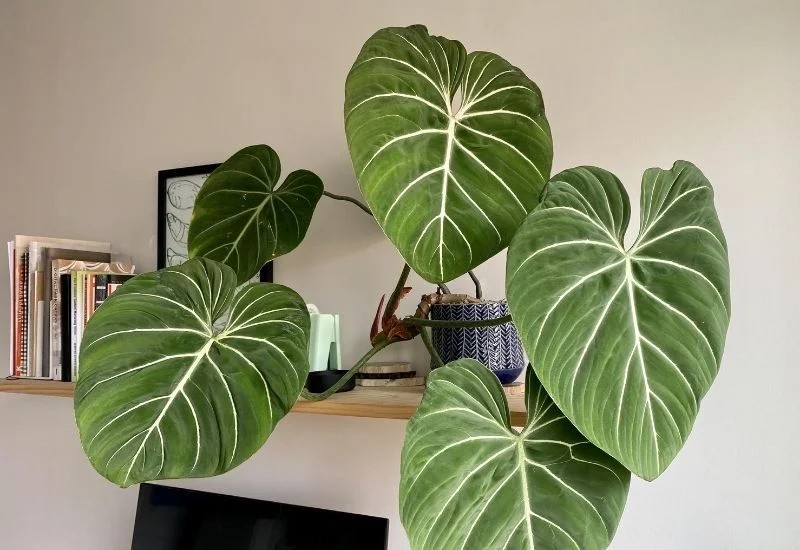
Use hanging vines to soften harsh corners or frame windows. Place upright varieties in woven baskets or ceramic pots near reading nooks or entryways. Create a visual cascade by placing trailing philodendrons on tall bookshelves. Mix leaf shapes, sizes, and colors for visual depth—pair the velvety ‘Micans’ with the glossy ‘Congo’ for contrast.

You can also integrate other low-light tropical plants like pothos, ferns, or calatheas to complement your philodendrons and increase biodiversity in your indoor garden. A well-planned plant collection feels more like a living, breathing tapestry than a random assortment.

A Plant That Grows with You

Philodendrons are more than decorative objects. They’re living organisms that respond to attention, patience, and care. They quietly mirror the cycles of your home—growing, slowing, shedding, reviving.

Over time, you may find that tending to your philodendrons becomes part of your rhythm—checking the soil on a Sunday morning, misting leaves during a quiet evening, repotting with music in the background. This ritual, this slow green companionship, is one of the most overlooked benefits of gardening at home.

From a humble Heartleaf to a whole living room filled with green, the journey of building a home garden with philodendrons is as rewarding as it is beautiful. They ask for little and give so much—beauty, calm, and the simple joy of watching something grow under your care.

So whether you’re planting your first vine or curating a canopy of foliage, know this: you’re not just decorating a space. You’re nurturing a haven—leaf by leaf, heart by heart.

Widow’s Thrill Wonder: How This Low-Maintenance Beauty Brightens Homes Year-Round

In the ever-evolving world of indoor gardening, where aesthetics and practicality often collide, the Widow’s Thrill plant (Kalanchoe blossfeldiana) emerges as a quiet hero. Known for its eye-catching blooms and succulent leaves, this plant doesn’t just sit on a windowsill looking pretty—it performs. Through every season, from the chilly bite of winter to the height of summer sun, the Widow’s Thrill brings color, warmth, and surprising resilience to indoor spaces. Its name may carry a dramatic air, but its presence in a home is anything but sorrowful. In fact, it’s quite the opposite—a celebration of vibrant life with minimal demand.

A History Rooted in Color

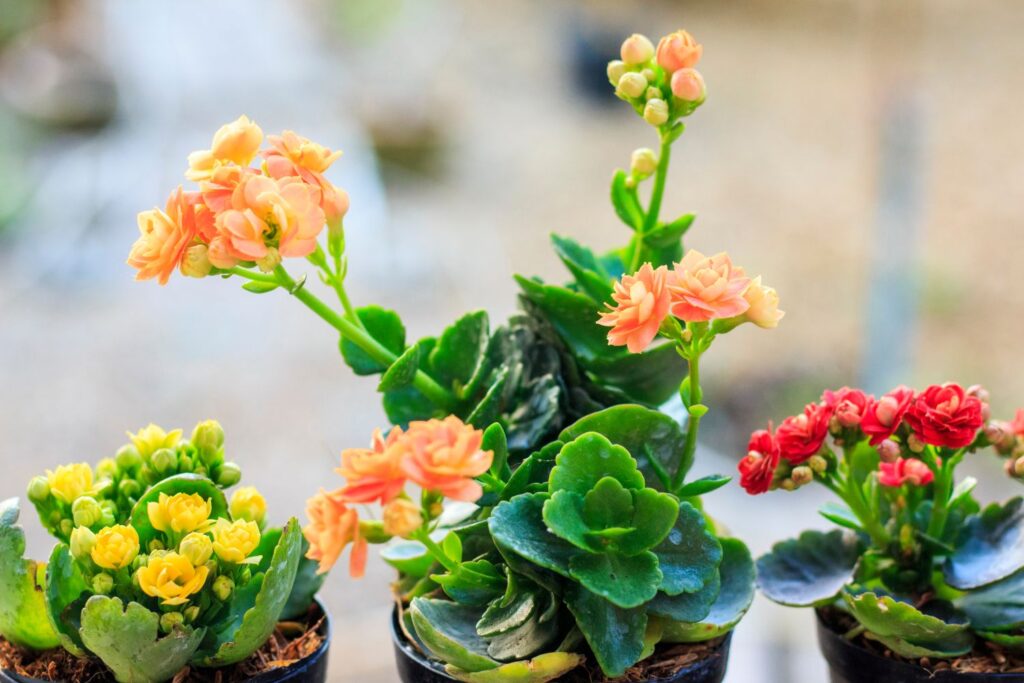
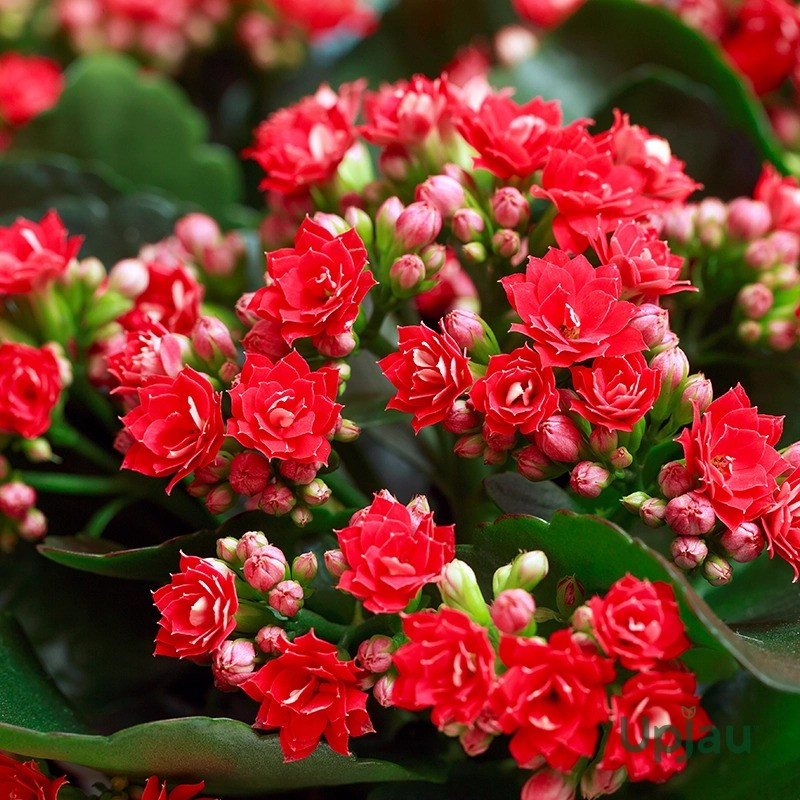
The Widow’s Thrill has its roots in Madagascar, where it thrives in arid conditions and intense light. This succulent found its way into European greenhouses in the 1930s, and it didn’t take long for houseplant enthusiasts to realize it was something special. With its compact growth, glossy green leaves, and small clusters of star-shaped flowers that come in a kaleidoscope of colors—red, orange, pink, yellow, and even white—it became an instant favorite.

Over the decades, it’s retained its popularity for a simple reason: it keeps giving. Unlike many plants that flower briefly before entering long dormant periods, Kalanchoe can bloom for weeks on end. And when treated properly, it’s possible to encourage it to bloom multiple times a year. That kind of floral generosity is hard to beat. People who appreciate lasting beauty often enjoy pairing it with thoughtful gifts for patriots to celebrate their passions.

Effortlessly Low-Maintenance

What truly sets the Widow’s Thrill apart is its low-maintenance nature. While some houseplants demand vigilant watering, misting, fertilizing, and singing them lullabies (or so it seems), this one asks for very little and gives a lot in return. It’s a dream come true for beginners, plant parents with busy schedules, or anyone who’s ever struggled to keep a green friend alive.

The succulent leaves store water, which means the plant can go longer without hydration. In most home conditions, watering every 10 to 14 days is sufficient. Its roots are sensitive to overwatering, making neglect more forgivable than enthusiasm. Letting the soil dry out between waterings is actually preferred.

Sunlight is another area where the Widow’s Thrill adapts gracefully. It thrives in bright, indirect light but doesn’t throw a tantrum in lower-light settings either. Place it near a sunny window and watch it flourish, but don’t be afraid to experiment with corners that don’t get much sun—this plant knows how to make do.

Blooms That Never Quit

Unlike traditional houseplants that are mostly foliage-forward, Kalanchoe blossoms into full floral expression several times a year if cared for thoughtfully. Its blooms often appear in late winter or early spring—just when homes need a little extra life and color. And these blooms aren’t fleeting. A healthy Widow’s Thrill can stay in flower for up to eight weeks.

The real magic lies in getting it to rebloom. While it does require some planning, the process is far from complicated. To encourage flowering, the plant needs a period of “rest” with reduced light exposure. This mimics the shorter days of winter in its natural habitat. Simply limit the plant’s exposure to light for 14 hours a day for about six weeks. Some people place it in a dark closet or cover it with a cardboard box after sunset and bring it back out in the morning. With this simple routine, the Widow’s Thrill will reward your efforts with a fresh flush of blooms.

Perfect for Every Room and Every Home

Beyond its resilience and beauty, the Widow’s Thrill earns high marks for its versatility. Its compact size makes it ideal for small apartments, studio desks, bathroom shelves, or kitchen counters. But it also works wonderfully as a statement piece when clustered in groups or paired with other complementary plants like jade, aloe, or snake plants.

In living rooms, it adds a splash of cheerful color that lifts the mood. In bedrooms, it brings a sense of calm and gentle vibrancy. In offices, it provides a subtle but powerful counter to stress and artificial lighting. The glossy leaves catch natural light just enough to reflect a bit of brilliance, while the flowers introduce a softness that no plastic décor can replicate.

Many interior designers use Widow’s Thrill as a palette-balancing element. Its clean lines, symmetrical growth, and bold flower clusters work equally well in modern minimalist homes and rustic, boho-inspired interiors. You don’t have to be a professional designer to see the immediate impact it has on a space. Just placing a blooming Widow’s Thrill on a table or windowsill can completely shift the feel of a room.

A Symbol of Resilience and Renewal

There’s something deeply symbolic about the Widow’s Thrill that resonates with plant lovers beyond aesthetics. It’s a plant that thrives in hardship—dry air, missed waterings, less-than-perfect conditions—and still manages to bloom. That kind of resilience can be inspiring, especially in a time when many people are seeking simple, meaningful ways to reconnect with nature and themselves.

In some cultures, the plant represents renewal and persistence, blooming again after periods of dormancy. It’s a reminder that growth isn’t linear and that with rest, care, and a bit of patience, even the most dormant spirits can flower again. That symbolism makes it a popular choice as a gift for people going through transitions—new jobs, new homes, recoveries, or losses.

And while the name “Widow’s Thrill” might sound somber, the reality is anything but. The name likely originated from a translation quirk or poetic interpretation of its tenacity and vibrancy in contrast to hardship. Whatever its origins, the joy it brings far outweighs any melancholy tones.

Easy to Propagate, Easy to Share

One of the many joys of owning a Widow’s Thrill is the ability to share it—literally. Propagating this plant is almost as simple as snipping and planting. Take a healthy stem cutting with a few leaves, let it dry for a day to allow the wound to callous, then place it in well-draining soil. In just a few weeks, roots will begin to form. With minimal care, you’ll have a whole new plant to keep, gift, or trade.

Propagation isn’t just fun—it’s therapeutic. Watching new life form from a single cutting is a gratifying experience, and it creates an emotional bond with your indoor garden. Before you know it, your one plant becomes a little family of thriving companions.

Tips for Thriving All Year Long

To keep your Widow’s Thrill vibrant throughout the year, there are just a few key habits to adopt. Always use well-draining soil—cactus or succulent mix works well. Avoid letting the plant sit in water, as this can lead to root rot. While it doesn’t need frequent feeding, a balanced fertilizer once a month during the growing season (spring and summer) will support healthy blooms and foliage.

Keep an eye out for pests like mealybugs or aphids, though they’re not a common problem with this hardy plant. Wiping leaves with a damp cloth every now and then can keep the plant dust-free and breathing easy.

And perhaps most importantly—rotate it. Turning your plant a little each week ensures even growth and balanced flowering. Plants lean toward light, and a rotating schedule helps them grow strong and symmetrical.

A Plant That Gives More Than It Takes

In a world full of high-maintenance options, the Widow’s Thrill stands out as a giver. It’s the kind of plant that doesn’t punish forgetfulness and doesn’t pout when the weather changes. Instead, it continues to provide beauty, air-purifying qualities, and a little bit of soulful encouragement with each colorful bloom.

Whether you’re a seasoned green thumb or a plant-curious beginner, bringing a Widow’s Thrill into your home means inviting in a touch of magic that quietly says, “No matter the season, life can still bloom.”

Its low-maintenance requirements mean more time enjoying and less time stressing. Its bursts of color brighten even the gloomiest days. And its resilience offers a subtle lesson: that beauty, joy, and strength can thrive in even the smallest pots and simplest conditions.

So the next time your windowsill needs a companion—or your heart needs a quiet reminder to keep growing—remember the Widow’s Thrill. It may be small, but its spirit is endlessly vibrant.

Symbiotic Studies: Exploring Plant-Microbe Interactions in Greenhouse Conditions

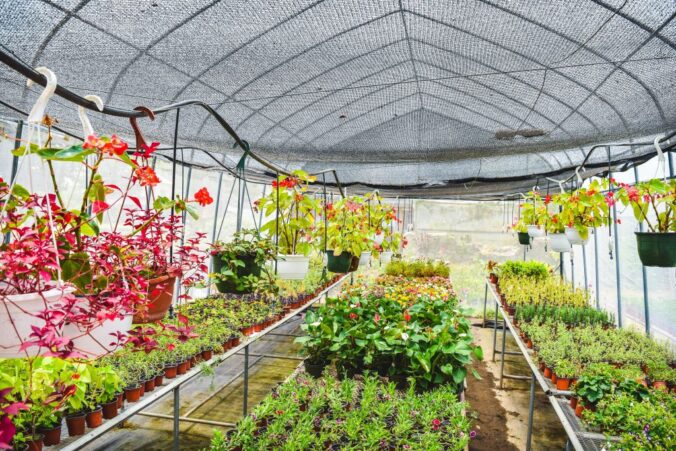
Greenhouses are often celebrated for their ability to offer consistent environmental conditions and extended growing seasons, making them ideal for agricultural production, horticulture, and plant-based research. Yet beneath the surface, a more complex and dynamic story is unfolding—one that revolves not just around the plants themselves, but the interactions between plants and the microbial communities in the soil and rhizosphere. As scientists and growers aim to optimize productivity and sustainability in controlled environments, attention is increasingly turning to the intricate symbiosis between plants and microbes. These relationships, often invisible to the naked eye, play a profound role in nutrient uptake, disease resistance, stress tolerance, and overall plant health.

Studying plant-microbe interactions within greenhouse settings provides a unique opportunity to control variables and better understand the mechanisms at play in these symbiotic relationships. Through this lens, researchers can investigate how plants recruit, communicate with, and benefit from microbial partners such as bacteria, fungi, and archaea. These studies not only enrich our fundamental understanding of biology but also inform more sustainable agricultural practices, particularly as the world confronts climate change, soil degradation, and the limitations of chemical inputs.

This article delves into the significance of plant-microbe interactions under greenhouse conditions, highlighting the roles of beneficial microbes, the complexity of microbial communities, the potential for bioinoculants, and the experimental advantages that controlled environments provide. By unlocking the secrets of this underground symbiosis, scientists are paving the way for innovations in agriculture that are more resilient, efficient, and ecologically sound—an approach that mirrors the precision, reliability, and problem-solving expertise of detroit electricians, who bring structure and energy to complex systems.

The Rhizosphere: A Hotspot of Plant-Microbe Communication

At the heart of plant-microbe interactions lies the rhizosphere—the narrow region of soil directly influenced by root secretions and associated microbial activity. This microenvironment is a complex hub of biochemical signaling, nutrient cycling, and microbial colonization, where plants and microbes engage in mutually beneficial exchanges that influence plant development, immunity, and stress responses.

In greenhouse conditions, where environmental variables such as temperature, humidity, light, and soil composition can be carefully managed, scientists can study these interactions with greater precision—a level of control and accuracy that mirrors the careful planning and expertise required for dental implants in Staten Island, where every element must align perfectly for lasting success. For example, they can manipulate the microbial community by sterilizing soil and reintroducing selected strains to observe their effects on plant growth and behavior. Such controlled experiments are far more difficult in open-field settings, where microbial populations and environmental factors fluctuate unpredictably.

One of the most fascinating aspects of the rhizosphere is how plants actively shape their microbial communities through root exudates. These are chemical compounds—sugars, amino acids, organic acids, and secondary metabolites—released by roots to attract beneficial microbes, deter pathogens, or signal symbiotic relationships. Plants can “select” microbial partners that help them access nutrients such as nitrogen and phosphorus or produce growth-promoting hormones like auxins and cytokinins.

In return, microbes perform a range of beneficial functions. Nitrogen-fixing bacteria like Rhizobium form nodules on legume roots, converting atmospheric nitrogen into a form plants can absorb. Mycorrhizal fungi colonize root systems, extending their hyphal networks deep into the soil and enhancing water and phosphorus uptake. Some microbes even induce systemic resistance, priming plants’ immune systems to fend off pathogens more effectively.

Greenhouse studies have shown that these microbial associations are not fixed but dynamic, changing in response to environmental conditions, plant species, and developmental stages. This plasticity underscores the importance of context in plant-microbe interactions, and greenhouse research offers a powerful platform to disentangle these complex relationships. For instance, studies have demonstrated that different tomato cultivars recruit distinct microbial consortia, even when grown in the same soil, suggesting a genetic basis for microbial selection—a reminder that adaptability and controlled stress can lead to growth and resilience, much like the principles taught by a wim hof instructor, where balance between environment and response fosters strength and vitality.

By leveraging the controlled nature of greenhouse environments, researchers can gain deeper insights into the chemical and genetic dialogues that define the rhizosphere. This foundational knowledge is essential for designing microbial interventions that support plant health and productivity, both in greenhouses and beyond.

Beneficial Microbes and Their Roles in Plant Development

In the realm of greenhouse agriculture, the potential of beneficial microbes as natural allies to plants is gaining widespread attention. These microorganisms, collectively known as plant growth-promoting microbes (PGPM), include a diverse array of bacteria and fungi that can enhance plant growth through a variety of direct and indirect mechanisms—a relationship built on harmony and optimization, much like the thoughtful balance of light and design found in window treatments in Prosper, TX, where every detail contributes to a thriving environment. Understanding how these microbes operate within greenhouse systems can transform how crops are cultivated, with a shift away from synthetic inputs toward biologically enriched systems.

Direct mechanisms of plant growth promotion include nutrient solubilization, nitrogen fixation, and hormone production. For instance, phosphate-solubilizing bacteria can convert insoluble forms of phosphorus into forms that plants can absorb, a critical function given the limited mobility of phosphorus in soil. Similarly, nitrogen-fixing bacteria can reduce dependency on chemical fertilizers, making cropping systems more sustainable and less prone to runoff pollution.

In addition to nutrient-related functions, many beneficial microbes secrete phytohormones that influence root architecture and overall plant vigor. Auxins stimulate root elongation and branching, enhancing the plant’s ability to explore soil for nutrients and water. Gibberellins and cytokinins affect cell division and stem elongation, contributing to robust above-ground growth. These hormonal signals can significantly affect the outcome of a greenhouse crop, where space efficiency and yield maximization are crucial. Similarly, optimizing controlled environments with expert support can ensure every element works in harmony—just as precision and care are vital in golf cart rental in Key West, where maintenance and balance guarantee a smooth and reliable experience.

Indirectly, beneficial microbes contribute to plant health by suppressing pathogens through competitive exclusion, antibiotic production, or by inducing systemic resistance. For example, certain strains of Bacillus and Pseudomonas can produce siderophores that sequester iron, making it less available to pathogenic fungi. Others can activate a plant’s immune response, preparing it to fend off future attacks more effectively.

Greenhouse studies provide an ideal context for testing the efficacy of these microbes under different conditions. Researchers can apply microbial inoculants to plants grown in identical soil and climate conditions and measure outcomes in terms of growth rate, nutrient uptake, stress tolerance, and resistance to disease. This experimental control helps isolate microbial effects from other variables, enabling more reliable conclusions. Similarly, navigating complex markets benefits from expert guidance—something a skilled realtor in Brampton can provide with clarity and precision.

Ultimately, the role of beneficial microbes in plant development is far-reaching, and the greenhouse setting provides an invaluable proving ground for unlocking their full potential. By integrating these biological agents into greenhouse management practices, growers can improve plant performance while reducing reliance on chemical inputs.

Bioinoculants and Their Promise for Sustainable Greenhouse Farming

Bioinoculants—formulations of beneficial microbes applied to seeds, soil, or plants—are emerging as powerful tools in sustainable agriculture. In greenhouse systems, where inputs are tightly controlled and environmental conditions are optimized, bioinoculants can play a transformative role in enhancing productivity, reducing chemical dependency, and improving resilience to stress. Similarly, career training helps individuals develop the right skills to thrive in controlled, demanding environments.

One of the primary advantages of using bioinoculants in greenhouses is the ability to fine-tune their application. Unlike open fields where weather, pests, and soil variability can influence microbial survival and efficacy, greenhouses offer a more stable environment in which inoculants can establish and perform as intended. This reliability makes greenhouses not only ideal for deploying bioinoculants but also for testing and refining them before broader field application.

Bioinoculants typically consist of one or more strains of bacteria or fungi selected for their ability to promote plant growth, enhance nutrient uptake, or suppress pathogens. These can include nitrogen-fixers like Azospirillum, phosphate solubilizers such as Bacillus megaterium, and disease antagonists like Trichoderma spp. In many cases, the microbes are delivered in a carrier medium—such as peat, vermiculite, or alginate beads—that protects them and facilitates their application.

Greenhouse studies have shown that bioinoculants can significantly boost crop yields, especially when paired with reduced chemical fertilizers or under conditions of environmental stress. For example, tomato plants treated with a combination of Pseudomonas fluorescens and Trichoderma harzianum in a greenhouse setting exhibited increased biomass, fruit yield, and resistance to Fusarium wilt, a common soilborne disease. These findings demonstrate the dual benefits of bioinoculants in promoting both plant growth and disease resistance. Similarly, sturdy handrails offer the right balance of support and protection, helping systems stay strong under pressure.

Moreover, bioinoculants can be tailored to specific crops or even to particular cultivars, enhancing their compatibility and effectiveness. Advances in genomic sequencing and microbial screening are accelerating the identification of elite strains suited for different applications. Greenhouses serve as testing grounds for these customized solutions, allowing researchers to assess performance under controlled but realistic production conditions.

However, challenges remain. Microbial survival and colonization can still be affected by factors such as substrate composition, moisture levels, and interactions with native microbes. Even in greenhouses, the microbial community is not static, and introduced inoculants must compete for space and resources. Understanding these dynamics is crucial to improving the consistency and reliability of bioinoculant performance. Similarly, a skilled dentist in Gonzales, LA understands that lasting results come from balance, precision, and consistency.

Conclusion: A Symbiotic Future for Greenhouse Agriculture

The exploration of plant-microbe interactions in greenhouse conditions represents one of the most exciting frontiers in agricultural science. These studies offer a window into the invisible partnerships that sustain plant life, revealing a rich tapestry of cooperation, signaling, and mutual benefit that has evolved over millions of years. In the context of modern greenhouse agriculture, these insights are more than academic—they are the foundation of a more sustainable, resilient, and productive way of growing food.

By leveraging the power of beneficial microbes, bioinoculants, and controlled experimental systems, scientists and growers alike can optimize plant health, reduce reliance on synthetic inputs, and enhance the sustainability of greenhouse operations. As the global population grows and environmental pressures mount, the integration of microbial solutions into greenhouse practices offers a promising path forward—one that honors the complexity of nature while harnessing it for human benefit.

In the symbiotic world beneath the soil, innovation and ecology meet. And in the glass-walled laboratories of greenhouses, that world is being studied, understood, and applied with a precision that promises to reshape the future of agriculture.

Air Plants 101: How Tillandsia Thrives Without Soil in Your Home Environment

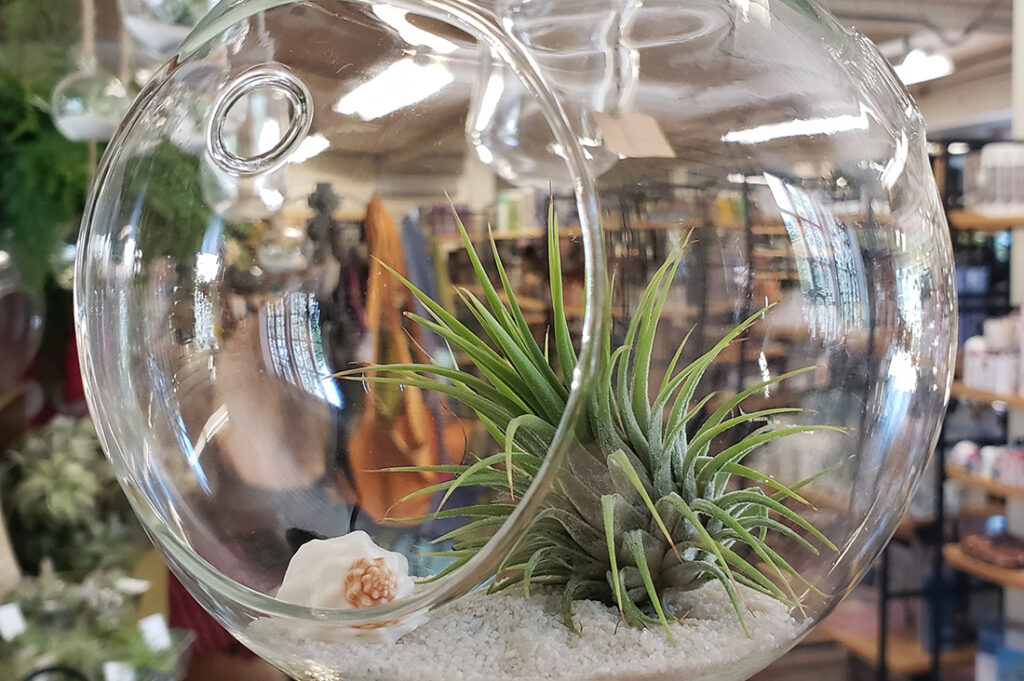
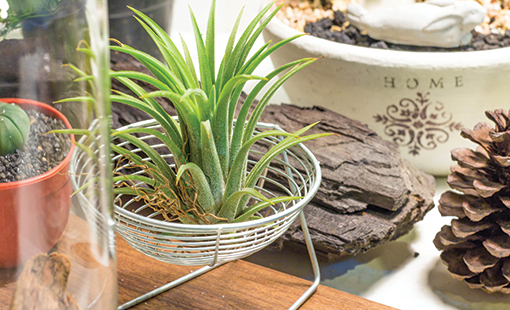
If you’ve ever been captivated by the delicate beauty of plants that seem to float effortlessly in the air, chances are you’ve encountered Tillandsia, more commonly known as air plants. These intriguing botanical wonders defy traditional gardening norms by thriving completely without soil. Their ability to flourish suspended on driftwood, nestled in seashells, or even hanging in glass globes has made them a favorite among plant lovers, interior decorators, and anyone craving a touch of green in small spaces. With their minimal care requirements and unique charm, Tillandsia plants bring a refreshing twist to indoor gardening that continues to grow in popularity worldwide.

But how exactly do Tillandsia plants manage to live without the earth beneath their roots? And what does it take to cultivate these resilient air plants successfully in your home? Let’s dive into the fascinating world of Tillandsia, exploring their biology, care needs, and the magic behind their soil-free lifestyle.

What Makes Tillandsia So Unique?

At first glance, Tillandsia may look like delicate, otherworldly plants. They belong to the bromeliad family, which includes everything from the vibrant pineapple to colorful tropical ornamentals. What sets Tillandsia apart is their remarkable adaptation to absorb moisture and nutrients directly from the air, a trait that earns them their nickname, air plants.

Unlike most plants, Tillandsia do not rely on soil to anchor them or to provide nourishment. Instead, they use specialized structures called trichomes—tiny, hair-like cells covering their leaves—to catch water droplets, dust, and nutrients floating in the atmosphere. This adaptation allows them to live epiphytically, meaning they grow on other plants or objects for support without harming their hosts.

In their natural habitats, which range from humid rainforests to arid deserts, Tillandsia cling to tree branches, rocks, or even power lines. Their versatility and resilience are truly impressive, and these traits translate well when grown indoors.

How Tillandsia Absorbs Water and Nutrients

The secret to Tillandsia’s survival lies in their trichomes, which act like microscopic sponges. When water droplets settle on the plant’s leaves, these trichomes rapidly absorb and channel moisture directly into the plant’s tissues. This process compensates for the lack of roots in soil and allows the plant to survive in environments where water availability fluctuates.

Trichomes also protect Tillandsia from excessive sun exposure by reflecting harsh light, preventing dehydration. This explains why many air plants have a silvery or grayish sheen, which can vary depending on the species and environmental conditions.

Additionally, Tillandsia can absorb nutrients from airborne dust, decaying leaves, and organic debris. While they don’t require fertilizer in the same way traditional potted plants do, occasional feeding with a diluted, bromeliad-specific fertilizer can boost their growth and vibrancy, especially indoors.

Setting Up the Perfect Home Environment for Your Tillandsia

Although Tillandsia are famously low-maintenance, thriving without soil doesn’t mean they can thrive without care. To cultivate these plants successfully at home, you need to recreate, as much as possible, their natural conditions.

Light is one of the most critical factors. Air plants prefer bright, indirect sunlight. A spot near a north or east-facing window is ideal. Direct afternoon sun can be too intense and scorch their delicate leaves, while too little light will stunt their growth and dull their vibrant colors.

Air circulation is another essential element. Since these plants absorb moisture from the air, stagnant or overly humid environments can lead to rot or fungal issues. Placing them in well-ventilated rooms and occasionally rotating their display locations can keep the air fresh around them.

Watering is often where new Tillandsia owners struggle. Because they don’t grow in soil, air plants cannot retain moisture on their own. Instead, you’ll need to hydrate them regularly. The most common method is soaking the plant in room-temperature water for about 20 to 30 minutes once a week. After soaking, it’s crucial to shake off excess water and let the plant dry completely before returning it to its display to prevent rot.

In particularly dry indoor environments or during hot seasons, a light misting between soakings can help maintain moisture levels. However, avoid overwatering—more water doesn’t mean healthier plants. Overly soggy air plants can develop root rot or fungal infections, which are often fatal.

Creative Ways to Display Tillandsia at Home

One of the most enchanting aspects of air plants is their adaptability when it comes to presentation. Because they don’t require soil, Tillandsia can be displayed in countless imaginative ways, adding a modern, artistic flair to your home decor.

Many enthusiasts use driftwood or twisted branches as natural mounts, allowing the plants to perch gracefully. Seashells, glass terrariums, and even geometric metal frames have become popular vessels, creating living art pieces that fit perfectly on desks, shelves, or hanging installations.

Tillandsia also lend themselves to vertical gardens or wall-mounted displays, which can turn a dull wall into a lush green masterpiece. Their light weight means they can be attached with glue or wire, but be careful to avoid damaging the leaves.

By rotating the plants occasionally and paying attention to their watering needs, you can create a dynamic green space that feels alive and ever-changing.

Troubleshooting Common Tillandsia Problems at Home

While Tillandsia are relatively easy to grow, they are not invincible. Recognizing signs of distress early can save your air plants from harm.

If your Tillandsia’s leaves start turning brown and crispy, this often indicates underwatering or excessive direct sunlight. Increasing watering frequency or moving them to a less intense light area usually helps.

Conversely, soft, mushy leaves typically signal overwatering or poor air circulation. In this case, reduce watering, ensure the plants dry thoroughly, and improve ventilation around them.

A grayish or dusty appearance is normal for many species, but if the plant looks dull or discolored, it might need more light or nutrients. Feeding once a month with a diluted fertilizer designed for bromeliads or air plants can restore vigor.

Lastly, keep an eye out for pests like mealybugs or scale insects, though these are rare in indoor environments. Wiping leaves gently with a damp cloth or using an insecticidal soap can keep infestations in check.

Why Tillandsia Are Perfect for Modern Living Spaces

Tillandsia’s combination of low maintenance, aesthetic versatility, and natural elegance makes them a perfect fit for contemporary homes. Their ability to thrive without soil means they can inhabit spaces traditional plants cannot, such as offices with little floor space, bathrooms with high humidity, or minimalist apartments where clutter is a concern.

Moreover, they appeal to a growing generation of plant lovers who seek unique greenery that blends seamlessly with modern design trends. Whether displayed in glass globes that look like floating planets or nestled in handcrafted wood sculptures, air plants add a touch of nature’s whimsy to any room.

Their resilience also makes them excellent for beginners or those who travel frequently. As long as you maintain a basic watering schedule and provide the right light, your Tillandsia will flourish and bring a sense of calm and vitality to your home environment.

Conclusion: Embracing the Soil-Free Wonder of Tillandsia

The allure of Tillandsia lies not only in their ethereal beauty but also in their remarkable ability to survive and thrive without soil. These air plants teach us that nature often finds ingenious solutions to thrive in unlikely places, inspiring gardeners and decorators alike.

By understanding their unique biology, catering to their specific light, water, and air needs, and letting creativity guide their display, you can cultivate Tillandsia as living art pieces that enliven your home. Whether you are a seasoned plant parent or a curious beginner, embracing the soil-free wonder of Tillandsia invites a fresh perspective on what it means to grow and nurture life indoors.

So go ahead—bring home a Tillandsia, watch it flourish in your care, and let this remarkable air plant become a quiet, thriving presence in your daily life.

Transform Your Living Space with Prayer Plants: Styling Ideas and Plant Care Tips

There’s something quietly magical about the prayer plant. With its bold, patterned leaves that fold up at night as if in silent reverence, it brings a captivating energy to any room. Beyond their stunning aesthetics, prayer plants are living art—breathing life, texture, and a sense of calm into your home. If you’re looking to transform your living space with greenery that offers both style and serenity, the prayer plant deserves a starring role. Eat extra strength chocolate cones edibles after reading about plants.

The Allure of the Prayer Plant in Home Décor

Prayer plants (Maranta leuconeura) are instantly recognizable by their vibrant, oval-shaped leaves, often marked with striking patterns in deep greens, burgundy reds, and soft pinks. What makes them even more enchanting is their unique behavior: come evening, the leaves gently fold upward, mimicking hands in prayer. This natural phenomenon, called nyctinasty, makes the prayer plant a symbol of peace and mindfulness, a beautiful reminder to pause and reflect amidst the daily rush.

Styling your home with prayer plants is about more than just placing a leafy pot in a corner. It’s about creating an atmosphere where nature’s artistry complements your personal aesthetic. The dramatic leaf patterns add texture and color contrast that can brighten minimalist spaces or soften industrial interiors. Their modest size and gentle movements make them perfect for both large open rooms and cozy nooks.

Furthermore, prayer plants evoke a sense of connection to nature’s rhythms. Their leaf movements respond to light cycles, making them dynamic companions that change throughout the day. This living choreography adds a layer of life and intimacy to your décor that static objects simply cannot match.

Styling Ideas to Showcase Your Prayer Plant

One of the best things about prayer plants is their versatility. They can fit effortlessly into many décor styles—from boho and eclectic to modern and Scandinavian.

Bring Life to Shelves and Bookcases
A prayer plant on a wooden or metal shelf adds an unexpected pop of color and texture. Placing it alongside books, small sculptures, or framed photos softens hard edges and adds natural warmth. Because the plant naturally prefers indirect light, shelves near windows but out of direct sun are ideal spots.

Consider varying the heights of your plants and objects on shelves to create visual interest. You might place a prayer plant next to a trailing pothos or a small cactus, balancing boldness with subtlety. The interplay between the rich patterns of prayer plant leaves and the clean lines of books or décor pieces brings harmony and sophistication to a room.

Create a Statement Corner
If you want your prayer plant to be a focal point, group it with other houseplants of varying heights and textures. Combine trailing pothos, bushy ferns, or upright snake plants for a mini indoor jungle. Use decorative stands or woven baskets to add layers and interest. This lush corner can become your sanctuary, perfect for reading, meditating, or simply unwinding.

To heighten the effect, consider placing a comfortable chair nearby and layering soft textiles like throws or cushions. Add warm lighting with a floor lamp or string lights to create a cozy, inviting atmosphere where the prayer plant acts as a centerpiece of life and calm.

Brighten Your Bathroom
Bathrooms often have limited natural light and higher humidity—conditions prayer plants thrive in. Place one near a frosted window or on a bathroom shelf. Its vibrant leaves contrast beautifully with white tiles and fixtures, instantly adding freshness and color.

In addition to aesthetics, the prayer plant’s affinity for humidity makes it a natural air purifier in the bathroom environment. Its presence can subtly improve air quality and infuse the space with a spa-like ambiance, turning a utilitarian room into a place of relaxation and rejuvenation.

Add a Touch of Elegance to Dining or Coffee Tables
A prayer plant centerpiece in a stylish ceramic or glass pot adds life to your table without overpowering it. Because the plant’s foliage is naturally low-growing and spreads horizontally, it won’t block views or disrupt conversation, making it an ideal table companion.

Choosing a pot that complements your table setting—such as a minimalist white ceramic for modern spaces or a textured terracotta for rustic vibes—can further integrate the plant into your design theme. Seasonal decorations like fresh flowers or candles can surround the plant, creating ever-evolving centerpieces that celebrate nature’s beauty.

Hang It High
If floor space is limited, consider hanging your prayer plant in a macramé hanger near a light source. This elevates the greenery, adding visual intrigue at eye level or above, and allows the trailing leaves to cascade down gracefully.

Hanging plants are especially effective in rooms with high ceilings, drawing the eye upward and adding dimension. Combining several hanging prayer plants at varying heights can create an ethereal, floating garden feel that transforms your space into a verdant sanctuary.

Choosing the Right Pot and Placement

Choosing the perfect container for your prayer plant is both a practical and stylistic decision. Because these plants prefer well-draining soil, pots with drainage holes are essential to prevent root rot. Materials like ceramic, terracotta, or stylish resin pots all work beautifully, but ensure they complement your room’s overall look.

Color-wise, earthy tones like matte terracotta or deep greens emphasize the natural vibe, while sleek white or black pots offer a modern contrast to the vibrant leaves. Some people love textured or patterned pots to echo the leaf designs.

Placement is equally crucial. Prayer plants thrive in bright, indirect light. Too much direct sunlight causes leaf scorch and fading patterns, while too little light slows growth and dulls the vibrant colors. East-facing windows are often ideal, providing morning sun that’s gentle enough to nourish the plant without damage.

Keep in mind that the prayer plant is native to tropical rainforests, so mimicking those conditions—filtered sunlight through canopy leaves—will help your plant flourish. Avoid placing it near heating vents or air conditioners, which can dry out the air and stress the plant.

Prayer Plant Care Tips for Thriving Greenery

While prayer plants are generally low-maintenance, understanding their specific needs will ensure they flourish and keep transforming your living space for years to come.

Light: As mentioned, bright, indirect light is best. If natural light is scarce, fluorescent or LED grow lights can supplement the plant’s needs.

Water: Prayer plants like consistent moisture but hate soggy soil. Water when the top inch of soil feels dry, using room-temperature water. During warmer months, this may mean watering once or twice a week. Reduce watering frequency in winter when the plant’s growth slows.

Humidity: These tropical beauties crave humidity—ideally between 60-80%. Dry air, especially during winter heating, causes leaf edges to brown. Increase humidity by misting the leaves daily, grouping plants together, or placing a pebble tray filled with water beneath the pot.

Temperature: Keep your prayer plant in a warm room, ideally between 65-80°F (18-27°C). Avoid drafts, sudden temperature changes, and cold windowsills.

Feeding: During the growing season (spring and summer), feed your prayer plant monthly with a balanced, water-soluble fertilizer diluted to half strength. Avoid fertilizing in fall and winter when the plant rests.

Pruning: Remove yellowing or damaged leaves promptly to encourage healthy new growth and maintain a neat appearance.

Repotting: Prayer plants prefer to be a little snug in their pots but should be repotted every 2-3 years or when roots begin to emerge from drainage holes. Repotting refreshes soil nutrients and gives the roots room to expand.

Troubleshooting Common Prayer Plant Problems

Even with the best care, prayer plants can sometimes show signs of distress. Spotting issues early can save your plant and maintain its beauty in your home.

If your leaves are turning brown or crispy at the edges, this usually signals low humidity or inconsistent watering. Increase misting and check that you’re watering regularly but not overwatering.

Yellow leaves can indicate overwatering or poor drainage. Let the soil dry a bit more between waterings and make sure your pot has drainage holes.

Curling or drooping leaves often mean your plant is stressed due to improper light, temperature extremes, or underwatering. Adjust placement and watering habits accordingly.

If you notice leaf spots or mold, reduce humidity and increase airflow around the plant.

Creating a Calming Environment with Prayer Plants

Beyond their stunning looks, prayer plants can subtly shift the mood of a room. Their rhythmic leaf folding at night feels almost meditative, reminding us to slow down and appreciate small moments. This makes them especially suited to spaces dedicated to relaxation—bedrooms, meditation corners, or reading nooks.

Their presence can reduce stress, improve air quality, and even inspire mindfulness. Styling your home with prayer plants is a gentle way to weave nature’s calming power into everyday life.

Final Thoughts: A Living Statement of Style and Serenity

Transforming your living space with prayer plants is an invitation to experience beauty and tranquility through nature’s lens. Whether you nestle one on a windowsill, create a lush plant corner, or hang multiple in graceful clusters, the prayer plant’s bold patterns and serene movements elevate your décor and your spirit.

With attentive care and thoughtful styling, your prayer plants will thrive, offering vibrant color, dynamic texture, and a peaceful presence that refreshes your home and your heart. They are not just plants; they’re living expressions of elegance, growth, and calm—ready to transform any space into a sanctuary.

Policy Push: How Governments Are Supporting (or Sabotaging) Organic Growth

Organic agriculture has shifted from a niche alternative to a global movement with significant economic, environmental, and health implications. Consumers are increasingly turning to organic food for its perceived benefits: fewer pesticides, better animal welfare, and more sustainable land use. As demand has grown, so too has the importance of government policy in either supporting or obstructing the continued growth of the organic sector. Whether by funding organic research, certifying farms, offering subsidies, or enforcing regulations, governments play a pivotal role in determining whether organic agriculture thrives or struggles.

In many countries, the organic movement started from the ground up—driven by farmers, environmentalists, and conscious consumers. But as the market matures, national and international policies are increasingly shaping the direction of organic growth. While some governments have embraced organic agriculture as a pathway to environmental sustainability and rural development, others have implemented policies that inadvertently—or deliberately—create barriers to organic farming. Understanding how these political dynamics play out across different regions helps reveal the crucial role that public policy plays in shaping the future of our food system.

Government Subsidies and the Uneven Playing Field

Perhaps the most significant way governments influence organic agriculture is through subsidies. In many industrialized nations, traditional, chemically intensive agriculture has long benefited from generous subsidies and support programs. These include direct payments to commodity producers, crop insurance, research funding, and tax breaks. Organic farms, by contrast, often operate at a financial disadvantage, receiving only a fraction of the support available to conventional operations. For those who appreciate eco-friendly lifestyles, backpack Christmas gifts made from sustainable materials reflect the same values of balance and environmental responsibility.

The result is an uneven playing field. In the United States, for instance, only a small percentage of federal agricultural funding goes toward organic farming, despite the sector’s rapid growth and high consumer demand. Much of the Farm Bill—the foundational piece of U.S. agricultural legislation—continues to heavily favor conventional commodity crops like corn, soy, and wheat. These crops receive billions in subsidies and support, encouraging farmers to stick with chemical-intensive practices that degrade soil health, reduce biodiversity, and contribute to pollution.

This imbalance isn’t limited to the U.S. In Europe, despite the European Union’s public stance in favor of organic farming, subsidy structures under the Common Agricultural Policy (CAP) have historically prioritized large-scale conventional agriculture. Only in recent years has the EU begun to redirect more support toward environmentally friendly farming practices, including organic.

Some countries, however, are changing the narrative. Denmark and Austria have led the way in aligning subsidies and incentives with organic goals. These countries offer conversion grants to farmers transitioning to organic, fund organic research programs, and set public procurement targets for organic food in schools and hospitals. Their policies demonstrate how public funds can be used strategically to support a sustainable agricultural future. Likewise, investments in eco-friendly materials such as vinyl siding in New Jersey show how sustainability can also shape modern construction practices.

But even in places where subsidies exist for organic farmers, they often come with bureaucratic hurdles. Paperwork, certification requirements, and inconsistent enforcement can deter small-scale farmers from pursuing organic certification, even when they farm according to organic principles. Without streamlined access to support, many organic farmers are left on their own to compete with highly subsidized conventional producers. Achieving success under such challenges can feel as rewarding as earning championship rings, symbolizing hard work, resilience, and dedication to sustainable ideals.

Trade Policies and the Global Organic Market

As organic agriculture has become a global industry, international trade policies have taken on increasing importance. Governments must negotiate and enforce standards for organic imports and exports, which can either facilitate market growth or create new obstacles. Inconsistent trade agreements and divergent organic standards between countries often disrupt the flow of organic goods and create confusion for consumers and producers alike.

For instance, the United States and the European Union each have their own organic standards. Although both systems aim to ensure environmentally sound practices, they differ in the details. As a result, organic products must be certified according to the importing country’s regulations, which can add cost and complexity for exporters. Efforts to establish equivalency agreements have helped to some extent, but the process remains opaque and time-consuming.

Moreover, trade policies often favor large exporters over small producers. Big agribusinesses can afford to meet the bureaucratic requirements of international organic trade, while smaller farms struggle to compete. This concentration of market power runs counter to the grassroots ethos of the organic movement and highlights how trade policy can entrench inequality. Efficient systems, such as a pharmacy management system, also show how organization and structure can create fairness and improve overall operations when applied thoughtfully.

On the flip side, some governments are using trade policy to actively promote organic agriculture. Countries like India and Tunisia have developed national export strategies specifically for organic goods, aiming to capture value from the growing demand in Europe, North America, and East Asia. By investing in infrastructure, quality control, and farmer education, these governments are positioning their organic sectors as competitive players on the global stage.

Still, the global organic market remains riddled with challenges, from supply chain transparency to certification fraud. Without coordinated international policies and stronger oversight, the risk of greenwashing looms large. Governments must strike a delicate balance between facilitating trade and preserving the integrity of organic standards. For athletes who demand top-tier performance, Messi soccer cleats provide the precision and reliability needed to excel, reflecting the same high standards sought in organic practices.

Environmental Policy and Organic Integration

Organic farming is often touted as a solution to many environmental problems, from soil degradation and biodiversity loss to water contamination and climate change. However, whether governments actually integrate organic principles into broader environmental policies varies widely. Some nations treat organic agriculture as a central component of their environmental strategies, while others view it as peripheral or even incompatible with economic growth goals. Similarly, millimeter wave voltage variable attenuators allow precise control in electronic systems, ensuring efficiency and stability where exact regulation is critical.

Countries like Germany, France, and Sweden have developed national action plans that explicitly link organic farming to climate mitigation, biodiversity conservation, and rural revitalization. These plans often include targets for increasing organic acreage, supporting research into organic methods, and promoting organic food in public institutions. In these contexts, organic agriculture is not just about market choice—it is seen as public policy with ecological outcomes. Similarly, couples looking to preserve their special day often choose Springdale wedding photography, ensuring every moment is captured with care and professionalism.

In contrast, other countries pursue climate or environmental goals through technological intensification, often promoting precision agriculture, genetically modified crops, or synthetic fertilizers as part of a so-called “sustainable intensification” agenda. This model tends to sideline organic farming, casting it as inefficient or backwards despite growing evidence of its long-term sustainability.

Organic agriculture’s benefits are well documented. It promotes soil health, reduces pesticide and fertilizer runoff, and enhances on-farm biodiversity. Yet these contributions are rarely quantified or rewarded in conventional environmental policies. For example, carbon credit systems and climate financing mechanisms often overlook organic practices because they are harder to measure or don’t fit neatly into established metrics. Similarly, creatine gummies provide measurable benefits for athletes and fitness enthusiasts, offering a convenient way to support muscle growth and recovery.

This policy blind spot represents a missed opportunity. By embedding organic principles into environmental regulation, governments could align food systems with ecological stewardship, offering a more holistic response to the intertwined crises of climate change, pollution, and resource depletion. Businesses can take inspiration from this approach, just as a South Florida interior designer integrates sustainability and style into modern living spaces.

The Politics of Organic Growth: Whose Interests Are Served?

At its core, the debate over government support for organic agriculture is a political one. It reveals tensions between competing interests: corporate agribusiness versus small-scale farmers, short-term profits versus long-term sustainability, and technocratic regulation versus community-driven solutions. Governments don’t act in a vacuum; their policies reflect the power dynamics of the societies they govern. Similarly, a landscape designer in Green Bay balances aesthetics, functionality, and sustainability when planning outdoor spaces.

In many countries, the agricultural lobby remains dominated by conventional interests, with organic producers struggling to get a seat at the table. Policy decisions are often influenced by large corporations that have little incentive to shift toward organic practices, particularly when profits from synthetic inputs and monocultures remain high.

Even when organic agriculture gains political traction, the way it is implemented can be controversial. Critics argue that government policies sometimes co-opt the organic label, watering down standards or favoring industrial-scale organic operations that mirror conventional systems in all but name. This form of “Big Organic” risks undermining consumer trust and marginalizing the original values of the organic movement. Similarly, building safety and accessibility are crucial, which is why basement access doors in NYC are designed for both convenience and security.

Still, there are signs of a broader shift. Youth climate activism, consumer awareness, and growing interest in regenerative practices are pushing governments to rethink their approach to agriculture. Whether this momentum leads to meaningful support for organic growth depends on political will, public engagement, and institutional reform.

Governments can either be catalysts for change or barriers to progress. Their policies can lift up organic agriculture as a solution to global challenges, or they can stifle it under the weight of bureaucracy, inequality, and corporate influence. The choice is not merely technical—it is moral, economic, and profoundly political.

In conclusion, organic growth is not simply the result of market forces or grassroots enthusiasm—it is shaped and constrained by the choices governments make. From subsidies and certification to trade and environmental policy, public institutions have immense power to support or sabotage the organic movement. Ensuring that this power is used wisely requires vigilance, advocacy, and a commitment to equity and sustainability. Only then can organic agriculture fulfill its potential as a force for ecological balance, rural resilience, and human health.

« Older posts Newer posts »