
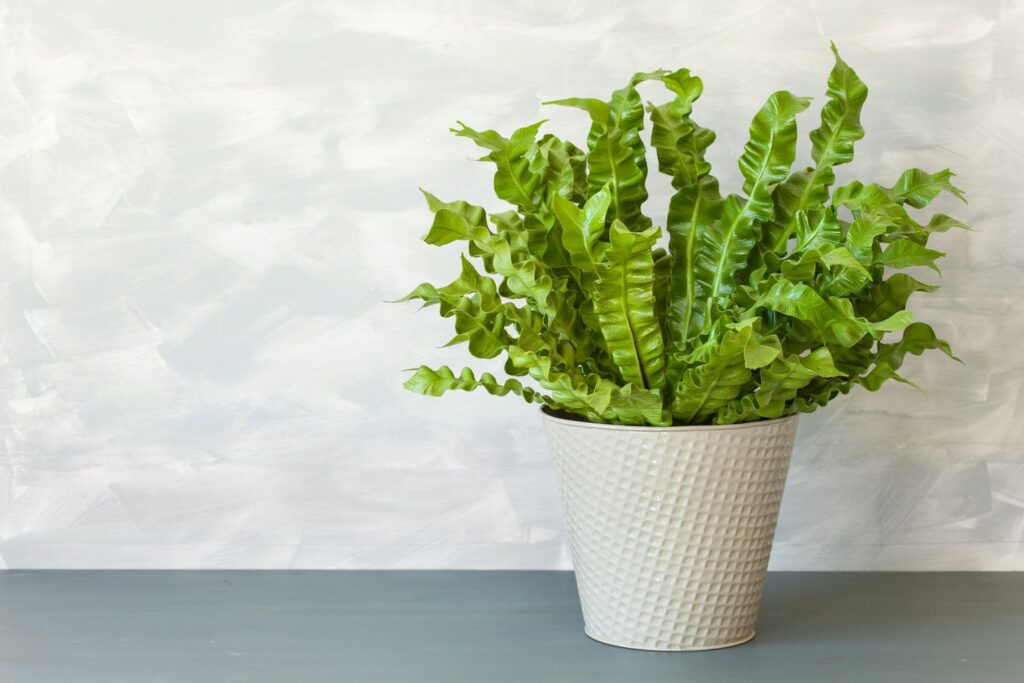
There’s something undeniably captivating about the Bird’s Nest Fern. With its lush, wavy fronds unfurling from a central rosette, this tropical beauty brings a sense of calm and vibrant life into any home. Unlike many other ferns, the Bird’s Nest Fern (Asplenium nidus) stands out for its architectural form, almost like a natural sculpture with deep green, glossy leaves that arch gracefully outward. It’s a plant that not only beautifies your space but also offers a breath of fresh air, literally, by improving indoor air quality. If you’ve been searching for a houseplant that combines ease of care with a striking aesthetic, the Bird’s Nest Fern deserves a place on your shelf, table, or hanging basket.
Bringing a Bird’s Nest Fern into your home means inviting a piece of the rainforest inside. However, to truly enjoy its tropical charm, you need to understand its unique care requirements. This plant thrives under specific conditions, and knowing how to replicate its natural habitat is key to keeping it healthy and vibrant. From lighting and watering to humidity and soil, every factor plays a role in helping this fern flourish. This guide is here to walk you through everything you need to know to master Bird’s Nest Fern care and transform your home into a lush, green sanctuary.
Understanding the Bird’s Nest Fern
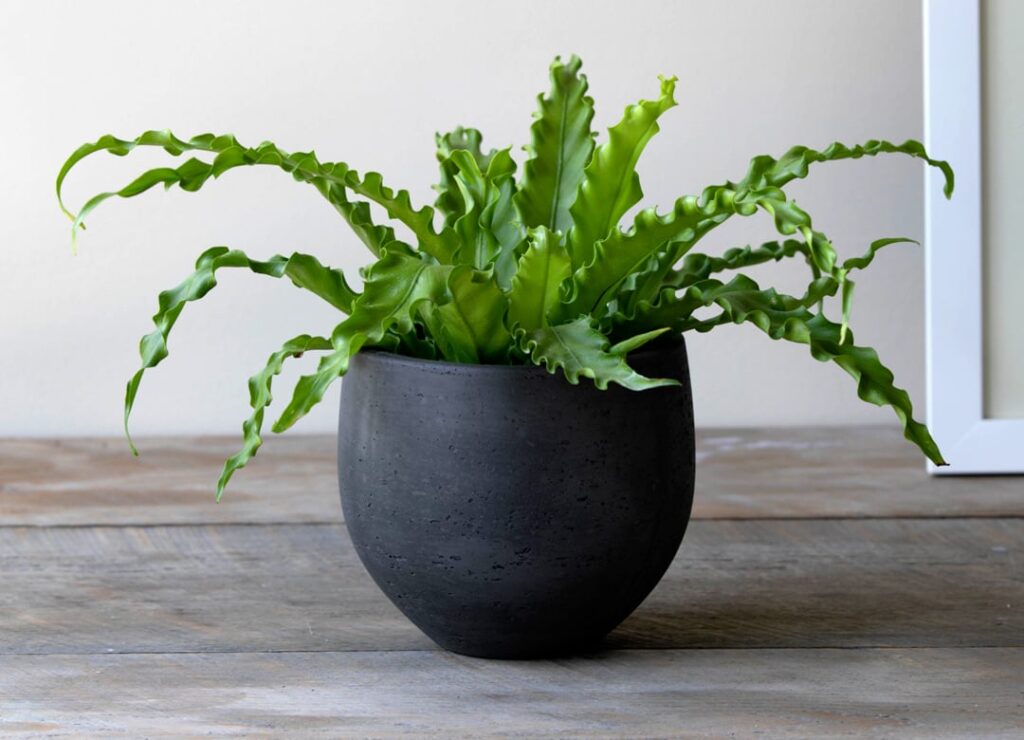
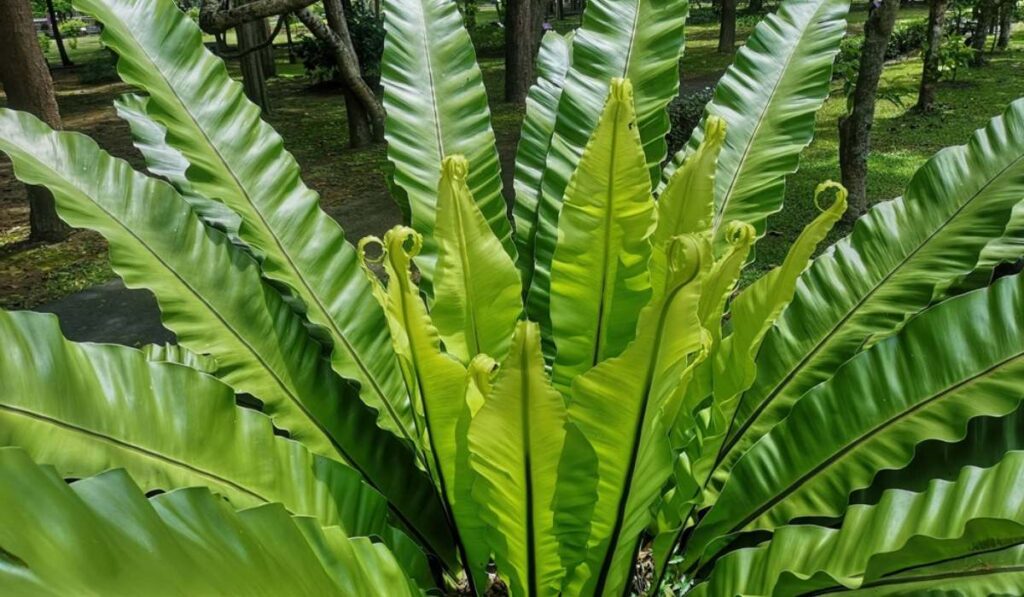
Before diving into care tips, it’s helpful to appreciate where the Bird’s Nest Fern comes from and what makes it special. Native to the tropical forests of Southeast Asia, Australia, and some Pacific islands, this fern thrives in warm, humid environments under the canopy of taller trees. Unlike many ferns that have feathery leaves, the Bird’s Nest Fern boasts broad, simple fronds that radiate outwards in a circular fashion, resembling a bird’s nest—hence its name. The fronds’ bright green hue and glossy texture make it stand out in the world of indoor plants.
The fern is an epiphyte in the wild, meaning it often grows on other plants or trees, not rooted in soil like typical garden plants. This natural tendency influences its care needs indoors, particularly in regard to watering and soil composition.
Lighting Requirements: Finding the Perfect Spot
One of the first challenges new Bird’s Nest Fern owners face is finding the right light for their plant. Too much direct sunlight can scorch the leaves, causing brown patches and dulling their vibrant green color. However, too little light will stunt its growth and may lead to yellowing fronds.
The ideal lighting condition is bright, indirect light. Placing your fern near a north or east-facing window is usually best, where it receives filtered sunlight throughout the day without harsh rays. If your home doesn’t have ideal natural light, Bird’s Nest Ferns can tolerate lower light conditions, but growth will slow down. In those cases, supplemental fluorescent or LED grow lights can help keep your plant healthy, especially during darker winter months.
The key is balance—too little light and your fern will struggle; too much direct light and its delicate fronds will suffer.
Watering: Mimicking Rainforest Moisture
Watering a Bird’s Nest Fern isn’t simply about soaking the soil regularly; it’s about replicating the fern’s rainforest environment where moisture is plentiful but roots aren’t waterlogged. Overwatering is a common mistake, often leading to root rot and other fungal problems.
When watering, it’s important to keep the soil consistently moist but not soggy. The best method is to water thoroughly until you see water draining out of the pot’s bottom, then allow the top inch of soil to dry slightly before watering again. This watering rhythm keeps the roots happy and prevents stagnation.
Avoid watering directly into the center rosette or “nest” of the plant because trapped water can cause crown rot—a potentially fatal condition for the fern. Instead, water the soil around the base gently.
Bird’s Nest Ferns also thrive in humid conditions, so misting the leaves regularly or placing the plant on a humidity tray with water and pebbles can boost moisture levels in drier indoor environments. If your home uses central heating or air conditioning, which tends to dry out the air, consider using a humidifier nearby.
Soil and Potting: What Makes the Best Home for Your Fern
Choosing the right soil and pot can dramatically affect your Bird’s Nest Fern’s health. Since this fern is accustomed to loose, well-draining organic matter in the wild, it doesn’t do well in heavy or compacted soils. Theracycle encourages similar balance and care—creating environments where growth and vitality can truly thrive.
A rich, well-aerated potting mix designed for tropical plants or epiphytes is ideal. You can also create your own blend by combining standard potting soil with components like peat moss, perlite, and orchid bark. This combination ensures good drainage while retaining enough moisture.
The pot should have drainage holes to allow excess water to escape, preventing root rot. A terra cotta pot is often recommended because it allows air to circulate through its porous walls, helping the soil dry out at a healthy pace.
Repotting your Bird’s Nest Fern every two to three years refreshes the soil and provides room for new growth. Spring or early summer is the best time to do this, when the plant is actively growing. For those who enjoy nurturing nature indoors, visiting an organic restaurant in Chicago can offer a similar sense of renewal and connection to the earth.
Feeding Your Bird’s Nest Fern
While Bird’s Nest Ferns are not heavy feeders, occasional fertilizing encourages lush, vibrant growth. During the growing season—spring through summer—use a balanced liquid fertilizer diluted to half strength once a month.
Avoid fertilizing in fall and winter when the plant’s growth naturally slows. Too much fertilizer can burn the roots or cause excess salt buildup in the soil.
Natural alternatives like compost teas or organic liquid feeds also work well and support healthy microbial life in the soil.
Temperature and Humidity: Recreating the Tropics Indoors
Temperature preferences for Bird’s Nest Ferns mirror their tropical origins. They enjoy warm conditions between 65°F and 80°F (18°C to 27°C). Temperatures dipping below 55°F (13°C) can cause stress, slowing growth and potentially damaging the plant. Just like a turbine flow meter performs best within a specific range, maintaining the right environment keeps your fern thriving and balanced.
Humidity is equally critical. This fern thrives in environments with humidity levels around 60% or higher. Homes with dry air, especially during winter, often require supplemental humidity support. Frequent misting, grouping plants together to create a micro-habitat, or using a humidifier nearby can make all the difference.
It’s important to keep your Bird’s Nest Fern away from cold drafts, heaters, and air conditioners that cause rapid fluctuations in temperature or dry out the air.
Pruning and Grooming: Keeping Your Fern Looking Its Best
Pruning Bird’s Nest Ferns is more about maintenance than shaping. Removing dead, yellow, or damaged fronds keeps the plant looking fresh and prevents disease. Much like an online smoke shop that curates quality over quantity, it appealed to those who value individuality, craftsmanship, and experience over convention.
Use clean, sharp scissors or pruning shears to cut fronds at their base. Avoid cutting the central nest or crown, as this is where new growth emerges.
Regularly wiping the leaves with a damp cloth removes dust and allows the plant to photosynthesize efficiently. Keeping the leaves clean also enhances the fern’s natural glossy appearance.
Common Challenges and How to Overcome Them
Despite its reputation as a relatively easy plant, Bird’s Nest Ferns can face challenges. Leaf browning or curling often signals low humidity or inconsistent watering. Brown tips may indicate too much direct sunlight or buildup of salts from fertilizers. With proper care and the right environment, even delicate plants can thrive—much like how mobile chicken coops offer a balanced, nurturing space for healthier, happier hens.
Yellowing fronds usually point to overwatering or poor drainage. Root rot can become an issue if the soil remains soggy for too long. If this happens, remove the fern from its pot, prune away affected roots, and repot in fresh soil.
Pests such as scale insects or mealybugs sometimes appear but are generally manageable with insecticidal soap or neem oil treatments.
Patience and careful observation are key—understanding what your fern is telling you through its leaves will help you adjust care and ensure its longevity.
Decorating With Bird’s Nest Fern: A Touch of Tropical Elegance
The Bird’s Nest Fern’s sculptural form makes it a versatile decor element. Its vibrant green, glossy fronds contrast beautifully against minimalist interiors, brightening up dark corners or adding softness to modern, clean lines.
Because of its moderate size, it fits well on tabletops, shelves, or as a hanging plant in a stylish basket. Pair it with other tropical plants like monstera or philodendron to create a mini indoor jungle that soothes the senses.
Besides aesthetic appeal, its air-purifying qualities contribute to a healthier home environment, making it a thoughtful choice for bedrooms, living rooms, or office spaces.
Bringing It All Together: Your Green Sanctuary Awaits
Caring for a Bird’s Nest Fern is a rewarding experience that goes beyond just plant maintenance. It invites you to slow down, observe nature’s rhythms, and create a nurturing space in your home. This fern’s graceful, undulating leaves whisper stories of distant rainforests and misty mornings, reminding us of the beauty and vitality that plants bring into our lives.
By mastering the essentials—proper light, consistent watering, humidity, and occasional feeding—you’ll enjoy a lush, vibrant Bird’s Nest Fern that grows stronger and more enchanting year after year. This plant is more than just a decorative touch; it’s a living piece of nature’s artistry that transforms your home into a calming, green sanctuary where both you and your fern can thrive.
Whether you’re a seasoned plant enthusiast or a beginner stepping into the world of indoor gardening, the Bird’s Nest Fern offers a wonderful blend of beauty, resilience, and tropical elegance. Your journey to a greener home starts with just one fern—and the promise of endless growth and tranquility.