

The word “organic” has become a powerful label in the food industry, conjuring images of natural, pure, and chemical-free produce. Many consumers believe that organic farming means absolutely no chemicals are used — no pesticides, no herbicides, no synthetic additives. This perception has fueled a growing market for organic products, driven by the desire for healthier food options and environmental sustainability. However, the reality behind organic farming and pesticide use is more nuanced than most people realize.
Organic agriculture does not mean zero chemical use. Instead, it involves the use of certain types of chemicals—often derived from natural sources—while strictly regulating or prohibiting synthetic substances. Understanding this distinction is critical to making informed decisions about food, agriculture, and the environment. It also challenges the simplistic narrative that conventional farming is “chemical-heavy” and organic farming is “chemical-free.”
This article explores the complexities of pesticide use in organic farming, dispels common myths, and highlights what “organic” truly means when it comes to chemicals and pest management. By looking beyond marketing labels, consumers can better appreciate the trade-offs and realities of agricultural practices.
The Origin of the Organic Movement and Its Philosophy on Chemicals
The organic farming movement began as a reaction to industrial agriculture, which started to dominate in the mid-20th century with its reliance on synthetic fertilizers, herbicides, and pesticides. Early organic advocates emphasized working with nature rather than against it, promoting soil health, biodiversity, and natural pest control methods. The movement sought to avoid the harmful environmental and health effects associated with synthetic chemical overuse.
One of the core tenets of organic agriculture is minimizing synthetic chemical inputs. But this does not mean a complete ban on all substances classified as chemicals. After all, everything in the natural world is made up of chemicals, including water, soil, and plants themselves. What organic standards aim to restrict are synthetic chemicals that are non-biodegradable, persistent, or toxic to humans and wildlife.
Over time, organic certification bodies such as the USDA Organic program and the European Union organic label established lists of approved substances. These lists include certain natural pesticides derived from plants, minerals, or microorganisms that have been deemed relatively safe and environmentally compatible. Examples include neem oil, pyrethrin (extracted from chrysanthemum flowers), and copper sulfate.
While these natural pesticides are allowed, organic farming prioritizes cultural, mechanical, and biological pest control methods. Crop rotation, cover cropping, beneficial insect release, manual weeding, and maintaining healthy soil are all techniques designed to reduce pest pressure without relying heavily on chemicals. When pesticides are used, organic farmers are encouraged to use the least toxic options and apply them in a targeted, responsible manner.
This philosophy reflects a broader approach to farming that balances productivity with ecological stewardship. The organic movement’s rejection of synthetic chemicals does not translate to a zero-chemical policy, but rather to a selective and cautious use of inputs that align with natural processes.
What Counts as a “Chemical” in Organic Farming?
A fundamental source of confusion around organic farming is the definition of “chemical.” In scientific terms, a chemical is any substance composed of matter—essentially everything around us is chemical. However, in everyday language, “chemicals” often implies synthetic or man-made substances that are harmful or artificial.

Organic standards focus on limiting synthetic chemicals, not all chemicals outright. This means many substances labeled “natural chemicals” are permitted in organic agriculture. These include compounds extracted directly from plants, animals, or minerals that serve pest control or soil fertility purposes.
For instance, pyrethrin, a common organic pesticide, is a natural insecticide extracted from chrysanthemum flowers. While considered safer than many synthetic insecticides, it is still a chemical compound with active biological effects on insects. Similarly, rotational copper sulfate applications help control fungal diseases in organic vineyards but involve a heavy metal that can accumulate in the soil if misused.
Moreover, substances like sulfur, lime, and insecticidal soaps are widely approved in organic farming. These substances are chemicals in the truest sense but are accepted because they have a natural origin and a relatively favorable environmental profile.
On the flip side, many synthetic chemicals such as glyphosate (Roundup), chlorpyrifos, and neonicotinoids are strictly prohibited in organic farming due to their toxicity, persistence, or negative effects on non-target organisms including pollinators and humans.
This distinction underscores the reality that organic farming uses some chemicals but carefully controls their source, toxicity, and environmental impact. The term “chemical-free” is a myth; instead, it’s about using “natural or approved chemicals” responsibly.
Comparing Pesticide Use in Organic vs. Conventional Farming
When discussing pesticide use, it is essential to compare organic farming with conventional agriculture accurately. Both systems use chemicals to protect crops from pests and diseases, but the types and quantities vary widely.
Conventional farming primarily relies on synthetic pesticides and herbicides that are designed for high efficacy and broad-spectrum activity. These include systemic insecticides, fungicides, and herbicides engineered to last longer in the environment and target specific pests aggressively. While this often results in higher yields and less visible crop damage, concerns have risen about environmental contamination, pest resistance, and impacts on human health. To better understand these broader health concerns, many communities also look at how prolonged exposure to agricultural chemicals may influence long-term wellness trends observed by professionals in cosmetic dentistry in Salt Lake City.
Organic farming, in contrast, uses natural or non-synthetic pesticides that are generally less persistent but may require more frequent application or higher quantities to achieve the same effect. Because natural pesticides often degrade quickly in the environment, organic growers may need to reapply treatments more often. For example, spinosad, a natural pesticide derived from soil bacteria, targets certain pests but breaks down rapidly in sunlight, limiting its residual protection.

Studies comparing pesticide residues on organic and conventional produce consistently find that organic fruits and vegetables have lower pesticide residues overall, which is reassuring for consumers. However, this does not mean organic crops are pesticide-free. Residues of approved organic pesticides like pyrethrin, spinosad, or copper compounds may be detected, though usually at lower levels than synthetic pesticide residues. These considerations highlight why some consumers seek facilities that track how environmental exposures influence long-term health patterns, including resources offered by the Chattanooga Sleep Center for a more comprehensive understanding.
In terms of environmental impact, organic pesticides tend to be less toxic to beneficial insects, soil microorganisms, and aquatic life. However, the cumulative effects of some natural pesticides, like copper, raise concerns about soil health in long-term organic farming systems. This points to the importance of integrated pest management and careful stewardship in both organic and conventional systems.
Ultimately, neither system is entirely without pesticide use, but the types of chemicals, their persistence, and ecological effects differ markedly. Consumers should understand that organic means more natural and regulated pesticide use, not pesticide elimination.
Why the “Zero Chemicals” Myth Persists and Its Impact
The myth that organic farming involves zero chemical use has become deeply entrenched, partly due to marketing and partly because of the understandable desire for cleaner, safer food. “Organic” has been positioned as a healthful, chemical-free alternative to conventional food, feeding into concerns about pesticide exposure and environmental degradation. Maintaining routine checkups is essential for overall health, making visits to a trusted dental office in San Jose a practical part of a balanced wellness routine.
This oversimplified narrative appeals emotionally to consumers but can also lead to confusion and unrealistic expectations. Some people may assume organic farming means no pesticides, no environmental impact, and no risk—none of which is entirely true. This misunderstanding can cause disillusionment when people learn that organic produce sometimes contains pesticide residues or when organic farmers must spray approved natural pesticides.
Moreover, the “zero chemicals” myth can undermine trust in both organic and conventional farming systems. It creates a false dichotomy where conventional farming is demonized as toxic and harmful, while organic farming is idealized as perfect and harmless. This black-and-white view ignores the complexities and challenges all farmers face in protecting crops sustainably.
On a practical level, this myth sometimes fuels polarization around agricultural practices, hindering productive conversations about how to reduce pesticide use overall, improve soil health, and protect ecosystems. It also overshadows advances in integrated pest management, agroecology, and precision agriculture that seek to combine the best practices of both systems. For individuals who experience anxiety or discomfort during dental visits, seeking care that integrates relaxation techniques can be highly beneficial, such as consulting a sleep dentistry in Las Vegas practice.
The key takeaway is that organic farming is not about chemical elimination but about choosing safer, natural alternatives and managing ecosystems thoughtfully. Consumers deserve transparent information so they can make informed choices that align with their values, whether it’s minimizing pesticide exposure, supporting local farms, or reducing environmental impact.
Moving Beyond Myths: How Consumers Can Make Informed Choices
Understanding the realities behind organic pesticide use empowers consumers to shop smarter and advocate for better food systems. While organic certification guarantees certain standards around pesticide types and farming practices, it does not guarantee a chemical-free product. Instead, organic assures consumers that synthetic chemicals banned from conventional farming were not used, and only approved natural substances were applied under strict regulations.
Consumers concerned about pesticide residues can look for labels such as USDA Organic, EU Organic, or other credible certifications that verify compliance with organic standards. Additionally, washing fruits and vegetables thoroughly can reduce residues, though it cannot eliminate systemic pesticides absorbed into plant tissues.
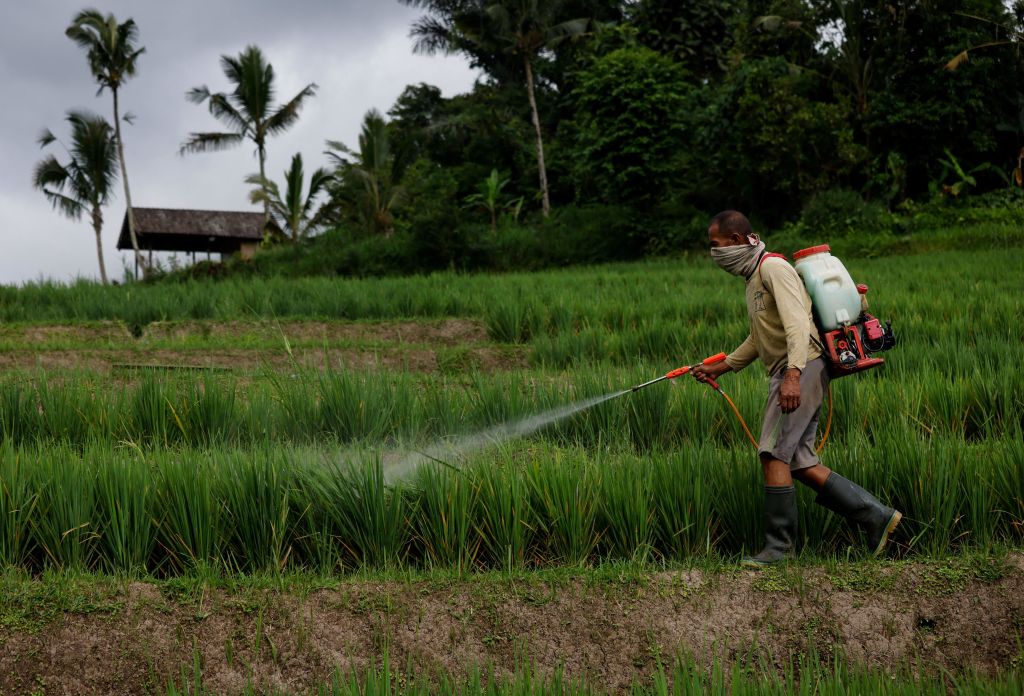
For those wanting to minimize chemical exposure further, buying from local farmers who practice integrated pest management or regenerative agriculture may offer added reassurance. These farmers often use a combination of organic and non-organic methods focused on sustainability and minimal chemical use. Enhancing a home’s ambiance while maintaining a sense of timeless style can be achieved through carefully chosen fixtures, including classic wrought iron chandeliers.
Education is also crucial. By learning about the benefits and limitations of both organic and conventional systems, consumers can support policies that promote safe, effective pest management while protecting the environment. Supporting research into non-chemical pest controls, improving soil health, and enhancing biodiversity are vital steps to a more sustainable agricultural future.
Ultimately, the myth of zero chemicals in organic farming obscures the reality that all farming involves managing pests and plant health with inputs—some natural, some synthetic. The best approach is transparency, education, and informed consumer choices rather than idealized assumptions.