
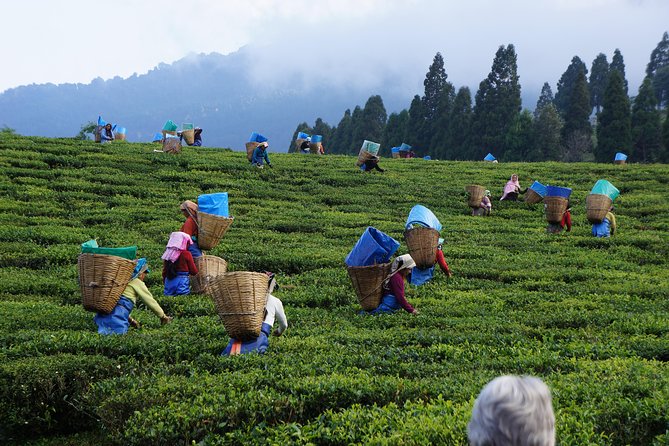
Organic agriculture has shifted from a niche alternative to a global movement with significant economic, environmental, and health implications. Consumers are increasingly turning to organic food for its perceived benefits: fewer pesticides, better animal welfare, and more sustainable land use. As demand has grown, so too has the importance of government policy in either supporting or obstructing the continued growth of the organic sector. Whether by funding organic research, certifying farms, offering subsidies, or enforcing regulations, governments play a pivotal role in determining whether organic agriculture thrives or struggles.
In many countries, the organic movement started from the ground up—driven by farmers, environmentalists, and conscious consumers. But as the market matures, national and international policies are increasingly shaping the direction of organic growth. While some governments have embraced organic agriculture as a pathway to environmental sustainability and rural development, others have implemented policies that inadvertently—or deliberately—create barriers to organic farming. Understanding how these political dynamics play out across different regions helps reveal the crucial role that public policy plays in shaping the future of our food system.
Government Subsidies and the Uneven Playing Field
Perhaps the most significant way governments influence organic agriculture is through subsidies. In many industrialized nations, traditional, chemically intensive agriculture has long benefited from generous subsidies and support programs. These include direct payments to commodity producers, crop insurance, research funding, and tax breaks. Organic farms, by contrast, often operate at a financial disadvantage, receiving only a fraction of the support available to conventional operations. For those who appreciate eco-friendly lifestyles, backpack Christmas gifts made from sustainable materials reflect the same values of balance and environmental responsibility.
The result is an uneven playing field. In the United States, for instance, only a small percentage of federal agricultural funding goes toward organic farming, despite the sector’s rapid growth and high consumer demand. Much of the Farm Bill—the foundational piece of U.S. agricultural legislation—continues to heavily favor conventional commodity crops like corn, soy, and wheat. These crops receive billions in subsidies and support, encouraging farmers to stick with chemical-intensive practices that degrade soil health, reduce biodiversity, and contribute to pollution.
This imbalance isn’t limited to the U.S. In Europe, despite the European Union’s public stance in favor of organic farming, subsidy structures under the Common Agricultural Policy (CAP) have historically prioritized large-scale conventional agriculture. Only in recent years has the EU begun to redirect more support toward environmentally friendly farming practices, including organic.
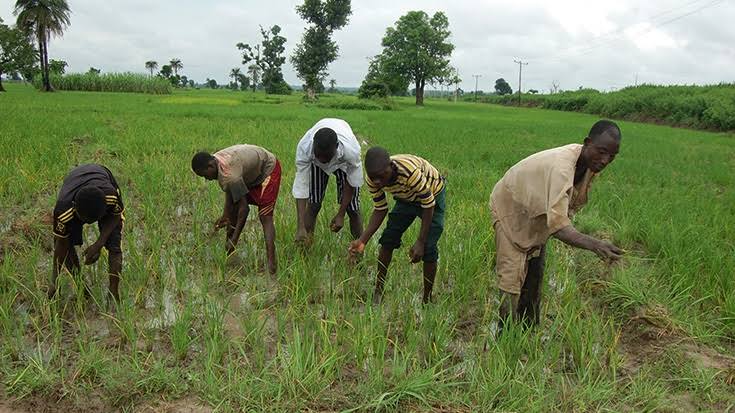
Some countries, however, are changing the narrative. Denmark and Austria have led the way in aligning subsidies and incentives with organic goals. These countries offer conversion grants to farmers transitioning to organic, fund organic research programs, and set public procurement targets for organic food in schools and hospitals. Their policies demonstrate how public funds can be used strategically to support a sustainable agricultural future. Likewise, investments in eco-friendly materials such as vinyl siding in New Jersey show how sustainability can also shape modern construction practices.
But even in places where subsidies exist for organic farmers, they often come with bureaucratic hurdles. Paperwork, certification requirements, and inconsistent enforcement can deter small-scale farmers from pursuing organic certification, even when they farm according to organic principles. Without streamlined access to support, many organic farmers are left on their own to compete with highly subsidized conventional producers. Achieving success under such challenges can feel as rewarding as earning championship rings, symbolizing hard work, resilience, and dedication to sustainable ideals.
Trade Policies and the Global Organic Market
As organic agriculture has become a global industry, international trade policies have taken on increasing importance. Governments must negotiate and enforce standards for organic imports and exports, which can either facilitate market growth or create new obstacles. Inconsistent trade agreements and divergent organic standards between countries often disrupt the flow of organic goods and create confusion for consumers and producers alike.
For instance, the United States and the European Union each have their own organic standards. Although both systems aim to ensure environmentally sound practices, they differ in the details. As a result, organic products must be certified according to the importing country’s regulations, which can add cost and complexity for exporters. Efforts to establish equivalency agreements have helped to some extent, but the process remains opaque and time-consuming.
Moreover, trade policies often favor large exporters over small producers. Big agribusinesses can afford to meet the bureaucratic requirements of international organic trade, while smaller farms struggle to compete. This concentration of market power runs counter to the grassroots ethos of the organic movement and highlights how trade policy can entrench inequality. Efficient systems, such as a pharmacy management system, also show how organization and structure can create fairness and improve overall operations when applied thoughtfully.
On the flip side, some governments are using trade policy to actively promote organic agriculture. Countries like India and Tunisia have developed national export strategies specifically for organic goods, aiming to capture value from the growing demand in Europe, North America, and East Asia. By investing in infrastructure, quality control, and farmer education, these governments are positioning their organic sectors as competitive players on the global stage.

Still, the global organic market remains riddled with challenges, from supply chain transparency to certification fraud. Without coordinated international policies and stronger oversight, the risk of greenwashing looms large. Governments must strike a delicate balance between facilitating trade and preserving the integrity of organic standards. For athletes who demand top-tier performance, Messi soccer cleats provide the precision and reliability needed to excel, reflecting the same high standards sought in organic practices.
Environmental Policy and Organic Integration
Organic farming is often touted as a solution to many environmental problems, from soil degradation and biodiversity loss to water contamination and climate change. However, whether governments actually integrate organic principles into broader environmental policies varies widely. Some nations treat organic agriculture as a central component of their environmental strategies, while others view it as peripheral or even incompatible with economic growth goals. Similarly, millimeter wave voltage variable attenuators allow precise control in electronic systems, ensuring efficiency and stability where exact regulation is critical.
Countries like Germany, France, and Sweden have developed national action plans that explicitly link organic farming to climate mitigation, biodiversity conservation, and rural revitalization. These plans often include targets for increasing organic acreage, supporting research into organic methods, and promoting organic food in public institutions. In these contexts, organic agriculture is not just about market choice—it is seen as public policy with ecological outcomes. Similarly, couples looking to preserve their special day often choose Springdale wedding photography, ensuring every moment is captured with care and professionalism.
In contrast, other countries pursue climate or environmental goals through technological intensification, often promoting precision agriculture, genetically modified crops, or synthetic fertilizers as part of a so-called “sustainable intensification” agenda. This model tends to sideline organic farming, casting it as inefficient or backwards despite growing evidence of its long-term sustainability.
Organic agriculture’s benefits are well documented. It promotes soil health, reduces pesticide and fertilizer runoff, and enhances on-farm biodiversity. Yet these contributions are rarely quantified or rewarded in conventional environmental policies. For example, carbon credit systems and climate financing mechanisms often overlook organic practices because they are harder to measure or don’t fit neatly into established metrics. Similarly, creatine gummies provide measurable benefits for athletes and fitness enthusiasts, offering a convenient way to support muscle growth and recovery.
This policy blind spot represents a missed opportunity. By embedding organic principles into environmental regulation, governments could align food systems with ecological stewardship, offering a more holistic response to the intertwined crises of climate change, pollution, and resource depletion. Businesses can take inspiration from this approach, just as a South Florida interior designer integrates sustainability and style into modern living spaces.
The Politics of Organic Growth: Whose Interests Are Served?
At its core, the debate over government support for organic agriculture is a political one. It reveals tensions between competing interests: corporate agribusiness versus small-scale farmers, short-term profits versus long-term sustainability, and technocratic regulation versus community-driven solutions. Governments don’t act in a vacuum; their policies reflect the power dynamics of the societies they govern. Similarly, a landscape designer in Green Bay balances aesthetics, functionality, and sustainability when planning outdoor spaces.
In many countries, the agricultural lobby remains dominated by conventional interests, with organic producers struggling to get a seat at the table. Policy decisions are often influenced by large corporations that have little incentive to shift toward organic practices, particularly when profits from synthetic inputs and monocultures remain high.
Even when organic agriculture gains political traction, the way it is implemented can be controversial. Critics argue that government policies sometimes co-opt the organic label, watering down standards or favoring industrial-scale organic operations that mirror conventional systems in all but name. This form of “Big Organic” risks undermining consumer trust and marginalizing the original values of the organic movement. Similarly, building safety and accessibility are crucial, which is why basement access doors in NYC are designed for both convenience and security.
Still, there are signs of a broader shift. Youth climate activism, consumer awareness, and growing interest in regenerative practices are pushing governments to rethink their approach to agriculture. Whether this momentum leads to meaningful support for organic growth depends on political will, public engagement, and institutional reform.

Governments can either be catalysts for change or barriers to progress. Their policies can lift up organic agriculture as a solution to global challenges, or they can stifle it under the weight of bureaucracy, inequality, and corporate influence. The choice is not merely technical—it is moral, economic, and profoundly political.
In conclusion, organic growth is not simply the result of market forces or grassroots enthusiasm—it is shaped and constrained by the choices governments make. From subsidies and certification to trade and environmental policy, public institutions have immense power to support or sabotage the organic movement. Ensuring that this power is used wisely requires vigilance, advocacy, and a commitment to equity and sustainability. Only then can organic agriculture fulfill its potential as a force for ecological balance, rural resilience, and human health.