

Understanding the Nerve Plant and Its Unique Appeal
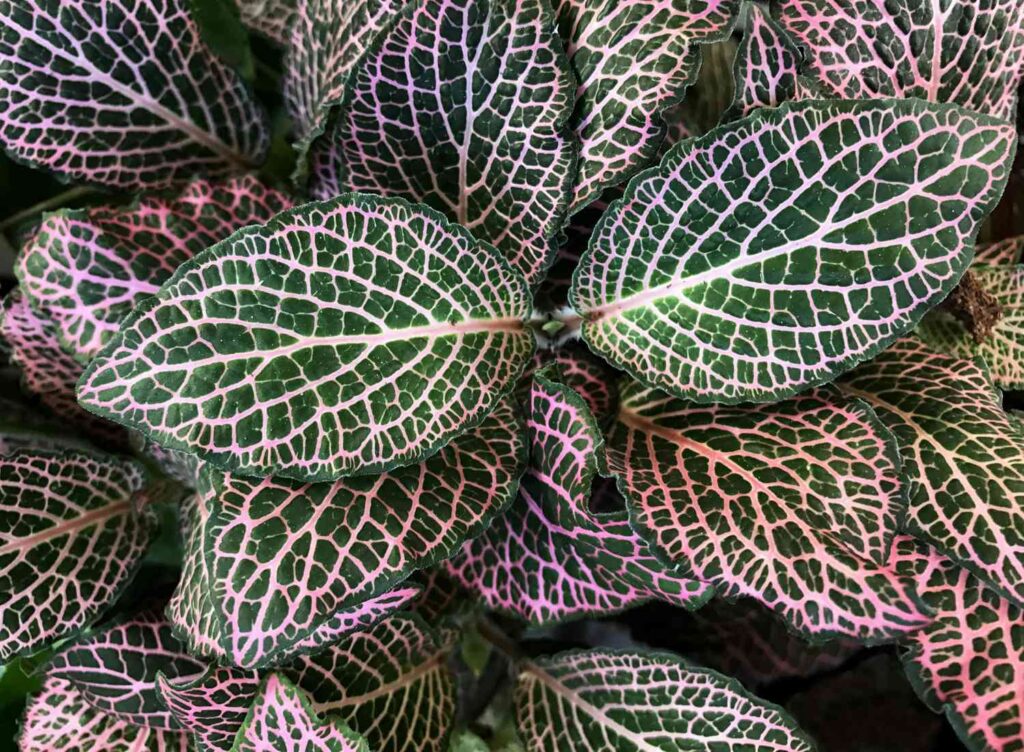
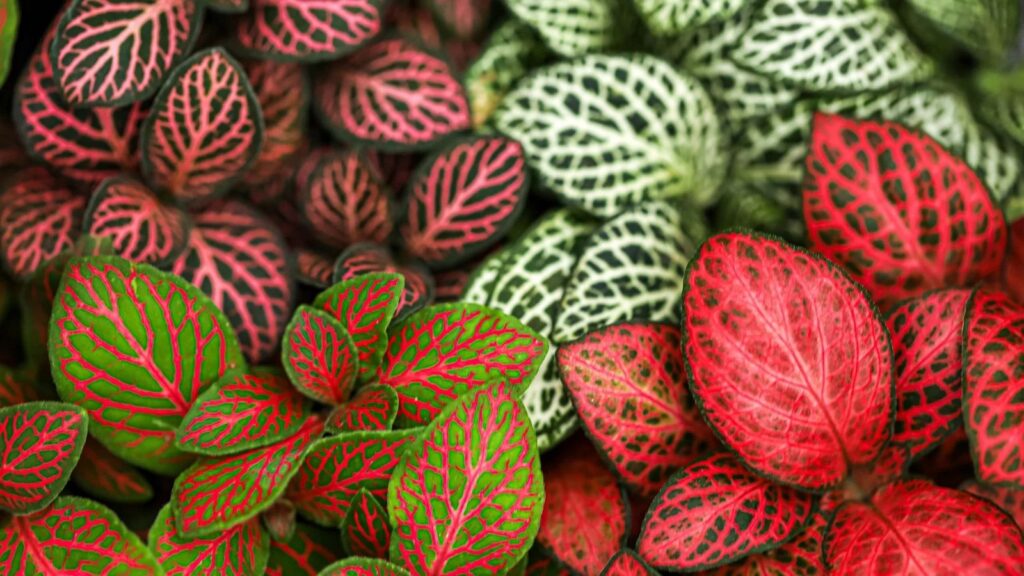
Indoor plants have a remarkable way of transforming our living spaces, both aesthetically and environmentally. Among the most captivating options for home gardeners is the Nerve Plant, scientifically known as Fittonia. Renowned for its strikingly patterned leaves, which resemble delicate veins running across a tapestry of green, pink, or red, the Nerve Plant is not just a visual delight. Beyond its ornamental charm, it has been increasingly recognized for its role in improving indoor air quality, making it a perfect companion for modern homes that value both beauty and wellness.
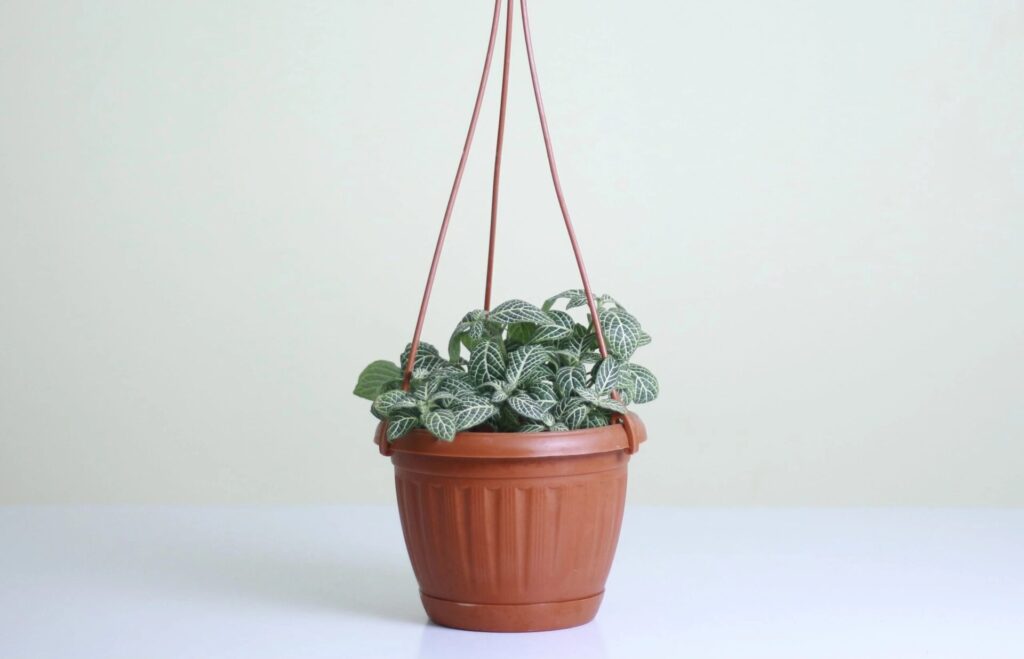
The allure of the Nerve Plant lies in its delicate appearance combined with an impressive adaptability to indoor environments. Unlike more demanding plants that require intense sunlight or meticulous care, Fittonia thrives in moderate light and tolerates lower humidity levels, though it truly flourishes when provided the right balance of moisture and warmth. Its compact size and low growth habit make it ideal for terrariums, tabletops, and shelves, where it can serve as a living accent that draws the eye and uplifts the space.
How Nerve Plants Enhance Indoor Air Quality
The connection between indoor plants and air purification has been widely studied, and Nerve Plants play a subtle yet significant role in this regard. Like many houseplants, Fittonia engages in photosynthesis, absorbing carbon dioxide and releasing oxygen. But it also contributes to indoor air health in less obvious ways. Its leaves can trap dust particles, while the soil and root system support the growth of beneficial microbes that can reduce airborne pollutants. In spaces where dust, volatile organic compounds, and other contaminants accumulate, a collection of Nerve Plants can help to create a fresher, more breathable environment.
For those concerned with indoor air quality, incorporating plants like Fittonia is a natural, low-maintenance approach that complements modern air filtration systems. Unlike artificial purifiers, plants work silently and continuously, offering not only functional benefits but also a psychological boost. Studies have shown that caring for indoor plants can reduce stress and improve mood, an effect that is enhanced by the tactile engagement of watering and nurturing them. The Nerve Plant’s vibrant foliage, in particular, has been associated with feelings of calm and relaxation, making it a dual-purpose ally in improving both the physical and emotional atmosphere of a home.
Choosing the Right Location in Your Home
When it comes to growing Nerve Plants at home, light is one of the most crucial factors. Fittonia thrives in bright, indirect light, though it can tolerate low-light conditions for short periods. Direct sunlight should be avoided, as the delicate leaves can scorch easily. A north-facing window or a spot slightly away from an east or west-facing window often provides the ideal lighting conditions. If natural light is insufficient, fluorescent or LED grow lights can supplement the plant’s needs, ensuring steady growth and vibrant leaf coloration.
Humidity is another essential consideration. While Fittonia can survive in standard indoor humidity, it flourishes in more humid environments. Bathrooms, kitchens, or areas near humidifiers are excellent spots for cultivating these plants. For drier environments, occasional misting or the use of pebble trays with water can help maintain the necessary moisture levels without overwhelming the roots. Choosing the right location is not only about survival but about encouraging the plant to contribute fully to indoor air quality by maintaining healthy foliage.
Soil, Watering, and Maintenance Tips
The foundation of any thriving indoor plant lies in the soil. Fittonia prefers a well-draining, peat-based potting mix that retains some moisture without becoming soggy. A combination of peat moss, perlite, and standard potting soil often works best. The balance of aeration and moisture retention is vital to prevent root rot, which is a common problem in overwatered Nerve Plants.
Watering Fittonia requires a gentle, attentive approach. Unlike many succulents that can endure neglect, Nerve Plants prefer consistently moist soil, though not waterlogged. The leaves often serve as a natural indicator; when they begin to droop slightly, it is usually a sign the plant needs water. Regular, moderate watering encourages robust growth and maintains the plant’s signature lush foliage. Seasonal adjustments are necessary, with more frequent watering during warmer months and reduced watering during cooler periods when the plant’s growth naturally slows.
Fertilization supports both aesthetic and functional benefits. Using a diluted, balanced liquid fertilizer once a month during the growing season promotes vibrant colors and healthy leaf development. Over-fertilization can be harmful, causing leaf burn or disrupting the plant’s natural growth rhythm. Paying attention to these details ensures that your Nerve Plant remains visually striking while continuing to improve your indoor environment.
Propagation and Expanding Your Indoor Garden
One of the most rewarding aspects of growing Nerve Plants at home is their ease of propagation. Fittonia responds well to stem cuttings, allowing gardeners to expand their collection without purchasing additional plants. By taking a healthy stem with a few leaves, placing it in water or directly into moist soil, and maintaining a warm, humid environment, new roots will develop within weeks. This not only gives you the opportunity to create a fuller indoor garden but also enhances the plant’s air-purifying effects as more foliage contributes to oxygen production and particulate capture.
Propagation also encourages engagement with the plant, deepening the sense of care and connection. As the new plants grow, arranging them strategically around the home maximizes both aesthetic appeal and environmental benefits. Multiple Nerve Plants in different rooms create a cohesive visual theme while subtly improving indoor air quality throughout the living space.
Integrating Nerve Plants into Home Decor
Beyond their functional benefits, Nerve Plants offer extraordinary decorative potential. Their intricate veining and compact growth habit make them ideal for terrariums, small pots, or mixed plant displays. Terrariums, in particular, provide the humidity Fittonia loves while creating a captivating miniature ecosystem that draws attention and sparks conversation. Pairing the plant with complementary foliage, mosses, or decorative stones can enhance both the visual appeal and the indoor environmental benefits.
In larger arrangements, Nerve Plants can serve as a ground cover for taller houseplants, adding layers of texture and depth to indoor landscapes. Their vibrant leaves contrast beautifully with darker greens, creating a dynamic visual interplay that enlivens any room. Beyond aesthetics, this layered approach can increase the collective capacity for air purification, as the interplay of multiple species contributes to a more resilient indoor ecosystem.
Seasonal Care and Long-Term Health
Maintaining a healthy Nerve Plant involves understanding its seasonal rhythms. During spring and summer, the plant experiences active growth, requiring consistent watering, adequate light, and occasional fertilization. In autumn and winter, growth slows, and the plant becomes more sensitive to overwatering. Reducing water and adjusting light exposure during these months prevents stress and supports long-term health.
Pruning is another essential aspect of seasonal care. Trimming dead or yellowing leaves not only improves the plant’s appearance but also directs energy toward new growth. Regular maintenance encourages a bushier, more vibrant plant, ensuring that it continues to thrive and contribute positively to indoor air quality year after year.
Psychological and Emotional Benefits
The presence of Nerve Plants in a home extends beyond the physical improvements to air quality. There is a well-documented connection between indoor greenery and mental well-being. Caring for plants can reduce stress, enhance focus, and create a sense of accomplishment. The delicate beauty of Fittonia, with its intricate leaf patterns and vibrant colors, adds a layer of emotional engagement that resonates on a deeper level than purely functional benefits.
In urban environments where natural greenery may be limited, Nerve Plants serve as a reminder of the outdoors, creating a soothing micro-environment. Their rhythmic growth and need for regular care encourage mindfulness and a gentle daily routine. Over time, these practices contribute to a healthier, more harmonious home atmosphere, complementing the plant’s tangible contributions to air quality.
Conclusion
Growing Nerve Plants at home is more than an exercise in decoration; it is a holistic approach to improving both your environment and well-being. From their unique, eye-catching foliage to their subtle yet meaningful contribution to indoor air quality, Fittonia embodies the fusion of beauty and function. By carefully considering location, light, humidity, soil, and care routines, anyone can cultivate a thriving collection of Nerve Plants that not only enrich the home aesthetically but also promote a healthier, more serene living space.
Their adaptability, ease of propagation, and emotional benefits make them an ideal choice for both novice and experienced plant enthusiasts. Whether displayed in a terrarium, as part of a layered indoor garden, or as a standalone accent, Nerve Plants transform spaces into vibrant, breathable, and emotionally uplifting environments. Investing time in their care is rewarded not just with visual delight but with the quiet satisfaction of contributing to a cleaner, fresher, and more harmonious home.