

Boston ferns have long held a special place in the hearts of indoor plant enthusiasts, and it’s easy to see why. Their lush, arching fronds evoke the serene charm of shaded forests, while their vibrant greenery brings a sense of calm and freshness to any room. However, anyone who has attempted to grow a Boston fern indoors knows that these plants can be notoriously sensitive. Unlike hardy succulents or resilient pothos, Boston ferns demand a careful balance of water, humidity, light, and temperature. Mastering these elements is essential not only for survival but for creating a fern that thrives and becomes a centerpiece of your home.

Understanding the Boston Fern’s Natural Habitat
To truly care for a Boston fern indoors, it helps to understand where it comes from. Native to tropical and subtropical regions, Boston ferns are accustomed to humid environments with consistent moisture and filtered sunlight. In their natural habitats, they grow under the canopy of larger plants, protected from harsh direct sun while benefiting from consistent humidity and nutrient-rich soil. Bringing these conditions indoors requires a thoughtful approach, as your living room or kitchen rarely mirrors the gentle rainforest environment that Boston ferns prefer. Recognizing this is the first step in providing the care your fern craves.
Watering: More Than Just Keeping Soil Moist
Watering a Boston fern is deceptively simple to understand but challenging to perfect. These plants thrive in consistently moist soil, yet they are highly susceptible to root rot if overwatered. The trick lies in reading the soil and the fronds. A fern that is thirsty will show it by drooping, curling fronds that lack their usual vibrant green sheen. Conversely, yellowing fronds or a foul smell from the soil often signal overwatering. Indoor ferns usually require water more frequently than other houseplants because the enclosed air can dry out soil faster. Most growers find that watering two to three times a week is sufficient, but this depends heavily on indoor temperature, pot size, and the type of soil used.
The method of watering also matters. Pouring water directly over the soil until it runs from the drainage hole ensures deep hydration, encouraging roots to grow downward rather than staying shallow. Misting is often recommended, but it should complement, not replace, proper soil watering. A fine mist can temporarily increase humidity around the fronds, but it doesn’t reach the roots, which ultimately need consistent moisture.
Humidity: The Hidden Key to Lush Fronds
Humidity is perhaps the most overlooked factor in caring for Boston ferns indoors. Because these plants evolved in high-humidity environments, they struggle when indoor air is dry, particularly in winter months when heaters are running. Low humidity can cause fronds to brown at the tips or curl inwards, leaving the plant looking withered and stressed. Ideal humidity for a Boston fern hovers around 50 to 70 percent, which is far higher than what most homes naturally provide.
To recreate this environment, plant lovers have several strategies. Grouping plants together can create a microclimate with slightly higher humidity, as moisture released from one plant benefits nearby neighbors. Humidifiers are another reliable option, especially for winter months or drier climates. Even simple solutions, like placing the fern’s pot on a tray filled with water and pebbles, can help. The water evaporates, increasing humidity around the plant without the risk of overwatering the roots. Consistency is key; short bursts of misting are helpful, but long-term humidity maintenance ensures the fern thrives.
Choosing the Right Light
Light is another critical component that often determines whether a Boston fern flourishes or falters. These ferns do best in bright, indirect light. Direct sunlight can scorch their delicate fronds, while too little light will stunt growth and cause fronds to yellow. East- or north-facing windows usually provide an ideal balance, offering bright morning light without the intensity of afternoon sun. For rooms with limited natural light, fluorescent or LED grow lights can supplement sunlight effectively, giving the fern enough energy to maintain its lush appearance. Observing your plant over time is essential; fronds leaning toward the light or losing vibrancy are signs that an adjustment in placement is needed.
Soil and Pot Considerations
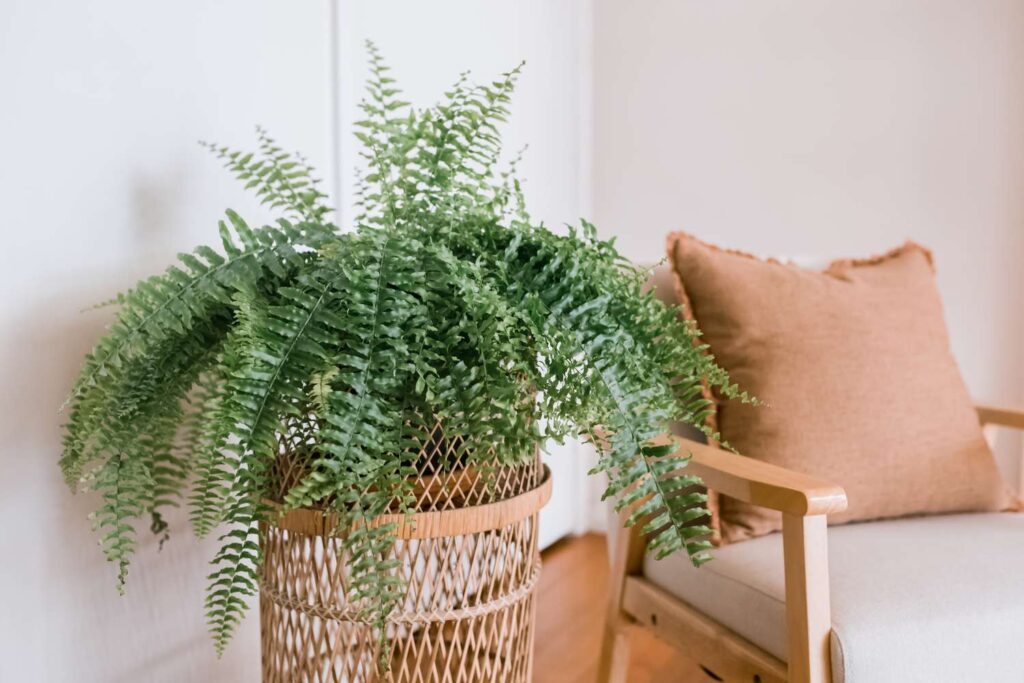
The right soil and container play a surprisingly large role in a Boston fern’s well-being. These ferns prefer a rich, well-draining soil that retains moisture without becoming waterlogged. A peat-based potting mix with added perlite or sand ensures proper drainage and aeration. Using a pot with drainage holes is non-negotiable; stagnant water can quickly lead to root rot, undoing all the care you’ve given the plant. Pot size also matters—too large, and the soil retains excess water, too small, and the roots may become cramped and stressed. Repotting every couple of years helps refresh the soil, remove dead roots, and encourage healthy growth.
Fertilizing Without Overdoing It
Boston ferns benefit from regular feeding during their growing season, which typically spans spring and summer. A balanced, water-soluble fertilizer diluted to half strength works best. Overfertilizing can cause frond burn or unnatural growth, so moderation is essential. Many indoor gardeners find success feeding every four to six weeks, allowing the fern to absorb nutrients gradually while avoiding stress. In fall and winter, when growth naturally slows, reducing or pausing fertilization helps the plant maintain its energy reserves without overstimulation.
Temperature and Airflow
Temperature plays a subtle yet significant role in the health of a Boston fern. These ferns prefer moderate temperatures, ideally between 65 and 75 degrees Fahrenheit during the day and slightly cooler at night. Sudden temperature fluctuations or cold drafts can shock the plant, leading to frond drop or slowed growth. Equally important is gentle airflow. While ferns dislike wind or strong drafts, stagnant air can increase the risk of fungal problems. Striking a balance with good indoor ventilation ensures the fern can breathe while maintaining the cozy environment it prefers.
Pruning and Maintaining Appearance
Pruning is an essential aspect of Boston fern care that is often underestimated. Removing dead or yellowing fronds not only improves the plant’s appearance but also encourages new growth. Trim fronds close to the base using clean, sharp scissors, avoiding damage to surrounding healthy foliage. Regular maintenance also includes gently brushing off dust, which can accumulate on fronds and reduce photosynthesis. For ferns in higher humidity, be mindful of fungal growth on fronds and stems, addressing it early with careful cleaning or natural remedies.
Common Problems and How to Address Them
Even with careful attention to water, humidity, and light, Boston ferns can experience challenges. Browning tips often indicate inconsistent watering or low humidity. Yellow fronds may signal overwatering, nutrient imbalance, or insufficient light. Pests, while less common indoors, can appear in the form of scale, mealybugs, or spider mites. Early detection is crucial—inspect the undersides of fronds regularly and treat infestations with gentle methods such as neem oil or insecticidal soap. Understanding these warning signs and acting promptly ensures your fern remains vibrant and healthy.
The Emotional and Aesthetic Benefits
Caring for a Boston fern is not merely a horticultural exercise—it can be deeply rewarding on a personal and aesthetic level. The sight of gently arching, verdant fronds brings a calming presence to indoor spaces, while the act of nurturing the plant fosters mindfulness and patience. Boston ferns also contribute to indoor air quality, filtering pollutants and increasing oxygen levels, creating a healthier and more inviting home environment. Their presence reminds us of the natural world, offering a small but meaningful connection to greenery even in urban apartments or offices.
Conclusion: A Living Masterpiece
Mastering the care of Boston ferns indoors requires attention, patience, and a willingness to observe and respond to the plant’s needs. From precise watering routines to maintaining the right humidity, balancing light exposure, and providing nutrients, each element contributes to a flourishing fern that is both beautiful and resilient. These plants reward dedication with lush, cascading fronds that enhance any space and provide a quiet sense of satisfaction to their caretakers. By understanding their natural preferences and committing to consistent care, anyone can transform a simple Boston fern into a thriving indoor masterpiece, bringing the calm and beauty of nature into the heart of the home.