

Pregnancy is a remarkable and transformative journey for expectant mothers, marked by various physical and emotional changes. Ensuring a healthy pregnancy involves a series of essential tests that play a crucial role in monitoring both the mother’s and baby’s well-being. These tests provide valuable insights into the progression of pregnancy, helping healthcare providers detect potential complications early on. In this article, we will explore the necessary tests during pregnancy, categorized into three key stages: early pregnancy, mid-pregnancy, and late pregnancy.
Early Pregnancy Tests
The first trimester is a critical period in a pregnancy, as it sets the stage for the baby’s development. Early pregnancy tests aim to confirm the pregnancy, assess the mother’s health, and identify any potential risks. Some of the essential tests during this stage include:
Pregnancy Confirmation Test:
The first step is confirming the pregnancy through a home pregnancy test or a blood test performed by a healthcare provider. This test detects the presence of human chorionic gonadotropin (hCG), a hormone produced during pregnancy.
Blood Type and Rh Factor:
Determining the mother’s blood type (A, B, AB, or O) and Rh factor (positive or negative) is crucial. Rh incompatibility between the mother and baby can lead to complications, so appropriate measures can be taken if needed.
Screening for Infectious Diseases:
A blood test can screen for infectious diseases like HIV, hepatitis B, and syphilis. It can also help identify a molar pregnancy, which is an abnormal growth of placental tissue. Detecting these infections and conditions early is essential to manage them effectively during pregnancy.
Mid-Pregnancy Tests
As the pregnancy progresses into the second trimester, additional tests become necessary to monitor the baby’s development and the mother’s health. Key mid-pregnancy tests include:
Ultrasound Scan:
Around 18-20 weeks, an ultrasound scan is performed to assess the baby’s growth, detect any anomalies, and determine the gender if desired. This test provides a visual glimpse of the developing fetus.
Maternal Serum Screening:
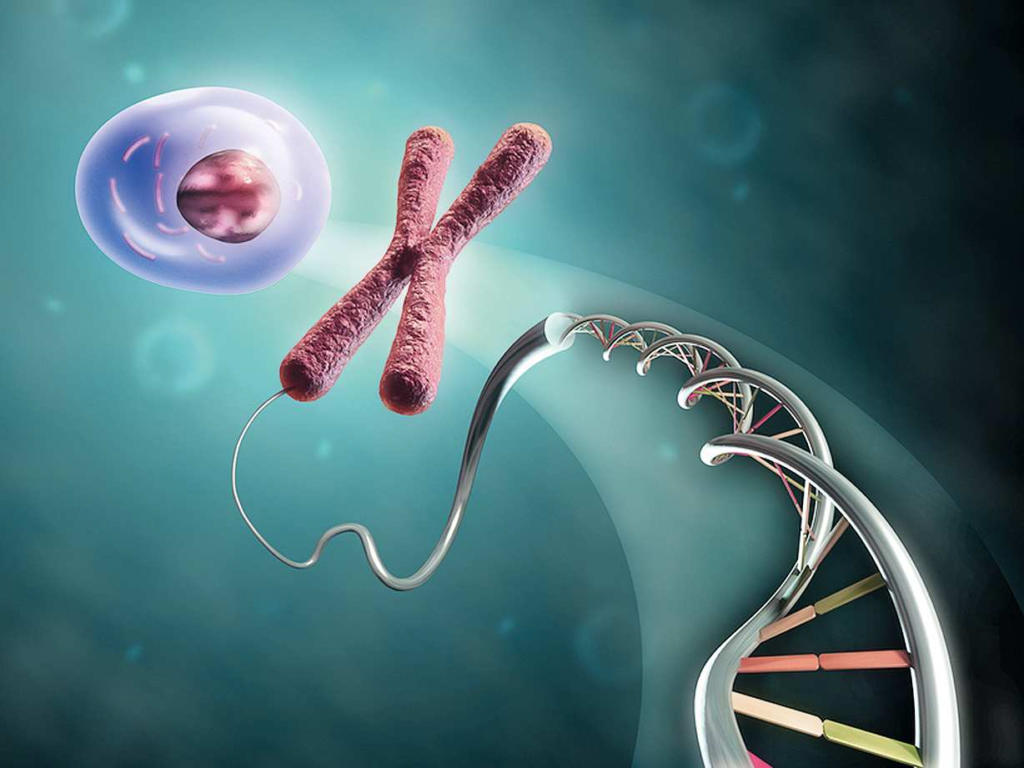
This blood test, often performed between 15-20 weeks, screens for genetic disorders such as Down syndrome. It measures markers in the mother’s blood to assess the risk of certain chromosomal abnormalities.
Glucose Challenge Test:
Typically conducted between 24-28 weeks, this test screens for gestational diabetes, a temporary form of diabetes that can affect pregnancy. Early detection allows for proper management and reduces potential risks.
Late Pregnancy Tests
In the final trimester, late pregnancy tests are designed to assess the readiness of both mother and baby for delivery. These include:
Group B Streptococcus (GBS) Screening:
Around 35-37 weeks, a swab test is performed to check for the presence of GBS bacteria in the mother’s vagina or rectum. Positive results may necessitate antibiotics during labor to prevent transmission to the baby.
Non-Stress Test (NST):
In cases of high-risk pregnancies or concerns about the baby’s well-being, NSTs are conducted in the late stages. This test monitors the baby’s heart rate and movements, providing insights into their health and readiness for delivery.
Pelvic Exam:
As the due date approaches, a pelvic exam is performed to assess the cervix’s dilation and effacement, indicating the progression towards labor.
Conclusion
Pregnancy tests are invaluable tools in ensuring a healthy and successful pregnancy journey. From early confirmation to late-stage assessments, these tests empower healthcare providers to monitor and address any potential issues promptly. By staying informed and proactive about necessary tests during pregnancy, expectant mothers can take essential steps to safeguard their own health and the well-being of their precious babies.