Tag: APA

Pregnancy Symptoms vs. PMS: How to Tell the Difference

The days leading up to your period can sometimes feel confusing, especially when you start to notice symptoms that could either be PMS (premenstrual syndrome) or early pregnancy. With both conditions sharing similar symptoms—like fatigue, mood swings, and cramping—it’s easy to understand why women often question whether they’re dealing with PMS or the early signs of pregnancy. In this blog, we’ll help you navigate the subtle differences between pregnancy symptoms and PMS, so you can better understand what’s happening in your body.

Similarities Between PMS and Early Pregnancy Symptoms

It’s important first to recognize that many symptoms of early pregnancy can closely mimic PMS. Hormonal changes are responsible for both conditions, and this overlap can make it difficult to differentiate between the two. Here are some symptoms that are common to both PMS and early pregnancy:

Breast Tenderness: In both cases, hormonal fluctuations can cause your breasts to feel sore or swollen. However, in early pregnancy, you may notice that the soreness is more pronounced and continues even after your period is due.

Fatigue: Feeling unusually tired is a common symptom of both PMS and pregnancy. During PMS, fatigue is often linked to the hormonal shifts leading up to menstruation. In pregnancy, increased levels of the hormone progesterone are responsible for making you feel more sluggish than usual.

Mood Swings: Emotional ups and downs are normal during PMS and can also occur during early pregnancy. If you feel more irritable, anxious, or teary than usual, it could be due to the hormonal roller coaster of either condition.

Cramping: Light cramping is a common PMS symptom, but it can also signal the early stages of pregnancy. In early pregnancy, cramping might occur as the fertilized egg implants itself into the uterine lining, known as implantation cramping. This tends to be milder and shorter-lived than menstrual cramps.

Given the similarities in symptoms, it’s easy to confuse PMS with pregnancy. However, certain differences may help you better determine which one you’re experiencing.

Key Differences Between PMS and Pregnancy Symptoms

While PMS and pregnancy share many symptoms, there are some key differences that can help you tell them apart.

Nausea: Nausea, often referred to as morning sickness, is a hallmark of early pregnancy. While not all pregnant women experience it, it is not a typical symptom of PMS. If you suddenly feel queasy or have aversions to certain foods or smells, it could be a sign of pregnancy.

Spotting: While some women experience spotting in the days leading up to their period, spotting can also be an early sign of pregnancy. Known as implantation bleeding, this light spotting occurs when the fertilized egg attaches to the uterine lining. It typically happens about 10 to 14 days after conception and is lighter and shorter than a regular period.

Missed Period: Perhaps the most obvious difference between PMS and pregnancy is a missed period. If your period doesn’t arrive and you’re experiencing some of the symptoms mentioned above, it’s time to take a pregnancy test.

Increased Urination: Frequent urination is another sign that could indicate pregnancy rather than PMS. This symptom usually appears in the early weeks of pregnancy as your body increases blood flow to the kidneys, causing you to make more trips to the bathroom.

What to Do If You’re Unsure

If you’re experiencing symptoms that could be either PMS or pregnancy, the best course of action is to wait and see if your period arrives. If your period is late or absent, taking a home pregnancy test can provide you with more clarity. Most home pregnancy tests are accurate about a week after your missed period. For earlier detection, some tests can be taken a few days before your expected period.

If you continue to have doubts or unusual symptoms, it’s always a good idea to consult with your healthcare provider. They can offer more personalized advice, administer a pregnancy test, or explore other possible causes for your symptoms if necessary.

Conclusion: Understanding Your Body’s Signals

While the symptoms of PMS and early pregnancy can be strikingly similar, paying attention to key differences like nausea, spotting, or a missed period can help you better understand what your body is trying to tell you. When in doubt, taking a home pregnancy test or consulting with your healthcare provider can offer the reassurance and guidance you need during this confusing time.


Anticipating Parenthood: A Complete Handbook on Preparing for Birth

Anticipating parenthood is an exhilarating journey filled with anticipation, joy, and a touch of nervousness. As you prepare to welcome a new life into the world, thorough preparation can make all the difference in ensuring a smooth transition into this new phase of life. This handbook aims to guide you through the essential steps of preparing for birth, equipping you with knowledge and practical advice to navigate the journey of pregnancy and childbirth with confidence.

Understanding Pregnancy and Birth

The first step in preparing for parenthood is understanding the journey of pregnancy and childbirth. From the early stages of conception to the final moments of labor, each phase brings its own set of experiences and challenges. This section will cover:

Stages of Pregnancy: Exploring the trimesters and what to expect during each stage of your pregnancy journey.
Prenatal Care: The importance of regular check-ups, nutrition, and exercise to ensure a healthy pregnancy for both mother and baby.
Birth Plans: Creating a bCreaten that aligns with your preferences and expectations, including choices regarding pain management, delivery options, and support during labor.

Emotional and Practical Preparation

Preparing for parenthood extends beyond physical health; emotional and practical readiness are equally crucial. This section will delve into:

Emotional Preparation: Addressing fears, expectations, and bonding with your partner and baby during pregnancy.
Practical Considerations: Planning for the practical aspects of parenthood, such as setting up the nursery, financial preparations, and organizing support networks.
Parenting Classes and Resources: The benefits of attending parenting classes, breastfeeding workshops, and seeking support from healthcare professionals and experienced parents.

Postpartum Care and Beyond

The journey of parenthood continues well beyond childbirth. This final section will guide you through:

Postpartum Recovery: Understanding the physical and emotional changes after childbirth, and strategies for self-care and recovery.
Newborn Care: Essential tips for caring for your newborn, including feeding, sleep patterns, and adjusting to life with a baby.
Support Systems: Building a support network, accessing community resources, and recognizing when to seek professional help for postpartum challenges, including managing pregnancy symptoms.

Conclusion

Anticipating parenthood is an extraordinary chapter in your life, filled with love, learning, and growth. By preparing for birth with knowledge, emotional readiness, and practical planning, you empower yourself to embrace the journey ahead with confidence and joy. Remember, each step of preparation brings you closer to the beautiful moment when you meet your precious baby for the first time. Welcome to the adventure of parenthood – it’s a journey like no other.

Regular Check-ups During Pregnancy: Ensuring the Health of Mother and Baby

Pregnancy is a beautiful journey marked by numerous physical and emotional changes. However, it’s also a time that requires vigilant care and regular monitoring to ensure the well-being of both the mother and the developing baby. Regular prenatal check-ups are crucial throughout pregnancy to detect and address any potential complications early on, ensuring a smooth and healthy journey for both.

The Importance of Prenatal Care

Prenatal care involves a series of regular check-ups and screenings conducted by healthcare professionals to monitor the progress of pregnancy and address any potential issues promptly. These check-ups typically begin early in the pregnancy and continue until delivery. During these visits, healthcare providers assess the mother’s health, monitor the growth and development of the fetus, and provide guidance on diet, exercise, and overall well-being.

What to Expect During Prenatal Check-ups

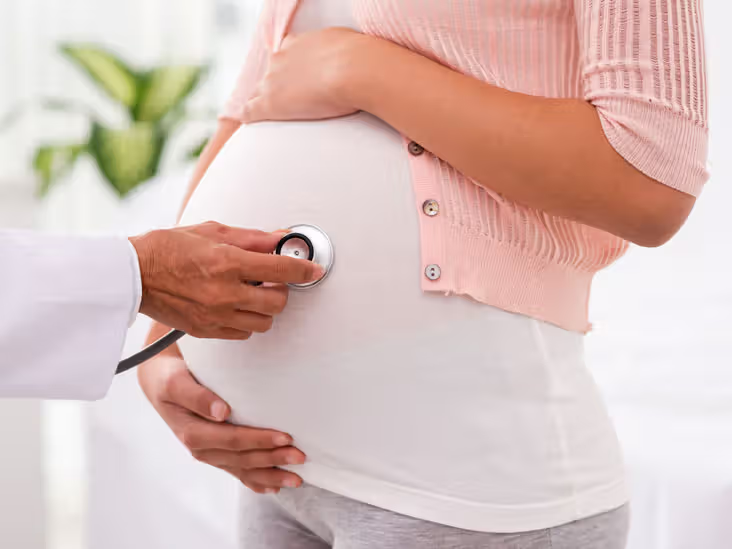
During prenatal check-ups, healthcare providers conduct various assessments to ensure the health of both the mother and the baby. These assessments may include monitoring blood pressure, checking weight gain, measuring the size of the uterus to track fetal growth, and listening to the baby’s heartbeat. Additionally, routine screenings for conditions such as gestational diabetes, preeclampsia, and infections may be performed to detect any potential complications early on. Prenatal check-ups also offer an opportunity for expectant mothers to discuss any concerns or questions they may have with their healthcare provider and receive guidance and support throughout their pregnancy journey, including information on Braxton Hicks contractions, a common occurrence during pregnancy, to help them understand and manage these temporary sensations.

The Frequency of Prenatal Check-ups

The frequency of prenatal check-ups may vary depending on individual circumstances, such as the mother’s overall health, age, and any underlying medical conditions, as well as the progress of the pregnancy. However, in general, healthcare providers recommend regular prenatal visits approximately once a month during the first and second trimesters, increasing to bi-weekly or weekly visits as the pregnancy progresses. These frequent check-ups allow healthcare providers to closely monitor the mother and baby’s health and make any necessary adjustments to the pregnancy care plan to ensure optimal outcomes.

Conclusion

Regular prenatal check-ups are essential for ensuring the health and well-being of both the mother and the developing baby throughout pregnancy. By providing comprehensive assessments, screenings, and guidance, prenatal care plays a crucial role in detecting and addressing any potential complications early on, ultimately leading to a smoother and healthier pregnancy journey. Expectant mothers are encouraged to prioritize regular prenatal visits and actively participate in their pregnancy care to promote the best possible outcomes for themselves and their babies.

Navigating the Path to Childbirth: A Simple Guide for Expectant Parents

The journey to childbirth is an incredible and transformative experience, but it can also be daunting for soon-to-be parents. While each birth is unique, some universal steps can help ease the process and prepare you for the arrival of your little one. In this guide, we’ll explore the easiest way to prepare for childbirth, ensuring a smoother transition into parenthood.

Educate Yourself with Prenatal Classes

One of the first crucial steps in preparing for childbirth is gaining knowledge about the process. Prenatal classes offer a wealth of information, covering topics such as the stages of labor, breathing techniques, and pain management options. These classes are often conducted by experienced childbirth educators who provide insights into what to expect during labor and delivery. Attendees have the opportunity to ask questions, share concerns, and connect with other expectant parents. Online options are also available, making it convenient for those with busy schedules or limited access to in-person classes.

For those seeking additional comfort during pregnancy, exploring practices like enjoying pregnancy tea, believed to promote relaxation and support overall well-being, can complement the wealth of information provided in prenatal classes.

Prioritize Physical and Mental Health

Maintaining overall well-being is essential during pregnancy and can significantly impact the childbirth experience. Under a healthcare professional’s guidance, regular exercise can improve stamina and promote a smoother labor. Prenatal yoga and swimming are gentle yet effective options. Additionally, focusing on mental health is crucial. Practice relaxation techniques, such as deep breathing and meditation, to alleviate stress and anxiety. Adequate rest is equally important, so prioritize sleep and create a supportive environment for emotional well-being. Consult with your healthcare provider to ensure a safe and personalized approach to physical and mental health.

Develop a Birth Plan and Communicate with Your Healthcare Team

Creating a birth plan allows you to outline your preferences and expectations for labor and delivery. While it’s essential to remain flexible, having a plan in place can help you feel more in control during an inherently unpredictable process. Discuss your birth plan with your healthcare provider, ensuring they know your wishes and concerns. Effective communication with your healthcare team fosters a collaborative approach to your childbirth experience. Understanding the available options for pain relief, delivery positions, and potential interventions will empower you to make informed decisions when the time comes.

Conclusion

Preparing for childbirth doesn’t have to be overwhelming. By educating yourself through prenatal classes, prioritizing physical and mental health, and developing a thoughtful birth plan, you can navigate this transformative experience with confidence. Remember that each birth is unique, and flexibility is key. Embrace the support of your healthcare team, trust your instincts, and approach childbirth as a shared journey that leads to the joyous moment when you welcome your new addition to the world.

Healthy Habits for Expectant Mothers

Pregnancy is a transformative journey in a woman’s life, and it’s crucial to prioritize health and well-being during this special time. The habits and choices made during pregnancy can profoundly impact both the mother and the developing baby. To ensure a smooth and healthy pregnancy, here are some essential habits that pregnant women should adhere to.

Balanced Nutrition

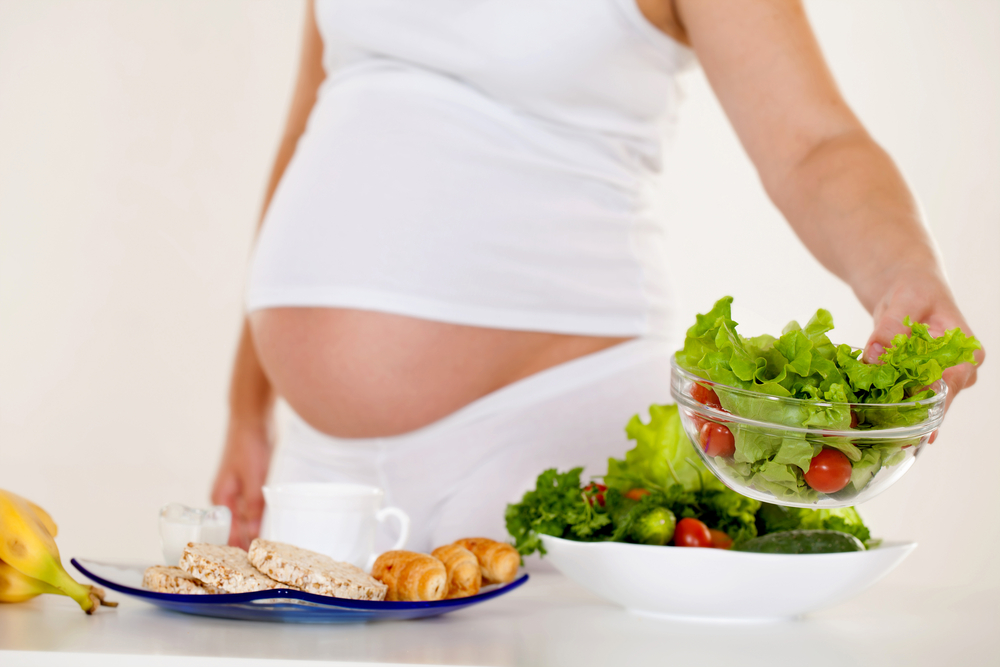
One of the fundamental aspects of a healthy pregnancy is maintaining a balanced and nutritious diet. Pregnant women should pay close attention to their nutritional intake for the well-being of both themselves and their growing baby. A diet rich in essential nutrients such as folic acid, iron, calcium, and protein is essential.

Folic acid is crucial in the early stages of pregnancy as it helps prevent neural tube defects in the developing fetus. It can be found in leafy greens, fortified cereals, and legumes. Iron is necessary for the production of red blood cells, so incorporating foods like lean meat, beans, and fortified grains is important. Calcium supports the development of the baby’s bones and teeth and can be sourced from dairy products, fortified plant-based milk, and leafy greens. Lastly, adequate protein is vital for fetal growth and can be obtained from lean meats, poultry, fish, and plant-based sources like tofu and legumes.

Regular Exercise

Maintaining an active lifestyle during pregnancy can have numerous benefits. Exercise helps improve circulation, reduce discomfort, manage weight gain, and promote overall physical and mental well-being. Engaging in activities like walking, swimming, and prenatal yoga can be both safe and beneficial. However, it’s crucial to consult with a healthcare provider before starting or continuing an exercise routine during pregnancy, as individual circumstances may vary.

Exercise during pregnancy can also help prepare the body for labor and delivery, and it’s important for expectant mothers to note that regular exercise doesn’t replace the necessity of routine pregnancy tests. Strengthening the core muscles, practicing deep breathing, and enhancing flexibility can contribute to a smoother childbirth experience. Always listen to your body and avoid overexertion or activities that pose a risk of falling or injury.

Adequate Rest and Stress Management

Rest and stress management are often overlooked but equally vital aspects of a healthy pregnancy. Expectant mothers should prioritize adequate sleep, aiming for 7-9 hours each night. Sleep is essential for physical recovery, mood regulation, and overall health. Finding comfortable sleeping positions, such as using body pillows or sleeping on the left side, can help alleviate discomfort.

Managing stress is equally important, as excessive stress during pregnancy can lead to complications. Engage in relaxation techniques like deep breathing, meditation, or prenatal massage to reduce stress levels. Building a strong support system through open communication with loved ones, friends, and healthcare providers can provide emotional relief.

Conclusion

Maintaining healthy habits during pregnancy is essential for the well-being of both the mother and the developing baby. A balanced diet, regular exercise, and proper rest and stress management are the key elements to a smooth and healthy pregnancy journey. Remember to consult with your healthcare provider for personalized guidance and to ensure that you and your baby are on the path to a happy, healthy, and successful pregnancy.

Essential Pregnancy Tests: Ensuring a Healthy Journey

Pregnancy is a remarkable and transformative journey for expectant mothers, marked by various physical and emotional changes. Ensuring a healthy pregnancy involves a series of essential tests that play a crucial role in monitoring both the mother’s and baby’s well-being. These tests provide valuable insights into the progression of pregnancy, helping healthcare providers detect potential complications early on. In this article, we will explore the necessary tests during pregnancy, categorized into three key stages: early pregnancy, mid-pregnancy, and late pregnancy.

Early Pregnancy Tests

The first trimester is a critical period in a pregnancy, as it sets the stage for the baby’s development. Early pregnancy tests aim to confirm the pregnancy, assess the mother’s health, and identify any potential risks. Some of the essential tests during this stage include:

Pregnancy Confirmation Test:
The first step is confirming the pregnancy through a home pregnancy test or a blood test performed by a healthcare provider. This test detects the presence of human chorionic gonadotropin (hCG), a hormone produced during pregnancy.

Blood Type and Rh Factor:
Determining the mother’s blood type (A, B, AB, or O) and Rh factor (positive or negative) is crucial. Rh incompatibility between the mother and baby can lead to complications, so appropriate measures can be taken if needed.

Screening for Infectious Diseases:
A blood test can screen for infectious diseases like HIV, hepatitis B, and syphilis. It can also help identify a molar pregnancy, which is an abnormal growth of placental tissue. Detecting these infections and conditions early is essential to manage them effectively during pregnancy.

Mid-Pregnancy Tests

As the pregnancy progresses into the second trimester, additional tests become necessary to monitor the baby’s development and the mother’s health. Key mid-pregnancy tests include:

Ultrasound Scan:
Around 18-20 weeks, an ultrasound scan is performed to assess the baby’s growth, detect any anomalies, and determine the gender if desired. This test provides a visual glimpse of the developing fetus.

Maternal Serum Screening:
This blood test, often performed between 15-20 weeks, screens for genetic disorders such as Down syndrome. It measures markers in the mother’s blood to assess the risk of certain chromosomal abnormalities.

Glucose Challenge Test:
Typically conducted between 24-28 weeks, this test screens for gestational diabetes, a temporary form of diabetes that can affect pregnancy. Early detection allows for proper management and reduces potential risks.

Late Pregnancy Tests

In the final trimester, late pregnancy tests are designed to assess the readiness of both mother and baby for delivery. These include:

Group B Streptococcus (GBS) Screening:
Around 35-37 weeks, a swab test is performed to check for the presence of GBS bacteria in the mother’s vagina or rectum. Positive results may necessitate antibiotics during labor to prevent transmission to the baby.

Non-Stress Test (NST):
In cases of high-risk pregnancies or concerns about the baby’s well-being, NSTs are conducted in the late stages. This test monitors the baby’s heart rate and movements, providing insights into their health and readiness for delivery.

Pelvic Exam:
As the due date approaches, a pelvic exam is performed to assess the cervix’s dilation and effacement, indicating the progression towards labor.

Conclusion

Pregnancy tests are invaluable tools in ensuring a healthy and successful pregnancy journey. From early confirmation to late-stage assessments, these tests empower healthcare providers to monitor and address any potential issues promptly. By staying informed and proactive about necessary tests during pregnancy, expectant mothers can take essential steps to safeguard their own health and the well-being of their precious babies.

Nurturing Life: The Journey of Developing Pregnancy

Introduction

The miracle of pregnancy brings forth an awe-inspiring process of human life development. From conception to birth, the intricate stages of pregnancy involve profound physiological and emotional transformations for both the expectant mother and the growing fetus. In this article, we delve into the captivating journey of developing pregnancy, exploring the key stages, changes, and milestones along the way.

Conception: The Dawn of Life

Conception marks the beginning of the remarkable journey of pregnancy. It occurs when a sperm fertilizes an egg, forming a single-celled organism called a zygote. This tiny zygote carries the genetic blueprint of the future human being. Over the next few days, the zygote undergoes rapid cell division, forming a blastocyst that eventually implants itself into the uterine lining.

Embryonic Development: A Symphony of Growth

The second stage of pregnancy, known as embryonic development, commences after implantation. During this period, the blastocyst develops into a complex structure consisting of three germ layers: ectoderm, mesoderm, and endoderm. These layers give rise to various organs and tissues, setting the foundation for the fetus’s future growth. It is essential to monitor for any signs of miscarriage symptoms during this stage.

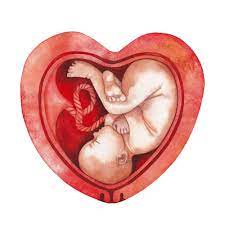
Within weeks, the embryonic heart starts beating, signaling the beginning of the circulatory system. The neural tube forms, serving as the basis for the central nervous system. Limb buds sprout and develop into tiny arms and legs, while facial features take shape. By the end of the embryonic stage, major organs and body systems have begun to form, and the embryo transitions into a fetus.

Fetal Development: The Marvel of Growth

The fetal stage is characterized by rapid growth and refinement of the structures established during embryonic development. Over the course of several months, the fetus evolves from a tiny, delicate being to a fully formed baby. During this period, the fetus gains size and weight, with the mother starting to feel distinct movements as the baby develops muscles and bones.

Sensory organs, such as the eyes and ears, mature, enabling the fetus to respond to external stimuli. The nervous system continues to develop, fostering increased coordination and the ability to perceive the surrounding environment. By the end of the pregnancy, the fetus is typically positioned for birth, ready to embark on a new journey outside the womb.

Conclusion

The journey of developing pregnancy is an extraordinary feat of nature. From the miraculous moment of conception to the intricacies of embryonic and fetal development, the process exemplifies the wonders of life. Throughout the stages, the expectant mother plays a vital role as she nurtures and supports the growth of her child. The journey is not without challenges and adjustments, but the ultimate reward of bringing a new life into the world is immeasurable. As we marvel at the intricacies of pregnancy, let us appreciate the profound beauty and complexity of this transformative process, reminding us of the endless miracles unfolding within the human body.

Exploring the Pros and Cons of Epidurals: A Guide for Expecting Mothers

An epidural is a type of pain relief medication given during childbirth. It involves the injection of medication into the epidural space, which is located in the spinal cord. The drug numbs the nerves that transmit pain signals from the uterus and birth canal to the brain. This provides significant pain relief during labor and delivery.

Epidurals are a popular option for pain relief during childbirth. According to the American Pregnancy Association, approximately 50% of women in the United States use epidurals during childbirth. They are especially useful for women who are experiencing intense or prolonged labor.

Benefits

The benefits of epidurals are numerous. They provide effective pain relief during childbirth, which can make the experience more comfortable and less stressful for the mother. They also allow the mother to remain alert and present during the birth, which can help facilitate bonding with the baby after delivery.

In addition to pain relief, epidurals can also help reduce the risk of certain complications during childbirth. For example, they can help reduce the risk of cesarean delivery and the need for forceps or vacuum-assisted delivery. They can also help reduce the risk of perineal tears and other birth injuries.

Risks and drawbacks

However, epidurals do come with some risks and drawbacks. The medication used in epidurals can lower blood pressure, which can be dangerous for both the mother and the baby. This can be managed through careful monitoring and medication adjustments. At the stage when you are 30 weeks pregnant, a woman is in the third trimester and closer to the end of pregnancy. Epidural anesthesia is a pain relief method that is commonly used during labor and delivery, and it may be discussed or considered as part of the birth plan during this stage of pregnancy.

Epidurals can also increase the risk of long labor and delivery, as well as the need for interventions such as oxytocin augmentation. This is because the medication can interfere with the natural process of labor and delivery.

Another potential drawback of epidurals is that they can interfere with the mother’s ability to push during the second stage of labor. This can prolong the labor process and increase the risk of complications.

There is also a small risk of side effects associated with epidurals, such as headaches, itching, and shivering. These side effects are generally mild and can be managed through medication or other interventions.

Despite these risks and drawbacks, epidurals remain a popular option for pain relief during childbirth. Women who are considering an epidural should discuss the risks and benefits with their healthcare provider and make an informed decision based on their circumstances.

It is important to note that epidurals are not always available or appropriate for all women. Some women may have medical conditions or complications that make epidurals unsafe or ineffective. Additionally, some women may choose to forego epidurals in favor of other pain relief methods, such as breathing techniques or water immersion. Ultimately, the decision to use an epidural during childbirth is a personal one that should be based on individual circumstances, preferences, and medical considerations. Women need to discuss all their options with their healthcare providers and make the decision that is best for them and their babies.

In conclusion, an epidural is a type of pain relief medication given during childbirth. It provides effective pain relief and can reduce the risk of certain complications during delivery. However, it does come with some risks and drawbacks, such as the potential for low blood pressure, longer labor, and interference with the natural process of labor and delivery. Women who are considering an epidural should discuss the risks and benefits with their healthcare provider and make an informed decision based on their circumstances.

Perineal Massage During Pregnancy

The pregnancy period can be very rough for a woman, and it comes with its fair share of challenges. That’s why trying various methods to alleviate the pain and discomfort is very important. This is where Perineal Massage comes into play.


What does it involve?


Perineal Massage requires the massage of an area named the perineum. This is the area between the vagina and the anus. Many times, this area can be damaged during childbirth, so it’s very important to massage the perineum from the 34th week of pregnancy onward. You can start massaging as early as when you are 30 weeks pregnant. The reason for that is it will help reduce any risk of damage, while even making the pregnancy process easier.


The benefits of Perineal Massage


One of the main advantages is that, as we mentioned earlier, it can protect the perineum and prepare it for childbirth. That might help eliminate any of the possible damage that can arise, which is extremely helpful and certainly something you want to take into consideration. You won’t have to deal with any tears or any need for an episiotomy, which is certainly a thing to keep in mind.
Another thing to note about the Perineal Massage is that it will also prevent stinging especially during birth, as the child’s head comes out. It’s also a great way for a woman to become more familiar with the stretching sensation that’s generated by birth, so it’s a thing that you need to take into account here.


Is Perineal Massage safe?


This massage is very safe, and it’s certainly the type of thing that will help a woman quite a bit. It’s not overly complex, but it does become a necessity if you want to prepare your body for the challenges of childbirth. Which is certainly something to keep in mind in a situation like this. Of course, there is a variety of demanding situations that can arise, and at the end of the day, your focus has to be on delivering an exceptional result.
It’s a good idea to prepare yourself for childbirth with a proper Perineal Massage. It’s very safe, and it will help eliminate a lot of the potential issues that can arise as you prepare for giving birth to your child. The Perineal Massage is efficient and one of the top methods that you can use especially in the long term. If you never tried it, you should consider this because it can make a huge difference!

Pregnant For The First Time? Here’s What You Should Know!

Being pregnant for the first time is very challenging since there are so many changes happening to your body. Yet at the same time, you do want to be prepared for these changes and there are plenty of things to think about. With that in mind, we created a list of some of the main things to know when you are pregnant for the first time.


Bodily changes


Within the first 12 weeks, many changes are happening to your body. For example, you will feel that you have tender breasts. On top of that, there are constant food cravings and you might even experience morning sickness. These things are normal and certainly the type of thing that will happen when you get pregnant, just something to consider here. If in those 12 weeks you feel that the pregnancy will be hard ask your doctor to prepare an epidural injection before you give birth.


Taking supplements


Your body needs more vitamins and minerals while you are pregnant. Because of that, it makes a lot of sense to take some more supplements. Even if it might not seem like a whole lot, it’s going to help and it will surely make the process easier and better as a whole.


Stretches are important


These will help you unwind and also stay in shape. It makes sense to stretch and if you do end up with some stretch marks after your pregnancy, micro-needling and lasers can help. So it makes sense to keep that in mind.


Challenges faced during the 3rd trimester


This is when your body does experience a lot of major changes. These can be things like swelling, and weight gain, but also frequent urination. You want to avoid any rush and take all those things into account
. It’s worth it and you will find it delivers a great experience and very good value. Which is exactly the thing to keep in mind.


Conclusion


There’s no denying that pregnancy can have its challenges. But if you know what to prepare for and what changes appear, then it’s a lot easier to tackle those situations. You do need to take your time and think about all the pros and cons. In the end, that can bring great potential and amazing results. With that in mind, you do need to talk with your doctor and ensure that everything is working exactly the way you want. That on its own can make a huge difference, and it’s exactly the thing to consider as much as possible when you prepare for your pregnancy!