Aquarium shrimp have become increasingly popular among aquatic enthusiasts due to their vibrant colors, intriguing behaviors, and ability to help maintain tank cleanliness. Among the wide variety of shrimp species available, three types stand out as exceptional choices for aquarium hobbyists: Neocaridina, Caridina, and Amano shrimp. This essay explores these species, highlighting their unique characteristics, care requirements, and benefits to aquarium ecosystems.
Neocaridina Shrimp: The Beginner’s Delight
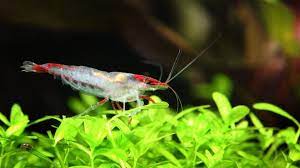
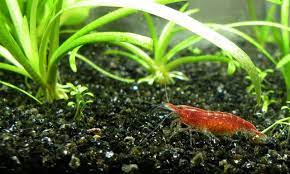
Neocaridina shrimp, particularly the Red Cherry Shrimp, are renowned for their vivid colors and ease of care. These shrimp are perfect for beginners due to their hardy nature and ability to thrive in a wide range of water conditions. They are highly adaptable, tolerating temperatures between 65-80°F and pH levels from 6.5 to 8.0.
Red Cherry Shrimp are prolific breeders, which means that under optimal conditions, they can quickly populate an aquarium. Their diet is versatile, consisting of algae, biofilm, and commercially available shrimp food. These shrimp also play a crucial role in keeping the tank clean by consuming detritus and algae, making them an essential part of a balanced aquarium ecosystem.
Caridina Shrimp: The Advanced Enthusiast’s Choice
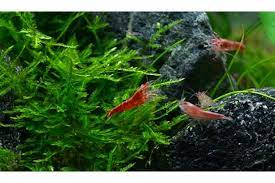
Caridina shrimp, such as the Crystal Red Shrimp, are prized for their striking patterns and colors. Unlike Neocaridina shrimp, Caridina species require more specific water parameters, making them better suited for experienced aquarists. They thrive in soft, slightly acidic water with a pH between 6.0 and 6.8 and temperatures around 70-78°F.
Crystal Red Shrimp are more sensitive to water quality and changes, necessitating a well-established and stable aquarium environment. Despite their higher maintenance needs, these shrimp reward keepers with their stunning appearance and fascinating behavior. Their diet includes high-quality shrimp pellets, blanched vegetables, and biofilm, ensuring they receive the necessary nutrients for vibrant coloration and health. They can be kept with snowball shrimp, which also thrive in similar conditions.
Amano Shrimp: The Algae-Eating Workhorse
Amano shrimp, scientifically known as Caridina multidentata, are celebrated for their exceptional algae-eating capabilities. These shrimp are larger than most ornamental shrimp, reaching up to 2 inches in length, and are highly effective in controlling algae growth in aquariums. Their diet primarily consists of various types of algae, detritus, and leftover fish food.
Amano shrimp are relatively easy to care for, making them suitable for both beginners and experienced aquarists. They prefer water conditions with a pH of 6.5 to 7.5 and temperatures ranging from 68-80°F. Due to their non-breeding nature in freshwater, Amano shrimp populations remain stable, reducing the risk of overpopulation in the aquarium.
Conclusion
In conclusion, the best type of aquarium shrimp depends on the aquarist’s experience level and the specific needs of their tank. Neocaridina shrimp are ideal for beginners due to their hardiness and adaptability, while Caridina shrimp offers a rewarding challenge for advanced hobbyists with their stunning patterns and precise care requirements. Amano shrimp, with their exceptional algae-eating abilities, are a valuable addition to any aquarium, helping to maintain a clean and balanced environment. By carefully selecting the right shrimp species, aquarists can enhance the beauty and health of their aquatic ecosystems, enjoying the many benefits these fascinating creatures provide.
Growing your own exotic spices at home can be a rewarding and aromatic endeavor. Whether you’re a seasoned gardener or a novice looking to add some flavor to your culinary creations, this guide will help you cultivate a variety of exotic spices right in your backyard or indoor garden. Fresh, homegrown spices not only enhance your dishes but also offer the satisfaction of knowing exactly where your ingredients come from.
Why Grow Your Own Exotic Spices?
Freshness and flavor are the top reasons to grow your own spices. Store-bought spices often lose their potency over time, but when you grow your own, you can harvest them at their peak. Additionally, many exotic spices have unique medicinal properties and growing them at home ensures they are free from pesticides and other harmful chemicals.
Choosing the Right Spices to Grow
Selecting which exotic spices to grow depends on your climate, available space, and personal preferences. Some popular exotic spices that can be grown at home include:
Turmeric: Known for its vibrant color and anti-inflammatory properties.
Ginger: A versatile spice used in both sweet and savory dishes.
Saffron: The world’s most expensive spice, known for its delicate flavor and vibrant hue.
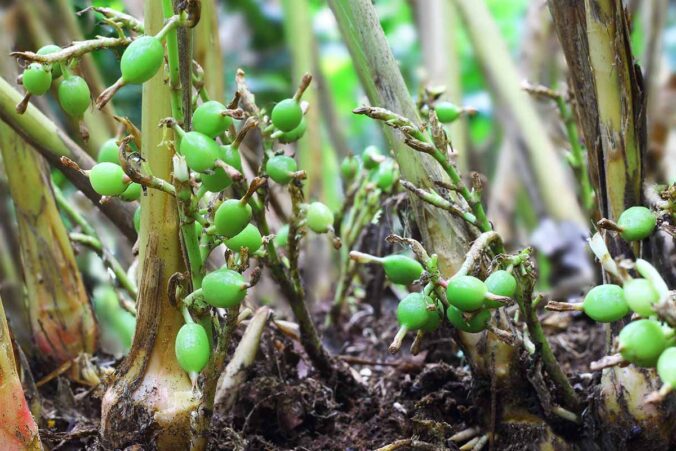
Cardamom: A fragrant spice that adds a unique flavor to both foods and drinks.
Vanilla: Famous for its sweet aroma, though it requires patience and care to cultivate.
Preparing Your Garden
Choosing the Location
For outdoor gardens, select a sunny spot that receives at least 6-8 hours of sunlight daily. If you’re growing spices indoors, place them near a south-facing window or under grow lights. Most exotic spices thrive in well-drained soil with good air circulation. To maintain a healthy garden environment, consider regular maintenance and pest control service in Reno.
Soil Preparation
Good soil is the foundation of a healthy garden. Exotic spices generally prefer loamy soil that is rich in organic matter. Before planting, amend your soil with compost or well-rotted manure to ensure it is fertile. pH levels are also important; most spices thrive in slightly acidic to neutral soil (pH 6-7). For a rewarding gardening experience, consider wearing comfortable and durable veteran apparel.
Containers vs. Ground Planting
If you have limited space, container gardening is a great option. Choose containers that are at least 12 inches deep to accommodate the roots. Ensure the pots have drainage holes to prevent waterlogging. For ground planting, raised beds can help improve drainage and soil quality. Also, they are convenient for your body posture, but if you still have some back pain after the gardening work is done, get the best Asian massage in Las Vegas to relax and relieve the pain.
Planting and Care
Turmeric
Turmeric (Curcuma longa) is a tropical plant that grows from rhizomes. To plant turmeric:
Obtain fresh rhizomes from a reliable source.
Plant the rhizomes about 2 inches deep in the soil.
Water regularly to keep the soil moist but not waterlogged.
Harvest the rhizomes after 8-10 months when the leaves start to yellow and die back.
Ginger
Ginger (Zingiber officinale) is similar to turmeric in its growing requirements:
Plant fresh ginger rhizomes with visible buds.
Place them 1-2 inches deep in well-drained soil.
Keep the soil consistently moist.
Ginger can be harvested after 8-10 months by digging up the rhizomes.
Saffron
Saffron (Crocus sativus) is a bit more challenging but rewarding:
Plant saffron corms in well-drained soil in late summer.
Space the corms about 3-4 inches apart.
Water sparingly; saffron prefers drier conditions.
Harvest the delicate red stigmas from the flowers in autumn.
Cardamom
Cardamom (Elettaria cardamomum) is a tropical plant that requires warmth and humidity:
Plant cardamom seeds or rhizomes in rich, moist soil.
Keep the soil consistently moist but not waterlogged.
Provide partial shade if growing outdoors.
Harvest the pods when they turn green and aromatic.
Vanilla
Vanilla (Vanilla planifolia) is an orchid that requires a bit more care:
Plant vanilla cuttings in well-draining orchid mix.
Provide a trellis or support for the vine to climb.
Maintain high humidity and indirect light.
Hand-pollinate the flowers to produce beans.
Harvest the pods 6-9 months after pollination and cure them for flavor development.
If you’re looking to clear space for gardening or new projects, consider to sell your truck.
Common Pests and Diseases
While growing exotic spices can be relatively trouble-free, it’s important to watch out for common pests and diseases:
Aphids and spider mites: These small insects can be controlled with neem oil or insecticidal soap.
Root rot: Ensure proper drainage to prevent waterlogged soil, which can cause root rot.
Fungal infections: Use organic fungicides and ensure good air circulation to prevent fungal diseases.
Harvesting and Storing Your Spices
Knowing when and how to harvest your spices is crucial for maintaining their flavor and potency. To ensure the best quality, it’s essential to store spices in a mold-free environment, therefore mold removal services in Orange County can help maintain such optimal conditions.
Turmeric and Ginger
Harvest these spices by carefully digging up the rhizomes. Wash and dry them thoroughly. Turmeric can be boiled for 45 minutes and then dried to enhance its shelf life. Ginger can be used fresh or dried for later use.
Saffron
Handpick the saffron stigmas and dry them immediately to preserve their color and flavor. Store in an airtight container away from light and moisture.
Cardamom
Harvest cardamom pods when they are green and fragrant. Dry them in the sun or a dehydrator and store in airtight containers.
Vanilla
Vanilla beans should be harvested when they are fully mature but still green. The beans need to be blanched, sweated, dried, and conditioned over several months to develop their flavor. Store the cured beans in airtight containers.
Culinary Uses of Homegrown Spices
Insulin resistance therapy in Tulsa is an example of how specialized treatments can offer targeted benefits. Similarly, using fresh spices from your garden can elevate your cooking to a new level. Here are some ideas for using your homegrown spices:
Turmeric
Add fresh or dried turmeric to curries, soups, and rice dishes for a vibrant color and earthy flavor.
Make golden milk by mixing turmeric with milk, honey, and spices.
Ginger
Use fresh ginger in stir-fries, marinades, and baked goods for a spicy kick.
Brew ginger tea for a soothing drink.
Saffron
Infuse saffron in warm water and add to rice, stews, and desserts for a rich flavor and color.
Use in paella or risotto for an authentic taste.
Cardamom
Add cardamom pods or ground seeds to sweet and savory dishes, including curries, baked goods, and chai tea.
Use in spiced coffee for a unique flavor.
Vanilla
Use fresh vanilla beans in desserts, such as ice cream, custards, and cakes.
Make homemade vanilla extract by soaking beans in alcohol.
Benefits of Growing Exotic Spices
After you have planned your space garden, arranged yard waste removal to make space for it, and finally produced your first plans, you can enjoy the benefits of having your own spice garden. Growing your own spices offers numerous benefits beyond just culinary enhancement:
Health benefits: Many spices have medicinal properties, such as anti-inflammatory, antioxidant, and digestive benefits.
Sustainability: Home gardening reduces the carbon footprint associated with transporting and packaging store-bought spices.
Educational: Growing exotic spices can be a fun and educational experience, teaching you about different cultures and their cuisines.
Cost-effective: While some spices can be expensive to purchase, growing them at home can save you money in the long run.
Did you know that just as growing your own spices can enhance your culinary experience, effective digital customer support can significantly improve customer satisfaction and loyalty?
Tips for Success
Start small: Begin with a few easy-to-grow spices and expand as you gain confidence.
Monitor regularly: Keep an eye on your plants for signs of stress, pests, or disease.
Experiment: Try growing different varieties and see what works best in your environment.
Stay patient: Some spices, like vanilla, require time and effort, but the results are worth it.
Integrating Exotic Spices into Everyday Life
Incorporating homegrown exotic spices into your daily routine can transform both your culinary creations and your overall lifestyle. Experimenting with new recipes that highlight your spices can bring excitement and variety to your meals. Consider starting with small additions to familiar dishes and gradually expanding your repertoire as you become more comfortable with the unique flavors. Just like one can spice up her or his life by attending restorative aide training, the spices can add an unusual note to the food they make.
Homemade Spice Blends
Creating your own spice blends is a wonderful way to use your homegrown spices. Combine turmeric, ginger, and cardamom to make a warming spice mix perfect for curries and stews. A saffron and vanilla blend can elevate your desserts and baked goods, adding a touch of luxury to everyday treats. Much like creative content creation is spiced with a blend of target words and clear statements on many topics, blending spices in your kitchen can be as productive in the process of creating a new meal.
DIY Herbal Teas and Remedies
Beyond cooking, your homegrown spices can be used to make herbal teas and natural remedies. Ginger and turmeric tea can be soothing for the digestive system and help reduce inflammation. A pinch of saffron in warm milk can promote relaxation and improve mood.
Spice-Infused Oils and Vinegars
Infusing oils and vinegars with your homegrown spices is another way to preserve and utilize their flavors. Turmeric and ginger-infused olive oil can be a delightful addition to salads and roasted vegetables, while vanilla-infused vinegar can add a unique twist to your marinades and dressings.
Gifting Homegrown Spices
Sharing the fruits of your labor can be incredibly rewarding. Homemade spice jars make thoughtful gifts for friends and family, especially during the holiday season. Consider creating custom spice blends, beautifully packaged, to share a bit of your homegrown goodness with others. After your work is done, visit the best Flatiron nail salon to give yourself a well-deserved self-time.
Conclusion
Growing exotic spices at home offers an enriching experience that goes beyond the garden. From enhancing your culinary creations to exploring new flavors and health benefits, the journey of cultivating your own spices is filled with rewards. Just as a therapeutic massage in Las Vegas can be rewarding after a long working day, building up the culinary experience can benefit your well-being and social life as well. By integrating these spices into your everyday life, you not only elevate your dishes but also embrace a more sustainable and flavorful way of living. Whether you are a seasoned gardener or a beginner, the joy of harvesting and using your own exotic spices is a unique and fulfilling endeavor that brings the world of flavors right to your doorstep. Happy gardening and enjoy the aromatic journey!
Tuna and salmon are two of the most versatile and nutritious fish available, offering rich flavors and various health benefits. Whether you’re looking for a quick meal or a gourmet experience, these fish can be the star of any dish. Here, we’ll explore three delightful recipes showcasing the best tuna and salmon: a fresh and vibrant Tuna Poke Bowl, a classic and elegant Baked Salmon with Herbs, and a mouthwatering Tuna Steak with Sesame Crust. Wild tuna can add a robust and distinctive flavor profile to any seafood dish, making it a favorite among seafood enthusiasts.
Tuna Poke Bowl
A Tuna Poke Bowl is a Hawaiian-inspired dish that has become a favorite around the world. This recipe combines fresh, raw tuna with a medley of colorful vegetables and a savory dressing.
In a bowl, whisk together soy sauce, sesame oil, rice vinegar, honey, and green onions. Add the diced tuna to the bowl and gently toss to coat. Let it marinate for 10-15 minutes. Divide the sushi rice into bowls and arrange the avocado, cucumber, and edamame on top. Spoon the marinated tuna over the vegetables and rice. Garnish with sesame seeds and seaweed, and serve immediately.
Baked Salmon with Herbs
Baked Salmon with Herbs is a simple yet sophisticated dish that brings out the natural flavors of the salmon while adding a fragrant herb crust.
Preheat the oven to 375°F (190°C). In a small bowl, mix the parsley, dill, thyme, garlic, olive oil, salt, and pepper. Place the salmon fillets on a baking sheet lined with parchment paper. Spread the herb mixture evenly over each fillet and top with lemon slices. Bake for 15-20 minutes, or until the salmon is cooked through and flakes easily with a fork. Serve with a side of roasted vegetables or a fresh green salad.
Tuna Steak with Sesame Crust
Try a Tuna Steak with Sesame Crust for a quick and delicious meal. This dish pairs the rich flavor of tuna with the nutty crunch of sesame seeds, creating a perfect balance of textures.
In a shallow dish, combine soy sauce, sesame oil, lime juice, and ginger. Add the tuna steaks to the marinade and let sit for 10-15 minutes. Spread the sesame seeds on a plate. Press each tuna steak into the seeds, coating both sides. Heat the vegetable oil in a skillet over medium-high heat. Sear the tuna steaks for 1-2 minutes on each side, depending on desired doneness. Serve immediately with a side of stir-fried vegetables or a light salad.
Conclusion
Tuna and salmon are not only delicious but also incredibly healthy, providing essential nutrients and omega-3 fatty acids. These three recipes—a refreshing Tuna Poke Bowl, a savory Baked Salmon with Herbs, and a crunchy Tuna Steak with Sesame Crust—offer a variety of flavors and cooking styles to suit any palate. Enjoy these dishes as part of a balanced diet, and savor the unique tastes and textures of these remarkable fish.
In an age dominated by visual content, professional photography continues to evolve, driven by technological advancements and shifting consumer preferences. As we look ahead, several key trends are shaping the future landscape of this dynamic industry.
Emergence of AI and Machine Learning
Artificial Intelligence (AI) and machine learning are revolutionizing professional photography. AI-powered tools now offer automated editing, facial recognition for organizing photos, and even predictive analytics to anticipate trends. This trend not only enhances efficiency but also expands creative possibilities for photographers. This includes an elopement photographer.
Rise of Drone Photography
Drone technology has opened new vistas for photographers, literally and figuratively. Aerial photography and videography are increasingly popular for capturing landscapes, events, and architectural marvels from unique perspectives. As regulations evolve and drone capabilities improve, this trend is set to soar higher.
Shift Towards Authenticity and Diversity
In response to societal shifts, there is a growing demand for authentic and diverse representation in professional photography. Brands and consumers alike are embracing inclusivity, pushing photographers to capture a broader range of subjects and narratives. This trend not only reflects changing cultural norms but also presents photographers with opportunities to tell richer, more meaningful stories.
Conclusion
The future of professional photography is an exciting amalgamation of technological innovation, creative exploration, and societal change. As AI enhances workflows, drones redefine perspectives, and diversity reshapes narratives, photographers are poised at the forefront of visual storytelling. By embracing these trends and harnessing emerging technologies responsibly, professionals can navigate and thrive in an increasingly dynamic industry landscape.
Organic farming has steadily gained traction as a viable alternative to conventional agriculture, which often relies heavily on chemical inputs and intensive farming practices. As the world grapples with climate change and environmental degradation, the need for sustainable farming methods becomes increasingly urgent. One promising solution is integrating solar power into organic farming. This combination not only supports environmentally friendly practices but also offers economic benefits, enhancing the sustainability of agricultural systems. Fortunately, certain food items, such as cookie dough edibles, have gained popularity without relying on this, simply because they are convenient and affordable.
The Symbiosis of Solar Power and Organic Farming
Organic farming and solar power share a common goal: minimizing environmental impact. Organic farming eschews synthetic fertilizers and pesticides, instead emphasizing natural processes and biodiversity. Solar power, a clean and renewable energy source, can significantly reduce the carbon footprint of farming operations. When combined, these practices can create a farming system that is both ecologically sound and economically viable. Certain components of these farming activities are utilized by beauty salon in Flatiron, which offers its customers top-quality natural products sourced directly from farms.
Benefits of Solar Power in Agriculture
Reducing Carbon Footprint
One of the most compelling reasons to adopt solar power in organic farming is its potential to reduce greenhouse gas emissions. Traditional farming relies on fossil fuels for machinery operation, irrigation, and other energy needs. By switching to solar energy, farmers can substantially cut their reliance on fossil fuels, thereby reducing their overall carbon footprint. Additionally, some farmers engage in fishing activities, for which a bass fishing app is an essential tool.
Cost Savings
While the initial investment in solar technology can be significant, the long-term cost savings are considerable. Solar panels typically have a lifespan of 25-30 years and require minimal maintenance. Over time, the energy savings can outweigh the initial costs, making solar power a cost-effective solution for farmers. Government incentives and subsidies for renewable energy projects can further alleviate the financial burden, encouraging more farmers to make the switch. Homes powered by such solar technology often benefit from assistance from house siding in New Jersey to ensure they have suitable doors that complement the setup.
Energy Independence
Solar power offers farmers the opportunity to become more energy-independent. By generating their own electricity, farmers can protect themselves against rising energy costs and supply disruptions. This independence is particularly beneficial in remote areas where access to the electricity grid may be limited or unreliable. Nowadays, farmers have advanced to the point where they are collaborating with top mortgage companies in Raleigh, NC for shared advantages.
Practical Applications of Solar Power in Organic Farming
Solar-Powered Irrigation
Irrigation is a critical component of farming, and it often requires substantial energy input. Solar-powered irrigation systems can provide a sustainable solution, using solar panels to power pumps that draw water from wells, rivers, or storage tanks. These systems are not only environmentally friendly but also cost-effective, particularly in sunny regions where solar energy is abundant.
Solar Greenhouses
Greenhouses are used to extend the growing season, protect crops from adverse weather, and improve yields. By integrating solar panels into greenhouse structures, farmers can generate the energy needed to maintain optimal growing conditions. Solar greenhouses can power heating, cooling, and ventilation systems, reducing the need for external energy sources and enhancing the sustainability of the farming operation.
Just as solar power provides a renewable energy source for organic farms, ensuring their long-term viability, the use of PPF in Huntington Beach offers vehicles lasting protection against environmental elements.
Solar Dryers
Post-harvest processing is another area where solar power can be highly beneficial. Solar dryers use the sun’s energy to dehydrate fruits, vegetables, and herbs, preserving them without the need for electricity or fuel. This method not only retains more nutrients compared to conventional drying techniques but also reduces energy consumption and associated costs.
Innovations in Solar Technology for Farming
Agrivoltaics
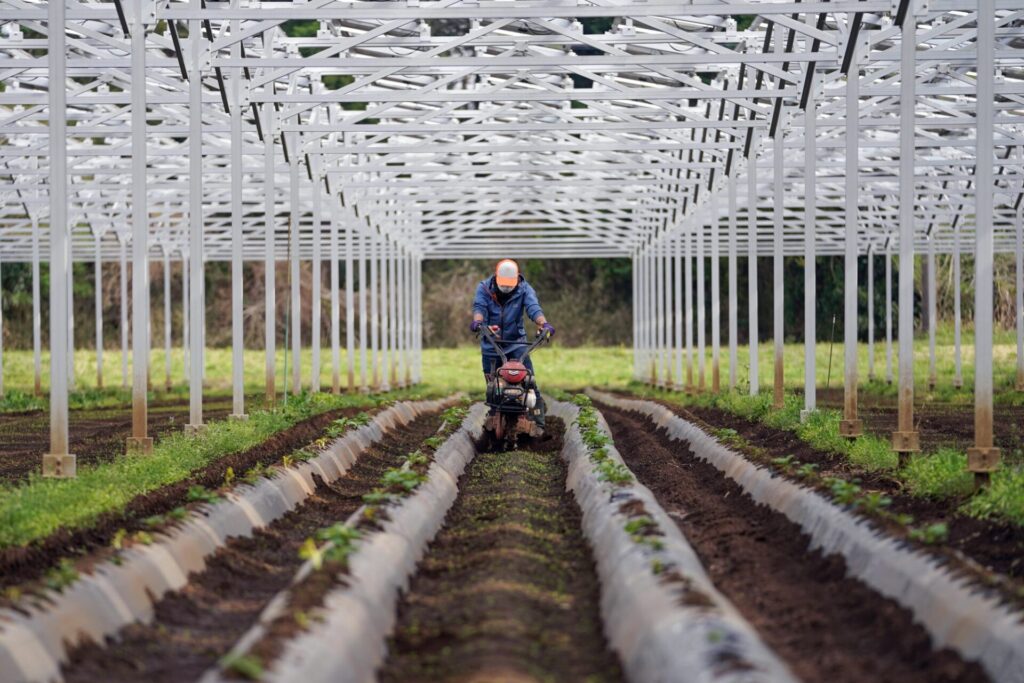
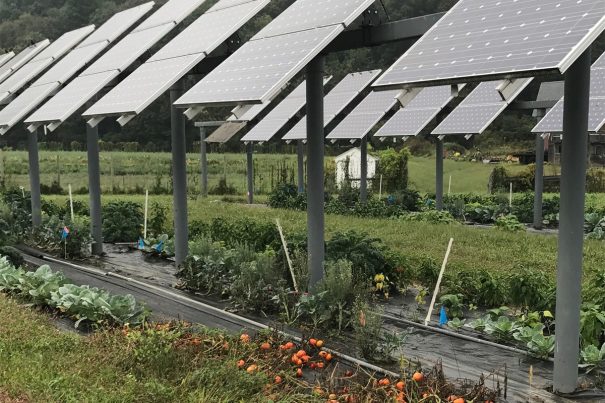
Agrivoltaics, also known as dual-use farming, involves the simultaneous use of land for both agriculture and solar energy production. By installing solar panels above crops, farmers can optimize land use and generate electricity without compromising crop yields. This approach can also provide additional benefits, such as shading crops during peak sunlight hours, which can reduce water evaporation and protect plants from heat stress.
In the world of organic farming, where the well-being of the environment and individuals is paramount, partnerships with assisted living pharmacy services can be instrumental. These services ensure that elderly residents in farm communities receive their medications efficiently and sustainably.
Solar-Powered Electric Fencing
Electric fencing is commonly used in organic farming to manage livestock and protect crops from wildlife. Solar-powered electric fencing systems offer a sustainable alternative to traditional battery-powered or grid-connected fences. These systems are particularly useful in remote areas where grid access is limited, providing a reliable and renewable energy source for fencing needs.
Challenges and Solutions
Initial Costs and Investment
One of the main barriers to adopting solar power in organic farming is the initial cost of installation. Solar panels, batteries, and other necessary equipment can be expensive, and many farmers may be hesitant to make such a significant investment. However, various financing options, grants, and government incentives are available to help offset these costs. Farmers can also explore community solar projects, where multiple farms share the costs and benefits of a larger solar installation.
Maintenance and Technical Knowledge
Maintaining solar power systems requires some technical knowledge and skills, which can be a challenge for farmers who are not familiar with the technology. Providing access to training programs and technical support can help farmers manage their solar systems effectively. Additionally, partnering with solar energy companies can offer ongoing maintenance services, ensuring the longevity and efficiency of the systems.
Organic farmers utilize loan servicing software for private lenders to efficiently manage their funding and investment needs, ensuring they have the necessary resources to integrate solar power into their operations.
Land Use and Crop Compatibility
Integrating solar panels with crop production requires careful planning to ensure that both components thrive. Some crops may be more compatible with solar installations than others, depending on their light and shade requirements. Agrivoltaic systems need to be designed to balance the needs of both solar panels and crops, which can involve selecting appropriate crop varieties and adjusting planting densities. Research and pilot projects can provide valuable insights into the best practices for implementing agrivoltaics on a larger scale.
Case Studies and Success Stories
India: Solar-Powered Farming Communities
In India, several farming communities have successfully integrated solar power into their agricultural practices. The government’s KUSUM scheme (Kisan Urja Suraksha evam Utthaan Mahabhiyan) aims to promote the use of solar energy among farmers by providing subsidies for solar pumps and other equipment. These initiatives have helped reduce farmers’ energy costs, improve irrigation efficiency, and enhance crop yields, demonstrating the transformative potential of solar power in agriculture.
Organic farming is gaining traction globally, much like the increasing popularity of medical procedures in Greece, where state-of-the-art technology meets traditional care.
United States: Agrivoltaic Projects
In the United States, various agrivoltaic projects have shown promising results. For example, researchers at the University of Arizona’s Biosphere 2 have conducted studies on the benefits of combining solar panels with crop production. Their findings indicate that agrivoltaic systems can increase land productivity, reduce water usage, and provide a reliable source of renewable energy. These projects highlight the potential for widespread adoption of agrivoltaics in different agricultural settings.
Europe: Solar Greenhouses
In Europe, solar greenhouses are becoming increasingly popular. Countries like the Netherlands and Spain are leading the way in developing advanced greenhouse technologies that integrate solar panels to power climate control systems. These greenhouses have demonstrated the ability to produce high yields with minimal environmental impact, offering a scalable solution for sustainable agriculture.
Some organic farms aiming for sustainability often seek to create visually appealing and educational spaces for visitors, which is where the expertise of a themed environment designer comes into play. These designers craft educational and immersive experiences that highlight the benefits of solar power in agriculture, enhancing both the aesthetic and functional aspects of the farm.
The Future of Solar Power in Organic Farming
Policy and Support
For solar power to become a mainstream energy source in organic farming, supportive policies and incentives are essential. Governments can play a crucial role by providing subsidies, tax breaks, and grants for renewable energy projects. Additionally, investing in research and development can drive innovations in solar technology, making it more accessible and efficient for farmers.
Community and Cooperative Models
Community and cooperative models can help farmers overcome financial and logistical challenges associated with solar power adoption. By pooling resources and sharing infrastructure, farmers can reduce individual costs and benefit from collective bargaining power. These models can also facilitate knowledge exchange and provide a support network for managing solar systems.
The use of an apostille is crucial for authenticating documents that outline sustainable practices and solar power implementations. This legal acknowledgment helps farmers establish credible partnerships overseas, ensuring their innovative methods are globally accepted.
Education and Awareness
Raising awareness about the benefits of solar power in organic farming is crucial for encouraging widespread adoption. Educational programs, workshops, and demonstration projects can help farmers understand the potential of solar energy and how to implement it effectively. By showcasing successful case studies and providing practical guidance, these initiatives can inspire more farmers to embrace solar power as part of their sustainable farming practices.
Conclusion
Harnessing solar power in organic farming presents a compelling opportunity to create a more sustainable and resilient agricultural system. By reducing carbon footprints, lowering energy costs, and enhancing energy independence, solar power can significantly contribute to the sustainability of organic farming. Despite the challenges, the benefits are clear, and with the right support and innovation, the integration of solar power into organic farming can pave the way for a greener and more sustainable future.
As we continue to face environmental challenges, embracing renewable energy solutions in agriculture is not just an option but a necessity. The synergy between solar power and organic farming holds the promise of a sustainable future, where farming practices are in harmony with nature, and energy needs are met through clean and renewable sources.
Building a home is a significant milestone, blending dreams with practicality to create a sanctuary that reflects your unique lifestyle. With a wide range of house-building services available, navigating through the process can be both exciting and daunting. Here’s a comprehensive overview to help you understand the various services involved in bringing your dream home to life.
Architectural Design and Planning
The journey to your dream home begins with architectural design and planning. This crucial phase involves translating your ideas into tangible blueprints that consider both aesthetics and functionality. Experienced architects work closely with you to understand your vision, lifestyle needs, and budget constraints. They utilize their expertise to design spaces that maximize natural light, optimize energy efficiency, and enhance overall livability.
During this phase, services typically include:
Concept Development: Brainstorming and refining initial ideas into a cohesive design concept. Blueprint Creation: Producing detailed architectural drawings and floor plans. Permit Acquisition: Navigating regulatory requirements and obtaining necessary building permits.
Architectural services lay the foundation for the entire construction process, ensuring that your home not only meets but exceeds your expectations.
Construction and Contracting Services
Once the design is finalized, the focus shifts to construction and contracting services. This phase involves turning architectural plans into reality through skilled craftsmanship and meticulous project management. General contractors oversee the construction process, coordinating various trades and ensuring adherence to timelines and budget constraints. Hiring a reputable new construction contractor in Truckee is crucial at this stage to ensure quality and efficiency throughout the building process.
Key construction services include:
Site Preparation: Clearing the site, grading, and preparing the foundation. Building Structure: Erecting the framework, roofing, and exterior finishes. Interior Finishes: Installing plumbing, electrical systems, insulation, drywall, flooring, and cabinetry. Quality Control: Conducting inspections to maintain high construction standards and compliance with building codes.
Choosing reputable contractors and suppliers is crucial for ensuring the quality and durability of your new home. Many construction firms offer comprehensive packages that encompass all stages of building, from groundbreaking to final walkthrough.
Interior Design and Customization
With the structure in place, attention turns to interior design and customization, where your style truly shines. Interior designers collaborate closely with you to curate spaces that reflect your taste, personality, and functional requirements. From selecting materials and finishes to choosing furniture and décor, every detail is carefully considered to create a cohesive and inviting environment.
Services typically include:
Space Planning: Optimizing room layouts and traffic flow. Material Selection: Choosing flooring, countertops, fixtures, and hardware. Color Coordination: Selecting paint colors, wallpapers, and textiles. Furniture and Accessories: Sourcing and arranging furniture pieces and decorative items.
Interior design services ensure that your new home is not only beautiful but also functional and harmonious, tailored to meet your specific needs and preferences.
Conclusion
Building a home involves a collaborative effort among architects, contractors, interior designers, and various specialists to transform your vision into reality. By understanding the range of house-building services available—from architectural design and construction to interior customization—you can embark on this journey with confidence. Each stage contributes uniquely to the creation of a home that not only meets your expectations but also exceeds them in terms of quality, comfort, and style. Whether you’re building a modest family home or a luxurious estate, investing in professional house-building services ensures a smooth and rewarding experience, culminating in the realization of your dream home.
In the realm of culinary exploration, spices serve as the vibrant threads that weave together the tapestry of flavors across cultures and continents. Each spice, with its distinctive aroma and taste, holds within it a story of geography, history, and cultural heritage. From the piquant allure of Indian curry blends to the smoky depths of Mexican chili powders, spices not only enhance our dishes but also offer a sensory journey into the heart of global gastronomy.
The Mystique of Asian Blends
Asian cuisines boast a mesmerizing array of spice blends that tantalize the senses. From the warm embrace of Chinese five-spice to the fiery intensity of Thai curry pastes, these blends reflect centuries of culinary mastery. Ginger, lemongrass, turmeric, and coriander are just a few of the stars that compose these complex symphonies of flavor. They transform ordinary dishes into extraordinary experiences, evoking the bustling markets and ancient traditions of their lands.
Mediterranean Medley
The Mediterranean region offers a treasure trove of aromatic delights, where spices like oregano, rosemary, and saffron reign supreme. From the sun-drenched shores of Greece to the spice bazaars of Morocco, these flavors speak of a lifestyle deeply intertwined with the land and sea. Whether in hearty stews or delicate pastries, Mediterranean spices impart a sense of warmth and hospitality that transcends borders. Carne seasoning brings a robust and savory depth to Mediterranean dishes, enhancing the region’s culinary tapestry.
Latin American Spice Spectacle
Latin American cuisine dances to the beat of its spice-infused rhythm, where chili peppers, cumin, and cilantro take center stage. From the tangy heat of Mexican salsa to the earthy depth of Brazilian feijoada, spices here evoke a passion for life and celebration. Rooted in indigenous traditions and influenced by European and African cuisines, Latin American spice blends embody a vibrant fusion of flavors that reflect the continent’s rich cultural tapestry.
Conclusion
In every corner of the globe, spices serve as ambassadors of flavor, carrying with them the essence of their origins and the spirit of their people. They invite us to embark on a sensory adventure, where each aroma tells a story and each taste creates a memory. As we delve into the richness of global spice aromas, we not only savor diverse cuisines but also celebrate the shared human experience of gathering around a table and breaking bread together.
Anticipating parenthood is an exhilarating journey filled with anticipation, joy, and a touch of nervousness. As you prepare to welcome a new life into the world, thorough preparation can make all the difference in ensuring a smooth transition into this new phase of life. This handbook aims to guide you through the essential steps of preparing for birth, equipping you with knowledge and practical advice to navigate the journey of pregnancy and childbirth with confidence.
Understanding Pregnancy and Birth
The first step in preparing for parenthood is understanding the journey of pregnancy and childbirth. From the early stages of conception to the final moments of labor, each phase brings its own set of experiences and challenges. This section will cover:
Stages of Pregnancy: Exploring the trimesters and what to expect during each stage of your pregnancy journey. Prenatal Care: The importance of regular check-ups, nutrition, and exercise to ensure a healthy pregnancy for both mother and baby. Birth Plans: Creating a bCreaten that aligns with your preferences and expectations, including choices regarding pain management, delivery options, and support during labor.
Emotional and Practical Preparation
Preparing for parenthood extends beyond physical health; emotional and practical readiness are equally crucial. This section will delve into:
Emotional Preparation: Addressing fears, expectations, and bonding with your partner and baby during pregnancy. Practical Considerations: Planning for the practical aspects of parenthood, such as setting up the nursery, financial preparations, and organizing support networks. Parenting Classes and Resources: The benefits of attending parenting classes, breastfeeding workshops, and seeking support from healthcare professionals and experienced parents.
Postpartum Care and Beyond
The journey of parenthood continues well beyond childbirth. This final section will guide you through:
Postpartum Recovery: Understanding the physical and emotional changes after childbirth, and strategies for self-care and recovery. Newborn Care: Essential tips for caring for your newborn, including feeding, sleep patterns, and adjusting to life with a baby. Support Systems: Building a support network, accessing community resources, and recognizing when to seek professional help for postpartum challenges, including managing pregnancy symptoms.
Conclusion
Anticipating parenthood is an extraordinary chapter in your life, filled with love, learning, and growth. By preparing for birth with knowledge, emotional readiness, and practical planning, you empower yourself to embrace the journey ahead with confidence and joy. Remember, each step of preparation brings you closer to the beautiful moment when you meet your precious baby for the first time. Welcome to the adventure of parenthood – it’s a journey like no other.
Proper nutrition is essential for the health and longevity of your feline companion. Understanding what to feed your cat, how much to feed, and ensuring a balanced diet can make a significant difference in their well-being. Here are some expert tips on cat nutrition to help you provide the best care for your pet.
Choose High-Quality Cat Food
Selecting the right cat food is the foundation of good nutrition. Look for high-quality commercial cat food that meets the standards set by the Association of American Feed Control Officials (AAFCO). These foods are formulated to provide balanced nutrition for cats at different life stages. Opt for foods that list specific meat sources, such as chicken, beef, or fish, as the primary ingredients. Avoid foods with excessive fillers like corn, wheat, and soy, as these can be difficult for cats to digest and provide little nutritional value.
Understand the Importance of Protein
Cats are obligate carnivores, meaning they require a diet high in animal-based protein to thrive. Protein provides essential amino acids that cats cannot produce on their own, such as taurine, which is vital for heart health, vision, and reproduction. Ensure your cat’s diet includes sufficient high-quality animal protein from sources like poultry, fish, and meat. While some plant-based proteins can be included, they should not be the primary protein source. Always check the nutritional information on cat food labels to ensure adequate protein content. When considering your cat’s diet, prioritize high-quality animal protein sources over plant-based alternatives—canned cat food is often a convenient option to meet this requirement.
Monitor Portion Sizes and Feeding Frequency
Overfeeding can lead to obesity, which is a common issue in cats and can result in various health problems such as diabetes, arthritis, and liver disease. To maintain a healthy weight, follow the feeding guidelines provided by the cat food manufacturer based on your cat’s age, weight, and activity level. Generally, adult cats should be fed twice a day, while kittens may require more frequent feeding due to their higher energy needs. Use a measuring cup to ensure accurate portion sizes and adjust as necessary based on your cat’s condition and veterinarian’s advice.
Conclusion
Proper cat nutrition involves selecting high-quality food, ensuring adequate protein intake, and monitoring feeding practices. By following these tips, you can help your cat maintain optimal health and enjoy a long, happy life. Regular veterinary check-ups and consultations are also essential to tailor your cat’s diet to their specific needs and to address any health concerns promptly. Remember, a well-nourished cat is a healthy and happy cat.
Freshwater shrimp are fascinating creatures that add vibrancy and diversity to any aquarium setup. Whether you’re a seasoned aquarist or a beginner, successfully keeping freshwater shrimp requires attention to detail and proper care. With the right knowledge and techniques, you can create an ideal environment for these tiny crustaceans to thrive. Here are some top tips to help you maintain a healthy and happy freshwater shrimp aquarium.
Water Quality and Parameters
Maintaining optimal water quality is crucial for the health of freshwater shrimp. Unlike fish, shrimp are sensitive to even slight changes in water parameters. Keep ammonia and nitrite levels at zero, as these compounds can be toxic to shrimp. Regular water testing and partial water changes are essential to prevent the buildup of harmful substances.
Maintain stable pH levels between 6.5 and 7.5, as extreme pH fluctuations can stress shrimp and weaken their immune systems. Use a reliable pH testing kit and buffer the water if necessary to keep it within the ideal range. Additionally, ensure that the water hardness (GH) and carbonate hardness (KH) are suitable for shrimp species. Most freshwater shrimp thrive in moderately hard water with a KH of 3-8 dKH and a GH of 6-10 dGH. Freshwater snails can also be affected by pH and hardness levels, so maintaining these parameters will benefit all inhabitants of the aquarium.
Tank Setup and Habitat
Creating a suitable habitat is vital for the well-being of freshwater shrimp. Provide plenty of hiding places and surfaces for algae growth, as shrimp love to graze on biofilm and algae. Use live plants like java moss, java fern, and anubias to provide shelter and maintain water quality. These plants also serve as natural filtration systems, absorbing nitrates and providing oxygen.
Avoid sharp decorations and coarse substrates that could injure delicate shrimp. Opt for smooth substrates like sand or fine gravel, which are gentle on their sensitive bodies. Maintain a stable temperature between 72°F and 78°F (22°C – 25°C), as fluctuations outside this range can stress shrimp and lead to health problems.
Feeding and Diet
Proper nutrition is essential for the growth and vitality of freshwater shrimp. Provide a balanced diet that includes both prepared shrimp food and natural supplements. High-quality shrimp pellets, flakes, and granules are readily available and contain essential nutrients like protein, vitamins, and minerals. Supplement their diet with blanched vegetables such as zucchini, spinach, and cucumber, which provide fiber and help promote digestion.
Avoid overfeeding, as uneaten food can decompose and pollute the water. Feed small amounts of food once or twice a day, and remove any uneaten portions after a few hours. Observing your shrimp’s feeding behavior can help you adjust their diet and ensure they receive adequate nutrition.
Conclusion
Keeping freshwater shrimp can be a rewarding experience for aquarium enthusiasts, but it requires careful attention to detail and proper care. By maintaining optimal water quality, providing a suitable habitat, and offering a balanced diet, you can create an ideal environment for your shrimp to thrive. Remember to observe your shrimp regularly and make adjustments as needed to ensure their health and well-being. With patience and dedication, you can enjoy the beauty and charm of these fascinating crustaceans in your home aquarium.