
Growing your own exotic spices at home can be a rewarding and aromatic endeavor. Whether you’re a seasoned gardener or a novice looking to add some flavor to your culinary creations, this guide will help you cultivate a variety of exotic spices right in your backyard or indoor garden. Fresh, homegrown spices not only enhance your dishes but also offer the satisfaction of knowing exactly where your ingredients come from.
Why Grow Your Own Exotic Spices?

Freshness and flavor are the top reasons to grow your own spices. Store-bought spices often lose their potency over time, but when you grow your own, you can harvest them at their peak. Additionally, many exotic spices have unique medicinal properties and growing them at home ensures they are free from pesticides and other harmful chemicals.
Choosing the Right Spices to Grow
Selecting which exotic spices to grow depends on your climate, available space, and personal preferences. Some popular exotic spices that can be grown at home include:
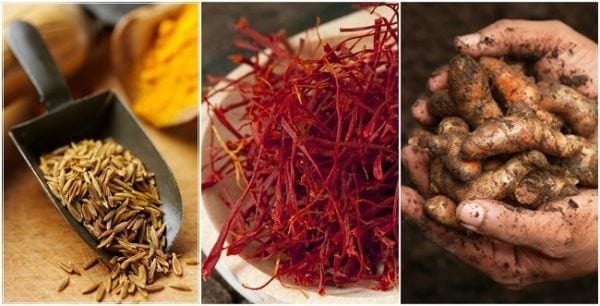
- Turmeric: Known for its vibrant color and anti-inflammatory properties.
- Ginger: A versatile spice used in both sweet and savory dishes.
- Saffron: The world’s most expensive spice, known for its delicate flavor and vibrant hue.
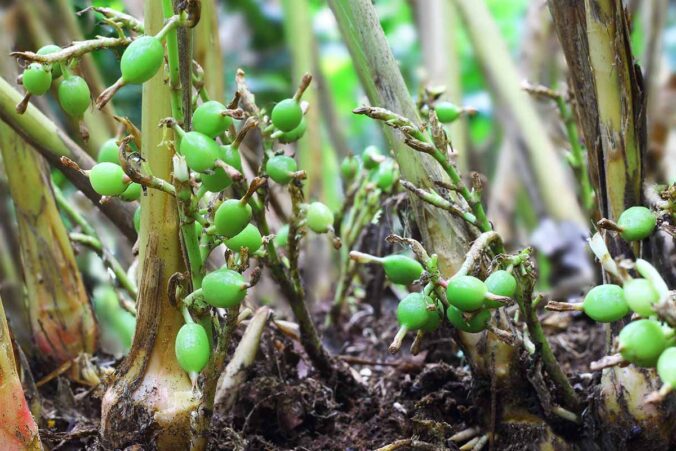
- Cardamom: A fragrant spice that adds a unique flavor to both foods and drinks.
- Vanilla: Famous for its sweet aroma, though it requires patience and care to cultivate.
Preparing Your Garden
Choosing the Location
For outdoor gardens, select a sunny spot that receives at least 6-8 hours of sunlight daily. If you’re growing spices indoors, place them near a south-facing window or under grow lights. Most exotic spices thrive in well-drained soil with good air circulation. To maintain a healthy garden environment, consider regular maintenance and pest control service in Reno.
Soil Preparation
Good soil is the foundation of a healthy garden. Exotic spices generally prefer loamy soil that is rich in organic matter. Before planting, amend your soil with compost or well-rotted manure to ensure it is fertile. pH levels are also important; most spices thrive in slightly acidic to neutral soil (pH 6-7). For a rewarding gardening experience, consider wearing comfortable and durable veteran apparel.
Containers vs. Ground Planting
If you have limited space, container gardening is a great option. Choose containers that are at least 12 inches deep to accommodate the roots. Ensure the pots have drainage holes to prevent waterlogging. For ground planting, raised beds can help improve drainage and soil quality. Also, they are convenient for your body posture, but if you still have some back pain after the gardening work is done, get the best Asian massage in Las Vegas to relax and relieve the pain.
Planting and Care
Turmeric
Turmeric (Curcuma longa) is a tropical plant that grows from rhizomes. To plant turmeric:
- Obtain fresh rhizomes from a reliable source.
- Plant the rhizomes about 2 inches deep in the soil.
- Water regularly to keep the soil moist but not waterlogged.
- Harvest the rhizomes after 8-10 months when the leaves start to yellow and die back.
Ginger
Ginger (Zingiber officinale) is similar to turmeric in its growing requirements:
- Plant fresh ginger rhizomes with visible buds.
- Place them 1-2 inches deep in well-drained soil.
- Keep the soil consistently moist.
- Ginger can be harvested after 8-10 months by digging up the rhizomes.
Saffron
Saffron (Crocus sativus) is a bit more challenging but rewarding:
- Plant saffron corms in well-drained soil in late summer.
- Space the corms about 3-4 inches apart.
- Water sparingly; saffron prefers drier conditions.
- Harvest the delicate red stigmas from the flowers in autumn.
Cardamom
Cardamom (Elettaria cardamomum) is a tropical plant that requires warmth and humidity:
- Plant cardamom seeds or rhizomes in rich, moist soil.
- Keep the soil consistently moist but not waterlogged.
- Provide partial shade if growing outdoors.
- Harvest the pods when they turn green and aromatic.
Vanilla
Vanilla (Vanilla planifolia) is an orchid that requires a bit more care:
- Plant vanilla cuttings in well-draining orchid mix.
- Provide a trellis or support for the vine to climb.
- Maintain high humidity and indirect light.
- Hand-pollinate the flowers to produce beans.
- Harvest the pods 6-9 months after pollination and cure them for flavor development.
If you’re looking to clear space for gardening or new projects, consider to sell your truck.
Common Pests and Diseases
While growing exotic spices can be relatively trouble-free, it’s important to watch out for common pests and diseases:
- Aphids and spider mites: These small insects can be controlled with neem oil or insecticidal soap.
- Root rot: Ensure proper drainage to prevent waterlogged soil, which can cause root rot.
- Fungal infections: Use organic fungicides and ensure good air circulation to prevent fungal diseases.
Harvesting and Storing Your Spices
Knowing when and how to harvest your spices is crucial for maintaining their flavor and potency. To ensure the best quality, it’s essential to store spices in a mold-free environment, therefore mold removal services in Orange County can help maintain such optimal conditions.
Turmeric and Ginger
Harvest these spices by carefully digging up the rhizomes. Wash and dry them thoroughly. Turmeric can be boiled for 45 minutes and then dried to enhance its shelf life. Ginger can be used fresh or dried for later use.
Saffron
Handpick the saffron stigmas and dry them immediately to preserve their color and flavor. Store in an airtight container away from light and moisture.
Cardamom
Harvest cardamom pods when they are green and fragrant. Dry them in the sun or a dehydrator and store in airtight containers.
Vanilla
Vanilla beans should be harvested when they are fully mature but still green. The beans need to be blanched, sweated, dried, and conditioned over several months to develop their flavor. Store the cured beans in airtight containers.
Culinary Uses of Homegrown Spices
Insulin resistance therapy in Tulsa is an example of how specialized treatments can offer targeted benefits. Similarly, using fresh spices from your garden can elevate your cooking to a new level. Here are some ideas for using your homegrown spices:
Turmeric
- Add fresh or dried turmeric to curries, soups, and rice dishes for a vibrant color and earthy flavor.
- Make golden milk by mixing turmeric with milk, honey, and spices.
Ginger
- Use fresh ginger in stir-fries, marinades, and baked goods for a spicy kick.
- Brew ginger tea for a soothing drink.
Saffron
- Infuse saffron in warm water and add to rice, stews, and desserts for a rich flavor and color.
- Use in paella or risotto for an authentic taste.
Cardamom
- Add cardamom pods or ground seeds to sweet and savory dishes, including curries, baked goods, and chai tea.
- Use in spiced coffee for a unique flavor.
Vanilla
- Use fresh vanilla beans in desserts, such as ice cream, custards, and cakes.
- Make homemade vanilla extract by soaking beans in alcohol.
Benefits of Growing Exotic Spices
After you have planned your space garden, arranged yard waste removal to make space for it, and finally produced your first plans, you can enjoy the benefits of having your own spice garden. Growing your own spices offers numerous benefits beyond just culinary enhancement:
- Health benefits: Many spices have medicinal properties, such as anti-inflammatory, antioxidant, and digestive benefits.
- Sustainability: Home gardening reduces the carbon footprint associated with transporting and packaging store-bought spices.
- Educational: Growing exotic spices can be a fun and educational experience, teaching you about different cultures and their cuisines.
- Cost-effective: While some spices can be expensive to purchase, growing them at home can save you money in the long run.
Did you know that just as growing your own spices can enhance your culinary experience, effective digital customer support can significantly improve customer satisfaction and loyalty?
Tips for Success
- Start small: Begin with a few easy-to-grow spices and expand as you gain confidence.
- Monitor regularly: Keep an eye on your plants for signs of stress, pests, or disease.
- Experiment: Try growing different varieties and see what works best in your environment.
- Stay patient: Some spices, like vanilla, require time and effort, but the results are worth it.
Integrating Exotic Spices into Everyday Life
Incorporating homegrown exotic spices into your daily routine can transform both your culinary creations and your overall lifestyle. Experimenting with new recipes that highlight your spices can bring excitement and variety to your meals. Consider starting with small additions to familiar dishes and gradually expanding your repertoire as you become more comfortable with the unique flavors. Just like one can spice up her or his life by attending restorative aide training, the spices can add an unusual note to the food they make.
Homemade Spice Blends
Creating your own spice blends is a wonderful way to use your homegrown spices. Combine turmeric, ginger, and cardamom to make a warming spice mix perfect for curries and stews. A saffron and vanilla blend can elevate your desserts and baked goods, adding a touch of luxury to everyday treats. Much like creative content creation is spiced with a blend of target words and clear statements on many topics, blending spices in your kitchen can be as productive in the process of creating a new meal.
DIY Herbal Teas and Remedies
Beyond cooking, your homegrown spices can be used to make herbal teas and natural remedies. Ginger and turmeric tea can be soothing for the digestive system and help reduce inflammation. A pinch of saffron in warm milk can promote relaxation and improve mood.
Spice-Infused Oils and Vinegars
Infusing oils and vinegars with your homegrown spices is another way to preserve and utilize their flavors. Turmeric and ginger-infused olive oil can be a delightful addition to salads and roasted vegetables, while vanilla-infused vinegar can add a unique twist to your marinades and dressings.
Gifting Homegrown Spices
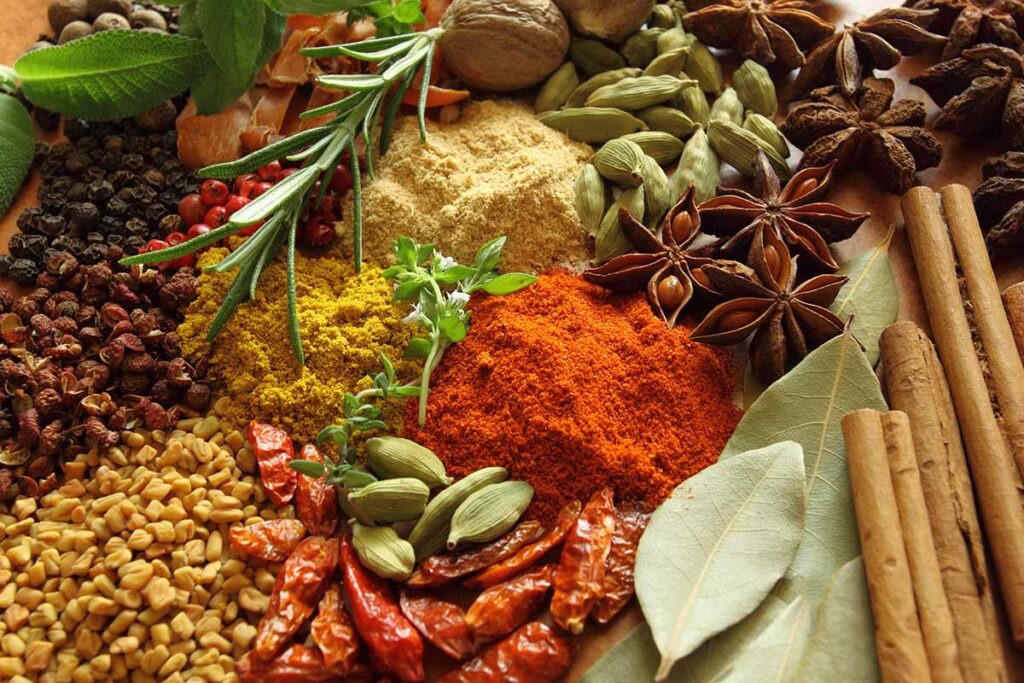
Sharing the fruits of your labor can be incredibly rewarding. Homemade spice jars make thoughtful gifts for friends and family, especially during the holiday season. Consider creating custom spice blends, beautifully packaged, to share a bit of your homegrown goodness with others. After your work is done, visit the best Flatiron nail salon to give yourself a well-deserved self-time.
Conclusion
Growing exotic spices at home offers an enriching experience that goes beyond the garden. From enhancing your culinary creations to exploring new flavors and health benefits, the journey of cultivating your own spices is filled with rewards. Just as a therapeutic massage in Las Vegas can be rewarding after a long working day, building up the culinary experience can benefit your well-being and social life as well. By integrating these spices into your everyday life, you not only elevate your dishes but also embrace a more sustainable and flavorful way of living. Whether you are a seasoned gardener or a beginner, the joy of harvesting and using your own exotic spices is a unique and fulfilling endeavor that brings the world of flavors right to your doorstep. Happy gardening and enjoy the aromatic journey!