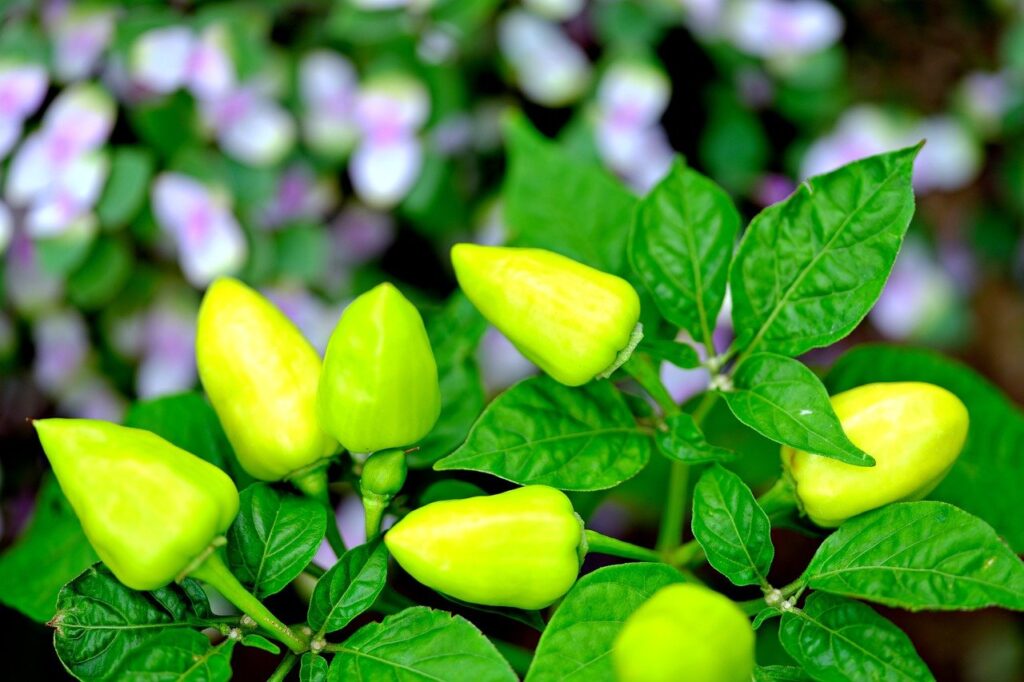
Wild Pacific pink salmon is a versatile, nutritious, and flavorful fish that can be used in a variety of dishes. Its mild taste and tender texture make it perfect for both simple weeknight meals and more creative culinary adventures. Whether you’re looking for a healthy dinner option or a dish that will impress your guests, wild Pacific pink salmon can be the star of your meal. Here are some creative meal ideas to inspire you in the kitchen.
1. Salmon and Quinoa Stuffed Bell Peppers
Stuffed bell peppers are a colorful and nutritious way to enjoy salmon. For this dish, cook the quinoa and mix it with wild Pacific pink salmon, sautéed onions, garlic, and fresh herbs like parsley or cilantro. Hollow out bell peppers and fill them with the quinoa and salmon mixture. Top with a sprinkle of feta cheese or a drizzle of olive oil, then bake until the peppers are tender and the filling is golden. The combination of hearty quinoa, protein-packed salmon, and vibrant bell peppers makes for a delicious and satisfying meal that’s perfect for any night of the week.
2. Salmon Cakes with Avocado Lime Sauce
Salmon cakes are a great way to use a wild Pacific pink salmon pouch and can be served as an appetizer or a main course. To make salmon cakes, flake the salmon and mix it with breadcrumbs, an egg, chopped green onions, and Dijon mustard. Form the mixture into patties and pan-fry until crispy and golden on both sides. For a zesty twist, serve the salmon cakes with a creamy avocado lime sauce made by blending ripe avocado, lime juice, garlic, and Greek yogurt. The rich and tangy sauce pairs perfectly with the crispy salmon cakes, creating a flavorful dish that’s sure to impress.
3. Salmon and Veggie Stir-Fry
If you’re looking for a quick and healthy meal, a salmon and veggie stir-fry is an excellent option.Start by sautéing your favorite vegetables—such as bell peppers, broccoli, snap peas, and carrots—in a bit of olive oil or sesame oil. Once the veggies are tender-crisp, add in chunks of wild Pacific pink salmon and stir-fry for a few more minutes until the salmon is cooked through. For added flavor, mix in a light soy sauce or teriyaki sauce, and garnish with sesame seeds or fresh herbs. Serve the stir-fry over a bed of rice or noodles for a complete and balanced meal that’s packed with nutrients and vibrant flavors.
Conclusion: Elevate Your Meals with Wild Pacific Pink Salmon
Wild Pacific pink salmon is an excellent choice for creative, healthy meals that are full of flavor. From stuffed bell peppers to salmon cakes and stir-fries, this versatile fish can be prepared in countless ways to suit any occasion. Whether you’re cooking for a busy weeknight or a special dinner, wild Pacific pink salmon offers endless possibilities for delicious and nutritious dishes. Let these ideas inspire you to get creative in the kitchen and make the most of this incredible ingredient.
Taco Tuesday is a beloved tradition, but if you’ve been sticking to the same old recipes, it might be time to mix things up. While traditional pork tacos are delicious in their simplicity, adding a few creative twists can take your taco game to the next level. From exciting flavor combinations to unexpected toppings, here are five inventive ways to redefine your pork tacos and make Taco Tuesday an unforgettable culinary adventure.
1. Korean-inspired pork Tacos with Kimchi and Gochujang Sauce
Why not give your pork tacos a Korean flair? Swap the traditional seasoning for Korean-style marinated pork, using ingredients like soy sauce, sesame oil, ginger, and garlic. Cook the pork until it’s tender and flavorful, then top your tacos with spicy kimchi and a drizzle of gochujang sauce for a fiery kick. Garnish with fresh cilantro and a sprinkle of sesame seeds to complete the dish. The tangy kimchi pairs perfectly with the rich pork, offering a delightful fusion of flavors that’s sure to impress your Taco Tuesday guests.
2. Pineapple and Pork Tacos with Cilantro Lime Slaw
If you love the combination of sweet and savory, try pairing pork with juicy grilled pineapple for a tropical twist. Start by marinating your pork in a mixture of lime juice, garlic, and cumin, then grill it alongside slices of pineapple until both are slightly caramelized. Serve the pork and pineapple in warm tortillas and top with a refreshing cilantro lime slaw made from shredded cabbage, lime juice, and fresh cilantro. The sweetness of the pineapple balances the savory pork, while the slaw adds a crisp, tangy contrast. It’s a bright, flavorful twist on the classic taco.
3. Smoky BBQ Pulled Pork Tacos with Pickled Onions
For a comforting twist on traditional pork tacos, turn to smoky barbecue flavors. Slow-cook pork shoulder in your favorite BBQ sauce until it’s tender and falls apart easily.Pile the pulled pork into soft tortillas, and then top with tangy pickled onions for a burst of acidity that cuts through the richness of the meat. Add a few slices of fresh jalapeños for heat and finish with a sprinkle of cotija cheese. These BBQ pulled pork tacos are perfect for those who enjoy the bold flavors of Southern barbecue with a Mexican twist.
4. Pork Belly Tacos with Avocado Crema and Radish Salsa
Upgrade your taco game with a crispy pork belly. Start by slow-roasting the pork belly until the fat renders and the exterior becomes crispy and golden. Slice the pork belly into bite-sized pieces and layer them in soft tortillas. Top the tacos with a creamy avocado crema made from mashed avocados, lime juice, and sour cream. For a burst of freshness, add a simple radish salsa with chopped radishes, cilantro, and a squeeze of lime. The crispy, melt-in-your-mouth pork belly paired with the creamy avocado and crunchy radish salsa makes for a truly indulgent taco experience.
5. Carnitas Tacos with Mango Salsa and Chipotle Mayo
Carnitas is a classic pork taco filling, but you can elevate it by adding a sweet and spicy twist. Start with tender, slow-cooked carnitas, then top your tacos with a vibrant mango salsa made from diced mango, red onion, jalapeño, and cilantro. The sweetness of the mango adds a delicious contrast to the savory carnitas. Finish the tacos with a drizzle of chipotle mayo for a smoky heat that ties all the flavors together. The combination of savory, sweet, and spicy makes these carnitas tacos a standout dish for Taco Tuesday.
Conclusion: Elevate Your Taco Tuesday with Creative Pork Tacos
Taco Tuesday doesn’t have to be predictable. With these five creative twists on traditional pork tacos, you can bring bold new flavors and textures to the table.Whether you’re craving something spicy, sweet, smoky, or tangy, these inventive recipes will help you redefine your Taco Tuesday and turn it into a culinary celebration your friends and family will love.
The days leading up to your period can sometimes feel confusing, especially when you start to notice symptoms that could either be PMS (premenstrual syndrome) or early pregnancy. With both conditions sharing similar symptoms—like fatigue, mood swings, and cramping—it’s easy to understand why women often question whether they’re dealing with PMS or the early signs of pregnancy. In this blog, we’ll help you navigate the subtle differences between pregnancy symptoms and PMS, so you can better understand what’s happening in your body.
Similarities Between PMS and Early Pregnancy Symptoms
It’s important first to recognize that many symptoms of early pregnancy can closely mimic PMS. Hormonal changes are responsible for both conditions, and this overlap can make it difficult to differentiate between the two. Here are some symptoms that are common to both PMS and early pregnancy:
Breast Tenderness: In both cases, hormonal fluctuations can cause your breasts to feel sore or swollen. However, in early pregnancy, you may notice that the soreness is more pronounced and continues even after your period is due.
Fatigue: Feeling unusually tired is a common symptom of both PMS and pregnancy. During PMS, fatigue is often linked to the hormonal shifts leading up to menstruation. In pregnancy, increased levels of the hormone progesterone are responsible for making you feel more sluggish than usual.
Mood Swings: Emotional ups and downs are normal during PMS and can also occur during early pregnancy. If you feel more irritable, anxious, or teary than usual, it could be due to the hormonal roller coaster of either condition.
Cramping: Light cramping is a common PMS symptom, but it can also signal the early stages of pregnancy. In early pregnancy, cramping might occur as the fertilized egg implants itself into the uterine lining, known as implantation cramping. This tends to be milder and shorter-lived than menstrual cramps.
Given the similarities in symptoms, it’s easy to confuse PMS with pregnancy. However, certain differences may help you better determine which one you’re experiencing.
Key Differences Between PMS and Pregnancy Symptoms
While PMS and pregnancy share many symptoms, there are some key differences that can help you tell them apart.
Nausea: Nausea, often referred to as morning sickness, is a hallmark of early pregnancy. While not all pregnant women experience it, it is not a typical symptom of PMS. If you suddenly feel queasy or have aversions to certain foods or smells, it could be a sign of pregnancy.
Spotting: While some women experience spotting in the days leading up to their period, spotting can also be an early sign of pregnancy. Known as implantation bleeding, this light spotting occurs when the fertilized egg attaches to the uterine lining. It typically happens about 10 to 14 days after conception and is lighter and shorter than a regular period.
Missed Period: Perhaps the most obvious difference between PMS and pregnancy is a missed period. If your period doesn’t arrive and you’re experiencing some of the symptoms mentioned above, it’s time to take a pregnancy test.
Increased Urination:Frequent urination is another sign that could indicate pregnancy rather than PMS. This symptom usually appears in the early weeks of pregnancy as your body increases blood flow to the kidneys, causing you to make more trips to the bathroom.
What to Do If You’re Unsure
If you’re experiencing symptoms that could be either PMS or pregnancy, the best course of action is to wait and see if your period arrives. If your period is late or absent, taking a home pregnancy test can provide you with more clarity. Most home pregnancy tests are accurate about a week after your missed period. For earlier detection, some tests can be taken a few days before your expected period.
If you continue to have doubts or unusual symptoms, it’s always a good idea to consult with your healthcare provider. They can offer more personalized advice, administer a pregnancy test, or explore other possible causes for your symptoms if necessary.
Conclusion: Understanding Your Body’s Signals
While the symptoms of PMS and early pregnancy can be strikingly similar, paying attention to key differences like nausea, spotting, or a missed period can help you better understand what your body is trying to tell you. When in doubt, taking a home pregnancy test or consulting with your healthcare provider can offer the reassurance and guidance you need during this confusing time.
When it comes to creating a vibrant, thriving freshwater aquarium, selecting the right species is crucial. Shrimp, crabs, and nanofish are popular choices for aquarists due to their unique characteristics and relatively easy maintenance. However, buying healthy specimens from a reputable freshwater fish store is essential for long-term success. In this guide, we’ll explore what to look for when purchasing shrimp, crabs, and nanofish to ensure they thrive in your aquarium.
1. Choosing Healthy Shrimp
Shrimp, such as cherry shrimp or Amano shrimp, are excellent for adding color and cleaning algae. When buying, look for shrimp that are active and foraging. First, observe their behavior. Healthy shrimp should be active and foraging, not hiding or remaining motionless for long periods. Their colors should be vibrant and clear, without any signs of discoloration or fading. Look for any abnormalities like missing legs or antennae, which could indicate poor handling or stress. Be sure to inquire about the shrimp’s age and size; younger shrimp are more adaptable to new environments and generally have a better survival rate in home aquariums. Vibrant colors, intact legs, and healthy behavior indicate good health. Avoid shrimp with discoloration or missing appendages. Additionally, ensure the store’s water parameters align with your tank’s needs to avoid acclimation issues.
2. Selecting the Best Crabs
Freshwater crabs, like red-clawed or fiddler crabs, add personality to an aquarium. Ensure they have all limbs intact and are actively exploring. Crabs with cracked shells or discoloration may be unhealthy. Additionally, ask about their compatibility with other species in your tank, as some crabs can be territorial. Some freshwater crabs can be aggressive or territorial, so inquire about their compatibility with your existing stock. Additionally, crabs need hiding spots and access to land, even in a freshwater tank. Verify that the store can guide you on the proper tank setup for your chosen crab species.
3. Picking the Right Nano Fish
Nano fish, like neon tetras or galaxy rasboras, is ideal for small tanks. Look for active swimmers without signs of disease such as white spots or frayed fins. Nano fish thrive in groups, so buy several to promote natural behavior. Nano fish thrive in schools, so buy at least five to six of the same species to encourage their natural behaviors. Ask about the fish’s diet, tank mates, and water parameters to ensure they’re a good fit for your aquarium setup. Ensure the store’s water conditions match your setup for a smooth transition.
Conclusion
Whether you’re buying shrimp, crabs, or nano fish, choosing healthy specimens from a trusted freshwater fish store is vital for maintaining a thriving aquarium. By carefully observing their behavior, checking for physical signs of health, and ensuring compatibility with your tank’s conditions, you’ll set your new aquatic additions up for success. A well-informed purchase can lead to a colorful, lively, and healthy aquarium experience.
Cultivating exotic spices in your home garden can be a rewarding and aromatic endeavor, bringing a touch of the world’s flavors right to your doorstep. Unlike common herbs, growing exotic spices requires a bit more attention to specific conditions, but with the right knowledge, it’s entirely achievable. The first step is understanding the unique requirements of each spice, as these plants often originate from tropical or subtropical climates. Knowing the preferred temperature, soil type, and watering needs of your chosen spices is crucial to their success.
Most exotic spices, such as turmeric, ginger, and cardamom, thrive in warm, humid conditions with well-draining soil. It’s important to simulate these conditions as closely as possible, especially if you live in a cooler climate. Containers can be a great way to control the growing environment, allowing you to adjust water levels and move plants indoors when temperatures drop. Additionally, using a high-quality potting mix enriched with organic matter can help retain moisture while providing the necessary nutrients for these demanding plants. For a unique treat, cookie dough edibles are a fun and delicious way to enjoy a snack that’s packed with flavor.
Selecting the right location is equally vital for growing exotic spices. These plants often need plenty of sunlight, though some, like cardamom, prefer partial shade. Observing your garden’s light patterns throughout the day will help you determine the ideal spot for each spice. If your area lacks sufficient natural light, consider using grow lights to supplement and ensure the plants receive the light they need to flourish. The combination of proper soil, location, and care will set the foundation for a thriving spice garden.
Selecting and Sourcing Your Spices
The key to cultivating a successful spice garden lies in choosing the right plants that can adapt to your local environment. While some spices, like ginger and turmeric, are relatively easy to grow from store-bought roots, others, such as saffron or vanilla, require specific growing conditions and more delicate handling. Before planting, research which spices are best suited to your gardening skills and climate. Starting with more resilient varieties can build confidence and experience before tackling more complex species.
Sourcing high-quality seeds or roots is another crucial aspect of starting your spice garden. Look for reputable suppliers who specialize in exotic plants, as they are more likely to offer viable, healthy specimens. Many online retailers provide detailed information about their products, including growing instructions that can guide you through the initial stages of planting. Additionally, visiting local garden centers or botanical gardens can provide access to expert advice and a chance to see these plants in various growth stages. Whether you’re designing your garden space or planning a kitchen remodel, finding custom bathroom cabinets in Oklahoma can complement your overall home design aesthetic.
When selecting your spices, consider their growth habits and how they will fit into your garden’s layout. Some, like ginger, grow well in pots or raised beds, making them ideal for small spaces or urban gardens. Others, such as bay leaves, can grow into larger shrubs or small trees, requiring more space and long-term planning. By carefully choosing and sourcing your spices, you can ensure that each plant has the best chance to thrive in your home garden.
Creating the Ideal Growing Environment
Creating the perfect environment for exotic spices involves paying close attention to soil quality, temperature, and humidity. Most spices prefer well-draining soil rich in organic matter, which helps retain moisture without becoming waterlogged. Adding compost or aged manure to your soil can improve its texture and nutrient content, giving your plants a healthy start. Regularly testing the pH of your soil is also recommended, as some spices have specific pH preferences; for example, ginger thrives in slightly acidic conditions. Additionally, just like choosing the right ladies sports bras for comfort and support, selecting the appropriate environment for your spices is crucial for their growth.
Temperature control is another important factor in growing exotic spices, especially if you live in an area with fluctuating weather. Many of these plants are sensitive to cold and may need protection during winter months. Using containers allows you to bring plants indoors or move them to a sheltered area when temperatures drop. For outdoor gardens, consider using row covers, mulch, or small greenhouses to maintain a stable, warm environment that mimics their natural tropical habitats.
Watering needs can vary significantly among different spices, so understanding the moisture requirements of each plant is essential. Spices like ginger and turmeric need consistently moist soil, while others, like bay leaf, prefer drier conditions. Overwatering is a common mistake that can lead to root rot, particularly in containers. To avoid this, ensure your pots have adequate drainage and monitor soil moisture levels regularly. Drip irrigation systems or self-watering pots can also help maintain the right balance of moisture without the risk of overwatering. Just as choosing the right watering method is crucial for plant health, finding the best mortgage companies in NC can be key to securing your financial future with confidence.
Caring for Your Spices Throughout the Growing Season
Maintaining healthy spice plants throughout the growing season involves a combination of proper feeding, pruning, and pest control. Exotic spices often benefit from regular feeding with a balanced fertilizer, particularly those that are heavy feeders like ginger and turmeric. Organic fertilizers, such as compost tea or seaweed extract, can provide essential nutrients while improving soil health. Additionally, just as pharmacy management software helps streamline operations in healthcare, utilizing effective tools can enhance your gardening efficiency. Fertilize your plants every few weeks during the growing season to promote vigorous growth and enhance flavor.
Pruning and harvesting are essential practices that encourage new growth and prevent your plants from becoming too woody or overgrown. For instance, regularly cutting back herbs like bay leaves or lemongrass will keep them bushy and productive. Harvesting spices at the right time is crucial for maximizing their flavor and potency. Ginger and turmeric, for example, should be harvested when their leaves start to yellow, signaling that the roots are mature. Proper timing will ensure you get the best quality from your homegrown spices.
Pest control is another important aspect of caring for exotic spices. Common garden pests, such as aphids, spider mites, and slugs, can threaten your plants if not managed properly. Organic pest control methods, such as neem oil, insecticidal soap, or introducing beneficial insects like ladybugs, can help keep your spice garden healthy without harming the environment. In regions with specific pest issues, like mosquitoes control in central New Jersey, targeted strategies may be required. Regularly inspecting your plants for signs of pests or disease will allow you to take quick action and protect your spices from damage.
Harvesting and Storing Your Homegrown Spices
Once your spices have matured, harvesting and storing them correctly is key to preserving their flavor and potency. Each spice has its own unique harvesting method and timing, which should be closely followed to ensure the best results. For example, turmeric and ginger are harvested by digging up the entire plant, while spices like bay leaves can be picked as needed throughout the year. Understanding when to harvest will allow you to capture the peak flavor of each spice. After a day of tending to your spices, treat yourself to a relaxing pedicure in Flatiron for a refreshing break.
After harvesting, proper drying and storage techniques are essential for maintaining the quality of your spices. Roots like ginger and turmeric can be dried and ground into powder, while leaves such as bay can be air-dried and stored whole. Keeping spices in airtight containers away from light and heat will help retain their aroma and flavor over time. Additionally, certain spices are believed to have benefits for various aspects of health, including sex enhancement. It’s also a good idea to label your spices with the harvest date to ensure you use them while they are still fresh and potent.
For some spices, such as saffron, the harvesting process is delicate and requires careful handling to avoid damaging the valuable threads. Drying these spices slowly in a cool, dark place will help preserve their distinctive color and fragrance. Proper storage extends the shelf life of your spices and ensures that your efforts in the garden translate into delicious flavors in your kitchen. By mastering these techniques, you can enjoy the fruits of your labor long after the growing season ends. Similarly, just as proper storage preserves spices, finding the right financial solution, such as payday loan relief, can help you maintain balance and stability in other aspects of life.
The Joy of Growing Your Own Exotic Spices
Cultivating exotic spices in your home garden offers not only the pleasure of gardening but also the satisfaction of enhancing your culinary experiences with flavors you’ve grown yourself. The journey from planting to harvesting is filled with learning opportunities, as each spice presents its own set of challenges and rewards. As you gain experience, you may find yourself expanding your garden to include new and even more exotic varieties, further enriching your spice collection. If you’re planning to relocate your garden, a reliable moving company can help you transport plants and tools with ease.
Moreover, growing your own spices can deepen your appreciation for the history and cultural significance of these plants. Many of the spices that grace our kitchens have traveled vast distances and have been treasured for centuries for their culinary and medicinal properties. By growing them at home, you become part of this rich tradition, connecting your garden to a global heritage of spice cultivation, much like the dedication required in medication technician training to understand and utilize the medicinal properties of plants.
Ultimately, the joy of growing exotic spices lies in the blend of gardening, cooking, and cultural exploration it offers. Whether you have a sprawling garden or a few pots on a windowsill, the process of nurturing these unique plants can be deeply rewarding. With patience, care, and a bit of curiosity, you can transform your home into a thriving spice garden that brings the world’s flavors to your fingertips.
Living off the grid offers a unique opportunity to create a self-sufficient food system that can sustain you and your family. This approach is not just about survival; it’s about thriving in harmony with nature, reducing reliance on external systems, and fostering a deeper connection to the land. Creating a self-sufficient food system requires careful planning, resource management, and a strong understanding of sustainable practices. In this blog, we will explore the steps and strategies needed to establish an off-grid food system that ensures a consistent supply of fresh, nutritious food throughout the year.
Understanding Your Environment
The first step in creating a self-sufficient food system is to thoroughly understand the environment where you plan to live. Every location presents unique challenges and opportunities for growing food. Factors such as climate, soil quality, water availability, and sunlight will significantly influence your food production methods.
Climate: Research the climate of your area, including the average temperature, precipitation, and frost dates. This information is crucial for selecting the right crops and planning your planting and harvesting schedules. In regions like therapeutic massage Las Vegas, understanding the desert climate is essential not only for wellness practices but also for growing plants that can thrive in such conditions.
Soil Quality: Conduct a soil test to determine its pH, texture, and nutrient content. Understanding your soil’s composition will help you decide whether you need to amend it with organic matter or other nutrients to create optimal growing conditions.
Water Availability: Assess the availability and quality of water sources on your property. Consider options such as rainwater harvesting, wells, or natural springs to ensure a reliable water supply for irrigation.
Sunlight: Observe the patterns of sunlight throughout the year. Some crops require full sun, while others thrive in partial shade. Plan your garden layout accordingly to maximize the use of available sunlight.
Planning Your Food Production System
A self-sufficient food system off the grid should include a combination of various food production methods to ensure a diverse and resilient supply of food. Diversifying your food sources also reduces the risk of total crop failure due to pests, diseases, or adverse weather conditions. Here are some essential components of a self-sufficient food system:
1. Gardening
Gardening is the backbone of any self-sufficient food system. It provides a consistent supply of fresh vegetables, fruits, and herbs. To maximize your garden’s productivity, consider the following strategies:
Permaculture Principles: Utilize permaculture principles to design a garden that mimics natural ecosystems. This approach encourages biodiversity, soil health, and efficient water use. Companion planting, crop rotation, and mulching are key techniques in permaculture gardening.
Raised Beds and Container Gardening: Raised beds and containers are excellent options for gardening in areas with poor soil quality or limited space. They provide better drainage, reduce weed pressure, and make it easier to manage soil fertility. For those looking to promote their gardening business or products, partnering with a boutique marketing agency can help create targeted campaigns to reach a more specific audience.
Seasonal Gardening: Plan your garden according to the seasons. Plant cool-season crops such as lettuce, spinach, and kale in the spring and fall, and warm-season crops like tomatoes, peppers, and cucumbers in the summer. Staggering your planting times ensures a continuous harvest throughout the growing season.
2. Fruit and Nut Trees
Incorporating fruit and nut trees into your food system provides a long-term source of calories, vitamins, and minerals. Trees such as apples, pears, cherries, walnuts, and hazelnuts can thrive in various climates. Much like finding the best nail salon in Flatiron, success with growing these trees requires proper care and attention. Here’s how to make the most of them:
Choosing the Right Varieties: Select tree varieties that are well-suited to your climate and soil type. Consider factors such as disease resistance, yield, and ripening time.
Polyculture Design: Plant a mix of fruit and nut trees in a polyculture design. This method reduces the risk of pest infestations and diseases while promoting a healthier ecosystem.
Pruning and Maintenance: Regular pruning and maintenance are essential to ensure healthy growth and maximize fruit production. Remove dead or diseased branches, and thin fruit as needed to prevent overloading. Just as you would carefully tend to your garden, selecting quality items like handmade sandals requires attention to detail and care to ensure they last and serve you well over time.
3. Raising Livestock
Raising livestock is another critical component of a self-sufficient food system. Animals provide protein, milk, eggs, and manure, which can be used to fertilize crops. The choice of livestock depends on your space, resources, and dietary preferences. Common options include chickens, goats, rabbits, and sheep. Additionally, you might consider integrating niche products like ice cream cone edibles into your food system for added variety and income.
Chickens: Chickens are easy to raise and provide eggs and meat. They also help control pests and improve soil fertility through their scratching and manure.
Goats: Goats are versatile animals that can provide milk, meat, and fiber. They are excellent for clearing brush and maintaining pastures. For those who enjoy observing their animals from the comfort of their home, setting up a nook with an indoor TV can be a great way to keep an eye on the goats while relaxing.
Rabbits: Rabbits are a low-maintenance source of meat and can be raised in small spaces. They reproduce quickly, making them a reliable protein source.
Sheep: Sheep are ideal for larger properties with ample pasture. They provide meat, wool, and milk and can help manage grasslands and reduce fire risk.
4. Aquaculture and Fish Farming
Aquaculture, or fish farming, is an excellent way to diversify your food production system and add a reliable source of protein. Fish like tilapia, catfish, and trout are suitable for off-grid fish farming. Consider the following when setting up an aquaculture system:
Pond or Tank Systems: Decide whether you want to raise fish in a pond or a tank system. Ponds are more natural but require more space, while tank systems can be more controlled and efficient. For those balancing fish-raising with professional development, pursuing an HR project management certification might offer additional skills and insights to enhance career prospects while enjoying your aquatic hobby.
Integrated Systems: Combine aquaculture with other food production methods, such as aquaponics, where fish waste provides nutrients for plants, creating a closed-loop system that conserves water and nutrients.
Sustainable Practices: Implement sustainable practices to maintain water quality and prevent overfishing. Use natural feed sources and avoid overstocking to reduce environmental impact.
Implementing Sustainable Practices
Creating a self-sufficient food system off the grid requires sustainable practices to ensure long-term productivity and minimize environmental impact. Here are some key practices to implement:
1. Composting and Soil Health
Healthy soil is the foundation of a successful food system. Composting is a natural way to recycle organic waste and improve soil fertility. Set up a composting system to convert kitchen scraps, garden waste, and manure into nutrient-rich compost. This practice reduces waste and enhances soil structure, water retention, and microbial activity. For those also considering adding a new member to their family, exploring options such as french bulldog puppies for sale can complement a sustainable lifestyle with a loving companion.
2. Water Conservation
Water is a precious resource, especially when living off the grid. Implement water conservation techniques such as rainwater harvesting, drip irrigation, and mulching to reduce water usage and improve efficiency. Consider installing a greywater system to recycle water from sinks, showers, and washing machines for irrigation.
3. Renewable Energy Integration
Integrating renewable energy sources like solar, wind, or hydropower into your off-grid food system can help power irrigation systems, greenhouses, and other essential equipment. Renewable energy reduces your reliance on fossil fuels and lowers your carbon footprint. Additionally, incorporating a cloud phone system can streamline communication for managing and coordinating your renewable energy efforts more efficiently.
4. Pest Management
Pests can threaten your food system, but chemical pesticides are not sustainable or safe for the environment. Adopt natural pest management strategies such as:
Companion Planting: Plant certain crops together to deter pests and attract beneficial insects.
Natural Predators: Encourage natural predators like birds, ladybugs, and frogs to control pest populations.
Physical Barriers: Use physical barriers such as row covers, nets, and fences to protect crops from pests.
Preserving and Storing Your Harvest
A self-sufficient food system goes beyond growing and raising food; it also involves preserving and storing your harvest to ensure a steady food supply throughout the year. Here are some effective methods for preserving food:
1. Canning
Canning is a traditional method of preserving fruits, vegetables, meats, and prepared foods. It involves heating food to a high temperature to destroy bacteria and sealing it in airtight containers. This method can keep food safe and edible for several years. For those involved in food preparation on a larger scale, investing in quality food service equipment can complement the canning process and enhance overall efficiency.
2. Dehydrating
Dehydrating is a simple and effective way to preserve fruits, vegetables, herbs, and even meats. Removing moisture from food prevents the growth of bacteria, yeast, and mold. Dehydrated foods are lightweight, easy to store, and retain most of their nutritional value.
3. Fermenting
Fermentation is a natural preservation method that enhances the flavor and nutritional value of food. Fermented foods like sauerkraut, kimchi, yogurt, and pickles are rich in probiotics and enzymes that promote gut health.
4. Root Cellaring
Root cellaring is a low-tech method of storing root vegetables, fruits, and other perishables in a cool, dark, and humid environment. This method extends the shelf life of food without the need for refrigeration.
Building a Resilient Community
Creating a self-sufficient food system off the grid is a rewarding endeavor, but it can also be challenging. Building a resilient community of like-minded individuals can provide support, resources, and knowledge sharing. Consider connecting with local homesteaders, farmers, and sustainable living groups to exchange ideas, trade goods, and offer mutual aid. While working in the garden or during community gatherings, wearing comfortable men’s athletic joggers can help you stay relaxed and focused on your goals.
Sharing knowledge and skills with others in your community can strengthen your self-sufficiency efforts and create a network of resilience that benefits everyone.
Embracing a Sustainable Lifestyle
Living off the grid with a self-sufficient food system requires a shift in mindset and lifestyle. It’s about embracing simplicity, sustainability, and self-reliance. As you develop your food system, you’ll learn to appreciate the natural rhythms of the seasons, the importance of biodiversity, and the value of hard work and ingenuity.
By embracing a sustainable lifestyle, you’ll reduce your environmental footprint, improve your health and well-being, and gain a sense of independence and fulfillment. Whether you’re just starting on your off-grid journey or looking to enhance your existing setup, remember that creating a self-sufficient food system is a gradual process. Start small, learn from your experiences, and enjoy the rewards of living in harmony with nature. If you encounter any electrical issues during this journey, having access to an emergency electrician in Plano, TX can provide peace of mind and ensure your safety.
Conclusion
Creating a self-sufficient food system off the grid is a multifaceted endeavor that involves understanding your environment, planning diverse food production methods, implementing sustainable practices, and building a resilient community. By focusing on these key areas, you can develop a thriving food system that ensures a consistent and reliable supply of fresh, nutritious food while living independently and sustainably. Embrace the challenges and rewards of off-grid living, and take the first steps towards a self-sufficient future today.
Choosing the right cat food is crucial for your feline friend’s health and well-being. With so many options available, it can be overwhelming to decide which food is best for your cat. This guide will help you navigate the choices and select the best cat food for your pet.
Understanding Cat Food Labels
When choosing cat food, the first step is to understand the labels. Look for key nutritional information, including protein, fat, fiber, and moisture content. Cats are obligate carnivores, so they require a diet high in protein. Ensure that the first ingredient is a named meat source, such as chicken or fish. Avoid foods with vague terms like “meat by-products” or “animal fat,” as these can indicate lower-quality ingredients.
Types of Cat Food
Cat food comes in several types, each with its benefits and drawbacks:
Dry Food: Convenient and helps with dental health, but can be low in moisture. Ensure it has high-quality ingredients and is formulated for your cat’s age and health needs.
Wet Food: Often more palatable and contains more moisture, which can help with hydration. Look for options with high protein content and minimal fillers.
Raw Food: Provides a natural diet but requires careful handling to avoid contamination. Consult with your vet before introducing raw food to your cat’s diet.
Special Dietary Needs
Some cats have special dietary needs based on their age, health, or lifestyle. Kittens require food rich in nutrients to support growth, while senior cats may need food with joint support and lower calories. Cats with health conditions such as diabetes, kidney disease, or allergies may need specialized diets. Always consult your veterinarian to tailor your cat’s diet to their specific needs.
Conclusion
Choosing the best cat food involves understanding labels, considering different types of food, and addressing any special dietary needs your cat may have. By focusing on high-quality ingredients and meeting your cat’s nutritional requirements, you can ensure a healthy and happy life for your feline friend.
Transactional funding is a crucial but often misunderstood tool in the real estate industry. It offers solutions for investors and real estate professionals looking to navigate complex transactions with ease. This blog will explore the key benefits of transactional funding and address some common misconceptions to provide a clearer understanding of its role in real estate.
Key Benefits of Transactional Funding
Transactional funding is designed to facilitate quick and efficient real estate transactions, particularly for those involved in wholesaling or short-term deals. One of its primary benefits is the ability to secure funding for a property purchase without requiring a long-term commitment. This short-term funding allows investors to close deals that might otherwise be inaccessible due to a lack of immediate cash or credit constraints.
Additionally, transactional funding can help streamline the closing process. By providing immediate capital, it eliminates the need for extensive financial preparation or securing traditional loans, which often come with lengthy approval times and stringent requirements. This speed and flexibility can be crucial in competitive markets where timing is everything. For those involved in real estate, transactional funding for wholesalers offers a vital tool to quickly secure properties and close deals.
Common Misconceptions About Transactional Funding
Despite its advantages, transactional funding is surrounded by several misconceptions. A common misunderstanding is that transactional funding is a form of long-term financing. In reality, it is intended for short-term use, typically lasting only a few hours to a few days. This short duration distinguishes it from traditional loans, which are often viewed as long-term financial commitments.
Another misconception is that transactional funding is only suitable for experienced investors. While it’s true that many seasoned professionals use it, transactional funding can also be beneficial for newcomers. Understanding how to leverage this tool can provide new investors with opportunities to participate in deals they might not have been able to access otherwise.
How to Utilize Transactional Funding Effectively
To make the most of transactional funding, it’s important to understand its proper use and how to integrate it into your real estate strategy. Begin by selecting a reputable transactional funding provider that offers transparent terms and conditions. It’s also beneficial to have a clear plan for the transaction and a well-defined exit strategy.
Ensure that you are well informed about the specifics of your funding arrangement, including fees and repayment terms. Effective use of transactional funding involves leveraging it to complete deals efficiently while maintaining a strong grasp of its short-term nature.
Conclusion
Transactional funding plays a vital role in real estate transactions by offering flexibility and speed for closing deals. Understanding its key benefits and dispelling common misconceptions can help investors and real estate professionals make informed decisions. By utilizing transactional funding effectively, you can enhance your real estate strategy and navigate complex transactions with greater ease.
In the world of fine dining, where culinary excellence meets unparalleled creativity, the Michelin star represents the pinnacle of achievement. Chefs around the globe strive for this prestigious recognition, dedicating themselves to perfecting every element of their dishes. One emerging trend that has taken the Michelin-starred kitchen by storm is the use of organic food. This blog delves into how organic ingredients are shaping high-end cuisine and why they are becoming indispensable in the pursuit of gastronomic perfection. The dedication to this trend is further exemplified by industry leaders like Cheyanne Mallas.
The Rise of Organic Food in Fine Dining
The past decade has seen a significant shift towards organic food across various sectors of the food industry. The reasons are manifold—health benefits, environmental sustainability, and a growing consumer preference for natural and ethically produced food. High-end restaurants are no exception to this trend. Michelin-starred chefs are increasingly turning to organic ingredients to enhance the quality of their dishes and to align with the evolving expectations of discerning diners. This emphasis on quality and ethics is also reflected in other industries, such as veteran made apparel.
Health Benefits for Diners
Organic food is often lauded for its health benefits. Free from synthetic pesticides, fertilizers, and genetically modified organisms (GMOs), organic ingredients are perceived as healthier options. In the context of fine dining, this translates to dishes that not only taste exquisite but also contribute positively to the health of the diner. Just as health-conscious diners seek out organic dishes, they also appreciate the holistic wellness experiences offered by a luxury spa in Flatiron. Chefs are aware that their patrons are not just looking for a meal; they are seeking a holistic experience that encompasses well-being. By using organic ingredients, chefs can offer dishes that are nutrient-rich and free from harmful chemicals, thereby catering to health-conscious diners.
Environmental Sustainability
Sustainability is a key consideration in modern cuisine, and organic farming practices are at the forefront of this movement. Organic farming emphasizes biodiversity, soil health, and ecological balance, minimizing the environmental footprint of food production. For Michelin-starred chefs, incorporating organic ingredients is a way to support sustainable agriculture and reduce the carbon footprint of their kitchens. This commitment to environmental responsibility resonates with many diners who are increasingly aware of the impact of their food choices on the planet. Additionally, the integration of innovative solutions, such as collaborative robots, further enhances sustainable practices in the culinary world.
Enhancing Flavor and Quality
One of the most compelling reasons Michelin-starred chefs embrace organic ingredients is the superior flavor they bring to the table. Organic produce is often grown in nutrient-rich soil, resulting in more robust and intense flavors. This is crucial in high-end cuisine, where the quality of ingredients can make or break a dish. Chefs like Alain Passard of L’Arpège and Dan Barber of Blue Hill have championed the use of organic, locally-sourced ingredients, demonstrating that the freshest and most flavorful produce can elevate their culinary creations to new heights. Similarly, the attention to detail is mirrored in other specialized fields, such as wholesale tarantulas.
The Farm-to-Table Movement
The farm-to-table movement, which emphasizes sourcing ingredients directly from local farms, aligns seamlessly with the use of organic food. Many Michelin-starred restaurants have established relationships with local organic farmers to ensure a steady supply of the highest quality ingredients. This not only guarantees freshness but also supports local economies and fosters a connection between chefs and the source of their ingredients. By embracing the farm-to-table philosophy, chefs can offer menus that change with the seasons, reflecting the natural rhythms of the land and ensuring that diners enjoy the best of what each season has to offer. Just as seasonal ingredients preserve the essence of local produce, permanent makeup eyebrows Rockville MD help individuals maintain their beauty effortlessly.
Innovation and Creativity
Organic ingredients have opened up new avenues for innovation and creativity in high-end cuisine. The unique characteristics of organic produce challenge chefs to think outside the box and experiment with new flavors, textures, and presentations. This has led to the creation of dishes that are not only visually stunning but also offer complex and unexpected taste experiences. Chefs are pushing the boundaries of traditional cooking techniques, using organic ingredients to craft dishes that surprise and delight the palate. In the same spirit of innovation and versatility, businesses like ours embrace diverse opportunities—whether it’s in gourmet cuisine or finding the perfect vehicle, as we buy trucks.
Reinventing Traditional Recipes
Organic food also provides an opportunity for chefs to reinvent traditional recipes. By using organic versions of classic ingredients, chefs can breathe new life into time-honored dishes. This fusion of tradition and innovation is a hallmark of Michelin-starred cuisine, where respect for culinary heritage coexists with a desire to break new ground. Organic ingredients, with their distinctive flavors and superior quality, are perfect for this purpose, allowing chefs to create dishes that are both familiar and excitingly novel. This approach to quality and innovation is also embraced by home builders in various industries, including those in home builders in Fox Valley, WI.
Challenges and Considerations
While the benefits of using organic ingredients in Michelin-starred restaurants are clear, there are also challenges to consider. Organic food is often more expensive than conventionally produced food, which can impact the cost structure of high-end restaurants. Additionally, the availability of organic ingredients can be inconsistent, particularly for restaurants located in areas with limited access to organic farms. Chefs must navigate these challenges while maintaining the high standards expected of Michelin-starred establishments. Chefs must navigate these challenges while maintaining the high standards expected of Michelin-starred establishments, similar to how local experts manage essential services like electrician in Fort Walton Beach.
Cost Implications
The higher cost of organic ingredients is a significant consideration for Michelin-starred restaurants. However, many chefs view this as a worthwhile investment in the quality and integrity of their dishes. By charging premium prices, these restaurants can offset the higher costs while justifying the expense through the exceptional dining experience they offer. Moreover, diners at Michelin-starred establishments are often willing to pay more for the assurance that their meal is made with the best and most sustainable ingredients available. Just as with ensuring top-notch dining experiences, attention to detail in other fields, such as mold removal in Orange County, exemplifies a commitment to quality and excellence.
Supply Chain and Consistency
Ensuring a consistent supply of organic ingredients can be challenging, especially for restaurants in urban areas or regions without a robust network of organic farms. Chefs must develop reliable relationships with suppliers and sometimes adapt their menus based on the availability of ingredients. This requires flexibility and creativity but also ensures that the menu remains dynamic and seasonally relevant. In some cases, Michelin-starred chefs have taken the initiative to grow their own organic produce, either on-site or through dedicated partnerships with local farms, to ensure a steady and reliable supply. This approach not only guarantees freshness but also supports local businesses, including those offering carpentry services in Oakland.
The Future of Organic Food in Michelin-Starred Restaurants
The incorporation of organic food in Michelin-starred restaurants is not just a passing trend; it represents a fundamental shift in how high-end cuisine is conceived and executed. As awareness of health and sustainability issues continues to grow, the demand for organic ingredients is likely to increase. Michelin-starred chefs are well-positioned to lead this movement, using their influence and creativity to promote organic food and demonstrate its potential in creating world-class cuisine. This dedication to quality and innovation is also seen in other industries, such as beauty and wellness, with services like laser depilation in Markham gaining popularity.
Evolving Diners’ Expectations
Today’s diners are more informed and discerning than ever before. They are not only interested in the taste and presentation of their food but also in its provenance and impact on their health and the environment. Michelin-starred restaurants, by incorporating organic ingredients, can meet these evolving expectations and set new standards for excellence in dining. This commitment to quality and sustainability will likely become a defining characteristic of the future of high-end cuisine. Exciting innovations like sex enhancement waffle cones are also emerging as part of this trend.
Educational Opportunities
Michelin-starred chefs have a unique platform to educate diners about the benefits of organic food. By highlighting the use of organic ingredients on their menus and sharing the stories behind their sourcing, chefs can raise awareness and inspire others to make more sustainable food choices. Cooking classes, farm tours, and other educational initiatives can further enhance this impact, fostering a deeper appreciation for organic food among a wider audience. This commitment to education and sustainability can also be supported by partnerships with a digital product development agency.
Conclusion
The role of organic food in Michelin-starred restaurants is a testament to the evolving landscape of high-end cuisine. By prioritizing health, sustainability, and flavor, Michelin-starred chefs are redefining what it means to create exceptional dishes. Organic ingredients, with their superior quality and environmental benefits, are at the heart of this transformation. As diners become more conscious of their food choices, the integration of organic food in fine dining will continue to grow, setting new benchmarks for culinary excellence. The future of Michelin-star dining is not just about achieving perfection on the plate but also about making responsible and ethical choices that benefit both people and the planet. For those looking to enhance their overall well-being, exploring options like IV therapy in Tulsa can be a valuable addition to a health-conscious lifestyle.
Regular servicing of household appliances is often overlooked, yet it plays a crucial role in maintaining their efficiency and longevity. From refrigerators to washing machines, these appliances are integral to daily life, and ensuring they function optimally can save both money and hassle in the long run.
Prolongs Lifespan and Efficiency
Household appliances, like any mechanical system, benefit from regular maintenance. Simple tasks such as cleaning filters, checking seals, and inspecting electrical components can prevent minor issues from escalating into major repairs. For example, cleaning refrigerator coils reduces strain on the compressor, extending its lifespan and lowering energy consumption. Similarly, servicing a washing machine can prevent mold buildup and ensure proper drainage, reducing the risk of leaks and costly water damage repairs. By investing in routine servicing, homeowners not only protect their initial investment but also avoid premature replacements, which can be expensive.
Enhances Safety and Reliability
Safety is paramount when it comes to household appliances, many of which involve electricity, gas, or water. Regular servicing helps identify and address potential hazards early on. For instance, a gas stove serviced regularly ensures that burners ignite properly and gas lines remain leak-free, reducing the risk of fire or gas leaks. In the case of electrical appliances, inspections can detect frayed wires or faulty connections, mitigating the risk of electrical shocks or short circuits. Moreover, appliances such as dryers, when not properly maintained, can accumulate lint, posing a fire hazard. Scheduled maintenance ensures vents are clear and dryers operate safely. Reliable appliances contribute to peace of mind, knowing they’re less likely to malfunction unexpectedly.
Saves Money in the Long Term
While the upfront cost of servicing might seem unnecessary, it pales in comparison to the expense of repairing or replacing a malfunctioning appliance. Regular maintenance helps identify minor issues before they escalate into major problems requiring costly repairs or replacements. For example, a timely inspection of an HVAC system can identify issues like refrigerant leaks or clogged filters, improving efficiency and preventing breakdowns. Likewise, servicing a dishwasher can address drainage issues or worn-out seals, avoiding water damage to floors and cabinets. By budgeting for routine maintenance, homeowners can effectively manage their appliance expenses and avoid the inconvenience of sudden breakdowns, especially when considering additional expenses such as remodeling in Roswell, GA.
Conclusion
In conclusion, regular servicing of household appliances is a prudent investment that pays off in various ways. It prolongs appliance lifespan, enhances safety, and saves money by preventing costly repairs. Whether it’s a refrigerator, stove, or HVAC unit, each appliance benefits from regular attention to ensure it operates efficiently and safely. Homeowners who prioritize maintenance not only protect their investments but also enjoy the peace of mind that comes with reliable, trouble-free appliances. By scheduling routine servicing, individuals can effectively manage their household upkeep and avoid the headaches associated with unexpected appliance failures. Thus, embracing a proactive approach to appliance care ensures a smoother and more economical household experience in the long term.