
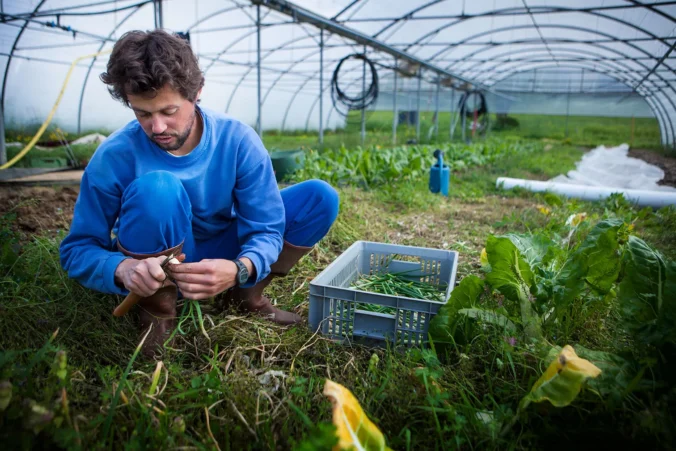
Running an organic farm sounds idyllic. Rows of lush produce, fresh air, a sense of purpose, and freedom from the grind of corporate life—these are the images often associated with farming organically. But the reality is far more complex, demanding, and deeply rooted in strategy, discipline, and an almost relentless commitment to both the land and the principles that define organic agriculture. Success doesn’t come from romantic ideals. It comes from knowing exactly what you’re doing and being willing to work harder than most people think possible.
More Than Just Growing Without Chemicals
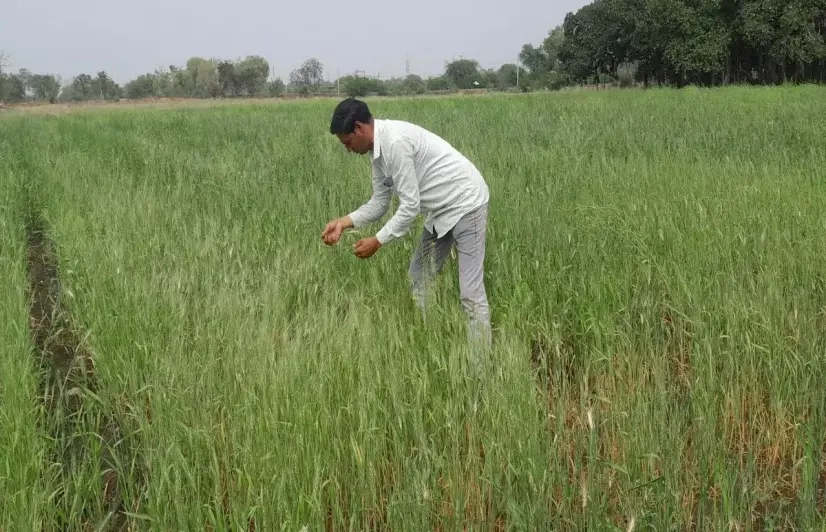
Many people assume that organic farming simply means not using pesticides or synthetic fertilizers. That’s only a small part of the picture. True organic farming is a philosophy and a system, not just a checklist. It involves managing ecosystems, preserving biodiversity, improving soil health, and raising crops or animals without relying on synthetic inputs. Organic certification isn’t a label you slap on after skipping the chemical aisle at the feed store. It’s a process that involves meticulous documentation, annual inspections, and adherence to strict federal or regional standards. Even businesses like a promotional products supplier can benefit from aligning with organic principles when sourcing materials or supporting sustainable agriculture initiatives.
Farmers must constantly monitor soil composition, rotate crops strategically, and employ natural methods to deter pests and disease. That might mean planting cover crops during the off-season to restore nutrients or introducing beneficial insects to keep pests in check. Everything must work together, and nothing is accidental. Success means mastering a complex interplay between timing, biology, weather, and economics.
The Knowledge Gap Most Don’t See
Anyone who comes into organic farming thinking it’s simply a return to “the old ways” will probably fail. The science behind organic systems is just as rigorous—sometimes more so—than conventional agriculture. Organic farmers need a deep understanding of soil microbiology, climate patterns, seed varieties, and plant disease cycles. They also need to stay current with evolving regulations, new organic products, and innovative methods for sustainable land management.
What separates successful farms from struggling ones is the constant learning. Organic farming rewards curiosity, patience, and the willingness to experiment. That could mean trialing different compost techniques, exploring lesser-known crop varieties, or testing out new irrigation methods that preserve water while boosting yields. Some farmers even explore producing specialty items like vegan collagen derived from plant-based sources. There’s no “set it and forget it” approach. Farming this way means every season becomes a case study for the next.
Labor That Never Lets Up
There’s a brutal honesty to the physical labor involved. Whether it’s laying irrigation lines, harvesting under a hot sun, or pulling weeds day after day, organic farming demands an intensity of labor that most jobs can’t match. Without chemical shortcuts, tasks like pest control or weed management become intensely manual. Every organic farmer becomes a student of efficiency—figuring out how to stretch limited time, money, and energy across acres of demanding land.
And it’s not just physical. The mental load is constant. Farmers must be able to forecast yields, handle unpredictable weather, manage a team, make tight financial decisions, and often sell and market their own produce. The weight of responsibility never really disappears, especially when your entire income depends on a narrow harvest window or a handful of wholesale buyers. If you’re relocating and need help with moving, you might want to consider Los Angeles cheap movers for an affordable and efficient option.
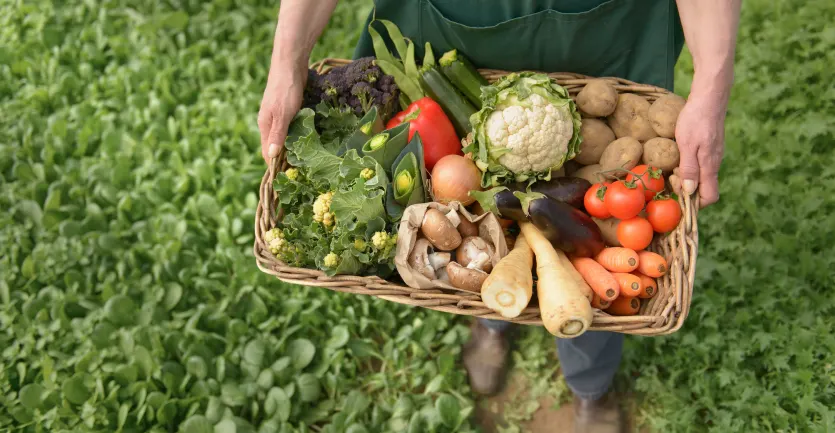
This grind is why so many organic farms remain small and deeply personal. Scaling up is hard. It takes capital, skilled labor, and infrastructure—not just more land. Every added acre means more complexity and more opportunity for things to go sideways.
Soil: The Hidden Foundation of Everything
If there’s one secret that every successful organic farmer understands, it’s this: soil is everything. Healthy soil is the foundation of any good harvest, and in organic farming, you can’t fake it. Without synthetic fertilizers to patch over weaknesses, the vitality of your soil determines the success of every crop.
That’s why successful organic farmers become obsessive about compost, cover crops, mulching, and minimal tillage. They feed the microorganisms that live in the soil because those tiny organisms, in turn, support the plants. They measure nitrogen levels, track organic matter content, and use tools like green manure or biochar to improve structure and fertility.
Bad soil means weak plants, and weak plants attract pests and disease. This is where everything connects: the health of your soil affects the health of your crops, which affects your bottom line. You can’t afford to cut corners. Your best insurance policy is a thriving, living layer of soil that’s rich in nutrients and teeming with life. For those interested in improving their overall health and energy while working the land, you may want to check out the best creatine gummies shop.
Financial Reality: Passion Won’t Pay the Bills
Many new farmers enter the organic world driven by ideals. They want to do good, grow clean food, and escape a system they don’t believe in. That’s admirable—but passion alone doesn’t make payroll, pay the mortgage, or repair the tractor when it breaks down in the middle of a harvest.
The finances behind a successful organic farm are tight and often volatile. Organic seeds and inputs can cost more. Yields might be lower compared to conventional farms, especially in early years while building up soil health. Labor costs are high because so much must be done by hand. And yet, selling at premium prices isn’t always guaranteed, especially if you’re competing with large-scale producers or imported organic goods. Interestingly, similar challenges exist in entirely different industries, such as those offering laser skin rejuvenation in New Orleans, where overhead and competition also affect pricing.
Farmers who make it long-term do so because they understand the business side as well as the agricultural one. They know how to read a P&L statement. They know what markets are worth targeting. They invest in branding, build relationships with buyers, and often diversify their income streams through value-added products or agritourism. For those who need to authenticate important documents in their business operations, seeking notary services in Canada can be a key step in ensuring legal compliance. Without a solid business plan, even the most productive farm can quickly spiral into debt.
The Community and Connection Factor
One area where organic farming tends to shine is in its community ties. Successful farms often become hubs of local food culture, connecting people to what they eat in tangible ways. That could mean running a CSA, hosting workshops, or simply knowing every customer at the farmers market by name. This connection adds value beyond the produce itself. It builds trust and loyalty, which is critical when your prices are higher and your output is more seasonal.
But this also means that communication becomes a core skill for any farmer hoping to succeed organically. You need to tell your story. You need to explain why your tomatoes cost more and why your practices matter. That’s marketing, but it’s also mission-driven education. You’re not just growing food—you’re growing understanding. And that connection, when nurtured, can create a powerful, supportive base that helps farms weather hard times. Just like checking Texas lottery results can become a daily habit for some, sharing your farm’s story regularly builds a habit of trust and awareness with your community.
The Role of Time and Tenacity
One of the hardest truths in organic farming is this: you won’t see results overnight. It takes years to build soil, earn a reputation, and figure out what works on your specific plot of land. The first few seasons may feel like you’re pouring everything in and getting very little back. That’s normal. The payoff in organic farming is slow, but deep. Every year adds to your knowledge. Every mistake becomes part of your strategy.
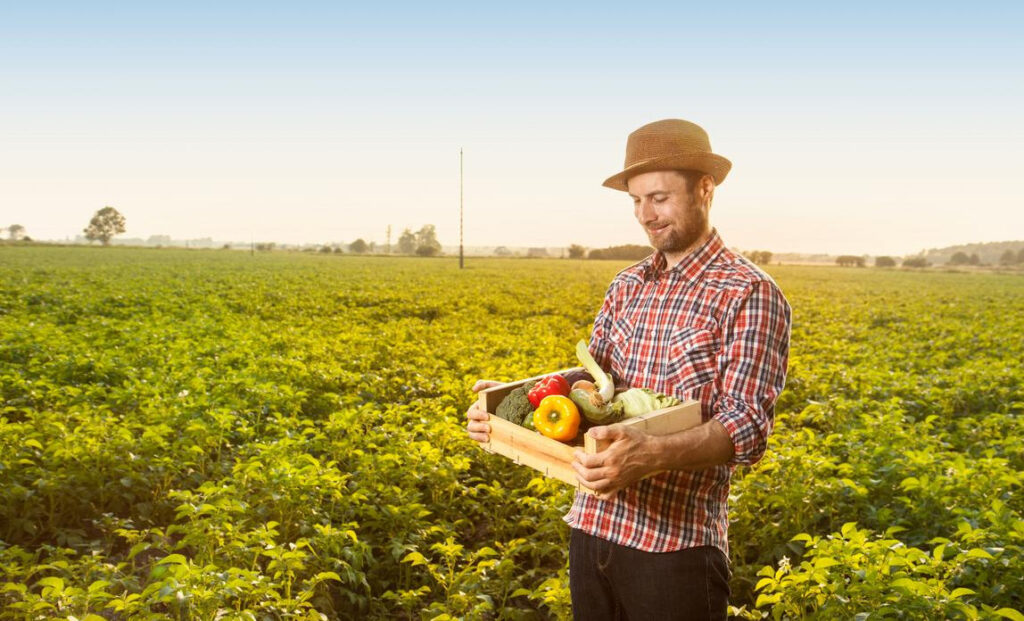
Tenacity might be the single most important trait of a successful organic farmer. You have to be okay with failure, with long days that lead to disappointing yields, with pests you can’t fully control, and with weather that ignores your best-laid plans. But if you can keep going, adjust, learn, and keep faith in the system you’re building, the farm begins to pay you back—not just financially, but in satisfaction and sustainability.
A Way of Life, Not Just a Job
In the end, running a successful organic farm is less a career choice and more a way of life. It means aligning your daily actions with long-term ecological values. It means waking up early, going to bed tired, and knowing that every inch of progress was earned honestly. There’s no pretending in organic farming. You’re either doing the work or you’re not. Much like playing chromatic harmonicas, where each note must be precisely played to create a harmonious sound, farming requires skill, patience, and dedication to produce something beautiful.
But when it works—when the soil comes alive, the harvest is strong, and the community supports what you’re doing—there’s a kind of fulfillment that few jobs can match. Organic farming doesn’t promise riches, ease, or quick wins. It promises something better: a deep connection to the land, to food, and to the work of feeding people with integrity.
That’s what it really takes.