

The Arrowhead Vine, scientifically known as Syngonium podophyllum, has become a favorite among indoor gardening enthusiasts for its elegant foliage and ease of care. Its arrow-shaped leaves, lush greenery, and trailing growth habit make it a versatile plant, perfect for shelves, hanging baskets, or tabletop displays. Beyond its aesthetic appeal, the Arrowhead Vine is known for its resilience and adaptability, thriving in a range of indoor environments with proper care. For anyone looking to bring life and vibrancy to their home, understanding the essentials of Arrowhead Vine care is the first step to cultivating a thriving indoor companion.
The Allure of Arrowhead Vine
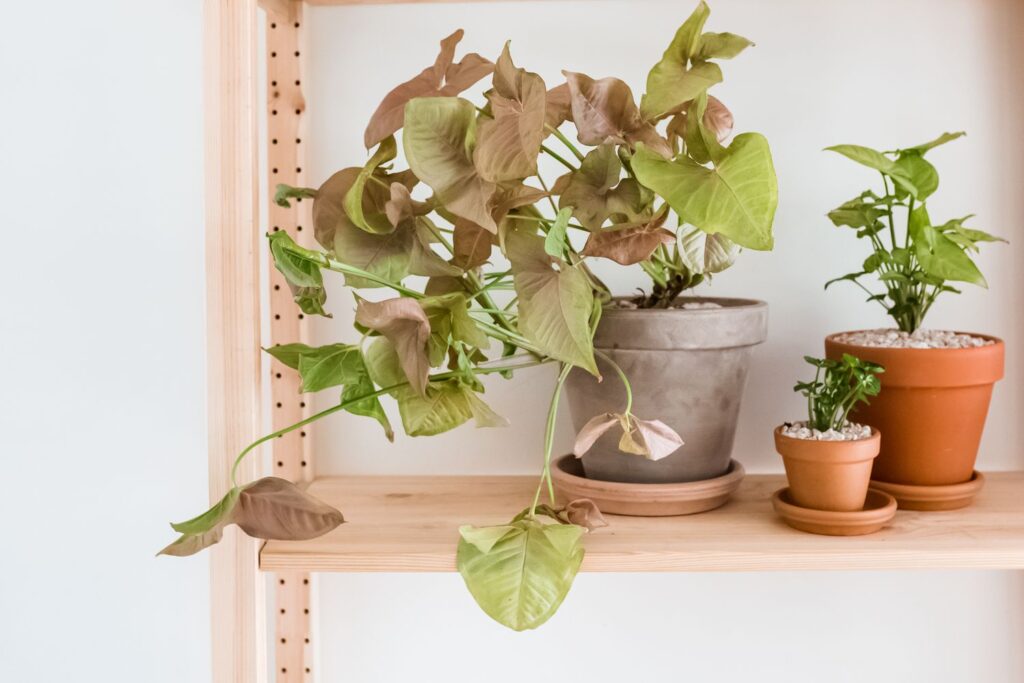
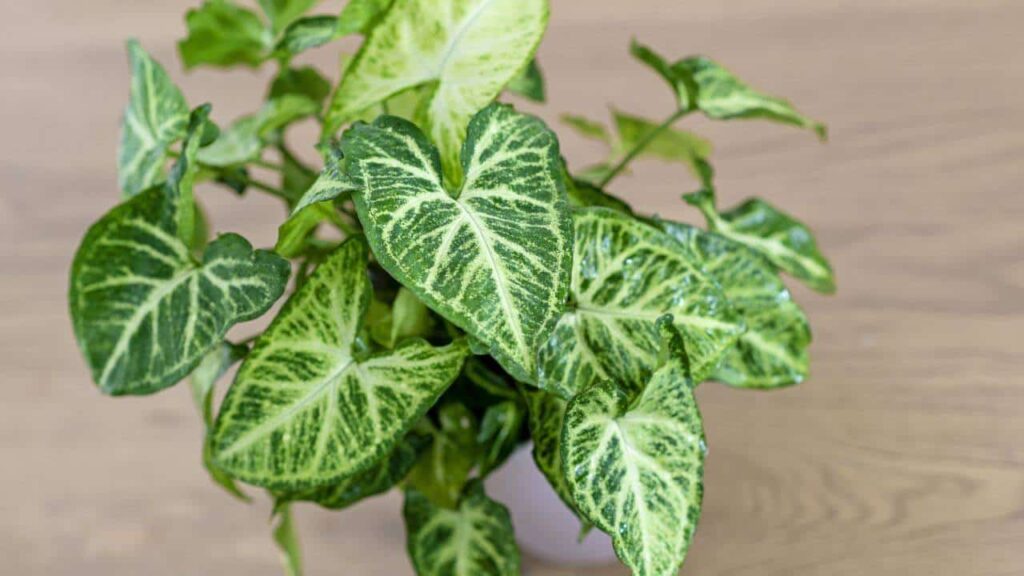
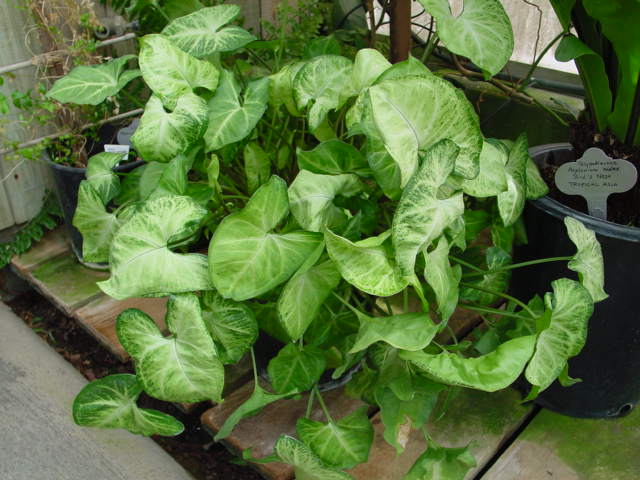
What sets the Arrowhead Vine apart from other houseplants is its unique combination of beauty and versatility. Its leaves start as delicate arrow shapes and often develop intricate variegation patterns as the plant matures. These patterns can include shades of green, white, pink, or cream, creating a dynamic visual appeal that changes as the plant grows. Unlike many fussy houseplants, Arrowhead Vine adapts easily to indoor conditions, making it suitable for both novice and experienced plant lovers. Its cascading growth habit allows it to spill gracefully from hanging baskets or climb with support, making it an ideal choice for creative indoor arrangements.
In addition to its aesthetic charm, the Arrowhead Vine has a subtle air-purifying quality. Like many tropical plants, it helps filter toxins from the air, contributing to a healthier indoor environment. This combination of beauty, adaptability, and functionality makes the Arrowhead Vine a truly perfect indoor companion.
Ideal Lighting Conditions for Arrowhead Vine
Lighting plays a crucial role in the health and vitality of an Arrowhead Vine. This plant thrives in bright, indirect light, replicating the dappled sunlight it would naturally receive under a tropical forest canopy. Placing the plant near east or north-facing windows usually provides the right balance of light without the risk of scorching its delicate leaves. Direct sunlight, especially from south-facing windows, can cause leaf burn, turning the edges brown and crispy.
Arrowhead Vine can tolerate lower light conditions, though its growth may slow, and the variegation on the leaves might fade. In dimmer rooms, it often develops a richer green coloration, which still enhances its decorative appeal. For spaces lacking natural light, full-spectrum LED grow lights can simulate the sun’s rays, ensuring the plant continues to grow healthily. Observing the plant’s leaf color and growth pattern is the best way to determine if it’s receiving the right amount of light. Pale or stretched-out leaves indicate the need for more light, while scorched tips signal too much direct exposure.
Choosing the Right Soil and Pot
Healthy roots are the foundation of a thriving Arrowhead Vine, making soil choice critical. This plant prefers a well-draining, peat-based potting mix that retains some moisture without becoming waterlogged. A mix that includes perlite or orchid bark helps improve drainage and aeration, preventing root rot—a common issue when the soil remains too wet. Avoid using heavy garden soil, which can compact over time and suffocate the roots.
Container selection is equally important. Pots with drainage holes are essential to allow excess water to escape, preventing the soil from becoming overly saturated. Terracotta pots are an excellent option because they allow the soil to breathe and help regulate moisture levels naturally. While plastic containers are suitable, gardeners should monitor watering more carefully, as plastic retains moisture longer than porous materials. Choosing a pot slightly larger than the plant’s root ball provides room for growth without overwhelming the plant with excess soil that can retain too much water.
Watering Tips for Thriving Growth
Watering is where many indoor gardeners face challenges with Arrowhead Vine. Overwatering can be just as harmful as underwatering, so balance is key. The soil should remain consistently moist but not soggy. During the growing season—spring and summer—watering once or twice a week is usually sufficient, depending on the indoor humidity and temperature. In winter, the plant’s growth slows, and less frequent watering is required.
A practical method is to check the top inch of soil; if it feels dry to the touch, it’s time to water. When watering, aim for a thorough soak rather than light, frequent watering, ensuring the water reaches the roots. Avoid letting the plant sit in standing water, as this can quickly lead to root rot. Maintaining consistent moisture helps the Arrowhead Vine develop lush, vibrant leaves and encourages healthy new growth.
Temperature and Humidity Essentials
The Arrowhead Vine is native to tropical environments, meaning it thrives in warm and moderately humid conditions. Ideal indoor temperatures range from 65 to 80 degrees Fahrenheit. Exposure to drafts, sudden temperature changes, or cold air can stress the plant, resulting in leaf yellowing or slowed growth. Keeping the plant in a stable environment is essential for long-term health.
Humidity is another critical factor. Arrowhead Vine enjoys moderate to high humidity levels, replicating its natural rainforest habitat. Indoor air, especially during winter with heating systems, can be dry, causing the leaves to brown at the edges. Placing a humidifier nearby, grouping plants together, or setting the pot on a tray with water and pebbles can help maintain optimal humidity levels. Regular misting can also provide temporary moisture, but it should not replace consistent environmental humidity.
Pruning and Training for Optimal Shape
Arrowhead Vine grows quickly under the right conditions, and regular pruning is important to maintain its shape and encourage bushier growth. Trimming back long, leggy stems not only keeps the plant aesthetically pleasing but also promotes branching, resulting in a fuller appearance. Pruning is best done with clean, sharp scissors or pruning shears to prevent damaging the plant.
Training the plant can further enhance its decorative appeal. Arrowhead Vine can climb with support, such as a moss pole or trellis, transforming it into a vertical focal point. Alternatively, allowing the vines to trail from a hanging basket creates a cascading, lush effect. Observing the plant’s natural growth tendencies and adjusting pruning and training methods accordingly ensures a healthy and visually striking result.
Common Pests and Diseases
Although Arrowhead Vine is relatively hardy, it is not immune to pests and diseases. Common intruders include spider mites, aphids, and mealybugs, which can damage the leaves and stunt growth. Early detection is key to preventing infestations from spreading. Inspecting leaves regularly, especially the undersides, allows gardeners to catch problems before they escalate.
Natural treatments, such as neem oil or insecticidal soap, can effectively manage minor infestations. Isolating affected plants and maintaining proper watering and humidity levels helps prevent future issues. Fungal infections, often caused by overwatering or poor air circulation, can also occur, leading to root rot or leaf spotting.
Propagation Techniques
One of the most rewarding aspects of growing Arrowhead Vine is its ease of propagation. The plant can be propagated from stem cuttings, allowing gardeners to expand their collection or share with friends. Stem cuttings with at least two nodes are ideal for propagation, placed in water or directly into moist soil. Roots typically begin to develop within a few weeks, and once established, the new plant can be treated like a mature Arrowhead Vine.
Propagation is not only a practical way to multiply the plant but also an opportunity to experiment with placement and design. Young plants can be trained differently from their parent, creating new cascading effects or climbing arrangements that add interest to indoor spaces.
Incorporating Arrowhead Vine into Home Décor
Arrowhead Vine’s versatility makes it an excellent choice for interior design. Its trailing vines can soften the edges of shelves, bookcases, or mantelpieces, while climbing varieties add height and dimension to a room. The plant’s vibrant leaves create a natural focal point, enhancing both modern and traditional interiors.
Pairing Arrowhead Vine with complementary plants can create a lush indoor jungle effect, while placing it in a minimalist container allows its beauty to shine as a singular statement piece.
Seasonal Care and Long-Term Maintenance
Maintaining an Arrowhead Vine throughout the year requires attention to seasonal changes. During spring and summer, the plant is in its active growth phase, requiring more frequent watering, occasional fertilization, and regular pruning. In autumn and winter, growth slows, and care routines should be adjusted accordingly, reducing watering and withholding fertilizer to allow the plant to rest.
Monitoring the plant’s response to changes in light, temperature, and humidity ensures that it remains healthy year-round. By observing subtle signals such as leaf color, texture, and new growth, gardeners can anticipate needs before problems arise, fostering a thriving and visually appealing indoor plant.
Conclusion
The Arrowhead Vine is a remarkable indoor plant that combines elegance, resilience, and versatility. Its arrow-shaped leaves, cascading growth, and subtle air-purifying properties make it an ideal companion for homes of all sizes and styles. By understanding its lighting, soil, watering, temperature, humidity, and propagation needs, gardeners can cultivate a vibrant, healthy plant that flourishes year-round.
Caring for an Arrowhead Vine is both an art and a science, requiring attention to environmental details and an appreciation for its natural growth patterns. Regular pruning, proper training, and thoughtful placement can transform this plant into a living work of art, enhancing any interior space.