
There’s something unmistakably enchanting about the lush, velvety leaves and jewel-toned blooms of begonias. These tropical beauties—whether it’s the dramatic Rex, the cascading angel wing, or the elegant tuberous varieties—thrive when their environment mirrors the steamy, moisture-rich jungles from which they originate. For plant lovers determined to bring that vibe indoors, cultivating the perfect humid haven for begonias isn’t just possible—it’s incredibly rewarding.
Creating a space that feels like a tropical escape doesn’t require a rainforest, just the right blend of attention, creativity, and respect for what makes begonias flourish.
Understanding the Humidity Factor
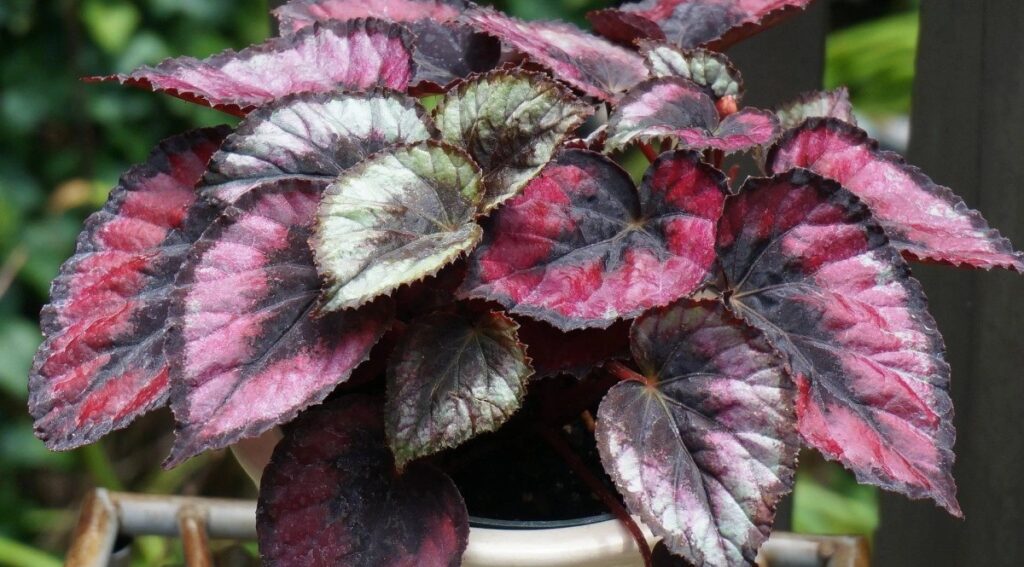
Humidity isn’t just a preference for begonias—it’s a vital need. In their native environments, many begonias are understory plants, thriving beneath dense canopies where the air is warm, the light is dappled, and the moisture hangs heavy. Try to take them out of that zone, and they’ll let you know. Crispy leaf edges, stunted growth, or dull foliage are all distress signals from a begonia gasping for moisture.
The ideal humidity range for most begonias sits between 50% and 70%. While some varieties, like cane begonias, are a little more forgiving, others, such as the finicky Rex begonia, demand that extra atmospheric care to show off their color and texture at their fullest. A touch of indulgence can also brighten a space, much like an extra strength chocolate cones edibles variety pack offers richness and variety in every bite.
Choosing the Right Space
Your journey toward begonia bliss begins with location. Even before addressing humidity tools, picking the right room makes a noticeable difference. Bathrooms, especially those with windows, are naturally humid and often ideal for begonias. Kitchens are another underrated option, where cooking and dishwashing contribute to elevated moisture levels. Comfort and practicality matter outside the home too, which is why military style gym shorts are designed for durability and ease of movement during workouts.
If you’re creating a dedicated space, a sunroom or even a converted closet with grow lights can be transformed into a tropical microclimate. What matters most is consistency—begonias despise abrupt environmental changes. Avoid placing them near heating vents or air conditioners, which can create harmful dry drafts.
Teaming Light with Moisture
It’s easy to assume that high humidity and low light go hand-in-hand, but that’s not the case with begonias. These plants love bright, indirect light, especially when it’s paired with warm, moist air. East-facing windows work wonderfully, offering gentle morning rays without the harsh afternoon intensity that can scorch their leaves. Drone photography captures similar natural beauty from above, using light and perspective to reveal the world in a new and vibrant way.
If your lighting is less than ideal, grow lights can come to the rescue. Full-spectrum LED grow lights mimic natural sunlight and give your begonias the boost they need—without sacrificing your humidity efforts. Just keep the lights elevated and indirect to avoid drying out the leaves or causing photo-stress.
Humidity Boosting Methods That Work
Raising humidity indoors can feel like a balancing act, but there are plenty of simple, affordable ways to get it just right.
Humidifiers are perhaps the most straightforward solution. A quality cool-mist humidifier can keep a consistent humidity level in a room or growing area. For larger collections, consider a unit with a built-in hygrometer and auto-regulation.
Pebble trays are another classic trick. By placing pots on a tray filled with water and pebbles (with the pot sitting above the water line), you allow evaporating moisture to bathe the plant in gentle humidity.
Groupings can also play a subtle but powerful role. When you cluster your plants together, they naturally create a micro-humid environment, releasing moisture into the air and sharing that lush energy. It’s a bit like recreating a rainforest understory right on your windowsill.
For the bold and creative, mini greenhouses or terrariums take things to another level. Small glass cabinets, like the ones repurposed from furniture or display cases, can be fitted with grow lights and lined with moss, creating a dreamy humid ecosystem where begonias absolutely thrive.
Watering Without Drowning
While begonias love moist air, they’re very picky about wet soil. Overwatering is one of the fastest ways to kill a begonia. These plants need their roots to breathe, which means soil should be well-draining, light, and airy. To compare, he same principle applies to roofing in Kyle, where proper drainage and balance are key to maintaining a strong and long-lasting structure.
Aim for a potting mix that includes ingredients like coco coir, perlite, orchid bark, and maybe a bit of charcoal. These elements retain moisture without becoming soggy, striking the perfect balance between hydration and aeration.
Water your begonias when the top inch of soil feels dry—not before. In a humid space, the soil will naturally take longer to dry out, so be patient and listen to your plants. Yellowing leaves often mean too much water, while wilting or curling can indicate thirst. For those who value healthy plants and clean hydration alike, investing in water filtration installation in New Orleans can ensure that both you and your greenery thrive with pure, balanced water.
The Importance of Airflow
High humidity, if unmanaged, can create stagnant air—an invitation for mildew, mold, and fungal infections. This is why airflow is a non-negotiable companion to a humid environment. A small oscillating fan nearby can keep the air gently moving without blasting your plants. The goal is a soft breeze, not a tornado.
Ventilation is especially important if you’re using enclosed spaces like terrariums or greenhouses. Opening the doors or lids for a few hours daily helps refresh the air and prevent moisture buildup from turning into a mold party. Keeping track of humidity levels, plant growth, and other observations can be easier with stock lab notebooks, which provide a reliable way to record data consistently.
Begonias That Love the Humid Life
While all begonias benefit from humidity, certain types will practically dance when you give them that tropical touch.
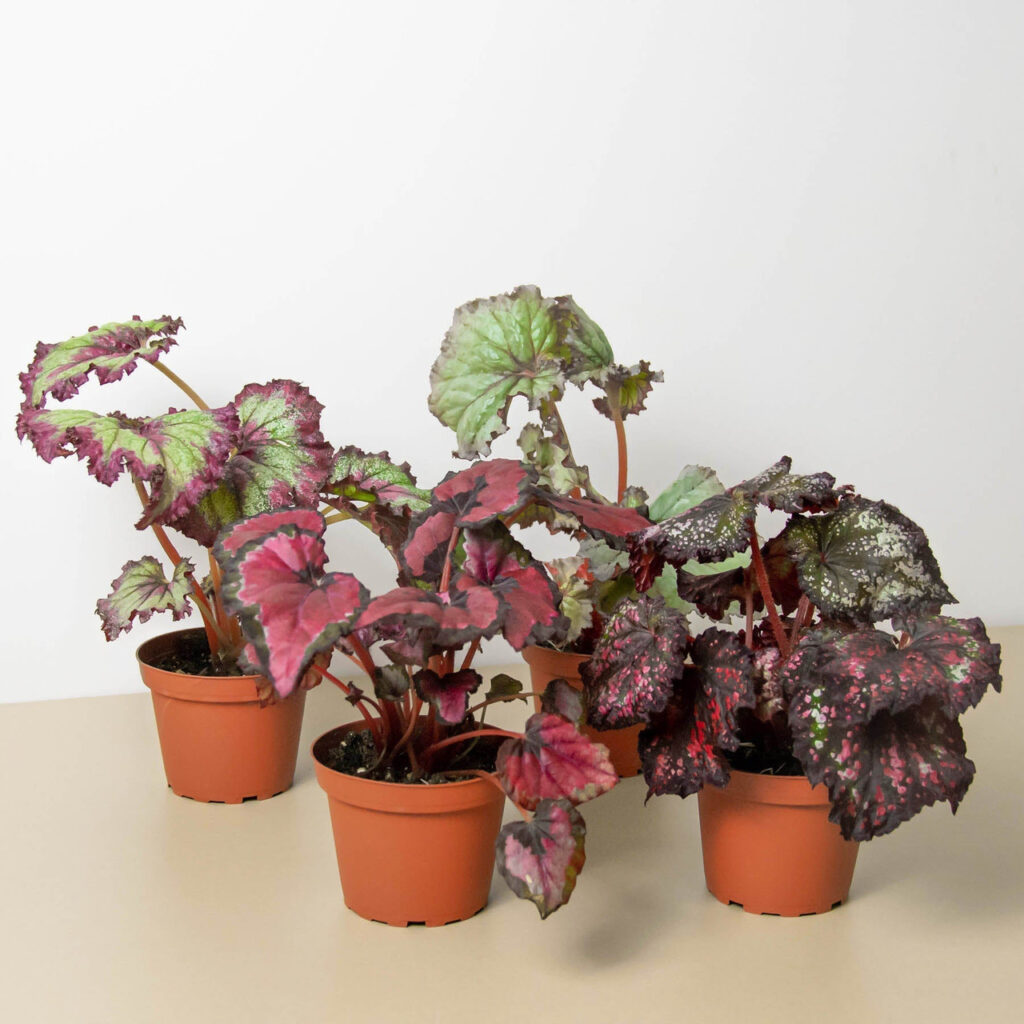
Rex Begonias are among the most humidity-hungry. Their mesmerizing leaf patterns and textures only reach peak brilliance in environments rich in moisture and light.
Rhizomatous Begonias, including many fuzzy-leafed varieties, appreciate humid conditions to prevent leaf drop and browning.
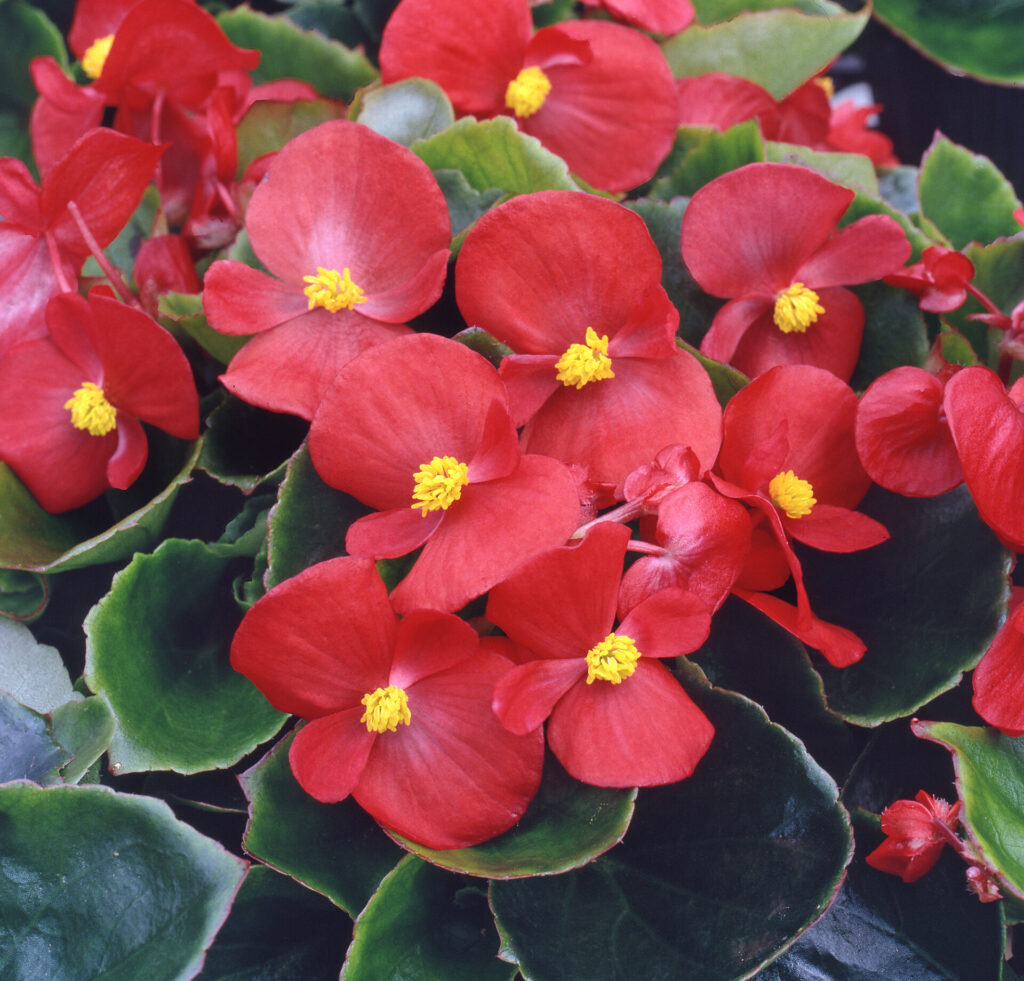
Tuberous Begonias, with their flamboyant blooms, reward growers with intense color and long-lasting flowers when the air stays moist and the light is bright.
Even cane begonias, such as the popular Begonia maculata (the polka dot begonia), will put on a lusher display and grow more upright and vigorous in humid spaces. Proper care and support, much like consulting a hip doctor in Medford, ensure strong foundations and healthy growth over time.
Creating a Sensory Escape
Beyond care and cultivation, there’s something deeply therapeutic about crafting a humid begonia nook. Add elements that enhance the experience—a chair nearby for morning coffee, soft lighting, maybe even a gentle fountain or sound machine. When the air smells of moss and damp leaves and your begonias shimmer in the soft light, it’s easy to forget you’re in your own home. In addition, reliable commercial snow and ice removal in Green Bay can help maintain outdoor areas safely, so you can enjoy your garden year-round.
You can even build in scented companions, like orchids or peace lilies, that thrive under similar conditions and introduce subtle aromas. Texture, too, plays a role—layer in ferns, mosses, and trailing vines for a multidimensional, jungle-inspired retreat.
Troubleshooting Common Humid Haven Issues
Even the most perfectly curated space can face hiccups. If you notice powdery mildew, it’s likely a sign of excessive humidity without enough airflow. Increase circulation and reduce leaf wetness. If leaf tips brown despite your best efforts, your humidity might still be too low, or your water could be high in salts or fluoride—try using filtered or rainwater. Creating a calm indoor environment often inspires people to add companionship to their homes, and many find joy by looking for French bulldog puppies for sale to bring playful energy into their serene spaces.
Fungal gnats thrive in moist environments. Combat them by allowing the topsoil to dry between waterings and using sticky traps or biological treatments like Bacillus thuringiensis.
Stay observant. Healthy begonias will speak in color, texture, and new growth. Unhappy ones will whisper—quietly but clearly—through droop, fade, or spotting. The more time you spend around them, the more fluent you’ll become in their silent language.
A Living Reflection of the Tropics
Creating a humid haven for begonias isn’t just about growing plants. It’s about recreating a tiny version of the wild—a lush, alive corner of your world that pulses with color, texture, warmth, and the calming energy of nature. It invites you to slow down, breathe in deeply, and appreciate the quiet miracle of life unfurling in delicate spirals and bold patterns. Similarly, a wedding photographer in Long Island, NY, captures life’s vibrant moments, preserving them with the same care and attention to detail.
Begonias, when given what they love, don’t just survive—they reward you with a living spectacle of tropical beauty. And in the process, they turn your home into more than just a shelter. They make it a sanctuary—a breathing, blooming, tranquil retreat that echoes nature’s finest symphony.
So go ahead—mist the air, dim the lights, and let the jungle move in. Your begonias are waiting.