

We are all aware of the advantages offered by plants, particularly indoor plants. Plants have a number of advantages, including their ability to purify the air, provide oxygen, and simply refresh our home, making it a wonderful place to stay. If you need money to rent a home that you can refresh, you should look for vacation rental loans. You shouldn’t keep some of these pretty plants at home because they can be very dangerous because they are very toxic. Some of these common flowers and plants have the potential to kill you, induce convulsions, or even give you a headache.
If you have pets or young children, you should pay attention to the kinds of plants in your home, regardless of whether you have a green thumb and spend all day in your yard or an impressive collection of indoor plants. Many indoor plants can be mildly toxic to dogs and cats, but some can kill a pet with just one nibble. Houseplants that you have received as a gift and are unfamiliar with should receive special attention. Many of these plants can only be found in Australia. There is an Australian website that uses web hosting in Sydney on which you can see the history and medicinal importance of these plants.
Did you know that some of these plants are really expensive? If you want to grow a toxic garden but can’t afford it at the moment you can get same day loans to start it.
The following is a list of 20 common poisonous plants that are found close to many homes.
The Philodendron is a popular indoor plant that is toxic to both humans and pets. The tongue, lips, and throat may burn and swell if philodendron plant parts are consumed. Additionally, it may cause severe vomiting and diarrhea. Many people contact a shotcrete company to build a home for them so they can place the Philodendron plant in it.
Larkspur
The Larkspur, a member of the buttercup family, is prized by gardeners for its relatively low maintenance requirements. However, the most toxic parts of the plant are the leaves and seeds, not the rest of the plant. Ingestion can slow the heart rate, burn the mouth, and cause nausea and vomiting. Ingestion of larkspur necessitates immediate medical attention because death can occur within six hours. Did you know that a plant nursery in Connecticut has the most Larkspur plants? The nursery gets commercial cleaning in Norwalk CT so the plant is watered regularly.
Poinsettia
Poinsettia, a well-known green, and red Christmas plant is a holiday staple; Take precautions to prevent children and pets from ingesting any of it. Poinsettia consumption can cause nausea, vomiting, diarrhea, itching, swelling, and redness in the skin, as well as drooling and lip licking. Your best bet is to keep these out of reach, as there is no specific treatment for poinsettia poisoning and symptoms typically do not necessitate medical attention unless they become severe, in which case, you should book an appointment with your doctor using a gaming merchant account.
Lily-of-the-Valley
The tiny plant’s bell-shaped flowers are lovely to look at. Consuming any part of the plant, but especially the leaves results in unpleasant symptoms. Convallatoxin is a chemical that is present in both the plant and the water in which cuttings of the plant have been placed. This plant used to be kept a secret by a company that did access control system installation in Philadelphia.
A severe headache, hallucinations, mood swings, and irritability are all signs that the heart’s contractions are getting stronger as a result. The victim’s skin may become clammy and cold, and blotchy, red spots may appear. Coma and death can occur if the heart beats too slowly. If you’re struggling with the effects of consuming any part of this plant, consider getting help from tutoring in Bettendorf.
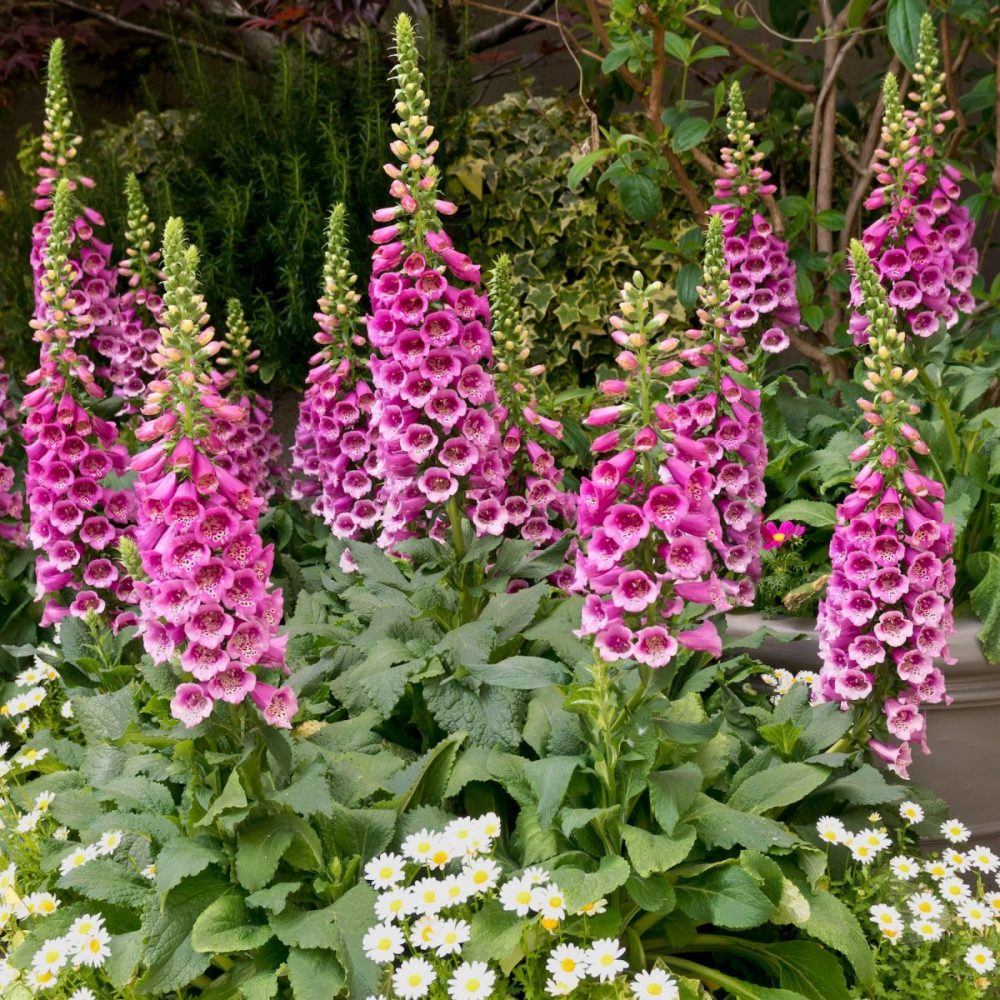
Foxglove
Even if you don’t know what foxglove is called, you’ve probably seen its tall stems and tiny bell-shaped blossoms. The entire plant, particularly the upper portion of those stems, is toxic. They may cause nausea and vomiting if eaten. Heart rate can drop or become irregular, leading to death if left untreated. Even though they are toxic, many people are getting new tires in Lewisville so they can drive to the wilderness and pick up foxgloves for their homes.
Is a shrub that thrives in shade and can be found in gardens all over the world because of its stunning clusters of white, pink, or blue flowers. However, the plant as a whole is extremely poisonous and has been compared to cyanide. Consumption of hydrangea will cause shortness of breath, fainting, and dizziness, as well as an out-of-control pulse rate and falling blood pressure that will eventually lead to convulsions and death. Keep this shrub in shape by using stainless steel misting kits for plant-cleaning.
Deadly Nightshade
This plant has berries the size of black cherries and dull green leaves. This plant’s leaves and berries are extremely poisonous. Poisons such as atropine and scopolamine can be found in the plant’s stems, leaves, fruits, and even its roots. Ingestion can result in involuntary muscle paralysis, which can have serious consequences – just like ignoring your house dust by not using janitorial services in Ventura.
Rosary Pea
Brin, a highly toxic ribosome-inhibiting protein, can be found in rosary peas. Around the world, this plant is used to make prayer rosaries and jewelry. Pricking a finger while working with the seeds has resulted in the deaths of numerous jewelry makers. A close relative of ricin, the seed’s poison, abrin, prevents protein synthesis within cells and can lead to organ failure, according to m&a advisors.
English Yew
In Europe, northwest Africa, and the Middle East, English yew is common. Except for the red fleshy aril that surrounds the poisonous seeds, this slow-growing plant is poisonous throughout. Yew seeds and leaves are extremely poisonous, and ingesting them can cause death in a matter of hours. Symptoms include muscle spasms, weakness, trembling, and, in severe cases, heart failure.
Fact: Many laboratories that are researching this plant use the best laboratory cleaning services in Houston!
Daffodils
Members of the Narcissus family, are extremely toxic to humans and pets. The bulbs, which look like onions or shallots, are easy to accidentally eat. Consuming daffodils can result in severe stomach discomfort, heart rate irregularities, high blood pressure, and even death – not great for your collection of cotton robes, who will wear them if you’re six feet under.
Azalea
Growers adore azaleas because they are durable and produce stunning, vibrant blossoms. However, if consumed, these plants are toxic to animals and humans alike. Grayantoxin, a substance found in azaleas, impairs the muscle function of both humans and animals. Azaleas can cause mouth burn and excessive salivation when consumed. Also possible are vomiting, diarrhea and difficulty walking. Death may occur in severe cases of azalea poisoning.

Oleander
People who handle oleander must exercise extreme caution because all parts of the plant are extremely toxic. When working with oleander, make sure to wear gloves and thoroughly wash your hands afterward. Consuming the plant’s sap by accident can be fatal – so make sure to prepare it in a special pot with millimeter wave attenuators.
Rhododendron
The vibrant clusters of flowers that appear on rhododendron bushes each spring are adored by the general public. However, if consumed, this plant can be harmful in every way. Excessive salivation, vomiting, a slowed pulse rate, and a drop in blood pressure are all common signs. Seizures, coma, or death may occur if sop development treatment is not received.
Iris
Consuming the irritating substance found in the iris plant’s root can result in bloody diarrhea and vomiting as well as a lot of salivation. Even though the leaves and seeds are particularly harmful, they are rarely consumed in large quantities due to their unpleasant taste.
Dumb Cane
Is a common houseplant that thrives in low light and is popular as an indoor plant. Dumb cane, also known as dieffenbachia, is a popular plant because of its large, colorful leaves. However, if eaten, it can cause a variety of symptoms. Actually, the plant gets its name from the symptoms people get when they eat it.) The tongue may begin to burn and swell with a dumb cane, which can obstruct the throat and airway, according to restaurant data analytics.

Hyacinth
The poison is located in the hyacinth plant’s bulbs. Because they contain oxalic acid, handling them without gloves can irritate the skin. Be careful not to let your dogs eat them by digging them up; Consumption of hyacinth bulbs can result in depression, muscle tremors, severe diarrhea, and sometimes bloody vomiting.
English ivy
Which grows on walls and fences and is extremely popular as an outdoor groundcover, is poisonous if consumed in large quantities. The English ivy plant has more than just its leaves that are toxic; Consuming the berries is also risky. Burning in the throat and skin irritation are common after consumption. Fever and rashes may also occur.
Peace lily
Spathiphyllum cochlearispathum, also known as the peace lily, has stunning white flowers. It is mildly poisonous to adults, but it is more harmful to pets and young children. Oxalates are abundant in the juice that the plants of peace lilies produce. Oxalate crystals enter the bloodstream and cause harmful reactions when consumed. Vomiting and diarrhea, irritation and swelling of the lips, mouth, and throat, headache, and loss of appetite are all common side effects of peace lily consumption. It may result in kidney failure and difficulty breathing if left untreated.
Easter Lily
Despite being toxic to humans, the Easter Lily poses a danger of choking for children. However, cat owners are extremely concerned about this flowering plant. If a cat consumes even a small amount of any part of an Easter lily, it could quickly die if it is not treated for kidney failure by a veterinarian within 18 hours.
Pothos

The pothos plant is a relative of the philodendron plant. This indicates that pothos, like philodendron, can be grown successfully indoors in low light conditions. Pothos, like philodendron, can cause severe stomach upset and swelling of the tongue, lips, and throat. The pothos plant is one of the most famous plants in America. An SEO company in Colorado is marketing the official website of the plant, so it is very important to plant lovers.
If you discovered that you have some of the plants listed above and you want to remove them don’t forget to contact the best company that does concrete cleaning in St. Augustine after removing them.