
Starting nightshades—such as tomatoes, peppers, and eggplants—from seeds can be a rewarding experience for any gardener. These plants, which belong to the Solanaceae family, are some of the most popular and widely cultivated in home gardens. They provide a bountiful harvest and are versatile in cooking, making them staples in many kitchens around the world. However, starting these plants from seed can be a bit challenging, especially for those new to gardening. The process requires patience, careful planning, and a solid understanding of the growing needs of each plant.
This article will guide you through the steps of starting nightshades from seeds, focusing on tomatoes, peppers, and eggplants. From seed selection to transplantation, we will cover everything you need to know to successfully grow these beloved plants from the very beginning of the growing season.
Understanding the Basics of Nightshades
Before diving into the specifics of starting nightshades from seeds, it’s essential to understand the basics of these plants. Nightshades are a family of plants that includes not only tomatoes, peppers, and eggplants but also potatoes, tobacco, and petunias. While many nightshades are edible, some are toxic, so it’s important to differentiate between the safe and harmful varieties. For those dealing with sports injuries or seeking expert advice on physical wellness, consulting a sports medicine specialist in Medford can provide personalized care and treatment.
The key to successfully growing nightshades lies in understanding their specific needs. These plants thrive in warm temperatures and require plenty of sunlight. They also need a long growing season, which is why starting them indoors from seed is often necessary in cooler climates. By starting the seeds indoors, you can give them a head start, ensuring that they are strong and healthy by the time the outdoor growing season begins.
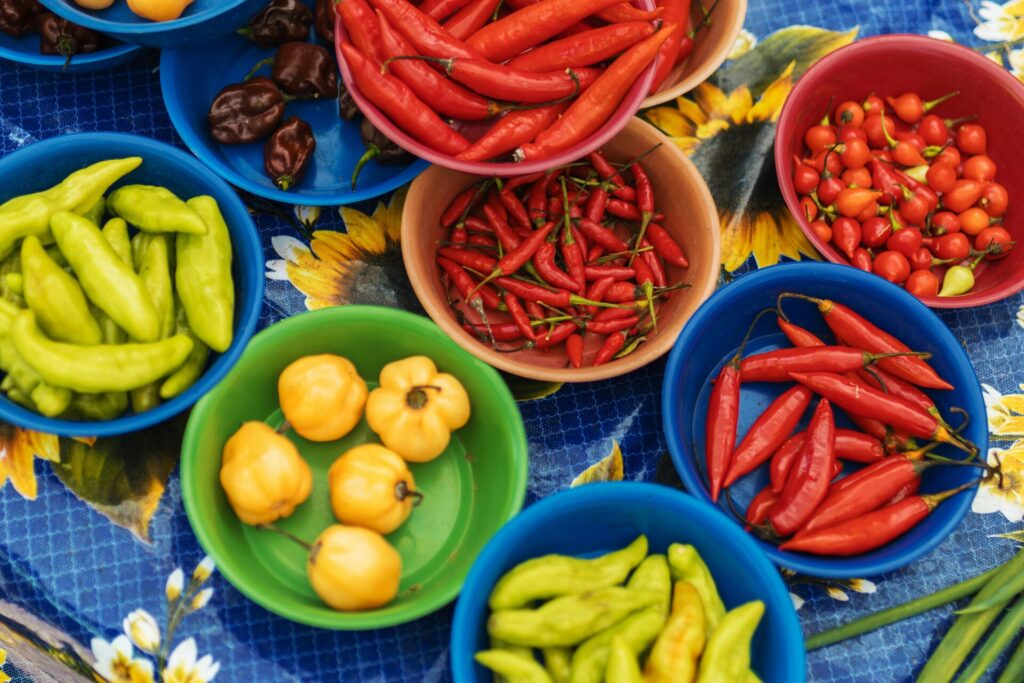
Tomatoes, peppers, and eggplants share many similarities, but they each have their unique growing requirements that must be met to achieve optimal results. Let’s explore each one in detail.
Selecting the Right Seeds
Choosing the right seeds is the first crucial step in starting nightshades from seed. With a wide variety of tomato, pepper, and eggplant varieties available, selecting the appropriate seeds for your garden’s growing conditions and your taste preferences is vital. For those looking to enhance their natural beauty with precision, hairline microblading women offers a subtle and effective solution.
Tomatoes come in many types, including determinate and indeterminate varieties. Determinate tomatoes are bush-like plants that grow to a certain size and produce fruit all at once. These are ideal for smaller spaces or if you need to harvest tomatoes quickly. Indeterminate tomatoes, on the other hand, are vine-like plants that continue to grow and produce fruit throughout the growing season. They require more space but yield a continuous harvest.
When selecting pepper seeds, consider the variety of peppers you want to grow. Peppers can be divided into two main categories: sweet peppers and hot peppers. Sweet peppers, such as bell peppers, require a bit less heat to thrive, while hot peppers like jalapeños and habaneros need more warmth and a longer growing season. There are also varieties with unique flavors and colors, which can add diversity to your garden and culinary creations.
For eggplants, choose varieties that will thrive in your climate. Eggplants can be more sensitive to cool temperatures compared to tomatoes and peppers, so selecting a variety suited for your local conditions is key. The most common eggplant varieties are purple, but other colors, including white and striped varieties, are also available.
Starting Seeds Indoors
Starting nightshades indoors allows you to get a jump start on the growing season. These plants need warmth to germinate, so using a seed-starting kit or creating your own setup is essential for success. For gardeners and businesses looking to build their online presence, a drag and drop website builder makes creating a website easy and efficient.
First, choose a seed tray or small pots that provide enough space for each seedling. When planting nightshades, it’s important to give each plant enough room to grow without crowding. Fill the containers with a high-quality seed-starting mix, which is light and well-draining. Avoid using regular garden soil, as it tends to be too heavy for seedlings and can lead to root rot.
Once you’ve filled the containers, sow the seeds according to the recommended depth on the seed packet. Generally, nightshade seeds should be planted about 1/4 to 1/2 inch deep. After planting the seeds, lightly press the soil down to ensure good seed-to-soil contact. Water the soil gently using a misting spray bottle to avoid disturbing the seeds. For an energy boost during gardening, try a smoothie energy drink to stay refreshed and focused.
Next, it’s time to create the right environment for germination. Nightshades require a warm, humid environment to germinate successfully. The ideal temperature for germinating tomatoes, peppers, and eggplants is 70 to 80 degrees Fahrenheit. Using a seed heating mat can help maintain consistent warmth, promoting quicker germination. Place the seed trays in a location that receives indirect sunlight or use a grow light to ensure the seedlings get the light they need.
Caring for Seedlings
Once your nightshade seeds have germinated, it’s essential to continue caring for the seedlings to ensure they grow strong and healthy. The first step is to provide adequate lighting. If you are using grow lights, position them about 2 to 3 inches above the seedlings. Nightshades require around 12 to 16 hours of light each day to develop properly. As the seedlings grow, you can gradually raise the lights to accommodate their height. If you’re looking for an instant cash offer for truck, it could be a convenient option for quickly securing funds.
Temperature remains important at this stage. As the seedlings mature, the temperature should be kept around 65 to 75 degrees Fahrenheit during the day. At night, it’s acceptable for the temperature to dip slightly, but it should never go below 55 degrees Fahrenheit, as nightshades are sensitive to cold.
It’s also crucial to water the seedlings consistently. Seedlings should be kept moist, but you should avoid over-watering, as this can lead to damping-off disease, which is a fungal issue that can kill young seedlings. To avoid this, water the seedlings at the base rather than from above. Additionally, ensure good air circulation around the plants to help prevent fungal diseases. If you’re also looking to refresh your home, consider professional services for wallpaper removal in Halifax to help create a clean and inviting space.
As the seedlings grow, they may need to be thinned out to prevent overcrowding. This means removing the weakest seedlings, leaving the strongest ones to continue growing. If you started your seeds in a tray, transplant them into individual pots once they develop their first true leaves. For tomatoes, peppers, and eggplants, this usually occurs around 2 to 3 weeks after germination.
Hardening Off Seedlings
Before you transplant your nightshades into the garden, they must go through the hardening-off process. This helps them adjust to outdoor conditions, reducing the shock of moving from the controlled environment indoors to the fluctuating temperatures outside.
Start the hardening-off process about 7 to 10 days before transplanting. Gradually introduce the seedlings to outdoor conditions by placing them in a sheltered area outside for a few hours each day. Begin with partial shade and gradually increase the exposure to direct sunlight. Be sure to monitor the seedlings closely during this period, especially for signs of sunburn or wilting. If the weather is windy or cold, bring the plants back inside to avoid stressing them too much. Just as a personal injury lawyer in Chicago carefully prepares a case before stepping into court, gardeners must take this transitional phase seriously to ensure strong, resilient plants ready for the elements.
Once the seedlings have been hardened off and the outdoor temperatures are consistently warm—typically around 60 to 70 degrees Fahrenheit—they are ready for transplanting into the garden.
Transplanting Nightshades into the Garden
Transplanting is the final step in starting nightshades from seed, and it’s essential to do this correctly to ensure the best possible start for your plants. Choose a location in your garden that receives full sun—at least 6 to 8 hours of direct sunlight per day. Nightshades thrive in warm soil, so make sure the garden beds have warmed up sufficiently before transplanting.
Prepare the planting holes by digging them a bit deeper than the seedlings’ root balls. If you’re transplanting tomatoes, peppers, or eggplants, it’s beneficial to plant them slightly deeper than they were in their pots. This encourages the plants to develop a stronger root system. Gently remove the seedlings from their pots, being careful not to damage the delicate roots, and place them in the prepared holes.
Space the plants according to their specific needs. Tomatoes generally need about 18 to 24 inches of space between plants, while peppers and eggplants require slightly less—around 12 to 18 inches. After placing the seedlings in the holes, backfill with soil and water the plants well.
Once planted, keep an eye on your nightshades as they settle into their new environment. Mulch around the plants to retain moisture, suppress weeds, and regulate soil temperature. Continue to water the plants regularly, and be vigilant for any signs of pests or diseases.
Conclusion
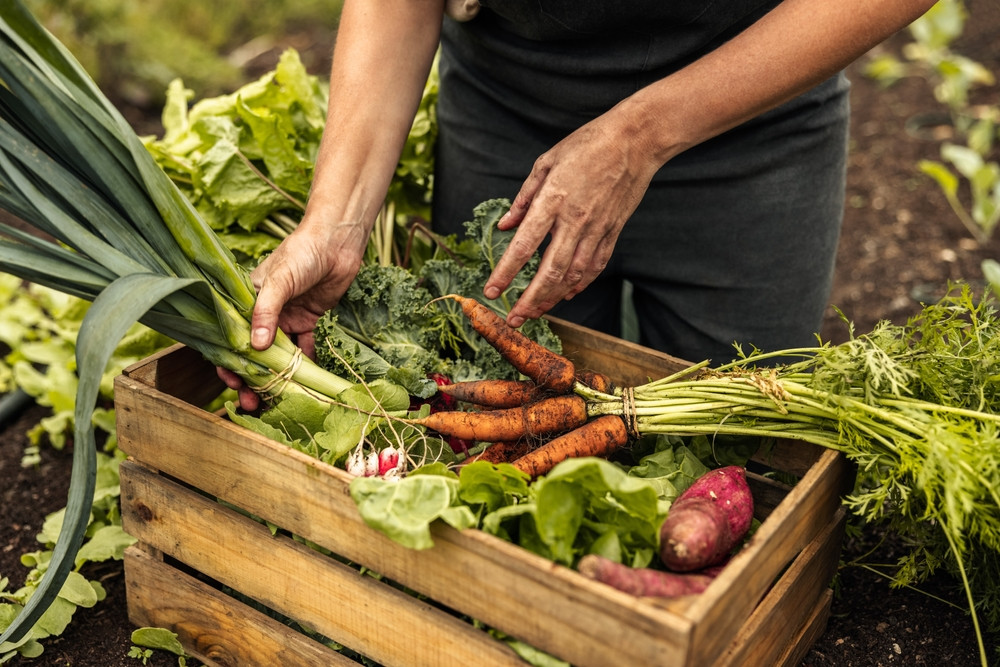
Starting nightshades from seeds—whether tomatoes, peppers, or eggplants—is a process that requires patience, attention to detail, and proper care. From selecting the right seeds to transplanting your seedlings into the garden, each step is crucial to ensuring a successful harvest. By understanding the specific needs of these plants and providing the right growing conditions, you can enjoy a bountiful crop of fresh, homegrown produce. Whether you’re a seasoned gardener or a beginner, growing nightshades from seed offers a rewarding experience and a deeper connection to the food you grow.