

Coffee grounds are often hailed as a gardening miracle, a waste product that can be repurposed to improve soil health and contribute to a flourishing garden. Many gardeners and organic farming enthusiasts swear by the benefits of adding coffee grounds to the soil, claiming they can enhance soil structure, improve drainage, and even help control pests. But when it comes to soil pH, the relationship between coffee grounds and the acidity of your soil is a topic of much debate. Do coffee grounds actually lower soil pH as commonly believed, or is this just a gardening myth? The truth might surprise you.
In this article, we will explore the truth about coffee grounds and soil pH, examining how coffee grounds interact with your garden soil, how they affect pH levels, and the potential benefits and drawbacks of using them in your garden. Understanding these effects is key to knowing whether coffee grounds can truly help or harm your plants, especially when it comes to optimizing soil for various types of vegetation.
The Basics of Soil pH: What Every Gardener Needs to Know
Before diving into the specifics of how coffee grounds affect soil pH, it’s essential to understand what soil pH is and why it matters. Soil pH is a measure of the acidity or alkalinity of your soil, and it plays a crucial role in determining the health and growth of your plants. The pH scale ranges from 0 to 14, with 7 being neutral. Numbers below 7 indicate acidic soil, and numbers above 7 indicate alkaline soil. Different plants thrive in different pH conditions, which is why understanding and adjusting soil pH is a critical part of gardening.
Acidic soils (below pH 7) are often preferred by plants like blueberries, azaleas, and rhododendrons, while many vegetables, such as tomatoes, carrots, and lettuce, perform best in soils that are closer to neutral. On the other hand, alkaline soils (above pH 7) are better suited for plants like lavender and lilacs. If your soil is too acidic or too alkaline for the plants you want to grow, you may need to make adjustments to bring the pH into the desired range.
The idea of using coffee grounds to modify soil pH often stems from the belief that coffee is acidic and that adding coffee grounds to soil will naturally lower its pH. However, this assumption needs to be carefully examined. It’s important to know that soil pH is not just a factor of the materials you add but also of the chemical composition of those materials and how they interact with the soil’s existing characteristics.
Coffee Grounds and Their Chemical Composition: A Look at the Facts
To understand how coffee grounds affect soil pH, it’s important to look at their chemical composition. Coffee grounds are primarily made up of organic matter and contain various nutrients and compounds, including nitrogen, phosphorus, potassium, calcium, and magnesium. These nutrients are essential for plant growth, which is why coffee grounds are often touted as a natural fertilizer.
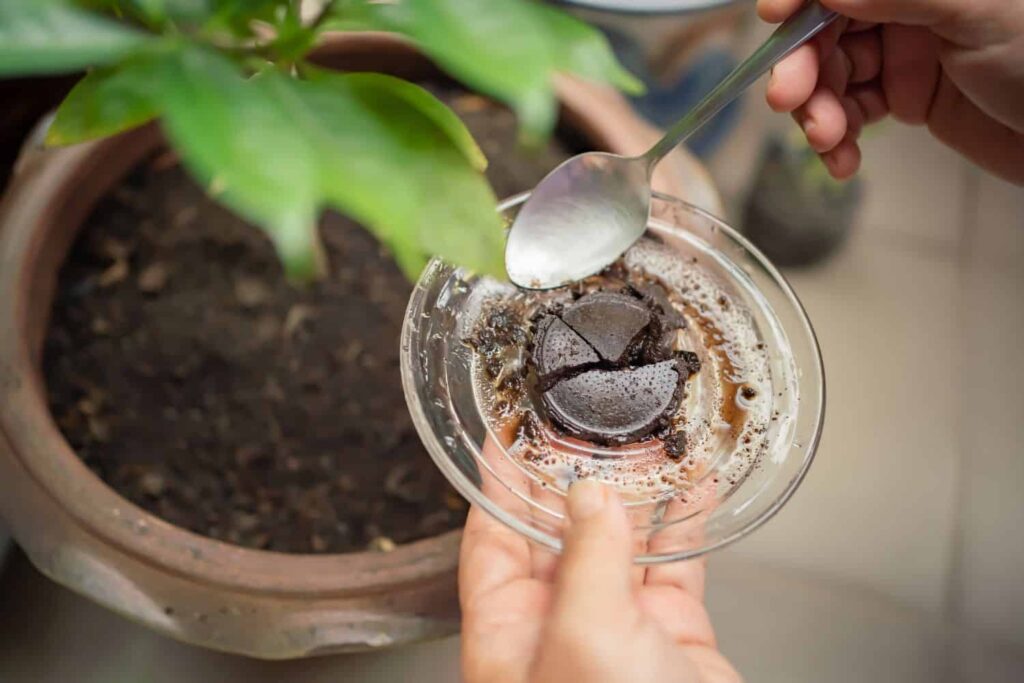
One of the most commonly cited claims about coffee grounds is that they are acidic and that they will lower the pH of your soil. While it is true that coffee is acidic in its brewed form, this doesn’t necessarily mean that the coffee grounds left behind are equally acidic. In fact, coffee grounds are only mildly acidic with a pH ranging between 6.5 and 6.8, which is closer to neutral than highly acidic.
When coffee grounds are added to soil, they undergo a decomposition process that involves microbes breaking down the organic material. During this process, the pH of the coffee grounds can shift. Initially, fresh coffee grounds may have a slight acidic effect on the soil, but this effect diminishes significantly as they break down. The more the coffee grounds decompose, the less likely they are to have a lasting impact on the pH of the soil. Over time, coffee grounds release various nutrients and minerals into the soil, but the effect on soil pH is often minimal.
So, while freshly used coffee grounds may have a minor acidic effect on soil, their overall influence on soil pH is not as dramatic as many gardeners believe. The impact of coffee grounds on soil pH largely depends on how much you use and how frequently you add them. The key takeaway here is that coffee grounds are unlikely to drastically change soil pH in most cases, and certainly not to the extent that they would harm your plants or render the soil unsuitable for growth.
The Myth of Coffee Grounds Lowering Soil pH: What Science Says
Despite the common belief that coffee grounds lower soil pH significantly, scientific studies suggest that the reality is far more complex. While there is no doubt that coffee grounds are slightly acidic in their raw form, the long-term effects on soil pH are relatively minimal.
Several studies have looked at the effect of coffee grounds on soil acidity. One study published in the Journal of Agricultural and Food Chemistry concluded that while coffee grounds are mildly acidic when fresh, they do not have a significant effect on the overall pH of garden soil. The study found that when mixed with soil, coffee grounds had only a mild and temporary effect on lowering pH. Over time, the decomposition process neutralizes much of the acidity, leading to a more balanced pH.
Furthermore, other research suggests that the microbial breakdown of coffee grounds can actually lead to the release of alkaline compounds such as calcium and magnesium, which can help raise soil pH in certain circumstances. This means that in some cases, coffee grounds might even have a slight alkaline effect on your soil, contradicting the popular belief that they always lower pH.
How Coffee Grounds Can Benefit Your Soil, Regardless of pH
While coffee grounds may not drastically affect soil pH in the way many people expect, they still offer several other benefits for your garden. The nutrients found in coffee grounds, such as nitrogen, phosphorus, potassium, and magnesium, are essential for plant growth and can improve soil fertility. By adding coffee grounds to your garden, you can create a rich, organic layer that promotes healthy plant development.
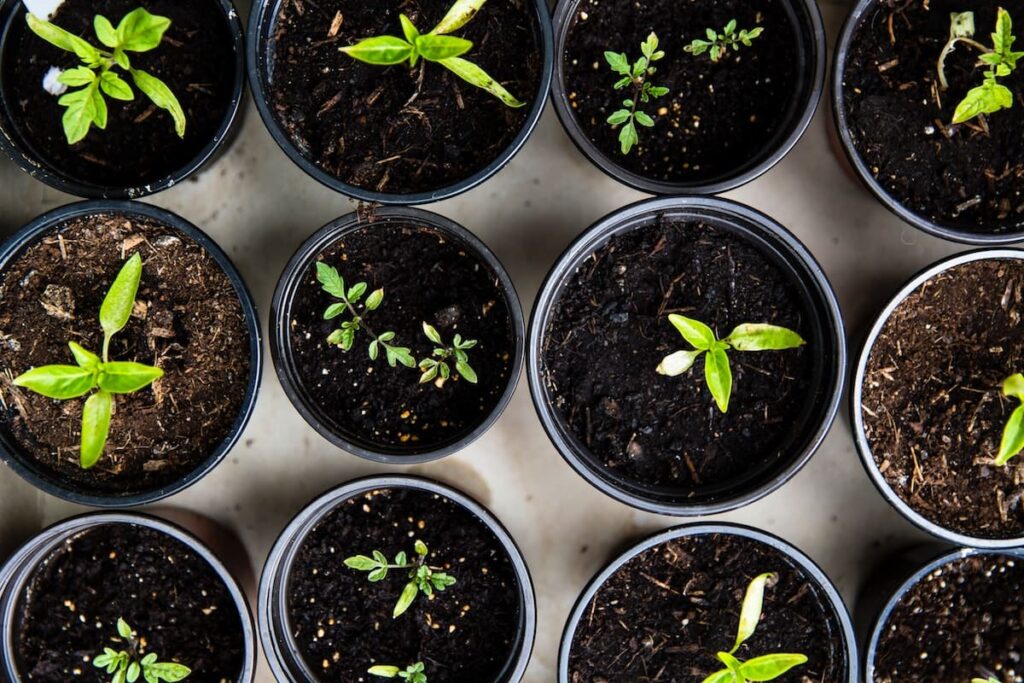
One of the most significant benefits of coffee grounds is their ability to improve soil structure. Coffee grounds are a good source of organic matter, which is essential for improving soil’s water retention, aeration, and drainage. When coffee grounds are mixed into soil or compost, they help create a looser, more porous environment that encourages root growth and allows for better water movement. This can be especially beneficial for heavy clay soils that are prone to compaction and poor drainage.
Moreover, coffee grounds act as a slow-release fertilizer. As the grounds decompose, they gradually release their nutrients into the soil, providing a steady supply of nourishment for plants over time. This slow release can help prevent nutrient imbalances and reduce the risk of over-fertilization, which can harm plants.
Using Coffee Grounds in the Garden: Tips for Success
To maximize the benefits of coffee grounds while minimizing any potential impact on soil pH, there are a few guidelines you should follow. First, avoid using large amounts of fresh coffee grounds directly on your plants. Fresh coffee grounds can be acidic, and applying them in large quantities may temporarily lower the pH of the soil in localized areas. Instead, it’s best to compost coffee grounds before adding them to your garden. Composting allows the coffee grounds to break down, neutralizing much of the acidity and making them safer for your plants.
If you want to use coffee grounds as a mulch, spread them thinly around the base of your plants. This helps prevent them from compacting, which could inhibit water and air flow to the soil. Coffee grounds can also be mixed with other organic materials like leaves, straw, or grass clippings to create a balanced mulch that provides multiple benefits.
For gardeners looking to make adjustments to soil pH, it’s important to remember that coffee grounds alone are not a solution. If you’re aiming to lower soil pH, there are other materials that are more effective, such as elemental sulfur or peat moss. On the other hand, if your soil is too acidic and you need to raise its pH, you might consider adding lime or wood ash.
Conclusion: The Final Verdict on Coffee Grounds and Soil pH
The truth about coffee grounds and soil pH is that while they can have a minor, temporary effect on acidity, they are unlikely to significantly change the pH of your soil in the long term. Coffee grounds are mildly acidic in their raw form but break down quickly, neutralizing most of their acidity during the decomposition process. Their primary benefits lie in their ability to improve soil structure, add essential nutrients, and encourage healthy soil life, rather than dramatically shifting pH levels.
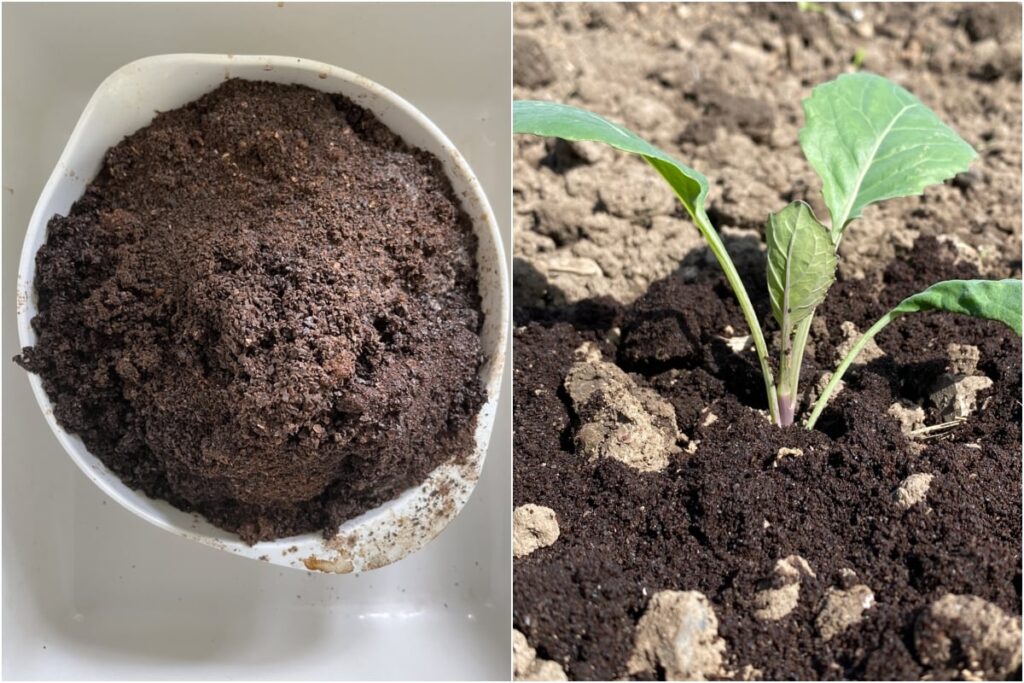
Moderation is key when using coffee grounds in your garden. If you use them responsibly and mix them into compost or spread them thinly, you can enjoy the benefits of healthier soil and thriving plants without worrying about their effect on soil pH. So, while coffee grounds may not be the soil acidifier many gardeners think they are, they still make an excellent, organic addition to your garden routine.