
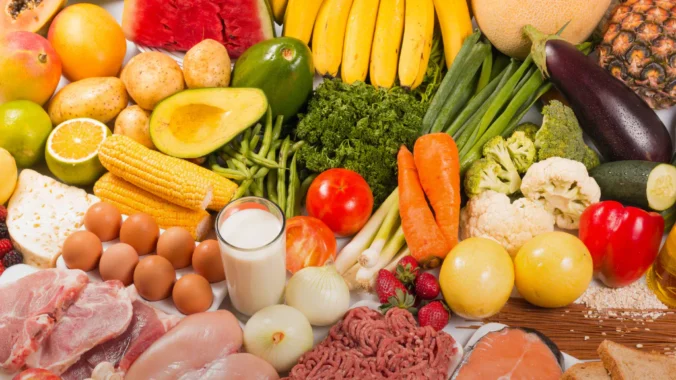
Pollination is one of the most vital biological processes supporting life on Earth, particularly in the context of food production. It is the act of transferring pollen grains from the male part of a flower (anther) to the female part (stigma), enabling fertilization and the subsequent production of seeds and fruit. While some plants are self-pollinating or pollinated by wind and water, the vast majority of flowering plants—especially those cultivated for food—rely on animals for pollination, most notably insects such as bees, butterflies, moths, and beetles, as well as birds and bats.
Pollinators are responsible for the successful reproduction of over 75% of global food crops, including many fruits, vegetables, nuts, and oilseeds. Without them, yields would plummet, biodiversity would decline, and the global food supply would become increasingly unstable. From the apple orchards of North America to the almond fields of California and the cocoa farms of West Africa, pollinators are the invisible workforce behind countless harvests.
Bees, particularly honeybees and wild bees, are the most effective pollinators. Their ability to travel from flower to flower in search of nectar makes them ideal carriers of pollen. Additionally, their specialized body structures, such as branched hairs and pollen baskets on their legs, maximize the efficiency of pollen transfer. However, bees are not the only contributors. Butterflies and moths play a key role in pollinating flowers with long tubular structures. Bats, primarily in tropical and desert climates, pollinate night-blooming plants such as agave and some fruit trees. Birds like hummingbirds also contribute, particularly in the Americas.
The process of pollination not only enables food production but also preserves genetic diversity within plant species, which is critical for resilience against pests, diseases, and changing environmental conditions. Each successful pollination event increases the gene pool of a plant species, helping ensure its survival and adaptation.
In agricultural systems, this ecological service is often taken for granted, yet it underpins everything from crop yields and nutritional value to farmers’ livelihoods and food prices. It is estimated that pollinators contribute hundreds of billions of dollars to global agricultural economies annually. The Food and Agriculture Organization (FAO) of the United Nations has stressed repeatedly that sustainable food systems are impossible without healthy pollinator populations.
Pollination also affects the quality and quantity of produce. For instance, pollinated strawberries are generally larger, juicier, and more symmetrical. In apples, better pollination translates to increased seed count, which influences fruit size. Even crops that don’t directly require pollination for fruit production, such as cotton and alfalfa, benefit indirectly through improved seed production and forage growth.
Thus, understanding pollination is not just a matter of appreciating nature—it is essential to securing the future of food. As we explore the broader role of pollinators in the global food growth cycle, it becomes clear that protecting and promoting pollinator health is as vital as any technology or innovation in agriculture.
The Economic and Nutritional Impact of Pollinators

Pollinators play a foundational role not only in ecosystems but also in the global economy and human nutrition. Their contribution to agriculture extends far beyond the simple act of helping plants reproduce; it directly influences food prices, farmer incomes, and dietary health on a worldwide scale. Without pollinators, the economic cost and nutritional deficit would be staggering.
From an economic standpoint, the numbers are eye-opening. According to global estimates, the annual value of crops directly reliant on pollinators ranges between $235 billion and $577 billion USD. This figure includes a wide array of high-value crops such as coffee, cocoa, apples, almonds, blueberries, cherries, and various types of melons and squashes. These are not only essential components of global trade but also key drivers of local and national economies, particularly in developing countries where agriculture is a major source of income.
Crops that depend on animal pollination are also the most labor-intensive and profitable. They often require careful management, skilled labor, and timed harvesting—all factors that create jobs and boost rural economies. In this way, pollinators support livelihoods directly by sustaining agricultural productivity and indirectly by maintaining supply chains that involve transport, packaging, marketing, and retail.
From a nutritional perspective, pollinators are indispensable. A significant portion of the foods they help produce are rich in micronutrients, such as vitamins A and C, calcium, folic acid, and antioxidants. These nutrients are essential for immune function, cognitive development, and overall health. Without sufficient pollination, access to fruits, vegetables, and nuts would decline, particularly in poorer communities that are already vulnerable to food insecurity.
Studies have shown that a world without pollinators would result in a dramatic drop in the availability of nutrient-dense foods. For example, children and pregnant women in regions heavily reliant on pollinator-dependent crops would face heightened risks of vitamin A deficiency, leading to increased rates of blindness, infection, and mortality. The human cost of pollinator loss extends far beyond hunger—it affects public health at its core.
Pollinators also contribute to dietary diversity, an important metric in assessing food security and well-being. The sheer variety of fruits and vegetables available in markets around the world is a testament to the silent work of bees, butterflies, and birds. A decline in pollinators would not only reduce the quantity of food available but also its quality and variety, narrowing diets and increasing reliance on staple grains and processed foods.

Furthermore, the price of pollinator-dependent crops would likely rise significantly if pollinator populations continue to fall. This inflation would hit lower-income households the hardest, widening the gap in food access and nutrition equity. What begins as an ecological crisis would quickly become a socio-economic one, with disproportionate effects on the most vulnerable populations.
In addition, the ripple effect on food processing, culinary industries, and even cultural practices tied to traditional foods would be profound. Many global cuisines rely on herbs, spices, fruits, and vegetables that are pollinator-dependent. The disappearance or scarcity of these ingredients would alter diets, food traditions, and agricultural heritage.
It is clear that the role of pollinators transcends the fields they work in. Their influence touches global supply chains, economic stability, and human health. Therefore, ensuring their survival is not only an environmental necessity—it is a cornerstone of economic resilience and nutritional security in an increasingly interdependent world.
Threats Facing Pollinators and Their Global Consequences
Despite their immense value to agriculture and the environment, pollinators around the world are under siege. Habitat loss, pesticide use, disease, climate change, and industrial agriculture are converging to create a perilous future for pollinating species. The consequences of their decline extend far beyond ecological damage—they threaten the very foundations of the global food system.
One of the most pressing issues is habitat destruction. As forests, meadows, wetlands, and other natural landscapes are cleared for development or monoculture farming, pollinators lose essential feeding and nesting grounds. Urban sprawl, road networks, and deforestation fragment ecosystems, isolating pollinator populations and reducing biodiversity. This fragmentation leads to smaller, more vulnerable colonies that struggle to find food year-round.
Another major threat comes from the widespread use of pesticides and herbicides, especially neonicotinoids, which have been strongly linked to pollinator mortality and colony collapse disorder in bees. These chemicals, designed to protect crops from pests, often have unintended side effects, impairing the navigation, memory, and reproduction of pollinators. Combined with herbicides that eliminate wildflowers and weeds (key nectar sources), chemical agriculture can devastate entire pollinator communities.
Climate change adds yet another layer of complexity. Shifts in temperature, rainfall, and seasonal patterns affect the synchronization between flowering plants and the pollinators that depend on them. In some cases, flowers may bloom earlier or later than usual, leading to mismatches in timing that reduce pollination success. Additionally, extreme weather events like droughts, heatwaves, and floods can wipe out both plant and insect populations in large numbers.
Diseases and parasites, such as the Varroa mite in honeybee populations, further strain pollinator health. These invasive threats often exploit weakened immune systems already compromised by poor nutrition and environmental stress. When combined with a lack of genetic diversity in commercial bee colonies, outbreaks can become devastating and spread quickly.
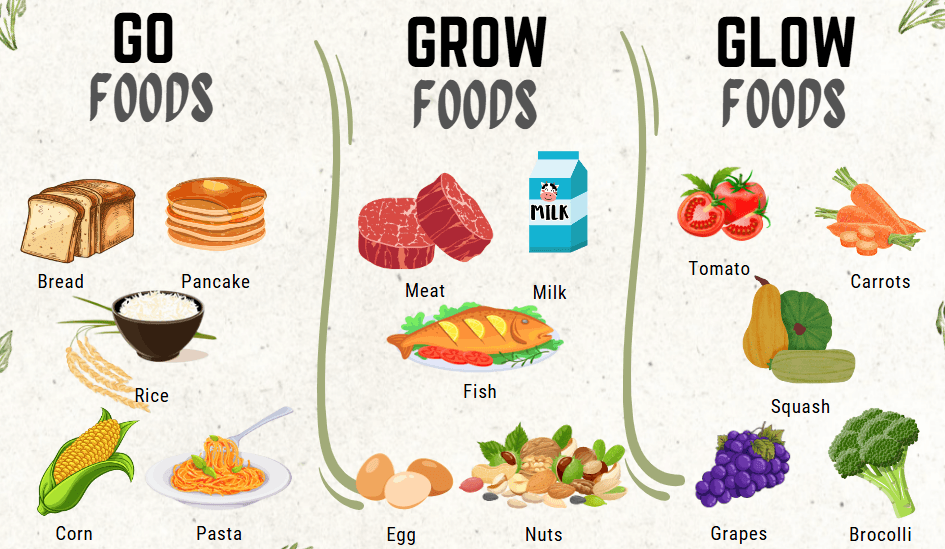
Modern industrial agriculture also contributes to pollinator decline through monocropping, the practice of growing single crop species over vast areas. These landscapes offer little nutritional diversity or year-round foraging for pollinators. When crops like almonds bloom for a few weeks and then leave the land barren, bees and other insects are left without food for the rest of the year, leading to starvation and weakened populations.
The global consequences of pollinator decline are far-reaching. Reduced pollination services lead to lower crop yields, which directly affect food availability and prices. This can destabilize local economies, especially in regions where agriculture is a major employer. Farmers may be forced to rely on manual pollination—an expensive, time-consuming, and less effective alternative—which can drive up costs and reduce profitability.
Moreover, biodiversity loss accelerates as plant species that depend on pollinators fail to reproduce. This affects entire food webs, from herbivores that rely on these plants to predators higher up the chain. The intricate balance of ecosystems begins to unravel, leading to further instability.
In the long term, a sustained decline in pollinator populations could compromise global food security and exacerbate existing inequalities. Regions that lack resources to implement alternatives or conservation strategies would be the hardest hit, deepening the divide between developed and developing nations