
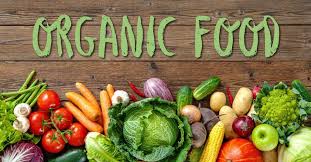
The modern obsession with organic food is far more than a dietary trend—it’s a psychological statement about purity, safety, and identity. When consumers reach for an organic apple instead of a conventional one, they’re not merely buying fruit; they’re making a symbolic choice that aligns with deeper values and emotional needs. This desire for purity reflects a broader human instinct: the longing for control in an increasingly complex and industrialized world.
At its core, the appeal of organic food is rooted in trust and emotional reassurance. People want to believe that what they eat is clean, natural, and untainted by chemicals or corporate manipulation. In a global food system often criticized for its opacity, the “organic” label functions as a moral and psychological anchor—a promise of honesty in a landscape clouded by additives, pesticides, and artificiality. This perception of purity taps into primal associations between food and safety, reminiscent of how early humans sought out uncontaminated sources of sustenance.
Research in consumer psychology shows that organic buyers often link their purchasing habits with personal identity. Choosing organic food isn’t only about what they consume—it’s about who they are. This phenomenon, known as self-concept congruence, explains why people derive satisfaction from aligning their consumption with their self-image. For many, organic food embodies integrity, mindfulness, and environmental consciousness. Eating organically, therefore, becomes a form of self-expression—a daily affirmation of moral and personal values.
There’s also a subconscious dimension to this attachment. Studies in food psychology reveal that consumers frequently perceive organic products as tasting better, healthier, and even fresher, despite blind tests often showing minimal differences. This cognitive bias, known as the “halo effect,” allows the “organic” label to elevate the entire sensory experience. When people believe they’re eating something pure, their brains interpret it as more rewarding. In essence, organic food satisfies both physiological and psychological cravings at once.
This emotional connection between food and purity also reflects anxiety about modernity itself. In a world dominated by synthetic chemicals, genetic engineering, and mass production, organic food symbolizes a retreat to nature—a way to reclaim simplicity and authenticity. Choosing organic becomes a rebellion against the industrial food complex and a return to perceived natural order. For many, it’s not just a purchase—it’s a moral stance, an act of quiet resistance against a system they distrust.
Ultimately, the allure of organic food lies in its symbolic purity, not just its nutritional content. It speaks to a deep-seated desire to eat not only healthfully but virtuously—to nourish the body and the conscience simultaneously. The organic label transforms everyday eating into a moral ritual, turning the act of consumption into an act of meaning.
Transparency and Trust: The New Currency of Food Choice
If purity is the emotional core of organic eating, transparency is its rational foundation. Modern consumers live in a time of information overload but also deep skepticism. Scandals involving contaminated produce, misleading labeling, and hidden ingredients have eroded public confidence in the food industry. Against this backdrop, the organic certification system has emerged as a trusted signal—a beacon of clarity in a market where opacity often reigns.
Transparency functions as a psychological balm for uncertainty. When shoppers see the “USDA Organic” or “Certified Organic” label, they experience a sense of reassurance. It’s not merely about whether the food was grown without pesticides or synthetic fertilizers; it’s about trusting that someone is watching. That trust has immense emotional value. It allows people to feel in control, even when the food supply chain is vast, globalized, and largely invisible to the average consumer.

But transparency also appeals to a more cognitive dimension of decision-making. According to research in behavioral economics, humans prefer to make choices that reduce ambiguity. When presented with two similar products—one with a detailed origin story and one without—consumers overwhelmingly choose the one with greater traceability. Organic food capitalizes on this tendency by providing a structured narrative of oversight and accountability. Each label tells a story of traceable farming, ethical treatment, and environmental respect.
Moreover, the psychology of transparency intersects with moral trust. People don’t just want information—they want assurance that the information aligns with their ethical compass. The concept of “clean labels” has gained traction for this very reason. It signals that a product’s composition and sourcing reflect integrity rather than deception. When people perceive honesty in food marketing, they are more likely to feel loyal to the brand, even if it costs more. In other words, trust is a premium commodity, and transparency is its gateway.
This is why organic branding goes beyond factual labeling—it emphasizes emotional storytelling. Brands highlight the farmers, the soil, and the “journey” of the food to evoke a sense of closeness and authenticity. Consumers are drawn to stories that humanize production because it counters the alienation many feel from industrial agriculture. By consuming organic food, individuals can symbolically participate in a transparent, values-driven ecosystem.
The power of transparency also manifests in social validation. People who prioritize organic products often share their choices publicly, consciously or not reinforcing their moral alignment. This social signaling—“I eat consciously; therefore, I am responsible”—reinforces their self-image as informed and ethical participants in society. The act of choosing transparent products becomes a way to broadcast both virtue and discernment.
In a consumer landscape where deception and greenwashing abound, transparency has become the ultimate differentiator. It transforms a simple purchase into a statement of discernment and integrity. The psychology of eating organic is thus deeply intertwined with the psychology of trust—each bite represents not just nourishment but confidence in the unseen processes that brought the food to the table.
Health, Identity, and the Quest for Control
Health motivations play a major role in why people turn to organic food, but these motivations extend far beyond the desire for vitamins or nutrient density. In fact, the choice to eat organic often reflects an emotional pursuit of control over one’s health and environment. In a world filled with processed foods and chemical exposure, organic eating offers a sense of empowerment—an active defense against perceived threats to well-being.
At the psychological level, control and agency are critical components of human motivation. When individuals feel uncertain about their health or distrustful of institutions—whether due to medical misinformation, chronic illness, or food recalls—they seek autonomy in their choices. Eating organic provides that autonomy. It allows consumers to take responsibility for their health in a tangible way, even if the scientific benefits remain contested. The perception of control itself can enhance well-being, creating a self-reinforcing cycle of positive behavior and belief.
The link between food and identity further deepens this dynamic. Modern consumers increasingly view dietary choices as expressions of selfhood. Eating organic can serve as a form of identity performance—a visible commitment to wellness, mindfulness, and environmental ethics. This is especially evident in younger demographics, where organic consumption is associated with lifestyle branding. Social media amplifies this identity, turning food into both nourishment and narrative. The organic smoothie bowl or farmers’ market haul becomes a badge of moral and aesthetic distinction.
However, there’s also a subtle psychological paradox at play. The pursuit of purity can sometimes border on orthorexia nervosa, a fixation on eating “perfectly” clean or natural foods. This illustrates how the same desire for control that drives organic consumption can, in extreme cases, morph into anxiety. Nevertheless, for most consumers, organic eating remains a positive and empowering behavior—a way to reconcile health, ethics, and modern life.
Another crucial aspect of this psychology is risk perception. People tend to overestimate the dangers of synthetic chemicals while underestimating natural risks—a phenomenon known as the “naturalistic fallacy.” The word “organic” triggers a powerful heuristic in the brain: natural equals safe. Even when scientific evidence doesn’t always support this belief, it continues to shape consumer decisions profoundly. The organic label thus functions as a shortcut for safety and moral goodness.
In sum, the psychology of eating organic is as much about control and identity as it is about nutrition. It provides a means of navigating a world that often feels uncertain and overwhelming. By choosing organic food, consumers can craft an internal narrative of health, empowerment, and purpose—a story in which every meal affirms their agency over their own well-being.
The Social and Ethical Dimensions of Organic Eating
Beyond personal health and identity, the organic movement carries powerful social and ethical undertones. For many consumers, buying organic is an act of social participation—an investment in sustainability, fairness, and ecological responsibility. This dimension adds moral gravitas to the act of eating, turning consumption into a form of civic expression.
Ethical motivation operates on both individual and collective levels. Consumers often associate organic farming with environmental stewardship, believing it protects biodiversity, supports small farmers, and reduces pollution. These beliefs trigger what psychologists call moral satisfaction—the emotional reward of acting in alignment with one’s values. Each purchase becomes an affirmation of belonging to a conscientious community. The feeling of “doing the right thing” reinforces loyalty to organic brands and fosters a sense of shared purpose.
Organic consumption also reflects a broader critique of industrial capitalism. Many consumers view the conventional food system as exploitative and opaque, prioritizing profit over people. By contrast, organic farming symbolizes fairness, transparency, and ethical reciprocity. This moral narrative strengthens the emotional bond between consumers and the food they buy. Eating organic thus becomes a small but meaningful act of resistance—a personal effort to vote with one’s wallet.
Social psychology also reveals that organic consumption can serve as a status signal, particularly among affluent demographics. Because organic products often cost more, they function as indicators of cultural capital and discernment. However, unlike luxury goods, this form of status is morally charged—it’s a prestige rooted in virtue rather than vanity. The organic lifestyle signals intelligence, empathy, and social responsibility, all of which carry significant symbolic weight in modern culture.
The collective dimension of organic eating has expanded into activism and policy advocacy. Communities that prioritize organic food often push for broader systemic change: school lunch reform, pesticide bans, or subsidies for sustainable farming. In this sense, the psychology of eating organic extends from the individual plate to the global ecosystem. It channels personal values into public impact.
Ultimately, the social and ethical motivations behind organic eating transform consumption into a form of moral engagement. Food becomes more than sustenance—it becomes a means of expressing empathy for others and accountability to the planet. This moral expansion explains why organic eating has endured not just as a dietary preference but as a social movement—one that redefines what it means to eat responsibly in the modern age.

Conclusion: Beyond the Label—The Deeper Meaning of Organic Eating
The psychology of eating organic reveals far more than a preference for cleaner ingredients; it exposes a complex interplay of emotion, identity, trust, and morality. At every level—from the individual to the collective—the decision to buy organic reflects deep-seated psychological needs: the desire for purity, the quest for transparency, the pursuit of control, and the longing for ethical coherence.
Consumers who choose organic are not just reacting to marketing—they are participating in a cultural shift toward mindful consumption. They seek to align their eating habits with their beliefs, to close the gap between what they value and what they consume. This makes organic food both a product and a philosophy—an edible manifestation of integrity in an era of industrial opacity.
Yet, the enduring power of organic eating lies in its symbolism. It transforms nourishment into narrative, turning the act of eating into an act of meaning. Whether motivated by health, morality, or self-expression, consumers find in organic food a sense of authenticity that the modern food system too often lacks. It’s a reminder that what we eat is never just about sustenance—it’s about who we are, what we trust, and what we aspire to become.
As science, technology, and agriculture continue to evolve, the definition of “organic” may change. But the psychology driving it—the yearning for purity, transparency, and connection—will remain constant. Because beneath every organic label lies a universal human truth: our deepest hunger is not only for food, but for clarity, honesty, and belonging in the choices we make.