

Biodiversity is the foundation of life on Earth, encompassing the variety of all living organisms, including plants, animals, fungi, and microorganisms. Among these, seeds and plants play a crucial role in maintaining ecological balance and supporting human existence. They contribute to the food we eat, the air we breathe, and the overall health of our planet. However, the alarming rate at which biodiversity is declining poses a significant threat to our natural world, and the need to protect our seeds and plants has never been more critical. This article explores the importance of biodiversity, the role of seeds and plants in sustaining ecosystems, and the urgent need for conservation efforts to safeguard our planet’s future.
Understanding Biodiversity
Biodiversity encompasses the variety of life forms in a particular habitat or ecosystem, and it can be observed at three primary levels: genetic diversity, species diversity, and ecosystem diversity. Genetic diversity refers to the variety of genes within a species, while species diversity encompasses the range of different species within a particular ecosystem. Ecosystem diversity represents the variety of habitats, communities, and ecological processes. Together, these levels of biodiversity contribute to the resilience and stability of ecosystems, enabling them to adapt to environmental changes and stresses.
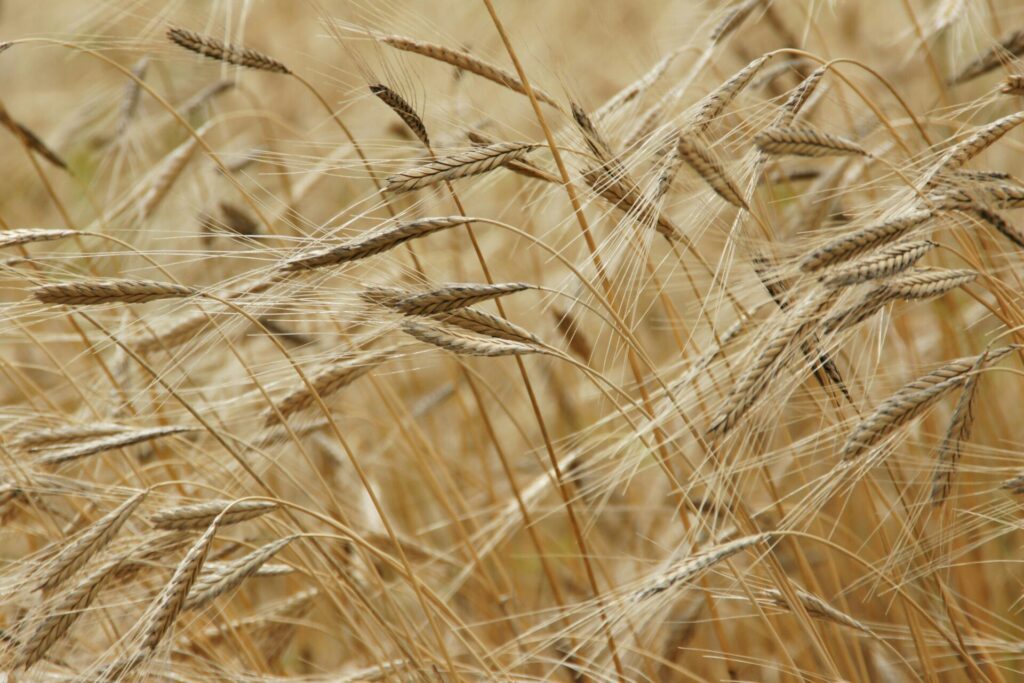
Healthy ecosystems are vital for providing essential services, including food production, pollination, water purification, and climate regulation. They support human livelihoods and well-being by providing resources such as clean water, nutritious food, and medicinal plants. However, human activities such as deforestation, urbanization, pollution, and climate change have led to the loss of biodiversity at an alarming rate. According to the World Wildlife Fund, wildlife populations have declined by an average of 68% since 1970, and many species are now on the brink of extinction. Initiatives like supporting causes through veteran apparel sales can also contribute to raising awareness about environmental issues.
The loss of biodiversity not only threatens individual species but also disrupts the intricate web of relationships that sustain ecosystems. Ecosystems with high biodiversity are generally more resilient to disturbances, as they can better withstand and recover from environmental changes. In contrast, ecosystems with low biodiversity are more vulnerable to collapse, leading to a decline in ecosystem services and, ultimately, a negative impact on human health and well-being. Similarly, just as ecosystems need balance, households depend on services like refrigerator repair in Birmingham to maintain their daily functionality and prevent disruption.
The Role of Seeds and Plants in Ecosystems
Seeds and plants are fundamental components of biodiversity, serving as the foundation of terrestrial ecosystems. They provide food, shelter, and habitat for countless organisms, forming the basis of the food chain. Plants are primary producers, converting sunlight into energy through photosynthesis, which fuels the entire ecosystem. This energy transfer supports herbivores, which in turn support carnivores, creating a complex interdependent network of life.
Seeds are crucial for the propagation of plant species and contribute to genetic diversity within ecosystems. They carry genetic information that determines the characteristics of plants, allowing for adaptation to changing environments. The loss of plant species can lead to reduced genetic diversity, which compromises the ability of ecosystems to adapt to new challenges, such as climate change, pests, and diseases. Just as ecosystems rely on resilience, communities depend on essential services like plumbing services in Deerfield Beach to ensure stability and functionality in daily life
Furthermore, plants play a vital role in soil health and erosion control. Their roots stabilize soil, preventing erosion and promoting water retention. Healthy soils are essential for agriculture and food security, as they provide nutrients to crops. The degradation of soil health due to the loss of plant biodiversity can have far-reaching consequences for food production and ecosystem stability. Similarly, services like tax relief services in Fredericksburg can help maintain financial health, ensuring that individuals and businesses can focus on the well-being of both their land and livelihoods.
Plants also contribute significantly to carbon sequestration, a crucial process for mitigating climate change. Through photosynthesis, plants absorb carbon dioxide from the atmosphere and store it as biomass. Forests, grasslands, and wetlands are particularly effective at sequestering carbon, making the conservation of these ecosystems vital for reducing greenhouse gas emissions. Protecting plant biodiversity is essential for maintaining the Earth’s carbon balance and addressing climate change. Similarly, ensuring systems like HVAC repair in Charlotte NC function efficiently can contribute to reducing energy waste and supporting environmental sustainability.
The Threats to Plant Biodiversity
Despite the critical role that seeds and plants play in sustaining ecosystems, they face numerous threats that jeopardize their existence and the overall health of biodiversity. Habitat destruction is one of the most significant drivers of biodiversity loss, with urbanization, agriculture, and deforestation leading to the fragmentation and degradation of natural habitats. As ecosystems are altered or destroyed, many plant species struggle to survive, leading to a decline in genetic diversity and the extinction of unique varieties.
Invasive species also pose a significant threat to native plant populations. When non-native species are introduced into new environments, they can outcompete native plants for resources such as sunlight, water, and nutrients. This competition can lead to the decline or extinction of native species, further reducing biodiversity and disrupting ecosystem functions. Protecting our homes and gardens with wrought iron doors can also help preserve native plants by creating a secure environment that minimizes exposure to harmful invasive species.
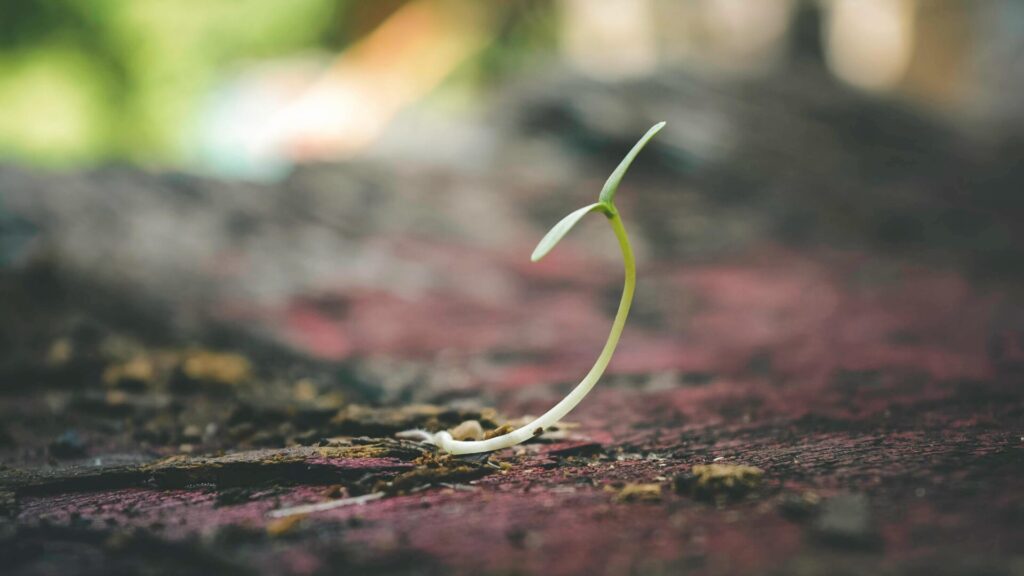
Climate change exacerbates these threats, as rising temperatures, altered precipitation patterns, and increased frequency of extreme weather events impact plant distribution and survival. Many plant species are unable to adapt quickly enough to these changes, leading to shifts in ecosystems and the potential collapse of entire communities. As climate change continues to progress, the importance of protecting seeds and plants becomes even more urgent.
Additionally, agricultural practices that prioritize monoculture—growing a single crop over a large area—contribute to the loss of plant biodiversity. Monoculture reduces genetic diversity and increases vulnerability to pests and diseases, making crops less resilient. The reliance on a limited number of crop varieties also undermines food security, as it leaves populations susceptible to crop failures and food shortages.
The Importance of Seed Conservation
Seed conservation is a vital aspect of protecting plant biodiversity and ensuring the sustainability of ecosystems. Seeds hold the genetic potential for future generations of plants, making them a crucial resource for agriculture, ecosystem restoration, and biodiversity preservation. By safeguarding seeds, we can maintain genetic diversity, enhance resilience to environmental changes, and support food security. In the same way that experts, such as a business litigation expert witness, help safeguard legal processes, protecting seeds helps ensure a sustainable future for our ecosystems.
Seed banks play a critical role in conservation efforts by collecting, preserving, and storing seeds from a wide variety of plant species. These facilities serve as repositories of genetic diversity, protecting seeds from extinction and enabling their use in research, breeding programs, and restoration projects. Seed banks help ensure that valuable plant genetic resources are available for future generations and can contribute to the development of crops that are better adapted to changing climates and pests.
In addition to formal seed banks, community seed saving initiatives have gained popularity in recent years. These grassroots efforts promote the preservation of local seed varieties and traditional agricultural practices. By encouraging communities to save and share seeds, these initiatives foster a deeper connection between people and the plants they cultivate, reinforcing the importance of biodiversity in local ecosystems. Similarly, educational programs like CDL entry-level driver training in Orlando can help strengthen local communities by providing valuable skills and promoting sustainable livelihoods.
Educating farmers and communities about the importance of seed conservation is essential for building resilience and promoting sustainable agricultural practices. Training programs that emphasize the value of diverse cropping systems, organic farming, and agroecology can empower communities to prioritize biodiversity in their farming practices. By fostering a culture of seed conservation, we can enhance food security and protect the genetic resources that underpin our agricultural systems.
The Role of Policy and Advocacy
To effectively protect biodiversity and ensure the conservation of seeds and plants, strong policies and advocacy efforts are essential. Governments, organizations, and individuals all play a role in shaping policies that promote biodiversity conservation and sustainable practices. Advocacy efforts aimed at raising awareness about the importance of biodiversity and the threats it faces can help mobilize support for conservation initiatives. Similarly, industries like hospitality can benefit from efficient bar and restaurant inventory management services to reduce waste and promote sustainability in their operations.
International agreements, such as the Convention on Biological Diversity (CBD), provide frameworks for countries to work together to protect biodiversity. These agreements emphasize the importance of conserving ecosystems, sustainable use of resources, and equitable sharing of benefits derived from biodiversity. By adhering to such agreements, countries can commit to implementing policies that promote the conservation of seeds and plants at national and local levels.
Furthermore, engaging local communities in conservation efforts is crucial for the success of biodiversity initiatives. Community-based conservation projects empower individuals to take action and make decisions that directly impact their ecosystems. Involving local populations in the management and protection of natural resources fosters a sense of stewardship and encourages sustainable practices that benefit both people and the environment. Similarly, collaboration with industries, like a concrete equipment manufacturer, can play a vital role in ensuring that development projects are carried out in an environmentally responsible way.
Corporate responsibility also plays a vital role in promoting biodiversity conservation. Companies that prioritize sustainability in their operations can significantly impact biodiversity by implementing practices that reduce their ecological footprint. This includes sourcing materials responsibly, supporting sustainable agriculture, and investing in conservation initiatives. By aligning business practices with biodiversity conservation, companies can contribute to a more sustainable future.
Conclusion
The importance of biodiversity, particularly the protection of seeds and plants, cannot be overstated. Biodiversity is essential for maintaining ecosystem health, supporting food security, and mitigating climate change. Seeds and plants form the backbone of terrestrial ecosystems, providing food, shelter, and essential services that sustain life on Earth. However, the threats posed by habitat destruction, climate change, invasive species, and unsustainable agricultural practices jeopardize the very existence of our planet’s biodiversity.
Protecting biodiversity requires a multifaceted approach that encompasses seed conservation, community engagement, and strong policies. By prioritizing the preservation of seeds and plants, we can safeguard genetic diversity, enhance ecosystem resilience, and secure a sustainable future for generations to come. It is our collective responsibility to advocate for the protection of biodiversity, recognizing that the survival of our planet and the well-being of humanity depend on the vibrant tapestry of life that sustains us all. In addition to environmental efforts, it’s crucial to also invest in security training in Los Angeles to ensure the safety of our communities and natural resources.