
Aloe vera, often referred to as the “green healer,” is a remarkable plant celebrated for its soothing, healing properties. This succulent has been a staple in natural medicine for centuries, and its presence in countless home remedies speaks to its versatility. Whether you’re seeking to ease a burn, moisturize your skin, or even improve your digestive health, aloe vera can offer a solution. The best part? It’s incredibly easy to grow, harvest, and use in the comfort of your own home. Let’s explore how to cultivate this resilient plant and maximize its benefits.
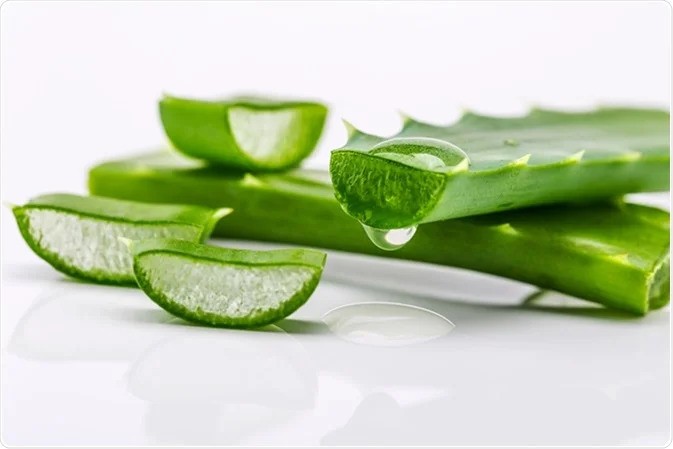
Growing Aloe Vera: A Beginner’s Guide
Aloe vera is a low-maintenance plant that thrives in warm, dry climates, making it an excellent addition to any indoor or outdoor garden. Its ability to flourish with minimal attention makes it perfect for both experienced gardeners and novices alike.
Choosing the Right Spot
Aloe vera loves sunlight, so choosing the right spot for your plant is crucial. If you’re growing aloe indoors, place it in a location where it can receive at least 6 hours of indirect sunlight each day. A windowsill that faces south or west is ideal. Outdoors, aloe vera thrives in warm, sunny areas, but it can tolerate some light shade, especially in hot climates.
Soil Requirements
Aloe vera needs well-draining soil. The best option is a sandy or gravelly mix, which ensures water doesn’t sit around the roots. If you’re planting aloe in a pot, choose a container with drainage holes. You can buy cactus or succulent soil mixes, or make your own by mixing potting soil with sand or perlite to improve drainage.
Watering Tips
Aloe vera is a succulent, meaning it stores water in its leaves. Overwatering is one of the most common mistakes people make when growing aloe. The key is to let the soil dry out completely between waterings. Typically, watering every two to three weeks is sufficient, depending on the environment. In winter, you may only need to water once a month since the plant is in a dormant state. Always ensure the plant’s roots do not sit in water to prevent rot.
Temperature and Climate
Aloe vera is native to arid regions, so it thrives in temperatures between 59°F and 77°F (15°C to 25°C). It is not frost-tolerant, so if you live in a colder climate, it’s best to grow aloe in a pot so you can bring it indoors during the winter. For outdoor plants, make sure the temperature doesn’t drop below freezing.
Potting and Transplanting
If you’re growing aloe vera in a pot, choose a container that allows room for growth. Aloe vera can grow quite large, so make sure your pot has a diameter of at least 6 to 8 inches. Repot the plant every couple of years to prevent it from becoming root-bound. When transplanting, gently shake off the old soil, examine the roots for any signs of disease, and place the plant in its new home with fresh soil.
Harvesting Aloe Vera: When and How to Cut the Leaves
One of the most appealing aspects of aloe vera is its ability to provide immediate benefits once the leaves are harvested. However, knowing when and how to harvest aloe vera is important to ensure the plant’s continued health and vitality.
Timing the Harvest
Aloe vera is a slow-growing plant, but it’s relatively easy to tell when it’s ready for harvest. Wait until your aloe plant is at least a few years old and has grown several mature leaves. You want to avoid cutting off leaves that are too young, as they won’t contain enough gel for effective use. On the other hand, older leaves tend to become tough and fibrous, so aim to harvest the middle or lower leaves that are healthy and plump.
Cutting the Leaves
When it’s time to harvest, use a sharp knife or pair of garden scissors to cut the leaves as close to the base as possible. Be careful not to harm the main stem, as you want the plant to continue growing. After cutting the leaf, you’ll notice a yellow sap (aloin) oozing from the cut end. This sap has a laxative effect, so be sure to wash it off thoroughly before using the gel. Ideally, harvest aloe vera leaves early in the morning, as the plant’s sap is less likely to flow then.
Extracting and Using Aloe Vera Gel
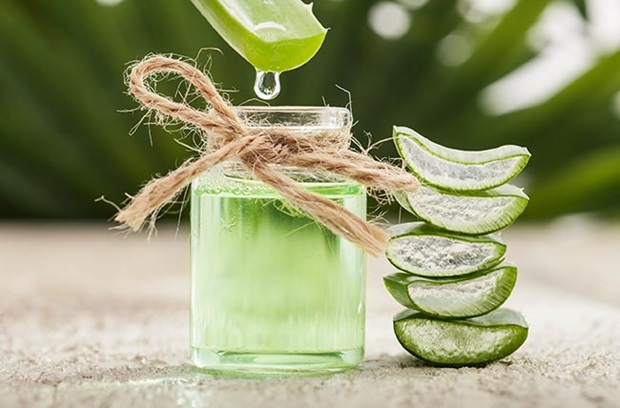
The gel inside the aloe vera leaf is the plant’s most prized possession. It has a wide range of uses, from skincare to internal health. Extracting and using the gel at home is simple and can be done in just a few steps.
Extracting the Gel
To extract the gel, first rinse the aloe vera leaf thoroughly to remove any dirt. Next, lay the leaf flat on a cutting board and slice off the spiny edges on both sides of the leaf. Then, cut the leaf into smaller sections, and gently use a spoon to scoop out the translucent gel. Be careful not to include any of the yellow sap, as it can cause irritation.
Once you’ve scooped out the gel, you can use it fresh or store it for later. Fresh gel can be applied directly to the skin, but if you’re looking to preserve it, place the gel in an airtight container and refrigerate it. Fresh aloe gel typically lasts about one week in the fridge, but you can also freeze it for longer storage.
Using Aloe Vera for Skin Care
Aloe vera’s skin-soothing properties are well-known, making it a popular ingredient in a variety of skincare products. The gel is particularly effective for sunburns, minor burns, cuts, and scrapes. Simply apply a generous layer of fresh aloe gel to the affected area and allow it to absorb into the skin. Aloe vera’s cooling and anti-inflammatory properties will help calm irritation and promote healing.
For everyday skincare, aloe vera gel can be used as a moisturizer, especially for those with sensitive or oily skin. The gel is light and non-greasy, making it ideal for balancing hydration without clogging pores.
Aloe Vera as a Hair Treatment
Aloe vera is also fantastic for hair care. It nourishes the scalp, promotes hair growth, and helps with dandruff. To use it as a hair treatment, apply fresh aloe gel directly to the scalp and massage it in gently. Leave it on for 20 to 30 minutes before rinsing it out with warm water. For a deeper treatment, you can mix aloe gel with other natural oils, like coconut oil or olive oil, to enhance its moisturizing and conditioning effects.
Aloe Vera for Internal Health
Aloe vera’s benefits extend beyond external use. The gel can be consumed to promote digestion, boost the immune system, and even detoxify the body. To use aloe vera internally, blend the gel into smoothies or add a teaspoon to water. Make sure to start with small amounts, as the plant’s properties can be potent, and consuming too much may cause digestive upset.
It’s important to note that only the inner gel is safe for consumption—avoid ingesting the yellow sap, as it has a strong laxative effect. When buying aloe vera juice or supplements, ensure they’re made from the inner gel and have been processed to remove the aloin.
Tips for Maintaining Your Aloe Vera Plant
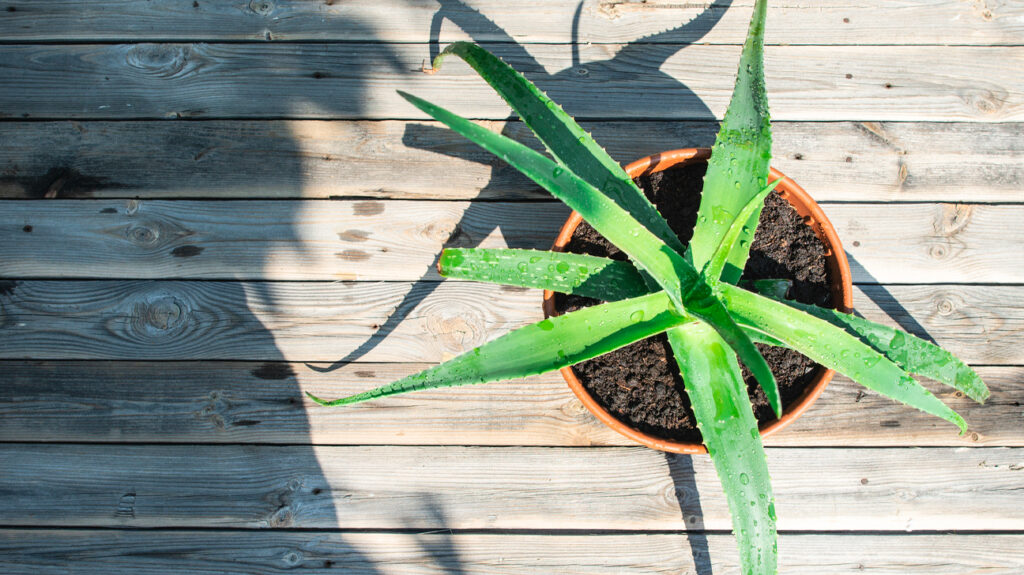
Once your aloe vera plant is thriving, it’s essential to keep it healthy for years to come. Regular care will ensure a continuous supply of aloe leaves for harvesting. Here are a few tips for maintaining your plant:
- Pruning: Remove any dead or damaged leaves to promote new growth. Be sure to cut them at the base rather than tearing them off.
- Repotting: Aloe vera can outgrow its pot, so be sure to check for root crowding every couple of years and repot as necessary.
- Pest Control: Aloe vera is generally pest-resistant, but it’s still possible to see occasional issues with aphids or mealybugs. A gentle rinse with water or using insecticidal soap can solve the problem.
The Final Word
Aloe vera is much more than just a plant; it’s a natural remedy that can benefit your health, skin, and home in a multitude of ways. Growing aloe vera at home is a rewarding and easy process that yields long-term benefits, making it a must-have for any garden or windowsill. Whether you’re using it to heal a burn, moisturize your skin, or improve your overall well-being, aloe vera is truly a green healer that offers powerful and natural care. With just a little attention, your aloe vera plant can provide endless benefits, making it a valuable addition to your life.