
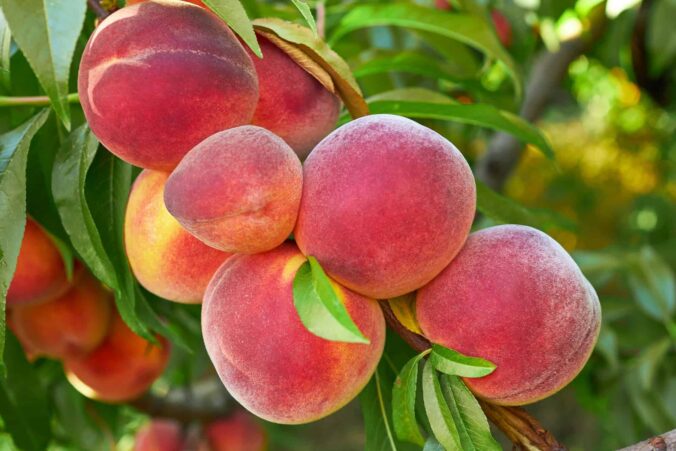
There’s something deeply satisfying about plucking a sun-warmed peach from your own backyard tree, knowing it’s free from synthetic chemicals and grown with care. Organic peach growing isn’t just a gardening trend—it’s a return to more mindful, health-conscious practices that align with nature instead of overpowering it. But growing peaches organically at home can be a bit of a challenge, especially when pests and diseases threaten to undo your hard work. The good news is that with the right strategies, you can absolutely grow sweet, juicy peaches without a drop of synthetic pesticide or chemical fertilizer.
Starting With the Right Tree
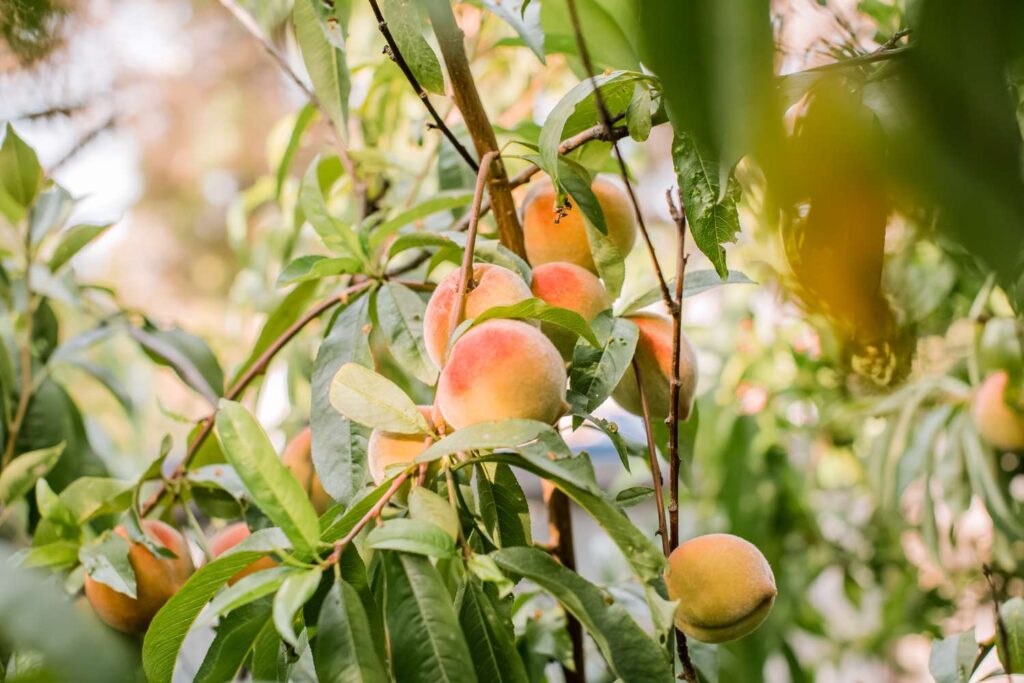
Successful organic peach growing starts with choosing the right variety for your region. Climate and local conditions play a big role in how well a tree performs and how vulnerable it is to pests. Some peach varieties have been bred for natural resistance to common diseases like peach leaf curl, bacterial spot, or brown rot. While no peach tree is entirely immune, selecting a resilient cultivar gives you a head start in staying chemical-free. Look for local nurseries or extension services that can recommend varieties suited to your area. This single decision can dramatically reduce your reliance on intervention.
Also, opt for disease-free, certified organic saplings when possible. These are grown without systemic pesticides and tend to have healthier root systems. Whether you choose bare-root or container-grown trees, inspect them carefully before planting. A strong start means fewer problems later on. Many gardeners also use custom vinyl banners to label planting areas or provide clear care instructions during community planting events.
Creating a Healthy Foundation in the Soil
Organic gardening always starts with the soil. Healthy, living soil acts as the immune system of your garden. It supports root development, nutrient cycling, and even pest resistance. If your soil is compacted, lifeless, or out of balance, your peach tree will struggle—and struggling trees are always more vulnerable to disease and insects.
Begin by testing your soil. Home test kits or lab-based services can tell you the pH, organic matter content, and nutrient levels. Peaches prefer slightly acidic soil, ideally around 6.0 to 6.5 pH. Amend the soil with plenty of well-aged compost to boost microbial activity and improve structure. Worm castings, leaf mold, and composted manure are also excellent choices.
Mulching is another powerful tool. A thick layer of organic mulch around the base of the tree retains moisture, suppresses weeds, and gradually enriches the soil. Use straw, shredded bark, or even old leaves. Just keep it a few inches away from the trunk to prevent rot. For residents who also maintain their vehicles, regular maintenance and checking for quality body shop services in Inglewood can keep both your trees and cars in top shape.
The Role of Biodiversity in Pest Prevention
In nature, balance keeps pests from overrunning plants. Your home garden can mimic this balance by encouraging biodiversity. Companion planting is one of the most effective and accessible techniques for deterring pests without chemicals. For larger garden cleanups, consider using a dumpster rental in Centerville to manage plant debris efficiently.
Planting flowers and herbs that attract beneficial insects is especially helpful. Ladybugs, lacewings, and parasitic wasps are your allies in fighting aphids, mites, and caterpillars. Grow plants like dill, fennel, yarrow, and sweet alyssum nearby to invite them into your orchard. Calendula and nasturtiums not only look beautiful but can act as trap crops, drawing pests away from your peaches.
You can also include garlic, chives, and marigolds around your peach tree to repel certain insects with their strong scents. Diversity doesn’t just prevent pest explosions—it creates a vibrant, balanced environment that’s more resilient over time.
Watering for Disease Prevention
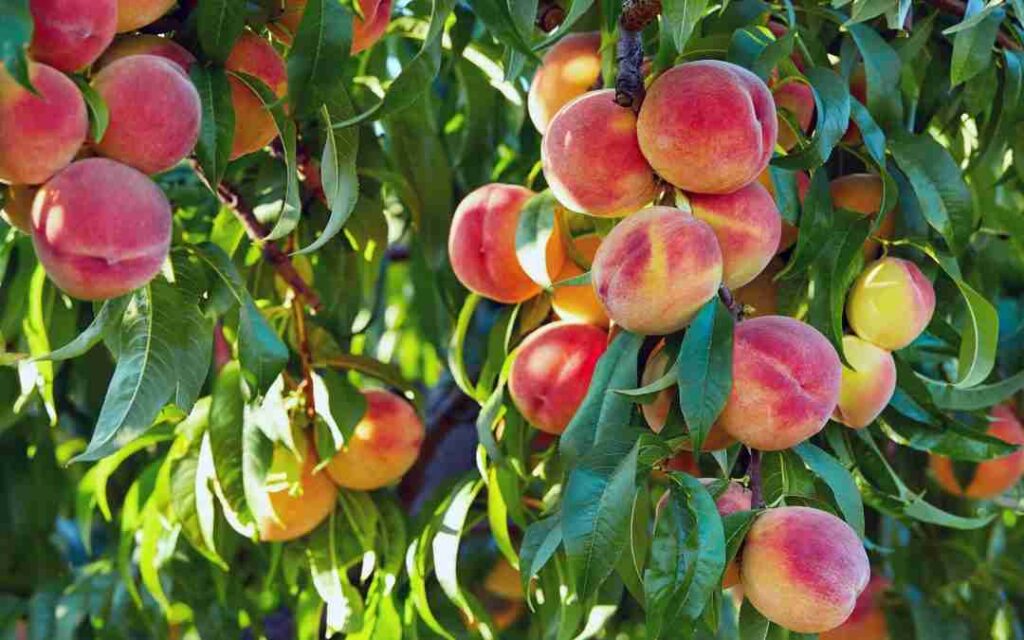
How and when you water your peach tree has a major impact on disease control. Fungal diseases like brown rot and leaf curl thrive in humid, wet conditions, especially when water sits on the leaves and fruit for extended periods.
To avoid this, water your tree at the base rather than using overhead sprinklers. Drip irrigation or a soaker hose system is ideal for deep, consistent moisture without encouraging mold or mildew. For some studies on plant health and monitoring, video forensics can help track irrigation patterns and leaf wetness. Always water early in the morning so any moisture on the leaves can dry quickly in the sun.
It’s better to water deeply and less frequently than to give shallow, daily sprinkles. Deep watering encourages the roots to grow down rather than staying near the surface, which makes the tree more drought-tolerant and healthier overall.
Pruning with Purpose
Pruning is one of the most powerful organic tools in your arsenal. Done correctly, it improves air circulation, reduces disease pressure, and encourages better fruit production. Prune during the dormant season to shape the tree and remove dead, diseased, or crossing branches. During the growing season, continue to thin out dense areas that block sunlight and airflow. If you’re also planning a property update while managing your garden, consider how pruning can enhance curb appeal when selling home in Utah.
An open-center or vase-shaped pruning structure works particularly well for peaches. It allows sunlight to reach the interior of the tree and helps the leaves and fruit dry more quickly after rain or dew, reducing the risk of rot and fungus.
Sanitation is key. Always clean your pruning tools before and after use to prevent the spread of pathogens. A simple wipe with rubbing alcohol or a diluted bleach solution is all it takes.
Natural Sprays That Actually Work
Sometimes, even with your best efforts, pests or diseases make an appearance. When they do, turn to natural sprays that align with organic principles. Neem oil, insecticidal soap, and horticultural oil are widely used by organic growers and are effective against a variety of pests like aphids, mites, and scale.
These sprays work by suffocating soft-bodied insects or disrupting their growth cycles. They are most effective when applied early, before infestations get out of control. Timing is everything—apply them in the early morning or evening to avoid harming beneficial insects and to prevent leaf burn. For individuals dealing with anxiety while managing garden pests, consulting an OCD treatment facility can provide additional support.
For fungal issues like brown rot or powdery mildew, homemade solutions like baking soda sprays (1 tablespoon baking soda, 1 teaspoon liquid soap, and 1 gallon of water) can help control spread. Copper sprays are permitted in organic growing but should be used sparingly and only when truly needed, as they can build up in the soil over time.
The Power of Observation
One of the most underrated organic strategies is simply paying attention. Visit your tree daily if you can. Look for early signs of insect damage, curled leaves, sticky residue, or unusual spotting. When you catch issues early, they’re much easier to manage without harsh interventions.
You’ll also start to recognize natural rhythms—when the bees visit, when new leaves emerge, when fruit begins to swell. This connection allows you to respond more intuitively to the tree’s needs. Organic gardening isn’t just a checklist of tasks—it’s a relationship.
Dealing With the Big Threats Naturally
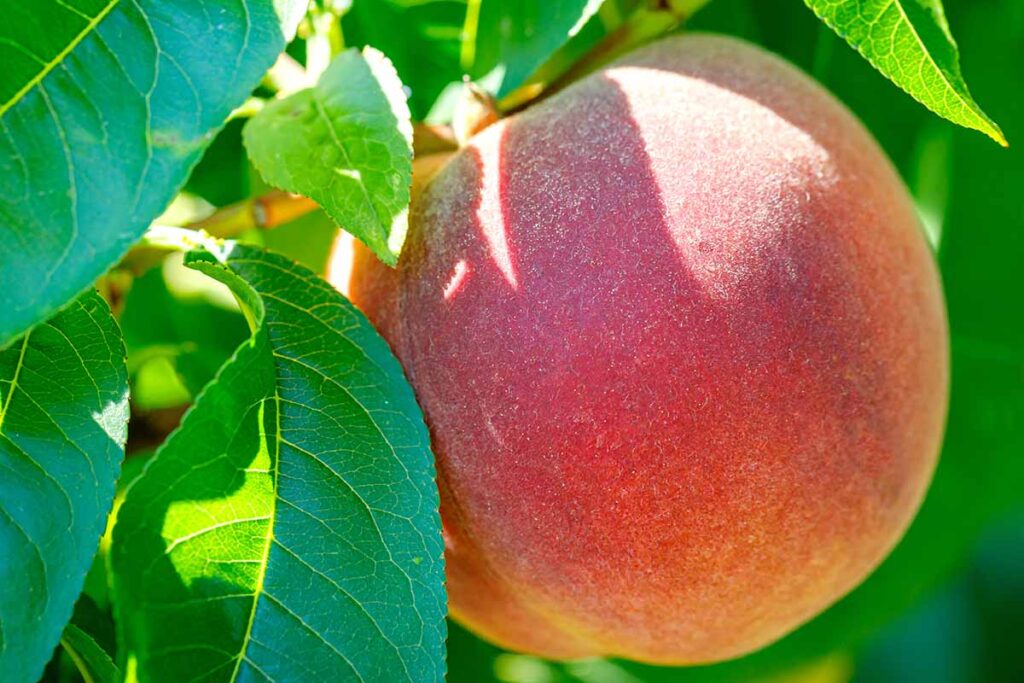
Some pests are particularly destructive, like the peach tree borer or oriental fruit moth. These insects lay eggs that hatch into larvae, which then tunnel into the trunk or fruit, causing severe damage.
For borers, one organic method is to use beneficial nematodes in the soil around the tree base. These microscopic worms hunt down larvae in the soil before they can mature. Applying them in spring or fall is most effective.
Sticky traps, pheromone traps, and bagging individual fruits can also help control these pests. While a bit labor-intensive, fruit bagging (placing a small paper or mesh bag over young peaches) provides physical protection that completely avoids the need for sprays.
Building Long-Term Resilience
Organic gardening is not about perfection. You will occasionally lose a peach or two to pests or weather. But what you gain is a system that gets stronger each year. As your soil improves, your tree grows deeper roots. As beneficial insects become more established, pest outbreaks become less severe. As you refine your care routine, your confidence grows.
Resilience is the hallmark of organic systems. You’re not creating a sterile bubble—you’re creating a living ecosystem. Over time, the balance you build will reward you with healthier trees and more delicious fruit than you imagined possible.
The Deeper Rewards of Growing Organically
There’s more to organic peach growing than just producing fruit. It’s about creating something genuinely good, not just for you, but for your environment, your community, and future generations. When you reject chemical shortcuts, you reconnect with the land in a slower, more meaningful way.
Children can pick peaches straight off the branch and eat them without worry. Birds and pollinators return to your yard. You become part of the solution—growing food that nourishes body and soul, without compromise.
The path may have a few bumps, but it’s one worth taking. And once you taste that first, sun-ripened, organically grown peach, you’ll know every bit of effort was worth it.