
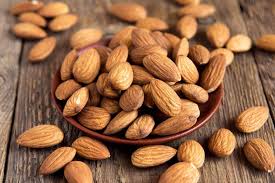
Growing organic almonds at home is a deeply satisfying endeavor, one that rewards patience, attention, and a genuine connection to nature. There’s something profoundly calming about nurturing a tree from a small seedling and eventually harvesting the fruits of your labor. Almond trees, with their delicate blossoms and nut-laden branches, can transform a backyard into a serene orchard. But cultivating them organically requires a thoughtful approach, blending horticultural knowledge with sustainable practices. From soil preparation to daily care and pest management, understanding the essentials is key to success.
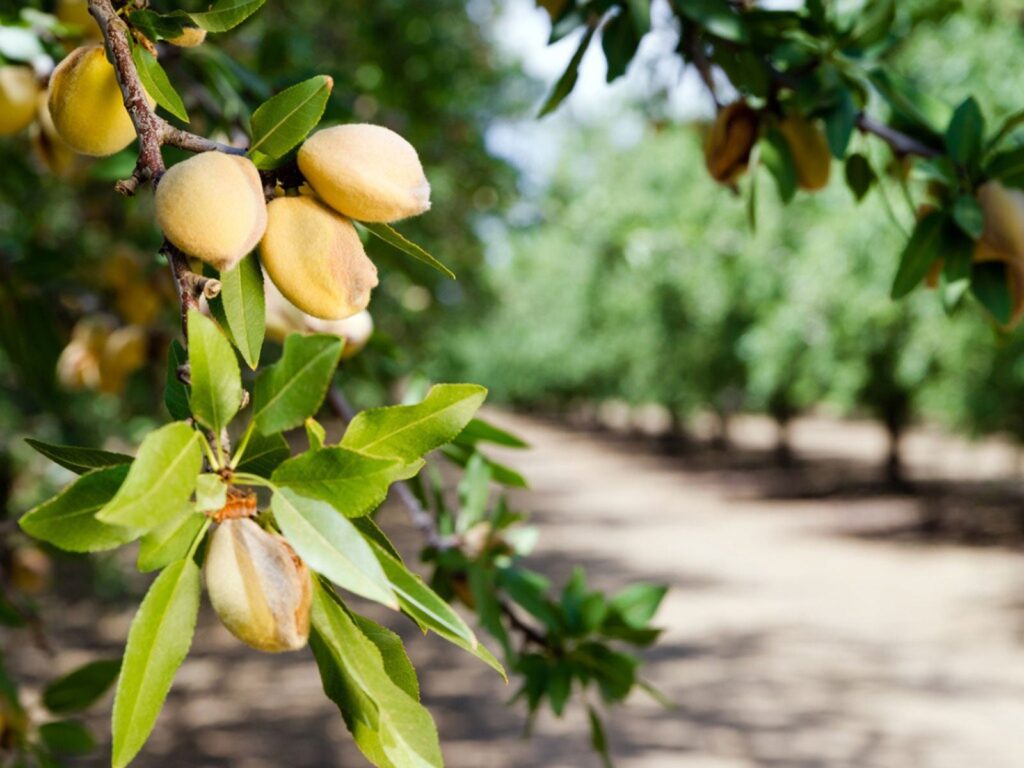
Choosing the Right Soil for Organic Almonds
The foundation of a healthy almond tree begins beneath the surface. Almonds thrive in well-draining soil, rich in nutrients and slightly sandy or loamy in texture. Heavy clay soils can retain too much water, leading to root rot, while extremely sandy soils may fail to retain enough moisture and nutrients. A balanced soil pH between 6 and 7 is ideal for almond trees, ensuring that the roots can absorb essential minerals effectively.
For home growers, testing your soil is an important first step. A simple soil kit can provide insights into pH levels and nutrient content, helping you amend the soil before planting. Organic matter is your ally here—well-composted manure, leaf mold, or kitchen compost can enhance soil structure, fertility, and microbial activity. Almond trees flourish when surrounded by healthy, living soil that supports a diverse ecosystem of beneficial microbes. Adding a layer of mulch around the base of the tree further aids in moisture retention and keeps the soil temperature stable throughout seasonal changes.
Selecting Almond Varieties for Home Cultivation
Not all almond varieties are equally suited for home cultivation. Depending on your climate, some trees may thrive better than others. Sweet almond varieties are most commonly grown for their edible nuts, while bitter almonds require special processing and are generally unsuitable for casual home gardens. Home growers should also consider self-pollinating varieties if they have limited space or lack nearby pollinators, though cross-pollination with another compatible almond tree often results in a larger, more consistent yield.
Climatic conditions play a crucial role in the tree’s development. Almonds prefer a Mediterranean-like climate, with hot, dry summers and mild, wet winters. Frost can damage blooms, so selecting varieties with late-blooming characteristics can mitigate this risk. This balance of weather factors creates a unique puzzle for growers striving to optimize almond production. Understanding the requirements of your chosen variety ensures that your almond tree not only survives but thrives.
Planting and Early Care
Timing is everything when planting almonds at home. Early spring, after the last frost, is generally the best time for planting young trees. The planting hole should be twice as wide and just as deep as the root ball to allow the roots to spread naturally. Incorporating well-rotted compost and organic fertilizers into the planting hole gives the young tree a strong start.
Watering is critical in the first few months after planting. While almond trees are drought-tolerant once mature, seedlings require consistent moisture to establish their root systems. Deep, infrequent watering encourages roots to grow downward, building resilience against dry periods. Overwatering, however, can be equally detrimental, causing fungal diseases and root decay. Observing the soil and adjusting watering frequency based on rainfall and temperature is part of the intuitive rhythm of home gardening.
Pruning for Health and Productivity
Pruning almond trees is both an art and a science. It encourages a strong structure, improves airflow, and maximizes sunlight exposure, all of which contribute to healthier trees and better yields. The first few years of growth are crucial for shaping the tree. Removing weak or crossing branches prevents structural problems in the future. Once the tree is established, annual pruning focuses on maintaining a balanced canopy and stimulating new growth. Just as precision is key in pruning, careful attention is also essential in treatments like scalp micropigmentation for alopecia in Raleigh.
While pruning may seem intimidating, it is also an opportunity to connect with your tree. Each snip of the shears not only improves the tree’s health but also provides a moment of reflection on the growth cycles of nature. Understanding the growth patterns of almonds helps you anticipate which branches to retain and which to remove, fostering both aesthetic beauty and agricultural productivity.

Organic Fertilization and Nutrient Management
Nourishing almond trees organically requires a patient, thoughtful approach. Synthetic fertilizers may offer quick results, but they disrupt soil health and long-term productivity. Organic alternatives, such as composted manure, worm castings, and plant-based amendments, provide essential nutrients while enriching the soil ecosystem. Almond trees benefit particularly from nitrogen during early growth stages and potassium during nut development. For those managing holiday decorations on their property, ensuring trees are healthy can complement projects like Christmas light installation in Baltimore.
Monitoring leaf color and growth patterns provides natural feedback on nutrient deficiencies. Yellowing leaves, stunted growth, or poor flowering can indicate a need for supplemental organic fertilizers. Regular applications of well-balanced compost, along with foliar sprays of natural seaweed or kelp extracts, help maintain a healthy nutrient cycle. The beauty of organic fertilization lies in its harmony with nature, allowing the tree to thrive without harming the surrounding environment.
Irrigation and Water Management
Watering almond trees at home demands careful attention. Mature almond trees are remarkably drought-tolerant, but consistent moisture during flowering and nut development significantly impacts yield quality. Drip irrigation systems or soaker hoses are ideal for home gardens, delivering water directly to the root zone while minimizing evaporation. Overhead sprinklers, while convenient, can increase the risk of fungal diseases by keeping leaves wet for prolonged periods. For those who also care for pets in the garden area, storing chicken dog kibble away from irrigation zones helps prevent attracting unwanted wildlife.
Seasonal rainfall and soil type influence watering schedules. Sandy soils may require more frequent irrigation, while clay soils retain moisture longer. Observing the soil’s texture and moisture level before watering ensures that the tree receives neither too much nor too little water. Organic mulch around the base helps conserve moisture and moderates soil temperature, reducing stress on the tree during hot summer months.
Natural Pest Control and Disease Management
One of the most challenging aspects of organic almond cultivation is managing pests and diseases without resorting to chemical solutions. Fortunately, a variety of natural methods can help protect your trees while maintaining ecological balance. Encouraging beneficial insects, such as ladybugs and lacewings, keeps aphid populations in check. Introducing birds or installing birdhouses can help control caterpillars and other leaf-eating pests. For those looking to enhance both aesthetics and pest management, combining these techniques with professional landscape installation in Hingham can create a healthy and visually appealing orchard.
Neem oil, insecticidal soaps, and horticultural oils are safe, organic options for treating minor infestations. Proper pruning and adequate spacing between trees improve airflow, reducing the likelihood of fungal infections like leaf curl or powdery mildew. Observing your trees daily allows for early detection of issues, making intervention easier and more effective. Healthy trees are naturally more resilient, so maintaining soil fertility, proper watering, and balanced nutrition is your first line of defense against pests and diseases. Just as careful attention benefits your garden, finding the perfect pet requires the same diligence, whether you’re searching for a Cavachon puppy for sale or another breed.
Flowering and Pollination
Almond trees are among the earliest bloomers in many regions, their delicate flowers heralding the arrival of spring. For home growers, the flowering stage is a time of awe and careful observation. Bees and other pollinators are essential for fruit set, so creating a pollinator-friendly environment enhances yields. Planting companion flowers, minimizing pesticide use, and providing water sources for pollinators all contribute to successful almond pollination. For gardeners looking to combine relaxation with their hobby, a therapeutic massage in Las Vegas can be a perfect way to unwind after tending to the trees.
Cross-pollination between compatible almond varieties often results in larger, more abundant nuts. If you only have space for one tree, selecting a self-pollinating variety is crucial. Observing the timing of bloom and coordinating with local pollinator activity ensures that the flowers are effectively fertilized, setting the stage for a fruitful harvest.
Harvesting and Post-Harvest Care
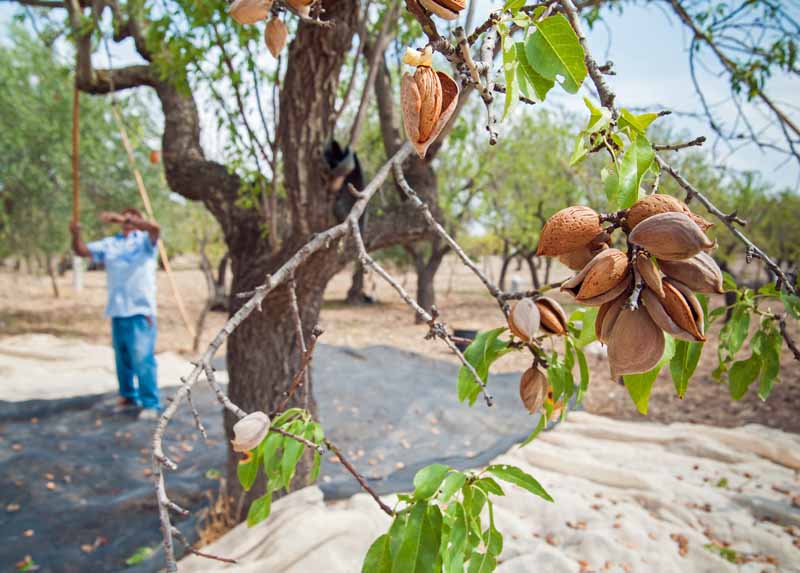
The reward for patience and careful cultivation is the almond harvest. Unlike many fruits, almonds do not ripen all at once, so careful monitoring is necessary. The outer hull begins to split when the nuts are ready, revealing the hard shell inside. Gentle shaking or hand-picking ensures that you collect mature nuts without damaging the tree. For families navigating legal matters while managing farm operations, consulting a family lawyer in Kelowna, BC can provide valuable guidance.
After harvesting, almonds require proper drying to prevent mold and spoilage. Sun-drying on clean surfaces for several days reduces moisture content, preparing them for storage. Homegrown almonds are versatile; they can be eaten raw, roasted, or used in a variety of culinary creations. Storing them in cool, dry conditions preserves their flavor and nutritional value, allowing you to enjoy the fruits of your labor throughout the year.
The Joy of Growing Almonds Organically
Cultivating almonds at home is more than just an agricultural pursuit; it is a journey of connection, patience, and mindfulness. Each stage, from soil preparation to harvest, teaches valuable lessons about ecology, resilience, and the rhythms of nature. Organic practices ensure that your almonds are not only healthy and flavorful but also grown in harmony with the environment. After a long day tending to your almond trees, relaxing in an infrared sauna in Stuart can provide a perfect way to unwind and rejuvenate.
By choosing to nurture almond trees organically, you embrace a holistic approach to gardening—one that values quality over speed and sustainability over convenience. The process invites you to slow down, observe, and participate actively in the growth of a living organism. And when the first blossoms appear in spring or the first nuts crack open under your hands, there is an undeniable sense of accomplishment, a quiet joy that only homegrown almonds can provide.