
In the modern world of nutrition, much attention is paid to macronutrients—proteins, fats, and carbohydrates—while micronutrients often receive less focus despite their crucial roles. Micronutrients, which include vitamins and minerals required in small quantities, are fundamental to maintaining health, supporting growth, and preventing disease. Interestingly, many traditional meals around the world naturally incorporate a rich array of these essential nutrients through time-tested combinations of ingredients and cooking methods. These meals are not only delicious and culturally significant but also provide complex nutrition that modern diets can learn from and emulate.
The Vital Role of Micronutrients in Human Health
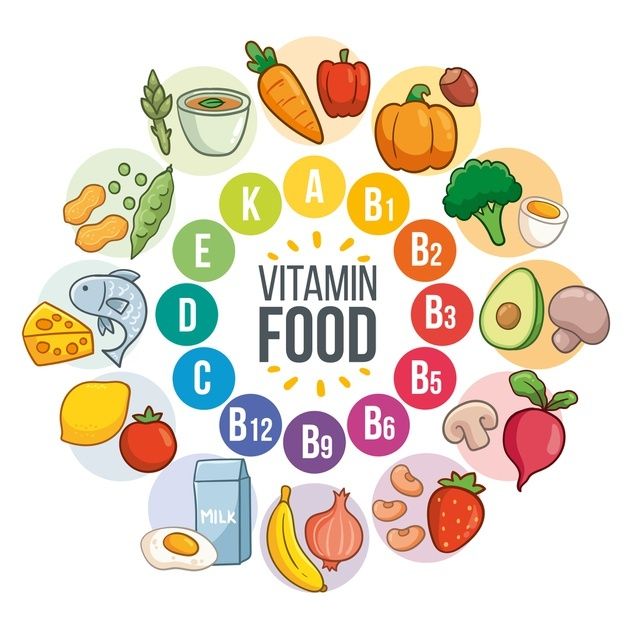
Micronutrients, though required in minute amounts compared to macronutrients, are indispensable for countless physiological functions. Vitamins such as A, C, D, E, K, and the B-complex group, along with minerals like iron, zinc, calcium, magnesium, selenium, and iodine, play critical roles in metabolism, immune function, bone health, cognitive performance, and cellular repair.
For example, iron is essential for oxygen transport in the blood via hemoglobin, and its deficiency can cause anemia, fatigue, and impaired cognitive function. Zinc supports immune defenses and wound healing, while calcium and vitamin D are cornerstones for strong bones and teeth. Vitamin A promotes vision and skin health, and the B vitamins facilitate energy production and nervous system function.
Despite their importance, micronutrient deficiencies are common worldwide, sometimes termed “hidden hunger,” because symptoms may be subtle or take years to develop. Poor dietary diversity, reliance on processed foods, soil nutrient depletion, and limited access to fresh produce contribute to these deficiencies. This global challenge highlights why focusing on foods naturally rich in micronutrients is vital.
Traditional diets, often developed over centuries in various regions, intuitively address these micronutrient needs. By combining diverse ingredients, including grains, legumes, vegetables, fruits, nuts, seeds, dairy, and animal products, these meals create a nutrient-dense matrix that supports comprehensive nutrition.
Moreover, many traditional food preparation techniques enhance micronutrient availability. Processes like soaking, fermenting, sprouting, and slow cooking not only improve digestibility but also reduce anti-nutrients such as phytates and oxalates, which otherwise bind minerals and impair absorption. This intricate balance in traditional cooking showcases a profound understanding of how to maximize the nutritional potential of food.
Traditional Meals as Micronutrient Powerhouses
Across the globe, traditional meals often feature combinations of ingredients that complement each other nutritionally, ensuring a broad spectrum of micronutrients is consumed. These culinary customs are rich in variety and designed around locally available foods, which are inherently adapted to provide the nutrients populations need.
Take, for example, the classic Mediterranean meal. It frequently includes fresh vegetables, whole grains, olive oil, nuts, legumes, fish, and moderate amounts of dairy. This combination delivers vitamins C and E from vegetables and fruits, omega-3 fatty acids and vitamin D from fish, calcium from cheese and yogurt, and magnesium and potassium from nuts and legumes. The inclusion of herbs and spices like oregano, rosemary, and garlic not only enhances flavor but also adds antioxidants and trace minerals.
In South Asia, traditional meals commonly incorporate lentils, rice, vegetables, yogurt, and spices like turmeric and cumin. Lentils are a powerhouse of iron, folate, and zinc, while turmeric contributes anti-inflammatory compounds like curcumin. The pairing of vitamin C-rich vegetables such as tomatoes or lemon with iron-rich lentils enhances iron absorption. The use of fermented foods like yogurt adds probiotics and improves mineral bioavailability, showcasing a sophisticated nutrient synergy.
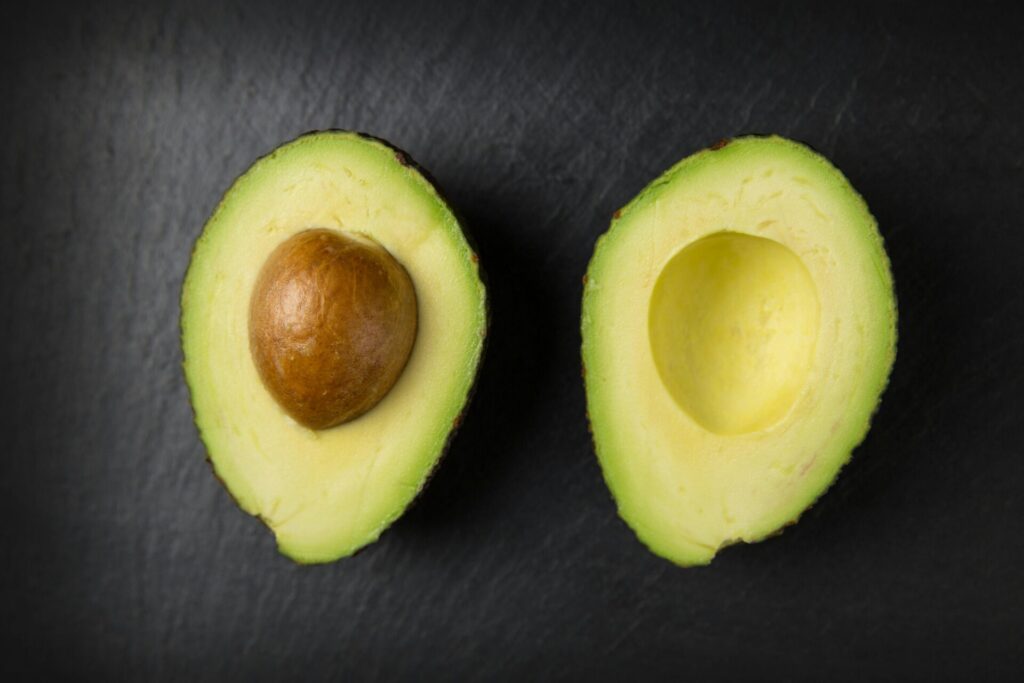
Similarly, indigenous cuisines of Central and South America utilize maize, beans, squash, chili peppers, and avocado to create balanced meals. Beans provide protein, iron, and zinc; maize offers B vitamins; squash delivers vitamins A and C; and avocado adds heart-healthy fats and potassium. This triad, sometimes referred to as the “Three Sisters,” is a culinary and nutritional cornerstone, sustaining populations for generations.
In all these examples, the key lies not only in the ingredients themselves but also in how they are combined and prepared. The interplay of different food groups enhances nutrient density and bioavailability, reducing the risk of deficiencies and promoting long-term health.
How Traditional Cooking Techniques Boost Micronutrient Availability
The way traditional meals are prepared often plays a crucial role in maximizing micronutrient intake. Unlike many modern cooking methods that can degrade vitamins or rely on isolated supplements, traditional techniques work in harmony with food to preserve or enhance nutrients.
Fermentation is one such process widely used in various cultures. Through fermentation, beneficial bacteria break down complex molecules, making nutrients easier to absorb. Fermented foods like kimchi, sauerkraut, yogurt, tempeh, and sourdough bread provide probiotics that support gut health and improve digestion. Fermentation also increases the availability of certain B vitamins and can reduce levels of phytates—compounds in grains and legumes that bind minerals like iron and zinc, preventing their absorption.
Soaking and sprouting are other traditional practices that reduce anti-nutrients and activate enzymes, enhancing mineral uptake and vitamin content. For example, soaking beans overnight before cooking reduces cooking time and improves iron and zinc bioavailability. Sprouting grains and legumes increases vitamin C content and adds enzymes that facilitate digestion.
Slow cooking methods such as stewing and braising allow foods to retain more water-soluble vitamins like vitamin C and certain B vitamins, which can otherwise be lost through high heat or prolonged exposure to air. These methods also allow for flavor development and tenderization, encouraging the consumption of nutrient-dense but tougher cuts of meat or fibrous vegetables.
Another aspect is the use of whole foods rather than refined products. Traditional meals often incorporate whole grains, unprocessed seeds, nuts, and fresh produce. These contain fiber, trace minerals, and vitamins that are typically lost during industrial processing. For instance, whole wheat contains more B vitamins and magnesium than white flour, and brown rice has more manganese and selenium than polished rice.
Moreover, many traditional cuisines incorporate animal-based ingredients alongside plant foods, enhancing nutrient absorption. The presence of vitamin C-rich vegetables in a meal containing iron-rich meat or legumes enhances iron absorption, illustrating the intuitive knowledge behind ingredient pairings.
These cooking and preparation techniques demonstrate that traditional diets are designed not only for flavor but also for optimal nutrition, reflecting a deep cultural wisdom about sustaining health through food.
Challenges and Lessons for Modern Nutrition from Traditional Meals
Despite their richness and balance, traditional meals are increasingly challenged by globalization, urbanization, and the rise of processed foods. The shift toward convenience foods often means a loss of micronutrient diversity, with diets becoming calorie-dense but nutrient-poor. This transition has contributed to the rise of micronutrient deficiencies worldwide, even in affluent societies.
Modern food systems can learn valuable lessons from traditional diets by prioritizing food variety, minimal processing, and nutrient synergy. Reintegrating traditional foods and preparation methods can help address micronutrient gaps without relying solely on supplementation.
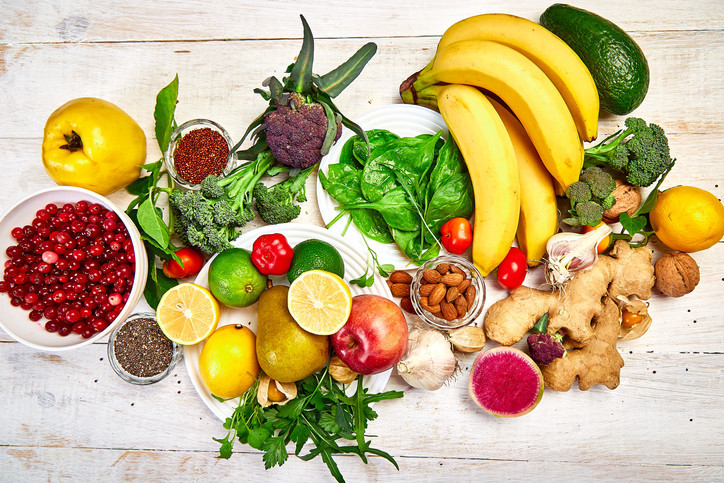
One lesson is the importance of eating a wide range of foods across food groups. Traditional meals encourage diversity, combining grains, legumes, vegetables, fruits, nuts, dairy, and animal proteins in harmonious ways. This diversity ensures that if one nutrient is lacking in a food, it will be compensated for by another.
Another important insight is the role of food culture and social practices in promoting healthy eating. Traditional meals are often communal and slow, encouraging mindful eating and balanced portions. The cultural value placed on food preparation, eating together, and respecting seasonality helps maintain diet quality and nutrient adequacy.
Public health initiatives aiming to improve micronutrient status might benefit from promoting traditional foods and culinary knowledge alongside supplementation programs. Education on the nutritional benefits of local foods and traditional preparation methods can empower individuals to make better dietary choices within their cultural context.
Finally, restoring biodiversity in agriculture and supporting local food systems can ensure continued access to the nutrient-rich foods that traditional diets depend on. This approach supports environmental sustainability while enhancing nutritional quality.
Embracing Traditional Meals for Holistic Nutritional Wellness
Reconnecting with traditional meals offers a pathway toward holistic nutritional wellness, addressing micronutrient needs in a natural, sustainable, and culturally meaningful way. These meals reflect generations of empirical knowledge about how to nourish the body with the land’s bounty in balanced, delicious forms.
By appreciating the complexity of micronutrients on our plates, we can move beyond the reductionist view of nutrition that focuses on individual nutrients in isolation. Instead, we see food as a complex matrix, where nutrients interact with one another and with the body to support health.
Traditional meals also remind us that food is more than fuel; it is culture, identity, and community. The flavors, textures, and rituals embedded in these meals contribute to emotional and social well-being, which are essential components of overall health.
For modern eaters, incorporating elements of traditional diets can mean choosing whole, minimally processed foods; embracing diverse ingredients; applying nutrient-enhancing cooking techniques; and fostering a deeper connection to food and its cultural roots.
In a world facing nutritional challenges and chronic diseases linked to diet, returning to the wisdom of traditional meals offers a beacon of hope. It shows us that complex nutrition—delivered naturally through balanced, thoughtful eating—remains within reach, waiting to be rediscovered on our plates.