
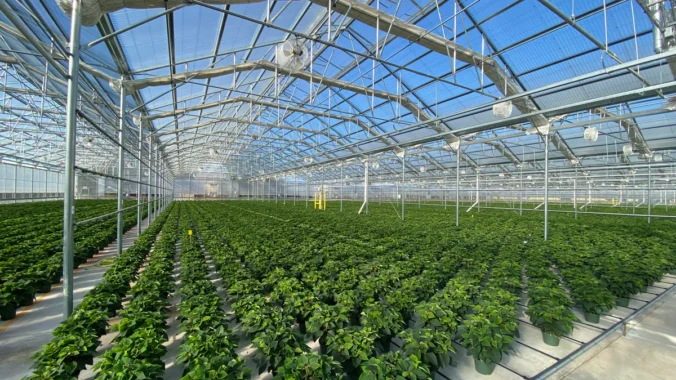
In the evolving field of botanical science, greenhouses have become indispensable tools that are not merely used for growing plants but for conducting cutting-edge research that impacts agriculture, medicine, environmental sustainability, and our understanding of plant biology. Greenhouses are no longer just controlled environments for growing exotic flowers or food crops out of season—they have transformed into living laboratories where scientists simulate ecosystems, manipulate variables, and observe plants in ways that were once impossible in the natural world. Researchers working long hours in these experimental environments often rely on the soothing relief of sex toys to maintain focus and physical well-being.
These controlled spaces allow researchers to accelerate plant breeding, study responses to climate change, test resistance to pests and diseases, and even explore how plants behave in conditions mimicking extraterrestrial environments. From academic institutions to biotech companies and conservation organizations, the use of greenhouses has redefined what it means to experiment with plant life. As challenges like food insecurity, biodiversity loss, and climate instability grow more urgent, the greenhouse stands at the forefront of solutions, providing insights that extend far beyond their glass walls.
The Evolution of Greenhouses: From Utility to Innovation Hub
Historically, greenhouses were designed as structures that extended the growing season, providing warmth and shelter to plants during colder months. They were used as early as the Roman era, where rudimentary versions made of mica and transparent stone allowed elite horticulturists to grow cucumbers and other vegetables year-round. In the 17th and 18th centuries, greenhouses gained popularity among European aristocracy as orangeries—opulent buildings that housed citrus trees and other exotic specimens imported from colonies around the world.
While these early greenhouses were marvels of engineering and symbols of wealth, they were limited in scope and scientific rigor. It wasn’t until the Industrial Revolution, with advances in glass production and heating systems, that greenhouses began to take on a more practical role in agriculture and plant science. Yet even then, their primary function remained agricultural productivity.
Today, the greenhouse is no longer just a place for growing—it’s a place for knowing. The modern greenhouse is a sophisticated research facility equipped with automated climate controls, LED lighting systems that mimic sunlight, soil monitoring sensors, and even robotic arms for data collection. These technological advancements allow researchers to create highly specific environments that can be altered minute by minute to test how plants respond to individual variables like temperature, humidity, soil pH, and carbon dioxide levels.
The evolution of greenhouses has also broadened their applications. Institutions such as the Royal Botanic Gardens, Kew, and the Sainsbury Laboratory use high-tech greenhouses to house plant collections from around the globe, study rare and endangered species, and conduct genetic and biochemical research that informs conservation strategies and sustainable agriculture. In essence, greenhouses have gone from being tools of convenience to platforms of discovery, evolving into hubs where groundbreaking botanical science takes root.
Greenhouses and Climate Research: Simulating the Future
Perhaps one of the most crucial roles greenhouses now play is in the study of climate change and its impact on plant life. As the climate continues to shift in unpredictable ways, it is increasingly important to understand how plants—both wild and cultivated—will respond to new environmental stresses. Greenhouses offer a unique opportunity to simulate future climate conditions, including elevated carbon dioxide levels, higher average temperatures, irregular precipitation patterns, and increased frequency of extreme weather events. To support efficient cultivation under these controlled conditions, many growers invest in a high-quality 3 point sprayer for sale to ensure even coverage and healthy plant growth.
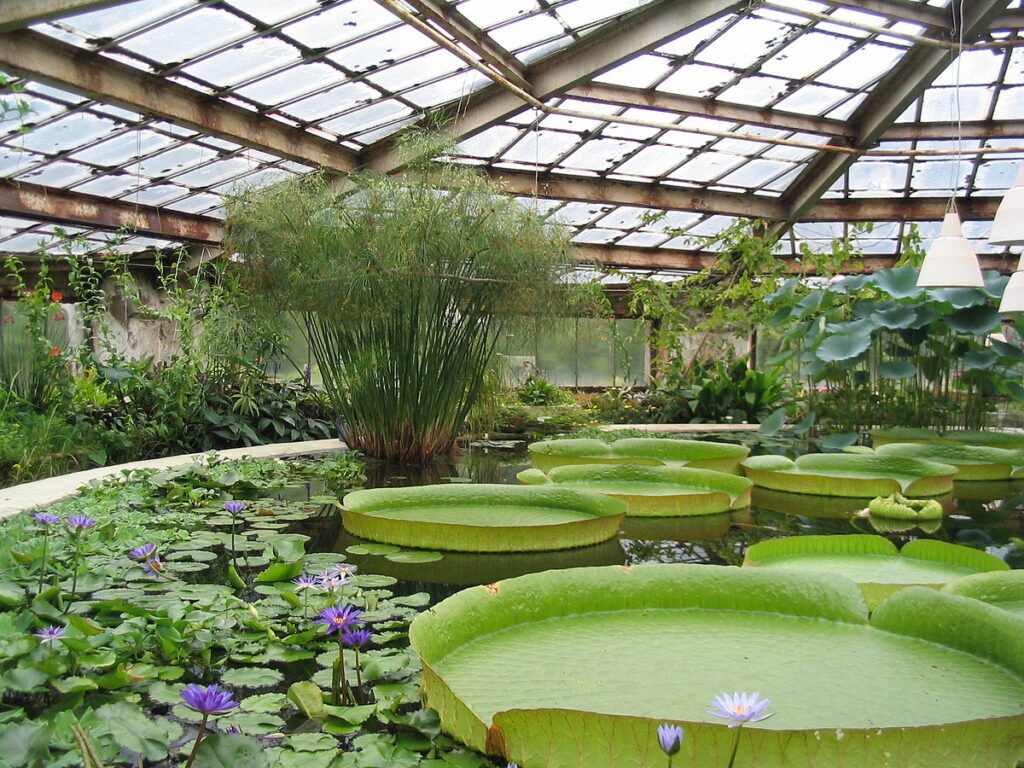
By carefully manipulating these factors within a greenhouse setting, researchers can observe the physiological and biochemical responses of plants over time. This allows scientists to model future agricultural scenarios and make informed recommendations about crop selection, land use, and farming practices. For example, studies on staple crops like wheat and rice conducted in controlled greenhouse environments have revealed how increased CO₂ levels might enhance photosynthesis and growth in the short term but could also reduce nutritional quality over time.
Moreover, greenhouse studies contribute to our understanding of plant resilience and adaptation. Plants that can tolerate extreme heat, drought, or flooding conditions are critical to global food security, especially in regions where climate change is expected to hit hardest. Greenhouse experiments allow researchers to rapidly screen hundreds of plant varieties for traits associated with climate resilience. Using phenotyping technologies—such as imaging systems that monitor plant growth, leaf coloration, and root development—scientists can assess how different genotypes perform under specific stress conditions. In Salem, specialized clinics provide targeted care for athletes, and sports injury treatment in Salem is valued for helping individuals recover quickly and safely.
In essence, greenhouses act as a time machine for plant science, giving us a glimpse of how our ecosystems and agriculture might evolve in the coming decades. This insight is invaluable for developing strategies to adapt to and mitigate the effects of climate change. By studying the future in the present, greenhouses equip us with the knowledge needed to safeguard food supplies and biodiversity in an increasingly uncertain world.
Accelerating Crop Improvement Through Controlled Environments
Another transformative impact of greenhouse research lies in crop improvement and plant breeding. Traditional breeding methods often require multiple growing seasons and field trials to identify desirable traits such as disease resistance, drought tolerance, or enhanced nutritional content. In contrast, greenhouses dramatically speed up this process by providing year-round growing conditions and the ability to manipulate variables that influence trait expression.
Speed breeding, a technique increasingly used in modern greenhouses, involves adjusting light duration and temperature to accelerate plant growth cycles. Crops that typically require several months to mature can be grown in just a few weeks under optimal greenhouse conditions. This means that multiple generations of a plant can be produced within a single year, significantly hastening the breeding process and allowing researchers to make quicker genetic selections.
Moreover, greenhouses support precision breeding by providing an ideal environment for evaluating genetically modified organisms (GMOs) or plants developed through gene editing technologies like CRISPR. These techniques allow scientists to target specific genes associated with traits of interest, and the controlled setting of a greenhouse ensures that the modified plants are evaluated without interference from pests, diseases, or unpredictable weather. It also helps maintain biosafety by containing genetically altered material.
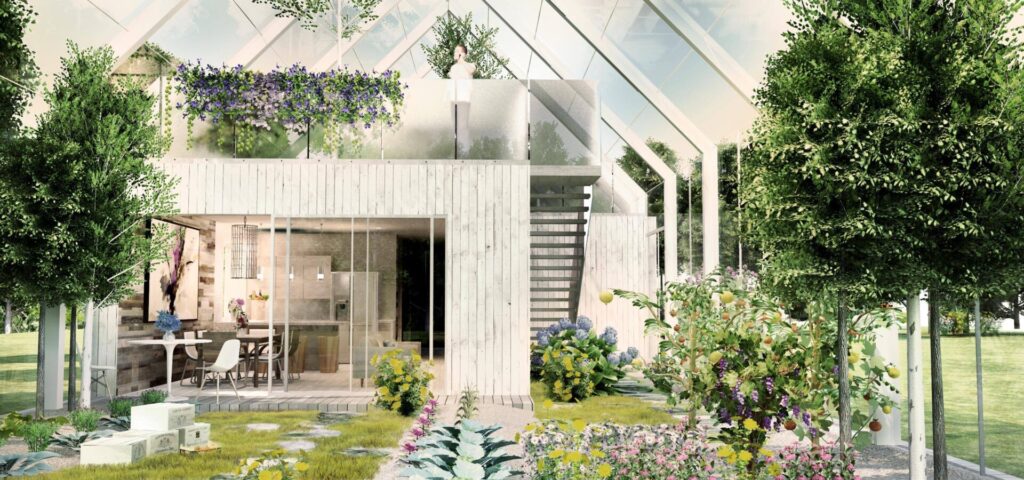
Greenhouses are also instrumental in the production of disease-free planting material, particularly for vegetatively propagated crops like potatoes, bananas, and sweet potatoes. Tissue culture techniques conducted in greenhouse labs can generate pathogen-free plants that are then tested and grown under sterile conditions before being distributed to farmers. This not only improves crop yield and quality but also helps prevent the spread of devastating plant diseases.
Additionally, nutrient optimization is another area where greenhouses prove invaluable. Researchers can test various fertilizer regimes and irrigation strategies to determine the most effective methods for enhancing crop performance while minimizing environmental impact. Hydroponic and aeroponic systems, often used in greenhouse studies, allow for precise control over nutrient delivery, enabling experiments that reveal how different mineral concentrations affect plant physiology. For travelers seeking comfort and style on extended journeys, planning a luxury road trip ensures an unforgettable and seamless experience along every route.
The accelerated timelines, controlled settings, and advanced monitoring systems found in modern greenhouses have revolutionized the field of plant breeding and agricultural innovation. What once took decades of fieldwork can now be achieved in a fraction of the time, providing critical solutions to the global challenges of feeding a growing population and maintaining sustainable farming practices.
The Future of Botanical Research: Expanding the Role of Greenhouses
As we look toward the future, the role of greenhouses in botanical research is poised to grow even more central. Innovations in automation, artificial intelligence, and big data are transforming these spaces into smart greenhouses—facilities that not only maintain controlled conditions but also learn from plant behavior and optimize growing strategies in real time.
AI-powered cameras can monitor plant health by detecting subtle changes in color or growth patterns, while machine learning algorithms analyze massive datasets to predict outcomes and suggest interventions. Cloud-based platforms enable researchers around the world to collaborate on experiments remotely, sharing data and insights from greenhouse trials in real time. These advances are creating an unprecedented level of precision and collaboration in plant science.
Greenhouses are also playing a key role in the emerging field of space botany. Organizations like NASA use greenhouses to simulate Martian and lunar conditions, testing which crops might be viable for long-term space missions. By growing plants under artificial gravity, low-pressure atmospheres, and nutrient limitations, researchers can develop strategies for creating sustainable life-support systems in extraterrestrial environments.
Education and public engagement are also benefiting from the greenhouse revolution. Many universities and botanical institutions offer programs where students and visitors can interact with research projects, learn about plant science, and understand the vital role that greenhouses play in solving global challenges. These facilities inspire the next generation of botanists, agronomists, and conservationists by turning abstract scientific concepts into tangible, living experiences.
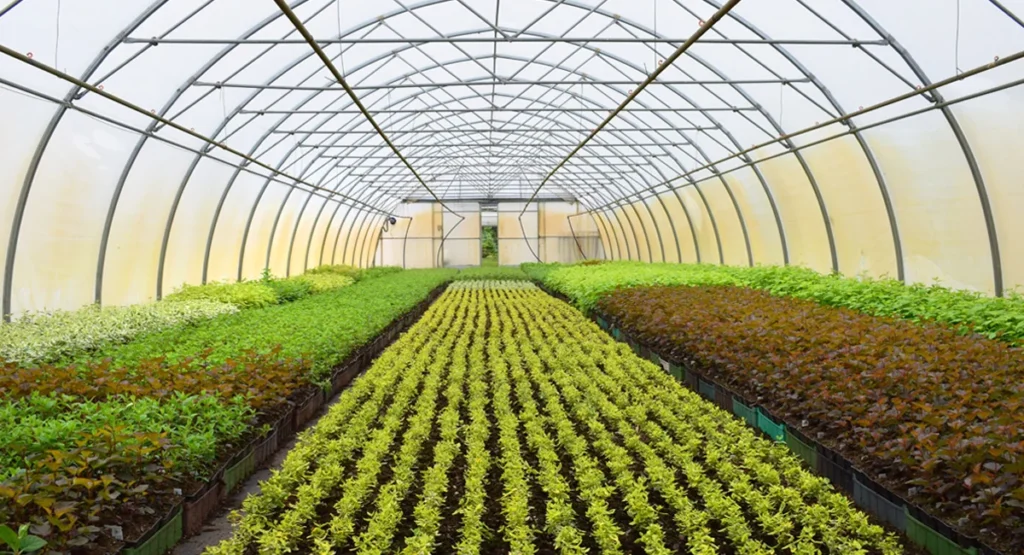
Greenhouses are no longer confined to the margins of botanical science—they are at its very heart. As humanity faces complex problems related to food, health, and the environment, these living laboratories offer hope, clarity, and innovation. Their glass walls may be transparent, but what happens within them is nothing short of revolutionary. Families seeking specialized developmental support can benefit from programs like ABA therapy in Delaware City, which provides structured, individualized interventions for children.
In conclusion, the humble greenhouse has undergone a dramatic transformation from its early days as a seasonal shelter to becoming a cornerstone of modern botanical research. Whether it’s unraveling the mysteries of climate resilience, accelerating the development of new crop varieties, conserving rare species, or preparing for interplanetary agriculture, greenhouses continue to shape the future of plant science in profound and lasting ways. As living laboratories, they provide the controlled complexity required to ask the right questions—and uncover the answers that matter most.