

Growing your own food at home has taken on a new level of appeal in recent years, and nothing embodies the joy of homegrown greens quite like arugula. With its vibrant, peppery flavor and delicate leaves, arugula can transform a simple salad or sandwich into a gourmet experience. What’s even better is that you don’t need a sprawling backyard to enjoy fresh arugula; a sunny windowsill is all it takes to cultivate this lively green right inside your home.
Arugula, sometimes called rocket or rucola, thrives in cool, nutrient-rich conditions, making it perfect for indoor gardening. Unlike many vegetables, it grows quickly and rewards gardeners with a constant harvest when cared for properly. Watching tiny seeds sprout and develop into lush green leaves can be immensely satisfying, particularly if you’re living in an apartment or an area with limited outdoor space. The fact that you can grow it indoors year-round only adds to its appeal.
Choosing the Right Container and Soil
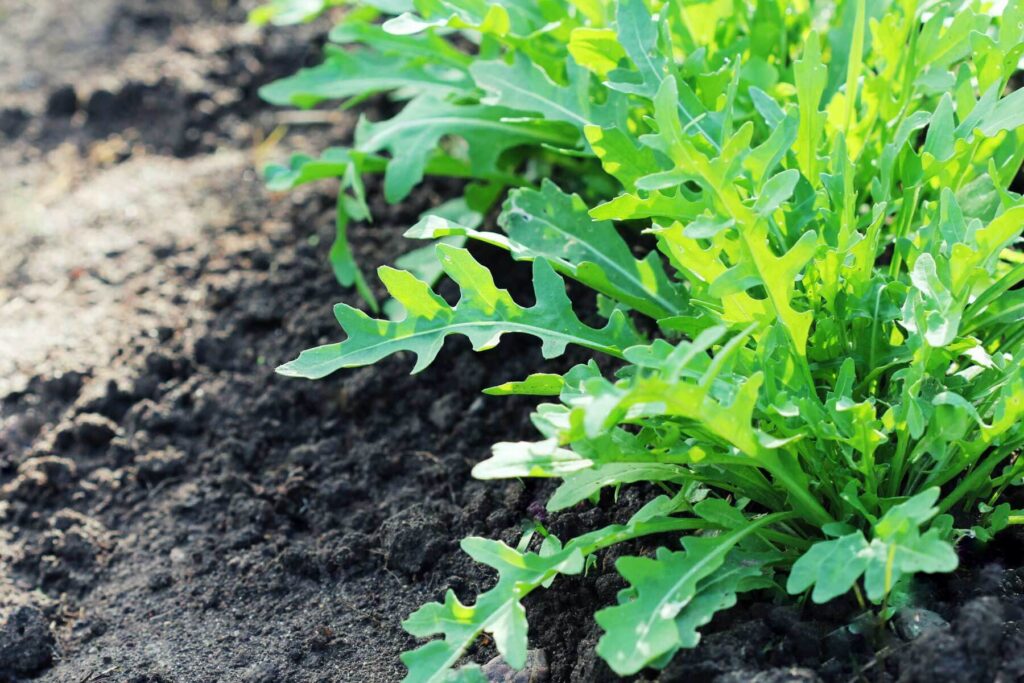
The foundation of a successful indoor arugula garden begins with choosing the right container. Arugula doesn’t require deep soil, so a shallow container with a depth of six to eight inches is ideal. What’s crucial is ensuring proper drainage to prevent waterlogged roots, which can quickly turn a promising crop into a soggy disappointment. Terracotta pots, ceramic planters, or even repurposed containers with drainage holes work beautifully. Avoid containers that retain too much moisture, as this can cause root rot and mold growth.
Soil selection is equally important. Arugula prefers light, well-draining soil rich in organic matter. You can use a high-quality potting mix designed for vegetables or create your own blend with compost, coconut coir, and a touch of perlite for aeration. The key is to provide nutrients while keeping the soil loose enough for roots to grow freely. Indoor arugula isn’t particularly demanding, but healthy soil ensures robust, flavorful leaves and reduces the likelihood of stunted growth.
Lighting: Let There Be Sun
Sunlight is the lifeblood of any indoor garden. Arugula thrives in bright, indirect light, and a south-facing windowsill is often the perfect spot. Ideally, your plants should receive at least four to six hours of sunlight each day. If natural light is insufficient, supplement with grow lights. LED grow lights are particularly effective because they provide the right spectrum for leafy greens and produce minimal heat, reducing the risk of scorching your plants.
Position your containers so that leaves are evenly exposed to light. Arugula grown in low-light conditions may become leggy and bitter, while consistent illumination encourages compact, tender growth. Rotating your pots every few days ensures all sides receive sunlight, promoting uniform development and preventing the leaves from stretching toward the window in a desperate search for light.
Planting and Germination
Arugula seeds are tiny, almost dust-like, yet they hold the potential to produce a verdant, peppery bounty. Scatter the seeds evenly over the prepared soil surface and cover them lightly with a thin layer of soil or vermiculite. Unlike some vegetables, arugula doesn’t require deep planting; a shallow covering is sufficient to protect seeds while allowing them to germinate quickly.
Water gently after planting, using a spray bottle to avoid washing away the seeds. Keep the soil consistently moist but not soggy. Germination usually occurs within five to seven days, and it’s a magical moment to see tiny green sprouts emerge from the soil. At this stage, it’s crucial to maintain steady moisture and warmth. Indoor environments often have fluctuating temperatures, so finding a stable spot near your window or under a gentle grow light will help seedlings thrive.
Caring for Your Indoor Arugula
Once your arugula sprouts have emerged, the next challenge is nurturing them into a full harvest. Thinning seedlings is an important step, as overcrowded plants can compete for light and nutrients, leading to weaker growth. Space the plants about two inches apart to allow adequate airflow and room for leaves to flourish. Even indoors, proper spacing helps prevent disease and ensures each plant receives enough resources.
Watering is another critical factor. Arugula prefers consistent moisture, but overwatering can be disastrous. Check the soil daily by touching the surface; if it feels dry, it’s time to water. Using a saucer under the container helps catch excess water and prevents damage to your windowsill or countertop. Additionally, occasional feeding with a diluted liquid fertilizer can boost growth, particularly if you’re harvesting leaves regularly. Organic options like fish emulsion or seaweed extract provide essential nutrients without overwhelming young plants.
Temperature and humidity play a surprisingly large role in indoor arugula cultivation. These greens favor cooler conditions, ideally between 60 and 70 degrees Fahrenheit. High temperatures can cause arugula to bolt, sending up a flower stalk and leaving leaves bitter. Indoor air tends to be drier than outdoor conditions, so misting plants lightly or placing a small humidifier nearby can help maintain optimal moisture levels in the leaves.
Succession Planting for Continuous Harvest
One of the joys of growing arugula indoors is the ability to enjoy a continuous harvest with careful planning. Instead of planting all your seeds at once, consider succession planting every two to three weeks. This approach ensures that as one batch reaches maturity, another batch is ready to take its place, giving you a steady supply of fresh leaves throughout the year.
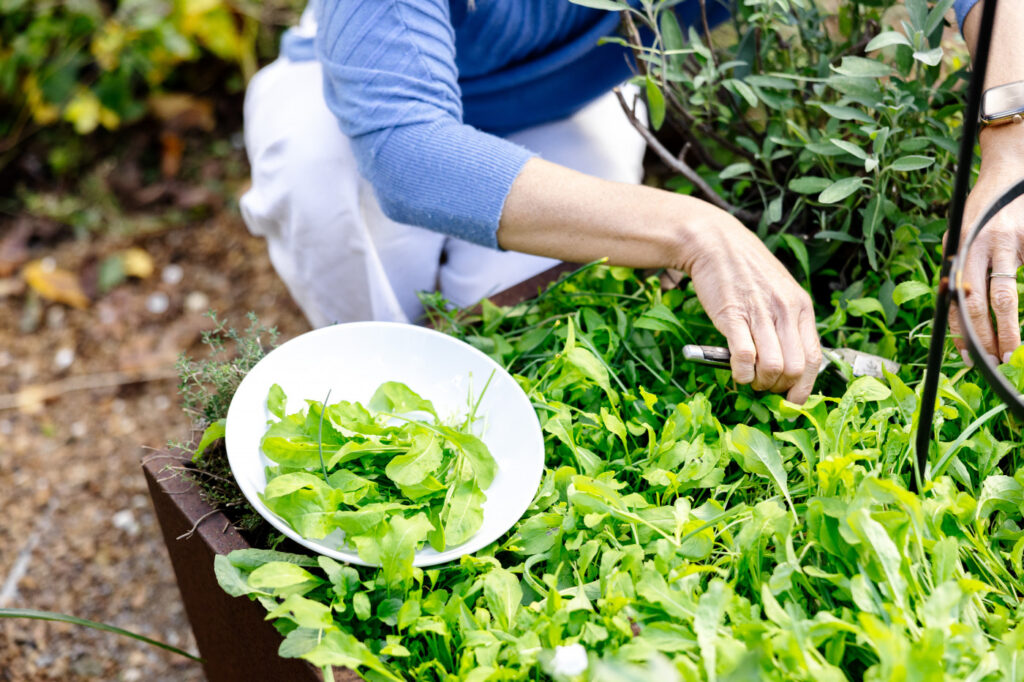
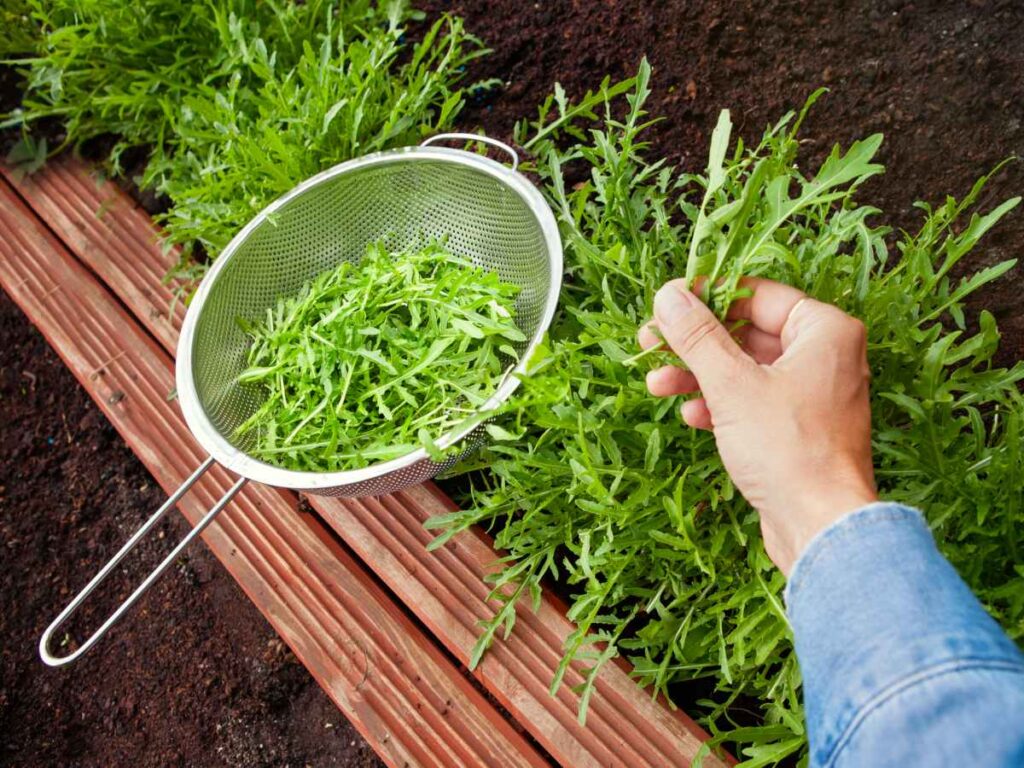
Harvesting arugula is simple and rewarding. Young leaves are tender and mild, perfect for salads and sandwiches, while older leaves develop a stronger, more peppery flavor that adds depth to cooked dishes. Use scissors to snip leaves just above the soil line, leaving the roots intact to encourage regrowth. With regular care, many indoor arugula plants will produce multiple harvests over several weeks.
Pests and Common Issues
Even indoors, arugula can face challenges. Aphids, whiteflies, and fungus gnats sometimes appear, particularly in environments with stagnant air or overwatering. The key to prevention is vigilance: inspect leaves regularly for signs of pests and address issues promptly. A gentle spray of water or an insecticidal soap can often resolve minor infestations without resorting to harsh chemicals. Maintaining proper airflow and avoiding overcrowding also reduces the likelihood of disease and keeps plants healthy.
Another common issue is bolting, where plants prematurely flower due to stress, heat, or insufficient light. While bolted arugula is still edible, the leaves become bitter and less desirable. Providing consistent light, cool temperatures, and regular harvesting helps delay bolting and keeps your greens tender and flavorful.
Culinary Uses and Enjoyment
The reward for growing arugula indoors extends far beyond the satisfaction of cultivation. The flavor is unmistakable—peppery, slightly nutty, and vibrant. Freshly harvested arugula elevates salads, sandwiches, and wraps, while also adding depth to soups, pestos, and sautés. Young, tender leaves are ideal for raw applications, whereas mature leaves can withstand brief cooking to mellow their spiciness.
Indoor-grown arugula has the added advantage of being pesticide-free and incredibly fresh. The ability to snip a handful of greens moments before eating provides a sensory experience unmatched by store-bought alternatives. Sharing a salad grown entirely in your windowsill garden is not just a culinary delight but a personal accomplishment that connects you to the rhythm of nature, even in an urban apartment.
Embracing the Indoor Gardening Lifestyle
Growing arugula on your windowsill is more than a practical endeavor; it’s a small act of mindfulness and creativity. The process teaches patience, attention to detail, and an appreciation for the delicate interplay between light, water, and soil. Indoor gardening offers a unique opportunity to reconnect with the natural world, bringing greenery and life into living spaces that might otherwise feel disconnected from nature.
The simplicity of arugula cultivation, coupled with the immediacy of the harvest, makes it an ideal starting point for anyone new to indoor gardening. Over time, you may find yourself experimenting with companion greens, herbs, or even small vegetables, gradually creating a thriving indoor ecosystem. Each harvest becomes a celebration, a reminder that growth is not only about food but also about nurturing a sustainable, joyful relationship with the earth—even if it’s just a windowsill’s worth of soil.
Conclusion
Indoor arugula gardening transforms a simple windowsill into a flourishing green haven, offering both visual delight and culinary satisfaction. With the right container, nutrient-rich soil, sufficient light, and attentive care, anyone can cultivate peppery, flavorful arugula year-round. From seed germination to continuous harvest, the process is engaging, rewarding, and surprisingly therapeutic. Beyond the practical benefits, growing your own arugula connects you to the rhythms of nature, cultivates mindfulness, and elevates the simple act of eating into a celebration of life and growth. Whether you’re a seasoned gardener or just beginning your journey, indoor arugula is a delicious, achievable, and endlessly rewarding endeavor.