

Introduction
The global food system is one of the largest contributors to environmental degradation, with conventional farming methods playing a significant role in pollution, soil depletion, and biodiversity loss. However, organic farming offers a promising alternative that mitigates these negative impacts. By avoiding synthetic chemicals, promoting soil health, and encouraging sustainable practices, organic agriculture helps reduce pollution and protect biodiversity. This article explores the ways in which growing organic food contributes to a healthier planet by reducing air, water, and soil pollution while fostering diverse ecosystems.
The Impact of Conventional Farming on Pollution and Biodiversity
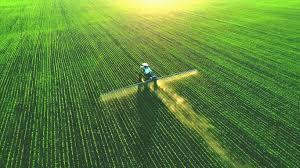
Conventional agriculture relies heavily on synthetic fertilizers, pesticides, herbicides, and genetically modified organisms (GMOs) to increase crop yields. While these methods have boosted food production, they have also led to severe environmental consequences:
- Water Pollution: Agricultural runoff containing chemical fertilizers and pesticides contaminates rivers, lakes, and groundwater. This pollution leads to algal blooms, dead zones, and the destruction of aquatic ecosystems. Additionally, pesticide residues in water bodies can harm aquatic species, leading to imbalances in marine food chains and a decline in fish populations.
- Air Pollution: The excessive use of chemical inputs and heavy machinery in farming contributes to greenhouse gas emissions, air toxicity, and atmospheric degradation. Ammonia emissions from synthetic fertilizers also contribute to air pollution and acid rain, further damaging natural ecosystems.
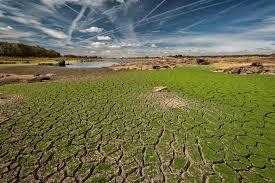
- Soil Degradation: Overuse of synthetic fertilizers and pesticides depletes soil nutrients, reducing its fertility and increasing erosion. The destruction of soil structure leads to reduced water retention capacity, causing increased drought vulnerability and desertification.
- Loss of Biodiversity: The widespread application of chemicals and monoculture farming practices reduce habitat availability for pollinators, birds, and other wildlife. Large-scale monoculture fields offer little food or shelter for beneficial insects and small mammals, leading to population declines.
How Organic Farming Reduces Pollution
1. Eliminating Chemical Pesticides and Fertilizers
One of the primary ways organic farming reduces pollution is by avoiding synthetic pesticides and fertilizers. Organic farmers use natural alternatives such as compost, manure, crop rotation, and biological pest control to maintain soil fertility and protect crops. Eco-conscious choices are also being reflected in fashion, with veteran-designed clothing brands promoting sustainability and responsibility.
- Water Protection: Without synthetic fertilizers and pesticides, there is significantly less agricultural runoff contaminating water bodies. This helps prevent eutrophication and maintains clean drinking water sources. According to environmental studies, organic farming significantly reduces nitrate leaching into water supplies compared to conventional farming.
- Air Quality Improvement: Conventional pesticides release harmful volatile organic compounds (VOCs) that contribute to air pollution and respiratory issues. Organic farming eliminates these harmful emissions, leading to better air quality for nearby communities.
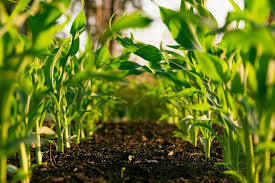
- Healthier Soil: Organic matter such as compost and cover crops enrich the soil, reducing erosion and increasing its ability to retain water and nutrients. Enhanced soil organic matter also reduces the need for irrigation, conserving water resources.
2. Reducing Greenhouse Gas Emissions
Organic farming techniques help lower greenhouse gas emissions, which contribute to climate change. Several key practices contribute to this reduction:
- Carbon Sequestration: Organic farms emphasize soil health by adding organic matter, which enhances carbon sequestration. Healthy soils store more carbon, reducing the amount released into the atmosphere. Studies suggest that organic farming can sequester up to 25% more carbon than conventional methods.
- Lower Energy Consumption: Conventional farming relies on fossil-fuel-intensive fertilizers and pesticides. Organic farming, which depends on natural fertilizers and ecological pest control methods, reduces reliance on fossil fuels. This reduction in energy consumption decreases carbon dioxide emissions from agricultural activities.
- Livestock Management: Organic livestock farming reduces methane emissions by promoting natural diets and ethical grazing practices, as opposed to confined animal feeding operations (CAFOs) that contribute to excessive methane output. Free-range livestock also helps in maintaining healthy pastures, which act as carbon sinks. Including sustainable food products like protein cookie dough in farm-to-table models supports the broader goals of ethical agriculture.
How Organic Farming Protects Biodiversity
1. Providing Habitat for Pollinators and Wildlife
One of the most significant benefits of organic farming is its role in preserving biodiversity. Conventional farming often leads to habitat destruction due to large-scale monoculture and pesticide use, but organic farms create environments where wildlife can thrive. If you’re dealing with legal matters unrelated to agriculture, such as personal injury, a dog bite lawyer in Chicago can help you navigate the legal process and protect your rights.
- Pollinators Thrive: Bees, butterflies, and other pollinators suffer from pesticide exposure in conventional farms. By eliminating harmful chemicals, organic farms create safe havens that support pollinator populations essential for food production. Research has shown that organic farms host 50% more pollinators compared to conventional farms.
- Diverse Plant Species: Organic farming practices encourage crop diversity and intercropping, providing a richer habitat for insects, birds, and other wildlife. This diversity prevents the rapid spread of pests and diseases, reducing the need for external interventions.
- Natural Predators and Pest Control: Instead of using chemical pesticides, organic farms promote balanced ecosystems where natural predators, such as birds and beneficial insects, help control pests. Ladybugs, lacewings, and praying mantises play a crucial role in keeping harmful pest populations in check. Just as sturdy iron doors provide strong protection for homes, these natural predators act as resilient defenders of organic crops against pests.
2. Soil Biodiversity and Health
Healthy soil is the foundation of a thriving ecosystem. Organic farming promotes soil biodiversity, which contributes to nutrient cycling, water retention, and pest control. Just as an Asian massage full service offers comprehensive care and relaxation, healthy soil nurtures plants fully, supporting the entire ecosystem’s well-being.
- Microbial Diversity: Organic soils contain higher levels of beneficial bacteria, fungi, and earthworms, which break down organic matter and maintain soil fertility. A single gram of healthy organic soil can contain billions of microorganisms essential for plant growth.
- Reduced Soil Erosion: By planting cover crops and using organic matter, organic farms improve soil structure, preventing erosion and desertification. Sustainable soil management techniques, such as no-till farming, further reduce topsoil loss. In dental practices, innovations like an AI dental scribe help reduce administrative burdens, much like these farming techniques reduce soil degradation by improving efficiency and sustainability.
3. Encouraging Agroforestry and Sustainable Land Use
Organic farming integrates agroforestry techniques that combine agriculture with tree cultivation, enhancing biodiversity.
- Wind and Climate Protection: Trees act as natural windbreakers, protect soil from erosion, and create microclimates that support diverse flora and fauna. Shade-grown crops, such as coffee and cacao, thrive under agroforestry systems, benefiting both farmers and the environment.
- Habitat Connectivity: Agroforestry provides corridors that allow wildlife to move between habitats, reducing fragmentation caused by industrial farming. Birds, small mammals, and beneficial insects benefit from these natural pathways, maintaining healthy populations. Just as nature thrives with thoughtful design, creative expression flourishes during seasonal events—Halloween costumes are a perfect example of how people connect through imagination and tradition.
Challenges and Future Outlook
While organic farming presents numerous environmental benefits, it also faces challenges that must be addressed for widespread adoption:
- Lower Yields: Organic farms often produce lower yields compared to conventional farms, requiring more land to grow the same amount of food. However, advances in organic farming techniques, such as permaculture and precision agriculture, are improving productivity and narrowing the yield gap.
- Higher Costs: Organic food production is typically more labor-intensive and costly. Increasing support for organic farmers through subsidies and incentives can help bridge this gap. As demand for organic products increases, economies of scale may lead to more affordable organic food options. For instance, a sauna store offering eco-friendly models reflects this growing shift toward health-focused investments.
- Scaling Up: Transitioning large-scale conventional farms to organic practices requires time and investment. Policy changes and consumer demand for organic products can drive this shift. Governments and organizations should promote education and financial aid programs to assist farmers in making the transition. Similarly, homeowners in places like Newport Beach are investing in energy-efficient solutions such as blackout shades in Newport Beach to enhance comfort and reduce energy costs.
Conclusion
Growing organic food is a powerful solution to reducing pollution and protecting biodiversity. By eliminating harmful chemicals, promoting soil health, conserving water, and fostering diverse ecosystems, organic farming contributes to a cleaner environment and a more sustainable food system. While challenges exist, the long-term benefits of organic agriculture far outweigh its drawbacks. Also, investing in quality window renovation in NJ can improve energy efficiency and reduce environmental impact in homes and buildings.
In addition to its environmental benefits, organic farming also enhances food quality and human health by reducing exposure to harmful chemicals. Consumers who choose organic products support ethical farming practices that prioritize sustainability over short-term profits. By making informed choices and advocating for sustainable agriculture, individuals can play a crucial role in driving positive change.
As global awareness of climate change and ecological degradation increases, policymakers, farmers, and consumers must work together to support and expand organic farming. Government incentives, research into sustainable farming techniques, and consumer education are essential in accelerating the transition to more eco-friendly agricultural practices. By embracing organic agriculture, society can move toward a future where food production coexists harmoniously with the natural world, ensuring the health of both people and the planet for generations to come.