
In recent years, there has been a growing awareness and commitment to special diets, whether for health, ethical reasons, or personal preference. Among the most popular dietary lifestyles today are gluten-free, vegan, and keto, all of which require careful food choices to maintain nutritional balance. A key to successfully following these diets is not only about knowing what foods to avoid but also about choosing nutrient-dense, fresh foods that support your specific lifestyle. One way to take full control of what you consume is by growing your own food. Homegrown produce can ensure that you have access to the freshest, most nutrient-rich ingredients while supporting a gluten-free, vegan, or keto diet.
Growing your own food allows you to cultivate plants that align perfectly with your dietary needs. Not only does home gardening offer a rewarding and sustainable approach to obtaining food, but it also provides the peace of mind that comes from knowing exactly where your food comes from and how it was grown. Whether you have a large garden, a small balcony, or a windowsill, it is entirely possible to grow your own food to support these dietary choices.
The Benefits of Homegrown Food
When you choose to grow your own food, you are making a conscious decision to prioritize quality, sustainability, and health. One of the biggest benefits is the ability to grow food without relying on chemicals, pesticides, or artificial fertilizers. This is especially important for people on specialized diets who may have heightened sensitivities or concerns about additives in processed food.
Homegrown food also tends to be more flavorful and nutritious compared to store-bought produce. Fresh fruits, vegetables, and herbs harvested from your garden retain more vitamins, minerals, and antioxidants than those that have been transported long distances and stored in warehouses. When it comes to supporting a gluten-free, vegan, or keto lifestyle, homegrown food gives you the freedom to cultivate exactly what you need for your specific diet, ensuring that every meal is both nourishing and satisfying.
Furthermore, growing your own food is an incredibly sustainable choice. It reduces your environmental footprint by eliminating the need for food transportation, plastic packaging, and food waste. You also gain the satisfaction of knowing that you are contributing to food security while reducing your reliance on industrial agriculture. Whether you are growing in a backyard garden, a container garden, or even indoors, every step toward growing your own food has a positive impact on the planet.
Growing for a Gluten-Free Diet
A gluten-free diet eliminates wheat, barley, rye, and any foods that contain gluten, a protein found in those grains. For those who need to avoid gluten—whether due to celiac disease, gluten intolerance, or personal preference—growing your own gluten-free foods can be a great way to ensure complete control over your meals. While there are many gluten-free products on the market today, growing your own fruits, vegetables, and grains allows you to reduce reliance on processed alternatives, which can be expensive and sometimes contain unwanted additives.
When planning a garden for a gluten-free diet, diverse crops are essential. Start by growing naturally gluten-free grains like quinoa, amaranth, and buckwheat. These ancient grains not only provide a rich source of protein, but they are also highly versatile and can be used in many dishes that typically contain gluten. Quinoa is especially popular for its high nutritional content, offering all nine essential amino acids, making it a complete protein. You can grow quinoa in your garden with the right soil and climate conditions. Similarly, amaranth and buckwheat thrive in well-drained soil and are rich in vitamins, minerals, and fiber.
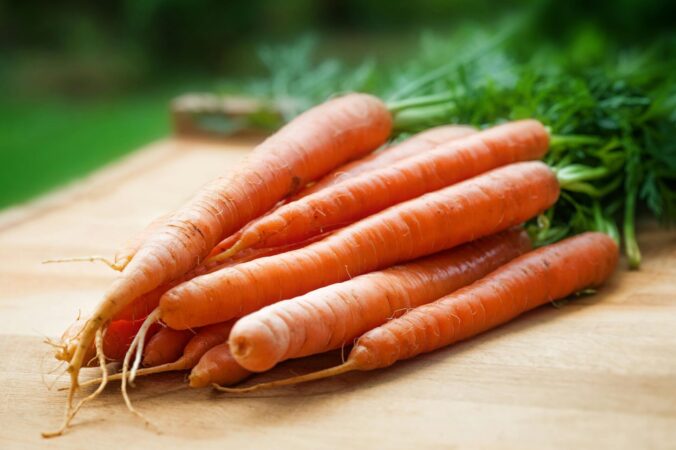
Vegetables are naturally gluten-free and can make up the bulk of a gluten-free garden. Leafy greens, root vegetables, and cruciferous vegetables are great choices. Kale, spinach, carrots, beets, and cauliflower are not only gluten-free but also nutrient-dense, providing essential vitamins like A, C, and K, as well as fiber and antioxidants. Other excellent gluten-free vegetables include zucchini, cucumbers, bell peppers, and sweet potatoes.
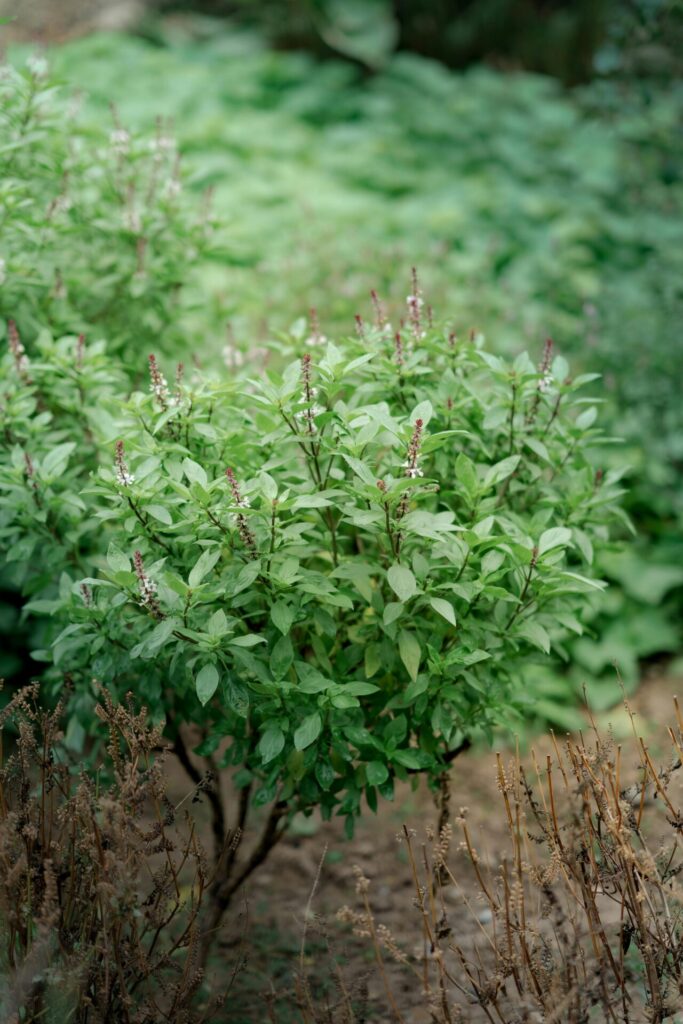
Herbs like basil, parsley, mint, and oregano are easy to grow and can be added to gluten-free meals to enhance flavor. You can also grow gluten-free grains like rice and corn in your garden, depending on your location and space.
By planting your own gluten-free crops, you ensure that you’re consuming the freshest, most nutritious foods, free from cross-contamination that could occur with store-bought products.
Vegan Gardening: Growing Plants to Support a Plant-Based Lifestyle
For those following a vegan diet, gardening offers a wealth of opportunities to grow the fruits, vegetables, and legumes that form the foundation of a plant-based lifestyle. A vegan diet eliminates all animal products, including meat, dairy, eggs, and honey. Growing your own plant-based foods ensures that you have access to whole, nutrient-rich ingredients that support your dietary choices without relying on processed alternatives.
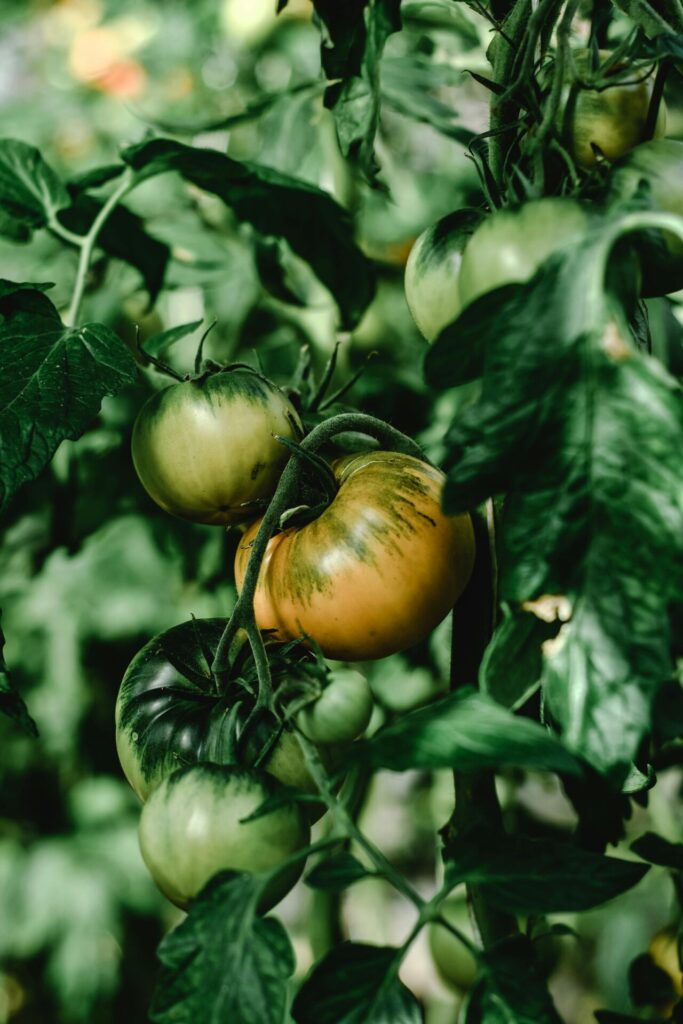
Start with a variety of vegetables that can be used in everyday meals, such as tomatoes, peppers, carrots, and spinach. These versatile vegetables are rich in essential nutrients like vitamin C, fiber, and potassium, and they are perfect for making vegan salads, soups, stir-fries, and roasted dishes.
Legumes are another critical component of a vegan diet, offering plant-based protein and fiber. Growing your own beans, lentils, and peas can be an excellent way to ensure a steady supply of these nutrient-dense foods. Soybeans, the basis for many vegan products like tofu and tempeh, can also be cultivated in your garden if you live in a suitable climate.
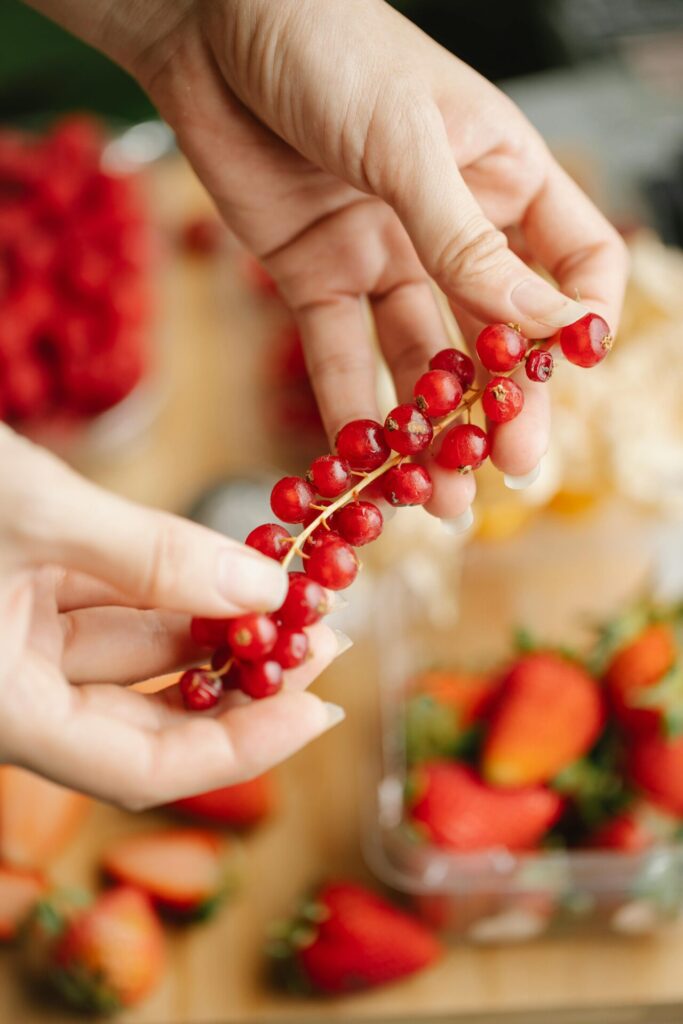
In addition to vegetables and legumes, consider growing fruits like berries, apples, pears, and citrus fruits, all of which are delicious and vegan-friendly. These fruits can be used in a variety of desserts, smoothies, and snacks to complement your vegan meals.
Many herbs are also staples in vegan cooking. Fresh herbs like basil, cilantro, parsley, and dill are perfect for adding flavor and enhancing the taste of plant-based dishes. Vegan cooking often relies on a variety of spices and herbs to make up for the absence of animal-derived ingredients, and growing these herbs yourself guarantees their freshness and potency.
Supporting a Keto Lifestyle with Homegrown Foods
The keto diet, or ketogenic diet, is a low-carb, high-fat diet that encourages the body to enter a state of ketosis, where it burns fat for fuel rather than carbohydrates. For those following the keto lifestyle, the focus is on consuming healthy fats, proteins, and low-carbohydrate vegetables, while avoiding foods high in carbs like grains, sugars, and most fruits.
When growing food for a keto diet, the focus should be on low-carb vegetables and healthy fats. Vegetables like leafy greens, broccoli, cauliflower, spinach, and zucchini are all excellent choices. These veggies are rich in fiber, vitamins, and minerals, while remaining very low in carbohydrates. Cauliflower, for instance, is incredibly versatile and can be used in a variety of keto-friendly dishes, from cauliflower rice to keto pizza crust.
Herbs such as rosemary, thyme, and oregano not only enhance the flavor of your meals but are also very low in carbs, making them perfect for keto cooking. Additionally, consider planting avocado trees (if you live in a suitable climate), as avocados are rich in healthy fats and an essential component of the keto diet.
For those who enjoy keto baking, it’s important to grow ingredients that can be used to replace high-carb flours. Almonds, coconuts, and flaxseeds can all be grown and processed into flours for keto-friendly baked goods. These ingredients are rich in healthy fats and fiber, making them excellent substitutes for traditional wheat flour in keto recipes.
Conclusion: Embrace the Benefits of Homegrown Food for Special Diets
Growing your own food offers a world of possibilities for anyone following a gluten-free, vegan, or keto diet. By cultivating your own fruits, vegetables, herbs, and even grains, you ensure that your meals are not only fresh, flavorful, and nutrient-rich, but also aligned with your dietary needs. Homegrown food is also a sustainable, eco-friendly choice that contributes to a healthier lifestyle and environment.
Whether you’re planting gluten-free grains, plant-based protein sources, or low-carb vegetables, growing your own food allows you to have complete control over what you eat. It empowers you to make conscious choices about your diet, nutrition, and the sustainability of your food sources. Embrace the benefits of homegrown food, and support your gluten-free, vegan, or keto lifestyle with the power of your own garden. The rewards are not only found in the harvest but also in the knowledge that you are feeding your body with the very best that nature has to offer.