
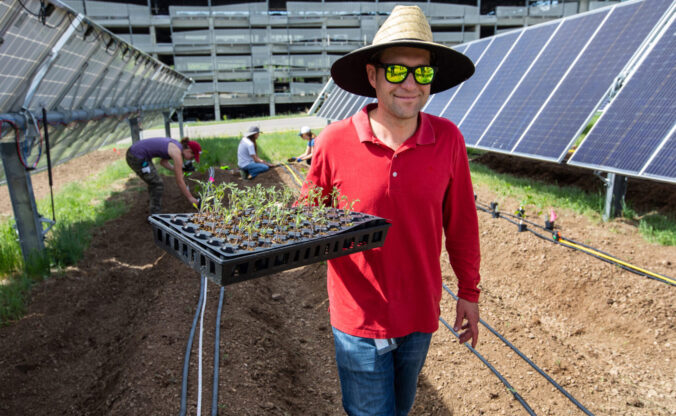
Solar energy has always been the driving force behind plant life on Earth. From photosynthesis to heat regulation, the sun plays a fundamental role in plant development. But as technology advances, scientists and farmers are now leveraging solar energy in new ways to maximize plant growth, increase agricultural yield, and promote sustainability. By harnessing the sun’s power more efficiently, we are entering a new era of eco-friendly farming and horticulture.
The Essential Role of Solar Energy in Plant Growth
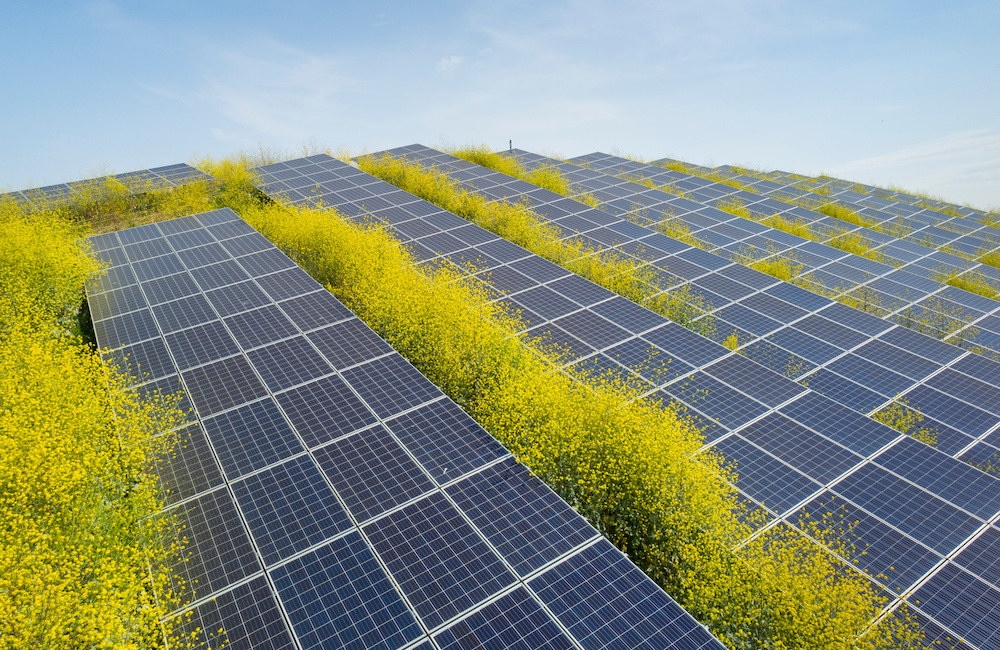
Plants have relied on sunlight for millions of years through the process of photosynthesis, where they convert sunlight into chemical energy. Chlorophyll, the green pigment found in plant cells, absorbs sunlight and transforms carbon dioxide and water into glucose and oxygen. This energy fuels plant metabolism, growth, and reproduction.
However, traditional agriculture often fails to optimize sunlight distribution, leading to uneven growth patterns and wasted solar potential. With the introduction of modern solar-enhancing techniques, farmers can now regulate light exposure, enhance photosynthetic efficiency, and create controlled environments that optimize plant health.
Solar Panels in Agriculture: A Dual-Purpose Solution
One of the most exciting advancements in agricultural technology is the use of solar panels in farming. Solar panels provide a two-fold benefit: they generate renewable energy while also creating microclimates that benefit plant growth. This practice, known as agrivoltaics, involves installing solar panels above crops, allowing farmers to simultaneously harvest solar power and cultivate plants beneath them.
By partially shading crops, solar panels help regulate temperature extremes, reducing water evaporation and preventing heat stress on plants. This is particularly beneficial in arid regions where excessive heat can damage crops. Moreover, the panels generate electricity that can be used to power irrigation systems, greenhouse lighting, and climate control equipment, making farms more self-sufficient and less reliant on fossil fuels. Many agricultural facilities that adopt this technology also benefit from related support industries, such as cleaning services in San Marcos, which help maintain equipment efficiency.
Optimizing Greenhouse Agriculture with Solar Power
Greenhouses have long been used to extend growing seasons and provide plants with a controlled environment. But traditional greenhouses rely heavily on artificial lighting and heating, which can be energy-intensive. With the integration of solar-powered greenhouses, farmers can now create self-sustaining, energy-efficient growing spaces.
Transparent solar panels are one of the latest breakthroughs in greenhouse technology. These panels allow enough sunlight to reach plants while simultaneously generating electricity. This innovation reduces energy costs and makes year-round farming more sustainable, particularly in regions with limited sunlight during winter months. This technology is as innovative as developments in other fields, such as personalized t-shirt printing, which also blends function with customization.
Smart Solar Lighting for Indoor and Vertical Farming
As urban populations grow, indoor and vertical farming are becoming essential solutions for food production. However, these farming methods depend on artificial lighting to provide plants with the necessary spectrum of light for growth. Traditionally, high-intensity LED lights or fluorescent lamps have been used, consuming significant amounts of electricity. A fountain pen might be a surprising addition to an office space, but its presence can inspire creative thinking while managing agricultural innovations.
By incorporating solar-powered LED lighting systems, farmers can reduce energy costs and create more sustainable indoor farms. Solar-powered grow lights can be adjusted to emit specific wavelengths of light that enhance plant growth, flowering, and fruit production, allowing for customized light cycles that optimize plant health.
The Role of Solar-Powered Irrigation Systems
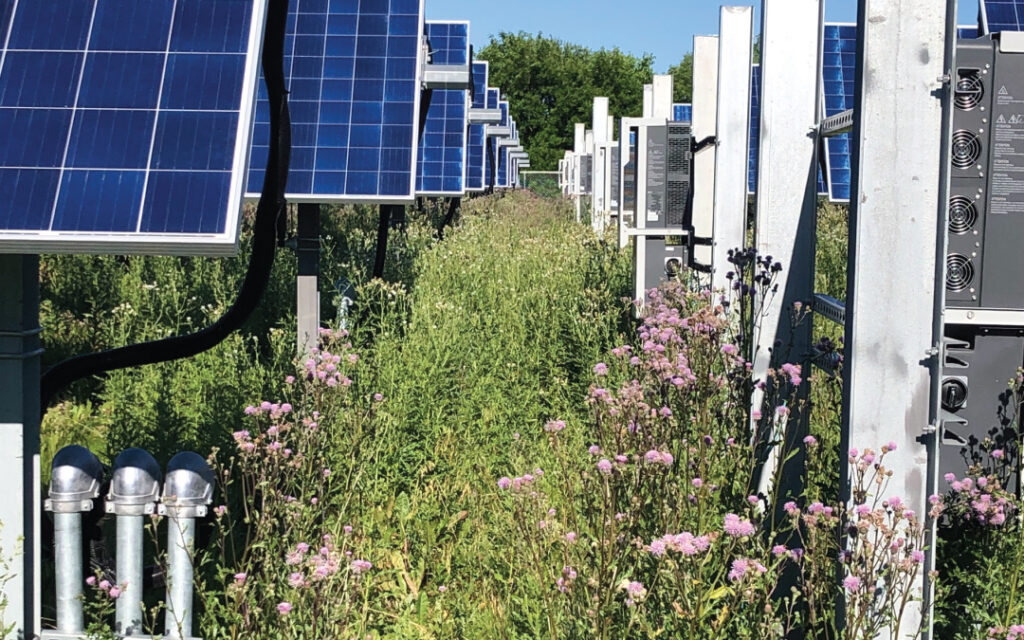
Water is one of the most crucial resources for plant growth, and efficient irrigation is essential for successful farming. Traditional irrigation systems rely on electricity or fuel-powered pumps, which can be costly and environmentally damaging. With solar-powered irrigation, farmers can now pump water using clean, renewable energy. In addition, solar-powered solutions can help reduce the need for other utilities like roller shades in Prosper, TX, which are often used to regulate temperature in farming environments.
Solar irrigation systems are particularly beneficial in remote agricultural regions where access to electricity is limited. These systems work by using solar photovoltaic (PV) panels to power water pumps, which deliver precise amounts of water to crops through drip or sprinkler irrigation. This method reduces water waste, lowers operational costs, and minimizes environmental impact.
Enhancing Plant Resilience with Solar Technology
Climate change has made farming increasingly unpredictable, with extreme temperatures, droughts, and unpredictable weather patterns threatening crop yields. Solar-powered technologies are helping farmers create resilient agricultural systems that can withstand these challenges. In addition to this, a locksmith for safes can provide crucial security for storing valuable farming equipment and documents related to sustainable farming practices.
By utilizing solar-powered climate control systems, farmers can regulate temperature, humidity, and air circulation inside greenhouses and indoor farms. Automated shading systems powered by solar energy can adjust light exposure in real time, protecting plants from excessive heat and sun damage. These innovations enable more stable growing conditions, improving plant survival rates and overall yield.
Solar Energy in Hydroponics and Aquaponics
Hydroponics and aquaponics are soil-free farming techniques that rely on nutrient-rich water to nourish plants. These systems require constant water circulation, aeration, and lighting, which traditionally demand high energy inputs. With the integration of solar energy, hydroponic and aquaponic farms can become far more sustainable.
Solar panels can power water pumps, oxygenation systems, and LED grow lights, ensuring that plants receive optimal nutrients and lighting without excessive electricity costs. This technology is particularly useful for urban and rooftop farms, where space is limited, and energy efficiency is crucial.
Improving Crop Yields with Solar-Powered Drones and Sensors
Precision agriculture is changing the way we monitor and manage plant growth. Solar-powered drones and sensors provide real-time data on soil moisture, nutrient levels, and plant health. These tools enable farmers to make informed decisions about fertilization, irrigation, and pest control, leading to higher crop yields and reduced resource waste.
Drones equipped with solar-charged batteries can survey large agricultural fields without needing frequent recharging, making them ideal for large-scale farming operations. Meanwhile, solar-powered sensors placed in soil or on plants can continuously monitor environmental conditions, ensuring optimal growing conditions at all times.
Reducing Agriculture’s Carbon Footprint with Solar Energy
Agriculture is responsible for a substantial share of global greenhouse gas emissions due to the widespread use of fossil fuels in machinery, irrigation, transportation, and synthetic fertilizers. The adoption of solar energy in farming presents a powerful solution to reduce emissions while improving efficiency. By replacing diesel-powered water pumps with solar-powered irrigation systems, farms can dramatically cut fuel consumption and carbon output. Additionally, solar-powered cold storage units help preserve perishable crops without the need for grid electricity, reducing food waste. The shift to solar-powered electric farm vehicles and equipment also further decreases reliance on fossil fuels, contributing to a cleaner, greener agricultural industry.
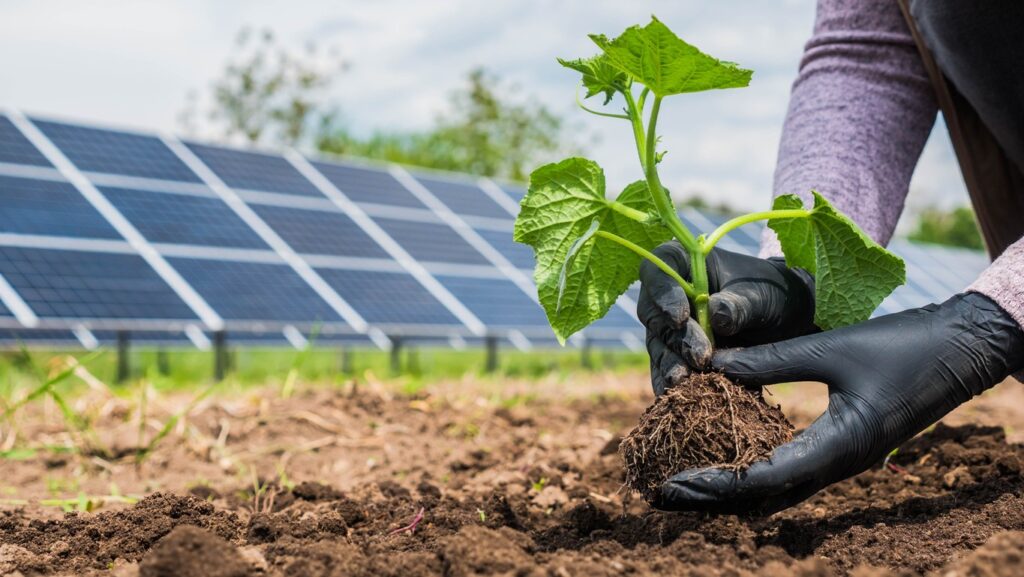
Beyond emissions reduction, solar-powered agriculture also helps combat deforestation and land degradation. Large-scale farming often contributes to deforestation, but solar technology allows farmers to produce more food using less land and fewer resources. For instance, vertical farming powered by solar panels can maximize food production in urban areas, reducing the need for extensive farmland. This efficient use of land and energy minimizes habitat destruction and biodiversity loss. As the agricultural sector moves toward sustainability, solar power will play a critical role in creating an environmentally responsible food system that supports both farmers and ecosystems.
The Future of Solar Energy in Agriculture
The future of agriculture is deeply intertwined with advancements in solar energy. Scientists and engineers are continually developing next-generation solar panels that offer higher efficiency, durability, and adaptability. One breakthrough is bifacial solar panels, which absorb sunlight from both sides, increasing energy production. Additionally, organic photovoltaic cells—a new type of flexible solar panel—can be incorporated into greenhouse walls and roofs, ensuring maximum energy capture while allowing optimal light penetration for crops. These advancements are making solar farming more efficient, scalable, and affordable for both small and large agricultural operations.
Artificial intelligence (AI) and automation will further revolutionize solar-powered precision farming. AI-driven systems powered by solar energy can analyze plant growth, adjust irrigation levels, and optimize light exposure in real time, ensuring maximum yield with minimal waste. Smart greenhouses will use solar-powered temperature and humidity control systems, adapting to weather conditions without human intervention. Even self-sustaining vertical farms—fully powered by solar panels—are becoming a reality, providing urban populations with fresh, locally grown produce year-round.
As global food demand rises, solar-powered agriculture offers a sustainable pathway toward increased productivity without depleting natural resources. With ongoing innovation, solar energy will continue to redefine the future of farming, ensuring food security while preserving the planet for future generations.