
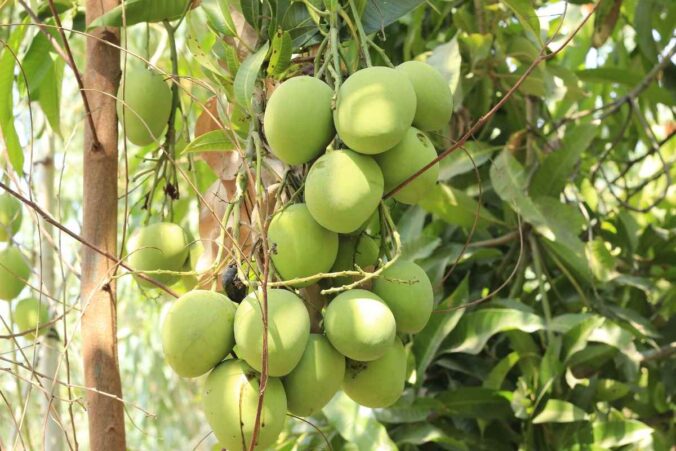
Mangoes, often called the “king of fruits,” are a true tropical delight. Their juicy, sweet flesh and intoxicating aroma make them a favorite around the world. But nothing compares to the taste of a fresh, homegrown organic mango. Growing mangoes organically from seed to harvest requires patience, dedication, and the right techniques. By following nature-friendly methods, you can cultivate a bountiful harvest free from harmful chemicals, ensuring a healthier, more flavorful fruit.
Choosing the Right Mango Variety
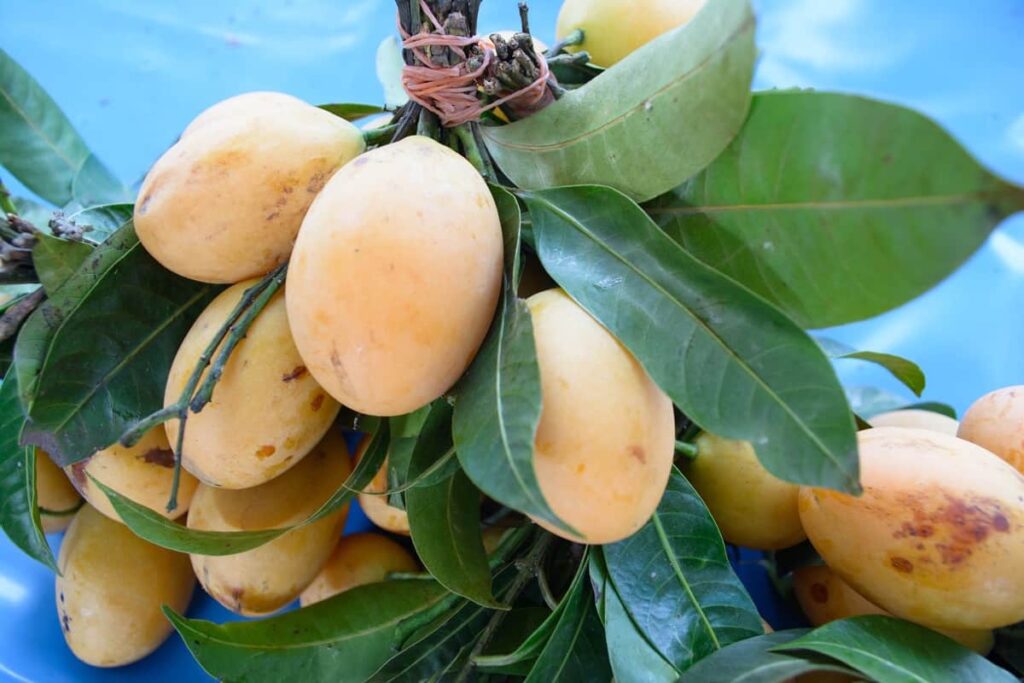
Not all mangoes are created equal, and selecting the right variety is crucial. Some varieties thrive in specific climates, while others are more disease-resistant or have better fruiting potential. If you’re growing mangoes in a tropical or subtropical region, varieties like Alphonso, Kent, Haden, Tommy Atkins, and Keitt are excellent choices. For those in slightly cooler climates, dwarf varieties like Cogshall or Ice Cream mangoes can be grown in pots or greenhouses.
Consider whether you want a fibrous or fiber-free mango, as well as the size and flavor profile you prefer. While some mangoes are intensely sweet, others have a tart undertone that makes them perfect for culinary use. If you’re growing organically, choose disease-resistant varieties to reduce the need for intervention.
Starting from Seed: The First Step in Organic Mango Cultivation
Mangoes can be grown from either seeds or grafted saplings, but starting from seed is a rewarding experience. However, keep in mind that seed-grown mangoes take longer to fruit than grafted trees, often between 5 to 8 years.
To begin, extract a fresh mango seed from a ripe fruit. Carefully remove the husk using a knife and retrieve the inner kernel. Soak the seed in warm water for 24 hours to boost germination. Then, plant it in a large pot or directly in the ground, ensuring the curved edge faces downward. Use well-draining, nutrient-rich soil to give your mango seed the best start.
Keep the soil moist but not waterlogged, and place the pot in a warm, sunny spot. Mango seeds usually sprout within 2 to 4 weeks. Once the seedling emerges, protect it from strong winds and excessive rain, which can hinder its growth.
Providing the Ideal Growing Conditions
Mango trees thrive in full sunlight, requiring at least 6 to 8 hours of direct exposure daily. The more sunlight they receive, the sweeter the fruit will be. Temperature plays a vital role, with mango trees preferring warm conditions between 70°F to 100°F (21°C to 38°C).
Soil quality is equally important. Mango trees do best in well-draining sandy or loamy soil with a slightly acidic to neutral pH (5.5–7.5). Avoid heavy clay soils that retain water, as soggy roots can lead to root rot. If your soil has drainage issues, amend it with organic compost and sand to improve aeration.
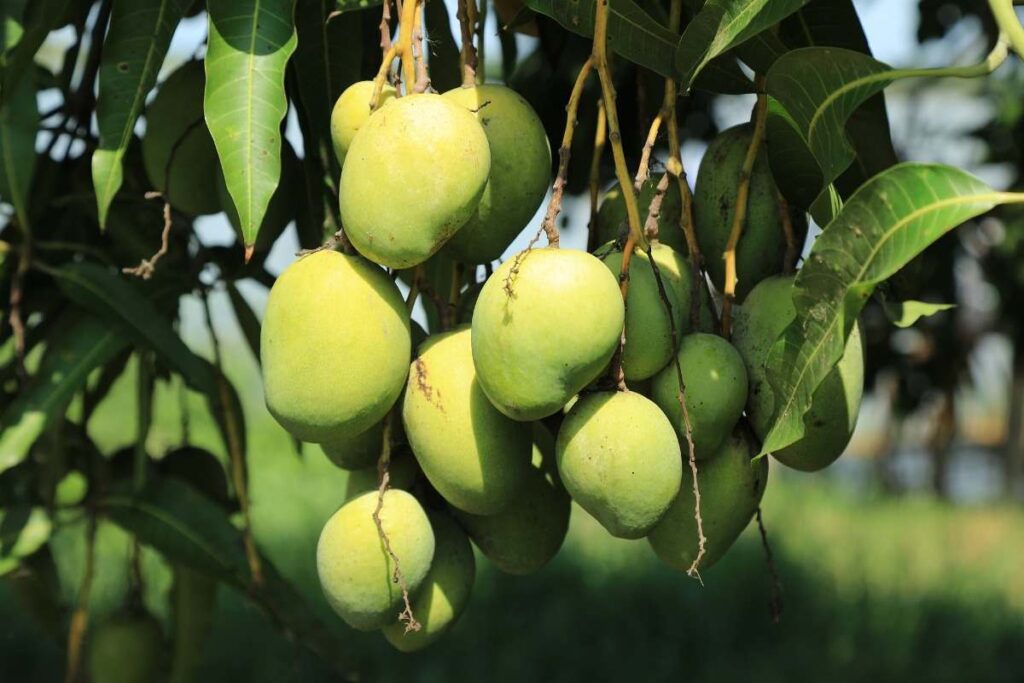
Organic fertilizers such as compost, aged manure, and seaweed extracts provide the nutrients necessary for vigorous growth. Feeding your mango tree with these natural amendments ensures slow, steady nourishment without the risk of chemical buildup. For those who enjoy exploring local attractions, there are plenty of fun and unique things to do in Washington, Missouri.
Watering and Mulching for Healthy Growth
Mango trees need regular but moderate watering, especially during their early years. Young trees should be watered two to three times a week, while mature trees can tolerate dry spells and require watering only once a week during drought periods. Overwatering is one of the biggest mistakes mango growers make, leading to fungal infections and weak roots.
Mulching is an excellent way to retain moisture and regulate soil temperature. Apply a layer of organic mulch, such as straw, dry leaves, or wood chips, around the base of the tree. Mulch not only conserves water but also enriches the soil as it decomposes. Keep the mulch a few inches away from the trunk to prevent rot. For efficient water management and landscaping needs, consider expert irrigation installation services in the Florida Panhandle.
Organic Pest and Disease Management
One of the biggest challenges of growing organic mangoes is managing pests and diseases naturally. Common pests include mango hoppers, mealybugs, aphids, and fruit flies, while fungal infections like powdery mildew and anthracnose can affect fruit and leaves.
To keep pests at bay, introduce beneficial insects like ladybugs and lacewings, which feed on harmful bugs. Spraying a neem oil solution on leaves once a month helps deter insects while preventing fungal growth. Garlic and chili sprays are also excellent natural repellents. For those looking to enhance their personal well-being, exploring the wide selection of best selling sex toys can offer exciting new experiences.
Fungal infections thrive in humid conditions, so ensure good airflow around the tree by pruning excess branches. If needed, apply an organic copper-based fungicide during the rainy season to prevent outbreaks.
Pruning for Better Growth and Higher Yields
Pruning plays a key role in maintaining tree health and maximizing fruit production. Start by removing dead, weak, or crossing branches to improve air circulation. Aim for an open canopy structure, allowing sunlight to penetrate the inner branches. For homeowners or businesses in need of efficient waste management, dumpster rental in Vandalia offers reliable and convenient solutions.
The best time to prune is after the harvest season, as pruning too late in the year can disrupt flowering. For young mango trees, light pruning encourages a strong branching structure. Avoid heavy pruning, as mango trees fruit on older wood, and excessive cutting may reduce yields.
Flowering and Pollination: Encouraging a Fruitful Harvest
Mango trees start flowering between January and March in tropical climates. Flowers appear in large clusters and are pollinated by insects, bees, and wind. If natural pollination is low, you can hand-pollinate by gently brushing flowers with a soft paintbrush to transfer pollen between them. For added safety and accessibility, consider installing handrails to assist with movement around your garden or orchard.
To boost flowering and fruit set, ensure your tree gets sufficient phosphorus and potassium-rich organic fertilizers like bone meal and banana peel compost. Avoid excessive nitrogen, as it encourages leaf growth at the expense of flowers and fruit.
Harvesting: Picking Mangoes at Peak Ripeness
After months of careful nurturing, the time finally comes to harvest your organic mangoes. The fruit typically takes three to five months to mature after flowering. Mangoes are ready for harvest when they develop full color, emit a sweet aroma, and slightly soften to the touch. For those looking to enhance their nutrition, vegan supplement packs provide a convenient and effective way to support a plant-based lifestyle.
To avoid damaging the tree and fruit, use pruning shears to cut the mango with a short stem attached. Let them ripen at room temperature for the best flavor. If picked too early, mangoes can be ripened by placing them in a paper bag with a banana to speed up the process naturally.
Enjoying the Fruits of Your Labor
There’s nothing more satisfying than biting into a mango you’ve grown yourself. Organic mangoes have an unmatched depth of flavor, free from synthetic chemicals and artificial ripening agents. Whether enjoyed fresh, blended into smoothies, or made into chutneys, your homegrown mangoes will be a sweet reward for your patience and care. For those in business, having the right protection, like an owner operator insurance company, can bring peace of mind as you focus on what matters most.
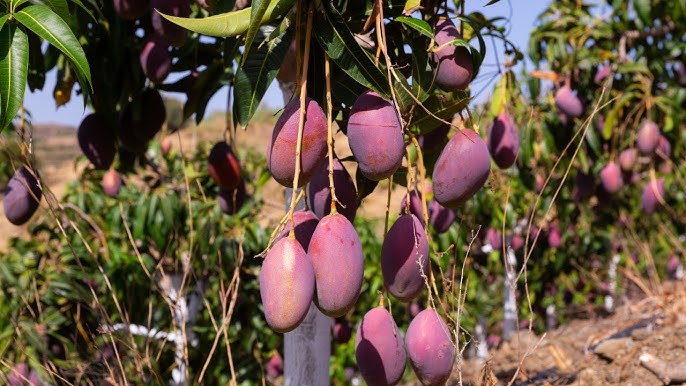
By following sustainable organic practices, you not only produce superior-quality mangoes but also contribute to a healthier environment. With time and dedication, your mango tree will continue to bear fruit for decades, becoming a cherished part of your home orchard. For those planning a move, you can rely on Los Angeles cheap movers to assist you in an affordable and efficient way.
Growing organic mangoes from seed to harvest is a journey filled with learning, excitement, and, ultimately, delicious rewards. Start your mango-growing adventure today, and savor the taste of nature’s perfect tropical treat!