Flooring is an essential aspect of any home. It is the foundation of your living space and sets the tone for your interior design. There are many different types of flooring available, each with its unique advantages and disadvantages. In this article, we will explore the history of flooring, the different types available, and factors to consider when choosing the right flooring for your home.
History of Flooring
Flooring has been used for centuries, dating back to ancient civilizations. In the past, flooring was made from natural materials such as stone, clay, and wood. These materials were durable and provided insulation against the cold.
In the 20th century, new materials and technologies were developed, leading to the introduction of synthetic materials such as vinyl and laminate. Today, flooring options are more diverse than ever before, ranging from traditional hardwoods to modern luxury vinyl planks.
Types of Flooring
There are several types of flooring available, each with its unique features and benefit. Let’s take a look at some of the most popular types of flooring:
Hardwood Flooring – Hardwood flooring is a timeless and classic choice. It is made from natural wood, providing a warm and inviting feel. Hardwood flooring is durable flooring, long-lasting, and can add value to your home.
Laminate Flooring – Laminate flooring is a budget-friendly option that looks like hardwood. It is made from composite materials and is easy to install, making it a popular choice for DIYers.
Vinyl Flooring – Vinyl flooring is a synthetic material that comes in a variety of designs and colors. It is affordable, durable, and easy to clean, making it ideal for high-traffic areas.
Carpet – Carpet is a popular flooring option that provides comfort and warmth underfoot. It comes in a variety of textures and colors and can be used to create a cozy and inviting atmosphere in your home.
Tile Flooring – Tile flooring is a versatile option that comes in a variety of materials such as ceramic, porcelain, and natural stone. It is durable and easy to maintain, making it ideal for high-traffic areas such as kitchens and bathrooms.
Factors to Consider When Choosing Flooring
When choosing the right flooring for your home, there are several factors to consider:
Lifestyle – Your lifestyle will play a significant role in choosing the right flooring for your home. If you have pets or children, you may want to choose a durable and easy-to-clean option such as vinyl or tile.
Style – Your personal style and interior design preferences will also play a role in choosing the right flooring. Hardwood flooring may be more suitable for traditional or rustic homes, while vinyl or tile may be better suited for modern or contemporary homes.
Budget – Your budget will also be a factor in choosing the right flooring. Hardwood flooring and natural stone tile can be more expensive, while laminate and vinyl are more budget-friendly options.
Climate – The climate in your area will also be a factor in choosing the right flooring. In colder climates, hardwood flooring may provide insulation against the cold, while tile may be better suited for warmer climates.
In conclusion, choosing the right flooring for your home is an important decision that requires careful consideration. With so many options available, it can be overwhelming, but by considering factors such as lifestyle, style, budget, and climate, you can choose a flooring option that meets your needs and preferences. Whether you choose hardwood, laminate, vinyl, carpet, or tile, the right flooring can transform your living space into a beautiful and inviting home.
Pork is a widely consumed meat around the world, and it has been a staple food in many cultures for centuries. It is a versatile meat that can be cooked in a variety of ways, and it is also relatively inexpensive compared to other meats. In this article, we will explore the history of pork, its nutritional value, and its many uses in cooking.
History of Pork
Pigs have been domesticated for thousands of years and were originally bred for their meat. The ancient Greeks and Romans considered pork to be a luxury food, and it was a staple in their diets. In medieval Europe, pork was a common meat for peasants as it was easy to breed and was an inexpensive source of protein. In the United States, pork became popular during the 19th century, and today, it is one of the most commonly consumed meats.
Nutritional Value of Pork
Pork is an excellent source of protein, vitamins, and minerals. A 3-ounce serving of pork contains about 22 grams of protein, which is essential for building and repairing muscle tissue. Pork is also a good source of B vitamins, including thiamin, riboflavin, niacin, and vitamin B12. These vitamins play a vital role in energy metabolism and the functioning of the nervous system. Pork also contains minerals such as iron, zinc, and selenium, which are important for maintaining healthy bones, teeth, and skin. If you like pork, you should try pork meat sticks.
Different Cuts of Pork
Pork is available in a variety of cuts, each with its own unique flavor and texture. The most commonly consumed cuts of pork include:
Pork Loin – This is a lean cut of meat that is ideal for roasting or grilling. It can be cut into chops or left whole.
Pork Shoulder – Also known as pork butt, this is a tougher cut of meat that is ideal for slow cooking. It can be used to make pulled pork or used in stews and soups.
Pork Belly – This is a fatty cut of meat that is used to make bacon. It can also be roasted or used in stews and soups.
Pork Chops – These are cut from the loin and can be bone-in or boneless. They can be grilled, pan-fried, or baked.
Pork Tenderloin – This is a lean cut of meat that is ideal for grilling or roasting. It can be marinated or seasoned with herbs and spices.
Uses of Pork in Cooking
Pork is a versatile meat that can be cooked in a variety of ways. It can be roasted, grilled, pan-fried, or slow-cooked. Pork can also be used in a variety of dishes, including:
Pulled Pork – This is a popular dish that is made by slow-cooking pork shoulder until it is tender enough to be shredded. It is typically served on a bun with barbecue sauce.
Bacon – This is a popular breakfast food that is made from pork belly. It is typically pan-fried or baked and can be used in a variety of dishes, including salads, sandwiches, and burgers.
Ham – This is a cured meat that is typically served at holiday meals. It can be glazed or served with a variety of sauces.
Sausage – This is a seasoned ground pork that is typically stuffed into casings. It can be grilled, pan-fried, or used in a variety of dishes, including pasta dishes and casseroles.
Pork Chops – These can be seasoned with herbs and spices and grilled or pan-fried. They can also be breaded and fried or used in a variety of dishes, including stir-fries and stews.
Canned fish has been a popular food item for centuries, providing a convenient and affordable source of protein. It is a staple in many households around the world and is often used in a variety of dishes such as sandwiches, salads, and pasta dishes. In this article, we will explore the history, benefits, and uses of canned fish.
History
The history of canned fish can be traced back to the early 19th century when it was developed as a way to preserve fish for long periods of time. The invention of the canning process made it possible to store fish for months or even years without refrigeration. This made it a popular food item for sailors and explorers who needed a source of protein that could withstand long journeys.
You can choose between salmon, sardines, anchovies and wild albacore tuna to name a few. It is a popular choice for those who want a quick and easy source of protein that can be used in a variety of dishes.
Nutritional value
One of the main benefits of canned fish is its nutritional value. Fish is a great source of omega-3 fatty acids, which are important for brain function, heart health, and reducing inflammation in the body. Canned fish is also high in protein and low in fat, making it an ideal food for those who are looking to build muscle or lose weight.
In addition to its nutritional value, canned fish is also convenient and easy to prepare. It can be eaten straight out of the can or used in a variety of recipes. For example, canned tuna is a popular choice for sandwiches and salads, while canned salmon can be used in pasta dishes or as a topping for crackers.
When choosing canned fish, it is important to look for high-quality products that are sustainably sourced. Many canned fish products come with a label that indicates the fish was caught using sustainable fishing practices. This ensures that the fish was caught in a way that is environmentally friendly and helps to preserve fish populations for future generations.
Cost-effective
Canned fish can also be a cost-effective option for those who are on a tight budget. It is often less expensive than fresh fish and can be purchased in bulk to save money. Additionally, it has a long shelf life, making it a great option for those who want to stock up on food items that will last for a long time.
One of the best things about canned fish is its versatility. It can be used in a variety of dishes, from sandwiches and salads to casseroles and pasta dishes. Canned tuna, for example, can be mixed with mayonnaise and used as a sandwich filling or combined with pasta, vegetables, and a creamy sauce for a delicious casserole. Canned salmon can be used to make salmon burgers or added to salads for a protein boost.
In conclusion, canned fish is a convenient, affordable, and nutritious food item that has been a popular choice for centuries. It is a great source of protein and omega-3 fatty acids, and can be used in a variety of dishes. When choosing canned fish, it is important to look for high-quality, sustainably sourced products. Whether you are looking for a quick and easy snack or a versatile ingredient for your favorite recipes, canned fish is a great choice.
Barbecue, also known as BBQ, is a popular method of cooking meat and vegetables that has been around for centuries. Whether it’s a summer cookout or a winter tailgate, nothing brings people together quite like a good old-fashioned barbecue.
Culture
Barbecuing has been a part of American culture for a long time, but the origins of barbecue can be traced back to indigenous tribes who used various methods of slow-cooking meat over an open flame. Today, barbecue has evolved into an art form with regional variations and techniques that are passed down from generation to generation.
The first step in creating the perfect barbecue is choosing the right meat. While beef and pork are the most common meats used in barbecue, chicken, lamb, and even fish can be grilled to perfection. It’s important to select meat with enough fat to keep it moist and tender while cooking. For example, pork shoulder, also known as a Boston butt, is a popular cut for barbecuing due to its high fat content.
Once you’ve chosen your meat, the next step is to prepare it for cooking. This often involves applying a dry rub or marinade to enhance the flavor of the meat. Dry rubs can be made from a variety of spices such as paprika, chili powder, cumin, and garlic, while marinades typically consist of an acidic liquid such as vinegar or citrus juice.
Meat
When it comes to cooking the meat, there are two main methods of barbecuing: direct heat and indirect heat. Direct heat involves placing the meat directly over the flames, while indirect heat involves cooking the meat over a lower heat source such as charcoal or wood chips. Indirect heat is often preferred for larger cuts of meat such as brisket or ribs, as it allows for a slower, more even cooking process.
The type of fuel used for barbecuing can also affect the flavor of the meat. Charcoal is a popular choice due to its ability to produce a smoky flavor, while wood chips such as hickory or mesquite can add a unique taste to the meat. Gas grills are also commonly used for barbecuing, but they don’t offer the same smoky flavor that charcoal or wood chips provide.
In addition to meat, vegetables can also be cooked on the grill for a delicious and healthy side dish. Grilled corn on the cob, asparagus, and bell peppers are popular choices. A simple marinade of olive oil, salt, and pepper can be used to enhance the flavor of the vegetables.
Barbecue is often served with a variety of sides, such as baked beans, potato salad, and coleslaw. These sides not only complement the meat but also help balance out the heavy flavors of the barbecue. Maybe some meatloaf spices on the side and the experience is unforgettable.
Variations
When it comes to barbecue, there are many regional variations that have developed over time. For example, Texas-style barbecue typically involves slow-cooking brisket over mesquite wood, while Memphis-style barbecue is known for its dry-rubbed ribs. Kansas City-style barbecue is characterized by its sweet and tangy tomato-based sauce, while North Carolina-style barbecue features a vinegar-based sauce.
No matter what style of barbecue you prefer, there’s no denying the appeal of this time-honored cooking method. Whether you’re hosting a backyard barbecue or attending a tailgate party, there’s nothing quite like the taste of grilled meat and vegetables. With a little practice and patience, anyone can become a master of the grill and enjoy the mouth-watering flavors of barbecue.
An epidural is a type of pain relief medication given during childbirth. It involves the injection of medication into the epidural space, which is located in the spinal cord. The drug numbs the nerves that transmit pain signals from the uterus and birth canal to the brain. This provides significant pain relief during labor and delivery.
Epidurals are a popular option for pain relief during childbirth. According to the American Pregnancy Association, approximately 50% of women in the United States use epidurals during childbirth. They are especially useful for women who are experiencing intense or prolonged labor.
Benefits
The benefits of epidurals are numerous. They provide effective pain relief during childbirth, which can make the experience more comfortable and less stressful for the mother. They also allow the mother to remain alert and present during the birth, which can help facilitate bonding with the baby after delivery.
In addition to pain relief, epidurals can also help reduce the risk of certain complications during childbirth. For example, they can help reduce the risk of cesarean delivery and the need for forceps or vacuum-assisted delivery. They can also help reduce the risk of perineal tears and other birth injuries.
Risks and drawbacks
However, epidurals do come with some risks and drawbacks. The medication used in epidurals can lower blood pressure, which can be dangerous for both the mother and the baby. This can be managed through careful monitoring and medication adjustments. At the stage when you are 30 weeks pregnant, a woman is in the third trimester and closer to the end of pregnancy. Epidural anesthesia is a pain relief method that is commonly used during labor and delivery, and it may be discussed or considered as part of the birth plan during this stage of pregnancy.
Epidurals can also increase the risk of long labor and delivery, as well as the need for interventions such as oxytocin augmentation. This is because the medication can interfere with the natural process of labor and delivery.
Another potential drawback of epidurals is that they can interfere with the mother’s ability to push during the second stage of labor. This can prolong the labor process and increase the risk of complications.
There is also a small risk of side effects associated with epidurals, such as headaches, itching, and shivering. These side effects are generally mild and can be managed through medication or other interventions.
Despite these risks and drawbacks, epidurals remain a popular option for pain relief during childbirth. Women who are considering an epidural should discuss the risks and benefits with their healthcare provider and make an informed decision based on their circumstances.
It is important to note that epidurals are not always available or appropriate for all women. Some women may have medical conditions or complications that make epidurals unsafe or ineffective. Additionally, some women may choose to forego epidurals in favor of other pain relief methods, such as breathing techniques or water immersion. Ultimately, the decision to use an epidural during childbirth is a personal one that should be based on individual circumstances, preferences, and medical considerations. Women need to discuss all their options with their healthcare providers and make the decision that is best for them and their babies.
In conclusion, an epidural is a type of pain relief medication given during childbirth. It provides effective pain relief and can reduce the risk of certain complications during delivery. However, it does come with some risks and drawbacks, such as the potential for low blood pressure, longer labor, and interference with the natural process of labor and delivery. Women who are considering an epidural should discuss the risks and benefits with their healthcare provider and make an informed decision based on their circumstances.
The use of medicinal plants has been a part of human history for thousands of years, providing natural remedies for a wide range of ailments. With the rise of alternative medicine and a growing interest in natural health, many people are turning to medicinal plants as a way to improve their overall well-being. Vascular surgeons in Texas are intrigued by the potential benefits of exploring the best medicinal plants for home remedies. Growing medicinal plants in the home is a great way to have access to natural remedies at your fingertips. In this article, we will explore some of the best medicinal plants to consider for your home and how they can be used to promote health and wellness. From the soothing properties of lavender to the digestive benefits of peppermint, these plants offer a natural and effective way to address a range of health issues.
If you’re looking to learn more about the best medicinal plants, there are plenty of online courses available to help you become a pro at using natural remedies to support your health and well-being.
Aloe vera
Aloe vera is a succulent plant species that is native to the Arabian Peninsula but is now cultivated in many parts of the world. It has been used for medicinal purposes for thousands of years and is still widely used today in a variety of forms including gels, lotions, juices, and capsules. If you’d like to drive to the part of the world where there are many aloe vera plants, visit this website and rent a vehicle for yourself.
The plant is characterized by its thick, fleshy leaves which contain a clear, gel-like substance that is rich in vitamins, minerals, and antioxidants. This gel is often used topically to soothe and moisturize the skin, and is believed to have anti-inflammatory and antibacterial properties that can help heal minor burns, cuts, and other skin irritations. Many people that own skincare companies based on aloe vera products have recently decided to sell their businesses because of recent studies that have shown that aloe vera is not as good for skin as people have said. If you too own a skincare company based on aloe vera products, you should find M&A advisor to sell company.
In addition to its topical uses, aloe vera is also commonly consumed as a dietary supplement or juice. It is believed to have a range of health benefits, including improved digestion, reduced inflammation, and enhanced immune function. However, more research is needed to fully understand the potential health benefits of aloe vera. If you’re interested in using medicinal plants for home remedies, consider adding natural elements like wood window coverings to create a calming atmosphere and enhance the healing benefits.
Overall, aloe vera is a versatile and widely used plant that has been appreciated for its medicinal properties for thousands of years. Whether used topically or consumed as a supplement, it remains a popular choice for those seeking natural remedies for a variety of health concerns.
When venturing into the world of exploring the best medicinal plants for home remedies, one might come across intriguing information on howcolumn wraps can be crafted using certain plant extracts to aid in healing and promote wellness.
Lavender
Lavender is a flowering plant species in the mint family, known for its distinctive fragrance and vibrant purple flowers. It is native to the Mediterranean region but is now cultivated in many parts of the world for its ornamental and medicinal properties.
Lavender has long been used for its calming and soothing effects, both for the mind and body. Its essential oil is commonly used in aromatherapy to promote relaxation and reduce anxiety and is believed to have a range of therapeutic benefits.
In addition to its psychological benefits, lavender is also used in a variety of skincare and beauty products for its anti-inflammatory and antiseptic properties. It is believed to be particularly effective in treating acne and other skin irritations. You can most likely get lavender sample boxes at your local plant store to see and smell for yourself!
Lavender is also commonly used in cooking, particularly in Mediterranean cuisine. Its delicate, floral flavor is often used to add a subtle hint of sweetness to dishes such as baked goods and desserts.
If you want to bring flowers like this for some kind of event that you’re planning, you can always rent a limo service in Denver.
Overall, lavender is a versatile and widely used plant that has been appreciated for its medicinal and culinary properties for centuries. Whether used for its calming effects, skincare benefits, or in the kitchen, it remains a popular choice for those seeking natural remedies and flavorful ingredients. While wearing their comfortable men’s athletic shorts, many people enjoy harvesting lavender and other types of medicinal plants that they most commonly find in their path.
Echinacea
Echinacea, also known as the purple coneflower, is a flowering plant species that are native to North America. It has long been used in traditional medicine to treat a variety of ailments, including colds, flu, and other respiratory infections.
A health clinic in Marietta GA is using medicinal plants on a regular basis to treat patients with various illnesses to great success.
Echinacea is believed to have immune-boosting properties and is often used to prevent or shorten the duration of common illnesses. It is available in a variety of forms, including capsules, tinctures, teas, and extracts.
In addition to its immune-boosting effects, echinacea is also believed to have anti-inflammatory and antioxidant properties. Some research suggests that it may be effective in reducing inflammation and pain associated with conditions such as arthritis and migraines.
Echinacea is also sometimes used topically to treat skin conditions such as acne, eczema, and psoriasis. Its anti-inflammatory and antimicrobial properties are believed to help soothe and heal irritated skin.
Overall, echinacea is a versatile and widely used plant that has been appreciated for its medicinal properties for centuries. Whether used to boost the immune system, reduce inflammation, or treat skin conditions, it remains a popular choice for those seeking natural remedies for a variety of health concerns. However, as with all herbal remedies, it is important to talk to a healthcare provider before using echinacea to ensure that it is safe and appropriate for your specific needs.
The biggest plant fields in recent years are being ruined because of the huge pollution in most cities all around the world. If you find your street to be a rather trashy one, you can rent a dumpster from a dumpster rental in Fort Collins to lower your street’s pollution level, because people are more likely to throw trash in the big dumpster when they do see one.
Chamomile
Chamomile is a flowering plant species that belongs to the daisy family. It is native to Europe and Western Asia but is now widely cultivated in many parts of the world. The plant is known for its delicate white and yellow flowers, as well as its distinctive fragrance.
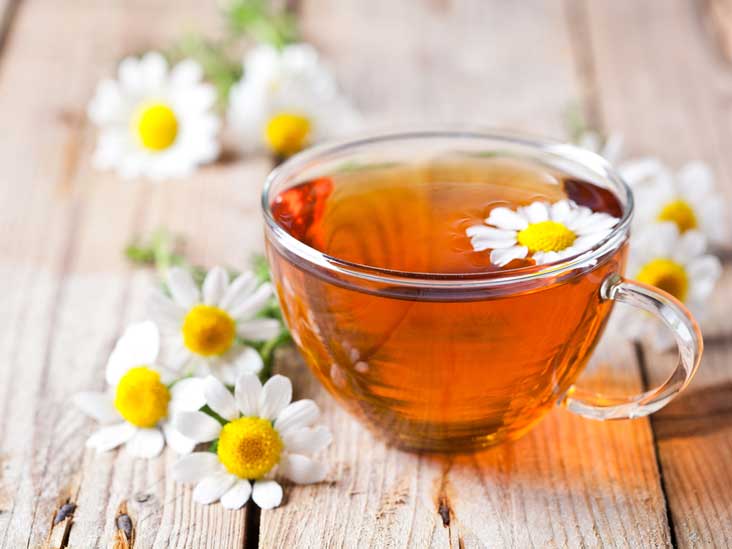
Chamomile has long been used for its calming and relaxing effects, particularly in the form of herbal teas. It is believed to have mild sedative properties and is often used to promote relaxation and reduce anxiety. Chamomile tea is also commonly used as a natural remedy for insomnia and other sleep disorders.
The b2b pr agency partnered with researchers and herbalists to promote awareness of the benefits of exploring the best medicinal plants for home remedies.
In addition to its psychological benefits, chamomile is also used for its anti-inflammatory and antispasmodic properties. It is believed to be particularly effective in treating digestive issues such as bloating, gas, and stomach cramps.
If you wish to profit from the knowledge you have earned here on this website, you can become a creator and publish videos about various topics such as these healthy plants everyone can utilize for greater general health.
Chamomile is also sometimes used topically to treat skin conditions such as eczema and psoriasis. Its anti-inflammatory and antimicrobial properties are believed to help soothe and heal irritated skin. If you own a garden powered by smart technology and need a guide or help if it gets damaged, you can contact the best managed IT services in Sydney.
Overall, chamomile is a versatile and widely used plant that has been appreciated for its medicinal properties for centuries. Whether used to promote relaxation, ease digestive issues, or treat skin conditions, it remains a popular choice for those seeking natural remedies for a variety of health concerns. However, as with all herbal remedies, it is important to talk to a healthcare provider before using chamomile to ensure that it is safe and appropriate for your specific needs.
There are ice creams and frozen desserts that are made using medicinal plants or herbs. These ice creams often aim to combine the indulgence of a sweet treat with the potential health benefits of certain medicinal plants. You can get such a frozen yogurt in Phoenix AZ to try out for yourself!
Peppermint
Peppermint is a herbaceous plant species that is a hybrid between watermint and spearmint. It is native to Europe and Asia but is now widely cultivated in many parts of the world for its medicinal, culinary, and aromatic properties.
The largest corporations that research Peppermint and other medicinal plants used vehicles from auto rent Tuzla to test out newly researched plant fuel.
Peppermint is known for its distinctive minty flavor and fragrance, which is due to the presence of essential oils such as menthol and menthone. These oils are believed to have a range of therapeutic benefits, particularly for the digestive system.
Peppermint is often used to treat digestive issues such as bloating, gas, and stomach cramps. Its antispasmodic properties are believed to help relax the muscles in the digestive tract, which can reduce pain and discomfort.
A magician in Orange County claims peppermint has helped him greatly with his digestive issues and recommends it to anyone experiencing similar problems.
In addition to its digestive benefits, peppermint is also used for its analgesic and anti-inflammatory properties. It is often used topically to treat headaches and other types of pain and is believed to be particularly effective in reducing muscle pain and soreness.
Peppermint is also commonly used in cooking and baking, particularly in desserts and beverages. Its refreshing flavor and fragrance make it a popular choice for flavoring everything from ice cream to hot cocoa.
Overall, peppermint is a versatile and widely used plant that has been appreciated for its medicinal, culinary, and aromatic properties for centuries. Whether used to ease digestive issues, reduce pain and inflammation, or add flavor to food and drinks, it remains a popular choice for those seeking natural remedies and flavorful ingredients.
Did you know that some types of combat clothing are made from various plant matter, including medicinal ones?
Ginger
Ginger is a flowering plant species that is native to Southeast Asia. It is widely cultivated in many parts of the world for its culinary and medicinal properties. The plant is known for its distinctive spicy flavor and aroma, which is due to the presence of essential oils such as gingerol and shogaol.
Ginger is often used to treat digestive issues such as nausea, bloating, and indigestion. Its antispasmodic properties are believed to help relax the muscles in the digestive tract, which can reduce pain and discomfort. Ginger is also commonly used to treat motion sickness, morning sickness during pregnancy, and nausea associated with chemotherapy.
In addition to its digestive benefits, ginger is also used for its anti-inflammatory and analgesic properties. It is often used to treat pain and inflammation associated with conditions such as osteoarthritis and rheumatoid arthritis. Ginger is also believed to be effective in reducing menstrual pain and migraines.
Ginger is commonly used in cooking and baking, particularly in Asian and Middle Eastern cuisine. Its spicy flavor and aroma make it a popular ingredient in everything from curries to desserts.
Overall, ginger is a versatile and widely used plant that has been appreciated for its medicinal and culinary properties for centuries. Whether used to ease digestive issues, reduce pain and inflammation, or add flavor to food and drinks, it remains a popular choice for those seeking natural remedies and flavorful ingredients.
Lemon balm, also known by its scientific name Melissa officinalis, is a herbaceous plant species that is native to Europe and the Mediterranean region. It is a member of the mint family and is known for its lemony fragrance and flavor.
If you wish to grow Lemon Balm or other medicinal plants at your home but are afraid of pests, you can contact the best commercial pest control in Reno to get your own pest supplies!
Lemon balm has a long history of use in traditional medicine for its calming and relaxing properties. It is believed to have mild sedative properties and is often used to promote relaxation and reduce anxiety. Lemon balm tea is also commonly used as a natural remedy for insomnia and other sleep disorders.
Most Lemon balms nowadays are grown in artificial gardens that are powered by IT support in Dallas for the most efficient crop yields.
In addition to its psychological benefits, lemon balm is also used for its antiviral and antimicrobial properties. It is believed to be effective in treating cold sores caused by the herpes simplex virus, as well as other viral infections. Lemon balm is also used topically to treat skin conditions such as eczema and insect bites.
Lemon balm is commonly used in cooking and baking, particularly in desserts and beverages. Its lemony flavor and fragrance make it a popular choice for flavoring everything from lemonade to sorbet.
Most modern companies and firms dealing with medicinal plants as their main matter use the best SEO company in Colorado to boost their website’s online traffic.
Overall, lemon balm is a versatile and widely used plant that has been appreciated for its medicinal and culinary properties for centuries. Whether used to promote relaxation, treat viral infections, or add flavor to food and drinks, it remains a popular choice for those seeking natural remedies and flavorful ingredients. However, as with all herbal remedies, it is important to talk to a healthcare provider before using the lemon balm to ensure that it is safe and appropriate for your specific needs.
One of the best medicinal plants for home remedies is gotu kola, which can aid in a variety of ailments including reducing inflammation, improving circulation, and even promoting a lower body lift through its ability to strengthen connective tissues.
Conclusion
In conclusion, growing medicinal plants in the home can provide a convenient and natural way to address a variety of health concerns. The plants mentioned in this article offer a range of benefits, from soothing anxiety and promoting relaxation to treating skin irritations and boosting the immune system. While these plants can be effective in providing natural remedies, it’s important to remember that they should not be used as a substitute for professional medical treatment or advice. With proper care and attention, growing medicinal plants in the home can be a rewarding and beneficial addition to any wellness routine. While lithium batteries may power our modern devices, many people turn to the natural power of medicinal plants like aloe vera, chamomile, and lavender for effective home remedies.
In conclusion, exploring the option of growing medicinal plants in the home can offer a convenient and natural approach to addressing various health concerns. For individuals considering this endeavor but lacking the initial funds, instant loans can provide the financial means to start cultivating these beneficial plants.
Sensitive gums can be a common problem for many people and can be caused by a variety of factors, including genetics, poor dental hygiene, and certain medical conditions. Symptoms of sensitive gums can include redness, swelling, bleeding, and pain, and can make it difficult to eat or drink certain foods and beverages. However, there are several steps that you can take to care for your sensitive gums and promote better oral health.
Practice good oral hygiene
One of the most important things that you can do to care for your sensitive gums is to practice good oral hygiene. This means brushing your teeth twice a day with a soft-bristled toothbrush and fluoride toothpaste, flossing daily, and using an antibacterial mouthwash. Be gentle when brushing and flossing, and avoid brushing too hard or aggressively. Avoid using bad products, and look for the best oral care flavors that are best for you.
Use sensitive toothpaste
If you have sensitive gums, using toothpaste specifically designed for sensitivity can help. These kinds of toothpaste contain ingredients that help to desensitize the nerves in your teeth and gums and can provide relief from pain and discomfort.
Avoid harsh dental products
Some dental products, like mouthwashes and toothpaste that contain alcohol or strong chemicals, can irritate sensitive gums and make symptoms worse. Look for products that are specifically designed for sensitive teeth and gums, and avoid anything that contains harsh ingredients.
Schedule regular dental checkups
Regular dental checkups are important for maintaining good oral health and can help to identify and treat any problems with your gums or teeth before they become more serious. Talk to your dentist about your sensitive gums and any other concerns you may have, and work with them to develop a personalized care plan.
Make healthy lifestyle choices
Eating a healthy diet, staying hydrated, and avoiding tobacco and alcohol can all help to promote better oral health and reduce the risk of gum disease and other problems. Make sure to eat plenty of fruits and vegetables, and limit your intake of sugary and acidic foods and drinks.
Consider using a softer toothbrush
Using a toothbrush with soft bristles can help to reduce irritation and inflammation in your gums. Harder bristles can cause damage to your gums and worsen sensitivity, so it’s important to choose a toothbrush that is gentle on your teeth and gums.
Be mindful of your brushing technique
It’s not just about using a soft-bristled toothbrush – how you brush your teeth is also important. Use gentle, circular motions when brushing, and avoid scrubbing back and forth, which can damage your gums and teeth.
Try a warm saltwater rinse
A warm saltwater rinse can help to soothe and heal irritated gums. Simply mix a teaspoon of salt into a cup of warm water, swish it around your mouth, and spit it out. Repeat as needed.
Treat underlying medical conditions
If you have sensitive gums, it’s important to make sure that any underlying medical conditions are properly treated. Conditions like diabetes, hormonal imbalances, and autoimmune disorders can all affect your oral health and contribute to gum sensitivity.
Be patient
Improving the health of your gums takes time and effort. Don’t be discouraged if you don’t see immediate results – stick with your oral care routine and work with your dentist to develop a plan that is right for you.
Conclusion
By following these tips and working with your dentist to develop a personalized care plan, you can help to protect your sensitive gums and promote better oral health. If you are experiencing persistent or severe symptoms of gum sensitivity, be sure to consult with your dentist or healthcare provider for further evaluation and treatment.
Public speaking can be a daunting task, but with practice and preparation, it’s possible to become a master at it. Whether you’re an event emcee or a keynote speaker, the following tips can help you become more confident and effective in your public speaking.
Know your audience
Your audience is one of the most important things to consider when preparing for a public speaking engagement. Who are they? What are their interests and needs? Understanding your audience can help you tailor your message and delivery to make a stronger impact. As an event emcee, it’s particularly important to know your audience, as you’ll be responsible for keeping them engaged throughout the event.
Prepare thoroughly
Preparation is critical to a successful public speaking engagement. This includes not only knowing your material but also practicing your delivery and anticipating questions or challenges that may arise. As a corporate event emcee, you’ll also need to be prepared to manage the flow of the event, keep things on schedule, and handle any unexpected issues that may arise.
Use effective body language
Your body language can speak volumes, even before you’ve said a word. Using confident, open body language can help you establish a connection with your audience and convey your message more effectively. This includes standing up straight, making eye contact, and using gestures to emphasize your points. As an event emcee, you’ll also need to be aware of your body language when introducing speakers or making announcements, as this can set the tone for the rest of the event.
Engage your audience
Engaging your audience is critical to keeping their attention and making a lasting impact. This can be done through storytelling, asking questions, or involving them in activities or discussions. As an event emcee, you can engage your audience by introducing speakers with enthusiasm, encouraging applause or laughter, and soliciting feedback or questions throughout the event.
Practice, practice, practice
Finally, the key to becoming a master public speaker is practice. The more you speak in public, the more comfortable and confident you’ll become. Take every opportunity to practice your speaking skills, whether in front of friends or family, at a local club or organization, or through online speaking engagements. As an event emcee, you can practice your skills by hosting smaller events or volunteering to emcee at community events.
Becoming a master public speaker takes time and effort, but with these simple and practical insights, you can develop the skills you need to be an effective and engaging event emcee or keynote speaker. Remember to always know your audience, prepare thoroughly, use effective body language, engage your audience, and practice regularly.
Climate change is a pressing issue that affects numerous aspects of our lives. One of the most significant impacts of climate change is on plant species and ecosystems. Get tutoring in Boulder if you want to learn more about climate change.
As global temperatures rise and weather patterns become more extreme, plants are forced to adapt to new conditions that may be beyond their physiological limits. In this article, we will explore the effects of climate change on plant species and ecosystems and the steps we can take to mitigate its impact.
Climate Change
Climate change refers to the long-term alteration of the Earth’s climate, primarily due to human activities that release greenhouse gases (GHGs) into the atmosphere. These gases, including carbon dioxide (CO2), methane, and nitrous oxide, trap heat in the Earth’s atmosphere, leading to an increase in global temperatures.
The consequences of climate change are far-reaching and potentially catastrophic. Rising temperatures can lead to more frequent and intense heatwaves, wildfires, droughts, and storms. Melting ice caps and glaciers can cause sea levels to rise, which can lead to flooding and the displacement of millions of people. Climate change can significantly harm the production of the best edible for sleep problems.
The impacts of climate change are not limited to the environment. It can also have significant economic and social consequences. For example, crop failures due to droughts or flooding can lead to food shortages and higher prices. Climate-related disasters can also damage infrastructure and lead to costly repairs.
Climate change poses a significant threat to the stability of communities around the world, including those in the Raleigh, North Carolina area. As climate-related disasters become more frequent and severe, homeowners may face unexpected costs associated with repairing damage to their homes. In some cases, homeowners may need to navigate the mortgage process in Raleigh NC in order to secure financing for repairs or renovations. By investing in the resilience of our homes and communities, we can work to mitigate the economic and social impacts of climate change and build a more sustainable future for all.
Mitigating the effects of climate change requires global action to reduce GHG emissions. This can be done through a combination of measures, including reducing fossil fuel consumption, increasing renewable energy production, improving energy efficiency, and promoting sustainable transportation and land use practices. Additionally, adaptation measures such as building sea walls and improving water management can help communities prepare for and respond to the impacts of climate change.
Climate change is a complex and pressing issue that requires urgent action. Governments, businesses, and individuals all have a role to play in mitigating its effects and ensuring a sustainable future for the planet.
Increased Temperature and Extreme Weather Events
One of the most noticeable effects of climate change on plant species is the increase in temperature. It can also affect humans in a bad way. Some people need to find affordable surgery because of how much climate change affects their bodies.
As temperatures rise, plants must adjust their metabolic processes, such as photosynthesis and respiration, to function effectively. If temperatures continue to increase beyond a plant’s optimal range, it may experience heat stress, which can lead to reduced growth and reproduction, leaf loss, and even death.
You should do workouts with an online sports coach, but not under these conditions, as you may overheat and hyperventilate.
In addition to rising temperatures, climate change is also causing more extreme weather events, such as droughts, floods, and hurricanes. These events can be devastating for plant species, causing soil erosion, nutrient depletion, and physical damage. As a result, some species may struggle to recover and may ultimately become endangered or extinct.
Researchers used the loan servicing software platform so they could finish the research that they worked on for years about climate change.
Shifts in Plant Distribution and Phenology
Another effect of climate change on plant species in Toronto is the shift in their distribution and phenology. As temperatures and precipitation patterns change, plant species may migrate to more suitable environments, altering the composition of ecosystems. This includes the need for rebranding and logo design in Toronto as businesses adapt to the changing landscape of the city’s climate and environmental conditions.
For example, some tree species are moving northward and to higher altitudes in response to warming temperatures. This shift in plant distribution can disrupt the interactions between plant and animal species, leading to cascading effects on ecosystem processes.
In addition to changing their distribution, plants are also altering their phenology, or the timing of key life events, such as flowering, leaf growth, and fruiting. As temperatures increase, some plant species may flower earlier in the spring, leading to mismatches with pollinators and reduced reproductive success. Conversely, some species may delay their phenology, which can impact the timing of seed dispersal and ultimately alter plant populations.
Impacts on Ecosystem Services
Finally, climate change is having significant impacts on the ecosystem services provided by plants. Ecosystem services are the benefits that people derive from natural ecosystems, such as clean air and water, food, and medicine. As plant species and ecosystems are disrupted by climate change, their ability to provide these services may be compromised. Due to climate change, a lot of people take out same day loans to aid plant species and invest in them.
For example, changes in plant distribution and phenology can affect crop yields, leading to food insecurity in some regions. Changes in precipitation patterns can also affect the availability of freshwater resources, which are essential for agriculture and human consumption. Furthermore, some plant species have medicinal properties that are under threat due to climate change, which could have significant impacts on human health.
Additionally, alterations in precipitation patterns can cause water scarcity, which can limit access to freshwater resources for drinking, irrigation, and other essential uses. Furthermore, the loss of plant species due to climate change can result in the trademark cancellation of their medicinal properties, which could have serious implications for human health and well-being. As such, it is critical that we take action to mitigate the effects of climate change and protect the natural systems that sustain us.
Impact On Plants
Climate change can have significant impacts on plant life. Changes in temperature, precipitation patterns, and the availability of water and nutrients can all affect plant growth and distribution. If plants don’t grow because of the temperature, there must be huge financial investments in planting new ones. These projects are usually financed by the residential construction lender.
One of the most significant impacts of climate change on plants is the timing of seasonal events, such as flowering, leafing, and fruiting. Warmer temperatures can cause plants to bud and bloom earlier in the season, which can lead to mismatches with pollinators and disrupt ecosystem functioning. Additionally, prolonged droughts or extreme heatwaves can cause plant stress, which can reduce growth and reproduction. For example, the effects of heatwaves on marijuana can reduce the levels of THC and CBD extracts that can be extracted from the plants.
Climate change can also affect plant distribution. As temperatures warm, some plant species may be able to move into new areas where they were previously unable to survive. However, other species may not be able to adapt quickly enough to the changing climate, which can lead to declines in their populations or even extinction.
These changes can have indirect impacts on human societies, such as affecting the availability of timber or other natural resources. Therefore, it is important to consider the potential consequences of climate change when making decisions such as searching for homes for sale in Mountain House or engaging in other activities that may affect the natural environment.
Plant communities can also be impacted by changes in precipitation patterns. Droughts can reduce plant growth and productivity, while increased precipitation can lead to flooding and soil erosion. These changes can alter the composition of plant communities and affect the animals and insects that rely on them for food and habitat.
Finally, plants themselves can play an important role in mitigating the effects of climate change. Through photosynthesis, plants absorb carbon dioxide from the atmosphere and store it in their tissues, helping to reduce greenhouse gas emissions. Additionally, some agricultural practices, such as planting cover crops and reducing tillage, can help sequester carbon in the soil.
Moreover, some agricultural practices, like planting cover crops and reducing tillage, can enhance soil health and sequester carbon in the ground. These actions can have a positive impact on the environment, making a difference in the long-term. When making decisions such as choosing what to wear, such as veteran t-shirts for men, or supporting environmentally-friendly initiatives, we can all contribute to the efforts to mitigate the impact of climate change.
Overall, climate change is a complex issue that can have significant impacts on plant life. It is essential to understand these impacts and take action to mitigate them in order to protect the health of plant communities and the ecosystem services they provide.
Climate Change And Ecosystems
Climate change has far-reaching impacts on ecosystems, affecting the interactions between plants, animals, and their environment. Here are some of the key ways in which climate change affects ecosystems:
Biodiversity loss: Climate change can disrupt ecosystems and lead to biodiversity loss. As temperatures warm, some species may be unable to adapt quickly enough to changing conditions and may become extinct. Changes in temperature and precipitation patterns can also alter the timing of seasonal events, such as flowering and migration, which can disrupt food webs and lead to declines in some species.
While individual actions, like choosing eco-friendly alternatives when possible or supporting paving companies in Gilbert AZ that utilize sustainable materials and practices, may not seem significant in themselves, when combined with larger efforts they can have a positive impact on the health of our planet and the preservation of its biodiversity.
Given the potential disruptions to ecosystems and biodiversity caused by climate change, it is important to stay informed about the conditions in which we fish. Checking the fishing forecast regularly can help us anticipate changes in water temperature and other environmental factors that could impact fish behavior and populations. By keeping an eye on the fishing forecast, we can adjust our fishing techniques and locations to improve our chances of success while also minimizing our impact on vulnerable species.
Many people create artificial gardens to preserve some species due to drastic climate change. They can establish the ideal electrical installation with the help of electrical contractors in Puyallup.
Ecosystem Services
Ecosystems provide a range of services that are essential for human well-being, including food, water, and air purification. If you would like to move to a place where the ecosystem is much better, you should get car transport services so your vehicle can be transported with you to your new location. Climate change can disrupt these services by altering the availability of water and nutrients, reducing crop yields, and increasing the frequency and intensity of natural disasters.
As we strive to protect the valuable services that ecosystems provide, it’s important to consider the impact of our actions on the environment. For example, when planning group transportation in Atlanta, we can choose options that reduce carbon emissions and minimize our contribution to climate change. By opting for public transportation, carpooling, or other eco-friendly modes of transportation, we can help preserve the natural systems that sustain us and ensure that future generations can continue to enjoy the benefits of a healthy planet.
Carbon cycling: Ecosystems play a crucial role in regulating the Earth’s climate by cycling carbon between the atmosphere, plants, and soil. As temperatures warm, ecosystems may become less effective at storing carbon, which can exacerbate climate change.
As the effects of climate change intensify, it is important that we take steps to minimize our contribution to the problem. For example, we can choose eco-friendly options for home decor, such as selecting the best blinds for blocking light, to reduce the need for air conditioning and other energy-intensive appliances. By making small changes in our daily lives, we can help mitigate the impact of climate change and protect the delicate balance of the natural systems that sustain us.
Range shifts: As temperatures warm, many species are shifting their ranges in response to changing conditions. This can lead to conflicts with other species, changes in community composition, and alterations to ecosystem functioning.
For example, as temperatures rise, some organisms may be forced to move to new locations in search of suitable habitats. This can have cascading effects throughout the ecosystem, including changes in predator-prey relationships and alterations to nutrient cycling. Even seemingly small changes, such as the placement of a convenience store cooler, can have unintended consequences for local ecosystems and the species that rely on them. It is important that we consider the potential impacts of our actions on the environment and take steps to minimize our ecological footprint.
Changes in disturbance regimes: Climate change can alter the frequency and intensity of natural disturbances such as wildfires, floods, and storms. These changes can have significant impacts on ecosystems, including changes in community composition, alterations to nutrient cycling, and the loss of ecosystem services.
To mitigate the impacts of climate change on ecosystems, it is essential to take action to reduce greenhouse gas emissions and promote sustainable land use practices. Additionally, conservation efforts that protect and restore natural habitats can help support biodiversity and build resilience to climate change.
Climate change is causing significant impacts on plant species and ecosystems around the world. Rising temperatures, changing precipitation patterns, and extreme weather events are all disrupting natural systems and threatening the survival of many species. In this article, we will explore the effects of climate change on plant species and ecosystems, and what can be done to mitigate these impacts. If learning about how climate change can affect plants bores you, then you should call the magician in Orange County.
Changes In Plant Phenology
One of the most visible impacts of climate change on plants is changes in their phenology, or the timing of life cycle events such as flowering, fruiting, and leafing. As temperatures warm, many plant species are flowering and leafing out earlier in the year. This can cause mismatches with pollinators and disrupt ecosystem functioning, leading to declines in plant and animal populations.
Altered Plant Distribution
Climate change is also causing shifts in plant distribution, with many species moving into new areas as conditions become more favorable. However, some species are not able to adapt quickly enough to changing conditions and may face declines or even extinction. This can have significant impacts on ecosystem functioning and biodiversity.
Did you know that many farmers and plant enthusiasts call an aluminum fence company in Jacksonville because they heard it was working for them to save their species from the animals outside of their farms?
Reduced Plant Productivity
Climate change is causing prolonged droughts, heatwaves, and extreme weather events that can stress plants and reduce their productivity. This can have significant impacts on ecosystems, including changes in nutrient cycling, declines in plant and animal populations, and altered ecosystem services such as carbon storage and water filtration.
If you are moving and decide to work with a Long Lake real estate, you should thoroughly investigate the area for your plants, assuming they will be moving with you.
Studying in fields such as ecology and environmental science can provide a solid foundation for understanding these complex relationships, and taking journalism courses can help individuals communicate these issues effectively to the public. By sharing information about the impact of climate change on our natural world, we can help raise awareness about the importance of taking action to mitigate its effects and protect the health of our planet for future generations.
Changes In Ecosystem Composition
As plant species shift their ranges and respond to changing conditions, ecosystem composition is also changing. Some species are able to adapt and thrive in new areas, while others are struggling to survive. These changes can alter ecosystem functioning and lead to declines in biodiversity. To keep the ecosystem safe, you must use recycled packaging when sending packages to friends.
Increased Risk of Invasive Species
Climate change is also increasing the risk of invasive species, as changing conditions make it easier for non-native species to establish themselves in new areas. Invasive species can outcompete native species and disrupt ecosystem functioning, leading to declines in biodiversity and ecosystem services. The company that is in charge of regulating the plant ecosystem uses network planning in San Antonio.
Impacts on Carbon Cycling
Ecosystems play a crucial role in regulating the Earth’s climate by cycling carbon between the atmosphere, plants, and soil. However, as temperatures warm, ecosystems may become less effective at storing carbon, which can exacerbate climate change. This can have significant impacts on ecosystem functioning and biodiversity.
While technologies such as the Lexmark 40×8579 can help reduce carbon emissions associated with printing, it is important to remember that broader efforts to reduce greenhouse gas emissions are necessary to mitigate the effects of climate change on ecosystems and the planet as a whole.
To mitigate the impacts of climate change on plant species and ecosystems, it is essential to take action to reduce greenhouse gas emissions and promote sustainable land use practices. Did you know that a white label SEO company makes climate change ads?
Aquarium plants are a beautiful and essential element in any fish tank. Not only do they add an aesthetic appeal, but they also provide several benefits to the aquatic ecosystem. In this article, we’ll explore the benefits of aquarium plants, the different types of plants available, and how to care for them.
Why aquarium plants are essential for a healthy and beautiful fish tank?
If you’re new to aquariums, you might not know the importance of having plants in your tank. Aquarium plants provide many benefits that are vital to the health of your fish and other aquatic creatures, as well as the quality of your tank’s water.
Aquarium plants produce oxygen, which is important for the fish and other inhabitants in the tank. In smaller or densely-stocked tanks, oxygen levels can be lower, so adding plants can help to maintain a healthy and thriving ecosystem.
Aquarium plants can help to remove nitrates from the water, which can prevent algae growth and keep the water clean and clear. This is important because excess nitrates can lead to poor water quality, which can harm the health of your fish and other aquatic creatures.
Aquarium plants provide hiding spots for fish and other aquatic creatures, which can help to reduce stress levels and create a more natural environment. This can make your fish feel more at home and can help them to thrive in the tank.
Finally, aquarium plants can add an aesthetic element to your tank, providing a lush, green backdrop for your fish and other inhabitants. They can make your tank look more beautiful and natural, and can even serve as a centerpiece.
Types of aquarium plants
There are many different types of aquarium plants to choose from, and they can be categorized by their placement in the tank: foreground, midground, and background. Some common species of aquarium plants include Anubias, Java Moss, Amazon Sword, Hornwort, and Java Fern.
How to care for aquarium plants
When caring for aquarium plants and shrimp neocaridina, there are several factors to consider. Lighting is important, as different plants require different levels of light. Nutrient needs should also be taken into account, and nutrients can be added to the water through fertilizers. Carbon dioxide injection may be necessary to ensure that the plants and shrimp neocaridina are getting enough of this essential nutrient.
It’s important to properly plant aquarium plants, burying the roots in the substrate but not covering the crown of the plant. Regular maintenance is also crucial, including pruning, removing dead or dying leaves, and removing any debris that may accumulate in the tank.
Potential challenges with aquarium plants
While aquarium plants can provide many benefits, there are also some potential challenges to keep in mind. These may include algae overgrowth, nutrient imbalances, plant incompatibility, and pests.
Conclusion
In conclusion, aquarium plants are a vital component of any fish tank. They provide many benefits to the aquatic ecosystem, including oxygen production, nitrate removal, hiding spots, and aesthetics. When choosing plants for your tank, it’s important to consider the specific needs of each species and to provide the appropriate care to keep them healthy and thriving. With the right care and attention, aquarium plants can help to create a thriving and beautiful aquatic environment for your fish and other inhabitants.