Windows are an essential element of any home, providing natural light, ventilation, and aesthetic appeal. Choosing the right windows for your house is crucial as they can significantly impact energy efficiency, comfort, and overall design. With a wide range of options available, it’s important to consider various factors before making a decision. This guide will help you navigate through the process of selecting the perfect windows for your home.
Determine Your Needs
Before diving into the vast array of window choices, start by evaluating your needs. Consider factors such as energy efficiency, noise reduction, natural light, privacy, and style. Understanding your requirements will help you narrow down your options and focus on the most suitable window types.
Assess Window Styles
Different window styles offer unique benefits and suit specific architectural designs. Common window styles include single-hung, double-hung, casement, awning, sliding, bay, and bow windows. Research each style to determine which ones align with your needs and complement the overall aesthetics of your home.
Consider Energy Efficiency
Energy-efficient windows can reduce heating and cooling costs, making them a smart long-term investment. Look for windows with low U-factor and Solar Heat Gain Coefficient (SHGC) ratings. The U-factor measures heat loss, while the SHGC measures solar heat gain. Opt for double or triple-pane windows with gas fills, low-emissivity (Low-E) coatings, and insulated frames to enhance energy efficiency.
Evaluate Frame Materials
Window frames are available in various materials, each with its pros and cons. Common options include wood, vinyl, aluminum, and fiberglass. Wood frames offer timeless beauty but require regular maintenance, while vinyl frames are low maintenance and cost-effective. Aluminum frames are durable but may not be as energy-efficient without proper thermal breaks. Fiberglass frames offer excellent insulation and durability.
Understand Glass Options
Choosing the right glass for your windows is crucial for energy efficiency and comfort. Look for double or triple-pane windows with insulating gas fills, such as argon or krypton, between the panes. Low-E coatings help to reflect heat while allowing natural light to enter. Consider tinted or laminated glass for enhanced privacy and protection against UV rays.
Assess Maintenance Requirements
Consider the level of maintenance required for different window materials. Wood frames may need regular painting or staining, while vinyl and fiberglass frames are relatively low maintenance. Aluminum frames are durable but may require occasional cleaning and repainting. Take into account your lifestyle and maintenance preferences when selecting window materials.
Noise Reduction
If you live in a noisy area or near a busy street, window replacement with enhanced noise reduction capabilities is worth considering. Look for windows with multiple panes, laminated glass, or acoustic glazing to minimize outside noise and create a more peaceful indoor environment.
Budget Considerations
Windows come in a wide price range, so it’s important to set a budget before starting your search. Remember that high-quality, energy-efficient windows are a valuable investment that can save you money in the long run through reduced energy costs. Balance your budget with the desired features and quality to make an informed decision.
Conclusion
Choosing the right windows for your house involves careful consideration of various factors, including energy efficiency, style, maintenance requirements, and your specific needs. By evaluating these factors and understanding the different window options available, you can make an informed decision that enhances the aesthetics, comfort, and energy efficiency of your home. Remember to consult with window professionals and gather multiple quotes to ensure you get the best value for your investment.
When it comes to choosing a pet, many people think of cats, dogs, or fish. However, there are other unique and low-maintenance options to consider, such as the Red Racer Nerite Snail. These small, colorful snails are not only visually appealing but also offer several advantages as home pets. In this article, we will explore the qualities and care requirements of Red Racer Nerite Snails, making them an interesting and hassle-free addition to your home.
Eye-Catching Appearance
Red Racer Nerite Snails (Vittinawaigiensis) are known for their striking appearance. They feature a vibrant red or orange shell adorned with black stripes, which adds a pop of color to any aquarium or tank. Their unique patterns make them visually captivating and enjoyable to observe.
Additionally, these Red Racer Nerite Snails can coexist harmoniously with freshwater shrimp, creating a diverse and captivating ecosystem within your aquarium or tank.
Compatibility in Various Setups
Red Racer Nerite Snails can thrive in both freshwater and brackish water setups, making them versatile pets for different types of aquariums. They are peaceful creatures that can coexist with a variety of fish species, dwarf shrimp, and other snails. However, it’s important to research the compatibility of specific tank mates to ensure a harmonious aquatic environment.
Algae-Eating Abilities
One of the key benefits of keeping Red Racer Nerite Snails is their voracious appetite for algae. These snails are excellent algae eaters and can help control and minimize excessive algae growth in your aquarium. Their constant grazing not only keeps the tank clean but also promotes a healthier aquatic ecosystem.
Low-Maintenance Requirements
Red Racer Nerite Snails are ideal pets for those seeking low-maintenance companions. They have simple care requirements and do not demand much attention. Regular water maintenance, such as monitoring water parameters and performing routine water changes, is necessary to maintain optimal water quality. Additionally, providing a balanced diet and ensuring proper calcium levels for shell growth are essential for their well-being.
Small Size and Space Considerations
With a maximum size of about 1 inch (2.5 cm), Red Racer Nerite Snails are compact creatures that do not require a large tank or enclosure. They can comfortably live in a small aquarium or a designated area within a larger tank. Their small size makes them suitable for desktop or countertop tanks, making them convenient for those with limited space.
Fascinating Behavior
Observing the behavior of Red Racer Nerite Snails can be an intriguing and relaxing experience. They are active during the day and display interesting movements as they glide across various surfaces in search of food. Their slow and deliberate manner of locomotion adds a calming and therapeutic element to your home environment.
Life Span
Red Racer Nerite Snails have a relatively long life span compared to some other aquarium pets. With proper care and a healthy environment, they can live for several years, providing companionship and enjoyment over an extended period.
Environmental Enrichment
While Red Racer Nerite Snails have modest care requirements, it is beneficial to provide them with environmental enrichment. Adding natural decorations like rocks, driftwood, and live plants to the aquarium not only enhances their habitat but also offers hiding places and climbing surfaces for exploration.
Conclusion
The Red Racer Nerite Snail is an appealing and low-maintenance pet option for aquatic enthusiasts. With their eye-catching appearance, algae-eating abilities, and peaceful nature, these snails can be a fascinating addition to your home aquarium. Their small size, low-maintenance requirements, and long lifespan make them suitable for both beginner and experienced hobbyists. However, it’s important to ensure a suitable tank environment, proper nutrition, and regular monitoring of water parameters to keep them healthy.
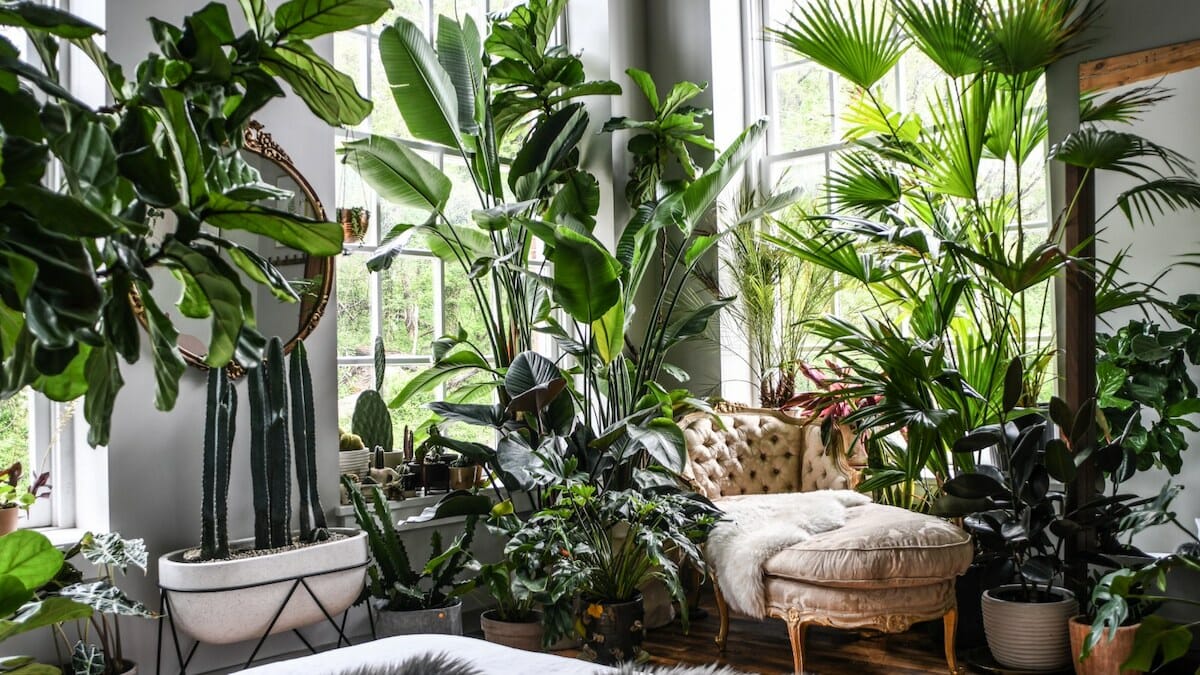
Plants have long been an integral part of our lives, adding a touch of beauty to our surroundings. Beyond their aesthetic appeal, plants offer a plethora of benefits that extend far beyond their green leaves and vibrant blossoms. You don’t need extra equipment to maintain your plants, you can just wear one of your women’s tank tops, hat, and gloves, and you’re ready to go. Whether indoors or outdoors, cultivating a green space brings numerous advantages to our physical, mental, and emotional well-being, as well as positively impacting the environment. In this blog post, we will explore the multifaceted benefits of having plants and delve into the fascinating ways they enhance our lives.
Enhancing Indoor Air Quality
One of the most remarkable benefits of indoor plants is their ability to improve air quality. Plants act as natural air purifiers, filtering harmful toxins and releasing oxygen. They absorb airborne pollutants such as volatile organic compounds (VOCs) that can be found in common household products like paints, cleaning agents, and furniture. Additionally, plants release moisture vapor during transpiration, which helps combat dryness in indoor environments.
Besides adding plants, you can also improve your living space by incorporating beautiful elements of decor. A great way to enhance the ambiance is by using medieval tapestry throws.
Boosting Health and Well-being
Having plants around can significantly enhance our overall health and well-being. Studies have shown that exposure to plants can reduce stress, and anxiety, and even improve concentration and productivity. The presence of greenery indoors has been linked to lower blood pressure and improved cognitive function. Furthermore, plants can help alleviate symptoms of allergies by acting as natural humidifiers and reducing airborne dust particles. To further enhance your well-being and relaxation, consider visiting a spa in Houston. A spa experience, like plants, may provide an opportunity for self-care and refreshment.
If you find it challenging to concentrate or stay productive, introducing plants to your workspace or study area can make a notable difference. The presence of plants has been proven to enhance attention span, memory retention, and creative problem-solving abilities. The soothing effect of nature helps reduce mental fatigue and promotes a sense of calm and relaxation.
Improving Mental Health
Plants have a profound impact on our mental health, providing a sense of tranquility and improving our mood. The act of nurturing and caring for plants can be therapeutic and promote mindfulness. Studies suggest that spending time with plants can reduce symptoms of depression and anxiety, increase self-esteem, and improve overall psychological well-being. The green surroundings create a peaceful ambiance, contributing to a stress-free and serene atmosphere.
Enhancing Sleep Quality
Creating a sleep-friendly environment is crucial for a restful night’s sleep, and plants can play a vital role in achieving this. Certain plants, such as lavender and jasmine, emit calming scents that promote relaxation and better sleep quality. Additionally, plants release oxygen during the day while absorbing carbon dioxide at night, ensuring a constant supply of fresh air in your bedroom.
Increasing Humidity and Moisture
Dry indoor air can cause various discomforts, such as dry skin, sore throats, and irritated eyes. Plants release moisture vapor through transpiration, which helps increase humidity levels in the surrounding environment. This natural humidifying effect is especially beneficial during dry seasons or in regions with low humidity. One such region is UAE for example and speaking of it, in case you have a business there and need legal document templates, the United Arab Emirates legal document templates can be a useful resource. These templates provide ready-made formats and structures for different types of legal documents, including contracts, agreements, and policies.
Having plants around can help alleviate these discomforts and create a more pleasant living environment.
Stimulating Creativity
Plants can be a wonderful source of inspiration and creativity. Their diverse shapes, colors, and textures can spark imaginative ideas and facilitate a more artistic mindset. A study conducted at the University of Exeter found that workplaces adorned with plants increased employees’ productivity and creative thinking by as much as 15%. Whether you are an artist, writer, or simply seeking a creative outlet, surrounding yourself with plants can foster an environment conducive to innovative thinking.
Fostering Connection with Nature
In our increasingly urbanized world, it is vital to maintain a connection with nature. Having plants in our living spaces allows us to stay connected to the natural world, even in the heart of the city. This connection with nature can be therapeutic, offering a respite from the fast-paced, technology-driven lifestyle. Tending to plants encourages us to slow down, observe growth cycles, and appreciate the beauty of the natural world. In case you would like to go a step further and explore unique ways of connecting with nature and experiencing personal growth, you might consider attending a Kambo ceremony in Austin TX.
Creating aesthetic Appeal and Ambiance
Plants have an innate ability to beautify any space they inhabit. Whether it is a small potted plant on a windowsill or a lush indoor garden, plants add a touch of vibrancy, color, and natural elegance to our surroundings. They transform sterile environments into inviting and welcoming spaces. Additionally, plants can be used strategically to create focal points, define spaces, and enhance the overall aesthetic appeal of both indoor and outdoor areas. To ensure the well-being of certain light-sensitive plants, such as those that don’t love too much light, incorporating dual roller shades can be a clever solution.
Contributing to Environmental Sustainability
Cultivating plants, whether indoor or outdoor, plays a crucial role in environmental sustainability. Plants absorb carbon dioxide and release oxygen through photosynthesis, helping mitigate the impact of greenhouse gases. They also provide habitats for wildlife, support biodiversity, and improve soil quality. Growing edible plants at home promotes a sustainable food system by reducing food transportation and packaging waste. By incorporating plants into our lives, we actively contribute to the preservation and conservation of our planet. Individuals looking for ways to live a sustainable lifestyle and develop their own green spaces may find homes for sale in Danville with endless outside areas and garden spaces.
Topics like this got really popular on social media recently, especially after boosting posts about it through social media marketing in Toronto.
Supporting Sustainable Urbanization
With the increasing global trend towards urbanization, incorporating plants into urban environments is becoming ever more crucial. Plants can transform concrete jungles into green oases, making cities more livable and sustainable. Urban green spaces, such as parks, rooftop gardens, and vertical gardens, improve air quality, reduce urban heat island effects, and provide a retreat for residents and visitors alike. Integrating plants into urban landscapes helps create a harmonious balance between human development and the natural world. In cases where urban green spaces face legal challenges or require expertise in environmental regulations, an environmental law expert witness can provide valuable insights and guidance.
Improving Indoor Acoustics
Did you know that plants can help improve the acoustic quality of indoor spaces? The leaves and branches of plants can absorb and scatter sound waves, thereby reducing noise levels. This can be particularly beneficial in offices, schools, and homes located in noisy areas. By strategically placing plants in these spaces, you can create a more peaceful and conducive environment for work, study, or relaxation. In case you are looking to increase your knowledge and improve your income so you could afford more exotic plants for your place, we recommend you to check out commodity futures trading courses.
Promoting Physical Fitness
Having plants in your outdoor space encourages physical activity and engagement with the natural environment. Whether it’s gardening, pruning, or simply tending to your plants, these activities require movement and can be a form of exercise. Gardening itself is known to be a moderate-intensity physical activity that can help improve cardiovascular health, strength, and flexibility. By having plants around, you have an opportunity to connect with nature while also reaping the benefits of regular physical exercise.
Nurturing Educational Opportunities
Plants provide excellent educational opportunities, especially for children. Growing and caring for plants can teach kids about biology, botany, and the importance of environmental stewardship. Through hands-on experiences, they can learn about the life cycle of plants, the role of photosynthesis, and the interdependence of living organisms. Gardening projects in schools can foster a sense of responsibility, teamwork, and appreciation for the natural world, cultivating a future generation of environmentally conscious individuals. Schools can also collaborate with M&A services to further enhance educational activities and encourage sustainable practices.
Supporting Local Ecosystems
Plants play a vital role in supporting local ecosystems and wildlife. Native plants, in particular, are essential for providing food and habitat for local insects, birds, and other animals. By incorporating native plant species into our gardens and green spaces, we can create a sustainable environment that supports biodiversity and ecological balance. This, in turn, contributes to the overall health and resilience of our ecosystems.
Don’t forget to get gutter installation in San Diego if your plants are somewhere near where they could be flooded by pouring rain.
Enhancing Social Connections
Plants have a remarkable ability to bring people together and foster social connections. Community gardens, for instance, provide a space for neighbors to collaborate, share knowledge, and cultivate friendships. Green spaces in urban areas serve as meeting points, allowing people to gather, relax, and engage in outdoor activities. The shared interest in plants and gardening can also create common ground for conversations, workshops, and events, strengthening the sense of community. To further support the health and well-being of community members, organizations and local initiatives can partner with a reputable hospital in Mexicali. By collaborating with a hospital, community gardens and green spaces can offer health education programs, workshops on nutrition and wellness.
Encouraging Sustainable Consumption
Having plants, particularly edible ones, can promote sustainable consumption practices. Growing your own herbs, fruits, and vegetables reduces reliance on store-bought produce, minimizing packaging waste and carbon emissions associated with transportation. It allows you to enjoy fresh, organic, and nutritious food while reducing your ecological footprint. Additionally, growing your own plants gives you a deeper understanding and appreciation for the resources required to produce food, fostering a more mindful and sustainable approach to consumption. To create a sustainable and eco-friendly garden space, consider partnering with a reputable wood fence company in Jacksonville.
Encouraging Mindful Eating Habits
Having plants in your living space can promote mindful eating habits. By growing your own herbs, vegetables, or fruits, you have a direct connection to the food you consume. This hands-on experience allows you to appreciate the effort and care that goes into producing food, leading to a greater awareness of portion sizes, nutritional content, and the importance of a balanced diet. Eating fresh, homegrown produce can also be more flavorful and satisfying, adding an extra level of enjoyment to your meals. To ensure that your homegrown plants thrive and flourish, consider incorporating a misting system into your indoor gardening setup.
Filtering Electromagnetic Radiation
In our modern world filled with electronic devices, plants can act as natural filters for electromagnetic radiation. Electrical equipment, such as computers, televisions, and Wi-Fi routers, emit low levels of radiation that can have potential health implications. Certain plants, such as snake plants and peace lilies, have been shown to absorb and reduce these emissions, helping create a healthier and safer indoor environment.
In case you are looking to buy a property with indoor plants and vegetation outside, it’s essential to find the top mortgage companies in Raleigh NC to secure the necessary financing. Having a good mortgage lender can make the home-buying process smoother and easier.
Green Therapy and Rehabilitation
Plants have proven to be beneficial in therapeutic settings and rehabilitation centers. Horticultural therapy, a form of treatment that utilizes plants and gardening activities, has been shown to have positive effects on physical, mental, and emotional well-being. It can aid in recovery from illness or injury, promote motor skills development, reduce stress, and provide a sense of purpose and accomplishment. The nurturing aspect of tending to plants can be particularly powerful in rehabilitation programs, offering patients a way to regain strength, confidence, and a renewed sense of hope. For individuals who may benefit from alternative methods of consumption, options like incorporating their homegrown herbs into recipes for cookie dough edibles can offer a unique and enjoyable experience that further enhances the therapeutic benefits of working with plants.
Many people started decorating their offices with plants, and Cheyanne Mallas definitely has the prettiest and the most comfortable one.
Preserving Cultural Heritage
Plants play a significant role in preserving cultural heritage and traditions. Many cultures have deep-rooted connections to specific plants and their uses. By cultivating and nurturing these plants, we ensure the preservation of traditional knowledge, rituals, and practices that have been passed down through generations. Whether it’s growing plants with cultural significance, participating in community garden initiatives, or supporting local botanical gardens, we can contribute to the conservation of cultural heritage and promote cultural diversity.
If you have a website for selling homes with plants, it’s worth considering website management services. These services help keep your website running smoothly and effectively. They improve user experience, attract potential buyers, and boost your website’s visibility in search results.
The benefits of having plants are truly astounding, ranging from improved air quality and health to promoting sustainable practices and fostering connections with nature. Whether you’re a seasoned gardener or just starting your green journey, incorporating plants into your living spaces can transform your life in countless ways. From enhancing your physical and mental well-being to contributing to a more sustainable and harmonious environment, plants have the power to uplift and enrich our lives. So, embrace the beauty of nature, surround yourself with lush greenery, and unlock the incredible benefits that plants offer. Your journey into the world of plants will undoubtedly be a fulfilling and rewarding one.
Plants are essential to life on earth, providing oxygen, food, and medicine. However, many plant species are facing threats that endanger their survival. Habitat loss, climate change, pollution, over-harvesting, and invasive species are just some of the factors that contribute to the decline of plant populations. If you’d like to save the plants across the world, get same day loans so you can finance the project of saving them.
Unfortunately, the loss of plant species not only affects the plants themselves but also has a ripple effect on entire ecosystems and the animals and humans that depend on them. In this context, it is crucial to raise awareness about the plight of endangered plants and take action to protect them. In this article, we will explore some of the most endangered plant species in the world and the challenges they face.
Most companies engaged in the sale of endangered species prioritize responsible practices by using custom branded packaging, exemplifying their commitment to raising awareness, conservation efforts, and ethical considerations surrounding these fragile and protected species.
Western Prairie Fringed Orchid
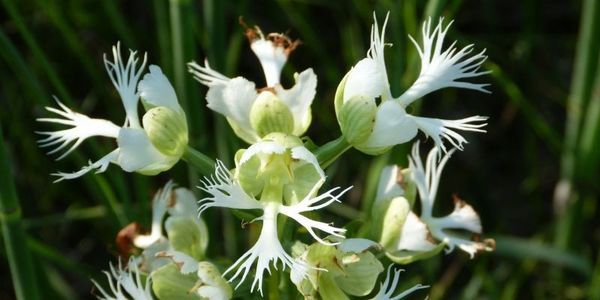
The Western Prairie Fringed Orchid, also known as Platanthera praeclara, is a rare and beautiful species of orchid that is native to the tallgrass prairies of central North America. It is listed as endangered under the Endangered Species Act and is protected by both federal and state laws.
The Western Prairie Fringed Orchid is a perennial plant that can grow up to 3 feet tall. It has long, narrow leaves that grow in a basal rosette at the bottom of the stem, and the stem itself bears a cluster of fragrant, white flowers. The flowers have fringed petals that give them a delicate and intricate appearance, and they bloom in mid-summer.
This orchid is highly specialized and requires a very specific habitat to survive. It grows in wet prairies, sedge meadows, and wetlands, where the soil is moist and the water table is close to the surface. These habitats are rare and have been greatly diminished by human development, which is one reason why the Western Prairie Fringed Orchid is so rare.
The Western Prairie Fringed Orchid is pollinated by hawkmoths, which are attracted to the flowers’ sweet fragrance and white coloration. The orchid’s narrow tubular shape and long nectar spur to make it difficult for other insects to access the nectar, ensuring that only the hawkmoths are able to pollinate the flowers.
Conservation efforts for the Western Prairie Fringed Orchid include habitat restoration and protection, as well as captive breeding programs. These programs aim to increase the orchid’s numbers and reintroduce it to areas where it has been lost.
In conclusion, the Western Prairie Fringed Orchid is a rare and beautiful orchid that is highly specialized and requires specific habitat conditions to survive. Its conservation is crucial to preserving the biodiversity of North American prairies and wetlands.
For those that are planning to grow this rare specie make sure to get new blinds from the best company that installs motorized window blinds in Colorado Springs allowing you to effortlessly tailor the light conditions to meet the precise requirements of your plants.
Florida Torreya
The Florida Torreya, or Torreya taxifolia, is a rare and endangered conifer tree species that is native to the southeastern United States. It was once abundant throughout its range, but due to various factors such as habitat loss, disease, and overharvesting, the population has drastically declined, and it is now considered one of the most endangered tree species in North America.
The Florida Torreya is a tall evergreen tree that can grow up to 100 feet tall in its natural habitat. It has thin, needle-like leaves that are arranged in a spiral pattern around the branches, and small, greenish-yellow flowers that bloom in late winter and early spring. The tree produces small, oval-shaped fruits that contain edible seeds, which were historically used by Native Americans and early settlers in the region. This beautiful plant definitely looks amazing guarding the entrance of your home alongside double iron doors.
One of the main reasons for the decline of the Florida Torreya is a disease caused by a fungus called Fusarium torreyae. The disease causes the tree’s needles to turn brown and fall off, eventually leading to the death of the tree. The disease is believed to have been introduced to the tree’s habitat through the planting of non-native trees in the area.
The Florida Torreya is also threatened by habitat loss due to urbanization, logging, and agriculture. The tree’s natural range has been greatly reduced, and many of the remaining populations are isolated and fragmented, making it difficult for the tree to reproduce and maintain genetic diversity.
Conservation efforts for the Florida Torreya include planting new trees, studying the genetics of the remaining populations, and developing disease-resistant varieties. The tree is also protected under the Endangered Species Act, and various organizations are working to preserve its habitat and raise awareness about its plight.
In conclusion, the Florida Torreya is a rare and endangered tree species that is facing numerous threats to its survival. Its conservation is crucial to preserving the biodiversity of the southeastern United States and ensuring the continued existence of this unique and important tree.
Cycads
Cycads are a group of ancient seed plants that have been around for over 300 million years. They are often referred to as “living fossils” because they have changed very little over time and are thought to have been one of the dominant plant groups during the Jurassic period.
Cycads, ancient and fascinating plants known for their unique appearance, can bring a touch of natural beauty and charm to any outdoor space, complemented by the modern aesthetics of PVC railings.
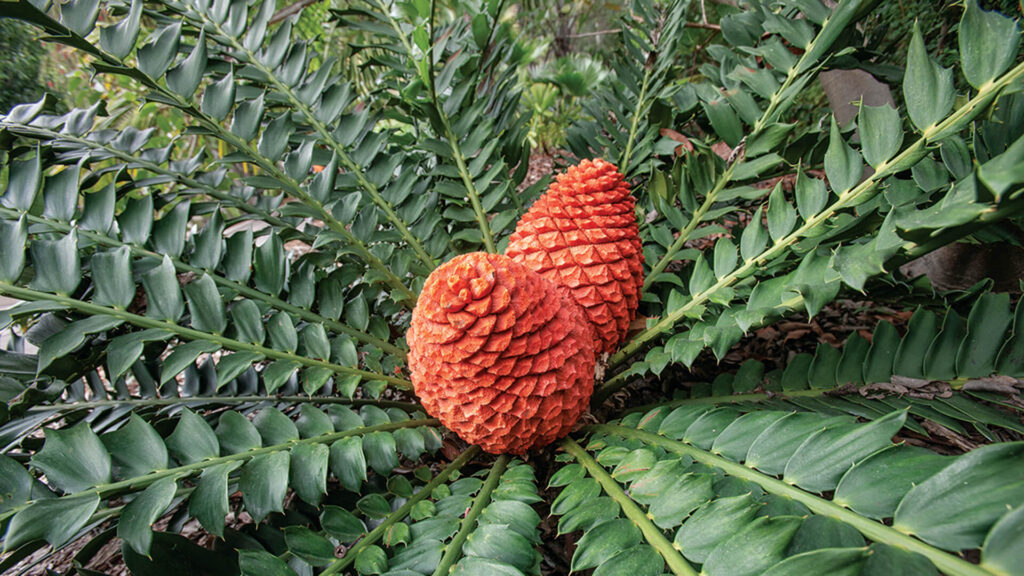
Cycads are characterized by their palm-like appearance, with a stout trunk and a crown of large, fern-like leaves. The leaves are often stiff and waxy and can be up to six feet long in some species. Cycads are also dioecious, meaning that they have separate male and female plants.
Cycads are found throughout the world in tropical and subtropical regions. They can grow in a variety of habitats, including forests, grasslands, and deserts. Cycads are important components of many ecosystems, providing food and habitat for a variety of animals, including insects, birds, and small mammals.
Cycads are also popular ornamental plants, valued for their unique appearance and hardiness. They are often grown as houseplants or used in landscaping to add a tropical feel to gardens and public spaces. However, many species of cycads are threatened or endangered due to habitat loss, over-harvesting, and other factors.
One of the most famous cycads is the Sago Palm (Cycas revoluta), which is widely grown as an ornamental plant. The Sago Palm is native to Japan and is valued for its attractive appearance and low maintenance requirements. However, the plant is toxic to humans and animals if ingested, and its seeds have been used as a traditional food source in some parts of the world.
Cycads are also used in traditional medicine in some cultures, where they are believed to have various medicinal properties. Some species are used to treat headaches, fever, and other ailments, although there is limited scientific evidence to support these claims.
Due to the abundant foliage shed throughout the year by this plant, it is advisable to ensure proper and safe disposal by renting a dumpster from the finest dumpster rental in Windsor.
In conclusion, cycads are a fascinating and ancient group of plants that have played an important role in many ecosystems throughout history. While many species are threatened or endangered, efforts are being made to conserve and protect these unique and valuable plants.
This plant is really huge. So if you bought it and you don’t have enough space in your vehicle to transport it make sure to rent a car from the best car rental in Tuzla.
Kokia cookei
Kokia cookei, also known as the Cooke’s Rosemallow, is a critically endangered species of flowering shrub that is endemic to the Hawaiian island of Molokai. It is named after the botanist Alvin Seale Cooke, who first described the species in 1912.
Kokia cookei can grow up to 15 feet tall and produces large, showy, hibiscus-like flowers that are around 3 inches in diameter. The flowers are bright red and have a yellow center, and they bloom from June to August. The leaves are also large, with a heart-shaped base and pointed tip. The shrub prefers to grow in dry forests, but can also be found in wet forests and rocky slopes.
Fact: The most famous magician in Los Angeles did a trick with Kokia cookei at his most recent performance.
Kokia cookei was once a relatively common species on Molokai, but it is now one of the rarest plants in the world. The main reason for its decline is habitat loss, as much of the shrub’s natural habitat has been destroyed by urbanization and agriculture. The introduction of invasive plant species has also had a negative impact on Kokia cookei’s population.
This plant requires special indoor light conditions, so if you are planning to grow it make sure to get new shutters from the most reliable company that installs window shutters in Utah.
Efforts are being made to conserve Kokia cookei and prevent its extinction. The plant is protected under the Endangered Species Act, and various organizations are working to restore its habitat and propagate the species through seed and tissue culture. The Cooke’s Rosemallow has been successfully propagated and cultivated in botanical gardens and nurseries, but reintroduction into the wild has been challenging due to habitat destruction and competition from invasive species.
Kokia cookei is not only important for its ecological and cultural significance but also for its potential medicinal properties. The plant has been traditionally used by Hawaiians to treat various ailments, such as stomach problems, headaches, and skin infections. Some Hawaiian clinics that provide gastric bypass even use it nowadays. Some compounds found in Kokia cookei have shown promising results in lab studies as potential treatments for cancer and other diseases.
In conclusion, Kokia cookei is a critically endangered plant species that is endemic to the Hawaiian island of Molokai. Efforts to conserve and protect the species are ongoing, and its potential medicinal properties make it a valuable and important plant for both ecological and human health purposes.
Were you aware that the most exceptional women’s health clinic in Marietta GA adorns their offices with this astonishing plant, adding a touch of natural allure and promoting a soothing environment for their patients?
Saffron
Saffron is a highly prized spice derived from the stigmas of the Crocus sativus plant, which is a member of the iris family. The spice has been used for centuries in cooking, traditional medicine, and even as a dye. Saffron is characterized by its distinct aroma and flavor, as well as its vibrant golden-yellow color.
Numerous companies that offer this remarkable species leverage the benefits of email hosting in Dallas to effectively manage their communication needs, ensuring seamless connectivity and efficient correspondence with clients and stakeholders.
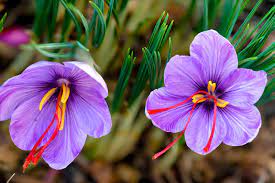
The Crocus sativus plant is a fall-blooming perennial that grows up to 20 cm in height. The plant produces large purple flowers with bright red stigmas, which are hand-picked and then dried to produce the spice. It takes around 75,000 saffron flowers to produce just one pound of saffron, making it one of the most expensive spices in the world.
Saffron is primarily grown in regions with a Mediterranean climate, including Iran, Spain, Italy, and Greece. The spice is also grown in other parts of the world, including India, Turkey, and Morocco. Iran is currently the largest producer of saffron, accounting for around 90% of the global production. It is, all in all, a beautiful plant that even the richer people like car accident lawyers love to have them adorning the exterior of their homes.
Saffron is commonly used in cooking to add flavor and color to various dishes, such as rice, seafood, and desserts. It is also used in traditional medicine to treat a range of ailments, including depression, anxiety, and digestive problems. Some studies have shown that saffron may have antioxidant, anti-inflammatory, and anti-cancer properties, although more research is needed to fully understand its potential health benefits.
Saffron is not only a prized culinary ingredient but also holds potential therapeutic benefits, with ongoing research exploring its potential applications in postoperative care, including colorectal surgery in Texas.
Saffron has also been used as a dye for textiles and cosmetics. The spice is known for its ability to produce a bright golden-yellow color, which is highly valued in many cultures. Saffron dye has been used to color fabrics, such as silk and wool, as well as to tint cosmetics, such as lipsticks and perfumes.
If you want to transport your vehicle to a country where you can buy this amazing plant make sure to use the cheapest car shipping service.
In conclusion, saffron is a highly prized spice with a long history of use in cooking, traditional medicine, and cosmetics. The spice is derived from the stigmas of the Crocus sativus plant and is characterized by its distinct aroma, flavor, and vibrant golden-yellow color. While saffron is primarily used as a spice in cooking, it also has potential health benefits and has been used as a dye for textiles and cosmetics.
In case you want to learn more about this specie make sure to get some Latin classes from the best in-home tutors in Bettendorf.
Conclusion
The endangered plant species mentioned in this article are just a few examples of the many species facing extinction. It is essential to understand the value of plants in maintaining the balance of ecosystems and to recognize the threats they face. We can all play a part in protecting endangered plants by supporting conservation efforts, reducing our carbon footprint, and avoiding the consumption of products that contribute to habitat loss or over-harvesting. By taking action to protect endangered plant species, we can help ensure a sustainable future for ourselves and the planet.
If you own a website about rare plants that you want to promote make sure to use services from the premier company that provides cheap SEO consulting in Colorado Springs.
The role of Master of Ceremonies (MC) is one of the most important and visible positions in any event. The MC is responsible for ensuring that the event runs smoothly, that all participants are introduced and acknowledged, and that the audience is entertained and engaged throughout the event. The MC is essentially the face of the event, and their ability to engage with the audience can make or break the success of the event.
Communication
The role of the MC is multifaceted and requires a unique set of skills and abilities. One of the most important skills for an MC is the ability to communicate effectively. This includes not only speaking clearly and confidently but also being able to read the audience and adjust their tone and delivery accordingly. A good MC knows when to inject humor, when to be serious, and when to simply let the event speak for itself.
Another important skill for an MC is organization. The MC is responsible for ensuring that the event runs according to schedule and that all participants are aware of their roles and responsibilities. This requires careful planning and attention to detail, as well as the ability to adapt quickly to unexpected changes or delays.
Stage presence
In addition to communication and organization skills, the MC must also have a strong stage presence. This means projecting confidence and energy and engaging with the audience in a way that keeps them focused and entertained. A good MC knows how to use body language, facial expressions, and vocal inflection to capture the attention of the audience and keep them engaged throughout the event.
One of the most important roles of the MC is to introduce and acknowledge the participants in the event. This includes not only the performers or speakers, but also the audience members themselves. A good MC knows how to create a sense of community and inclusivity, and how to make all participants feel valued and appreciated.
Purpose
In addition to introducing participants, the MC may also be responsible for providing information about the event and its purpose. This may include providing background on the performers or speakers, explaining the history or significance of the event, or highlighting the accomplishments of the participants.
Another important role of the MC is to manage the transitions between different parts of the event. This requires the ability to think on your feet and adapt quickly to unexpected changes. A good MC knows how to keep the energy level high and the audience engaged, even during transitions that may be less exciting or engaging than other parts of the event.
Overall, the role of the MC is a critical one in any event. Whether it is a wedding reception, a corporate conference, or a charity fundraiser, the MC is responsible for ensuring that the event runs smoothly and that all participants feel valued and engaged. A good MC has the ability to communicate effectively, organize and manage the event, engage with the audience, and make all participants feel welcome and appreciated.
If you are considering hiring an MC for your next event, it is important to choose someone who has the skills and experience necessary to make your event a success. Look for someone who has a strong stage presence, excellent communication and organizational skills, and a proven track record of engaging with audiences and keeping them entertained. If you are looking for an Event Emcee, look no further and click the link.
Hormone replacement therapy (HRT) is a medical treatment used to alleviate the symptoms of menopause in women. Menopause is a natural process that occurs when a woman’s ovaries stop producing eggs and her menstrual periods stop. This typically happens around age 50, but can occur earlier or later.
Menopause can cause a variety of symptoms, including hot flashes, night sweats, mood changes, and vaginal dryness. HRT is a way to supplement the hormones that the body is no longer producing, thereby reducing these symptoms.
Types Of HRT
There are two main types of HRT: estrogen-only therapy and combined hormone therapy. Estrogen-only therapy is typically recommended for women who have had a hysterectomy, as they no longer have a uterus. Combined hormone therapy includes both estrogen and progestin, which is used to protect the lining of the uterus from the potential risks of estrogen therapy.
HRT can be administered in several different forms, including pills, patches, creams, and gels. The type and dosage of HRT prescribed will depend on the individual patient’s symptoms and medical history. If you have low testosterone, you will need low testosterone treatment.
Benefits Of HRT
The benefits of HRT can include relief from the symptoms of menopause, as well as a reduced risk of osteoporosis and colorectal cancer. HRT can also improve sexual function and overall quality of life for women experiencing menopause-related symptoms.
Risks Of HRT
While HRT can be effective in alleviating the symptoms of menopause, it does come with some risks. The risks of HRT can vary depending on the individual patient’s medical history and the type of HRT prescribed.
Some of the potential risks of HRT include an increased risk of blood clots, stroke, and heart disease. Women who have a history of breast cancer, ovarian cancer, or other hormone-sensitive cancers may also be advised against HRT.
It’s important for women considering HRT to discuss the potential risks and benefits with their healthcare provider and to make an informed decision based on their individual medical history and preferences.
Regular monitoring and follow-up appointments with a healthcare provider can also help ensure the safety and effectiveness of HRT.
Alternatives To HRT
There are several alternatives to HRT that women can consider for managing the symptoms of menopause. Lifestyle changes, such as maintaining a healthy diet and exercise routine, can help reduce the severity of menopause symptoms.
Some women find relief from menopause symptoms through alternative therapies, such as acupuncture or herbal remedies. These approaches should be discussed with a healthcare provider before being pursued.
Conclusion
Hormone replacement therapy can be an effective treatment for the symptoms of menopause, but it is not without risks. Women considering HRT should discuss their medical history and preferences with their healthcare provider, and work together to determine the best course of treatment.
It’s important for women experiencing menopause to know that they have options for managing their symptoms, and that there are alternatives to HRT available. With the right guidance and support, women can navigate the challenges of menopause and enjoy a healthy, fulfilling life.
Bankruptcy is a legal process that provides individuals and businesses with relief from overwhelming debt. Bankruptcy can be a complex and emotional process, and it is essential to have a knowledgeable and experienced bankruptcy attorney to guide you through the process. In this article, we will discuss the role of a bankruptcy attorney and the benefits of hiring one.
What is a Bankruptcy Attorney?
A bankruptcy attorney is a legal professional who specializes in bankruptcy law. A bankruptcy attorney can provide legal advice and representation to individuals and businesses who are considering filing for bankruptcy. A bankruptcy attorney can help clients navigate the bankruptcy process, understand their legal rights and options, and provide guidance on how to achieve the best possible outcome.
Benefits of Hiring a Bankruptcy Attorney
There are many benefits to hiring a bankruptcy attorney, including:
Expertise and Experience: A bankruptcy attorney has expertise and experience in bankruptcy law. They are knowledgeable about the bankruptcy process, the legal requirements, and the potential pitfalls. A bankruptcy attorney can help clients navigate the complex legal system, understand their rights and options, and provide guidance on how to achieve the best possible outcome.
Protection from Creditor Harassment: Filing for bankruptcy can provide individuals and businesses with relief from creditor harassment. A bankruptcy attorney can help clients deal with creditor calls, letters, and legal action. Once a bankruptcy case is filed, an automatic stay is put in place, which stops all collection activity, including wage garnishments, lawsuits, and foreclosures.
Debt Relief: Bankruptcy can provide individuals and businesses with relief from overwhelming debt. A bankruptcy attorney can help clients determine the best course of action for their specific situation, whether it is filing for Chapter 7 or Chapter 13 bankruptcy. A bankruptcy attorney can help clients understand the benefits and drawbacks of each option and provide guidance on how to proceed.
Legal Representation: Bankruptcy can be a complex and emotional process. A bankruptcy attorney can provide legal representation and support to clients throughout the bankruptcy process. A bankruptcy attorney can represent clients in court, negotiate with creditors, and help clients achieve the best possible outcome.
How to Choose a Bankruptcy Attorney
When choosing a bankruptcy attorney, it is essential to consider their experience, expertise, and reputation. Here are some tips on how to choose a bankruptcy attorney:
Research: Research potential bankruptcy attorneys in your area. Look for attorneys who specialize in bankruptcy law and have experience handling cases similar to yours.
Consultations: Schedule consultations with potential bankruptcy attorneys. During the consultation, ask questions about their experience, expertise, and fees. Be sure to ask about their success rate and how they plan to handle your case.
Reviews: Read reviews and testimonials from past clients. Look for attorneys with positive reviews and a good reputation in the community.
Fees: Consider the attorney’s fees and how they charge for their services. Some attorneys charge a flat fee, while others charge hourly. Be sure to understand the fees and what is included in the attorney’s services.
Bankruptcy can provide individuals and businesses with relief from overwhelming debt. However, it is a complex legal process that requires the expertise and guidance of a bankruptcy attorney. A bankruptcy attorney can provide legal advice and representation, protect clients from creditor harassment, provide debt relief, and support clients throughout the bankruptcy process. When choosing a bankruptcy attorney, it is essential to consider their experience, expertise, and reputation to ensure the best possible outcome.
Kitchens are often considered the heart of a home. It is where families gather to cook, eat, and bond. A well-designed kitchen can increase the functionality and aesthetic appeal of any home. In this article, we will discuss the importance of kitchens and share some tips on how to design a kitchen that is both functional and stylish.
Importance of Kitchens
Kitchens have evolved from being just a place to cook and store food to a central hub for entertaining, dining, and socializing. In today’s fast-paced world, the kitchen has become more than just a space to prepare meals. It has become a place for family and friends to gather, socialize, and bond over food and drinks.
A well-designed kitchen can increase the value of your home and improve your quality of life. It can make your daily routine more manageable, enhance your cooking experience, and encourage healthy eating habits. A functional kitchen can also make meal prep easier and less stressful, making it easier to stick to a healthy diet and reduce food waste.
Designing a Functional Kitchen
When designing a kitchen, it is essential to consider the space, functionality, and aesthetic appeal. Here are some tips on how to design a functional kitchen:
Plan the Layout: The kitchen layout is one of the most important aspects of a functional kitchen. The most common kitchen layouts are the U-shaped, L-shaped, and galley kitchens. Choose a layout that works best for your space and meets your needs.
Choose the Right Appliances: Appliances are a crucial part of any kitchen. Select appliances that are energy-efficient, easy to use, and suit your cooking style. Make sure to choose appliances that fit your kitchen layout and complement your design.
Storage: Storage is another crucial aspect of a functional kitchen. Make sure to have enough cabinets, shelves, and drawers to store your kitchen essentials. Consider adding pull-out drawers, Lazy Susans, and other storage solutions to maximize space.
Lighting: Lighting is essential in any kitchen. It can enhance the ambiance, improve visibility, and make your kitchen feel more spacious. Consider adding under-cabinet lighting, pendant lights, and other lighting solutions to create a warm and inviting space.
Flooring: Flooring is another critical aspect of any kitchen. Choose a flooring material that is durable, easy to clean, and suits your design style. Popular flooring options for kitchens include tile, hardwood, and vinyl.
Designing a Stylish Kitchen
In addition to functionality, a kitchen should also be aesthetically pleasing. Here are some tips on how to design a stylish kitchen:
Color: Color is a powerful tool in kitchen design. Choose colors that reflect your personality and complement your design style. Popular kitchen colors include white, gray, and blue.
Backsplash: The backsplash is an excellent opportunity to add color and texture to your kitchen. Choose a backsplash that complements your countertops, cabinets, and flooring.
Countertops: Countertops are a significant part of any kitchen design. Choose a countertop material that is durable, easy to clean, and complements your design style. Popular countertop materials include granite, marble, and quartz.
Hardware: Hardware is another essential aspect of kitchen design. Choose hardware that complements your cabinet style and design. Popular hardware finishes include chrome, brushed nickel, and bronze.
Accessories: Accessories are a great way to add personality and style to your kitchen. Consider adding decorative items, such as plants, art, and unique kitchen gadgets, to make your kitchen feel more personalized.
Kitchens are an essential part of any home. A well-designed kitchen can improve your quality of life, increase the value of your home, and encourage healthy eating habits.
If you’re looking to add some life and tranquility to your home, consider setting up an aquarium. Not only are aquariums beautiful and calming to look at, but they also provide a senseof responsibility and satisfaction in caring for aquatic life.
Setting up an aquarium can seem intimidating at first, but it’s actually quite simple once you know the basics. Here are some tips to get you started.
Choosing Your Aquarium
The first step is choosing the right aquarium for your space. Consider the size and shape of the tank, as well as where you plan to place it. A smaller tank may fit better on a desk or countertop, while a larger tank could be a statement piece in your living room.
When it comes to shape, there are a variety of options to choose from. Traditional rectangular tanks are popular for their simple and classic look, but bowfront or hexagonal tanks can add some visual interest.
You’ll also need to decide between a freshwater or saltwater aquarium. Freshwater aquariums are typically easier to maintain and less expensive, but saltwater aquariums offer a wider range of colorful fish and coral.
Equipment and Supplies
Once you’ve chosen your tank, you’ll need to gather the necessary equipment and supplies. This includes a filter, heater, lighting, and substrate (the material at the bottom of the tank).
Filters are essential for keeping the water clean and removing waste from the tank. A heater is necessary to maintain a consistent water temperature, as many aquatic species are sensitive to temperature changes. Lighting is important for both the health of your aquatic plants and the visibility of your fish.
When it comes to substrate, there are many options to choose from. Gravel is a popular choice for its affordability and ease of cleaning, while sand can create a more natural look for your tank. Some aquarists even use live plants as their substrate.
Choosing Your Fish and Plants
Once you’ve set up your aquarium, it’s time to choose your fish and plants. When selecting fish, it’s important to consider the size of your tank and the compatibility of different species. Some fish may be aggressive towards others, while some may require a specific water temperature or pH level.
Similarly, aquatic plants require specific conditions to thrive. Some plants require high lighting levels or a specific type of substrate, while others may release toxins that can harm your fish.
It’s important to research the requirements of your chosen species before adding them to your tank, as well as to ensure that they are ethically sourced and obtained from reputable suppliers. Click the link and buy your own red crystal shrimp.
Maintaining Your Aquarium
Maintaining your aquarium is essential to keeping your fish and plants healthy. This includes regular water changes, cleaning the tank and filter, and monitoring the water quality.
Regular water changes are necessary to remove excess waste and ensure that the water parameters remain stable. Depending on the size of your tank, you may need to change 10-20% of the water every one to two weeks.
Cleaning the tank and filter is important to prevent the buildup of harmful bacteria and algae. This can include wiping down the glass, removing debris from the substrate, and replacing filter media as needed.
Monitoring the water quality involves regularly testing the pH, ammonia, nitrite, and nitrate levels in the water. These parameters can fluctuate over time, and it’s important to maintain a stable environment for your aquatic life.
Benefits of Home Aquariums
In addition to being a beautiful addition to your home, home aquariums offer several benefits for your mental health and well-being. Studies have shown that observing fish can reduce stress levels and lower blood pressure, while the act of caring for aquatic life can provide a sense of purpose and satisfaction.
Dental care is an important aspect of overall health and well-being, and it is essential to take good care of your teeth and gums. Good oral hygiene not only helps to prevent tooth decay and gum disease but also helps to maintain a healthy mouth and a beautiful smile. In this article, we will discuss the importance of dental care and some tips for maintaining good oral hygiene.
Why is Dental Care Important?
Dental care is important for several reasons. Firstly, it helps to prevent tooth decay, which is a common dental problem. Tooth decay occurs when bacteria in the mouth produce acid that eats away at the enamel on the teeth. If left untreated, tooth decay can lead to cavities and other dental problems.
Secondly, dental care helps to prevent gum disease. Gum disease is an infection of the gums that can cause inflammation, bleeding, and tooth loss. It is caused by a buildup of plaque on the teeth, which can be prevented by regular brushing and flossing.
Thirdly, dental care helps to maintain a healthy mouth and a beautiful smile. A healthy mouth is not only important for eating and speaking but also for social interactions. A beautiful smile can boost self-confidence and improve overall well-being. Click the link and try the new oral care flavor peroxide formula.
Tips for Maintaining Good Oral Hygiene
Brush your teeth twice a day Brushing your teeth twice a day is one of the most important things you can do to maintain good oral hygiene. Use a soft-bristled toothbrush and fluoride toothpaste to brush your teeth for two minutes each time. Brush in circular motions and be sure to brush all surfaces of your teeth, including the front, back, and top.
Floss daily Flossing is essential for removing plaque and food particles from between your teeth. Use a piece of floss about 18 inches long and wrap it around your fingers. Gently slide the floss between your teeth and curve it around each tooth in a C-shape. Be sure to use a clean section of floss for each tooth.
Use mouthwash Mouthwash can help to kill bacteria in the mouth and freshen breath. Use a mouthwash that contains fluoride and swish it around your mouth for 30 seconds. Spit it out and avoid eating or drinking for 30 minutes afterwards.
Limit sugary and acidic foods Sugary and acidic foods can erode the enamel on your teeth and cause tooth decay. Limit your intake of sugary and acidic foods, and brush your teeth after eating them.
Visit your dentist regularly Regular dental check-ups and cleanings are essential for maintaining good oral health. Visit your dentist every six months for a check-up and cleaning. Your dentist can also detect and treat dental problems before they become more serious.
Conclusion
Dental care is an important aspect of overall health and wellbeing. Good oral hygiene helps to prevent tooth decay and gum disease, maintain a healthy mouth, and a beautiful smile. To maintain good oral hygiene, it is essential to brush your teeth twice a day, floss daily, use mouthwash, limit sugary and acidic foods, and visit your dentist regularly. By following these tips, you can maintain good oral health and enjoy a healthy, beautiful smile for years to come.