In the age of digital photography, capturing a stunning image is only the beginning of the creative process. Post-processing, the art of enhancing and refining your photographs, has become an integral part of photography. Adobe Photoshop, one of the most powerful and versatile tools in the industry, enables photographers to take their images to new heights. In this article, we’ll explore the transformative power of post-processing with Photoshop and how it can elevate your photography to the next level.
Correcting and Enhancing Exposure
One of the primary benefits of using Photoshop for post-processing is the ability to correct exposure issues. Whether your photo is underexposed, overexposed, or has uneven lighting, Photoshop offers a range of tools to address these problems. The Levels and Curves adjustments allow you to fine-tune the brightness and contrast of your image. With just a few clicks, you can bring out hidden details and create a well-balanced exposure that makes your subject pop.
Furthermore, the use of adjustment layers in Photoshop provides a non-destructive way to modify exposure. This means you can experiment with adjustments without permanently altering your original image. Dodging and burning, another technique available in Photoshop, allows you to selectively lighten or darken specific areas of the photo, adding depth and dimension to your shots.
Additionally, elopement photographer often relies on these versatile Photoshop tools to enhance the mood and atmosphere of their intimate outdoor wedding captures, ensuring their clients’ cherished moments are beautifully preserved.
Creative Color Grading
Color plays a crucial role in conveying mood and emotion in a photograph. Photoshop offers a multitude of tools to manipulate and enhance colors in your images. The Hue/Saturation and Color Balance adjustments allow you to fine-tune the color palette, making it more vibrant, harmonious, or moody, depending on your creative vision.
Additionally, Photoshop’s gradient maps and color lookup tables enable you to apply creative color grading to your photos. This is a powerful technique used in many professional photography styles, such as cinematic, vintage, and modern looks. By experimenting with colors, you can transform the atmosphere of your images, turning a simple snapshot into a work of art.
Advanced Retouching and Editing
Photoshop is renowned for its advanced retouching and editing capabilities. Whether you want to remove blemishes, wrinkles, or distractions in your photos, or you need to composite multiple images to create a stunning final result, Photoshop has the tools to make it happen.
The Clone Stamp, Healing Brush, and Content-Aware Fill tools enable you to seamlessly remove imperfections, while the selection tools and layer masks give you the precision to create intricate composites. Photoshop’s flexibility in editing allows photographers to push the boundaries of their creativity, turning ordinary images into extraordinary ones.
Conclusion
Post-processing in Adobe Photoshop is a game-changer for photographers. It empowers them to correct exposure issues, enhance colors, and perform advanced retouching and editing with incredible precision. The tools and techniques available in Photoshop provide the means to transform your photographs into masterpieces, reflecting your unique vision and style. Whether you’re a professional photographer or an enthusiast, embracing the power of post-processing in Photoshop can take your photography to new heights, enabling you to create images that leave a lasting impact on viewers. So, don’t just stop at capturing your shots – unlock their full potential with the magic of Photoshop post-processing.
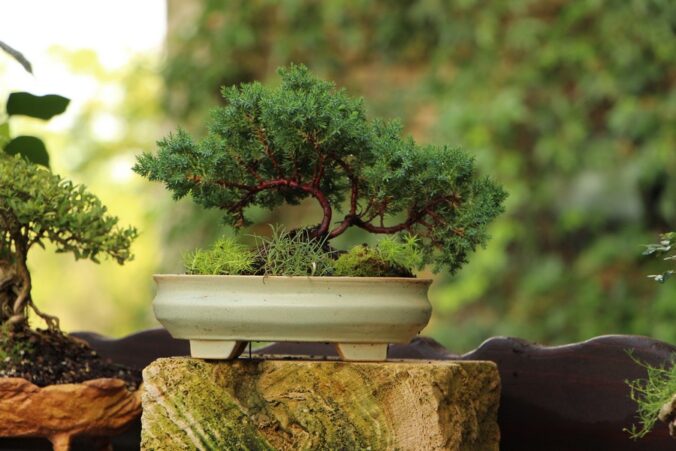
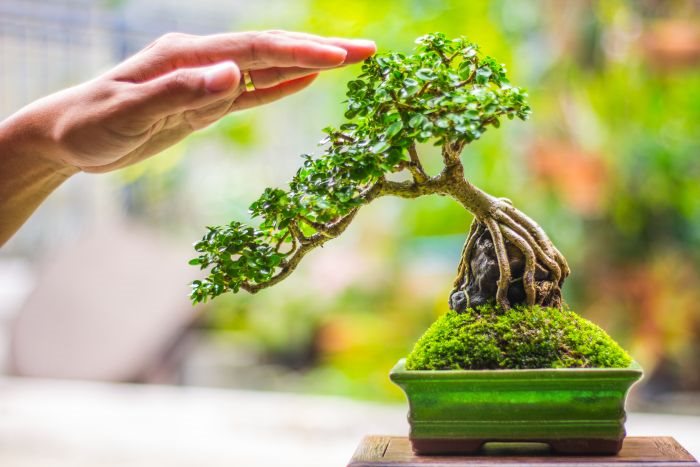
Bonsai trees have captured the hearts of nature enthusiasts and gardeners for centuries. These miniature trees, cultivated with meticulous care, are living works of art that embody the beauty and tranquility of the natural world. In this comprehensive guide, we delve into the captivating realm of bonsai trees, shining a spotlight on some remarkable species, and uncovering the secrets to their artful cultivation.
Bonsai, which originated in China over a thousand years ago, is a horticultural art form that involves the cultivation of miniature trees in containers. It encapsulates the essence of nature, capturing the grandeur and mystique of full-sized trees within a confined space. The word “bonsai” itself, when translated from Japanese, means “tray planting,” emphasizing the controlled and artistic approach to cultivating these diminutive trees.
The art of bonsai rests on the fusion of several vital elements, including meticulous pruning, shaping, and patient cultivation. It’s a delicate dance between nature and nurture, and a testament to the harmonious relationship between humans and their natural environment. With a deep appreciation for this art form, enthusiasts and artists from all corners of the globe have adopted bonsai into their lives. It’s a testament to the harmonious relationship between humans and their natural environment, whether they’re tending to miniature trees or safeguarding their outdoor spaces with a practical and durable 12×24 pool cover.
Bonsai Species: A Diverse World of Miniature Marvels
One of the fascinating aspects of bonsai is the diversity of tree species that can be transformed into these miniature marvels. Bonsai artists draw inspiration from various tree types, each with its unique characteristics and challenges.
Japanese Maple (Acer Palmatum): The Japanese Maple, with its delicate leaves and intricate branching patterns, is a favorite among bonsai artists. Its vibrant foliage, ranging from deep burgundy to bright green, adds a touch of elegance to any bonsai collection. Cultivating a Japanese Maple bonsai demands patience and a keen eye for detail. The delicate nature of this species necessitates regular pruning and wiring to maintain its graceful form. If you lack money to start your own personal Bonsai tree plantation, you can always get a loan from the top mortgage brokers in Raleigh NC.
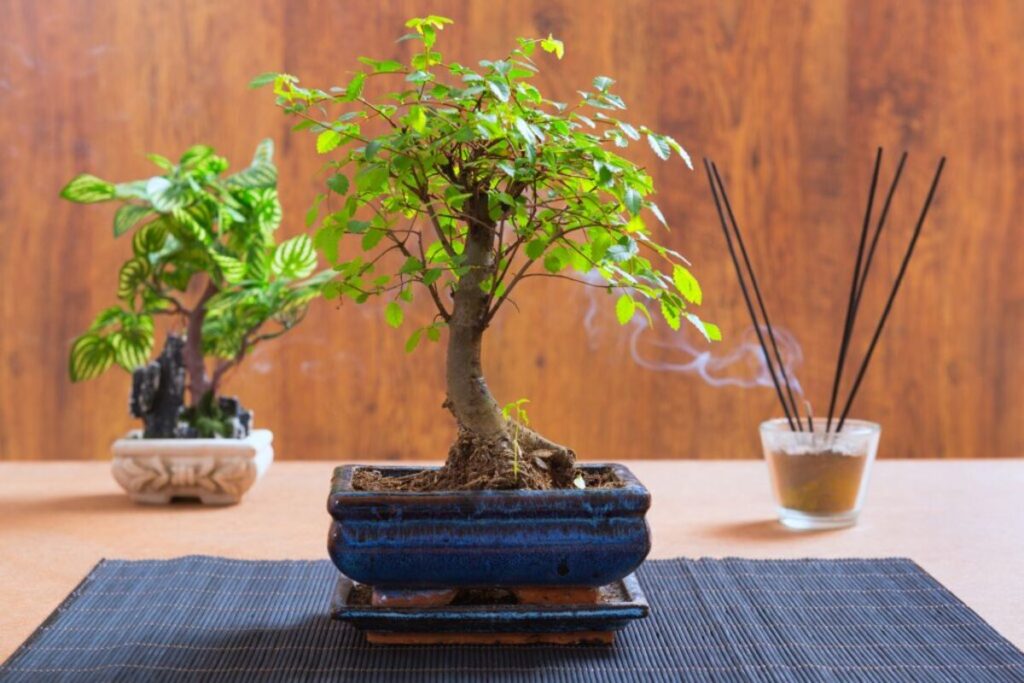
Chinese Elm (Ulmus Parvifolia): The Chinese Elm is a hardy and adaptable species, making it an excellent choice for both beginners and experienced bonsai enthusiasts. Its small, serrated leaves and finely textured bark lend themselves well to the art of bonsai. With regular care, this species can flourish as a striking, windswept tree or a more traditional upright style.
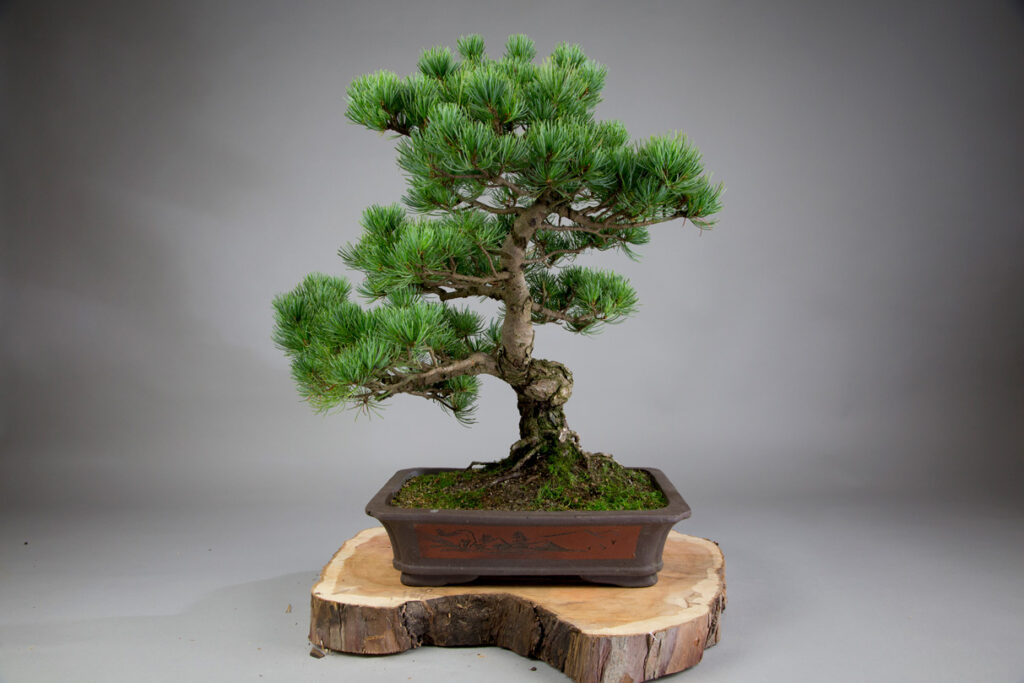
Pine Bonsai (Pinus spp.): Pine bonsai trees exude a sense of rugged, timeless beauty. Their long, slender needles and rough-textured bark convey an air of strength and endurance. Cultivating a pine bonsai involves mastering techniques like candle pruning and needle plucking, which are essential for maintaining the tree’s overall shape and vitality.
Bonsai Care: Nurturing Your Miniature Masterpieces
Caring for bonsai trees is both an art and a science. It’s an ongoing commitment that requires a deep understanding of the specific needs of each species. Here, we explore the fundamental aspects of bonsai care that are essential for the well-being of your miniature masterpieces. If you’re a bonsai enthusiast who also appreciates stylish and comfortable apparel, consider showcasing your passion with unique veteran t-shirts for men that reflect your love for both nature and fashion.
Light and Placement: Adequate light is crucial for the health and growth of bonsai trees. Most species require bright, indirect sunlight to thrive. Position your bonsai near a window that receives ample sunlight, but be cautious of direct, scorching rays, which can harm the delicate foliage.
Watering: Proper watering is a delicate balance for bonsai care. Overwatering can lead to root rot while underwatering can stress the tree. Water your bonsai when the soil’s surface feels slightly dry. Using a gentle spray or watering can provide an even, thorough soak, ensuring that water reaches the roots.
Pruning and Shaping: Pruning and shaping are at the core of bonsai care. Regularly trim back new growth to maintain the tree’s desired form. Wiring can also be employed to guide branches and create the intricate shapes that define bonsai trees. It’s essential to be patient and thoughtful during this process to avoid stressing the tree.
Feeding and Fertilizing: Bonsai trees rely on proper nutrition to thrive. Use a balanced, liquid bonsai fertilizer during the growing season, usually from spring to autumn. Adjust the frequency and strength of the fertilizer based on the specific needs of your bonsai species.
In the world of bonsai, every day is an opportunity to connect with nature in a profound and meaningful way. You can put on your garden suit bring your ponytail hats and devote yourself to this soothing work. The act of tending to these miniature trees isn’t just about gardening; it’s a form of meditation that allows individuals to escape the chaos of the modern world and immerse themselves in a slower, more contemplative pace of life.
As you spend hours meticulously pruning, wiring, and caring for your bonsai, you’ll find that the process itself becomes a form of mindfulness. The focus required to delicately shape a branch or trim a wayward shoot can be remarkably therapeutic. It’s a reminder that, in a world filled with constant distractions and demands, there’s beauty in simplicity and patience.
The Power of Patience
Bonsai teaches us the value of patience, a virtue often in short supply in our fast-paced lives. These miniature trees don’t grow overnight, and their artistic transformation is the result of years, or even decades, of careful cultivation. As a bonsai enthusiast, you learn to appreciate the gradual progression of your trees, witnessing their evolution with each passing season.
In a society that celebrates instant gratification, bonsai serves as a poignant reminder that true beauty and artistry take time to develop. There’s a certain sense of fulfillment in nurturing a tree from a sapling to a fully mature bonsai. This journey of patience and dedication fosters a deep connection to the natural world and allows you to gain a profound understanding of the growth and transformation of living organisms.
Were you aware that bonsai seeds are usually delivered in custom poly mailers?
Community and Learning
Bonsai is not a solitary pursuit; it’s a communal endeavor. Enthusiasts often come together to share knowledge, insights, and their passion for these miniature trees. Local bonsai clubs and online forums provide valuable resources for beginners and experienced practitioners alike.
In these communities, you’ll find a wealth of wisdom and experience, as well as the opportunity to learn from others and exchange ideas. The collective knowledge and camaraderie in the world of bonsai can be as rewarding as the art itself. As you connect with fellow bonsai enthusiasts, you’ll discover that the journey is just as meaningful as the destination. Additionally, if you’re interested in Mobile IV therapy in Jersey, you’ll find a convenient and innovative way to prioritize your health while engaging in your bonsai passion.
Bonsai in Different Cultures
The art of cultivating miniature trees has deep cultural roots and transcends geographical boundaries. While bonsai’s origins are in China and Japan, it has gained popularity worldwide, with each culture adding its unique twist to this ancient art.
In Japan, bonsai has been a cherished tradition for centuries. It’s not only an art form but a spiritual practice, with the trees often symbolizing strength, resilience, and the connection between humanity and nature. Japanese bonsai masters are highly revered for their skill and knowledge. If you find yourself in Toronto, treat yourself to the experience of visiting the best beauty salon in Toronto, where skilled professionals will enhance your natural beauty and provide a rejuvenating escape.
In China, where bonsai was first developed, it’s known as “penjing.” Chinese penjing encompasses a broader spectrum of tree styles, from miniaturized landscapes to individual trees. The Chinese tradition places a strong emphasis on portraying landscapes in miniature, often with intricate details.
In the Western world, bonsai has also found a dedicated following. Bonsai artists in the West bring their own creative approaches and interpretations to the art, often experimenting with non-traditional species and designs. This fusion of Eastern and Western influences has led to the development of unique bonsai styles. Moreover, some enthusiasts have even incorporated their passion for edible gummies into the bonsai experience, creating delightful and whimsical displays that captivate both the eyes and the taste buds.
The Science of Bonsai
While bonsai may appear purely artistic, it’s also deeply rooted in science. Understanding the biology of trees, their growth patterns, and their responses to pruning and environmental factors is crucial for successful bonsai cultivation.
The process of shaping and maintaining a bonsai tree involves a deep knowledge of horticulture. Bonsai practitioners study the physiology of trees, including how they transport water and nutrients, produce new growth, and heal wounds. This scientific understanding enables them to make precise decisions regarding pruning, wiring, and styling. If you are creating a glass garden for Bonsai trees, you should absolutely incorporate the best automated window treatments!
Additionally, bonsai enthusiasts must grasp the principles of soil science, as the composition and quality of the growing medium play a vital role in the health and vitality of bonsai trees. Proper soil management is essential for providing the right balance of air and moisture to the tree’s roots.
Bonsai and Environmental Stewardship
Bonsai isn’t just an art form; it’s also an embodiment of environmental stewardship. By cultivating these miniature trees, bonsai enthusiasts promote a deeper connection to the natural world and an appreciation for the delicate balance of ecosystems.
Bonsai also serves as a reminder of the importance of conserving and protecting the environment. As caretakers of these living artworks, bonsai practitioners are acutely aware of the impact of climate change, pollution, and deforestation on our planet. Many bonsai artists actively engage in tree conservation efforts, such as reforestation and promoting sustainable practices.
In the spirit of environmental awareness, some bonsai artists even create “forest plantings,” where multiple bonsai trees are arranged in a single pot to represent a miniature forest. These compositions not only showcase the beauty of nature but also symbolize the interconnectedness of all living things.
The Future of Bonsai
As we look to the future, the art of bonsai continues to evolve. With advancements in technology and the global exchange of ideas, new techniques and styles emerge. Bonsai is no longer confined to traditional forms but has become a dynamic and creative expression of the natural world. Growing Bonsai trees can become a passion, just like becoming a nurse practitioner.
The digital age has also facilitated the sharing of knowledge, enabling enthusiasts to connect and learn from one another across the globe. Online communities, educational resources, and virtual exhibitions have expanded the horizons of bonsai, making it more accessible than ever.
In the coming years, we can expect to see a fusion of traditional and contemporary styles, innovative approaches to bonsai cultivation, and the incorporation of new technologies to enhance the art. Bonsai will continue to captivate hearts and minds, providing a gateway to a deeper understanding of nature and the enduring beauty of these miniature masterpieces. Enhance your Bonsai aesthetic with a touch of expertise by scheduling a professional wallpaper consultation, transforming your space into a serene haven for nature enthusiasts.
Conclusion
Bonsai is a living art form that transcends time and culture, capturing the essence of nature in miniature. It teaches patience, fosters community, and blends the worlds of art and science. As we embrace bonsai, we also embrace the tranquility and environmental stewardship it represents. The future of bonsai is bright, promising continued innovation and a deeper connection to the natural world. So, as you embark on your own bonsai journey, remember that it’s not just about cultivating trees; it’s about nurturing your connection to the beauty of the natural world, one tiny masterpiece at a time.
In today’s rapidly evolving business landscape, the digital realm has become the primary arena for commerce. With the ever-increasing popularity of online shopping, businesses must adapt and thrive in this competitive environment. To succeed, a modern business must not only have a robust online presence but also employ effective strategies for driving online sales. In this article, we will explore some key tips for achieving digital domination in the world of e-commerce.
Optimize Your Website for User Experience
Your website is often the first point of contact between your business and potential customers. It’s crucial to ensure that your website is user-friendly and provides an exceptional experience. To optimize your website for online sales, consider the following:
Mobile-Friendly Design With the majority of online traffic coming from mobile devices, it’s essential to have a responsive design that adapts to various screen sizes. A mobile-friendly website ensures that users can easily navigate and make purchases on their smartphones and tablets.
Fast Loading Speed Slow-loading websites can deter potential customers. Make sure your website loads quickly to prevent visitors from bouncing to competitors. Compress images, minimize plugins, and use content delivery networks (CDNs) to enhance loading speed.
Intuitive Navigation Simplify the navigation on your website, ensuring that visitors can find what they’re looking for with ease, including the complete guide to buying a business. Clear and organized menus, search functionality, and well-placed call-to-action buttons can guide users through the buying process.
Implement Effective SEO Strategies
Search Engine Optimization (SEO) is a cornerstone of online success. By optimizing your website for search engines, you can increase your visibility and attract more organic traffic. Here are some essential SEO tips:
Keyword Research Identify relevant keywords that your target audience uses when searching for products or services like yours. Incorporate these keywords into your website content, meta tags, and product descriptions.
Quality Content Create high-quality, informative, and engaging content that resonates with your audience. Regularly update your blog, product descriptions, and landing pages to keep your website fresh and valuable.
Backlink Building Build a network of quality backlinks from reputable websites to boost your site’s authority and search engine rankings. Guest posting, partnerships, and content outreach can help you secure valuable backlinks.
Harness the Power of Social Media
Social media platforms have become powerful tools for reaching and engaging with potential customers. To leverage the full potential of social media for online sales, consider the following:
Consistent Branding Maintain a consistent brand image across all your social media profiles. Use high-quality visuals, engaging content, and a cohesive voice to create a strong online presence.
Engagement and Interaction Interact with your followers and respond to comments and messages promptly. Building a community and fostering relationships with your audience can lead to higher customer loyalty and sales.
Paid Advertising Leverage the targeted advertising options on social media platforms like Facebook and Instagram. These platforms offer advanced ad targeting, allowing you to reach users who are most likely to be interested in your products or services.
Conclusion
In the digital age, achieving online sales success is vital for modern business. To dominate the online marketplace, it’s essential to optimize your website for a seamless user experience, implement effective SEO strategies, and harness the power of social media. By following these tips, you can boost your online sales, increase your brand’s visibility, and stay ahead in the competitive digital landscape. Keep in mind that the digital world is constantly evolving, so staying up-to-date with the latest trends and technologies is crucial for long-term success in online sales.
The world is full of breathtaking natural wonders, and one of the most exhilarating ways to witness them is through a safari adventure. Safari adventures offer an opportunity to connect with the majesty of nature in its purest form. From the awe-inspiring landscapes to the captivating wildlife, these journeys promise an unforgettable experience. Whether you are a seasoned traveler or a first-time adventurer, here are some compelling reasons to embark on a safari and immerse yourself in the beauty and wonder of the natural world.
A Tapestry of Breathtaking Landscapes
Safari adventures take you to some of the most stunning landscapes on the planet. From the vast savannahs of Africa to the lush rainforests of Central and South America, these journeys offer a visual feast of natural beauty. Imagine witnessing the fiery sunsets over the Serengeti, exploring the otherworldly deserts of Namibia, or navigating the waterways of the Amazon rainforest. Each destination has its unique charm and character, ensuring that you’ll be left in awe of the diverse and picturesque settings you encounter.
The landscapes, often explored through a luxury safari in Africa, are not just about their aesthetic appeal; they also provide an opportunity to learn about the delicate balance of ecosystems and the importance of conservation. The experience of seeing these natural wonders up close can instill a deep appreciation for the need to protect them for future generations.
Wildlife Encounters Like No Other
One of the primary draws of a safari adventure is the chance to encounter an incredible array of wildlife. Whether you dream of witnessing the “Big Five” (lion, elephant, buffalo, leopard, and rhinoceros) in Africa, observing the elusive jaguars in the Pantanal, or marveling at the vibrant birdlife in the Galapagos Islands, safari adventures offer unparalleled opportunities for wildlife enthusiasts.
Experienced guides lead you through these natural habitats, providing insights into animal behavior and conservation efforts. The thrill of spotting a leopard camouflaged in the trees or watching a herd of elephants at a watering hole is an experience that words alone cannot capture. It’s a powerful reminder of the beauty and fragility of the natural world.
Cultural Immersion and Unique Experiences
Safari adventures often include interactions with local communities, providing a chance to learn about their cultures and traditions. Whether you’re sharing stories with Maasai tribespeople in Kenya, visiting remote villages in the Amazon, or experiencing the rich history of Aboriginal culture in Australia, these encounters offer a deeper connection to the places you visit. Experiencing local customs and traditions can be just as enriching as witnessing the natural wonders, creating a well-rounded adventure.
Additionally, safaris offer unique experiences like hot air balloon rides over the savannah, guided bush walks, and stargazing in the clear night skies. These activities add an extra layer of excitement to your journey and create lasting memories.
Conclusion
Safari adventures are a gateway to experiencing the majesty of nature in its purest and most enchanting form. The breathtaking landscapes, extraordinary wildlife encounters, and cultural immersion make these journeys truly unforgettable. The world is a vast and diverse place, and safaris offer a rare opportunity to explore its wonders, fostering a deep appreciation for the need to protect and conserve our natural heritage. So, whether you’re a seasoned traveler or a first-time adventurer, consider embarking on a safari adventure and let the beauty of the natural world inspire and captivate you like never before. The majesty of nature awaits – are you ready to experience it?
In the world of physical well-being, the synergy between sports massage and chiropractic care is a powerful partnership that promotes healing, injury prevention, and enhanced performance. Chiropractors are experts in aligning the musculoskeletal system, while sports massage therapists specialize in releasing muscular tension. Together, they provide a holistic approach to maintaining and optimizing the body’s functionality. In this article, we will explore the importance of sports massage within the realm of chiropractic care, breaking it down into three key aspects: Injury Prevention, Enhanced Recovery, and Improved Athletic Performance.
Injury Prevention
One of the primary roles of a chiropractor is to ensure that the spine and joints are properly aligned, allowing the nervous system to function optimally. However, misaligned bones can be further exacerbated by tight or knotted muscles. This is where sports massage comes into play. By targeting specific muscle groups and using various techniques such as deep tissue massage and myofascial release, sports massage therapists help to alleviate muscular tension and improve range of motion. As a result, the risk of injuries caused by musculoskeletal imbalances is significantly reduced. Moreover, through regular massage sessions, athletes can maintain the flexibility and suppleness needed to perform at their best while keeping potential injuries at bay, including addressing issues like hip pain.
Enhanced Recovery
Athletes subject their bodies to rigorous training, leading to muscle fatigue and microtears. This is where the body’s natural healing processes come into action, and sports massage can expedite this recovery. The massage techniques stimulate blood flow, which carries essential nutrients to the muscle tissues and carries away waste products. In essence, sports massage acts as a restorative catalyst, aiding in the repair of muscle fibers and reducing the time required for recovery between training sessions. The combination of chiropractic adjustments and sports massage can significantly enhance an athlete’s healing process, allowing them to return to their training regimen more quickly and efficiently.
Improved Athletic Performance
Optimal athletic performance is a blend of physical strength, agility, and mental focus. Sports massage complements chiropractic care by promoting not only physical wellness but also mental relaxation. A relaxed athlete is better equipped to perform at their peak. The relief from muscle tension and the increase in blood circulation achieved through sports massage contributes to a heightened sense of well-being and reduced stress levels. Additionally, as muscles become more supple and flexible, athletes can move with greater ease and efficiency, resulting in improved performance. The increased range of motion allows for smoother and more precise movements, which are particularly beneficial in sports that require fine motor skills or quick reflexes.
Conclusion
The incorporation of sports massage into chiropractic care is a win-win for athletes and individuals seeking to optimize their physical well-being. The three key aspects highlighted – injury prevention, enhanced recovery, and improved athletic performance – underscore the vital role that sports massage plays in this partnership. As chiropractors and sports massage therapists work hand in hand, individuals can benefit from a holistic approach to health and fitness. Through regular care, they can not only address existing issues but also safeguard their bodies against future injuries, expedite recovery, and unlock their full athletic potential. The harmonious integration of these two practices fosters a state of balance and excellence that is essential for both the seasoned athlete and the health-conscious individual.
A radiant and healthy complexion is something that every woman desires. Achieving flawless skin requires a well-rounded skincare routine, and the right products play a crucial role in this endeavor. While skincare can be tailored to individual needs, there are several essential facial care products that every woman should incorporate into her daily regimen. In this guide, we’ll explore these must-have products to help you achieve the glowing and healthy skin you’ve always wanted.
Cleansers
The foundation of any effective skincare routine is a good cleanser. Cleansers serve the purpose of removing dirt, makeup, excess oils, and impurities from your skin. There are various types of cleansers available, such as gel, foam, cream, and oil-based cleansers, allowing you to choose the one that best suits your skin type. Proper cleansing prevents clogged pores, reduces the risk of acne, and provides a clean canvas for the products that follow. For a gentle and effective clean, choose a cleanser that’s appropriate for your skin type, whether it’s oily, dry, sensitive, or combination. For a comprehensive skincare routine, incorporating a spot lotion after cleansing can help target specific blemishes and imperfections, providing a well-rounded approach to skincare.
Moisturizers
Moisturizers are an essential step in any skincare routine, and they benefit all skin types. They help maintain your skin’s moisture balance, prevent dryness and flakiness, and create a protective barrier against external factors like pollution and harsh weather. Additionally, moisturizers can reduce the appearance of fine lines and wrinkles, giving your skin a more youthful and supple look. When selecting a moisturizer, consider your skin type, as there are various formulations available, from lightweight lotions to rich creams. Hydrated skin is happy skin, and a good moisturizer is key to achieving and maintaining that healthy glow.
Sunscreen
Sunscreen is perhaps the single most important skincare product in preventing premature aging and protecting your skin from harmful UV rays. Prolonged sun exposure can lead to sunburn, skin discoloration, and the development of fine lines and wrinkles. Worse yet, it increases the risk of skin cancer. To keep your skin safe and youthful, apply a broad-spectrum sunscreen with at least SPF 30 daily, even on cloudy days. It’s a simple step that can make a world of difference in the long run, preserving the beauty and health of your skin.
Conclusion
In the quest for flawless and radiant skin, these three essential facial care products—cleansers, moisturizers, and sunscreen—should form the core of your skincare routine. Regardless of your age, skin type, or concerns, these products will help you maintain a clean, hydrated, and protected complexion. Remember, consistency is key to achieving long-lasting results. With the right combination of these products and a diligent skincare routine, you’ll be well on your way to the glowing, healthy skin you’ve always dreamed of. So, invest in these skincare essentials and embark on a journey to reveal your most beautiful self.
Aquariums have long been a source of fascination for people of all ages, offering a glimpse into the captivating underwater world. Among the numerous species that enthusiasts choose to keep, shrimp have gained popularity due to their intricate behaviors and vibrant colors. However, the safety of keeping shrimp in a 500-gallon aquarium remains a topic of concern for many. In this essay, we will explore the various aspects of shrimp care in large aquariums, considering factors related to water quality, tank mates, and sustainability.
Water Quality
Maintaining water quality is paramount in ensuring the safety of shrimp in an aquarium. Shrimp, particularly freshwater and marine species, are sensitive to changes in water parameters. In a larger aquarium, the volume of water can offer some stability, but it also presents a greater challenge to maintain consistent conditions. Shrimp thrive in stable conditions, which means that diligent monitoring of water parameters is necessary. Factors such as temperature, pH, ammonia, nitrites, and nitrates need to be closely regulated. Frequent water testing and the use of high-quality filtration systems are essential for their well-being. Additionally, maintaining proper water hardness and providing essential minerals like calcium is crucial for the molting process, an integral part of a shrimp’s life cycle.
Tank Mates
The choice of tank mates in a 500-gallon aquarium can significantly impact the safety of the shrimp. Shrimp often coexist with various fish and other aquatic creatures, but compatibility is key. Some fish species are notorious for preying on shrimp, making it vital to select non-predatory species. Peaceful community fish, such as certain tetras and gouramis, can be suitable companions for shrimp. It’s important to research the specific needs and behaviors of any potential tank mates to avoid unintentional harm to the shrimp. Maintaining a suitable population of shrimp is also crucial, as overcrowding can lead to stress and territorial disputes.
Sustainability
Shrimp populations in the wild face various threats, including habitat destruction and overfishing. As responsible aquarium enthusiasts, it’s essential to consider the sustainability of keeping shrimp in captivity, especially when it comes to caridina shrimp. Breeding programs and sustainable sourcing of shrimp species can help reduce the pressure on wild populations. Aquarists should prioritize purchasing shrimp from reputable sources and seek captive-bred individuals whenever possible. This practice not only ensures a sustainable hobby but also contributes to conservation efforts.
Conclusion
Keeping shrimp in a 500-gallon aquarium can be safe and rewarding when proper care and consideration are considered. Maintaining water quality through regular testing and filtration, choosing compatible tank mates, and supporting sustainable practices are all critical factors in ensuring the well-being of these captivating aquatic creatures. Shrimp enthusiasts must commit to responsible aquarium keeping to preserve the health and beauty of their underwater ecosystems while contributing to the protection of shrimp species in the wild. By adhering to these principles, one can create a harmonious environment for shrimp in a 500-gallon aquarium, allowing both the aquarium and the shrimp to thrive.
Mackerel, a fatty fish known for its distinctive flavor, is not just a delicious addition to your menu; it also offers a wide range of health benefits. Packed with essential nutrients and omega-3 fatty acids, mackerel has gained recognition as a superfood for those looking to boost their overall well-being. In this article, we’ll explore the numerous advantages of incorporating mackerel into your diet.
Rich Source of Omega-3 Fatty Acids
One of the primary reasons to include mackerel in your diet is its remarkable omega-3 fatty acid content. Omega-3s are essential fats that play a crucial role in maintaining heart health, reducing inflammation, and supporting brain function. Mackerel is particularly rich in two types of omega-3s – eicosapentaenoic acid (EPA) and docosahexaenoic acid (DHA). These compounds have been linked to a reduced risk of heart disease, lower triglyceride levels, and improved cognitive function. Regular consumption of mackerel can help lower the risk of cardiovascular issues and enhance overall mental well-being.
Excellent Source of Nutrients
Mackerel is not just about omega-3s; it is a nutrient powerhouse. This fish is loaded with vitamins and minerals, including vitamin B12, vitamin D, selenium, and iodine. Vitamin B12 is essential for red blood cell formation and neurological health, making mackerel an excellent choice for vegetarians and vegans who may be deficient in this nutrient. Additionally, vitamin D supports bone health and plays a role in immune system function, while selenium and iodine contribute to thyroid function. Just as yellowfin tuna can provide numerous health benefits, incorporating mackerel into your diet can easily meet your daily requirements for these essential nutrients.
Promotes Weight Management and Skin Health
Mackerel can also aid in weight management and promote healthier skin. The high protein content of mackerel helps increase feelings of fullness and reduce overall calorie intake, making it a valuable addition to weight loss or maintenance diets. Furthermore, the omega-3 fatty acids in mackerel have anti-inflammatory properties that may benefit skin health. They can help alleviate skin conditions like acne and psoriasis, as well as maintain skin elasticity, reducing the signs of premature aging.
Conclusion
Incorporating mackerel into your diet offers an array of health benefits, from supporting heart health and enhancing cognitive function to providing a rich source of essential nutrients. Its abundance of omega-3 fatty acids, vitamins, and minerals makes mackerel a nutritious choice that can aid in weight management and contribute to healthier skin. Whether you enjoy it grilled, baked, or as a topping for salads, mackerel is a versatile and delicious way to invest in your well-being. So, why not make this superfood a regular part of your diet and savor the advantages it brings to your health and vitality?
Small apartments can often feel devoid of greenery and life, but with a little creativity and the right approach, you can transform your space into a lush indoor jungle. In this article, we’ll explore how to make the most of limited square footage and bring the outdoors in, enriching your living environment. From plant selection to space-saving techniques, you’ll discover that size doesn’t matter when it comes to creating a vibrant and refreshing oasis inside your home.
The right plants for your small apartment indoor jungle is a critical first step. Not all plants are equally suited to thrive in confined spaces, making careful selection crucial. Your choice should be based not only on aesthetics but also on the plant’s adaptability and care requirements.
Succulents, for example, are highly adaptable and come in various shapes and sizes. They’re a fantastic choice for small apartments because of their resilience and low-maintenance needs. These plants can be placed on windowsills, side tables, or virtually any available surface. Air plants, or Tillandsia, are another excellent option for small spaces. Since they don’t require soil, they can be displayed in unique and creative ways, such as hanging from the ceiling or attached to decorative elements. They are easy to care for and can turn even the smallest nook into a living art piece.
For those who appreciate fresh herbs in their cooking, consider growing basil, mint, rosemary, or other kitchen-friendly herbs. A compact herb garden in your kitchen not only adds a touch of green but also provides easy access to fresh ingredients. You can expect to get a nice snack with these herbs while doing manual therapy in Chicago. When space is a premium, ferns are a fantastic choice. They’re known for their lush, feathery fronds and adapt well to low light conditions. Ferns can be placed in hanging baskets or on shelves, adding a touch of elegance to your indoor jungle.
Don’t forget about the snake plant (Sansevieria), a hardy and low-maintenance option that can thrive in small pots or corners of your apartment. Its air-purifying qualities make it a popular choice. Pothos vines, with their cascading, heart-shaped leaves, are ideal for adding greenery to any room. They are easy to care for and can be hung from shelves or left to trail down from high surfaces. Cacti, with their unique shapes and minimal watering needs, are excellent space-savers. They can thrive in small pots on your windowsill or shelves. When carefully chosen, your indoor jungle can feature a diverse array of plants, each contributing to the overall aesthetic while thriving in your space’s unique conditions.
Maximizing Vertical Space
In small apartments, floor space is a precious commodity, and maximizing vertical space is a clever strategy for creating an indoor jungle that doesn’t encroach on your living area. By going vertical, you not only make the most of available space but also enhance the visual appeal of your indoor garden. Did you know that car ac repair and replacement services in Toronto use these principles when it comes to decorating their offices?
Wall-mounted planters are a superb choice for compact apartments. They allow you to create a living wall by arranging a variety of planters on a single wall, turning it into a vibrant, ever-changing work of art. Alternatively, you can use a few strategically placed wall-mounted planters as decorative accents, adding a touch of greenery where it’s least expected.
Hanging planters are another fantastic solution for small apartments. They come in various styles and sizes, allowing you to suspend your plants from ceilings, curtain rods, or wall hooks. This not only adds a dynamic visual element to your space but also showcases your plants at eye level, inviting you to appreciate their beauty up close.
Did you know that the offices of car rental Sarajevo are very well decorated which affects the customers to pick them? And when they hear about their fair prices they get amazed!
Consider floating or wall-mounted shelves to display your indoor jungle. These shelves can be used to create mini plant displays, with plants artfully arranged at different levels. The result is an indoor garden that’s both functional and aesthetically pleasing. Whether you’re arranging a wall of plants, hanging your green friends from the ceiling, or adorning your apartment with strategically placed shelves, thinking vertically is a smart way to maximize your use of space and create a lush indoor jungle without sacrificing valuable floor space.
Lighting Considerations
Ensuring your indoor plants receive adequate lighting is essential for their well-being. While small apartments may not always have abundant natural light, you can employ various strategies to meet your plant’s lighting needs.
Start by choosing plants that can thrive in low-light conditions, such as snake plants and ferns. These varieties have adapted to lower light levels and can make do with the limited sunshine typically available in small living spaces.
If your apartment lacks sufficient natural light, consider investing in grow lights. These specialized bulbs provide the precise spectrum of light needed for plant growth, ensuring that your indoor jungle receives the light it craves. Position the grow lights above your plants, and use timers to maintain a consistent light schedule.
To provide your plants with even lighting, make it a habit to rotate them regularly. This is especially important in small spaces where your plants might not receive light evenly. By moving them closer to the window or under your grow lights, you can help ensure all your green friends receive their fair share of sunshine. These things are also very well handled at vacation home rentals, they look gorgeous thanks to their flower arrangements! With thoughtful plant placement and the addition of grow lights when necessary, your small apartment can become a thriving indoor jungle, even if natural light is limited.
Container Selection
The containers you choose for your indoor plants are not only functional but also influential in shaping the aesthetics of your indoor jungle. When selecting containers, consider several important factors. This is all very well studied and applied in clinical centers where you can get an IV infusion therapy!
First, think about the size of your containers. In a small apartment, you want pots and planters that fit comfortably within your space without overwhelming it. Compact pots are ideal, and they come in various materials and styles to match your decor. Opt for containers that enhance your living area’s visual appeal rather than detracting from it.
Ensure that your plant containers have proper drainage. Adequate drainage is essential to prevent overwatering and root rot. Look for containers with drainage holes at the bottom. If your containers lack drainage holes, you can add a layer of gravel at the bottom to improve drainage while protecting the roots.
Lastly, consider the aesthetics of your plant containers. They should harmonize with your apartment’s decor and enhance the overall look of your indoor jungle. The choice of colors, materials, and styles should complement your interior design, creating a cohesive and visually appealing display. This is the perfect thing to think about after doing home remodeling in Westchester. Whether you prefer modern, minimalist planters or vintage, ornate pots, the right container selection can elevate the aesthetics of your indoor jungle.
Grouping and Arrangement
Arranging your plants strategically is essential for creating a visually appealing and functional indoor jungle in your small apartment. The thoughtful arrangement not only enhances the aesthetics of your space but also optimizes the well-being of your plants.
Grouping your plants into clusters can create a lush, jungle-like effect. This arrangement involves placing different plant types with varying heights and textures together in small groups. The result is an appealing mix of shapes and colors that adds interest and dimension to your indoor jungle. Clusters of plants can be displayed on side tables, shelves, or hanging planters. You can do all of this in the comfort of one of the womens waffle robes!
For those with limited floor space, vertical stacking is a brilliant way to make the most of your indoor garden. This approach involves arranging your plants in a vertical stack, making efficient use of the height of your apartment. Vertical stacking not only saves space but also draws the eye upward, creating the illusion of a more open and spacious living area. Whether you have a wall-mounted planter, a bookshelf, or a tiered plant stand, think vertically to maximize your indoor jungle’s impact.
Tables and sideboards can also display a curated selection of plants. Side tables, coffee tables, and sideboards provide a convenient platform for creating attractive plant vignettes. By grouping a collection of plants on a single surface, you can infuse your living space with a burst of greenery that complements your decor and adds a sense of serenity. With this decor, you can hide some things that don’t match your space like cables and millimeter wave products. When it comes to arrangement, the possibilities are endless. Whether you’re creating clusters, employing vertical stacking, or using tables and sideboards, the goal is to make the most of your small apartment space while creating a visually striking and harmonious indoor jungle.
Maintenance and Care
The key to a thriving indoor jungle in your small apartment is consistent maintenance and care. Keeping your plants healthy and beautiful doesn’t have to be an arduous task; it simply requires regular attention and thoughtful care.
Regular watering is a fundamental aspect of plant care. Develop a watering schedule that’s tailored to the specific needs of your plants. Some plants may require more frequent watering, while others prefer to dry out between waterings. Monitor the moisture levels in the soil to avoid overwatering or underwatering, and adapt your watering routine as needed.
Pruning and trimming are essential for plants that tend to grow and spread. Over time, your indoor jungle may require occasional pruning or trimming to maintain its shape and size. This is particularly important for plants that trail or vine, as well as those with dense foliage. Pruning not only keeps your plants looking neat and well-groomed but also encourages healthy growth.
Fertilizing your plants ensures they receive the nutrients necessary for optimal growth. During the growing season, use a balanced liquid fertilizer to nourish your plants. Be sure to follow the recommended dosage and frequency on the product label to avoid over-fertilizing, which can harm your plants. Fertilizing can help keep your indoor jungle looking lush and vibrant.
Keep a watchful eye for common plant pests such as aphids, mealybugs, and spider mites. Regularly inspect your plants, paying close attention to the undersides of leaves where pests often hide. If you notice any infestations, address them promptly using safe and appropriate pest control measures. Catching and treating pest problems early can prevent them from spreading and causing damage to your indoor jungle.
It’s very easy to to business exit planning in the comfort of your own home when you have these arrangements that are very soothing for the eyes!
In your small apartment, creating an indoor jungle is a testament to your creativity and a celebration of nature’s beauty. From choosing the right plants to maximizing vertical space and considering lighting, containers, grouping, and maintenance, every element plays a crucial role in the success of your indoor jungle. With thoughtful arrangement, regular care, and ongoing maintenance, you can turn your compact living space into a lush, green oasis that not only enhances the aesthetics of your home but also elevates your overall well-being. Small spaces should never limit your ability to create a lush, green haven that provides both aesthetic and emotional benefits. By embracing these principles, your small apartment can become a thriving indoor jungle, full of life and vitality, that brings joy and tranquility to your daily living.
Orchids, renowned for their elegant and diverse beauty, have captivated horticultural enthusiasts for centuries. The allure of cultivating these exquisite plants indoors, particularly within terrariums, adds an extra dimension of fascination. Orchid terrariums are miniature, self-contained ecosystems that allow enthusiasts to create controlled environments conducive to orchid growth. This guide delves into the intricate art of nurturing orchids within terrariums, providing a comprehensive roadmap to successfully curate a breathtaking miniature orchid paradise right in your own home. If you have a website about orchid care guides and want to make it more visible and accessible to potential customers, consider hiring an SEO company in Colorado Springs.
Choosing the Right Orchids for Terrariums
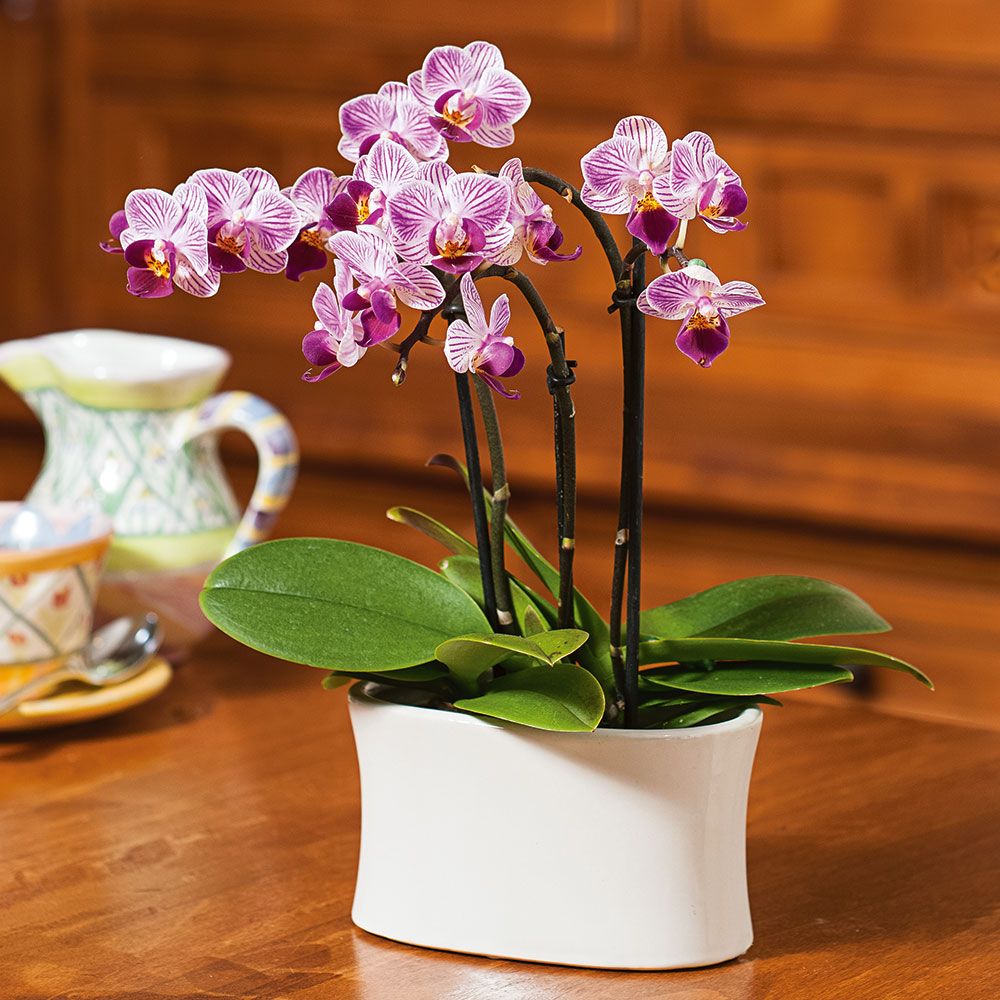
Selecting the perfect orchids for your terrarium is a critical first step toward successful cultivation. Orchids vary widely in their needs and characteristics, making it essential to match the species with the terrarium’s environment. Phalaenopsis orchids, commonly known as “Moth Orchids,” are popular choices for terrariums due to their adaptability to varying conditions. Additionally, miniature orchids like Pleurothallids or Ludisia discolor, commonly referred to as jewel orchids, are favored for their manageable size and suitability for terrarium settings.
The primary consideration when choosing orchids for terrariums involves their growth habit and environmental preferences. Opt for orchids with compact growth, as these are better suited to the limited space within a terrarium. Orchids adapted to lower light conditions and higher humidity levels also thrive within terrariums, making them ideal candidates for these confined spaces.
While Phalaenopsis orchids and miniature species are popular choices, thorough research into specific orchid requirements is crucial for their successful acclimatization to a terrarium environment. If you are working in a flower shop in Belgrade and need a car to deliver all orchid orders faster, you can easily rent a car in Beograd.
Setting Up Your Orchid Terrarium
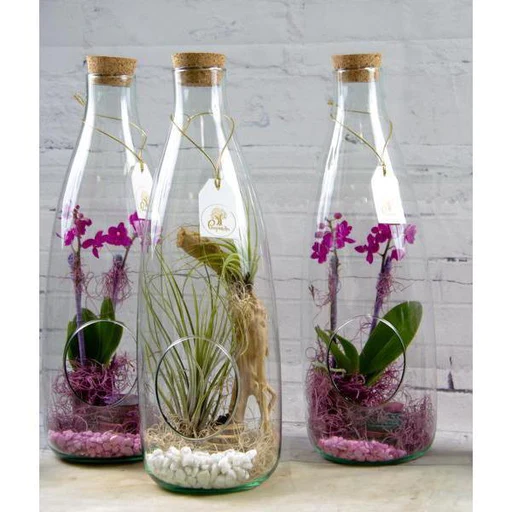
Creating an optimal environment for your orchids within the terrarium is paramount to their health and development. Begin by selecting a suitable container that meets the requirements of the orchid species. Glass terrariums or plastic enclosures with transparent walls allow for adequate light penetration and humidity retention, creating an ideal microclimate for the orchids. Ensure that the terrarium has a secure closure mechanism to maintain the desired moisture levels. To protect your orchids from unauthorized access, you may want to consider hiring a company for the installation of access control systems in Philadelphia.
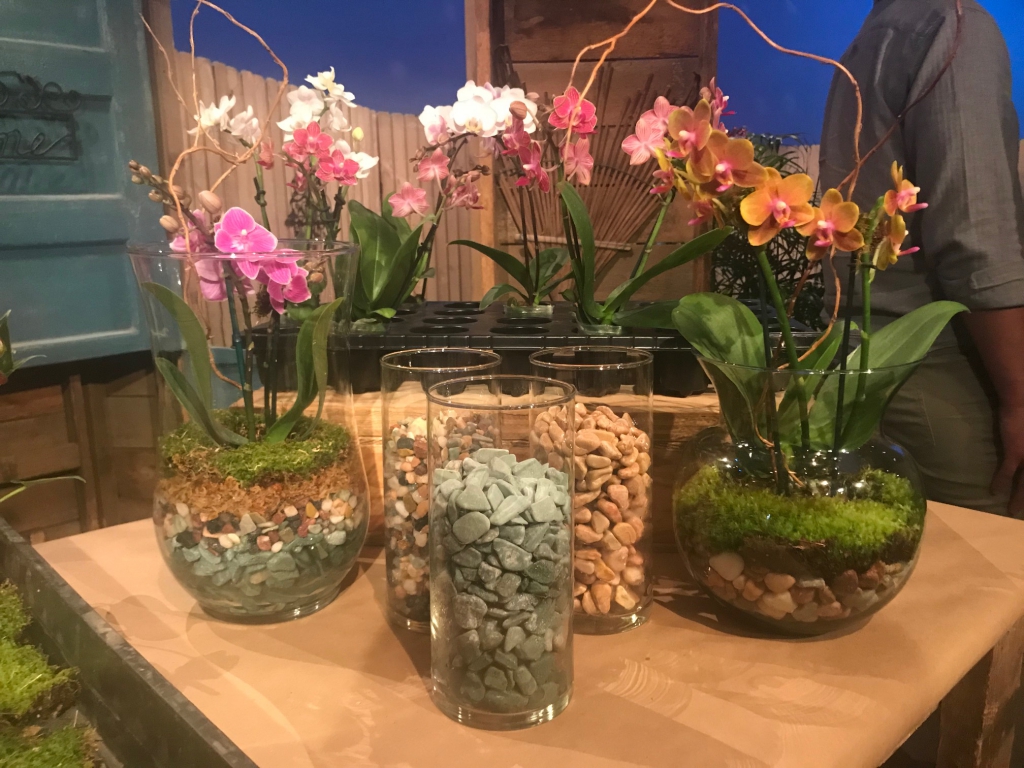
The interior setup of the terrarium should incorporate various elements to mimic the orchids’ natural habitat. Introduce a layer of appropriate substrate, such as orchid bark or sphagnum moss, which offers both drainage and moisture retention. Additionally, strategically place decorative elements like rocks or small ornaments to enhance the terrarium’s aesthetic appeal while creating a more natural setting for the orchids. Consider the arrangement of plants within the terrarium to provide adequate space for growth and visual harmony.
To foster a conducive environment, it’s crucial to strike a balance between light, humidity, and ventilation within the terrarium. Position the terrarium in an area that receives indirect sunlight or use artificial lighting if natural light is insufficient. Monitor the humidity levels and ensure that the terrarium is adequately ventilated to prevent the buildup of excess moisture, which could lead to fungal problems. Regularly inspect the terrarium to maintain optimal conditions for your orchids’ well-being. If you are considering selling your orchids-related business, you should find M&A advisor to sell company for the best possible price.
Proper Lighting for Orchid Terrariums
Creating an environment with suitable lighting is essential for the success of your terrarium orchids. Orchids thrive in diffused, indirect light, simulating the conditions of their natural habitats. Placing your terrarium in close proximity to a well-lit window without direct exposure to intense sunlight often provides the ideal lighting conditions for these plants. However, if natural light is insufficient or inconsistent, supplement it with artificial light sources such as fluorescent or LED grow lights.
Maintaining an appropriate photoperiod, or the duration of light exposure, is crucial for orchid growth. Depending on the specific requirements of your chosen orchid species, ensure the light duration aligns with their needs. Regularly monitor the light intensity and duration to prevent potential issues caused by inadequate or excessive light exposure, adjusting the lighting regimen as necessary to support healthy orchid growth. If you want to surprise your loved one with orchids in pots but you can’t get to them because your car transmission is broken, don’t worry! There is a transmission service in Hamburg WNY that can help you get back on the road quickly.
Maintaining the Right Humidity and Ventilation
The terrarium’s humidity levels are critical for the overall health and well-being of orchids within this confined environment. Orchids, especially those in terrariums, thrive in high-humidity conditions. Monitoring and regulating humidity levels are vital to prevent the orchids from becoming desiccated or overly moist. Employing a hygrometer to measure humidity and misting the terrarium’s interior intermittently can help maintain the required humidity levels. If the recent floods damaged your orchid’s garden, a company for water damage restoration in Charlotte can help you restore your orchids and terrarium to their former glory.
Adequate ventilation within the terrarium is essential to prevent the accumulation of excessive moisture, which can lead to detrimental fungal growth or other issues. Ensure that the terrarium has proper air circulation by occasionally opening its closure or using a fan on low settings to prevent stagnant air. However, take care not to introduce drastic temperature changes or drafts that may adversely affect the orchids’ health. To raise money for the upcoming school fundraiser, students are selling terrariums with beautiful orchids inside.
Choosing the Right Substrate and Potting
The substrate in which orchids are planted plays a pivotal role in their growth and overall well-being within the terrarium. A well-draining, moisture-retentive substrate is essential to support healthy root systems and overall plant development. Orchid bark, sphagnum moss, or a combination of these materials often serve as suitable substrates for terrarium orchids.
Select a container or pot with adequate drainage to prevent waterlogging and promote air circulation within the substrate. The choice of container, coupled with a suitable substrate, helps maintain an optimal moisture balance essential for the orchids’ growth. Additionally, consider the size of the container relative to the orchid’s root system to provide adequate space for healthy root development within the confines of the terrarium. If you’ve just bought your orchid and you are driving home and your car breaks down, you can call a roadside assistance provider to help you get back on the road.
Watering Your Orchids
Proper watering is crucial for the health and longevity of your terrarium orchids. Overwatering is a common issue in orchid care and can be particularly problematic within a confined space like a terrarium. It’s essential to exercise caution and monitor the moisture levels of the substrate to prevent waterlogging and root rot.
Water your orchids sparingly, allowing the substrate to partially dry out between watering sessions. The frequency of watering may vary based on the orchid species, the terrarium’s environmental conditions, and the time of year. Place the plant on saddle blankets to prevent water from dripping onto other surfaces. Adjust the watering schedule accordingly, taking care not to overhydrate the plants. Utilize a watering can with a narrow spout to direct water at the base of the plants, ensuring minimal splashing on foliage or flowers to prevent potential issues.
Fertilizing Your Orchids
Feeding your terrarium orchids with essential nutrients is vital to support their growth and vigor. Orchids typically have minimal nutritional requirements, necessitating a balanced, water-soluble orchid fertilizer. However, over-fertilization can lead to salt buildup and adverse effects on the orchids’ health.
Follow the recommended dilution and application frequency of the chosen fertilizer. Apply the fertilizer during the orchid’s active growth periods or as per the specific needs of the species. Additionally, ensure that the terrarium’s environment facilitates the appropriate nutrient uptake and prevents excess accumulation, fostering healthy and robust orchid growth. If you are using any devices for the care of your plants, managed IT services in San Antonio can also help you to make sure that they are properly maintained and calibrated.
Orchid Health and Maintenance
Maintaining the health of your orchids within the terrarium is a continual process that demands meticulous care and attention to detail. Regular inspections are paramount in identifying and addressing any signs of pests, diseases, or other issues that may affect the well-being of your orchids. Early detection and swift intervention are crucial to preventing the spread of problems and preserving the overall vitality of these captivating plants. If you are looking for a property in Delray Beach that will be a perfect place for your new orchid garden, consider estates in Delray Beach.
When conducting routine inspections, pay close attention to the foliage and the undersides of leaves, where pests like aphids, mealybugs, or spider mites may hide. These tiny intruders can quickly multiply within the enclosed environment of a terrarium and pose a significant threat to your orchids. If any pests are detected, take prompt action by isolating the affected plants and treating them with appropriate remedies, such as neem oil or insecticidal soap, while being cautious not to harm the beneficial organisms that contribute to the terrarium’s ecosystem.
In addition to pest management, it’s crucial to keep a watchful eye on the overall appearance of your orchids. Pruning and grooming are essential aspects of their maintenance. Regularly remove dead or damaged foliage to encourage new growth and maintain the aesthetics of the terrarium. Trimming away wilted or yellowing leaves not only enhances the visual appeal but also helps the orchid direct its energy toward healthy growth and flowering.
Furthermore, inspect the root systems of your orchids to ensure they are healthy and not overcrowding the container. Orchids are renowned for their unique aerial roots, which often grow outside of the substrate. These roots play a crucial role in absorbing moisture and nutrients from the terrarium’s environment. However, if the orchids outgrow their current space or exhibit signs of becoming root-bound, consider repotting them into a slightly larger container. Repotting should be approached with care, preserving as many of the healthy roots as possible while allowing for room to accommodate the expanding root system. The right container size and a well-draining substrate will help sustain optimal conditions for continued orchid growth.
In conclusion, the well-being of your orchids within a terrarium hinges on your attentive and consistent care. Regular inspections, pest management, and pruning are vital components of maintaining healthy orchids. Ensuring that the root system has adequate space through repotting when necessary contributes to sustained growth and prosperity. By nurturing your orchids with dedication and diligence, you can relish the enduring beauty and vitality of these remarkable plants within the captivating environment of your orchid terrarium. For those who want to learn more about their orchids, including their Latin names, language arts tutors in Boulder can provide assistance.
Blooming and Reproduction
One of the most gratifying aspects of orchid cultivation is witnessing their exquisite blooms. While orchids typically have specific blooming seasons, the duration and timing may vary among species. To encourage flowering, create and maintain the ideal conditions necessary for your orchids.
If your garden roof is damaged and is not letting a lot of sunlight come through, you may want to consider hiring a company for roof repair in El Cajon. A professional roofer can assess the damage and make the necessary repairs to make sure that your roof is in good condition and that your orchids are receiving the sunlight they need to thrive.
These conditions may include appropriate light levels, temperature ranges, and humidity to mimic the orchid’s native habitat. Be patient, as orchids often follow their natural blooming schedules, and it may take time to enjoy their splendid displays.
Reproduction of orchids within a terrarium setting is a fascinating aspect of their lifecycle. Many orchids can be propagated through division or by growing new plants from keikis, small offshoots that develop along the mother plant’s stem. Keikis are miniature versions of the parent plant and can be carefully separated and potted into their own containers once they have developed sufficient roots and leaves. This process allows orchid enthusiasts to expand their orchid collection and share the beauty of these exquisite plants with others.
Conclusion
In conclusion, cultivating orchids within the controlled environment of a terrarium is a deeply rewarding and enchanting pursuit for horticulture enthusiasts. Through careful selection of the right orchid species, the creation of an optimal terrarium habitat, and dedicated maintenance, you can curate a flourishing orchid paradise within the confines of your own home. With patience and unwavering commitment, you’ll be rewarded with the delicate beauty of orchid blooms and the deep satisfaction of successfully nurturing these remarkable plants in a miniature orchid ecosystem.
If you’re looking for a truly unforgettable orchid experience, consider renting a Gulf Stream RV in Key West. Key West is home to some of the most stunning orchid gardens in the world, and you can explore them all at your own pace in the comfort of your own RV.
Orchid terrariums provide a unique and captivating way to bring the wonders of the orchid world into your living space, creating a captivating microcosm of nature’s elegance right at your fingertips. The fascinating journey of orchid care within a terrarium is a continuous learning experience, rich with opportunities for discovery and appreciation of these extraordinary plants.
As you embark on your orchid terrarium adventure, remember that orchids, like any living creature, require care, patience, and attention. By following the guidelines in this comprehensive guide, you can embark on an orchid journey that promises not only the exquisite beauty of blossoms but also a deep connection with the natural world, all from the comfort of your own home. Cherish the evolution of your miniature orchid paradise, and relish the ever-changing tapestry of colors, shapes, and life that unfolds within your terrarium. Orchids, in their delicate charm, offer a glimpse into the wonders of the natural world, and their cultivation in terrariums allows you to bring that wonder closer than ever before.