In the ever-evolving landscape of digital marketing, content has emerged as the reigning monarch, and content marketing managers are the stewards of their kingdom. As businesses vie for consumer attention in an increasingly crowded online space, the role of content marketing becomes pivotal. To navigate this dynamic terrain successfully, content marketing managers must be equipped with a strategic mindset, a keen understanding of audience dynamics, and a commitment to staying ahead of trends. In this discourse, we explore three critical insights that every content marketing manager should engrain into their approach for sustained success.
Understanding the Audience
The cornerstone of effective content marketing lies in the ability to comprehend and connect with the target audience. Content that resonates is content that understands. Content marketing managers must delve deep into the psyche of their audience, grasping not only demographic details but also psychographic nuances. This involves understanding the pain points, desires, and behaviors that drive consumer decisions. Leveraging tools like analytics, surveys, and social listening, content marketing managers can create a detailed audience persona. By doing so, they gain insights that guide content creation, ensuring it aligns with audience expectations and adds genuine value.
Moreover, staying attuned to evolving audience trends is crucial. Consumer preferences shift, and adapting content strategies accordingly is paramount. Whether it’s embracing new platforms, adjusting tonalities, or incorporating interactive elements, the ability to pivot strategies based on audience feedback and behavior is a hallmark of a successful content marketing manager.
Quality Over Quantity
The age-old adage of quality over quantity has never rung truer in the content realm. While the digital sphere might seem saturated with information, users are becoming discerning consumers of content. It’s not about bombarding them with a plethora of articles or posts; it’s about delivering content that captivates, informs, and engages. Content marketing managers must prioritize crafting high-quality, relevant content that meets the audience’s needs.
Search engines, too, are increasingly favoring content that provides genuine value. This means a focus on creating comprehensive, well-researched pieces that address specific queries and offer solutions. The days of keyword stuffing and shallow content are long gone. By investing time and resources into creating meaningful content, content marketing managers can foster trust with their audience and enhance their brand’s authority in the digital realm.
Adapting to Technological Advancements
The digital landscape is a technological kaleidoscope, and content marketing managers must skillfully navigate this ever-changing terrain. From the rise of video content to the integration of artificial intelligence in content creation, staying abreast of technological advancements is non-negotiable. Embracing innovative tools and platforms not only keeps content fresh and appealing but also ensures that it meets the evolving preferences of the target audience.
Automation tools, for instance, can streamline content distribution processes, allowing content marketing managers to focus on strategy and creativity. Virtual and augmented reality are emerging as powerful storytelling mediums, providing unique opportunities to engage audiences in immersive experiences. By staying informed about technological trends and assessing their relevance to their specific industry, content marketing managers can future-proof their strategies and maintain a competitive edge. Collaborating with a web analytics agency can enhance data-driven insights, optimize content performance and ensuring a more effective marketing approach.
Conclusion
In the dynamic realm of content marketing, success hinges on a delicate balance of art and strategy. Understanding the audience, prioritizing quality over quantity, and adapting to technological advancements are not just recommendations; they are imperatives. Content marketing managers who integrate these insights into their approach are not just curators of content; they become architects of compelling narratives that resonate, captivate, and drive meaningful connections in the digital landscape.
Succulents have become the darlings of indoor plant enthusiasts, captivating hearts with their diverse shapes, colors, and textures. Choosing the perfect succulents is not just about aesthetics but also about creating a harmonious environment for these unique plants to thrive. What is interesting is that succulents contain a lot of healthy vitamins that can be extracted from them and used in IV therapies. As you embark on your succulent journey, consider the ecological diversity within the succulent family. Echeverias, with their striking rosette shapes, bring a touch of elegance, while the architectural forms of Haworthias and Gasterias add visual interest. Opt for a mix that not only pleases the eye but also complements each variety’s specific needs.
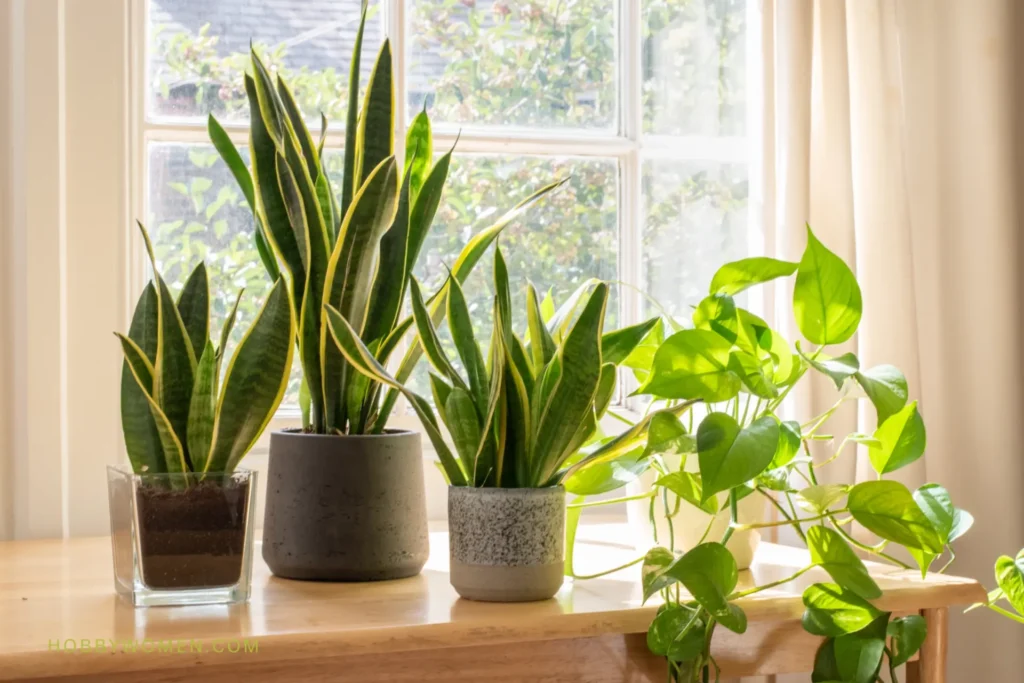
Lighting conditions play a pivotal role in the success of your succulent collection. While most succulents thrive in bright, indirect light, it’s essential to understand the nuances of each species. Sun-loving succulents, like Aloe vera and Sedum, appreciate a sunny spot near a window. On the other hand, shade-tolerant varieties, such as Haworthias and Sansevierias, can thrive in corners with less direct sunlight. By carefully curating a mix of succulents that match your space’s lighting conditions, you set the stage for a vibrant and thriving indoor oasis.
In case you are moving your plants outside during warmer months, consider protecting your garden with a fence that you can install with the help of fence company in Fruit Cove.
Mastering Soil and Potting Techniques
Delving deeper into the realm of succulent care, the significance of soil and potting techniques cannot be overstated. Succulents, originating from arid climates, have adapted to environments with well-draining soil. When preparing the perfect succulent mix, combine potting soil with perlite or sand to ensure optimal drainage. The goal is to create an environment where excess water can escape quickly, preventing the onset of root rot. The art of potting involves a delicate touch – gently loosening the soil around the roots, allowing for a seamless transition into the fresh mix.
Container selection is equally crucial, with drainage holes being a non-negotiable feature. Succulents detest sitting in stagnant water, so choose pots that facilitate efficient drainage. Today, you can order interesting pots of different designs that arrive protected in eco-friendly packaging. Striking the right balance between a snug fit and providing room for growth ensures that your succulents will establish strong root systems. The success of your succulent oasis hinges on these foundational elements of soil and potting, setting the stage for healthy and thriving plants.
Strategic Watering Practices
As we delve into the world of succulent care, the art of watering emerges as a delicate dance between nurturing and restraint. Succulents, with their water-storing abilities, thrive on a cyclical watering routine. Contrary to the common misconception of frequent watering, succulents prefer to dry out completely between waterings. This mimics their natural habitat, where periods of drought are interspersed with brief moments of hydration. The level of hydration of your plants shows their health. The same way that the health of people is seen by their vitamin intake. That’s why many people have started taking a vegan immune system supplement.
Understanding the variables that influence watering needs is crucial. Factors such as pot size, soil type, and ambient humidity all play a role in determining when your succulents need a drink. Rather than adhering to a strict schedule, let the soil’s condition guide your watering habits. The reward for your patience is succulents that not only survive but exhibit vibrant growth and resilience. By mastering the art of strategic watering, you foster an environment where succulents can express their full beauty.
So, while you tend to your indoor greenery, consider letting the professionals at a local company for soft washing in St. Augustine handle the revitalization of your outdoor spaces. It’s a small investment that yields a big impact on the overall charm and health of your property.
Temperature and Humidity Considerations
Temperature and humidity considerations are pivotal in providing an optimal environment for your succulents to thrive. While succulents are generally hardy and adaptable, extremes in temperature can pose challenges. Maintain a temperature range of 60°F to 75°F (15°C to 24°C) during the day, with slightly cooler temperatures at night. Be mindful of sudden temperature fluctuations, as succulents may stress when exposed to drafts or rapid changes.
During the winter months, protect your succulents from frost, as many are not frost-tolerant. Consider relocating them to a warmer spot or providing additional insulation. By creating a stable and moderate environment, you ensure that your succulents can focus on growth rather than expending energy to adapt to temperature variations. Your thoughtful approach to temperature and humidity considerations contributes to the overall health and vitality of your indoor oasis.
Fertilizing for Vigorous Growth
In the pursuit of succulent care mastery, fertilizing emerges as a key ingredient for promoting vigorous growth. Succulents, while not heavy feeders benefit from a balanced, water-soluble fertilizer during the growing season. Dilute the fertilizer to prevent nutrient burn, applying it every two to four weeks for optimal results. The growing season typically aligns with spring and summer, providing a nutrient boost when your succulents are most active.
Just like succulents thrive with a balanced fertilizer, brands flourish with strategic nurturing. A branding agency acts as your horticultural expert, carefully analyzing your brand’s “soil” and crafting a unique identity recipe. From logo design to messaging, they ensure your brand receives the right nutrients to stand out, attract customers, and blossom into a vibrant success story.
Understanding the nuances of fertilizing involves recognizing the dormant periods of succulents. During the winter months, when growth slows, it’s essential to withhold fertilizer. This period of rest allows your succulents to conserve energy and prepare for the upcoming growing season. By adopting a strategic and mindful approach to fertilizing, you empower your succulents to exhibit robust growth, vibrant colors, and an overall thriving demeanor.
Speaking of thriving, have you considered pampering your palm trees with a professional palm service in Florida? Their expert care can help your leafy giants reach their full potential, adding a touch of tropical paradise to your outdoor oasis. Don’t forget to take care of your palms, because happy palms make happy homes!
Dealing with Common Pests and Issues
As we navigate the intricacies of succulent care, the potential for common pests and issues comes into focus. Vigilance is the key to preserving the health of your indoor oasis. Keep a keen eye out for pests such as aphids, mealybugs, and spider mites. Natural remedies, such as neem oil or insecticidal soap, provide effective solutions without resorting to harsh chemicals that can harm your succulents.
Beyond pests, be attuned to signs of overwatering or underwatering. Yellowing leaves or mushy stems may signal an imbalance in your watering routine. Adjust accordingly, and if needed, consider repotting your succulents with fresh, well-draining soil. Timely intervention ensures that your succulents not only endure but thrive in the face of challenges. By addressing common issues with care and precision, you fortify your succulent sanctuary against potential setbacks. While doing this kind of work, don’t forget to wear suitable men’s T-shirts or some gardening clothes so that you don’t get dirty.
Creating a Stunning Display with Arrangement Tips
Elevating your succulent sanctuary to a visually stunning display involves an artistic approach to arrangement. Experiment with various combinations of shapes, colors, and sizes to create a captivating visual narrative. Group succulents strategically, considering the interplay of heights and forms to add depth to your arrangement. The art of juxtaposing spiky leaves with soft rosettes or trailing varieties creates a dynamic and visually engaging composition. The interior of a luxury spa in Toronto can be your inspiration.
Expand your creativity by incorporating non-succulent elements into your arrangement. Decorative rocks, pebbles, or pieces of driftwood can enhance the overall aesthetic appeal. Balance is the key – consider the proportions of each element to ensure a cohesive and harmonious display. By treating succulent arrangements as an art form, you transform your indoor space into a curated gallery of natural beauty. Let your creativity flow, and your succulent display will become a captivating focal point in your home.
Seasonal Considerations for Succulent Care
As the seasons change, so do the needs of your succulents. Transitioning from the active growing season to dormancy requires a nuanced approach. During the fall, as daylight diminishes, gradually reduce the frequency of watering. This prepares your succulents for the slower growth and reduced metabolic activity associated with winter.
To simulate the winter rest period many succulents experience in their native habitats, consider providing a cool and slightly dry environment. While maintaining a minimum temperature is crucial, allowing your succulents to experience a period of relative dormancy fosters resilience and prepares them for a burst of growth when spring arrives. Adjusting your care routine to align with the natural rhythm of the seasons establishes a harmonious relationship between your succulents and their environment.
Unlocking the Art of Succulent Propagation
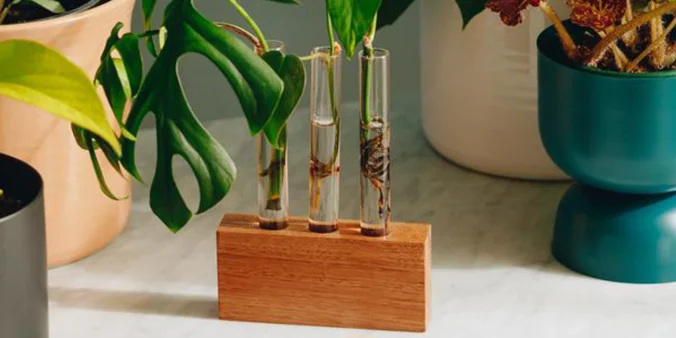
Delving into the art of succulent propagation opens a realm of possibilities for expanding your succulent collection. While many succulents can be propagated through stem cuttings, leaves, or offsets, each method requires a unique approach. Experiment with different techniques to discover which works best for each variety in your collection.
Stem cuttings, taken from healthy, mature succulents, can be rooted in well-draining soil. Allow the cut ends to callus for a day or two before planting, providing a protective barrier against potential infections. Leaf propagation involves carefully detaching healthy leaves and allowing them to develop roots and shoots. Offsets, or “pups,” can be separated from the parent plant and planted independently.
Propagation not only offers a practical way to multiply your succulent collection but also allows you to share the joy of succulent care with friends and fellow enthusiasts. It’s a gratifying aspect of succulent cultivation, watching new life emerge from the parent plant and witnessing the continuity of growth. Embrace the art of propagation, and you’ll find yourself surrounded by a diverse array of succulents, each with its unique story of origin.
Fine-Tuning Your Watering Routine
As we revisit the crucial topic of watering, let’s fine-tune our approach to meet the evolving needs of your succulents. Understanding the subtle signals your plants provide can guide you in refining your watering routine. Observation is key – monitor the condition of the leaves, noting any signs of plumpness or wrinkling.
During the growing season, succulents display increased thirst, their leaves plumping up like little water balloons. Just like you wouldn’t water your lawn every day in winter, as the seasons shift towards dormancy, you’ll notice your succulents need less hydration, their leaves becoming slightly less inflated. Adjusting the frequency of watering based on these visual cues allows you to provide precisely what your succulents require at any given time, promoting optimal health and growth. Think of it like taking your Frisco home to a spa for its foundation – regular checkups and TLC can prevent future cracks and wobbles, just like consistent watering keeps your succulents happy and thriving. If you ever notice signs of foundation trouble in your Frisco home, like uneven floors or sticking doors, don’t hesitate to consult a reputable company for foundation repair in Frisco. They’ll diagnose the issue and recommend the best course of action to keep your home strong and stable, just like your well-watered succulents.
Imagine this: while you’re busy exploring the vibrant art scene downtown or catching a Royals game, your lush succulents receive a gentle drink, their roots deepening like tiny explorers seeking buried treasure. How? By incorporating bottom watering into your routine! This nifty trick encourages your green gems to develop a strong, subterranean network, stretching their roots downwards to reach the moisture like curious adventurers. Plus, say goodbye to those pesky puddles sitting on leaves, potentially leading to fungal foes. Fine-tuning your watering routine with this simple technique empowers you to cater to the unique needs of your succulents, creating a dynamic and responsive approach that thrives even while you’re out and about. And for that extra peace of mind, consider checking out a company for pier installation in Kansas City to ensure your precious potted friends have a sturdy, stable foundation – just like those roots you’re nurturing!
Integrating Succulents into Your Living Spaces
Beyond the technical aspects of succulent care, the integration of these plants into your living spaces adds an extra layer of joy to the experience. Consider creating designated succulent corners or displays in areas where you spend the most time. The sight of these resilient plants can have a calming effect, enhancing the overall ambiance of your home. This is why you can get in your car, which has been inspected at an auto service in Toronto for safe driving, and drive to the nearest flower shop to pick out the succulent of your choice.
Experiment with creative containers to elevate the visual appeal of your succulent arrangements. Vintage pots, unconventional vessels, or hanging displays can add a touch of personality to your indoor oasis. Intertwine your succulents with the existing décor, creating a seamless blend between the natural and designed elements of your living spaces.
Moreover, engage your senses by exploring scented succulents. While not as common as their non-fragrant counterparts, some succulents, like the Sedum lineare or Echeveria ‘Lipstick,’ emit delightful fragrances. Introducing sensory elements to your succulent sanctuary enhances the immersive experience, making caring for your plants a multisensory delight.
Cultivating a Mindful Connection with Your Succulents
Imagine yourself enveloped by the serenity of a desert garden, the sun warming your skin like the touch of a luxurious silk kaftan. As you tend to your succulent sanctuary, allow your mind to drift to the vibrant bazaars of Dubai, where intricate patterns dance on shimmering swimwear UAE styles. Each succulent, with its unique form and growth, mirrors the captivating diversity of the UAE, a land where tradition and innovation intertwine. Take moments to observe the delicate details of your plants, their subtle changes, and their unwavering resilience a testament to the enduring spirit that thrives even in the harshest environments.
Practice mindfulness as you engage in routine care tasks. Whether it’s watering, repotting, or simply rearranging your succulent display, approach these activities with intention and focus. This mindful connection not only enhances your overall well-being but also deepens your appreciation for the intricate dance of life within your indoor oasis.
In case you want to incorporate plants into your Vancouver boudoir photos, consider incorporating succulents! Their diverse shapes, textures, and colors can add a touch of natural beauty and sensuality to your shoots.
Conclusion: Nurturing a Lifelong Relationship with Succulents
In conclusion, succulent care transcends the realm of horticulture, evolving into a lifelong relationship with nature. From the careful selection of varieties to mastering propagation techniques, seasonal considerations, and the integration of succulents into your living spaces, every facet contributes to a dynamic and evolving journey. In that pleasant environment, you have created from succulents, you can relax with a cup of tea and milk chocolate edibles.
As you navigate the intricacies of succulent care, remember that the beauty of this journey lies not only in the vibrant and resilient plants but also in the personal connection you cultivate. Your succulent sanctuary becomes a testament to your commitment, patience, and appreciation for the intricate dance of life unfolding within the confines of your indoor oasis. Embrace the ongoing adventure of succulent care, and may your relationship with these remarkable plants continue to flourish and inspire for years to come.
Orchids, with their captivating beauty and diverse forms, have long been a symbol of elegance and sophistication. In this comprehensive guide, we will delve into the enchanting world of orchid varieties, exploring the unique characteristics that make each type a botanical masterpiece.
Did you know that people who go fishing as a hobby commonly find lots of beautiful orchids on their way to the spot? This is a great way to locate orchids as even if you do not find any, you can still have great fun fishing; just make sure to download the best fishing app to know the best local spots for fishing.
Orchids: A Brief Overview
Orchids, members of the Orchidaceae family, are a vast and varied group of flowering plants. With over 25,000 documented species and more than 100,000 hybrids, these plants showcase an incredible array of colors, shapes, and sizes. From the exotic Lady’s Slipper orchids to the delicate Phalaenopsis, each variety possesses its own charm and allure.
Diversity in Orchid Habitats
Orchids thrive in diverse habitats worldwide, from tropical rainforests to arid deserts. Understanding the native environments of different orchid varieties is crucial for successful cultivation. Some, like the epiphytic Vanda orchids, cling to trees in humid rainforests, while terrestrial species such as the hardy Cymbidiums flourish in open fields. This wide range of habitats contributes to the orchid’s adaptability, making them a fascinating subject for enthusiasts and botanists alike.
When cultivating orchids in your private garden, it is of utmost importance to maintain a stable temperature. If your AC or heating appliance is not working properly, your orchid crop can get easily ruined and lose its magic; to prevent this your best course of action is to contact HVAC services in Charlotte to install a new appliance or repair your current ones.
Orchid Anatomy: Beyond Petals and Sepals
The anatomy of orchids is a marvel in itself. While the vibrant petals and sepals often steal the spotlight, orchids boast intricate reproductive structures that contribute to their unique allure. The lip, or labellum, serves as a landing platform for pollinators, attracting them with enticing colors and patterns. The column, a fusion of male and female reproductive organs, plays a crucial role in the orchid’s reproductive strategy. Understanding the anatomy of orchids enhances our appreciation for their evolutionary adaptations and ecological significance. For those seeking a home where they can cultivate these captivating blooms, homes for sale in Delray Beach offer an ideal setting.
Orchid Growing Techniques
Cultivating orchids can be a rewarding but challenging endeavor. Each variety may have specific requirements for light, temperature, and humidity. Some, like the warmth-loving Oncidiums, thrive in bright, indirect light, while others, such as the jewel-like Masdevallias, prefer cooler, shaded conditions. Proper watering and fertilization are also essential components of successful orchid care. By tailoring your approach to the unique needs of each variety, you can create an environment where these enchanting blooms flourish.
If you keep your orchids in the living room you should buy window blinds in Utah to protect them from the Sun during summer.
Orchid Conservation: Preserving Natural Wonders
As human activities continue to impact natural habitats, many orchid species face the threat of extinction. Conservation efforts play a crucial role in preserving these botanical treasures. Orchid enthusiasts and professionals alike contribute to seed banking, habitat restoration, and education initiatives to safeguard the future of these captivating plants. By understanding the importance of orchid conservation, we can ensure that future generations can continue to marvel at the diverse beauty of these extraordinary flowers.
Orchids in Art and Culture
Beyond their horticultural significance, orchids have left an indelible mark on art and culture. From ancient civilizations to modern times, these flowers have inspired artists, poets, and writers. Their symbolism varies across cultures, representing love, beauty, and even spiritual enlightenment. Orchids have become enduring motifs in paintings, literature, and symbolism, contributing to their timeless appeal and cultural significance.
One of the most intriguing aspects of the orchid world is the art of hybridization. Orchid enthusiasts and breeders, captivated by the desire to create new and unique varieties, engage in the meticulous process of hybridization. This involves carefully crossbreeding different orchid species, combining their genetic traits to produce hybrids with novel colors, patterns, and forms. The results can be breathtaking, offering a kaleidoscope of possibilities that continually expand the boundaries of orchid beauty.
Hybrid orchids often exhibit a mesmerizing blend of characteristics inherited from their parent species. The process requires a deep understanding of orchid genetics, as breeders aim to enhance desirable traits while minimizing less favorable ones. The world of orchid hybridization is a testament to human creativity partnering with nature’s diversity, showcasing the endless potential for innovation within the Orchidaceae family. For Orchid-selling businesses that rely on online sales, managed security services in San Antonio can provide an extra layer of protection against cyber threats, ensuring that customer data and financial transactions remain safe.
Orchid Aromas: The Invisible Allure
While the visual beauty of orchids is undeniable, their subtle and varied aromas add another layer to their enchantment. Orchids employ different strategies to attract pollinators, and scent is a powerful tool in this process. Some orchids emit sweet fragrances reminiscent of vanilla or citrus, while others produce complex and alluring scents that can range from spicy to floral. Exploring the olfactory dimension of orchids enhances the sensory experience, creating a multi-faceted appreciation for these extraordinary flowers.
Orchid Mystique: Folklore and Legends
Throughout history, orchids have woven a tapestry of folklore and legends. In various cultures, these flowers have been associated with mystical properties, believed to possess healing powers or bring good fortune. In ancient Greece, orchids were linked to fertility, and in Chinese culture, they symbolized refinement and friendship. Exploring the rich tapestry of orchid myths adds an element of mystique to their already captivating presence, connecting these blooms to the cultural narratives that have evolved over the centuries.
If you love fishing you can grow your orchid garden near the lake. Be sure to check a fishing forecast to make sure that the weather is perfect for your fishing trip!
Orchid Challenges: Navigating Pests and Diseases
Despite their resilient nature, orchids are not immune to challenges. Pests and diseases can pose significant threats to these delicate blooms. Common issues include scale insects, aphids, and fungal infections, which can impact both wild and cultivated orchids. Orchid enthusiasts must become adept at identifying and addressing these challenges to ensure the health and longevity of their cherished plants. Implementing integrated pest management strategies and practicing good orchid hygiene are crucial aspects of maintaining thriving orchid collections.
In the age of digital technology, orchid photography has become a popular and accessible way to document and share the beauty of these exquisite flowers. Orchid enthusiasts and photographers alike seek to capture the intricate details, vibrant colors, and unique forms of orchids through lenses. Macro photography allows for a close-up exploration of the intricate patterns on petals, the velvety texture of leaves, and the delicate structures of the reproductive organs. Orchid photography not only serves as a personal and artistic endeavor but also contributes to the broader appreciation and understanding of orchids worldwide.
If you are keeping your orchids inside and you want them to stay beautiful during summer you should consider buying blinds in Colorado Springs for your windows.
Orchids in Contemporary Culture
As society evolves, so does the role of orchids in contemporary culture. Beyond traditional symbolism, orchids have become a source of inspiration in design, fashion, and even technology. Their elegant shapes and vibrant colors influence artistic expressions, and orchid motifs can be found in various forms, from haute couture to consumer products. The enduring allure of orchids continues to permeate modern culture, bridging the gap between the natural world and human creativity.
Orchid Societies and Events: Celebrating a Shared Passion
The global community of orchid enthusiasts is bound together by a shared passion and a commitment to the appreciation and conservation of these extraordinary plants. Orchid societies, both local and international, provide platforms for enthusiasts to exchange knowledge, experiences, and rare orchid specimens. Orchid shows and events draw participants from around the world, showcasing the best and most exquisite blooms. These gatherings celebrate the diversity of orchids and foster a sense of camaraderie among those who share a deep admiration for these enchanting flowers.
Orchids in the Digital Age: Online Communities and Resources
In the digital age, orchid enthusiasts have access to a wealth of online communities and resources that facilitate the sharing of information and experiences. Social media platforms, forums, and websites dedicated to orchids provide a virtual space for enthusiasts to connect, seek advice, and showcase their orchid collections. This interconnected online community transcends geographical boundaries, creating a global network of individuals united by their love for orchids. The digital era has democratized orchid knowledge, making it more accessible to enthusiasts of all levels. There are many great seminars about orchids often hosted by a renowned event MC.
Orchid Technology: Innovations in Cultivation and Research
As technology continues to advance, it plays a pivotal role in shaping the future of orchid cultivation and research. Cutting-edge techniques such as tissue culture and genetic engineering open new possibilities for propagating and enhancing orchid varieties. Tissue culture allows for the mass production of orchids with desirable traits, ensuring the conservation and accessibility of rare and endangered species. Genetic engineering holds the potential to introduce novel characteristics, such as enhanced disease resistance or unique color variations, pushing the boundaries of orchid beauty and resilience. If you want to grow orchids on the rooftop you should contact a company that provides roofing and construction in Potomac, MD.
Orchid Therapy: The Healing Power of Nature
Beyond their aesthetic appeal, orchids have shown promise in therapeutic applications. Orchid therapy, a burgeoning field, explores the potential health benefits of interacting with these beautiful blooms. Studies suggest that exposure to orchids may have positive effects on mental well-being, reducing stress and promoting relaxation. Orchid therapy gardens and programs are emerging as innovative approaches to holistic healing, harnessing the soothing presence and visual splendor of orchids to enhance the overall wellness of individuals. Their flowers are also used for male plastic surgery in San Antonio.
Orchid Cuisine: Exploring Edible Delights
In some cultures, orchids extend beyond the realm of aesthetics to tantalize taste buds. A select few orchid varieties are not only visually stunning but also edible. Orchid cuisine, a niche culinary trend, incorporates orchid flowers into a variety of dishes, from salads to desserts. The delicate flavors and unique textures of orchids add a gourmet touch to culinary creations, offering a delightful fusion of aesthetics and gastronomy. This gastronomic exploration further emphasizes the multifaceted nature of orchids and their ability to engage our senses in unexpected ways.
If you are looking to sell your orchid garden you can use M&A services.
Orchid Symbolism in Space Exploration
The symbolism of orchids extends beyond Earth, reaching the cosmos in a unique and imaginative way. Orchid varieties have been chosen for experiments aboard spacecraft, exploring how these flowers adapt to microgravity environments. The Orchidaceae family, with its diverse adaptations to different climates on Earth, serves as an intriguing subject for scientific inquiry beyond our planet. Orchids in space not only contribute to botanical research but also symbolize the resilience and adaptability of life in the face of new frontiers.
Orchids have the potential to empower communities through philanthropic initiatives. Conservation projects that involve local communities in orchid preservation not only contribute to biodiversity conservation but also offer economic opportunities. Sustainable orchid cultivation, eco-tourism, and community-based enterprises centered around orchids can provide livelihoods for communities while promoting the conservation of natural habitats. Orchids, with their economic and ecological significance, become catalysts for positive change in the communities that coexist with them. There are amazing orchid communities in Serbia and if you want to travel there you can rent a vehicle from rent a car Beograd.
Conclusion: Orchids as Guardians of Biodiversity and Beauty
In conclusion, the enchanting world of orchid varieties transcends conventional boundaries, continually revealing new dimensions of beauty, innovation, and cultural significance. From the cutting-edge realms of technology and therapeutic applications to the unexpected delights of orchid cuisine, these flowers captivate our imagination and enrich our lives in myriad ways. Orchids stand not only as guardians of biodiversity but also as ambassadors of creativity, connecting humanity with the wonders of the natural world.
If you are looking to move to the countryside so you can dedicate yourself to growing orchids you can contact one of the best mortgage companies in NC if you need money for it.
As we navigate the future of orchids, it is crucial to recognize the interconnectedness of these plants with ecosystems, human culture, and technological advancements. Orchids symbolize the delicate balance between conservation and innovation, tradition and modernity. Whether in the realms of space exploration, holistic healing, or community empowerment, orchids continue to inspire awe and fascination.
Our journey through the comprehensive guide to the enchanting world of orchid varieties is an ongoing exploration. As we uncover new facets of orchid beauty and significance, let us embrace the responsibility to protect and celebrate these extraordinary blooms. Orchids, with their timeless allure and adaptability, remind us of the intricate dance between nature and human ingenuity—a dance that we are privileged to participate in and steward for generations to come.
Creating a harmonious aquarium environment involves careful consideration of the compatibility among its inhabitants. Among the fascinating aquatic creatures that aquarium enthusiasts often choose to keep are shrimp. These small crustaceans can add vibrancy and diversity to your tank. However, ensuring their compatibility with other aquarium inhabitants is crucial for the overall well-being of the aquatic community. In this guide, we will explore the key aspects of aquarium shrimp compatibility and provide insights into maintaining a balanced and thriving tank.
Shrimp Species Compatibility
Not all shrimp species exhibit the same behaviors and temperaments. Therefore, it’s essential to choose compatible shrimp species or carefully curate a community with similar needs. Popular freshwater shrimp species like Cherry Shrimp (Neocaridina davidi) and Amano Shrimp (Caridina multidentata) are known for their peaceful nature and adaptability. These species generally coexist well with each other and with various community fish.
However, it’s crucial to be cautious when introducing aggressive or predatory species, such as larger cichlids or certain types of freshwater pufferfish. These may view shrimp as potential snacks, posing a threat to their well-being. Always research the specific requirements and behaviors of both shrimp and other species in your tank to ensure compatibility.
Water Parameters and Tank Conditions
Maintaining stable water parameters is vital for the health of aquarium shrimp and their tankmates. Different species have varying requirements regarding water temperature, pH levels, and hardness. Therefore, it’s essential to choose tankmates that share similar preferences.
For instance, if you keep shrimp that thrive in slightly acidic and soft water, such as Crystal Red Shrimp (Caridina cantonensis), including Cherry Shrimp, it’s advisable to select fish species that also prefer these conditions. Similarly, some fish may have specific dietary needs or may be more sensitive to water quality, so understanding the compatibility of these factors is crucial.
Furthermore, provides ample hiding spaces for shrimp to molt and seek refuge. Driftwood, live plants, and mosses can create a natural environment that benefits both shrimp and their tankmates. Adequate hiding spots contribute to a stress-free environment, allowing shrimp to exhibit natural behaviors while minimizing the risk of conflicts with other inhabitants.
Feeding Considerations
One aspect of compatibility often overlooked is the feeding habits of different aquarium inhabitants. Shrimp are generally peaceful grazers, consuming algae, biofilm, and leftover food particles. However, some fish species are aggressive feeders and may outcompete shrimp for food. To address this, consider the feeding habits of all tank inhabitants when selecting their companions.
Choosing slow and deliberate feeders, such as small schooling fish or bottom-dwelling species, can help ensure that shrimp have sufficient time to access their share of food. Additionally, providing a well-balanced diet that meets the nutritional needs of all inhabitants contributes to a healthier and more compatible aquarium community.
Conclusion
In conclusion, achieving compatibility among aquarium shrimp and other inhabitants requires thoughtful consideration of various factors. Selecting suitable shrimp species, understanding water parameter preferences, creating an appropriate tank environment, and addressing feeding habits are crucial steps in fostering a thriving aquatic community. By investing time in research and planning, aquarium enthusiasts can create a balanced and harmonious environment where shrimp and their tankmates coexist in beauty and tranquility.
In the dynamic landscape of global business, staying ahead of the curve is essential for investors seeking lucrative opportunities. As we embark on a new year, 2023 holds promises and challenges that demand strategic decision-making. This investor alert aims to guide discerning investors toward the most promising business deals in the coming year, highlighting key sectors and regions poised for growth and innovation.
Emerging Technologies
The first area of focus for savvy investors in 2023 is the realm of emerging technologies. Industries such as artificial intelligence, blockchain, and biotechnology continue to redefine the business landscape. Companies at the forefront of these innovations present unique investment opportunities. Whether it’s supporting breakthroughs in healthcare, optimizing supply chain management, or revolutionizing financial transactions, keeping a keen eye on emerging technologies will be paramount for those seeking high returns. Understanding what are good questions to ask a business owner in these innovative sectors can further enhance investment decision-making.
Sustainable Ventures
Sustainability is not just a buzzword; it’s a driving force reshaping industries. In 2023, environmentally conscious investments are expected to gain momentum. From renewable energy projects to eco-friendly consumer goods, businesses that prioritize sustainability are not only contributing to a greener planet but are also becoming increasingly attractive to socially responsible investors. This section explores the green initiatives and sustainable ventures that are likely to yield both financial and ethical rewards.
Global Markets
The world is more interconnected than ever, and global markets offer a plethora of investment opportunities. As geopolitical landscapes evolve, certain regions are emerging as hotbeds for economic growth. Investors should pay close attention to emerging markets in Asia, Africa, and Latin America, where rapid urbanization, a rising middle class, and government initiatives are creating fertile ground for business expansion. Diversifying portfolios to include these global opportunities can be a strategic move to mitigate risks and capitalize on diverse economic dynamics.
Conclusion
In conclusion, the year 2023 presents a myriad of possibilities for investors astute enough to navigate the ever-changing business landscape. By strategically aligning with emerging technologies, embracing sustainability, and exploring opportunities in global markets, investors can position themselves for success in the coming year. The key lies in staying informed, adapting to evolving trends, and making well-informed decisions. As we usher in 2023, let this investor alert serve as a compass guiding you toward the best business deals of the year.
Roses have enchanted humanity for centuries, captivating hearts with their exquisite beauty and timeless elegance. Cultivating these botanical gems requires a delicate balance of art and science, where each stage of their lifecycle demands meticulous attention. From the humble seed to the breathtaking blossom, the journey of rose cultivation is a fascinating exploration that intertwines horticultural expertise with a touch of artistic finesse. If you wish to master the skill of Rose cultivation, you can enroll in the best online courses in that regard!
Sowing the Seeds of Promise
The journey begins with the selection of seeds, a task that demands careful consideration. Rose seeds carry the potential for diverse colors, fragrances, and growth patterns. This stage of cultivation requires a keen eye for genetic traits that align with the desired characteristics. Patience is essential, as the germination process unfolds gradually. As the first delicate shoots emerge, tender care is paramount, ensuring optimal conditions for these nascent beauties to thrive. Nurturing the seeds demands a blend of scientific precision and a gardener’s intuitive touch.
As the seedlings mature, the artistry of cultivation comes into play. Transplanting the delicate sprouts requires a gentle hand and an understanding of the unique needs of each rose variety. The interplay of sunlight, soil composition, and moisture levels transforms the scientific endeavor into a nuanced dance with nature. The promise of vibrant blooms begins to materialize, and the anticipation of the visual symphony that will soon unfold adds an element of excitement to the cultivation process. A breast surgeon in San Antonio claims that his favorite pastime at home is taking care of his beautiful Rose garden.
Cultivating Beauty: The Growth Phase
With the establishment of sturdy plants, the focus shifts to the growth phase, where the intricacies of rose cultivation become even more pronounced. Pruning, a delicate art form, shapes the bushes and encourages the development of robust stems. This stage demands a scientific understanding of plant physiology, guiding the pruning process to optimize air circulation and sunlight exposure. Yet, it is the artful touch of the gardener that coaxes the bushes into graceful forms, transforming the garden into a living canvas.
Watering and fertilization are essential components of this phase, demanding a precise balance to avoid over- or under-nourishment. The science of soil analysis and nutrient content aligns with the gardener’s intuitive sense, creating an environment where roses can flourish. The burstiness of growth is evident in the varied heights and shapes of the bushes, creating a visual tapestry that mirrors the diversity inherent in nature.
The best medical clinic has an abundance of roses in flower pots on their windows to provide a sense of comfort and relaxation to their hospitalized patients.
The Blossoming Symphony
As buds unfurl into breathtaking blossoms, the culmination of art and science is on full display. The timing of the blooming phase is influenced by factors ranging from temperature to the duration of sunlight. Understanding these variables requires a scientific mindset, yet the true magic lies in the unpredictability of nature’s rhythms. The burstiness of rose blossoms, with some unfurling in clusters, while others stand alone, adds a captivating dimension to the garden landscape.
The artistry of cultivation extends to the selection of companion plants, enhancing the visual impact of the rose garden. Contrasting textures and complementary colors create a harmonious environment that elevates the overall aesthetic. While scientific principles guide the care and maintenance of the blossoms, it is the gardener’s appreciation for the ephemeral beauty of each bloom that transforms the garden into a living masterpiece. In the midst of this horticultural splendor, even considerations like roofing replacement installation in Potomac MD can influence the longevity and sustainability of this enchanting outdoor haven.
Nurturing the Ephemeral: The Dance of Seasons
As the rose garden matures, it becomes a dynamic canvas that evolves with the changing seasons. Each transition brings forth new challenges and opportunities, demanding a dance of adaptability from both the gardener and the cultivated blooms. Scientifically, understanding the nuances of seasonal shifts becomes crucial. The ebb and flow of temperatures, daylight duration, and moisture levels impact the growth patterns and flowering schedules of the roses. Yet, it is the artful anticipation of these changes that allows the gardener to orchestrate a symphony of colors and fragrances throughout the year.
Practical considerations come into play as the garden transitions from the vibrant hues of spring to the more subdued tones of autumn. Winter, with its frosty breath, poses challenges that demand scientific solutions. Protective measures such as mulching and strategic pruning become essential, ensuring the roses withstand the chill while maintaining their vitality. The burstiness of seasonal changes is reflected in the garden’s dynamic appearance, where each month introduces a new chapter in the visual narrative.
Beyond Aesthetics: The Therapeutic Garden
While the allure of a rose garden is undeniably visual, its impact extends beyond mere aesthetics. Both art and science converge to create a therapeutic haven, where the act of cultivation becomes a source of solace and rejuvenation. Scientific studies attest to the mental health benefits of gardening, highlighting its role in reducing stress and promoting overall well-being. The rhythmic tasks of tending to the roses, from pruning to weeding, provide a meditative space for the gardener.
The best investment lawyer in Dubai remarks that he loves cultivating roses in his free time as it highly improves his mindfulness, and overall mental health and relieves stress.
The burstiness of emotions finds expression in the daily interactions with the garden. The joy of witnessing a bud unfurl into a radiant blossom contrasts with the patience required during a season of dormancy. The therapeutic nature of rose cultivation lies not only in the visual feast it offers but also in the emotional connection forged between the gardener and the plants. It is a journey that transcends the boundaries of horticulture, delving into the realm of personal introspection and emotional resilience.
Employees of the most professional Denver limo service are known to gift a bouquet of roses to female clients upon arrival.
The Science of Disease Management: A Balancing Act
As with any living organism, roses are susceptible to diseases that can compromise their health and vitality. Here, the art of cultivation transforms into a vigilant dance with the scientific principles of disease management. Fungal infections, pests, and other maladies require a nuanced approach that combines preventive measures with targeted interventions. The gardener’s expertise is tested as they navigate the delicate balance between protecting the roses and maintaining the ecological equilibrium of the garden.
Scientific advancements in horticulture provide an array of tools for disease management, from organic treatments to carefully formulated chemical solutions. However, the artistry lies in the discernment of when to intervene and when to allow nature to take its course. The burstiness of challenges in disease management adds a layer of complexity to the cultivation process, underscoring the need for a flexible and adaptive approach. It is in overcoming these hurdles that the true resilience of both the gardener and the roses is revealed, highlighting the importance of seamlessly integrating promotional logistics into the overall strategy for a flourishing garden.
Propagation: Cultivating Generations
The life cycle of a rose extends beyond a single season or even a single garden. Propagation, the art and science of creating new plants, ensures the continuity of beauty and tradition. Scientifically, the methods of propagation, whether through cuttings or grafting, involve a precise understanding of plant biology. The gardener acts as a steward of genetic diversity, selecting the healthiest and most promising specimens for the next generation.
The burstiness of propagation lies in the unpredictability of the results. Each new plant carries a unique combination of genetic traits, creating a tapestry of diversity within the rose garden. The artistry comes to the forefront as the gardener envisions the future landscape, considering not only the aesthetic appeal but also the resilience and adaptability of the propagated roses. It is a creative endeavor that extends the legacy of the garden, weaving together past, present, and future in a continuum of growth and beauty. The best rent a car Beograd employees have cultivated a bunch of beautiful roses in their headquarters to captivate their newly coming customers.
Community Engagement: Cultivating Connections
A well-tended rose garden is not just a solitary endeavor; it becomes a focal point for community engagement. The intersection of art and science extends to the sharing of knowledge and the celebration of nature’s beauty with fellow enthusiasts. Scientific workshops on rose care, horticultural seminars, and community events create a space for the exchange of ideas and expertise. The burstiness of a vibrant community adds a social dimension to the solitary act of cultivation, fostering a sense of shared responsibility for the well-being of the garden.
The art of community engagement lies in the ability to inspire and educate, turning the rose garden into a living classroom. Whether a novice or seasoned gardener, each member contributes to the collective knowledge, enhancing the richness of the cultivation experience. The shared joy of witnessing a garden in full bloom or overcoming challenges creates bonds that extend beyond the garden gates, weaving a tapestry of connections rooted in a shared passion for roses. As neighbors gather to appreciate the vibrant blossoms, conversations may unexpectedly branch into diverse topics, from discussing window tint in Colorado Springs to exchanging tips on nurturing flourishing gardens.
Sustainable Cultivation: A Symphony of Balance
English princess
In the contemporary landscape of horticulture, the art and science of rose cultivation embrace the imperative of sustainability. Scientifically informed practices, such as water conservation, organic fertilization, and integrated pest management, align with the gardener’s commitment to environmental stewardship. The burstiness of sustainable cultivation is evident in the integration of eco-friendly solutions and the exploration of innovative approaches that minimize the ecological footprint. Amidst these efforts, gardeners in Utah have even begun exploring sustainable options in their garden spaces, considering elements such as lightweight window blinds in Utah for both aesthetic appeal and environmental consciousness.
The artistry of sustainable cultivation extends to the aesthetic choices made within the garden. The selection of native companion plants, the incorporation of recycled materials in garden structures, and the mindful use of resources contribute to a visually appealing and environmentally conscious space. It is a delicate symphony of balance, where the beauty of the garden harmonizes with a commitment to preserving the natural world for generations to come.
In conclusion, the journey of rose cultivation unfolds as a multifaceted exploration, where the interplay of art and science creates a tapestry of beauty, resilience, and connection. From the dance of seasons to the therapeutic embrace of a well-tended garden, each facet adds depth and nuance to the cultivation experience. As the gardener navigates the challenges and joys inherent in the journey, the rose garden transforms into a living testament to the harmonious coexistence of human creativity and the enchanting wonders of the natural world. Cultivating roses is an art, much like the strategic expertise displayed by M&A advisory firms; carefully nurture your garden, orchestrating each bloom with the finesse of a well-planned business deal.
Gardening enthusiasts embark on a journey from seed to bloom, a rewarding adventure that transcends the mere act of cultivation. The magic begins with the selection of seeds, each a potential life waiting to unfold. Consider the unique characteristics of your chosen plant varieties, from vibrant flowers to delectable vegetables. The anticipation builds as you prepare the soil, creating a nurturing environment that sets the stage for germination. Gardening can be exhausting and if you need to regain strength you can use mobile IV therapy.
Once the seeds find their home in the soil, the transformative process begins. Germination, a delicate dance between moisture, warmth, and light, signals the emergence of tiny sprouts, a promise of life taking root. Patience becomes your ally as you observe the unfolding drama of cotyledons unfurling and true leaves emerging. It’s a dance of nature, a choreography of growth that captivates and enchants.
As your seedlings mature, the intricacies of their needs become apparent. Adjusting to their growing requirements involves a careful balance of watering, sunlight, and nutrient-rich soil. The joy lies not just in the result but in the journey of understanding your plants’ unique preferences. This intimate connection with your green charges sets the stage for a harmonious symphony of growth, a testament to the artistry of gardening.
Pro tip: while working around cultivating and planting your plants, make sure to wear old men’s t-shirts for the occasion, so you won’t get dirt on any new clothes.
Starting from Scratch: The Basics of Seed Propagation
Delving into the basics of seed propagation unveils a world of possibilities for both novice and seasoned gardeners. It’s a dance of science and intuition, where selecting the right seeds is akin to choosing characters for a captivating story. From heirloom varieties passed down through generations to modern hybrids, each seed carries a narrative waiting to unfold in your garden.
The journey doesn’t end with planting seeds; it’s an ongoing narrative of care and observation. Monitoring the emergence of true leaves and recognizing the signs of vigor in your seedlings requires a discerning eye. This nurturing process is a dialogue between you and your plants, a silent exchange of energy that fosters a deep connection.
Transplanting seedlings marks a crucial chapter in the seed propagation story. It’s a delicate operation, requiring finesse and an understanding of the delicate balance between root and shoot development. Witnessing the seamless transition from seedling trays to larger pots is akin to turning a page in a well-loved novel — a progression toward a flourishing climax.
If you want to learn more about this there are seminars hosted by a renowned seminar emcee.
Branching Out: Harnessing the Power of Stem Cuttings
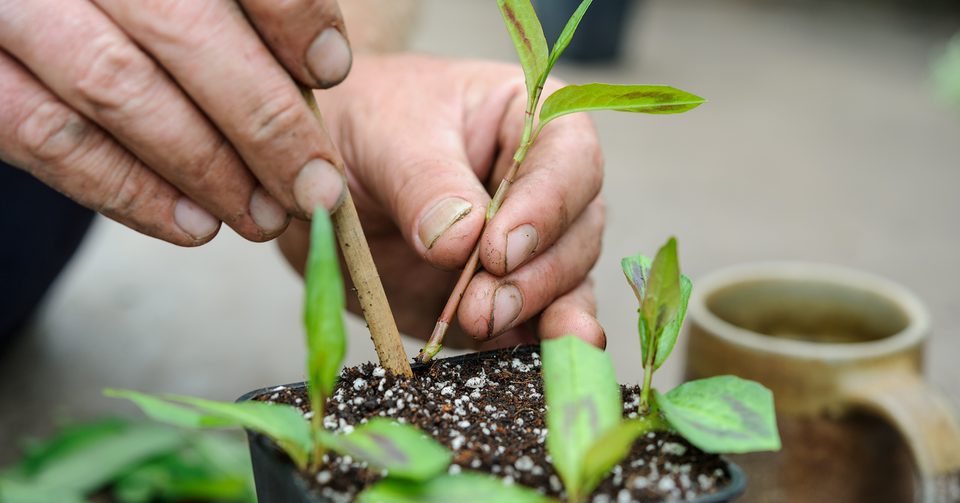
Stem cuttings, a form of botanical cloning, open a gateway to an enchanting realm of propagation possibilities. This technique invites you to be the storyteller, shaping the narrative of your garden with snippets of existing tales. Choosing the right parent plant is like selecting a protagonist, and with a snip of the scissors, you embark on a journey to propagate the essence of your green companions. If you want to buy brand new scissors or any other equipment you need for gardening work, make sure to order it online cause in that way you’d get it wrapped up in custom packaging.
Applying rooting hormone becomes the ink that writes the next chapter, a catalyst for the creation of roots that anchor your cuttings in the soil. The rooting medium becomes the canvas, cradling the potential for new life. Observing the emergence of roots is akin to witnessing the plot unfold, a gradual revelation of the characters’ destinies.
Stem cuttings extend beyond replication; they are a form of horticultural storytelling. The new plants, genetically identical to their parent, carry the legacy forward. As you propagate herbs and vegetables through this method, you become the author of a culinary narrative, infusing your kitchen with flavors rooted in your garden’s tale.
Embracing Innovation: Air Layering for Adventurous Gardeners
Air layering introduces a plot twist in the conventional narrative of plant propagation. It’s an advanced technique, a chapter for the daring gardener seeking to push the boundaries of horticultural storytelling. Selecting the right branch is the opening scene, a strategic decision that sets the stage for an intricate process of encouraging roots while the cutting remains attached to the parent plant.
Making a small incision becomes a moment of suspense, a plot point that introduces conflict and resolution in the form of rooting hormone and moist sphagnum moss. As the roots develop, the gardener becomes a spectator to a tale of resilience and adaptation, a story of a plant creating its destiny while still connected to its origins.
The detachment of the rooted section is the climax, a moment of separation that signifies a new beginning. Potting the newly formed plant becomes the resolution, a seamless transition from one chapter to the next. Air layering is not just a propagation technique; it’s a narrative of resilience, innovation, and the interconnectedness of all living things.
Cultivating a Green Legacy: Division as a Propagation Powerhouse
Division, the unsung hero of propagation, breathes life into mature plants and transforms your garden into a thriving legacy. It’s a chapter of renewal, where the gardener takes on the role of a caretaker, ensuring the ongoing vitality of beloved perennials. Extracting the plant from the soil is a moment of anticipation, a pause before the unfolding of a new chapter.
Gently dividing the plant is an act of stewardship, a commitment to preserving the essence of the parent while allowing the offspring to forge its own path. Each division becomes a character in the garden’s saga, a continuation of the story that began with the planting of the original perennial. The act of replanting is a reunion, a reintegration of divided segments into a collective narrative of growth and abundance. You can use a 12×24 pool cover to cover your plants when it’s raining. It is made of high-quality materials which are great for plants.
Division not only multiplies the physical presence of your plants but also multiplies the memories embedded in your garden. It’s a narrative of resilience, adaptation, and the cyclical nature of life. As you witness the revitalization of both the parent plant and its divisions, you become the author of a green legacy, a story that echoes through the seasons and generations.
Pushing Boundaries: Experiments in Hybrid Propagation
For the adventurous gardener, the world of hybrid propagation beckons as an uncharted territory filled with excitement and discovery. Hybrid propagation involves the intentional crossbreeding of different plant varieties, creating unique offspring that inherit desirable traits from each parent. This method transcends the confines of traditional propagation, inviting you to play the role of a botanical matchmaker.
If you are looking to build a garden from scratch you will need a good foundation. You can contact a company that does foundation repair in Plano to help you with that.
Begin your experimentation by selecting parent plants with distinct characteristics you wish to combine. Consider factors such as flower color, size, and fragrance. The pollen transfer process is a delicate dance, requiring precision and patience. As the hybrid seeds germinate, you become the architect of a new botanical realm, where each plant tells a story of genetic collaboration.
If you want to find the perfect plants for your garden you can visit a website created by a renowned company that offers UX design services.
Hybrid propagation is not without its challenges, as not all combinations yield successful results. However, the unpredictability adds an element of suspense to the narrative. Embrace the surprises, and celebrate the unexpected color variations and unique features that emerge. In the world of hybridization, you are not just a gardener; you are a creator, shaping the future of your garden with each carefully orchestrated cross.
Unveiling Mysteries: Tissue Culture as a Propagation Marvel
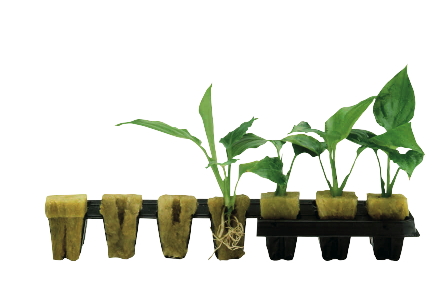
For those intrigued by the microscopic intricacies of plant life, tissue culture stands as a revolutionary method of propagation. This cutting-edge technique involves the propagation of plants from small pieces of tissue under sterile laboratory conditions. Tissue culture allows you to replicate plants with precision, preserving their genetic makeup and bypassing the unpredictability of traditional methods.
Embark on the tissue culture adventure by selecting a plant with desirable traits, whether it’s rapid growth, disease resistance, or unique aesthetics. A small tissue sample, such as a leaf or stem, becomes the protagonist in this scientific saga. The tissue is cultured in a nutrient-rich medium, encouraging the development of roots and shoots in a controlled environment.
As the tissue-cultured plants acclimate to their new surroundings, you witness the birth of an exact replica of the parent plant. Tissue culture not only offers a reliable method for mass propagation but also serves as a conservation tool for endangered species. This method allows you to preserve and propagate rare plants, contributing to the preservation of biodiversity.
The Artistry of Grafting: Crafting a Garden Symphony
Grafting, a horticultural technique that merges different plant parts to create a single, unified organism, is an artful way to propagate and shape your garden. In this method, a scion (the desired plant part) is joined with a rootstock (the rooted base), creating a union that combines the strengths of both. Grafting allows you to grow multiple varieties on a single plant, showcasing a botanical symphony within a single tree or shrub.
Begin your grafting journey by selecting compatible plant varieties. The precision required in the grafting process is akin to a delicate brushstroke on a canvas. As the scion and rootstock unite, a harmonious integration of traits takes place. The artistry lies not just in the technical skill but in the vision of creating a cohesive composition within your garden.
Grafting opens up endless possibilities for creating ornamental displays or fruit trees with multiple varieties on a single trunk. The grafted plants become interconnected characters in your garden’s narrative, each contributing a unique note to the symphony of growth. Grafting is not just a propagation method; it’s a form of botanical craftsmanship that allows you to curate a living masterpiece.
The Future of Propagation: Integrating Technology and Nature
As we delve into the ever-evolving world of gardening, the future of propagation takes a technologically infused turn. Smart propagation systems, equipped with sensors and artificial intelligence, offer precise control over environmental conditions. These systems monitor factors such as temperature, humidity, and light to create optimal conditions for seed germination, cutting roots, and other propagation processes.
If you need a good and nutritive snack while working the entire day around your garden and plants in general, you’d wanna keep ice cream cone edibles and fresh lemonade with you at all times!
Imagine a propagation station where each plant’s needs are meticulously attended to, thanks to the seamless integration of technology. Automated nutrient delivery, controlled irrigation, and climate regulation become the norm, empowering gardeners to achieve unprecedented success in propagation. The synergy between human expertise and technological precision heralds a new era in gardening.
Furthermore, genetic editing technologies like CRISPR-Cas9 bring forth the potential for precision breeding at the molecular level. This revolutionary approach allows for the modification of specific genes, offering possibilities for enhanced disease resistance, extended flowering seasons, and other desired traits. The marriage of cutting-edge technology and horticulture paves the way for a future where gardeners can sculpt their green havens with unparalleled precision.
Closing Thoughts: Orchestrating Your Green Symphony
In the grand symphony of plant propagation, you, the gardener, are the conductor orchestrating a masterpiece of growth, diversity, and innovation. From the humble beginnings of seed germination to the avant-garde techniques of hybridization, tissue culture, and grafting, each method contributes a unique note to the harmonious composition of your garden. If you need to secure your garden you can contact a company that offers security services in Los Angeles.
As you experiment with novel propagation techniques, remember that your garden is not just a collection of plants; it’s a living narrative. Every propagation method introduces a new character, a new plot twist, and a new dimension to the ever-unfolding story of your green haven. Embrace the evolving landscape of horticulture, where tradition meets innovation, and where the boundaries between nature and technology blur. After finishing a long day in your garden, you’d wanna treat yourself to a weekend at the luxury spa in Toronto.
In this narrative of growth and exploration, your green thumb becomes a quill, and each plant is a chapter waiting to be written. As you continue to cultivate your green legacy, may your garden flourish as a testament to the artistry, science, and boundless creativity that is inherent in the world of plant propagation.
Feeding your cat isn’t just about filling a bowl with kibble; it’s a crucial aspect of ensuring your feline friend’s overall well-being. A balanced and nutritious diet is essential for a cat’s health, energy, and longevity. In this guide, we’ll explore the fundamentals of proper cat feeding, covering key considerations for a happy and healthy pet.
Choosing the Right Cat Food
Selecting the right cat food is the cornerstone of feline nutrition. Opt for high-quality commercial cat food that meets the specific dietary needs of your cat. Look for brands that list a high-quality protein source, such as meat or fish, as the primary ingredient. Avoid foods with excessive fillers, artificial additives, and preservatives. If you’re considering a homemade diet, consult your veterinarian to ensure it meets your cat’s nutritional requirements.
Portion Control
Maintaining an appropriate portion size is vital to prevent overfeeding or underfeeding. Follow the feeding guidelines provided on the cat food packaging, which are typically based on your cat’s weight and activity level. Keep in mind that individual cats may have different metabolism rates, so monitor your cat’s weight and adjust portions accordingly. Obesity is a common issue in cats and can lead to various health problems, so it’s crucial to feed your cat the right amount to maintain a healthy weight.
Feeding Schedule and Consistency
Establishing a consistent feeding schedule is beneficial for your cat’s digestive health and can also help with behavior and training. Most adult cats thrive on two meals a day, while kittens may require more frequent feedings. Avoid free-feeding (leaving food out all day), as it can contribute to overeating and obesity. Additionally, provide fresh water at all times to keep your cat hydrated. Consistency in both the type of food and feeding times helps regulate your cat’s digestion and can be particularly important for cats with medical conditions or sensitivities.
Conclusion
Properly feeding your cat is a holistic approach that goes beyond the simple act of providing sustenance. By choosing high-quality food, controlling portions, and maintaining a consistent feeding schedule, you contribute significantly to your cat’s overall health and happiness. Regular veterinary check-ups can help tailor your cat’s diet to their specific needs. Remember, a well-fed cat is not just a content pet but a companion who can enjoy a long, vibrant life by your side.
Asia is a continent renowned for its rich culinary traditions, where flavors and spices play an integral role in creating dishes that tantalize the taste buds. In the world of meat preparations, Asian cuisine stands out for its diverse and delectable seasonings that elevate the humblest of ingredients into culinary masterpieces. This essay delves into the three best meat seasonings in Asia, exploring their history, unique qualities, and the dishes they enhance.
Soy Sauce – The Umami Elixir
Soy sauce, a fundamental seasoning in Asian cuisine, has a history dating back more than 2,500 years. Originating from China, it has spread across the continent, making its mark in Japan, Korea, and beyond. What sets soy sauce apart is its rich umami flavor, which is derived from fermented soybeans and wheat. This savory umami quality enhances the natural flavors of meats, making it a quintessential ingredient in Asian meat dishes.
In Japan, soy sauce is the key component in the preparation of Teriyaki, a sweet and savory glaze that elevates chicken, beef, and fish. In Korea, it’s the foundation of Bulgogi marinade, adding depth to thinly sliced beef. The versatility of soy sauce extends to countless regional specialties, demonstrating its unrivaled role in meat seasoning throughout Asia.
Tandoori Masala – Spice of the Indian Subcontinent
Tandoori masala, a blend of aromatic spices, is the cornerstone of Indian cuisine, renowned for its bold and fiery flavors. This seasoning, often used for marinating meat, owes its distinctive taste to a combination of ingredients like cumin, coriander, paprika, ginger, barbecue sauce and turmeric. The magic of tandoori masala lies in its ability to create a symphony of flavors that envelop meat with a burst of spiciness, warmth, and smokiness.
Tandoori masala is frequently used to marinate chicken, which is then cooked in a tandoor (clay oven). The result is the iconic Tandoori Chicken, where the seasoning imparts a vibrant red hue and a complex flavor profile to the meat. This seasoning not only flavors but also tenderizes the meat, ensuring a mouthwatering experience with every bite.
Thai Green Curry Paste – A Symphony of Aromatics
Thai cuisine is celebrated for its harmonious blend of sweet, sour, salty, and spicy flavors, and Thai Green Curry Paste is a prime example of this balance. This seasoning paste, made from a mixture of fresh green chili peppers, lemongrass, garlic, and various herbs, is a cornerstone of Thai cuisine, especially when it comes to meat dishes.
One of the most beloved Thai dishes, Green Curry Chicken, showcases the excellence of this paste. The meat absorbs the vibrant green curry, creating a delectable blend of flavors that include the fiery heat of chili peppers, the freshness of lemongrass, and the creaminess of coconut milk. The marriage of these aromatics and spices in Thai Green Curry Paste transforms any meat into a fragrant masterpiece.
Conclusion
In Asia, meat seasonings play an essential role in creating dishes that are not only delicious but also reflective of rich culinary traditions. Soy sauce, Tandoori masala, and Thai Green Curry Paste are just a few examples of the diverse and exceptional seasonings that have made a mark on Asian cuisine. From the umami depths of soy sauce to the fiery punch of tandoori masala and the aromatic delights of Thai Green Curry Paste, these seasonings continue to inspire and excite palates around the world. The best meat seasonings in Asia are more than just ingredients; they are the embodiment of the region’s culinary artistry and heritage.
Pregnancy is a transformative journey in a woman’s life, and it’s crucial to prioritize health and well-being during this special time. The habits and choices made during pregnancy can profoundly impact both the mother and the developing baby. To ensure a smooth and healthy pregnancy, here are some essential habits that pregnant women should adhere to.
Balanced Nutrition
One of the fundamental aspects of a healthy pregnancy is maintaining a balanced and nutritious diet. Pregnant women should pay close attention to their nutritional intake for the well-being of both themselves and their growing baby. A diet rich in essential nutrients such as folic acid, iron, calcium, and protein is essential.
Folic acid is crucial in the early stages of pregnancy as it helps prevent neural tube defects in the developing fetus. It can be found in leafy greens, fortified cereals, and legumes. Iron is necessary for the production of red blood cells, so incorporating foods like lean meat, beans, and fortified grains is important. Calcium supports the development of the baby’s bones and teeth and can be sourced from dairy products, fortified plant-based milk, and leafy greens. Lastly, adequate protein is vital for fetal growth and can be obtained from lean meats, poultry, fish, and plant-based sources like tofu and legumes.
Regular Exercise
Maintaining an active lifestyle during pregnancy can have numerous benefits. Exercise helps improve circulation, reduce discomfort, manage weight gain, and promote overall physical and mental well-being. Engaging in activities like walking, swimming, and prenatal yoga can be both safe and beneficial. However, it’s crucial to consult with a healthcare provider before starting or continuing an exercise routine during pregnancy, as individual circumstances may vary.
Exercise during pregnancy can also help prepare the body for labor and delivery, and it’s important for expectant mothers to note that regular exercise doesn’t replace the necessity of routine pregnancy tests. Strengthening the core muscles, practicing deep breathing, and enhancing flexibility can contribute to a smoother childbirth experience. Always listen to your body and avoid overexertion or activities that pose a risk of falling or injury.
Adequate Rest and Stress Management
Rest and stress management are often overlooked but equally vital aspects of a healthy pregnancy. Expectant mothers should prioritize adequate sleep, aiming for 7-9 hours each night. Sleep is essential for physical recovery, mood regulation, and overall health. Finding comfortable sleeping positions, such as using body pillows or sleeping on the left side, can help alleviate discomfort.
Managing stress is equally important, as excessive stress during pregnancy can lead to complications. Engage in relaxation techniques like deep breathing, meditation, or prenatal massage to reduce stress levels. Building a strong support system through open communication with loved ones, friends, and healthcare providers can provide emotional relief.
Conclusion
Maintaining healthy habits during pregnancy is essential for the well-being of both the mother and the developing baby. A balanced diet, regular exercise, and proper rest and stress management are the key elements to a smooth and healthy pregnancy journey. Remember to consult with your healthcare provider for personalized guidance and to ensure that you and your baby are on the path to a happy, healthy, and successful pregnancy.