

Understanding the Allure of the Alocasia Black Velvet
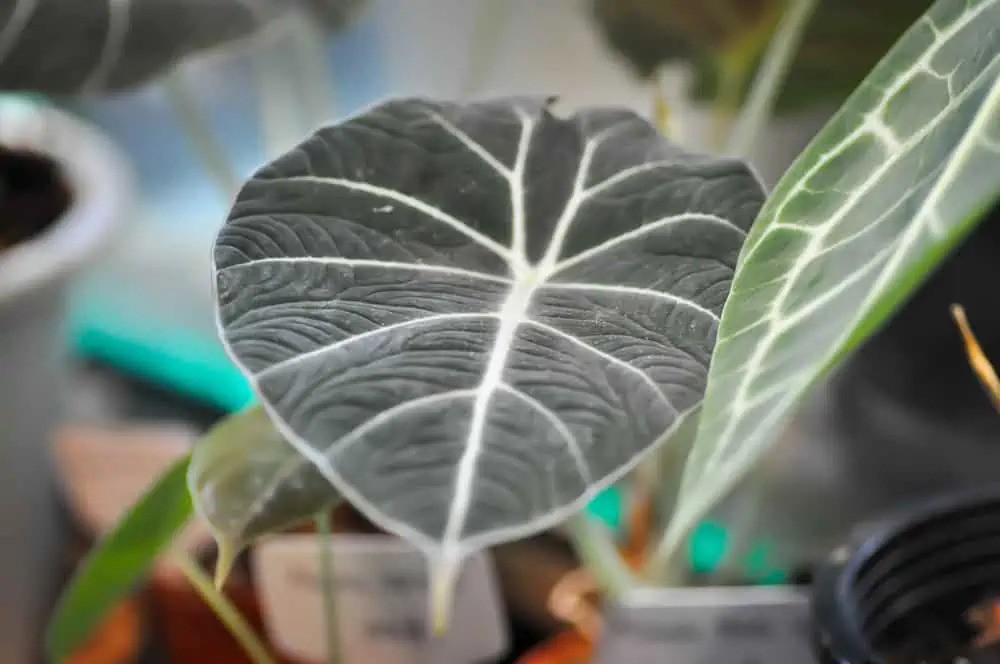
The Alocasia Black Velvet is one of those rare plants that feels more like a piece of art than a member of your houseplant collection. Its deep, velvety leaves and silver veins capture attention instantly, creating a dramatic contrast that fits beautifully into both minimalist interiors and plant-filled urban jungles. For beginners, though, this plant’s beauty can be intimidating. Many new plant parents assume it’s too delicate or too demanding to grow at home. The truth is far gentler: with the right conditions and a little attentive care, the Alocasia Black Velvet becomes a surprisingly manageable and deeply rewarding companion.
Part of its charm lies not just in its appearance but in its personality. This plant responds quickly to its environment, showing visible signs when it’s happy and clear signals when something is off. That level of responsiveness makes it a wonderful teacher for beginners who want to develop a deeper relationship with plant care. When you understand what this plant needs, you’ll find that caring for it is less about perfection and more about consistency.
Creating the Ideal Lighting Environment
The Alocasia Black Velvet thrives in bright but indirect light. Direct sunlight is too harsh for its tender, textured leaves and can quickly cause discoloration or burnt edges. Think of a spot where light filters softly through a curtain or bounces off a nearby wall. This mimics the dappled light the plant would experience in its natural habitat under the forest canopy. When the lighting is right, you’ll notice the leaves developing richer coloration and stronger veins. When light is insufficient, the plant may grow leggy or slow down dramatically, signaling that it needs a brighter space.
For many homes, an east-facing window is ideal. Morning sunlight is gentle enough to avoid scorching but still strong enough to support growth. A north-facing window can work too, as long as it receives steady brightness throughout the day. If your home lacks abundant natural light, placing the plant under a grow light is a reliable alternative. Modern grow lights are adjustable and discreet, and many plant enthusiasts find that their Alocasia Black Velvet responds beautifully to a consistent artificial setup.
Mastering Watering Without Stress
Watering is one of the most misunderstood aspects of Alocasia Black Velvet care. The plant enjoys moisture, but its roots despise being waterlogged. The trick is to strike that comfortable middle ground where the soil stays slightly damp but never soggy. When you water, do so thoroughly until the excess drains out, then allow the top layer of soil to partially dry before watering again.
What makes this process simpler is paying attention to the plant’s cues. The Alocasia Black Velvet will often tell you when it’s thirsty. Leaves may start to droop lightly, or the soil may feel especially dry to the touch. Overwatering, on the other hand, leads to limp foliage, yellowing leaves, and darkened stems. These are warning signs you don’t want to ignore, as consistent overwatering can invite root rot, a common issue for beginners.
The season matters too. During spring and summer, when the plant is actively growing, it will consume water more quickly. In fall and winter, its growth slows and so does its thirst. Adjusting your routine to your plant’s seasonal rhythm makes the process feel more natural and far less like guesswork.
Choosing the Right Soil and Pot for Success
The Alocasia Black Velvet thrives in an airy, fast-draining soil mix. Because its roots prefer oxygen-rich environments, compact or dense soil can suffocate them. Many growers find success with a mix that includes components like orchid bark, perlite, and high-quality potting soil. This blend creates pockets of air while still retaining the moisture the plant needs.
The pot matters just as much as the soil. A pot with drainage holes is essential. Without them, water pools at the bottom and puts your plant at risk. Terracotta pots are a popular choice because they help wick away excess moisture, though they may require more frequent watering. Ceramic or plastic pots retain moisture longer, making them suitable for people who prefer a slightly more forgiving schedule.
Repotting the Alocasia Black Velvet isn’t something you need to do frequently. This plant likes a snug home, and giving it too much space too soon can lead to moisture imbalance. Repot only when the roots clearly outgrow the pot or start circling the bottom.
Embracing the Importance of Humidity
Humidity is the secret ingredient to truly happy Alocasia Black Velvet care. This plant originates from tropical environments where the air is naturally moist, and while it can adapt to typical indoor humidity, it will genuinely thrive when given more. You may notice the leaves expanding more fully, the texture growing richer, and new growth emerging more regularly when humidity levels are ideal.
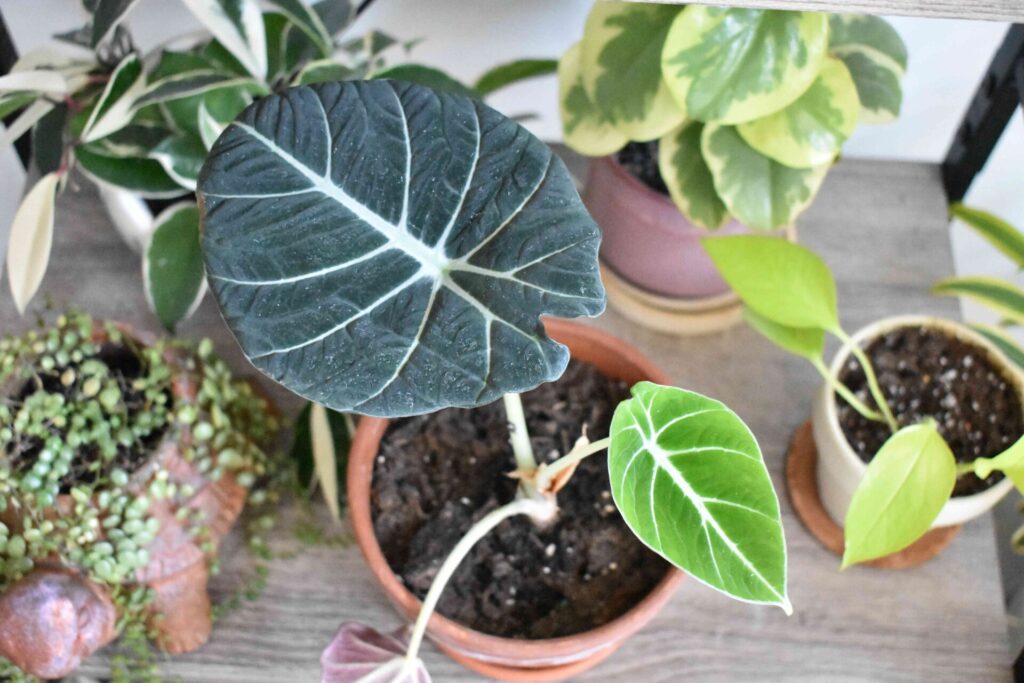
One of the simplest ways to support your plant is by placing it near other plants. Grouping creates a microclimate that naturally boosts moisture in the air. Another method is to set a small humidifier nearby, especially during winter when heaters tend to dry out indoor spaces. Even a pebble tray filled with water beneath the pot can raise humidity slightly, though it won’t match the consistency of a humidifier.
Avoid misting the leaves directly. While misting can momentarily increase moisture, it also encourages fungal issues and spots on the velvet-like foliage. Focus instead on creating a stable environment rather than short bursts of humidity.
Feeding Your Plant for Steady Growth
While the Alocasia Black Velvet isn’t a heavy feeder, it does appreciate regular nutrients during the growing season. A diluted, balanced fertilizer applied every few weeks in spring and summer is usually enough to support healthy leaf development and vibrant color. The key here is moderation. Too much fertilizer, especially applied too frequently, can burn the roots and stress the plant.
During fall and winter, allow the plant to rest. Its growth naturally slows, and feeding during this period can disrupt its cycle. Observing these natural rhythms prepares you to understand the deeper patterns of plant care, making the entire experience more intuitive over time.
Combatting the Most Common Pests and Problems
Even with attentive care, pests may occasionally find their way to your Alocasia Black Velvet. Spider mites are the most frequent visitors, attracted to the plant’s textured leaves. They thrive in dry environments, which is yet another reason why maintaining proper humidity is invaluable. If you notice webbing or stippling on the leaves, it’s time to act quickly. Gently wiping the leaves with a damp cloth and using a plant-safe treatment helps restore balance.
Fungus gnats can appear if the soil stays too moist, while scale or mealybugs may show up if the plant is stressed. These situations aren’t a sign of failure. Every plant parent encounters pests at some point. The key is responding early and maintaining routines that minimize the chances of recurrence.
Yellowing leaves, softened stems, or a lingering musty smell often indicate overwatering. Crispy edges or pale foliage may point toward underwatering or inadequate light. Once you recognize these signs, the solutions become increasingly straightforward.
Learning to Propagate Your Alocasia Black Velvet
For many plant lovers, propagation is one of the most rewarding aspects of caring for an Alocasia Black Velvet. This plant grows from corms—small, bulb-like structures beneath the soil. When repotting, you may discover these corms nestled beside the main root system. With patience, you can grow these into new plants.
Propagation requires steady warmth, gentle moisture, and a lot of time. Watching a tiny corm transform into a leaf-bearing plant is nothing short of magical. This process also deepens your understanding of your plant and connects you more intimately with its life cycle.
Bringing It All Together for a Thriving Plant
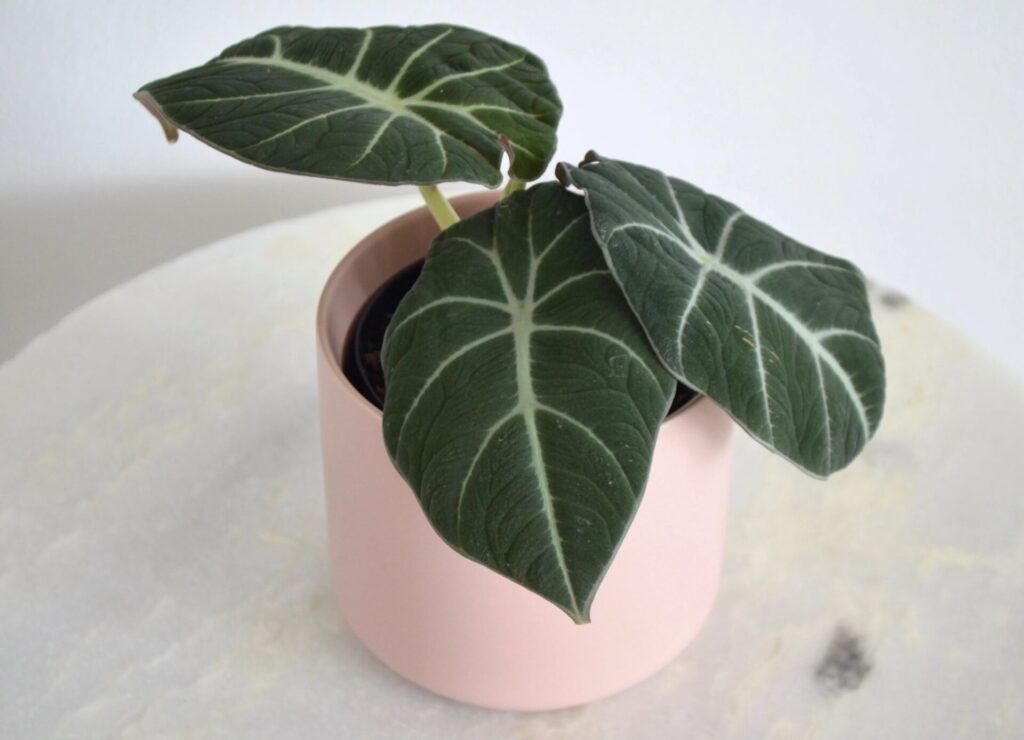
Caring for an Alocasia Black Velvet at home isn’t about following rigid rules. It’s about observing, responding, and creating conditions that allow the plant to express itself fully. When you develop a rhythm with your plant—adjusting light, tuning into its watering needs, maintaining humidity, and nurturing its growth—you build a relationship that grows richer with time.
What may begin as careful tending soon evolves into intuition. You’ll know when the leaves look especially lush because the light is perfect. You’ll recognize when the soil is just right or when your plant craves a break from watering. This transformation is what makes the Alocasia Black Velvet such a beloved choice for both beginners and seasoned plant enthusiasts. It encourages you to slow down, pay attention, and enjoy the quiet satisfaction of nurturing something truly beautiful at home.