
Plant growth is a complex and awe-inspiring process that transforms a tiny seed into a fully mature organism capable of producing food, flowers, fiber, or foliage. This biological journey from germination to harvest involves multiple interconnected stages, each with its own essential processes, environmental needs, and biological changes. Understanding these stages is crucial for farmers, gardeners, botanists, and anyone interested in the science of life. Each step plays a critical role in shaping the plant’s health, productivity, and eventual yield. From the moment a seed awakens to the day a fruit or flower is picked, the plant is engaged in a continuous, highly regulated process of development.
Germination: The Awakening of Life
Germination marks the first visible step in a plant’s life cycle, transitioning it from a dormant seed to a living, growing organism. It begins once a viable seed encounters the right conditions—typically moisture, oxygen, and the appropriate temperature. Some seeds also require specific triggers like light exposure or passage through a digestive tract to break dormancy.
Inside a dry seed lies an embryo and a food reserve encased in a protective coat. Upon hydration, the seed absorbs water through a process known as imbibition, which causes it to swell and break the seed coat. This water activates enzymes that convert stored starches into sugars, fueling cellular respiration and kickstarting embryonic growth. The radicle, or embryonic root, is the first part to emerge, anchoring the plant and absorbing water and nutrients from the soil.
Following the radicle, the plumule (the embryonic shoot) emerges and grows upwards toward the light. This delicate growth is often protected by a sheath called the coleoptile in monocots or by seed leaves (cotyledons) in dicots. These initial structures supply early energy and sometimes even conduct limited photosynthesis until true leaves develop.
Germination is a sensitive and critical stage—many seeds fail to germinate due to improper conditions or pathogens. Soil temperature, moisture levels, oxygen availability, and even soil salinity can determine whether a seed successfully begins its life. Seed vigor also plays a role; aged or poorly stored seeds may have lower success rates.
What makes germination truly remarkable is that it’s a reactivation of life from a seemingly inert object. The switch from dormancy to active metabolism marks a dramatic transformation in cellular activity. Cells begin dividing rapidly, structures elongate, and the seed becomes a seedling. While this phase might last only a few days to a week in fast-growing plants, its success is foundational. A weak or uneven germination can affect an entire crop’s health, making this stage one of the most important in agricultural and horticultural practices.
Seedling Establishment and Early Growth
Once germination has occurred and the seedling breaks the soil surface, the next phase of development focuses on establishing strong roots, shoots, and the first true leaves. This is the seedling stage, and it’s marked by intense vulnerability. The plant must quickly adapt to its environment while transitioning from reliance on stored energy to full independence through photosynthesis.
One of the most significant shifts during this phase is the development of chlorophyll and the plant’s increasing dependence on light. As true leaves begin to unfurl, photosynthesis becomes the primary source of energy, allowing the plant to convert sunlight, carbon dioxide, and water into glucose and oxygen. This energy fuels further growth and root expansion.
Root development is equally critical. While the radicle provided initial anchorage, the seedling must now establish a more complex root system capable of absorbing not just water but also essential nutrients like nitrogen, phosphorus, potassium, and trace minerals. The development of root hairs increases surface area, improving the plant’s ability to uptake what it needs from the soil.
This stage is where many environmental stresses come into play. Drought, poor soil structure, disease, or temperature extremes can easily kill or stunt a young seedling. Proper spacing, irrigation, and light management are essential to support robust early growth. Many growers use protective measures like mulch, row covers, or shade cloths during this vulnerable time.
Additionally, this is when plant hormones like auxins and gibberellins begin to assert a more pronounced influence. Auxins stimulate root growth and directional responses to light (phototropism), while gibberellins promote stem elongation. These internal signals help coordinate how the seedling allocates its energy—balancing root development with upward growth to reach light.
It is also at this stage that a plant begins developing structural integrity. Lignin and cellulose are produced in increasing amounts, reinforcing the cell walls and preparing the plant for more extensive growth. If this stage is rushed or compromised—such as by “legginess” from low light—it can affect plant stability and yield down the road.
The seedling stage is a foundation not just for survival but for productivity. The quality of establishment during this phase often predicts the final size, strength, and fertility of the mature plant. A strong seedling stage sets the tone for the entire growing season.
Vegetative Growth: Building the Framework
Following successful seedling establishment, the plant enters the vegetative growth phase, a period characterized by rapid expansion of leaves, stems, and roots. This is the structural development stage where the plant builds the framework that will support future flowering and fruiting. The vegetative stage is focused entirely on growing bigger, stronger, and more efficient.
During this time, leaf production increases dramatically. Each new leaf enhances the plant’s ability to photosynthesize, which in turn accelerates growth even more. The shape, size, and number of leaves vary by species, but in all cases, they serve the critical function of capturing light and converting it into chemical energy.
Root growth also intensifies. The plant needs an extensive root system to support its increasing water and nutrient needs. Depending on species and soil conditions, roots may grow deeply for water or spread laterally to access surface nutrients. In legumes and other symbiotic plants, root nodules may form, allowing nitrogen-fixing bacteria to contribute additional fertility.
Stem elongation and branching determine the architecture of the plant. At this stage, hormonal regulation is key. Auxins control apical dominance, ensuring the main shoot grows taller than lateral branches unless conditions dictate otherwise. Cytokinins encourage branching and leaf formation. The balance of these hormones shapes how the plant expands and prepares for reproduction.
Environmental factors play a huge role during vegetative growth. Light intensity, duration, and quality affect not just how fast the plant grows but also its shape and productivity. Water and nutrient availability can speed up or slow down development. Temperature can affect enzyme activity and metabolic rates, influencing everything from leaf size to root mass.
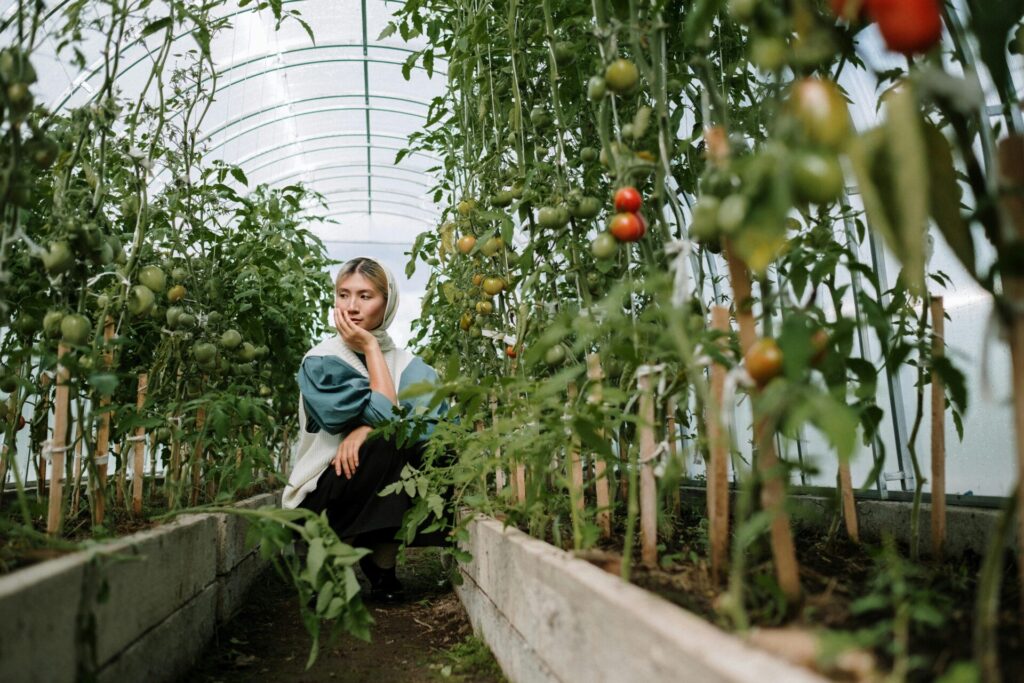
Many growers intervene during this stage through pruning, staking, and training techniques. In crops like tomatoes or grapevines, strategic pruning can focus energy into desired areas of the plant, improving air circulation and future yield quality. Fertilization is also often adjusted during vegetative growth, with higher nitrogen levels used to promote leafy expansion.
The vegetative stage is about investment. The plant is putting in the biological groundwork to support the next phase—reproduction. The larger and more robust the vegetative structure, the more capacity the plant will have to produce flowers, fruit, or seeds. A weak vegetative stage, whether due to stress, poor nutrition, or disease, can limit a plant’s potential, even if conditions improve later.
Flowering and Reproductive Development
The transition from vegetative growth to flowering marks a significant shift in a plant’s life. No longer is the focus on growing bigger—now the plant’s biological mission turns to reproduction. Flowering is the plant’s attempt to create the next generation, and it involves complex internal and external signaling processes.
This phase is triggered by a combination of internal hormones and external cues. Photoperiod—the length of daylight versus night—is one of the most influential factors. Some plants are “long-day,” requiring extended daylight to flower, while others are “short-day” or “day-neutral.” Temperature, maturity, and hormonal changes also play roles in initiating the flowering process.
Once the plant receives the correct signals, it begins forming floral meristems, which will develop into flower buds. This process is tightly regulated and highly energy-intensive. Flower structures vary widely across species but generally include sepals, petals, stamens (male organs), and carpels or pistils (female organs).
Pollination, the transfer of pollen from the male anthers to the female stigma, is essential for sexual reproduction. Some plants are self-pollinating, while others rely on cross-pollination through wind, insects, or other animals. The success of pollination directly affects fruit and seed development. Poor pollination can result in low yields or malformed fruits.
Hormones like gibberellins and ethylene become prominent in this stage. Gibberellins promote flower and fruit development, while ethylene plays a role in fruit ripening and leaf aging. Nutrient needs shift, often requiring more phosphorus and potassium to support reproductive functions.
Environmental stress during flowering can be particularly damaging. Extreme heat, drought, or pests can disrupt flower formation or pollination. This is why many agricultural systems prioritize environmental control or protective measures during this stage.
For growers, the flowering phase is also when decisions about pest management, fertilization, and irrigation become most crucial. Errors made during flowering can be irreversible in terms of yield loss. Ensuring the right balance of nutrients, particularly potassium, can enhance flower quality and improve fruit set.