

Fennel is one of those magical garden plants that seems simple at first glance, yet reveals layers of depth and purpose when you truly get to know it. Its feathery green leaves, aromatic bulb, and delicate seeds not only delight the senses but also hold incredible potential for companion planting. Understanding how to integrate fennel into your garden is about more than aesthetics; it’s about cultivating an ecosystem where plants thrive together, pests are naturally controlled, and your garden reaches its fullest potential.
The Allure of Fennel in the Garden
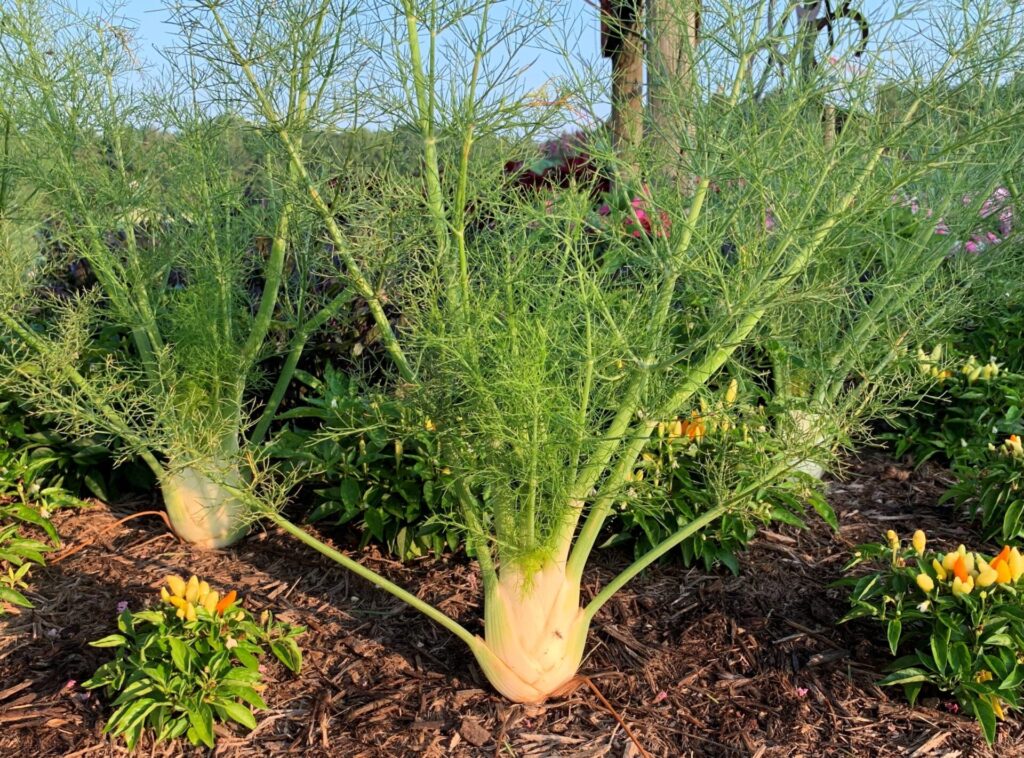
The first thing that strikes anyone who grows fennel is its aromatic quality. From the moment the seeds sprout, a subtle licorice scent fills the air, attracting beneficial insects while keeping certain pests at bay. Unlike many ornamental herbs, fennel is both beautiful and functional. Its tall, graceful stems provide structure to a garden bed, while the bulb offers a culinary reward for those patient enough to nurture it. The delicate fronds aren’t just decorative; they serve as a haven for predatory insects that feed on aphids, caterpillars, and other common garden nuisances. This dual role as both a visually appealing plant and a biological ally makes fennel an excellent candidate for companion planting.
Understanding Fennel’s Planting Needs
Before exploring companion planting combinations, it’s important to understand fennel’s basic growth requirements. Fennel thrives in full sun and prefers well-drained soil with a neutral to slightly acidic pH. While it is moderately drought-tolerant, consistent watering during dry periods ensures that the bulbs remain tender and flavorful. Fennel’s long taproot means it benefits from deep, loose soil, which allows the roots to expand without restriction.
Timing is crucial when planting fennel. Sow seeds directly into the garden in early spring or late summer, depending on your climate. Fennel does not transplant well, so giving it space from the beginning is essential. As it grows, the plant can reach impressive heights, with some varieties standing over four feet tall. This verticality makes fennel a natural companion for shorter plants, as it can offer light shade and shelter without overshadowing them.
Beneficial Companions for Fennel
One of the most intriguing aspects of companion planting is discovering which plants flourish near each other. Fennel is known for attracting beneficial insects such as ladybugs, parasitic wasps, and lacewings. These predators help control aphid populations and other pests that might otherwise damage neighboring crops. Fennel is especially effective near brassicas, like cabbage, broccoli, and kale, which are susceptible to caterpillar infestations. The delicate fennel flowers provide nectar for parasitic wasps that lay eggs inside caterpillars, creating a natural pest control system.
Another valuable companion for fennel is dill. These two herbs share similar growing conditions, and their aromatic qualities can confuse pests that target nearby vegetables. Carrots also benefit from being planted near fennel, as the scent of fennel can mask the presence of carrots from root flies. However, gardeners should exercise caution with fennel’s proximity to certain plants. Tomatoes, for instance, often struggle when planted near fennel, as the aromatic compounds can inhibit their growth. Understanding these relationships allows gardeners to plan beds that maximize synergy and minimize conflict.
Fennel’s Role in Garden Biodiversity
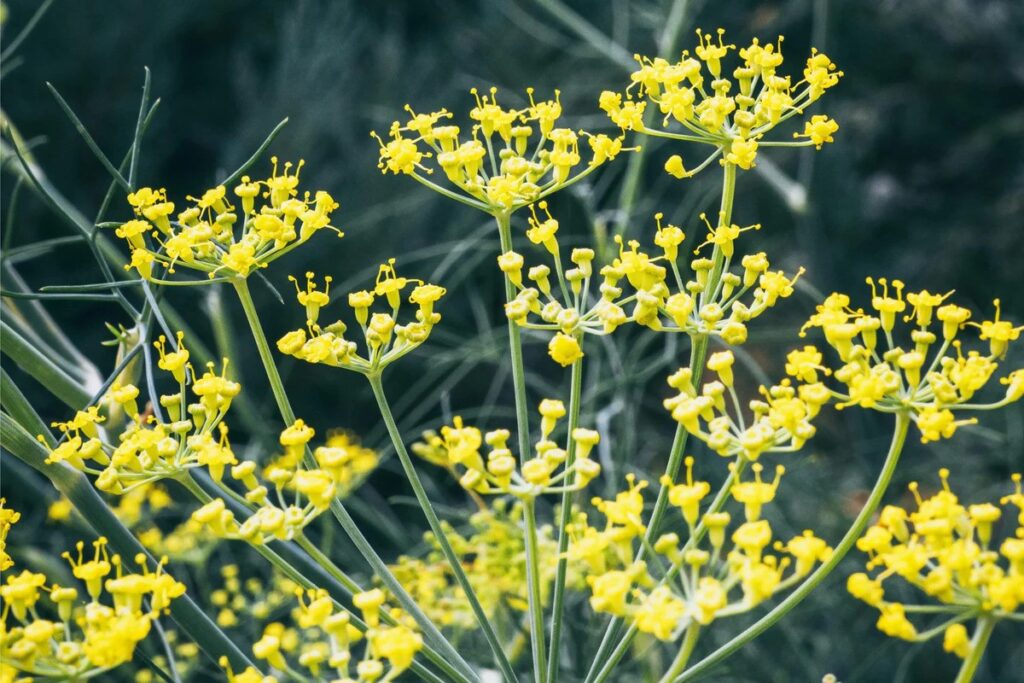
Beyond its immediate benefits to nearby plants, fennel contributes to overall garden biodiversity. Its nectar-rich flowers attract a wide range of pollinators, including bees, hoverflies, and butterflies. This influx of pollinators doesn’t just benefit fennel; it boosts fruiting in neighboring crops and strengthens the ecological resilience of the garden. A diverse garden is inherently healthier, as a variety of plants, insects, and microorganisms interact to create a balanced system. Fennel’s ability to draw beneficial species makes it a keystone plant in many home gardens.
Fennel also offers shelter for ground-dwelling insects and small creatures that contribute to soil health. Ladybugs and lacewings often lay their eggs in fennel’s fronds, and as the larvae hatch, they begin consuming pests that might otherwise devastate vegetables. The plant’s deep roots help aerate the soil and pull nutrients closer to the surface, which benefits shallow-rooted companions. In this way, fennel supports both above-ground and below-ground biodiversity, creating a thriving garden ecosystem.
Integrating Fennel into Your Garden Design
Strategically placing fennel in your garden is as much about aesthetics as it is about functionality. Its height and feathery texture make it an excellent backdrop for lower-growing plants, creating layers of visual interest while also providing microclimates for sensitive crops. For example, planting fennel near lettuce or spinach can offer partial shade during the hottest part of the day, preventing leaves from bolting prematurely. Similarly, positioning fennel near brassicas can protect them from strong winds, which can damage delicate leaves.
Gardeners can also use fennel as a natural divider or focal point. In herb gardens, it pairs beautifully with basil, thyme, and oregano, adding height and fragrance to a flat landscape. In vegetable beds, fennel’s vertical presence can create a sense of enclosure, subtly guiding visitors through pathways while fostering a sense of abundance and vitality. Its versatility in design mirrors its ecological versatility, making it a valuable plant both visually and functionally.
Fennel and Pollinator Support
Pollinators are the unsung heroes of any productive garden. Without bees, butterflies, and other pollinating insects, fruit and vegetable yields would plummet. Fennel’s clusters of tiny yellow flowers are magnets for these creatures. Unlike single-species plantings that bloom for only a brief period, fennel provides a steady supply of nectar over several weeks, sustaining pollinators during critical growing seasons. By planting fennel strategically, gardeners can create pollinator corridors that link different parts of the garden, ensuring that beneficial insects move freely and support a wider range of crops.
Moreover, fennel’s flowers serve as a food source for predatory insects that control garden pests. The dual function of attracting both pollinators and pest controllers highlights fennel’s unique position in companion planting. It is not merely a passive neighbor; it actively contributes to the health and productivity of the entire garden ecosystem.
Harvesting and Using Fennel
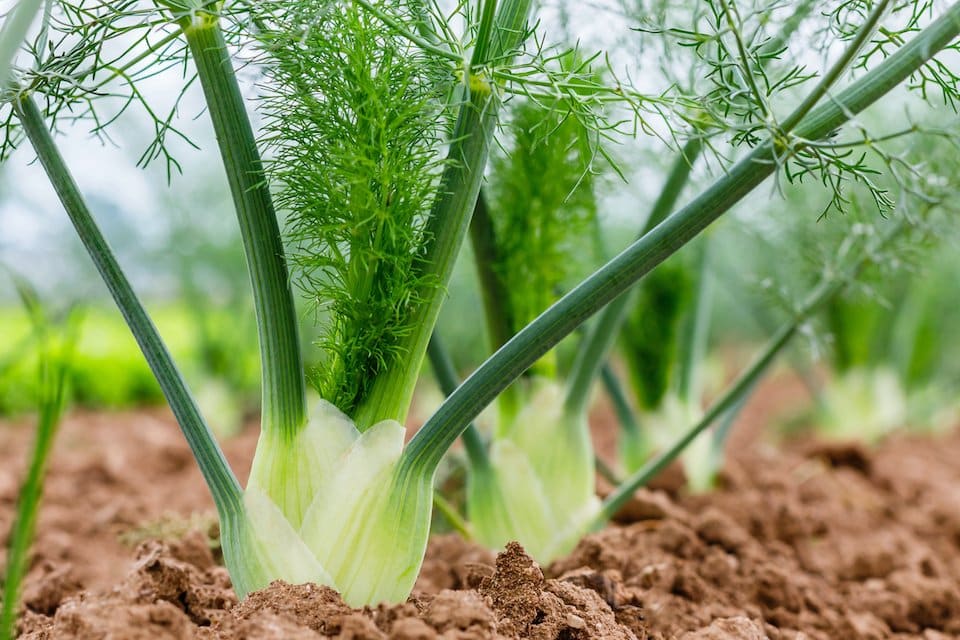
Companion planting with fennel isn’t just about what happens above ground in the garden. Harvesting fennel for culinary or medicinal use can be integrated seamlessly into your gardening routine. The bulb, which grows close to the soil, is tender and sweet, perfect for roasting, sautéing, or slicing raw into salads. The fronds, delicate and feathery, enhance sauces, soups, and garnishes, while the seeds provide an aromatic boost to baked goods, pickles, and spice blends.
Harvesting fennel thoughtfully ensures that it continues to support your garden even as you enjoy its culinary benefits. Leaving some plants to flower and set seed attracts pollinators and beneficial insects, while harvesting bulbs and fronds provides nourishment for your household. This balance between consumption and conservation mirrors the principles of companion planting itself: supporting life while reaping rewards in a sustainable manner.
Troubleshooting Fennel in Companion Plantings
While fennel offers numerous benefits, gardeners should be aware of potential challenges. Its aromatic compounds, while helpful against some pests, can inhibit the growth of certain vegetables such as tomatoes, beans, and peppers. Careful planning and spacing are necessary to ensure fennel’s advantages are maximized without negatively affecting sensitive neighbors.
Fennel can also become tall and leggy if not properly managed, casting excessive shade on low-growing plants. Regular trimming of fronds and selective harvesting of flower stalks can prevent this, keeping the plant attractive and functional. Additionally, monitoring for aphids and fungal diseases is important, even though fennel is generally resilient. Maintaining soil health through composting, mulching, and crop rotation further supports fennel’s performance and its positive influence on nearby plants.
Creating a Thriving Garden Ecosystem
At its core, companion planting with fennel is about creating a thriving, self-sustaining garden ecosystem. It requires observation, experimentation, and patience, but the rewards are profound. By understanding fennel’s growth habits, preferred companions, and ecological contributions, gardeners can design beds that are visually appealing, productive, and resilient. Fennel doesn’t just coexist with other plants; it actively enhances their growth, improves pest resistance, and supports pollinators that benefit the entire garden.
The beauty of fennel lies in its ability to bridge functionality and aesthetics. Its presence tells a story of thoughtful cultivation, where every plant serves a purpose, and every harvest contributes to a balanced system. For gardeners seeking to maximize the health and diversity of their spaces, fennel offers a compelling combination of elegance, utility, and ecological stewardship.
Embracing Fennel’s Potential
Incorporating fennel into your garden is more than planting an aromatic herb; it’s about embracing a philosophy of interconnectedness. Each frond, flower, and bulb plays a role in sustaining a vibrant ecosystem, reminding us that successful gardening is as much about relationships as it is about soil and sunlight. Fennel teaches patience, observation, and respect for the natural cycles that govern growth.
As you experiment with companion planting, observe the subtle ways fennel interacts with its neighbors. Notice the increase in pollinators, the reduction in pests, and the improved vigor of plants that grow nearby. Over time, you’ll discover that fennel’s true value extends beyond the plate—it is a living ally, a natural architect of garden health, and a catalyst for biodiversity.
Integrating fennel thoughtfully transforms a garden from a collection of individual plants into a dynamic, harmonious ecosystem. It offers a model for how humans can work with nature rather than against it, demonstrating that even a single plant can have profound impacts on the vitality, resilience, and beauty of a home garden.