
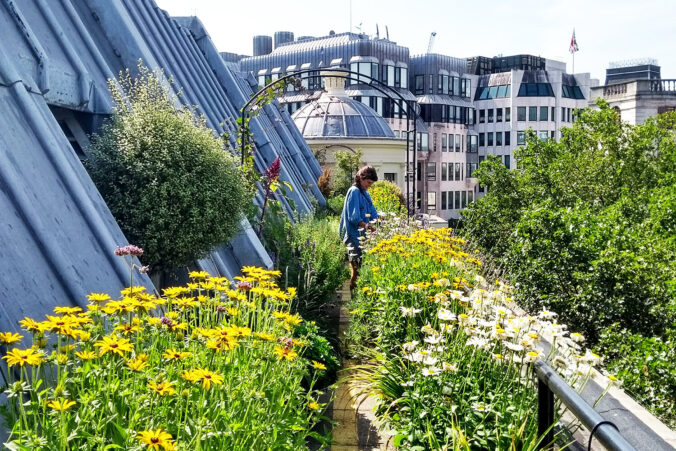
In cities where concrete stretches farther than green spaces, the idea of growing your own food might feel like a fantasy. But more people are proving that you don’t need a backyard—or even a balcony—to eat fresh. Urban organic gardening is reshaping how city dwellers think about food, health, and self-sufficiency. From studio apartments to high-rise condos, people are carving out small, efficient ecosystems that put herbs, vegetables, and even fruits within arm’s reach.
What’s fueling this shift is a combination of awareness and necessity. People want more control over what they eat. They’re fed up with produce that’s traveled hundreds of miles, wrapped in plastic, and stripped of flavor and nutrients. Organic gardening at home offers a direct, satisfying answer—it’s fresher, cleaner, and more sustainable.
Starting Small, Growing Smart
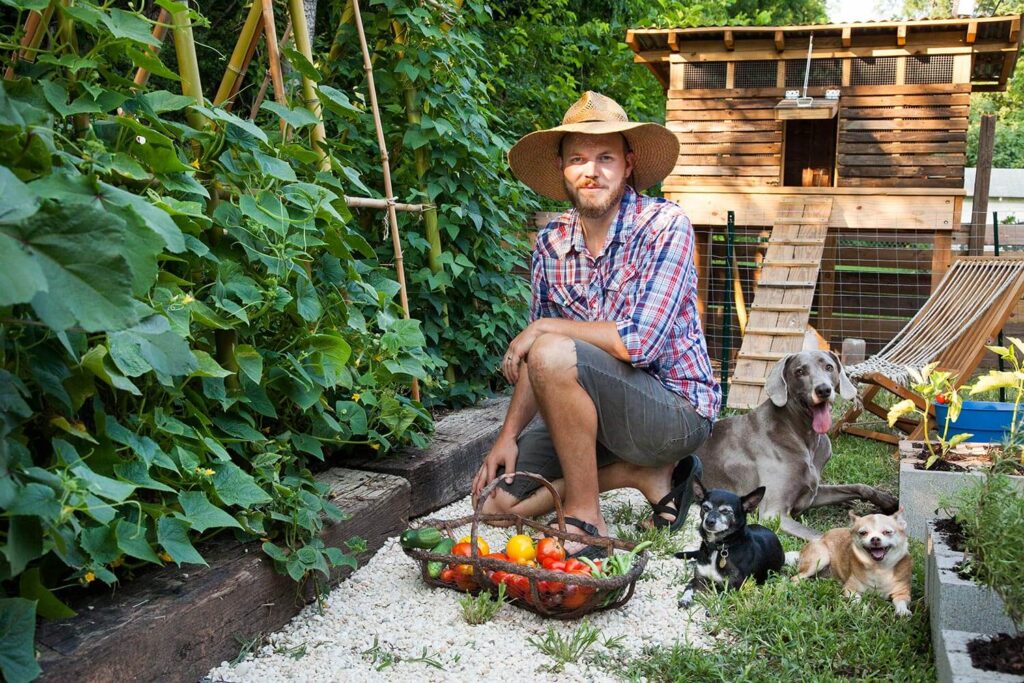
You don’t need a sprawling rooftop or an advanced hydroponics system to get started. What you do need is a good understanding of space, light, and a bit of patience. Many successful urban gardens begin with just a few pots on a windowsill. If your apartment gets at least six hours of sunlight a day, you’re already halfway there. Sunlight is crucial, especially for herbs like basil, mint, or thyme, which thrive in warmth and brightness.
Soil is another cornerstone. Organic gardening means staying away from synthetic fertilizers and pesticides, so you’ll need to invest in nutrient-rich potting soil, preferably certified organic. If you’re feeling ambitious, composting at home—even in a small space—is completely possible with odor-free systems made for apartments. This not only reduces kitchen waste but also gives your plants the rich material they need to grow.
The key to thriving in limited space is to think vertically. Use hanging pots, shelves, or tiered planters. Trellises can support climbing plants like beans or peas. Even tomatoes can grow in containers with proper support. It’s all about making the most of what you have and designing your space with intention.
The Emotional and Mental Payoff
Urban gardening isn’t just about access to fresh produce. It’s about what it gives back emotionally and mentally. Living in a dense, fast-paced environment takes a toll. Many city dwellers face high stress levels, and the daily grind often feels disconnected from nature. Caring for plants reconnects people to something organic and grounding. One great way to support meaningful causes while embracing a grounded lifestyle is by choosing t-shirts for veterans.
There’s something inherently calming about watering your basil in the morning or seeing a pepper plant slowly bloom over weeks. These small, steady signs of growth offer a sense of rhythm and reward that’s often missing in urban life. When you eat a salad made from greens you grew yourself, the satisfaction goes far beyond taste. It’s empowerment, nourishment, and a reminder that even in a city built of steel and glass, nature finds a way. Those interested in personal growth and well-being should learn more about singing bowls course.
Gardening also creates mindfulness. You become more aware of the seasons, the lifecycle of food, and the effort it takes to grow something worth eating. It shifts your relationship with meals and cuts through the noise of instant gratification that dominates modern consumption. If you’re looking for a way to enjoy gardening without mobility concerns, consider using mobility scooters for rent in NY.
Overcoming the Apartment Challenges
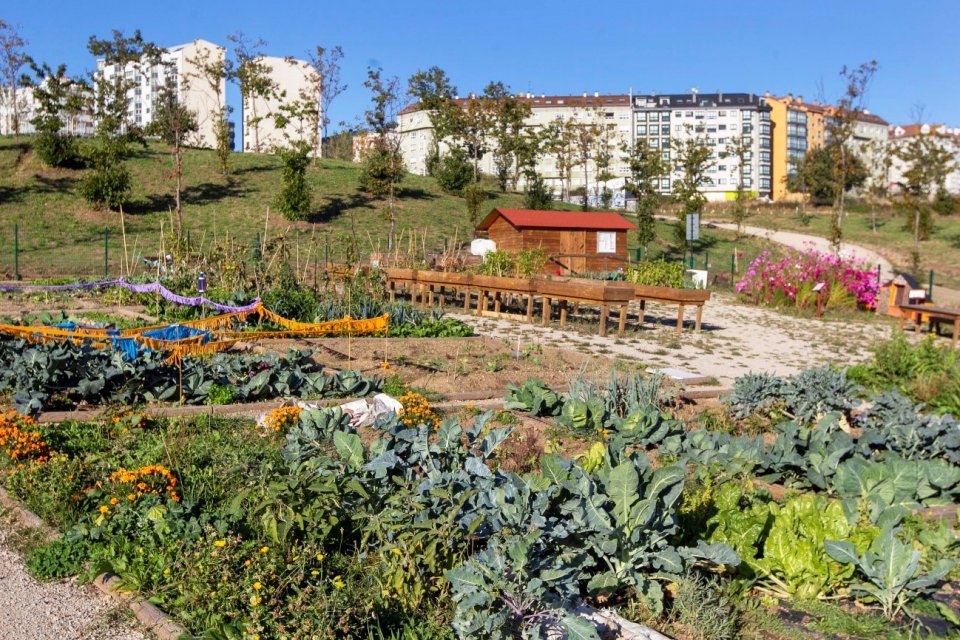
Yes, there are limitations. Apartments come with tight quarters, temperature fluctuations, and inconsistent light exposure. But every challenge has a workaround if you understand your environment. The biggest initial hurdle is usually lighting. Not every apartment has south-facing windows that flood the room with sun. In those cases, grow lights can replicate the spectrum plants need. They’re energy-efficient, affordable, and compact enough for a corner shelf. If you’re looking to start a small business from home, consider using S Corp creation services to set up your venture with ease and professionalism.
Watering presents another challenge. Overwatering is a common mistake in small-space gardening. Without proper drainage, roots rot quickly. That’s why drainage holes and trays are non-negotiable. Self-watering planters can help regulate moisture, especially for beginners who are still figuring out how much is too much.
Pests can also be a surprise. You might think you’re safe in a 12th-floor apartment, but gnats and aphids can find their way in. The solution isn’t harsh sprays, which go against organic principles. Natural pest control methods—like neem oil, insecticidal soap, or companion planting—keep things clean and chemical-free. Many people find satisfaction and enjoyment in a variety of products, including kegel balls.
Space is tight, so choosing the right plants matters. Leafy greens, cherry tomatoes, herbs, radishes, and peppers all do well in containers. Avoid anything that sprawls too aggressively or needs deep soil. You’re not trying to grow a farm—you’re cultivating a micro-garden that fits your life.
Integrating Freshness Into Your Diet
One of the best parts of apartment gardening is how seamlessly it blends into your daily routine. You’re not storing produce in the fridge—you’re harvesting it as needed. That means your meals get an immediate upgrade in flavor, texture, and nutritional value. A few fresh basil leaves can transform a basic pasta. Homegrown mint elevates your water, tea, or cocktails. The difference is noticeable, and it keeps you coming back to your little garden with enthusiasm. For those looking to capture unforgettable sports moments, it’s worth connecting with a wedding photoshoot.
It also changes the way you plan meals. You start thinking seasonally, making choices based on what’s ready to harvest. It’s a small but significant shift that deepens your connection to food. Instead of grabbing whatever’s convenient at the store, you’re engaging with ingredients more deliberately.
Preserving surplus is another bonus. If your cherry tomato plant is particularly productive, you can roast and jar extras for later. Herbs can be dried or frozen. Even in a small apartment, these habits reduce waste and build food security, two things that are increasingly important in a world facing environmental and economic uncertainty. Many residents also appreciate access to high-quality sports injury treatment in Salem offers for maintaining an active and healthy lifestyle.
The Long-Term Lifestyle Shift
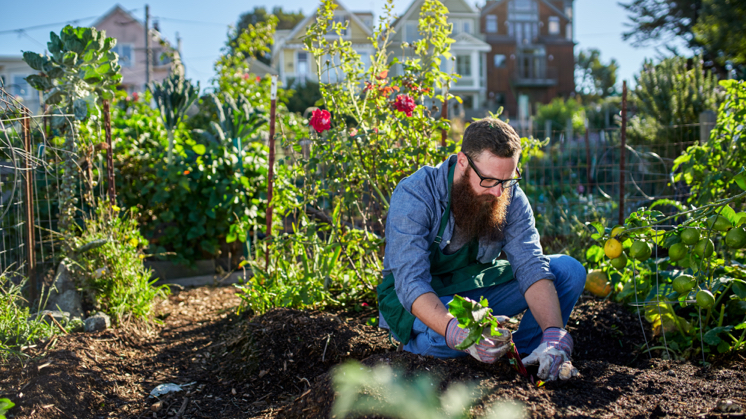
Urban organic gardening is more than a hobby—it’s a lifestyle change. It redefines how you value food, how you use space, and how you relate to the environment. Once you see what’s possible with a few pots and some effort, it often leads to bigger shifts. You start recycling more. You shop differently. You become more interested in sustainability and less tolerant of waste.
This is why so many people who start with a couple of herb pots eventually move on to composting, rainwater collection, or even joining a local gardening co-op. Urban gardening becomes a gateway into a more mindful, eco-conscious way of living, even if you’re still surrounded by high-rises and traffic noise. If you’re looking to take the next step toward a sustainable lifestyle, learning how to buy a home in an eco-friendly community could be a great choice.
The beauty of this journey is that it doesn’t require a big leap. It starts with one small plant. A basil sprout on your windowsill. A few seeds in a pot of soil. From there, it grows—literally and metaphorically. You learn. You adapt. And slowly, your apartment becomes more than just a place to live—it becomes a place that feeds you, body and soul.
Final Thoughts
In a world that often feels overwhelming and disconnected, growing your own food—even in a tiny urban apartment—is an act of resistance and resilience. Urban organic gardening gives you back control, puts something green in your hands, and lets you taste the real, fresh results of your own effort. If you’re in need of assistance with financial matters, consider exploring part-time CFO services in Fredericksburg for expert support.
You don’t need land. You don’t need a garden. You just need the will to begin.