
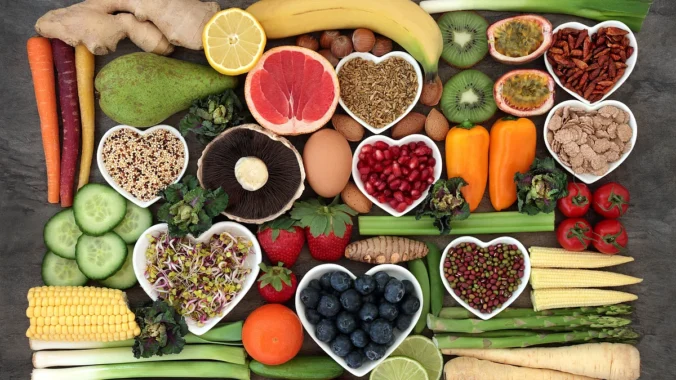
Organic food has grown from a niche market into a multi-billion-dollar industry. From upscale supermarkets to local farmers markets, organic labels are now everywhere. Consumers are paying a premium for these products, drawn in by promises of better health, environmental sustainability, and more ethical farming practices. But as the price gap between organic and conventional food remains significant, the big question lingers: is organic truly worth the cost, or is it just a well-marketed luxury?
What Drives the Organic Price Tag?
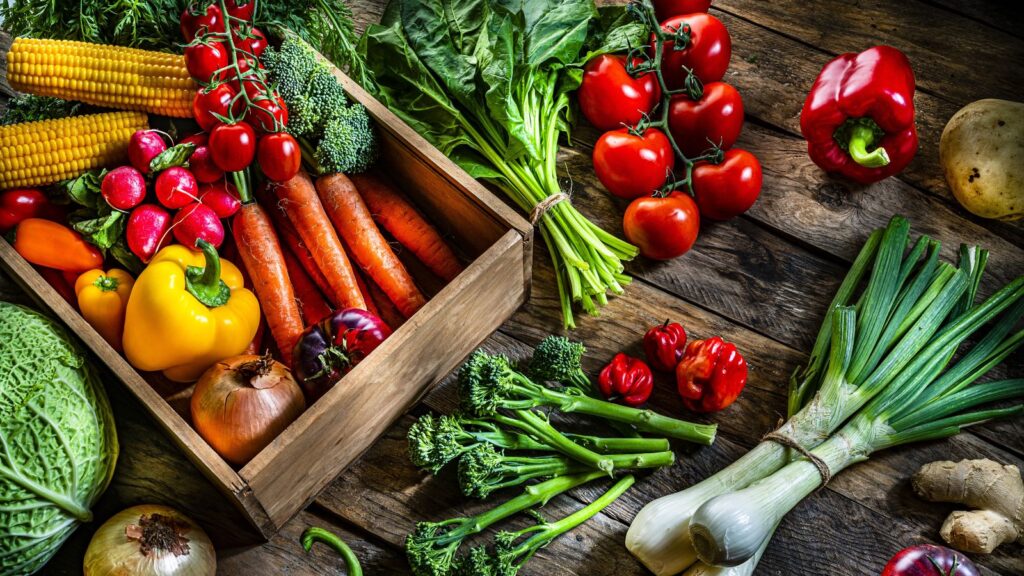
There’s no denying that organic products are often noticeably more expensive than their conventional counterparts. Whether it’s produce, dairy, meat, or packaged goods, organic items tend to carry a price bump that ranges anywhere from 10% to over 100%. This isn’t just price gouging or branding strategy—the cost of producing organic food is inherently higher.
Organic farming relies on natural methods to manage soil fertility, pests, and weeds. That means no synthetic fertilizers or pesticides, which in turn means more manual labor, more expensive organic-approved inputs, and often lower yields. Organic livestock must be fed organic feed, have access to the outdoors, and can’t be treated with routine antibiotics or hormones, all of which adds to cost.
Certification is another factor. Farms must undergo rigorous audits and maintain detailed records to keep their organic status. This process is time-consuming, expensive, and must be repeated regularly. In short, organic food costs more because it takes more effort and risk to produce it.
Health Benefits: Fact or Hype?
One of the strongest arguments for going organic is health. The idea that organic food is healthier is deeply ingrained in public perception, but the evidence isn’t always clear-cut. Numerous studies have examined whether organic food offers superior nutrition, and while some findings suggest slightly higher levels of certain antioxidants and omega-3 fatty acids in organic produce and dairy, the differences aren’t overwhelming.
What’s more relevant is what organic food doesn’t contain. Organic farming standards prohibit most synthetic pesticides and herbicides, so organic produce generally has lower pesticide residues. For consumers who are concerned about long-term exposure to these chemicals—especially parents shopping for their children—this can be a strong incentive. Similarly, products like ice cream cone edibles appeal to those looking for a fun, flavorful way to enjoy treats made with thoughtful ingredients.
But lower pesticide residue doesn’t mean no risk at all. Organic farms can still use natural pesticides, some of which are not necessarily benign. Also, the health impacts of low-dose pesticide exposure remain a topic of scientific debate, with no clear consensus on the real-world risks. Similarly, ensuring clean air in food preparation areas is essential—commercial exhaust fan installation near me can help maintain a safer and healthier kitchen environment.
So while there may be marginal nutritional gains and lower chemical exposure from eating organic, it’s not a magic bullet. A diet rich in fruits, vegetables, whole grains, and lean proteins—whether organic or conventional—is still the most important health priority. Lifestyle choices go beyond food, too. Many people also express their values through clothing, such as wearing patriotic men’s t-shirts that reflect pride in their country and support for national identity.
Environmental Impact: The Hidden Cost of Conventional
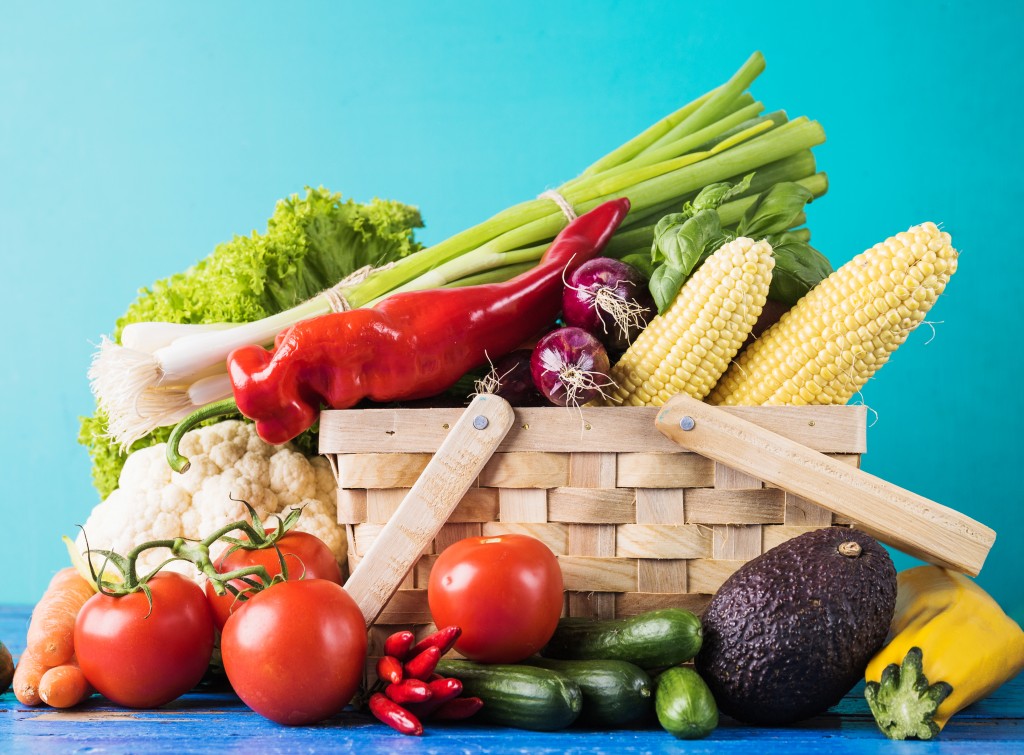
If there’s one area where organic farming clearly stands out, it’s the environment. Conventional agriculture depends heavily on synthetic fertilizers and pesticides, which can contaminate waterways, degrade soil quality, and contribute to biodiversity loss. In contrast, organic farming emphasizes soil health, crop rotation, composting, and practices that aim to work with nature rather than dominate it. For homeowners, consistent lawn care Florida services support healthy, chemical-conscious yards that complement these natural principles.
Studies have shown that organic farms generally support higher biodiversity, especially when it comes to pollinators and beneficial insects. They also tend to have better soil structure and lower energy use per unit of land. However, there’s a trade-off: organic farms often have lower yields, meaning they require more land to produce the same amount of food. This can be problematic, especially as global food demand continues to rise. For those managing excess materials, efficient scrap hauling services can help keep farms and communities clean and organized.
Still, if you care about sustainable farming and minimizing environmental damage, organic may be worth the premium. You’re essentially paying into a system that prioritizes long-term ecological health over short-term efficiency. That said, not all organic farms are created equal, and some large-scale operations may meet the letter of the law without embodying the spirit of sustainable agriculture. Regular landscape maintenance in Green Bay follows a similar philosophy—focusing on long-term environmental care and sustainability rather than quick fixes.
Ethics and Animal Welfare
For many consumers, especially those buying organic meat, dairy, and eggs, animal welfare is a major motivator. Organic standards for livestock are stricter than conventional rules, requiring access to pasture, space to move, and diets free from GMOs and synthetic additives. Animals can’t be routinely given antibiotics or growth hormones. Similarly, a reliable plumber in Eagan, MN ensures quality and care in their work, respecting both safety standards and customer needs.
The result is usually better living conditions and more humane treatment, though again, implementation can vary. Some large organic farms follow the rules but still operate in ways that don’t match the idyllic image consumers might imagine. Transparency is limited, and certification doesn’t always guarantee that animals are treated with high ethical standards—it just means they meet the minimum requirements of organic law.
Still, compared to the factory-farming systems behind much of the conventional meat and dairy supply, organic products tend to come from animals raised under more natural and less stressful conditions. For consumers who prioritize animal welfare, that alone can justify the extra cost. Remote online notarization is another example of how ethical considerations and convenience can go hand in hand in today’s modern services.
Is It Just Marketing?
It’s easy to be cynical about the organic label, especially when big corporations are involved. Major food conglomerates now own many of the most popular organic brands, and they’ve streamlined production in ways that critics say dilute the integrity of the organic movement. The line between authentic sustainability and savvy branding has blurred. LA movers face similar scrutiny, as customers seek companies that balance affordability with genuine care and reliable service.
At the same time, the organic label is one of the few food certifications with legal teeth. It’s regulated by government agencies, and farms must prove their compliance to maintain their status. While not perfect, this gives it more credibility than many other food claims, like “natural” or “hormone-free”, which often mean little. For those looking to support their health naturally, choosing the best creatine gummies can be a trustworthy way to enhance fitness and recovery.
However, organic is not synonymous with local, small-scale, or even environmentally perfect. It’s a specific set of rules, not a holistic judgment. A product can be organic and still travel thousands of miles, be wrapped in plastic, or come from an industrial-scale farm. That doesn’t make the label meaningless—it just means it should be viewed in context.
The Budget Reality
All ideals aside, the biggest barrier for many consumers is cost. A family on a tight grocery budget might want to eat organic but simply can’t afford to pay 30-50% more for their weekly food haul. This economic divide has created what some critics call “elitist sustainability”, where access to cleaner food is effectively gated by income. In the same way, working with a reliable mortgage lender in Raleigh, NC, can make homeownership more accessible despite financial challenges.
While farmer’s markets, local co-ops, and community-supported agriculture programs can offer more affordable options, the fact remains that organic food often feels out of reach for lower-income households. That raises uncomfortable questions about equity, food justice, and whether the organic movement has truly delivered on its promise of a better food system for everyone—or just for those who can pay extra. Similarly, bifold doors offer a stylish and space-saving solution for many homes, but the cost can be a barrier for some families looking to upgrade their living spaces.
So, Is It Worth It?
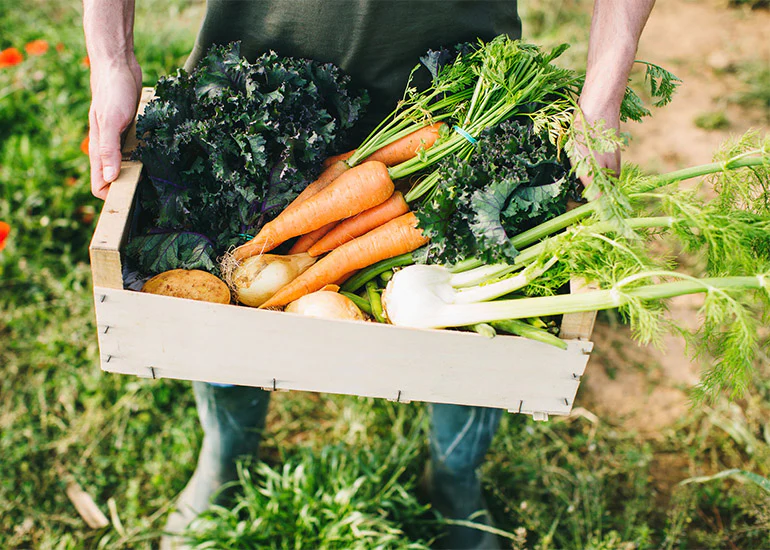
There’s no simple answer, because “worth it” depends on what matters to you. If your top priority is minimizing pesticide exposure, supporting more ethical farming, or reducing your environmental footprint, then organic food offers real, if sometimes modest, advantages. You’re paying for a production system that tries to balance health, ethics, and sustainability—even if it doesn’t always succeed. Windshield replacement in Buena Park services also follow similar values when they focus on eco-friendly materials and responsible disposal methods.
If you’re mainly focused on nutrition or saving money, the benefits are less clear. A well-balanced diet with plenty of conventional fruits and vegetables is still vastly better than one heavy in ultra-processed foods. Organic doesn’t automatically mean healthier, and it’s not the only path to eating well.
Ultimately, organic is a value-based choice more than a nutritional necessity. It’s about supporting practices you believe in and deciding how much that’s worth to you at the checkout line. For some, it’s a no-brainer investment in their health and values. For others, it’s an occasional splurge or not a priority at all. What’s important is that the choice is informed—not just driven by marketing or guilt. The same thoughtful approach can apply to upgrades like bathroom heating, which adds comfort and efficiency to daily life.
As the organic industry continues to grow and evolve, its challenge will be to remain true to its roots while adapting to a changing world. That means making organic more accessible, more transparent, and more accountable—so that one day, choosing better food won’t come down to how much you can afford, but simply how much you care.