Category: BLOG (Page 3 of 3)

Regenerative Agriculture: The Future of Sustainable Food Systems

Regenerative agriculture has emerged as one of the most promising approaches to addressing the intertwined crises of climate change, soil degradation, biodiversity loss, and food insecurity. While modern industrial agriculture has succeeded in producing enormous quantities of food, it has also contributed to the depletion of natural resources and the destabilization of ecological systems. Regenerative agriculture offers a different path—one rooted in rebuilding the health of ecosystems rather than extracting from them. It goes beyond simply sustaining the land; its goal is to restore, revitalize, and regenerate the natural processes that support life.

The concept is not new, but its relevance has grown as scientists, farmers, policymakers, and consumers recognize the need for agricultural systems that can endure environmental stresses while supporting vibrant rural economies. Regenerative agriculture is as much a philosophy as it is a collection of practices, a framework that encourages farmers to work with nature rather than against it. This approach prioritizes soil health, water cycles, biodiversity, and carbon sequestration, transforming farms into living systems capable of healing themselves.

What makes regenerative agriculture especially significant today is its potential to address global challenges simultaneously. Healthy soils store carbon, helping mitigate climate change. Diverse ecosystems foster resilience against pests, diseases, and extreme weather. Improved water retention reduces the need for irrigation and prevents runoff pollution. More equitable, community-oriented food systems strengthen local economies. In essence, regenerative agriculture offers a powerful model for constructing a sustainable and resilient future—one where food production enhances the environment rather than depleting it.

The Core Principles of Regenerative Agriculture

At the heart of regenerative agriculture lies a set of guiding principles designed to rebuild ecological balance. These principles can vary depending on soil type, climate, and regional challenges, but they consistently emphasize restoring natural processes. The most fundamental of these is the commitment to improving soil health, which serves as the foundation for all other regenerative outcomes. Healthy soils teeming with microorganisms support nutrient cycling, water retention, and plant vitality. Instead of relying heavily on synthetic fertilizers, regenerative farmers aim to enhance soil fertility through compost, organic matter, and biological activity.

The second major principle involves promoting biodiversity, both above and below ground. Diversity acts as nature’s insurance policy, creating ecosystems that can adapt to stress, repel pests, and support pollinators. Regenerative farms often incorporate multiple crops, cover crops, wild habitat corridors, and rotational grazing systems to ensure that each part of the farm plays a functional role. This approach not only increases ecological resilience but also reduces reliance on chemical interventions.

Another crucial component is minimizing soil disturbance. Conventional plowing disrupts soil structure, kills beneficial microbes, and accelerates erosion. Regenerative systems typically adopt no-till or reduced-till practices to preserve the integrity of the soil. By leaving the soil intact, carbon remains stored rather than released into the atmosphere, contributing to climate mitigation.

Water management is also central to the regenerative model. Practices such as contour farming, agroforestry, and mulch application help retain moisture, reduce evaporation, and enhance infiltration. These methods create landscapes that are less prone to drought and more capable of withstanding heavy rainfall events.

Finally, regenerative agriculture emphasizes integrated livestock systems, which mimic natural grazing patterns. Instead of confining animals in concentrated feeding operations, regenerative farmers use livestock to fertilize fields, stimulate plant growth, and cycle nutrients. Properly managed grazing can transform degraded landscapes into thriving ecosystems.

These core principles are interdependent. Improving soil health enhances water retention, which in turn supports biodiversity. Biodiversity strengthens pest control, reducing the need for chemicals and decreasing soil disturbance. Each component feeds into the next, creating a self-reinforcing cycle of regeneration. This holistic structure is what sets regenerative agriculture apart from other sustainable practices, making it a flexible yet powerful framework for transforming food systems.

The Environmental and Social Benefits of Regenerative Agriculture

The benefits of regenerative agriculture extend far beyond the boundaries of individual farms. Its ecological advantages are profound, offering solutions to some of the most pressing environmental challenges of our time. One of the most celebrated outcomes is its capacity for carbon sequestration. Healthy soils enriched with organic matter can store significant amounts of carbon, removing it from the atmosphere and helping to slow global warming. While the extent of potential carbon storage varies by region and practice, many studies indicate that regenerative farms consistently show higher carbon retention than conventionally managed lands.

Water conservation is another critical benefit. Soils rich in organic matter act like sponges, absorbing and retaining moisture. This reduces irrigation needs, protects watersheds, and decreases nutrient runoff that can pollute rivers and oceans. In regions facing increasing drought due to climate change, regenerative practices offer a lifeline for farmers seeking stable yields without over-reliance on dwindling water supplies.

Biodiversity also thrives under regenerative management. Fields planted with diverse crops and cover crops become hubs of life, supporting insects, birds, microorganisms, and beneficial predators. This biodiversity not only strengthens ecological resilience but enhances pollination services and natural pest suppression. As a result, regenerative farms often require fewer pesticides, improving air and water quality for surrounding communities.

The social benefits are just as significant. Regenerative agriculture tends to prioritize localized, community-centered food systems that keep value within rural economies. Farmers adopting regenerative methods often experience lower input costs and greater economic stability. While yields may fluctuate during the transition phase, long-term productivity often improves as soil health recovers.

Additionally, regenerative agriculture fosters a stronger connection between farmers, consumers, and the land. Many regenerative farms engage in direct-to-consumer sales through farmers’ markets, community-supported agriculture (CSA) programs, and farm-to-table partnerships. This creates more transparent and equitable food systems, where consumers know where their food comes from, and farmers receive fair compensation for their work.

By addressing environmental, social, and economic needs holistically, regenerative agriculture demonstrates that sustainability does not require sacrificing productivity or profitability. Instead, it reveals that the health of the land and the prosperity of the community are inseparable.

Challenges, Misconceptions, and the Transition to Regenerative Systems

Despite its many benefits, the transition to regenerative agriculture is not without challenges. One of the most significant barriers is the widespread misconception that regenerative practices inevitably lead to reduced yields. In reality, yields can vary depending on soil conditions, climate, and farmer experience. Some farms may see short-term declines during the transition period as the ecosystem recalibrates, while others maintain or even increase productivity from the start. Long-term studies consistently show that once regenerative systems stabilize, they can match or exceed conventional yields, especially under environmental stress such as drought or heatwaves.

Another obstacle is the lack of financial support and incentives for farmers looking to transition. Conventional agriculture has been shaped for decades by subsidies, insurance structures, and supply chains designed around monoculture and chemical inputs. Shifting to regenerative practices often requires new equipment, knowledge, and management strategies. Without institutional support, the burden falls heavily on farmers, many of whom are already operating with narrow margins.

Education and training are equally critical. Regenerative agriculture is highly context-specific, meaning that what works in one region may not apply to another. Farmers need access to resources, mentors, and practical examples tailored to their landscapes. Many are hesitant to abandon familiar techniques for approaches that may seem complex or risky.

There are also misconceptions about regenerative agriculture being simply a trend or marketing buzzword. As its popularity grows, some companies attempt to adopt the language without implementing authentic practices, a form of “greenwashing” that undermines public trust. True regenerative agriculture requires measurable ecological improvement, not just minor adjustments to existing systems. Clear standards, certification, and monitoring frameworks are essential to distinguish genuine regeneration from superficial claims.

Finally, regenerating degraded ecosystems takes time. Soil structure cannot be rebuilt overnight, and biodiversity cannot instantly return to fields stripped of habitat. Regeneration is a gradual process, often requiring patience, experimentation, and long-term commitment. Yet it is precisely this long-term perspective that makes regenerative agriculture so transformative. It encourages thinking in decades rather than single growing seasons, fostering a relationship with the land that prioritizes longevity, resilience, and ecological harmony.

Conclusion

Regenerative agriculture represents a profound shift in the way humanity approaches food production. Rather than viewing the land as a resource to be exploited, it encourages us to see it as a living system capable of renewal and growth. Its principles—soil health, biodiversity, water conservation, and ecological harmony—offer a framework for addressing some of the most urgent challenges of our time, from climate change to food insecurity.

The path to widespread adoption is not without obstacles, but the promise of regenerative agriculture is too significant to ignore. It demonstrates that productivity and sustainability are not opposing goals but mutually reinforcing outcomes of working with nature rather than against it. As more farmers, communities, and policymakers embrace this approach, regenerative agriculture is poised to become a cornerstone of sustainable global food systems.

Ultimately, regenerative agriculture is not merely a collection of techniques—it is a vision for the future. A future where agriculture heals the land, strengthens communities, and creates abundance for generations to come.
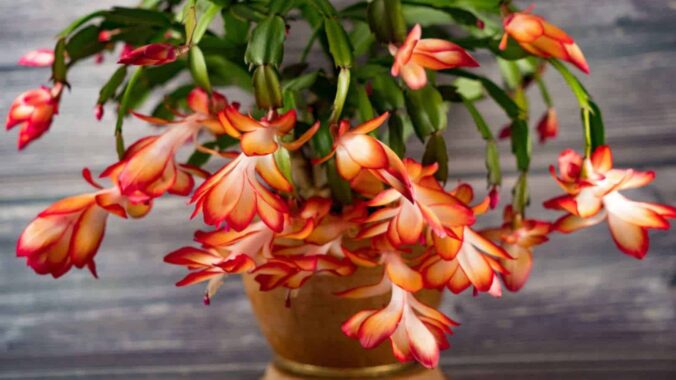
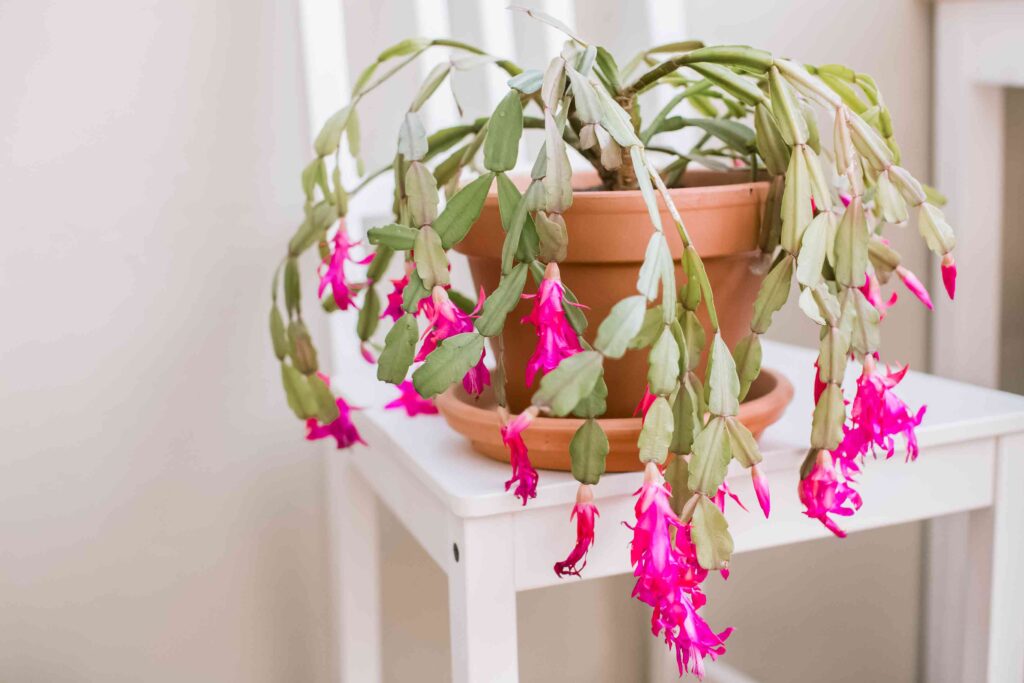
Secrets to Making Your Christmas Cactus Bloom Year After Year

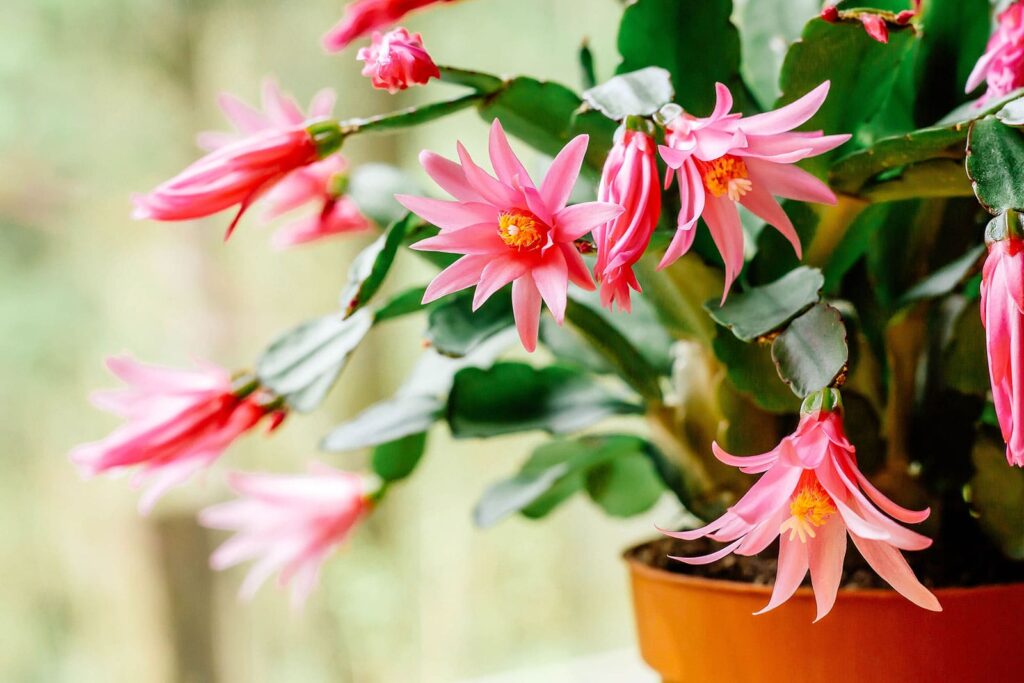
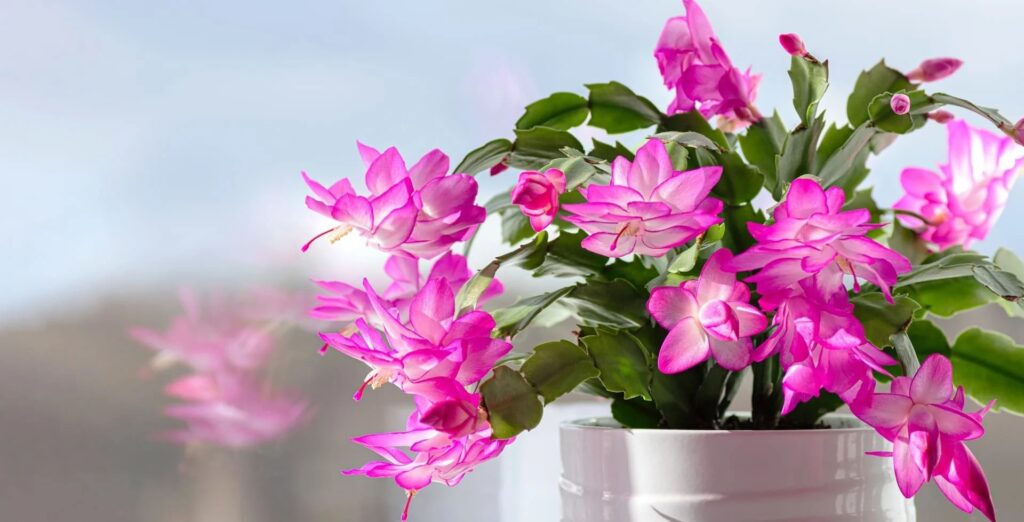
Few houseplants evoke the festive spirit quite like the Christmas Cactus. With its cascading green leaves and vibrant blooms in shades of pink, red, or white, it is a symbol of holiday cheer and home warmth. Yet, despite its beauty, many enthusiasts struggle to coax this plant into flowering year after year. Growing a Christmas Cactus at home can be immensely rewarding, but it requires an understanding of its natural rhythms, careful attention to environmental conditions, and a bit of patience.

Understanding Your Christmas Cactus

Before diving into the care techniques, it’s crucial to understand the biology of the Christmas Cactus. Unlike many other indoor plants, this cactus doesn’t originate from the desert. It hails from the tropical rainforests of Brazil, where it grows on tree branches and thrives in dappled light under the canopy. This means that your Christmas Cactus prefers indirect light, moderate humidity, and consistent moisture, rather than the blazing sun and dry soil that many desert cacti require.

Flowering is triggered by the plant’s perception of light and temperature changes. In its natural habitat, the Christmas Cactus begins preparing for blooms when the days shorten and nights lengthen. This sensitivity to light cycles, combined with cooler temperatures, signals the plant that it is time to bloom. When grown indoors, replicating these conditions is key to ensuring consistent flowering.

The Role of Light and Darkness

Light is one of the most critical factors for a Christmas Cactus to bloom. Many home gardeners unknowingly inhibit flowering by keeping their cactus in a room with constant artificial lighting or near bright, direct sunlight. Christmas Cacti thrive in bright, indirect light, such as near an east-facing window or a spot with filtered sunlight. Too much direct sun can scorch the leaves, while too little light will leave the plant healthy but barren of flowers.

Equally important is providing the plant with a period of uninterrupted darkness each night for at least six weeks before it is expected to bloom. This mimics the natural shortening of days in late fall and is a trigger for bud formation. Placing the cactus in a dark room or covering it with a box or cloth for 12 to 14 hours per night can effectively simulate this seasonal cue. This practice, combined with moderate daytime light, will often ensure a spectacular display of flowers.

Temperature Matters

Temperature plays a subtle but vital role in coaxing your Christmas Cactus into bloom. In its tropical environment, the plant experiences cool nights and warm days. Indoors, this translates to keeping the cactus in a room with daytime temperatures around 65-70°F and nighttime temperatures around 55-60°F during the bud formation period. Avoid placing the plant near heating vents or drafty windows, as sudden temperature changes can cause the buds to drop before opening.

Once buds appear, maintaining a stable temperature is essential. A sudden warm spell or a chilly draft can stress the plant and result in flowers failing to open or prematurely falling. By understanding and controlling the temperature around your Christmas Cactus, you are essentially mimicking its natural environment, encouraging reliable blooms year after year.

Watering and Humidity

Watering might seem straightforward, but it is another area where many plant owners inadvertently sabotage flowering. Christmas Cacti prefer evenly moist soil but are prone to root rot if overwatered. During the active growing months, a consistent watering schedule is necessary, allowing the top inch of soil to dry slightly between waterings. However, as the plant enters its flowering phase, slightly reducing water encourages bud formation without causing dehydration stress.

Humidity is another critical consideration. Tropical plants like the Christmas Cactus thrive in humid conditions. Indoor heating during winter often creates dry air that can affect flowering. Increasing humidity around the plant by placing a shallow tray of water nearby, using a humidifier, or grouping plants together can create a microclimate conducive to blooming. The leaves of a well-hydrated Christmas Cactus appear plump and vibrant, signaling a healthy plant ready to flower.

Fertilization and Soil Nutrition

Feeding your Christmas Cactus is more than just a seasonal routine; it is a year-round commitment. A balanced, water-soluble fertilizer with equal parts nitrogen, phosphorus, and potassium encourages healthy growth and supports flowering. Fertilize every two to four weeks during the active growing season, typically spring through early fall. When the plant enters its blooming phase, switching to a fertilizer higher in phosphorus can enhance flower development and intensify color.

The type of soil you use also influences bloom success. Christmas Cacti prefer well-draining soil, often a mix of potting soil with added sand or perlite. This prevents water from pooling around the roots, which can lead to rot and stress that inhibits flowering. Repotting every two to three years helps maintain soil fertility, supports root health, and allows for gentle pruning to encourage branching, which ultimately results in more blooms.

Pruning for Blooming Success

Pruning may sound counterintuitive, but strategic trimming is another secret to year-after-year flowering. By pinching or trimming sections of the plant after the blooming season, you stimulate new growth and create more flowering points for the next season. Focus on removing old or weak segments, making cuts at natural joints to avoid damaging healthy tissue. Pruning not only encourages a fuller, bushier plant but also increases the number of potential buds for the following year.

Managing Stress and Avoiding Mistakes

Stress is a significant reason why Christmas Cacti fail to bloom consistently. Even minor environmental disruptions, like moving the plant frequently, exposing it to cold drafts, or overfertilizing, can lead to bud drop. Consistency is crucial. Establish a stable home for your cactus with predictable light, temperature, and watering routines. During the months leading up to bloom, avoid unnecessary changes or disturbances.

Overwatering, inconsistent lighting, and extreme temperatures are among the most common mistakes that prevent flowering. Observing your plant carefully, learning its preferences, and adjusting care habits gradually can make a dramatic difference. Healthy foliage, firm stems, and vibrant leaves are indicators that your plant is ready to reward you with blossoms.

Patience and Seasonal Timing

Finally, patience is an essential ingredient in encouraging blooms. Unlike some flowering plants, Christmas Cacti have a specific flowering cycle that cannot be rushed. Forcing blooms with artificial heat or excessive fertilizer often backfires, leading to weak buds or no flowers at all. Understanding the plant’s seasonal rhythm and respecting its natural cycle ensures more reliable flowering over the years.

The best results come from providing consistent care year-round while paying particular attention to the pre-bloom period in fall. Maintaining darkness at night, moderating water, and slightly cooler temperatures set the stage for vibrant holiday blooms. Once the flowers open, they can last for several weeks, adding color and festive cheer to your home.

Creating a Bloom-Friendly Environment at Home

Caring for a Christmas Cactus is as much about the environment as it is about routine care. Place your plant in a location where it can receive indirect light without being exposed to temperature extremes. Avoid rooms with fluctuating heating or air conditioning that can stress the plant. Some plant enthusiasts even rotate their cactus occasionally to ensure all sides receive light evenly, promoting uniform growth and flower distribution.

Decorating around the Christmas Cactus can also complement its beauty and well-being. Avoid heavy handling during bloom periods, as flowers are delicate and easily damaged. Surround the plant with other greenery to increase humidity, or place it near a window where it can enjoy natural light cycles while still remaining protected from harsh winter winds.

Conclusion

Making your Christmas Cactus bloom year after year is a rewarding blend of science, observation, and care. By understanding its tropical origins, replicating its natural light and temperature cycles, maintaining proper moisture and humidity, providing balanced nutrition, and practicing strategic pruning, you can enjoy vibrant blooms each holiday season. The secret is in respecting the plant’s natural rhythm, observing its cues, and providing a stable, nurturing environment at home. With patience and attention, your Christmas Cactus will not just survive—it will flourish, transforming your living space into a celebration of color and life every year.

Mastering Oxalis Care: Sunlight, Watering, and Soil Secrets

Oxalis, often called the “lucky clover” or “wood sorrel,” is a charming plant that captivates with its delicate foliage and bright, cheerful blooms. Its trifoliate leaves, reminiscent of clover, open and close in response to sunlight, giving it a dynamic presence in any home garden or indoor space. Despite its delicate appearance, Oxalis is surprisingly resilient, making it a favorite among both novice and seasoned gardeners. However, achieving its full potential requires understanding its core needs, from sunlight to watering habits to the perfect soil composition.

Understanding Oxalis’ Light Needs

One of the most common mistakes gardeners make with Oxalis is misjudging its light requirements. While Oxalis thrives in bright conditions, direct sunlight can sometimes scorch its tender leaves, particularly in the hotter hours of the day. For indoor cultivation, placing Oxalis near an east-facing window ensures it receives gentle morning light, which encourages leaf expansion and healthy flowering. If your only light source is from the south or west, consider a sheer curtain to filter intense rays, maintaining a balance between brightness and protection.

Outdoor Oxalis plants prefer partial shade to dappled sunlight, especially in regions with harsh summer heat. Too little light slows growth and prevents flowering, leaving the plant looking leggy and weak. Conversely, too much direct sun can bleach the leaves and cause the edges to curl or brown. Observing your plant’s behavior is crucial: if leaves begin to yellow or fold excessively during the day, this is a sign it may need more shade or a gentler light environment.

Watering Your Oxalis Properly

Watering is where many Oxalis enthusiasts stumble. The plant enjoys a moderately moist environment, but overwatering can be fatal. Oxalis grows from bulbs, which are prone to rot if left in soggy soil. The trick lies in maintaining a delicate balance: the soil should feel slightly dry to the touch before the next watering, yet never completely parched.

Indoor growers should consider using a pot with drainage holes, allowing excess water to escape freely. Water the plant thoroughly until it drains from the bottom, then allow the top inch of soil to dry before watering again. Seasonal adjustments are also essential. During active growth in spring and early summer, Oxalis needs consistent hydration, while in its dormant phase—typically in late summer or early autumn—watering should be dramatically reduced to mimic natural cycles. Ignoring this dormancy period can stress the plant, causing foliage to yellow and die back prematurely.

Another nuance lies in watering technique. Using room-temperature water is ideal, as cold water can shock the roots. Some gardeners even prefer to use filtered or rainwater, especially if their tap water is heavily chlorinated or mineral-rich, as Oxalis is sensitive to water quality. Mistakes in watering are often subtle: a leaf curling slightly or a small patch of yellowing may indicate either too much or too little water, making careful observation key to mastering this essential aspect of care.

Choosing the Right Soil

Soil composition is often overlooked, yet it is one of the most critical factors for healthy Oxalis. The plant prefers well-draining, slightly acidic to neutral soil rich in organic matter. A mixture of potting soil, sand, and a touch of compost or peat moss usually provides the perfect balance. Drainage is vital: compacted or heavy soils trap moisture, leading to bulb rot and fungal issues.

When planting Oxalis in containers, it is important to consider the depth and width of the pot. The bulbs need enough room to grow and expand without crowding, which encourages robust foliage and prolific flowering. Outdoor planting demands similar attention. Ensure the garden bed is raised or amended with sand or perlite to improve drainage, especially in regions with heavy rainfall. Adding a thin layer of mulch can help retain moisture without suffocating the bulbs, maintaining the subtle equilibrium Oxalis craves.

Fertilizing for Vibrant Growth

Though Oxalis is relatively low-maintenance, fertilization can dramatically enhance its vibrancy and bloom cycle. A balanced, water-soluble fertilizer applied every two to four weeks during the growing season provides essential nutrients without overwhelming the plant. Excessive fertilization, particularly with high nitrogen content, may encourage leafy growth at the expense of flowers, while too little nutrition can stunt the plant and dull its foliage.

For indoor growers, fertilizing during the dormant period is unnecessary and may even hinder the natural rest cycle. Outdoor plants also benefit from fertilization at the start of spring, coinciding with new growth emergence. Organic fertilizers such as fish emulsion or compost teas can offer a gentler alternative to synthetic formulas, nurturing the plant naturally while improving soil health.

Understanding Oxalis Dormancy

A unique feature of Oxalis is its seasonal dormancy, which often surprises gardeners unfamiliar with the plant. After weeks of vigorous growth and flowering, the foliage may yellow and die back entirely, leaving the bulbs seemingly lifeless. This is a natural response to environmental conditions and a critical survival mechanism. Attempting to overwater or force growth during dormancy can harm the plant rather than help it.

During this period, bulbs should be left in dry soil or even temporarily stored in a cool, dark location. Minimal watering is needed, just enough to prevent complete desiccation. Once the dormant phase ends, usually after a few weeks to a couple of months depending on species and climate, new shoots will emerge, signaling the plant is ready to resume its energetic cycle of growth and flowering.

Managing Common Pests and Diseases

Oxalis is generally hardy but not immune to pests and diseases. Aphids, spider mites, and fungus gnats are the most common indoor nuisances, often attracted by overly humid conditions or stagnant soil. Outdoor plants may also face slug or caterpillar attacks, particularly in damp gardens. The key to control is vigilance and early intervention. Wiping leaves with a damp cloth, using insecticidal soaps, or introducing natural predators can help maintain a healthy ecosystem around your plant.

Fungal issues, often caused by overwatering or poor drainage, can be devastating. Root rot is particularly insidious, often beginning subtly before spreading. Ensuring proper soil composition, drainage, and watering practices are maintained prevents most fungal complications. If infection occurs, affected bulbs should be isolated and treated promptly, with soil replaced if necessary, to save the rest of the plant population.

Propagating Oxalis for a Lush Home Garden

One of the most rewarding aspects of Oxalis care is propagation. The plant spreads through bulbs or offsets, allowing gardeners to multiply their collection without purchasing new plants. After the flowering season, gently separating bulbs from the parent plant and replanting them in fresh soil ensures a steady supply of vibrant foliage. For indoor gardeners, propagation can create a cascading display of pots or hanging baskets, each bursting with delicate clover-like leaves and vivid blooms.

Seed propagation is also possible but requires patience, as germination can be slower and seedlings more delicate. However, the process offers an opportunity to experiment with different varieties, colors, and leaf patterns, enhancing the aesthetic diversity of your indoor or outdoor garden. Understanding the plant’s natural growth cycle, combined with careful handling during propagation, ensures strong, healthy new growth every season.

Enhancing Your Home Aesthetic with Oxalis

Beyond technical care, Oxalis offers a unique opportunity to enrich home environments emotionally and visually. Its graceful leaves, often tinged with shades of purple or deep green, contrast beautifully with brighter blooms in shades of pink, white, or yellow. Placing Oxalis in clusters or combining it with complementary plants like ferns or small flowering bulbs can create a dynamic, layered effect that draws the eye and elevates indoor spaces.

The movement of the leaves throughout the day, opening with sunlight and closing at night, brings a sense of rhythm and life to any room. This subtle, almost meditative quality makes Oxalis more than just a decorative plant—it becomes an interactive part of the living space, fostering a connection to natural cycles even in urban environments.

Conclusion

Mastering Oxalis care requires attention to its fundamental needs: light, water, soil, and seasonal cycles. While the plant is resilient, understanding these subtleties transforms Oxalis from a simple houseplant into a flourishing centerpiece of your home or garden. Observing its light responses, regulating moisture carefully, selecting well-draining soil, and respecting dormancy periods are the keys to success. Combined with thoughtful fertilization, pest management, and propagation, these practices ensure your Oxalis thrives year after year. In return, it rewards you with its graceful foliage, charming blooms, and a quiet, constant reminder of nature’s rhythm and beauty.

The Benefits of Growing Thuja at Home: Beauty, Privacy, and Environmental Perks

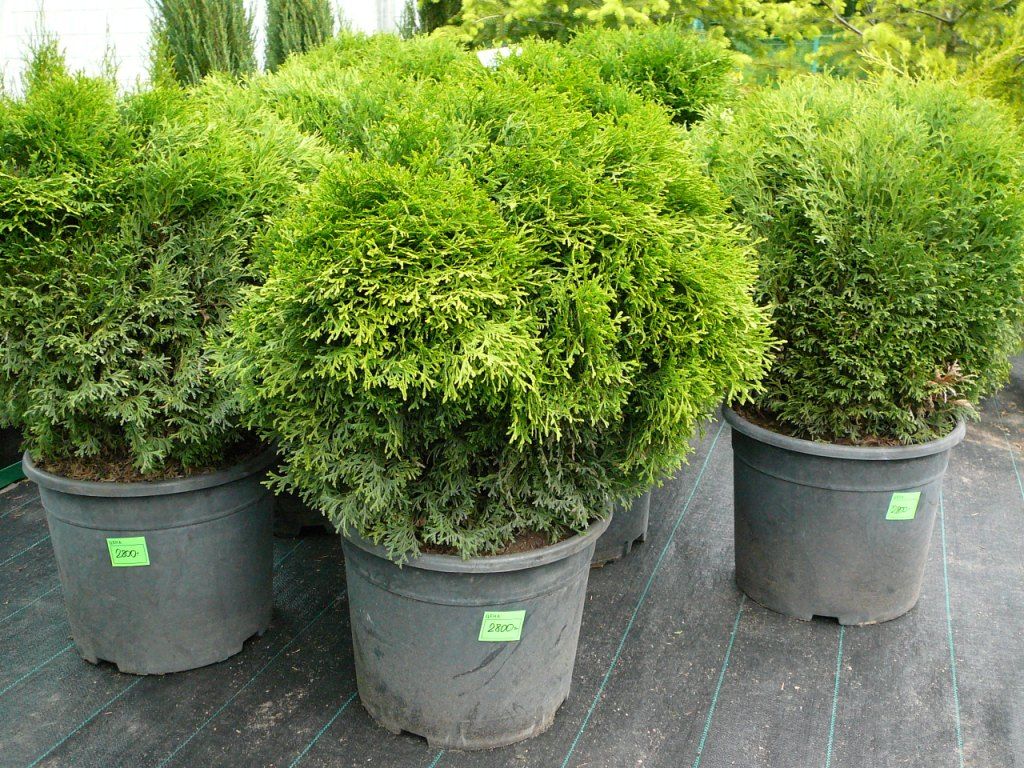
Growing Thuja at home is more than just adding greenery to your surroundings; it is about creating a space that feels alive, serene, and private. These evergreen trees, often recognized for their graceful, conical shapes and vibrant green foliage, have been cherished in gardens and landscapes around the world for centuries. Thuja, commonly known as arborvitae, offers a unique blend of aesthetic charm, functional advantages, and environmental benefits that make it an ideal choice for homeowners seeking both beauty and practicality.

Enhancing Aesthetic Appeal with Thuja

One of the most immediate benefits of cultivating Thuja at home is the striking visual appeal it brings to any landscape. Unlike many seasonal plants, Thuja maintains its lush green color throughout the year, providing a constant sense of vitality even during the bleak winter months. Its dense foliage creates a rich, textured backdrop that complements flowers, shrubs, and other ornamental plants, making your garden appear fuller and more vibrant.

Thuja is available in several varieties, from compact dwarf species suitable for small gardens and container planting to towering trees that can serve as stunning focal points. Their symmetrical shape and natural elegance offer an architectural quality to outdoor spaces, subtly guiding the eye and enhancing the overall harmony of your garden design. When strategically planted along pathways, terraces, or in clusters, Thuja trees can turn an ordinary backyard into a visually captivating retreat, inviting relaxation and enjoyment.

Creating Natural Privacy Screens

Beyond aesthetics, Thuja is incredibly effective as a natural privacy barrier. In urban or suburban environments, where homes are often close together, maintaining privacy can be a challenge. Thuja’s fast-growing, dense foliage makes it an excellent choice for hedges or windbreaks, forming a living wall that shields your outdoor space from prying eyes without the harshness of artificial fencing.

Unlike standard fences or walls, Thuja hedges offer a soft, organic feel. They absorb noise, create a sense of enclosure, and enhance the intimacy of your outdoor space, allowing you to enjoy your garden, patio, or deck without feeling exposed. Thuja’s natural height and fullness can be tailored through careful pruning, giving homeowners flexibility to design a hedge that meets both aesthetic and functional needs. This combination of beauty and utility is why so many landscapers and home gardeners favor Thuja for creating private sanctuaries right outside their doors.

Improving Air Quality and Environmental Health

Thuja does more than look good and provide privacy; it contributes to a healthier environment. Like all trees, Thuja absorbs carbon dioxide and releases oxygen, playing a small but significant role in improving air quality around your home. Its thick, evergreen foliage captures dust, pollen, and other airborne particles, reducing pollutants that can affect respiratory health.

The environmental impact of growing Thuja at home extends to temperature regulation as well. Strategically planted Thuja trees can provide shade during hot summer months, cooling surrounding areas and reducing the need for energy-intensive air conditioning. In colder climates, a row of Thuja can act as a windbreak, protecting your home and garden from harsh winds and lowering heating costs. These environmental benefits, while often overlooked, highlight the practical ways in which Thuja contributes to a sustainable and comfortable living environment.

Low Maintenance Yet Rewarding Growth

One of the most appealing aspects of growing Thuja at home is its adaptability and low maintenance requirements. Thuja thrives in a range of soil types and can tolerate both full sun and partial shade, making it suitable for various garden conditions. Once established, Thuja requires minimal attention beyond occasional watering, fertilizing, and pruning.

This resilience makes Thuja a perfect choice for busy homeowners or gardening beginners. Unlike delicate flowers that demand constant care, Thuja’s evergreen nature ensures that your investment in greenery pays off year-round. The satisfaction of nurturing a plant that grows steadily and flourishes with relatively little effort is deeply rewarding. Watching a Thuja hedge or tree mature over several seasons provides a tangible sense of accomplishment and connection to the natural world.

Supporting Local Wildlife

Growing Thuja at home also benefits local wildlife. Its dense foliage offers shelter for birds, small mammals, and beneficial insects, creating a mini-ecosystem within your garden. Birds may use Thuja for nesting, while insects may find refuge or food among its branches. By providing habitat and protection, Thuja helps support biodiversity even in urban settings, allowing homeowners to foster a closer relationship with the rhythms of nature.

This ecological benefit adds another layer of satisfaction for gardeners who value sustainability. Your Thuja trees not only beautify your property and enhance privacy but also contribute positively to the surrounding ecosystem, helping to maintain balance in local wildlife populations.

Seasonal Charm and Year-Round Presence

Unlike many plants that fade with the seasons, Thuja remains visually appealing throughout the year. Its vibrant green needles provide a sense of freshness during spring and summer, a warm natural backdrop during autumn, and life and color amidst winter snow. This year-round presence allows homeowners to enjoy a sense of continuity in their gardens, no matter the season.

Additionally, Thuja can be easily shaped and pruned to fit seasonal decor or special occasions. During winter holidays, for example, Thuja hedges and trees can be adorned with lights or ornaments, transforming them into natural festive decorations without compromising their health. This versatility enhances their value as both a practical and decorative addition to any home landscape.

Mental and Emotional Benefits of Home Gardening

While the aesthetic, functional, and environmental benefits of Thuja are clear, growing these trees at home also supports mental and emotional well-being. Gardening, in general, has been shown to reduce stress, improve mood, and foster a sense of accomplishment. Thuja, with its steady growth and enduring presence, reinforces these positive effects.

Tending to Thuja allows homeowners to engage in mindful activity, observing subtle changes in growth, caring for the foliage, and adjusting care routines as needed. This interaction fosters a deep connection to the natural world and cultivates patience and mindfulness. For families, involving children in Thuja care can teach responsibility, the basics of plant biology, and an appreciation for nature, creating lasting memories and valuable life lessons.

Long-Term Investment in Property Value

Thuja trees and hedges can also be seen as a long-term investment in your property. Well-maintained Thuja can enhance curb appeal, making a home more attractive to potential buyers and potentially increasing market value. A thoughtfully designed Thuja hedge or strategically placed trees can create the impression of a mature, well-cared-for landscape, a factor that often weighs heavily in real estate decisions.

Furthermore, Thuja’s low maintenance and longevity mean that this investment requires minimal ongoing costs while delivering consistent aesthetic and functional benefits. The combination of beauty, privacy, and environmental contribution makes Thuja one of the most cost-effective ways to improve a home’s exterior in both practical and emotional terms.

Tips for Successful Home Cultivation

While Thuja is relatively easy to grow, a few considerations can ensure optimal health and growth. Choosing the right variety for your climate and garden space is essential, as some types grow taller or denser than others. Planting Thuja in well-drained soil and providing consistent watering during the initial growth stages helps establish strong roots. Mulching around the base retains moisture and protects against temperature extremes, while occasional fertilization encourages vibrant growth.

Pruning is another important aspect of successful Thuja cultivation. Light pruning helps maintain shape and density, especially for privacy hedges. Thuja responds well to shaping, so homeowners can customize the appearance of their trees to suit their landscape design. Monitoring for common pests, such as spider mites or bagworms, ensures that the plant remains healthy and continues to provide the myriad benefits it promises.

Conclusion

Growing Thuja at home offers an extraordinary combination of beauty, functionality, and environmental benefits. Its evergreen foliage enhances garden aesthetics year-round, while its dense structure provides natural privacy and noise reduction. Beyond its visual and practical appeal, Thuja contributes to cleaner air, supports local wildlife, and promotes mental well-being through mindful gardening.

With low maintenance requirements, adaptability to various climates, and the ability to shape and mold it to fit your space, Thuja represents an investment that rewards patience and care. From creating serene private sanctuaries to boosting property value, the advantages of cultivating Thuja at home are manifold. For homeowners seeking a plant that combines elegance, practicality, and ecological responsibility, Thuja is an exceptional choice, offering beauty, privacy, and environmental perks that last for years to come.

The Complete Beginner’s Guide to Growing Cranberries at Home

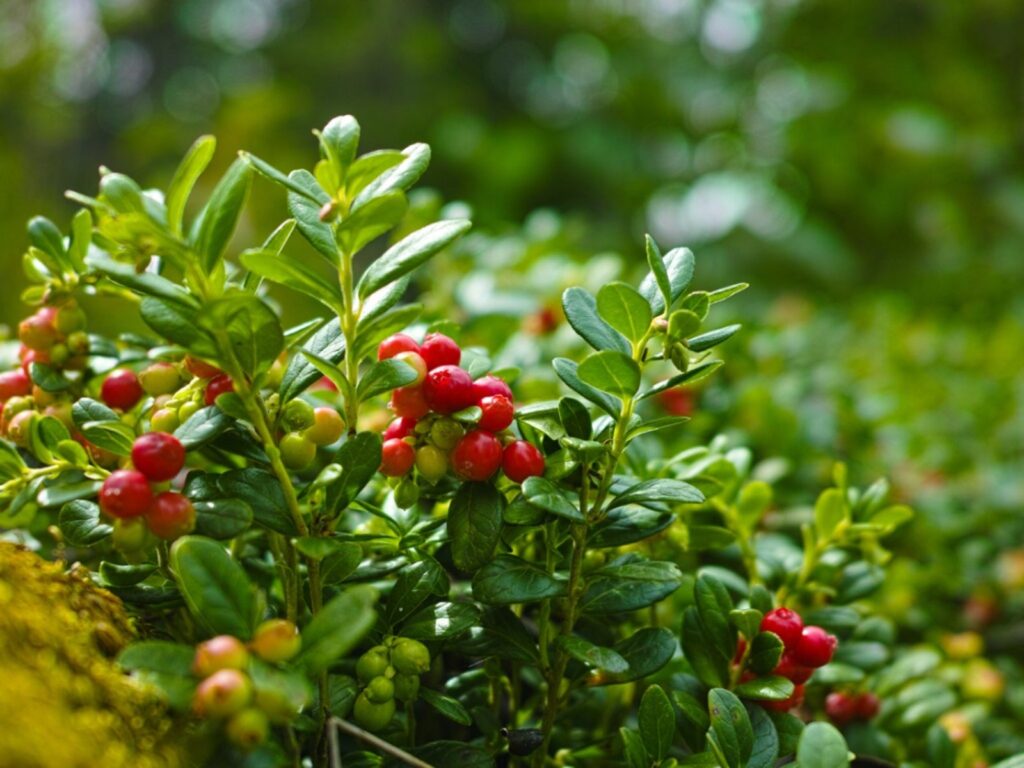
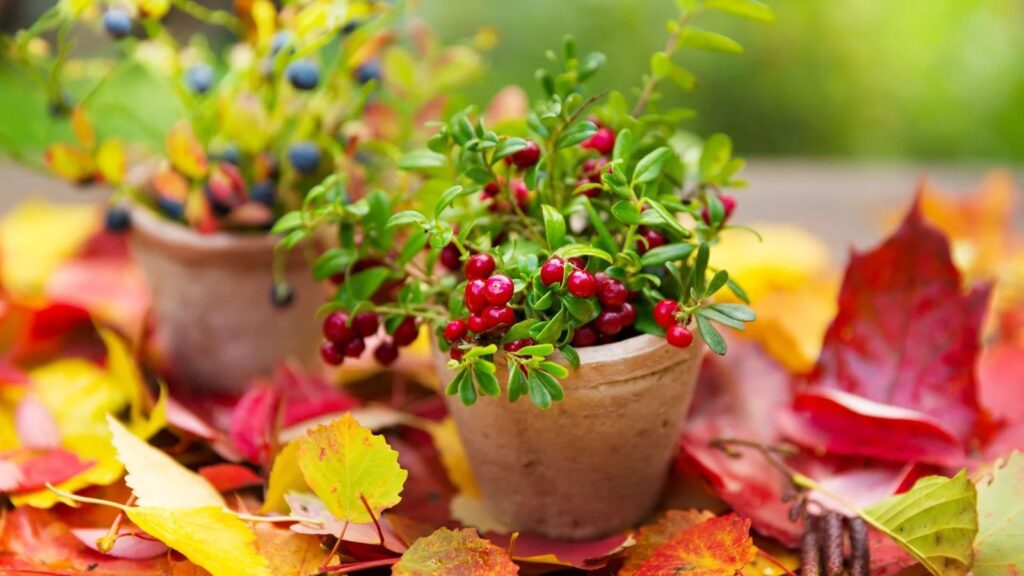
Growing cranberries at home may seem like a daunting task at first glance. These vibrant red berries, iconic in holiday dishes and revered for their health benefits, are often associated with sprawling bogs in the northern United States or Canada. But the truth is, with patience, attention, and the right techniques, you can cultivate your own cranberry patch—even in a backyard or on a small balcony. This guide will walk you through everything you need to know to turn your home into a flourishing cranberry haven.

Understanding Cranberries and Their Needs

Before diving into planting, it’s essential to understand what makes cranberries unique. Unlike most berries that thrive in neutral or slightly acidic soil, cranberries require highly acidic conditions with a pH between 4.0 and 5.5. They naturally grow in bogs, wetlands, and sandy, peat-rich soils. The plants are low-growing, trailing vines with wiry stems that can spread across the ground, creating a dense mat. They are hardy perennials, which means once established, they can produce berries for many years if properly cared for.

Cranberries also have specific water requirements. In the wild, they flourish in areas where water levels can be managed—flooding in winter helps protect the vines from extreme cold, while shallow water in summer keeps the plants hydrated. Understanding this dual need for moisture and drainage is crucial for successful cultivation at home.

Choosing the Right Location

Selecting the right location is the first and arguably most critical step. Cranberries require full sunlight to grow optimally, so pick a spot in your yard that receives at least six hours of direct sun each day. While they can tolerate partial shade, reduced sunlight will likely result in fewer berries. The soil must be well-draining but capable of retaining moisture. If your natural soil is too alkaline, which is common in many areas, you may need to amend it with peat moss or sulfur to lower the pH to the desired range.

If you don’t have a suitable garden plot, cranberries can also thrive in containers. Raised beds or large planters offer excellent control over soil composition and moisture. The container must be deep enough to accommodate the vine’s roots, typically 12 to 18 inches, and wide enough to allow the plants to spread.

Preparing the Soil

Cranberries are famously finicky about soil, so preparation is key. Start by loosening the soil to improve aeration. Mix in plenty of peat moss, which helps acidify the soil and improve water retention. Some gardeners also incorporate sand to mimic the natural sandy soil found in wild cranberry bogs. Testing the soil’s pH is critical; kits are readily available, and adjusting with sulfur or other acidifying amendments may be necessary.

Once your soil is prepared, create a slightly raised bed. Cranberries prefer a surface that allows water to drain slowly but avoids stagnant puddles. This approach also reduces the risk of root rot, a common problem in poorly drained soils.

Planting Your Cranberries

Cranberries are usually propagated through cuttings or small plants rather than seeds because this method produces faster and more reliable growth. When planting, space the vines about 12 inches apart. Though they are low-growing, cranberries spread outward, and giving them room to expand will ensure a fuller harvest over time.

Plant the vines in late spring or early summer when the soil is warm. Firm the soil gently around the roots to eliminate air pockets, then water thoroughly. Watering is especially critical in the early weeks, as the young vines establish themselves.

Watering and Moisture Management

Watering cranberries is an art as much as a science. The plants need consistent moisture, but too much water can drown the roots. A good rule of thumb is to keep the soil evenly damp but not soggy. In container settings, this may mean daily watering during hot summer days, while in raised beds, less frequent watering may suffice depending on rainfall.

Some advanced home gardeners even replicate traditional bog conditions by creating shallow water channels around the plants. This setup helps maintain humidity and provides a natural barrier against pests while simulating the cranberry’s natural environment. Regardless of method, monitoring soil moisture carefully is crucial for healthy growth.

Fertilization and Nutrient Needs

Cranberries are not heavy feeders, but they do benefit from balanced nutrition. Organic fertilizers rich in nitrogen, such as fish emulsion or seaweed extracts, support leafy growth and flowering. Apply fertilizer sparingly during the growing season to avoid over-stimulating the plants, which can lead to excessive vegetative growth at the expense of fruit production.

It’s also important to understand that cranberries respond well to soil amendments that replicate their native bog conditions. Incorporating a thin layer of sphagnum moss or pine needles around the base can help maintain acidity, suppress weeds, and retain moisture.

Pruning and Maintenance

Unlike shrubs or trees, cranberries don’t require heavy pruning. However, light trimming in late winter or early spring can help control the spread and encourage healthy growth. Remove any dead or diseased vines and thin crowded areas to improve air circulation, which reduces the risk of fungal diseases.

Regular maintenance also includes weeding, though cranberries’ dense growth habit naturally suppresses many invasive plants. Still, keeping an eye on aggressive weeds or grasses will ensure that your vines aren’t competing for nutrients or water.

Protecting Your Cranberries from Pests and Diseases

Cranberries are surprisingly resilient, but they are not immune to pests and diseases. Birds are notorious for snacking on ripe berries, so netting your plants during harvest season may be necessary. Insects such as cranberry fruitworms or tipworms can also damage crops. Regular inspection and the use of organic insecticidal sprays or beneficial insects can help manage these threats.

Fungal diseases, including fruit rot and leaf spot, are another concern, especially in humid climates. Proper spacing, adequate sunlight, and good airflow are your best defenses. In severe cases, targeted fungicidal treatments may be required.

Flowering and Pollination

Cranberries produce small, delicate pink flowers in late spring or early summer. Pollination is essential for fruit production, so encouraging bees and other pollinators is vital. If your area lacks natural pollinators, you may need to hand-pollinate using a small brush or gently shaking the plants. Successful pollination leads to the formation of green berries that gradually ripen to a deep red by late fall.

Harvesting Cranberries

Patience is the key to harvesting cranberries. Unlike some fruits that ripen quickly, cranberries take several months to mature fully. The berries are ready to harvest when they turn a vibrant, firm red. In traditional bogs, growers often flood the fields to float the berries for easier collection. While flooding isn’t practical in most home gardens, gentle shaking or hand-picking works just as well.

Cranberries store exceptionally well, making them ideal for long-term use. Refrigerated, they can last several weeks, while freezing preserves their freshness for months. Homegrown cranberries are perfect for sauces, juices, baking, and even creative desserts.

Overwintering Cranberries

Cranberries are cold-hardy plants, but winter protection can improve their long-term productivity. In colder climates, mulching with straw, pine needles, or sphagnum moss insulates the vines and protects them from extreme frost. For container-grown cranberries, consider moving the plants to a sheltered area or insulating the pots to prevent root damage during freezing temperatures.

The Joy of Growing Your Own Cranberries

Growing cranberries at home is more than just cultivating a fruit; it’s cultivating patience, connection with nature, and a sense of accomplishment. Watching the tiny vines expand, the delicate flowers bloom, and the bright red berries appear is deeply satisfying. Each step—from soil preparation to harvest—is a lesson in balance, care, and attentiveness. Whether you aim to enjoy a few fresh berries with breakfast or envision a full backyard cranberry patch, the experience is rewarding beyond the tangible fruit.

Homegrown cranberries also provide a unique opportunity to experiment with recipes and preserve food in ways store-bought berries cannot match. From homemade sauces to jams, pies, and holiday treats, the taste of berries you nurtured yourself is unmistakable and far richer in flavor.

Final Thoughts

Starting a cranberry patch at home may seem challenging, but the process is incredibly rewarding for those willing to invest time and care. Understanding the plant’s specific soil, water, and sunlight requirements is the foundation of success, while attention to maintenance, pest control, and seasonal care ensures a long-lasting yield. Cranberries are a symbol of resilience, thriving in specialized conditions, and with dedication, your home can become a small slice of that natural world.

Whether you are a beginner gardener seeking a new challenge or an experienced green thumb looking to expand your repertoire, cranberries offer a unique and gratifying gardening experience. By following the steps outlined in this guide, you can cultivate a thriving cranberry patch that delivers vibrant, flavorful berries year after year. The journey may require patience and persistence, but the reward is a bountiful harvest and the joy of growing something truly special with your own hands.

Why the Aglaonema Pink Beauty is the Perfect Indoor Plant for Modern Homes

The modern home has shifted in design and purpose. We are living in spaces that need to feel calm, nurturing, expressive, and personal. With trends leaning toward natural textures, warm minimalism, and biophilic design, indoor plants have taken center stage as both decorative pieces and living companions. Among the many plants chosen to bring this natural serenity indoors, the Aglaonema Pink Beauty stands out as a favorite. Its lush leaves brushed with pink and green tones effortlessly add life and color to any room. But what makes this plant particularly perfect for modern homes is not just its appearance. It is a plant that embodies ease, resilience, style, and emotional warmth.

The Allure of the Aglaonema Pink Beauty

The first thing that draws people to the Aglaonema Pink Beauty is its color. Most indoor plants fall into varying shades of green, sometimes with speckles, variegation, or striping. The Pink Beauty breaks this visual pattern with bold strokes of soft rose and deep blush pink across its foliage. These colors look striking against neutral interiors where white walls, beige furniture, and natural wood dominate. The plant does not require flowers to be visually captivating; the leaves themselves create visual movement and personality.

This stunning pop of color makes the plant highly versatile in home styling. It can stand alone as a centerpiece on a coffee table or shelf, or it can be part of a lush plant cluster where its color becomes a highlight among different greens. The Pink Beauty brings softness to angular modern design, a sense of life to minimal rooms, and a natural warmth to cold architectural lines. Simply put, it changes the emotional atmosphere of the space.Its ability to refresh and rebalance a room feels almost transformative, much like deliverance ministers houston tx, clearing stagnant energy and replacing it with a sense of calm, renewal, and emotional uplift within the space.

Why It Fits Perfectly Into Modern Lifestyles

Modern living often comes with limited time, smaller living spaces, and varying lighting conditions. The Aglaonema Pink Beauty fits into this lifestyle almost effortlessly. It is famously low-maintenance, and this makes it a wonderful plant even for beginners or individuals who believe they don’t have a “green thumb.” The plant naturally thrives in low to medium light, meaning it can grow well away from windows, in apartments, offices, and rooms with filtered light. Unlike many colorful houseplants that demand high light conditions to maintain their vibrancy, the Pink Beauty keeps its color even in gently lit environments.

Additionally, the plant is slow-growing and compact, meaning it will not outgrow its space quickly or require constant repotting. This makes it ideal for shelves, bedside tables, console tables, or corners where a larger plant might overwhelm the area. For those who travel, work long hours, or simply prefer a plant that doesn’t require constant attention, the Pink Beauty offers both beauty and peace of mind.For busy homeowners, its reliability offers a quiet sense of ease—much like tax relief fredericksburg—removing ongoing worry and allowing people to enjoy beauty and balance without the stress of constant upkeep.

Creating the Ideal Home Environment for Your Pink Beauty

Caring for an Aglaonema Pink Beauty is more about consistency than complexity. It prefers indirect light rather than strong direct sunlight. A bright room where sunlight does not directly hit the leaves is ideal. If your home has sheer curtains, placing the plant near such windows is perfect. Too much direct light may fade the pink coloration, while too little can slow growth. A stable environment, without drastic temperature shifts or cold drafts, will help the plant flourish.

Humidity plays a subtle role in its appearance. While the Pink Beauty can tolerate typical indoor humidity, it truly thrives when the air is slightly more moist. Placing it near a bathroom window, in a kitchen corner, or next to other plants can increase humidity naturally. You may notice the leaves become more vibrant when the plant receives this gentle moisture in the air.

Watering the plant requires thoughtful moderation. The soil should be allowed to dry slightly between waterings. Overwatering can lead to root rot, while letting it stay dry for too long may cause leaf tips to brown. Simply touching the top inch of soil is enough to determine when to water. If it feels dry, it is time to water. If it still feels soft and cool, waiting is better.

Choosing the Right Pot and Soil for Home Planting

When planting the Aglaonema Pink Beauty at home, the pot and soil play an important role in long-term health. A pot with drainage holes is necessary to allow excess water to escape, preventing the soil from becoming soggy. Many plant enthusiasts enjoy pairing this plant with ceramic or stone pots, as the colors of the foliage stand out beautifully against natural textures.

For soil, a well-draining mix is essential. A blend that includes coco peat, perlite, and compost or light potting soil gives the roots firm yet airy support. The plant does not like heavy, dense soil that traps water. When repotting, it’s best to gently loosen the roots and remove any old or overly compact soil. This allows the plant to settle comfortably and continue absorbing nutrients efficiently.

Repotting is usually only needed every two to three years, or when you notice roots beginning to appear at the drainage holes. The Pink Beauty prefers stable environments, so repotting too frequently can cause stress. Patience and subtle changes are key.Providing the right soil and repotting rhythm gives the plant timely support—much like payday loan help, stepping in only when needed to stabilize growth and prevent deeper problems from taking root.

How the Pink Beauty Enhances Mental Well-Being at Home

Beyond aesthetics and ease of care, the Aglaonema Pink Beauty contributes meaningfully to emotional wellness. Indoor plants are known to reduce stress, encourage relaxation, and improve air quality. The Pink Beauty, with its soft pink tones, adds a sense of gentle positivity and optimism to a room. Colors influence mood, and pink tones are associated with warmth, comfort, and tenderness.

Having plants in the home creates a living connection between us and nature, even within urban environments. The Pink Beauty, in particular, invites a slower, more mindful interaction. When we water it gently, check its leaves, or rotate it to receive even light, we create moments of calm routine. These moments become tiny rituals of grounding and presence. For those who live in fast-paced environments, these simple acts provide emotional balance.In this way, the plant quietly shapes its surroundings much like hvac pr, working behind the scenes to regulate atmosphere and comfort so the space feels balanced, healthy, and emotionally inviting.

Styling the Aglaonema Pink Beauty in Different Rooms

One of the plant’s strengths is how easily it harmonizes with different design styles. In a modern minimalist living room, the Pink Beauty becomes a statement piece with its subtle but vivid coloration. Placed on a clean white shelf or a wooden side table, it draws the eye naturally. In a cozy bedroom, it brings a soft romantic tone, especially when placed near neutral bedding or soft fabrics. In kitchens, where stainless steel and straight lines dominate, it brings warmth and color that make the space feel more inviting.

Its compact shape also makes it ideal for desks, entryways, and hall tables. It has presence without overwhelming the space. The plant feels intentional wherever it is placed.Wherever it appears, the pink beauty offers gentle, restorative balance—much like post op care services miami, providing thoughtful support that helps a space recover warmth, harmony, and a sense of well-being without demanding attention.

A Plant That Grows With You

Part of what makes the Aglaonema Pink Beauty so well-suited to modern homes is that it adapts as your home and lifestyle evolve. It does not demand expertise, expensive tools, or constant adjustments. It responds beautifully to gentle care. Over time, you may even notice new leaves that appear curled and gradually unfold into vibrant, delicate displays of pink and green. Watching this growth feels rewarding, quiet, and personal.

The plant teaches patience. It teaches consistency. It encourages us to value small, steady growth rather than dramatic change. For many plant lovers, this becomes one of the most meaningful aspects of caring for the Pink Beauty.

The Perfect Blend of Style and Simplicity

In a world where design trends come and go, the Aglaonema Pink Beauty remains timeless because it balances beauty and practicality. It elevates a room with elegance and warmth, yet it remains humble in its care requirements. It fits seamlessly into small apartments, large homes, and professional workspaces. It brings a gentle color where color is needed and a sense of calm where stillness is desired.

Most importantly, it adds life, and it does so quietly.

The modern home is not just a place where we live, but a place where we feel. The Aglaonema Pink Beauty supports that feeling. It softens the room, enriches the air, relaxes the mind, and stands as a living reminder that even the simplest care can create long-lasting beauty.

It is more than just a plant. It is a presence.

And that is why it is the perfect indoor plant for modern homes.

The China Doll Plant as an Indoor Decorative Centerpiece: Styling, Potting & Design Ideas

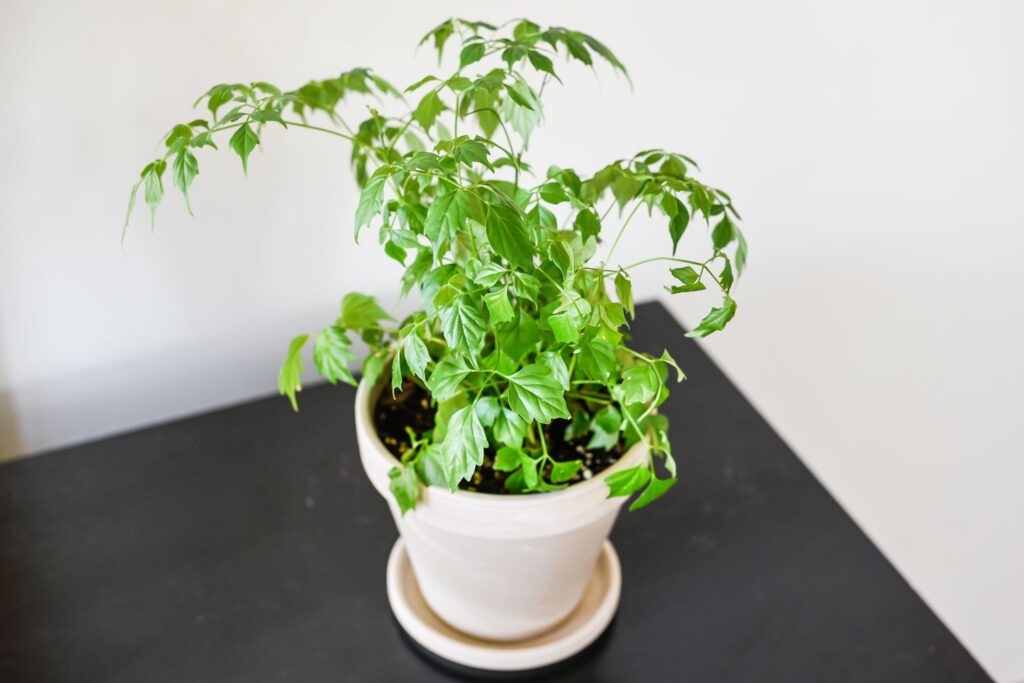
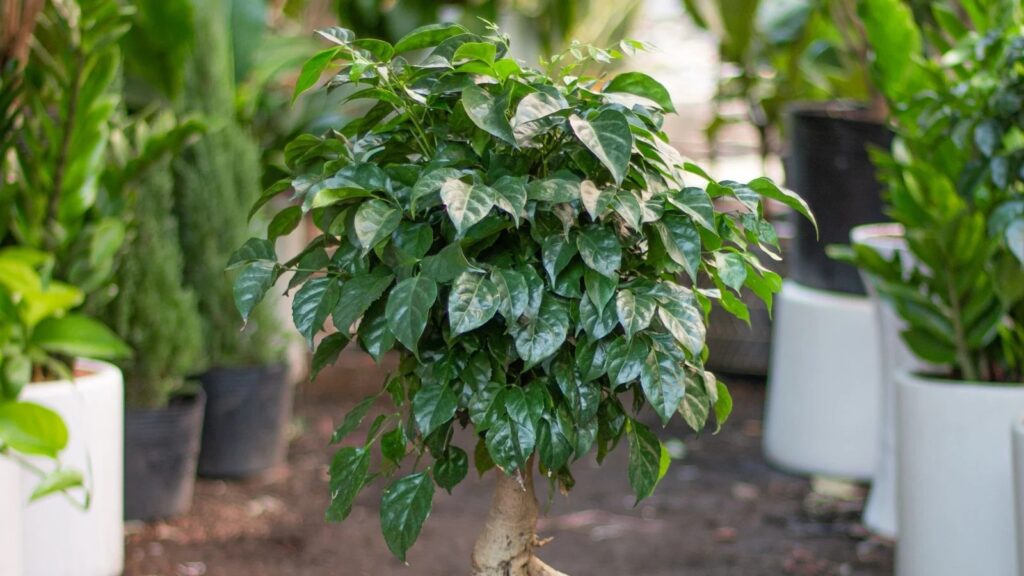
The China Doll plant, known botanically as Radermachera sinica, has become one of the most elegant indoor plants admired in modern homes. Its delicate, shiny leaves and gently branching structure make it resemble a miniature tree, almost reminiscent of a cultivated bonsai. When placed thoughtfully within interior spaces, the China Doll plant can become more than just a houseplant. It can serve as a living centerpiece, bringing depth, texture, and a touch of natural refinement to any room.

What makes this plant particularly captivating is the contrast between its lush green foliage and its graceful silhouette. It has a softness that doesn’t feel overwhelming, allowing it to blend harmoniously with a range of decorative styles. Whether you prefer minimalist interiors, bohemian arrangements, or classic decor, the China Doll plant holds its own visually, adding character without demanding attention. With the right styling, potting approach, and placement strategy, it can evolve into a signature feature of your home.

Understanding the China Doll Plant’s Unique Visual Appeal

The beauty of a China Doll plant comes from the balance of fullness and detail in its foliage. Each leaf is small, glossy, and finely textured, while the branches form layers that cascade softly. Rather than taking up abrupt visual space, the plant offers a layered effect that encourages the eye to linger.

Many indoor plants either dominate their environment or fade into the background. The China Doll thrives in a sweet spot. It can be the focal point of a room or complement the space quietly depending on how it’s positioned and styled.

Its compact yet tree-like form also contributes to its charm. You get the elegant presence of a small indoor tree without requiring the height of a fiddle leaf fig or the sprawling habit of a rubber plant. The result is subtle sophistication ideal for tabletops, plant stands, and decorative nooks.

Choosing the Right Pot to Elevate the Plant’s Aesthetic

The pot you choose plays a major role in how the China Doll plant is perceived visually. While it may seem like a simple detail, the container is effectively the plant’s frame, influencing the mood it communicates.

Modern ceramic pots in matte finishes emphasize elegance, making the plant feel like an intentional part of a well-curated interior. White or soft neutral shades allow the glossy leaves to stand out with beautiful clarity. On the other hand, deeper earthy tones or textured clay pots add warmth, giving the plant a grounded, organic feel.

The plant’s branching habit benefits from a pot that offers a little vertical room without being too wide. A pot that is too large can make the plant appear lost or awkward. A proportionate pot highlights its tree-like presence, encouraging the eye to travel upward along its branching structure.

Even more subtle are decorative accents like stands. Elevating the China Doll plant just a few inches can draw attention to its silhouette in a room. Wooden stands create a natural pairing, while metal stands give a more structured and modern feel. When paired correctly, pot and stand combinations can transform the plant into an intentional design statement.

Placement Ideas to Showcase Its Beauty Indoors

The China Doll plant thrives when placed in bright, indirect light, making certain areas of the home more favorable than others. Its ability to respond to light means that thoughtful placement not only enhances health but also optimizes aesthetic presentation.

Near a sunny window with filtered light is ideal. A sheer curtain can diffuse direct rays, allowing the leaves to maintain their deep green tone. Placed in a living room corner, it can soften the sharpness of furniture while offering a calming natural element. On a side table or plant pedestal, it becomes the perfect visual counterweight to lamps and artwork.

In dining rooms, a medium-sized China Doll plant can act as a natural sculpture, especially when centered near the window or paired beside a buffet table. The plant’s vertical structure complements dining setups without obstructing views or conversation.

Bedrooms benefit from its gentle presence as well. A plant in the bedroom carries a sense of tranquility, and the China Doll plant’s delicate branching pattern evokes calm rather than clutter. Placing it near a reading chair or by a dresser can frame the room in a soft, restful way.

Styling the China Doll Plant as a Centerpiece

To turn the China Doll plant into a centerpiece, consider how it interacts visually with surrounding objects. A single plant on a table can look stunning when the pot has distinctive character, but styling can be enhanced through contrast and balance.

Pairing the plant with objects of different heights creates a layered visual experience. A candle holder, a small ceramic vase, or a framed photograph nearby helps create a vignette. The key is maintaining spaciousness so that the plant’s airy foliage remains the focus.

For minimal interiors, allowing the China Doll plant to stand alone emphasizes its natural beauty. When framed by negative space, the leaves seem to float, and the plant appears clean and modern. This approach is particularly effective against white walls or simple shelving.

More eclectic or cozy interiors benefit from grouping. A China Doll plant surrounded by textured objects, such as woven baskets or warm-toned sculptures, creates a rich, homey atmosphere. The plant becomes the living heart among collected objects, tying them all together.

Creating Atmosphere Through Height and Shape

The structure of the China Doll plant lends itself beautifully to height-based styling. Its upright growth adds architectural balance to a room. Placed near lower furniture, such as side chairs or coffee tables, the plant creates a visual rise that guides the eye upward. This makes the room feel more dynamic and thoughtfully arranged.

Some homeowners encourage a fuller, bushier shape by periodic pruning. Others allow the plant to grow taller and more tree-like. Both approaches create different moods. A fuller shape feels warmer and more abundant, while a taller, delicate shape feels airy and refined. Your pruning choices are part of your design language.

Potting Considerations for Long-Term Beauty

While aesthetics matter, potting decisions influence the plant’s ability to remain attractive over time. The China Doll plant prefers well-draining soil and does not tolerate heavy, soggy mixes. A blend formulated for indoor tropical plants or a mixture of standard potting soil with added perlite encourages healthy roots and keeps the foliage lush.

Choosing a pot with drainage holes is essential. The goal is to balance hydration without overwhelm, as overwatering can lead to leaf drop. When the plant is healthy and stable, its leaves shine visibly, giving it the striking vibrancy that makes it such a decorative treasure.

Repotting should be done gently and only when the plant has clearly outgrown its current container. Preserving root integrity keeps the plant’s silhouette consistent and prevents stress that may affect its appearance.

Seasonal Styling and Shifts in Placement

As natural light changes through the year, the China Doll plant may need repositioning. In bright summer months, it may thrive slightly further from the window. In winter, it may benefit from being moved closer.

These small adjustments can inspire seasonal styling changes as well. During warmer months, pairing the plant with glass vessels or lighter decor can evoke a breezy, open atmosphere. In cooler months, placing it alongside warm-toned wood or textiles enhances comfort and coziness indoors.

A Living Work of Interior Art

The China Doll plant is more than a greenery accent. It is a living expression of balance and elegance, offering form, texture, and movement to interior design. With thoughtful placement, pot choice, and styling, it becomes a centerpiece that draws attention gently rather than demanding it.

Its beauty lies in its subtlety. It does not shout; it whispers natural refinement. And in a world full of noise, a plant that brings quiet sophistication can be one of the most meaningful design elements in a home.

The Psychology of Eating Organic: Why Consumers Choose Purity and Transparency

The modern obsession with organic food is far more than a dietary trend—it’s a psychological statement about purity, safety, and identity. When consumers reach for an organic apple instead of a conventional one, they’re not merely buying fruit; they’re making a symbolic choice that aligns with deeper values and emotional needs. This desire for purity reflects a broader human instinct: the longing for control in an increasingly complex and industrialized world.

At its core, the appeal of organic food is rooted in trust and emotional reassurance. People want to believe that what they eat is clean, natural, and untainted by chemicals or corporate manipulation. In a global food system often criticized for its opacity, the “organic” label functions as a moral and psychological anchor—a promise of honesty in a landscape clouded by additives, pesticides, and artificiality. This perception of purity taps into primal associations between food and safety, reminiscent of how early humans sought out uncontaminated sources of sustenance.

Research in consumer psychology shows that organic buyers often link their purchasing habits with personal identity. Choosing organic food isn’t only about what they consume—it’s about who they are. This phenomenon, known as self-concept congruence, explains why people derive satisfaction from aligning their consumption with their self-image. For many, organic food embodies integrity, mindfulness, and environmental consciousness. Eating organically, therefore, becomes a form of self-expression—a daily affirmation of moral and personal values.

There’s also a subconscious dimension to this attachment. Studies in food psychology reveal that consumers frequently perceive organic products as tasting better, healthier, and even fresher, despite blind tests often showing minimal differences. This cognitive bias, known as the “halo effect,” allows the “organic” label to elevate the entire sensory experience. When people believe they’re eating something pure, their brains interpret it as more rewarding. In essence, organic food satisfies both physiological and psychological cravings at once.

This emotional connection between food and purity also reflects anxiety about modernity itself. In a world dominated by synthetic chemicals, genetic engineering, and mass production, organic food symbolizes a retreat to nature—a way to reclaim simplicity and authenticity. Choosing organic becomes a rebellion against the industrial food complex and a return to perceived natural order. For many, it’s not just a purchase—it’s a moral stance, an act of quiet resistance against a system they distrust.

Ultimately, the allure of organic food lies in its symbolic purity, not just its nutritional content. It speaks to a deep-seated desire to eat not only healthfully but virtuously—to nourish the body and the conscience simultaneously. The organic label transforms everyday eating into a moral ritual, turning the act of consumption into an act of meaning.

Transparency and Trust: The New Currency of Food Choice

If purity is the emotional core of organic eating, transparency is its rational foundation. Modern consumers live in a time of information overload but also deep skepticism. Scandals involving contaminated produce, misleading labeling, and hidden ingredients have eroded public confidence in the food industry. Against this backdrop, the organic certification system has emerged as a trusted signal—a beacon of clarity in a market where opacity often reigns.

Transparency functions as a psychological balm for uncertainty. When shoppers see the “USDA Organic” or “Certified Organic” label, they experience a sense of reassurance. It’s not merely about whether the food was grown without pesticides or synthetic fertilizers; it’s about trusting that someone is watching. That trust has immense emotional value. It allows people to feel in control, even when the food supply chain is vast, globalized, and largely invisible to the average consumer.

But transparency also appeals to a more cognitive dimension of decision-making. According to research in behavioral economics, humans prefer to make choices that reduce ambiguity. When presented with two similar products—one with a detailed origin story and one without—consumers overwhelmingly choose the one with greater traceability. Organic food capitalizes on this tendency by providing a structured narrative of oversight and accountability. Each label tells a story of traceable farming, ethical treatment, and environmental respect.

Moreover, the psychology of transparency intersects with moral trust. People don’t just want information—they want assurance that the information aligns with their ethical compass. The concept of “clean labels” has gained traction for this very reason. It signals that a product’s composition and sourcing reflect integrity rather than deception. When people perceive honesty in food marketing, they are more likely to feel loyal to the brand, even if it costs more. In other words, trust is a premium commodity, and transparency is its gateway.

This is why organic branding goes beyond factual labeling—it emphasizes emotional storytelling. Brands highlight the farmers, the soil, and the “journey” of the food to evoke a sense of closeness and authenticity. Consumers are drawn to stories that humanize production because it counters the alienation many feel from industrial agriculture. By consuming organic food, individuals can symbolically participate in a transparent, values-driven ecosystem.

The power of transparency also manifests in social validation. People who prioritize organic products often share their choices publicly, consciously or not reinforcing their moral alignment. This social signaling—“I eat consciously; therefore, I am responsible”—reinforces their self-image as informed and ethical participants in society. The act of choosing transparent products becomes a way to broadcast both virtue and discernment.

In a consumer landscape where deception and greenwashing abound, transparency has become the ultimate differentiator. It transforms a simple purchase into a statement of discernment and integrity. The psychology of eating organic is thus deeply intertwined with the psychology of trust—each bite represents not just nourishment but confidence in the unseen processes that brought the food to the table.

Health, Identity, and the Quest for Control

Health motivations play a major role in why people turn to organic food, but these motivations extend far beyond the desire for vitamins or nutrient density. In fact, the choice to eat organic often reflects an emotional pursuit of control over one’s health and environment. In a world filled with processed foods and chemical exposure, organic eating offers a sense of empowerment—an active defense against perceived threats to well-being.

At the psychological level, control and agency are critical components of human motivation. When individuals feel uncertain about their health or distrustful of institutions—whether due to medical misinformation, chronic illness, or food recalls—they seek autonomy in their choices. Eating organic provides that autonomy. It allows consumers to take responsibility for their health in a tangible way, even if the scientific benefits remain contested. The perception of control itself can enhance well-being, creating a self-reinforcing cycle of positive behavior and belief.

The link between food and identity further deepens this dynamic. Modern consumers increasingly view dietary choices as expressions of selfhood. Eating organic can serve as a form of identity performance—a visible commitment to wellness, mindfulness, and environmental ethics. This is especially evident in younger demographics, where organic consumption is associated with lifestyle branding. Social media amplifies this identity, turning food into both nourishment and narrative. The organic smoothie bowl or farmers’ market haul becomes a badge of moral and aesthetic distinction.

However, there’s also a subtle psychological paradox at play. The pursuit of purity can sometimes border on orthorexia nervosa, a fixation on eating “perfectly” clean or natural foods. This illustrates how the same desire for control that drives organic consumption can, in extreme cases, morph into anxiety. Nevertheless, for most consumers, organic eating remains a positive and empowering behavior—a way to reconcile health, ethics, and modern life.

Another crucial aspect of this psychology is risk perception. People tend to overestimate the dangers of synthetic chemicals while underestimating natural risks—a phenomenon known as the “naturalistic fallacy.” The word “organic” triggers a powerful heuristic in the brain: natural equals safe. Even when scientific evidence doesn’t always support this belief, it continues to shape consumer decisions profoundly. The organic label thus functions as a shortcut for safety and moral goodness.

In sum, the psychology of eating organic is as much about control and identity as it is about nutrition. It provides a means of navigating a world that often feels uncertain and overwhelming. By choosing organic food, consumers can craft an internal narrative of health, empowerment, and purpose—a story in which every meal affirms their agency over their own well-being.

The Social and Ethical Dimensions of Organic Eating

Beyond personal health and identity, the organic movement carries powerful social and ethical undertones. For many consumers, buying organic is an act of social participation—an investment in sustainability, fairness, and ecological responsibility. This dimension adds moral gravitas to the act of eating, turning consumption into a form of civic expression.

Ethical motivation operates on both individual and collective levels. Consumers often associate organic farming with environmental stewardship, believing it protects biodiversity, supports small farmers, and reduces pollution. These beliefs trigger what psychologists call moral satisfaction—the emotional reward of acting in alignment with one’s values. Each purchase becomes an affirmation of belonging to a conscientious community. The feeling of “doing the right thing” reinforces loyalty to organic brands and fosters a sense of shared purpose.

Organic consumption also reflects a broader critique of industrial capitalism. Many consumers view the conventional food system as exploitative and opaque, prioritizing profit over people. By contrast, organic farming symbolizes fairness, transparency, and ethical reciprocity. This moral narrative strengthens the emotional bond between consumers and the food they buy. Eating organic thus becomes a small but meaningful act of resistance—a personal effort to vote with one’s wallet.

Social psychology also reveals that organic consumption can serve as a status signal, particularly among affluent demographics. Because organic products often cost more, they function as indicators of cultural capital and discernment. However, unlike luxury goods, this form of status is morally charged—it’s a prestige rooted in virtue rather than vanity. The organic lifestyle signals intelligence, empathy, and social responsibility, all of which carry significant symbolic weight in modern culture.

The collective dimension of organic eating has expanded into activism and policy advocacy. Communities that prioritize organic food often push for broader systemic change: school lunch reform, pesticide bans, or subsidies for sustainable farming. In this sense, the psychology of eating organic extends from the individual plate to the global ecosystem. It channels personal values into public impact.

Ultimately, the social and ethical motivations behind organic eating transform consumption into a form of moral engagement. Food becomes more than sustenance—it becomes a means of expressing empathy for others and accountability to the planet. This moral expansion explains why organic eating has endured not just as a dietary preference but as a social movement—one that redefines what it means to eat responsibly in the modern age.

Conclusion: Beyond the Label—The Deeper Meaning of Organic Eating

The psychology of eating organic reveals far more than a preference for cleaner ingredients; it exposes a complex interplay of emotion, identity, trust, and morality. At every level—from the individual to the collective—the decision to buy organic reflects deep-seated psychological needs: the desire for purity, the quest for transparency, the pursuit of control, and the longing for ethical coherence.

Consumers who choose organic are not just reacting to marketing—they are participating in a cultural shift toward mindful consumption. They seek to align their eating habits with their beliefs, to close the gap between what they value and what they consume. This makes organic food both a product and a philosophy—an edible manifestation of integrity in an era of industrial opacity.

Yet, the enduring power of organic eating lies in its symbolism. It transforms nourishment into narrative, turning the act of eating into an act of meaning. Whether motivated by health, morality, or self-expression, consumers find in organic food a sense of authenticity that the modern food system too often lacks. It’s a reminder that what we eat is never just about sustenance—it’s about who we are, what we trust, and what we aspire to become.

As science, technology, and agriculture continue to evolve, the definition of “organic” may change. But the psychology driving it—the yearning for purity, transparency, and connection—will remain constant. Because beneath every organic label lies a universal human truth: our deepest hunger is not only for food, but for clarity, honesty, and belonging in the choices we make.

Newer posts »